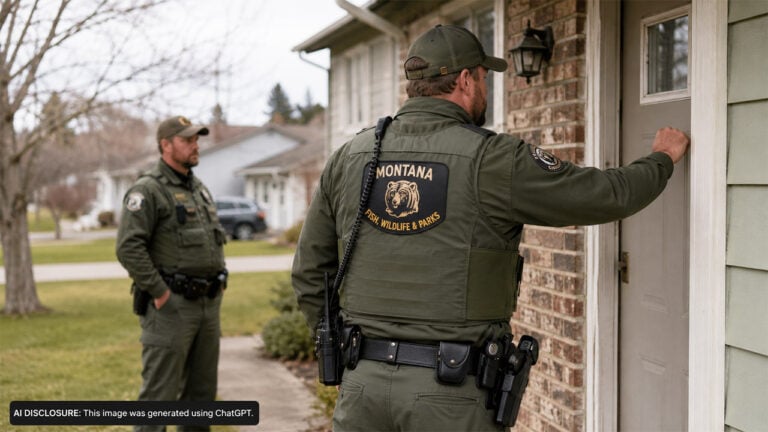
Photo credit: The Avid Outdoorsman
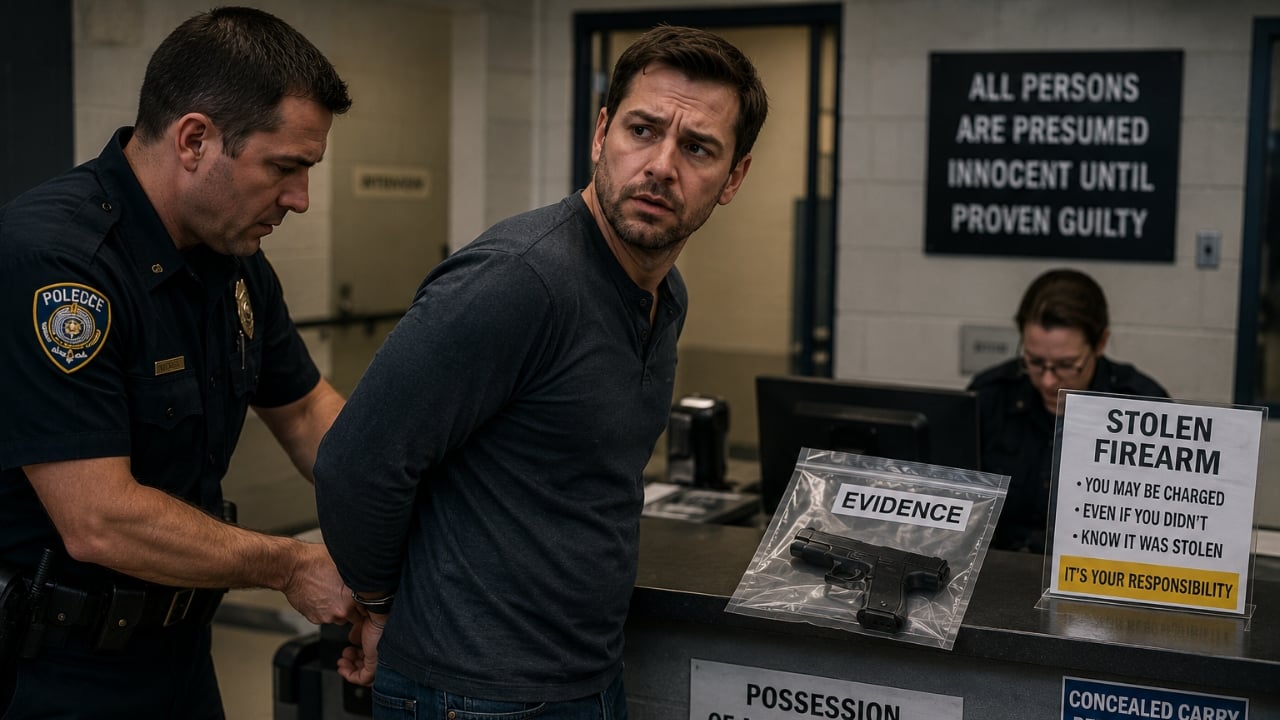
The man said he had a handgun license, which made the arrest feel even more confusing from his point of view. According to the Reddit post, he was arrested for possessing a stolen firearm, but he claimed he did not know the gun was stolen.
The original Reddit post can be found here: https://www.reddit.com/r/legaladvice/comments/bbg0l5/question_arrested_for_possession_of_a_stolen/
That is the kind of situation that shows why a legal carry license does not solve every gun problem. A license may show someone is legally allowed to carry or possess a handgun under normal circumstances, but it does not make a stolen firearm lawful to possess. If the gun itself comes back stolen, the license does not erase the stolen-property issue.
The man’s argument was that he did not know. That matters in a human sense, and it may matter legally depending on the charge, the state, and what prosecutors would have to prove. But it does not stop an arrest from happening if officers run the serial number and the firearm comes back stolen.
A person can end up in that position a few ways. Maybe they bought the gun in a private sale. Maybe they received it from someone they trusted. Maybe they did not check the history or did not know how to. Maybe the seller had a story that sounded normal at the time. But once the serial number is flagged, the buyer’s good faith becomes something to prove later, not something that necessarily prevents the arrest.
That is why paperwork matters so much with used firearms. A bill of sale, seller information, texts arranging the purchase, transfer records, purchase date, price paid, and any background check or FFL paperwork can help show the buyer was not the thief and did not knowingly buy stolen property.
Without that paper trail, the case can turn into one person’s word against the facts surrounding the gun.
The arrest also created a second problem. Even if the man eventually proved he did not know the firearm was stolen, he still had to deal with the criminal case, the seized gun, bond conditions, court dates, and the risk to his license. A stolen-gun accusation is not something to talk your way out of casually after charges are filed.
The smartest next step would be to stop trying to explain it alone and get a lawyer. If he truly bought or received the firearm innocently, his defense would likely depend on proof: where it came from, who gave it to him, what he was told, and whether he had any reason to suspect it was stolen.
Commenters told him that having a handgun license did not protect him from a stolen-firearm charge. The license may have made ordinary possession legal, but the stolen status of the gun was a separate issue.
Several people said he needed an attorney immediately. Once an arrest had happened, the problem was beyond internet advice. A lawyer could review the charge, the evidence, the serial-number report, and the facts around how he got the gun.
Others focused on the seller or source. If he bought the firearm from someone else, he needed to save every message, receipt, bill of sale, name, phone number, or payment record tied to that transaction. That could help show he did not know the gun was stolen and could point investigators toward the person who supplied it.
Some commenters warned him not to contact the seller and start trying to fix the story himself. If the gun was stolen, the seller might panic, lie, disappear, or create more problems. That information should go through his attorney or investigators.
The post ended with a lesson that applies to anyone buying used guns. A license helps prove you can legally possess a handgun, but it does not prove the handgun itself is clean. When a firearm’s history is bad, the buyer needs paperwork, a clear source, and legal help fast.
Like The Avid Outdoorsman’s content? Subscribe to our newsletter so you never miss an article.
Here’s more from us: