Photo credit: MCK/YouTube
Some guns stayed cheap so long that buyers started believing the price was normal. They sat in pawn shops, surplus cases, estate-sale racks, and used-gun counters while people chased newer names or more obvious collectibles. Nobody felt much pressure to buy because there always seemed to be another one waiting.
Then the supply thinned out, the quality became harder to ignore, or collectors finally started paying attention. The same guns that once felt ordinary suddenly looked like bargains people should have grabbed by the armload. These firearms were cheap for too long, and plenty of buyers only realized it after the easy years were over.
Smith & Wesson Model 915
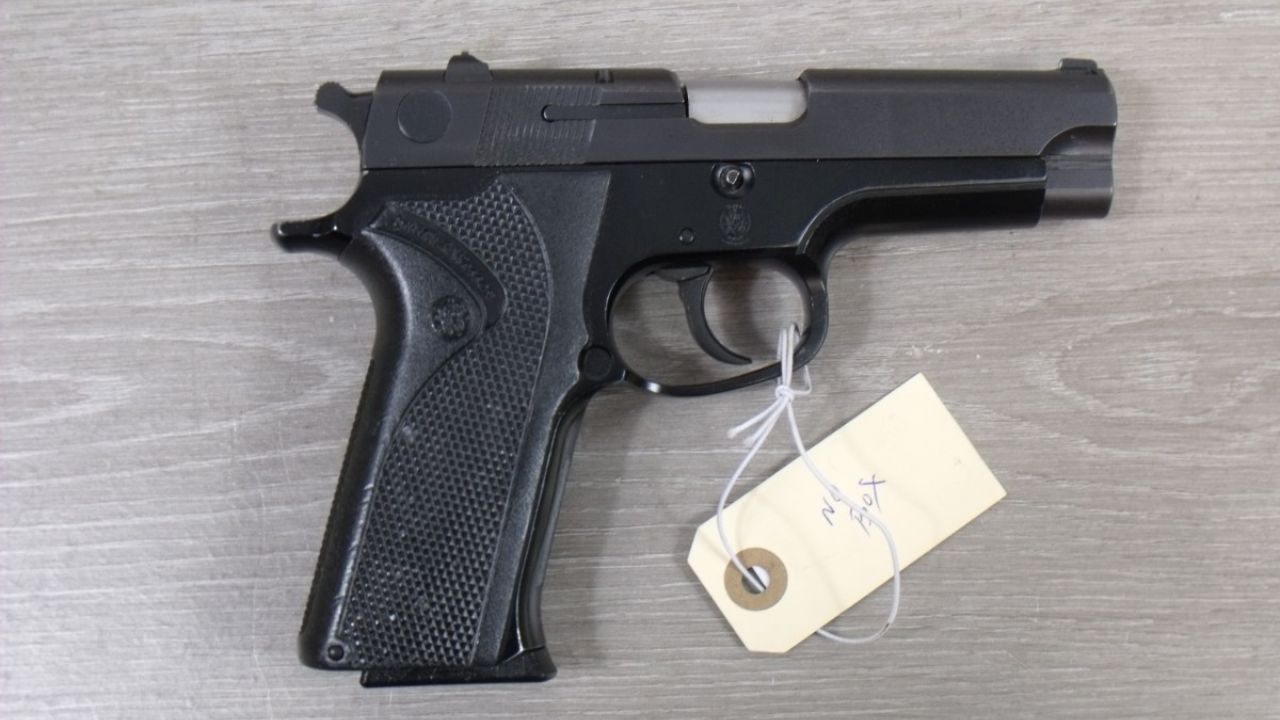
The Smith & Wesson Model 915 spent years being treated like the budget member of the third-generation Smith family. It did not have the stainless shine of the 5906 or the same collector pull as some other models, so buyers often walked past it.
That made it a better deal than people admitted. The 915 still had the core duty-pistol feel, good capacity, and reliable 9mm handling that made those old Smith autos respected. It was plain, but it worked. Once metal-frame service pistols started getting more love, the old bargain prices stopped making sense.
Remington Model 511 Scoremaster
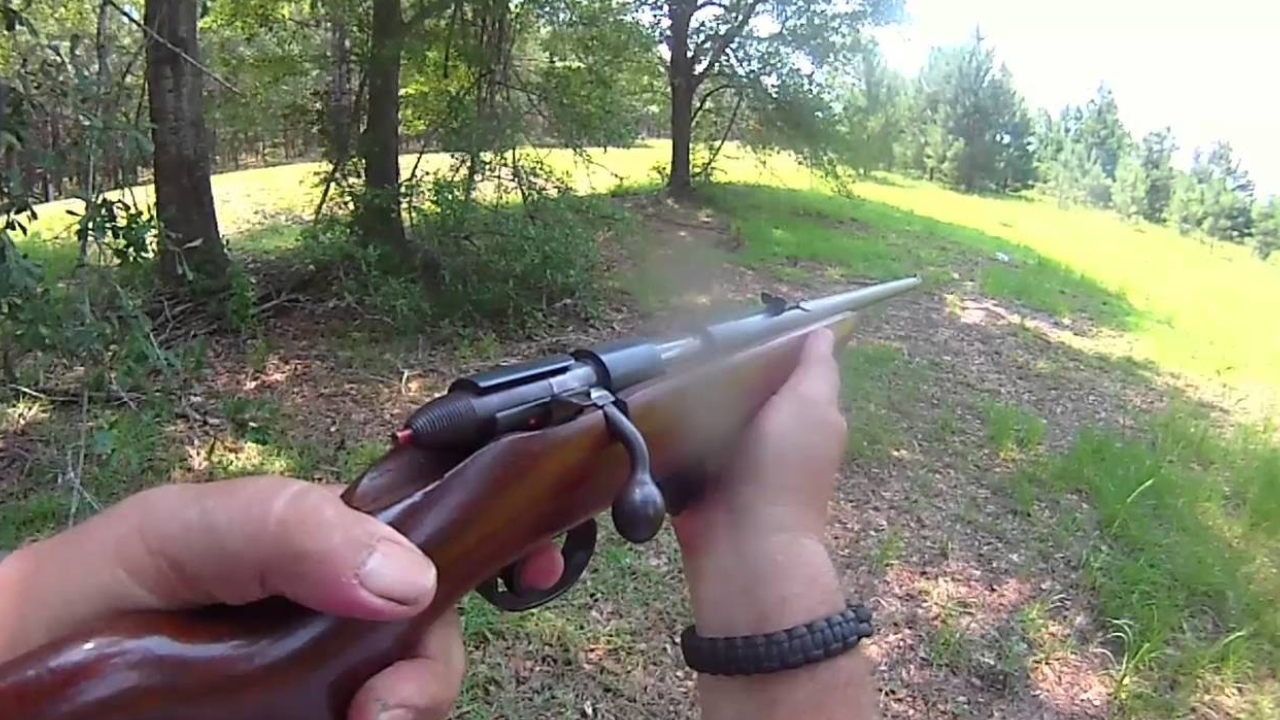
The Remington Model 511 Scoremaster was one of those old bolt-action .22s that people used to see as a simple kids’ rifle or farm gun. It was affordable, common enough, and not flashy in any way.
That is exactly why it stayed cheap too long. The 511 had real walnut-and-steel quality, good practical accuracy, and a grown-up feel most bargain rimfires do not have. It could handle small game, slow target work, and casual plinking without drama. Good old rimfires like this deserved more respect before everyone started missing how well they were built.
Ruger P94
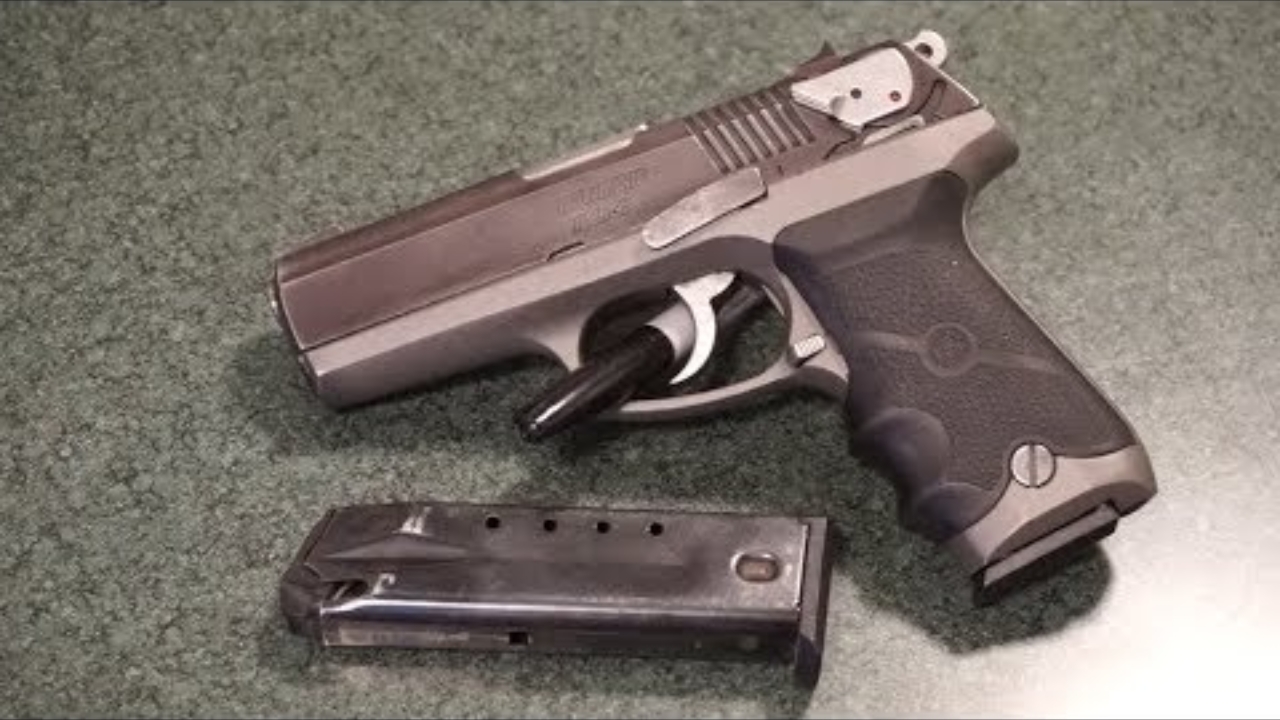
The Ruger P94 never had much cool factor. It was blocky, a little bulky, and part of a pistol family people often mocked for being overbuilt and plain.
But cheap was never the same as bad. The P94 was tough, reliable, and usually much better on the range than its looks suggested. In 9mm or .40 S&W, it gave buyers a solid defensive or range pistol for very little money. Shooters who ignored them because they were ugly missed the point. Ruger made a tank, and tanks should not have been that inexpensive.
Winchester Model 250
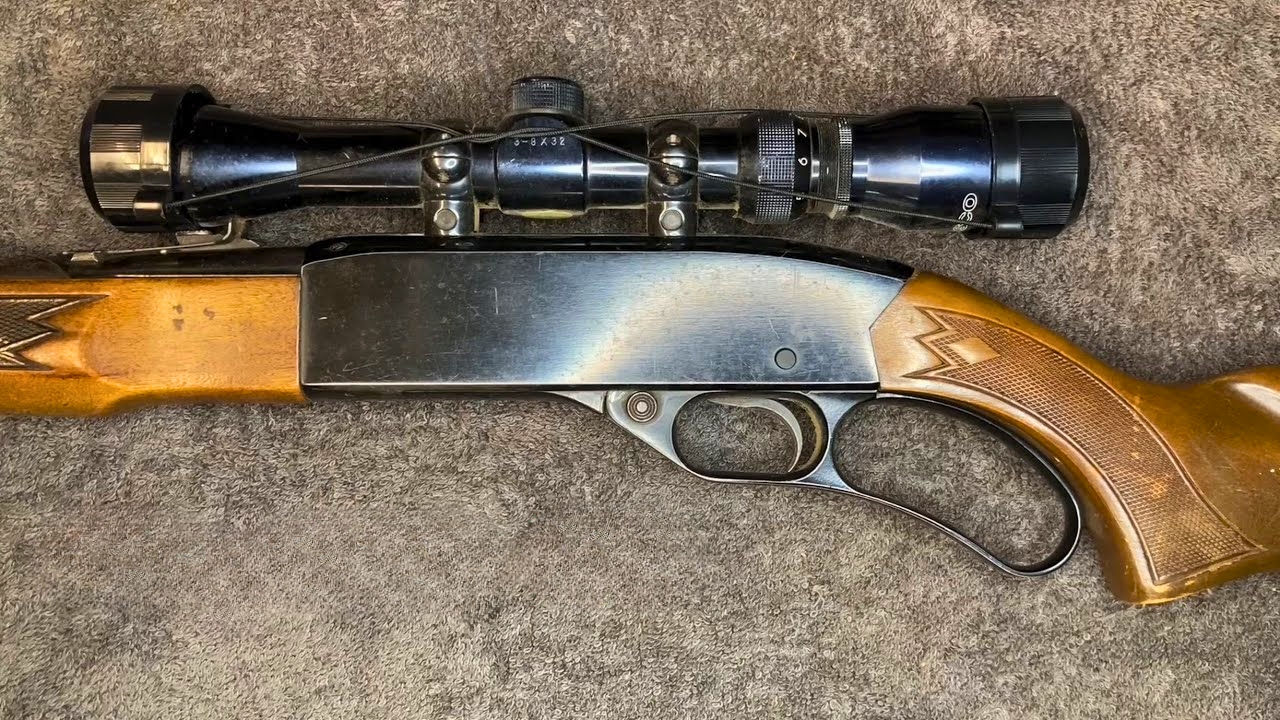
The Winchester Model 250 was easy to overlook because it was not a classic centerfire lever gun and did not have the same collector aura as older Winchesters. It was a tube-fed lever-action .22 that many buyers treated like an ordinary plinker.
That casual treatment kept prices soft longer than they should have been. The Model 250 is handy, fun, and useful for small game or relaxed range shooting. It has enough Winchester character to matter, even if it was never the fanciest rimfire in the catalog. Good ones now remind people that lever-action .22s should never have been dismissed as cheap extras.
Beretta Model 70
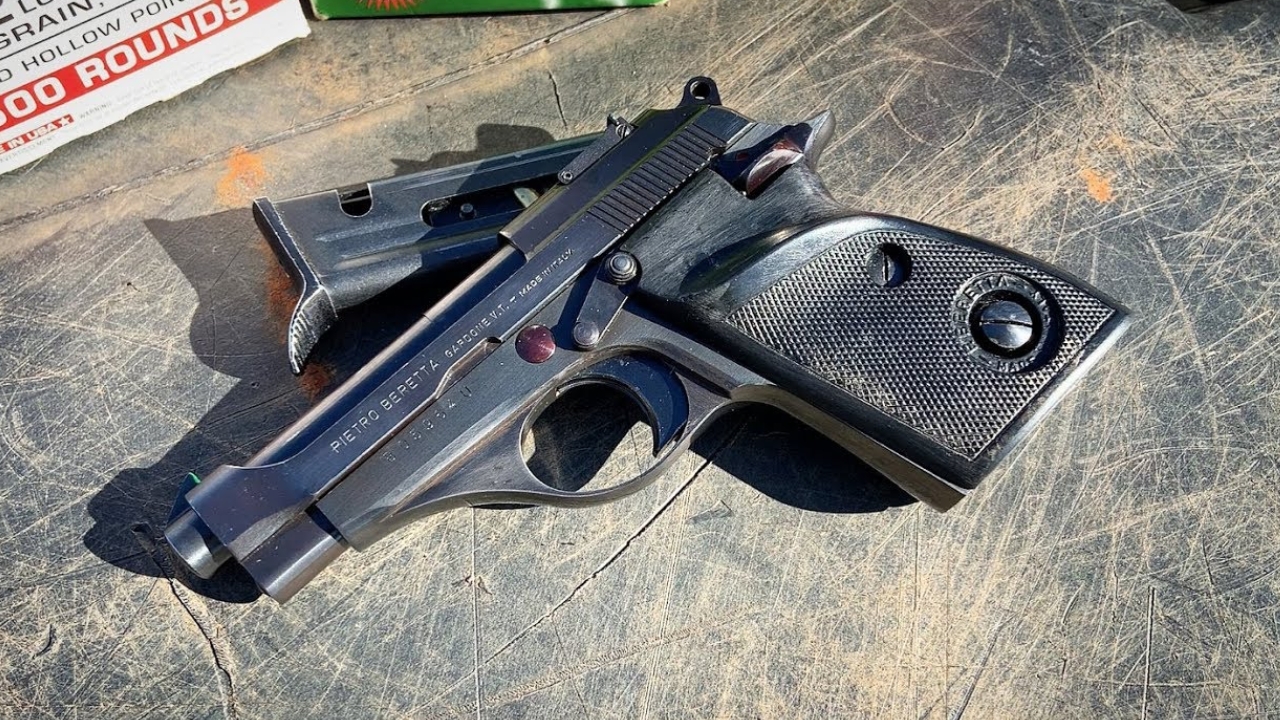
The Beretta Model 70 stayed affordable for years because it lived outside the main American carry-gun conversation. Small European autos in .32 ACP and .380 were easy to ignore once modern 9mms took over.
That made them quiet bargains. The Model 70 is slim, well-made, and full of classic Beretta character. It feels better in the hand than many modern pocket pistols, even if it loses the caliber and capacity argument. Collectors eventually caught on because quality small pistols do not appear by accident. These were cheap because people were looking at the wrong things.
Savage Model 4
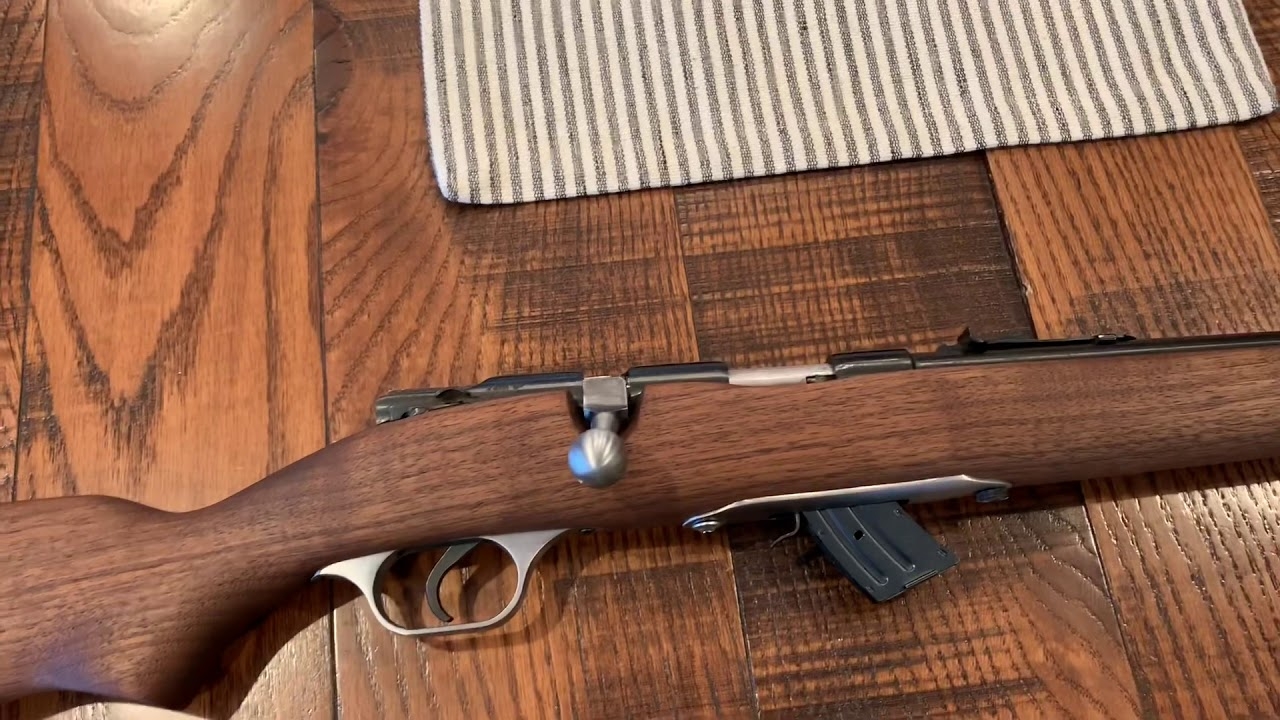
The Savage Model 4 was a plain old bolt-action .22 that rarely made anyone stop at the rack. It looked like a working rimfire, and that was enough for many buyers to ignore it.
But those rifles were often accurate, simple, and better built than their old prices suggested. They were made for small game, farm use, and steady plinking, which means many were used hard and not preserved. Clean examples have more appeal now because shooters understand that older utility rimfires had real quality. The Model 4 was cheap because people mistook plain for disposable.
Colt Police Positive Special
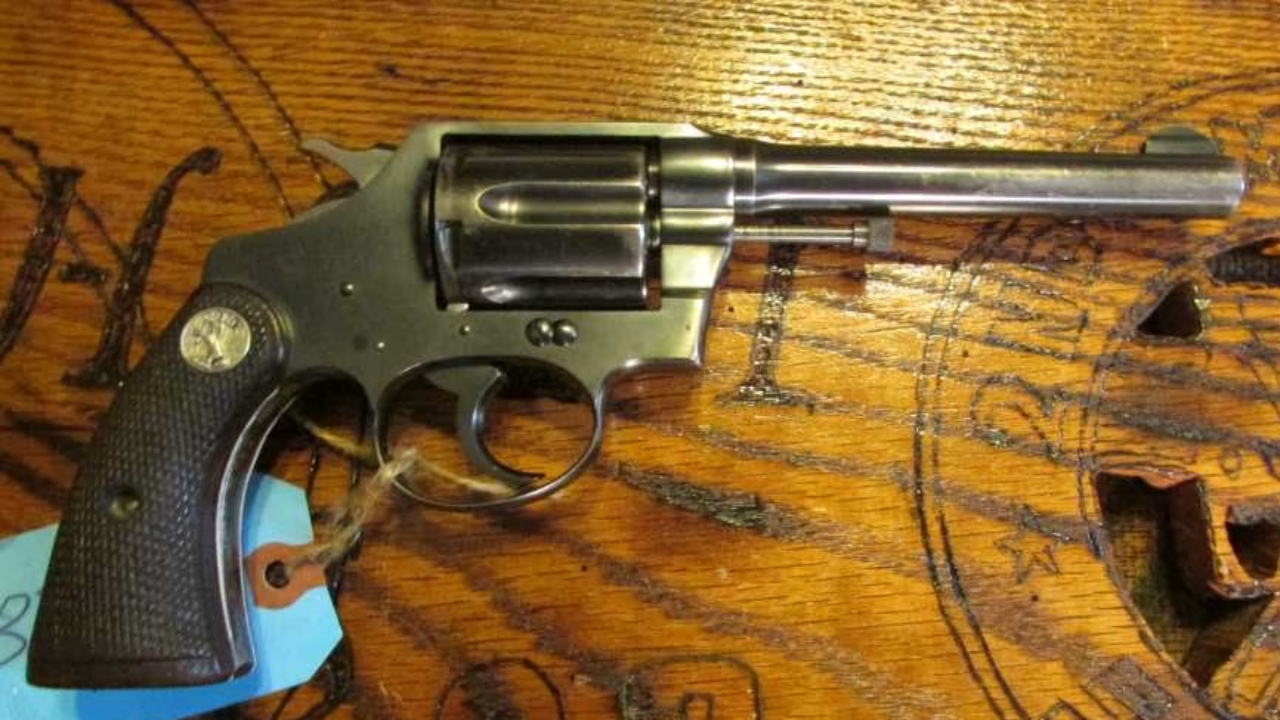
The Colt Police Positive Special spent years sitting below the flashier Colt revolvers in collector attention. It was smaller, plainer, and chambered mostly in practical rounds like .38 Special, so buyers often chased bigger names instead.
That kept it too affordable for too long. A good Police Positive Special has classic Colt lockwork, great lines, and real historical value as a working revolver. It is not a magnum showpiece, but it was never meant to be. Once Colt revolver prices started rising across the board, people realized the modest little service guns had been ignored unfairly.
Marlin Model 80
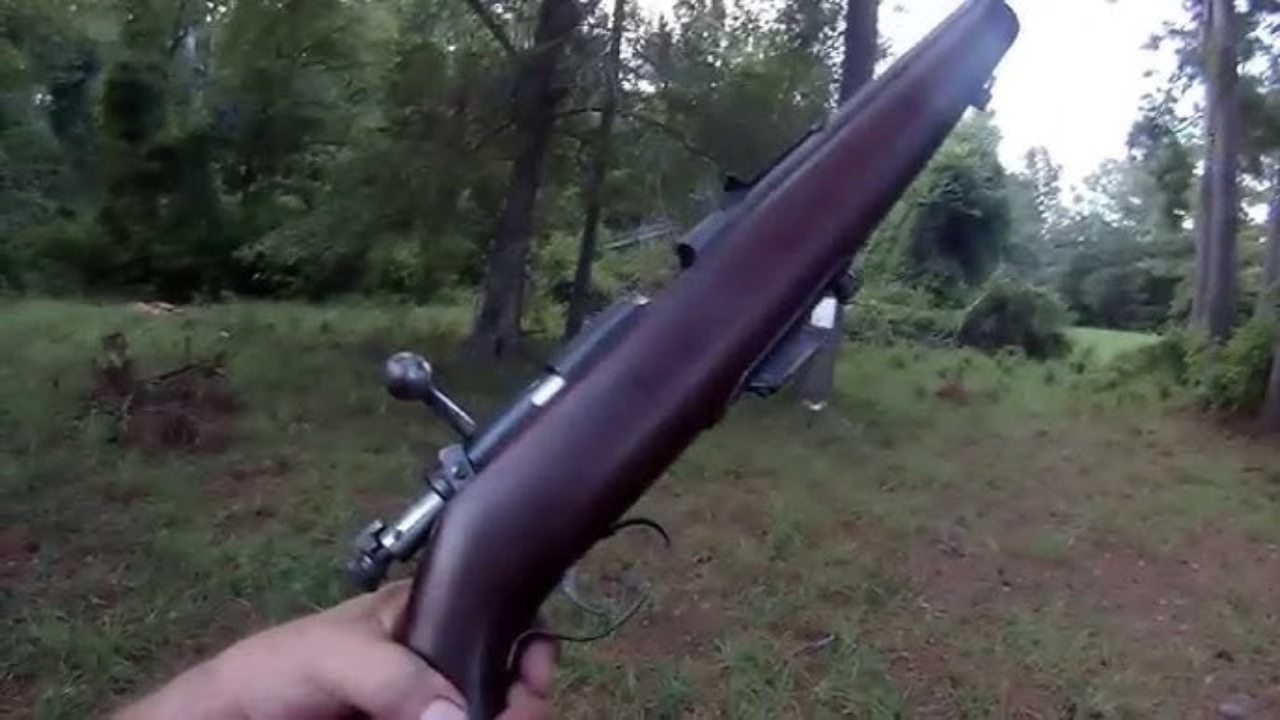
The Marlin Model 80 was another rimfire that looked too ordinary for its own good. A bolt-action .22 with a detachable magazine did not seem urgent when used racks were full of cheap plinkers.
That thinking aged poorly. The Model 80 was accurate, simple, and practical in the way older Marlins often were. It worked for squirrels, paper targets, and teaching young shooters without feeling flimsy. For years, people could buy them for very little because nobody was chasing plain rimfires. Now older Marlin .22s look like exactly the kind of guns people should have bought sooner.
Astra A-75

The Astra A-75 stayed cheap because Spanish pistols never had the same American pull as SIG, Beretta, Smith & Wesson, or CZ. A compact metal-framed pistol from Astra was easy for buyers to dismiss as an oddball.
That was unfair. The A-75 had solid construction, a comfortable size, and a smooth-shooting feel that made it better than many expected. It was compact without feeling toy-like, and it carried more quality than the old prices suggested. Parts support was always the concern, but as a shooter, it deserved more respect than the bargain bins gave it.
Mossberg 46B

The Mossberg 46B was one of those older .22 rifles that looked like grandpa’s plinker and nothing more. The tube magazine, long barrel, and simple stock kept it from feeling exciting to modern buyers.
That helped keep prices low for years. The 46B was accurate, well-built, and loaded with old rimfire personality. Many came with interesting sight setups and handled small-game work beautifully. A lot of modern .22 rifles feel cheaper despite looking newer. The old Mossberg proved that affordable rimfires once came with real workmanship baked in.
Star Model Super B
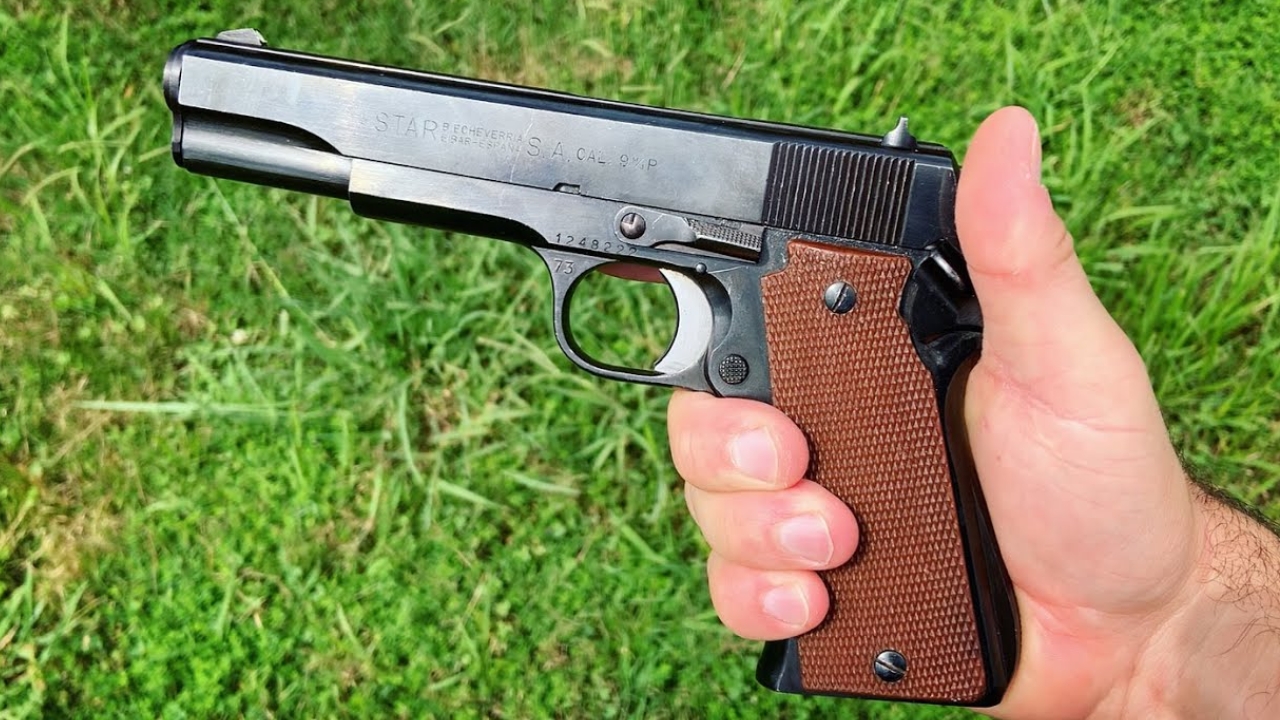
The Star Model Super B was cheap for a long time because it was surplus, Spanish, and not quite a 1911 despite looking close enough to confuse people. Many buyers treated it like a curiosity instead of a serious pistol.
That kept the price lower than the gun deserved. The Super B was an all-steel 9mm with single-action handling, military history, and a surprisingly enjoyable range feel. It was not perfect, and parts concerns were real, but good examples shot well and had character. Surplus buyers who skipped them often wish they had grabbed one while they were still overlooked.
Stevens Model 311
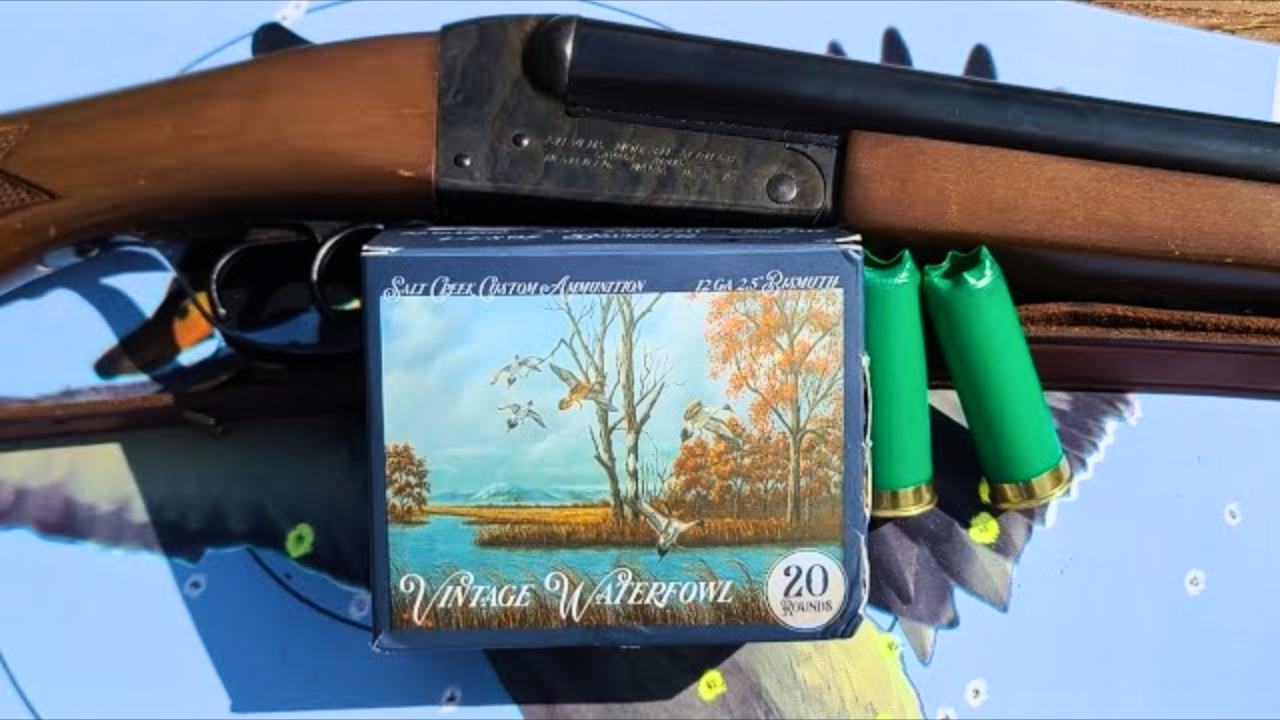
The Stevens Model 311 was never fancy, and that is why it stayed cheap for so long. It was a plain American side-by-side shotgun built for working hunters, not collectors looking for fine engraving or delicate balance.
But plain doubles have their own appeal. The 311 was sturdy, simple, and useful for rabbits, birds, farm work, and casual shooting. Many were beat up because owners actually used them, which makes clean ones more interesting now. As affordable side-by-sides became less common, the old 311 started looking like a better buy than people admitted.
Ruger 77/50
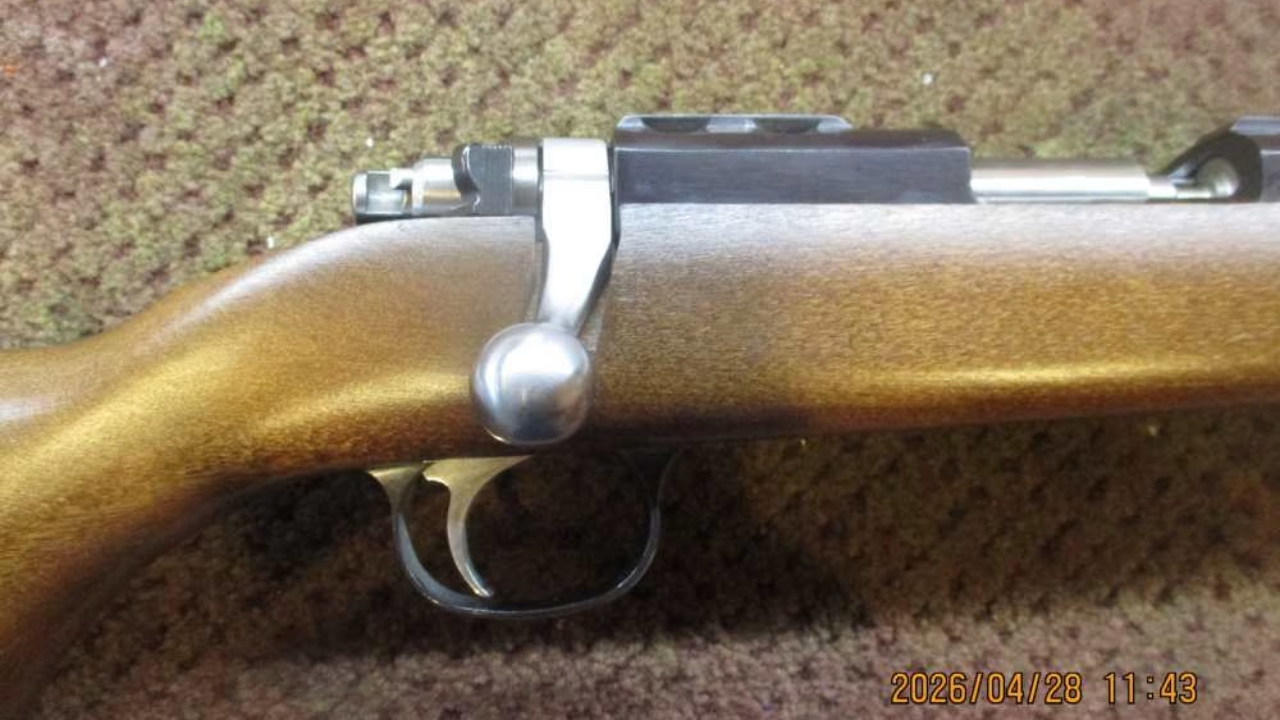
The Ruger 77/50 sat in a strange place for years. It looked like a bolt-action rifle but worked as a muzzleloader, and once inline muzzleloader trends moved on, many buyers ignored it.
That made it cheaper than it probably should have been. The 77/50 had Ruger build quality, familiar bolt-gun handling, and a more serious feel than many bargain muzzleloaders. It was not the newest answer forever, but it was well made and useful for hunters who liked the setup. Now that Ruger no longer makes them, the old low prices look too easy.
Smith & Wesson 6906

The Smith & Wesson 6906 was once a common police-trade-style compact 9mm that buyers could find without much effort. It was not rare, glamorous, or new enough to create urgency.
That was exactly why it stayed cheap too long. The 6906 had an alloy frame, stainless slide, good capacity, and the kind of compact duty-pistol feel that modern shooters are appreciating again. It carried better than the full-size third-generation guns while still feeling sturdy. Once buyers started chasing classic Smith autos, the 6906 went from overlooked to obviously underpriced.
Thompson/Center Grey Hawk
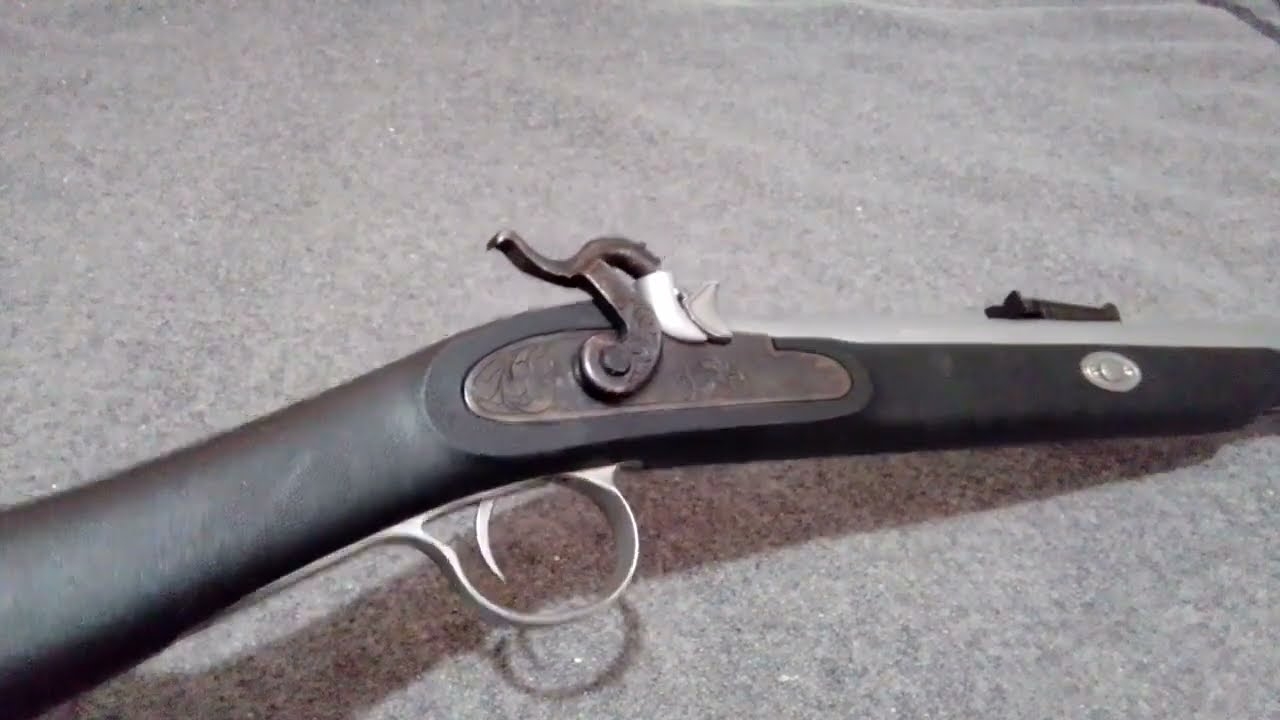
The Thompson/Center Grey Hawk was easy to overlook when muzzleloader hunters started chasing newer inline designs. It looked more traditional than modern, but not as old-school as a full sidelock Hawken, so it landed in an awkward middle.
That kept prices soft for a while. The Grey Hawk was stainless, practical, and useful for hunters who wanted a weather-resistant muzzleloader with more classic handling. It had real field value and better build quality than many cheaper muzzleloaders. Once Thompson/Center’s older muzzleloaders became more appreciated, the Grey Hawk started looking like one of those guns buyers should have noticed earlier.
Like The Avid Outdoorsman’s content? Subscribe to our newsletter so you never miss an article.
Here’s more from us: