
Some handguns fall apart almost immediately once you shoot them past the first magazine. The grip feels wrong, the trigger surprises you in all the worst ways, or the recoil impulse throws your mechanics off faster than you expect. Confidence drains fast when a gun doesn’t behave consistently, and that uncertainty shows up in your groups, your cadence, and your willingness to push the pistol harder. A good handgun makes you settle in; a bad one makes every press feel like a gamble.
These pistols earn their reputation because the moment you start shooting them seriously—even for a few magazines—they undermine your confidence instead of building it.
FEG PA-63

The FEG PA-63 looks like a handy surplus carry pistol, but the first magazine usually tells shooters everything they need to know. The lightweight aluminum frame produces sharp recoil, and that snap creates immediate flinching for anyone not prepared for it. The heavy double-action trigger doesn’t help—many shooters struggle to keep sights aligned through the long initial press.
As you continue shooting, the gun’s balance makes recovery between shots challenging. Even experienced shooters often find themselves adjusting grip and stance constantly. The PA-63 can be reliable, but its shooting manners drain confidence quickly, especially during rapid strings.
Astra A-75

The Astra A-75 offers durable construction, but the trigger characteristics and weight distribution catch many shooters off guard. The double-action pull is long and noticeably heavy, making the first shot difficult to break cleanly. By the time you get through the first magazine, you’ve likely thrown several shots simply fighting the trigger.
In single-action, creep is easy to feel, and the reset is longer than most expect. The muzzle rise also feels more abrupt than its size suggests. By the second magazine, many shooters lose their rhythm and begin pressing harder instead of smoother—an immediate confidence killer.
AMT Backup .380

The AMT Backup’s small size is appealing, but the shooting experience rarely inspires trust. The long, extremely heavy trigger pull forces shooters to grip harder than they should, which leads to sight disruption on nearly every press. After the first magazine, most shooters realize they’re wrestling the gun rather than working with it.
The recoil impulse feels abrupt because of the gun’s weight and dimensions, and the steel frame doesn’t soften the blow. The combination of trigger weight, grip shape, and muzzle rise makes it difficult to build confidence beyond close-range work.
KelTec P11

The KelTec P11’s trigger is one of the reasons shooters lose confidence quickly. The long travel and heavy pull require constant concentration. During the first magazine, your sights drift more than you expect, and the break seems to arrive late every time.
The short grip frame also encourages inconsistent hand placement, which shows up immediately in split times and group size. By the second magazine, many shooters start anticipating recoil because the pistol’s lightweight build amplifies any movement. Confidence never has a chance to settle in.
Taurus PT-111 Millennium (first generation)

Early PT-111 Millennium pistols show their weaknesses immediately. The trigger is spongy with an inconsistent wall, making precise control difficult. During the first magazine, shooters often experience low hits because they press harder than intended trying to overcome the trigger’s stacking.
Recoil management isn’t terrible, but the overall shooting feel is busy and distracting. The grip texture and frame geometry cause shifting hand placement under recoil. By the time you reload, it’s clear the gun doesn’t help you settle into a rhythm.
Phoenix Arms HP22A

The HP22A looks approachable, but the first magazine often exposes its challenges. The trigger varies in feel from shot to shot, making it hard to predict a clean break. Combine that with a very light frame, and the muzzle moves more than expected.
As you continue shooting, confidence fades because the gun behaves inconsistently. The sights don’t return to target the same way each time, and the long reset slows down controlled pairs. It’s enjoyable for casual plinking, but it doesn’t help anyone build skill or assurance.
Bersa Thunder 22

The Bersa Thunder 22 offers decent ergonomics, but its long double-action pull discourages confidence early. Many shooters struggle to keep their sight picture steady through the initial stroke, and the break feels vague. The first magazine often shows wide groups, especially for those new to .22 pistols.
Once you transition to single-action, you still feel creep and a soft break that lacks clear feedback. During fast strings, the gun doesn’t settle naturally. Even with low recoil, the inconsistent trigger feel keeps shooters from trusting their mechanics.
Zastava M70A

The Zastava M70A is rugged, but its shooting characteristics drain confidence quickly. The grip angle and frame dimensions make recoil feel sharper than expected for a 9mm Tokarev-style pistol. The trigger can be gritty with noticeable take-up, causing hesitation during the first magazine.
By the second magazine, many shooters find the reset too long and vague for consistent timing. The older design shows its age in how slowly the gun returns to target. It works, but it never inspires confidence.
Llama IIIA

The Llama IIIA behaves unpredictably during the first magazine. Its trigger has inconsistent travel and a soft break, making precision work difficult from the start. Shooters often see shots drifting vertically because the break point changes as the gun heats.
Recoil is manageable, but the grip shape encourages minor shifts under pressure. Each magazine feels different as the gun settles, which erodes trust quickly. Instead of developing comfort, you spend your time adapting to the pistol’s behavior.
Ortgies Pocket Pistol

The Ortgies design is iconic, but its trigger is far from confidence-inspiring. The break feels mushy and lacks any tactile marker, so shooters tend to over-press or snap through the final portion. After one magazine, most realize they can’t predict where the shot will fire.
Because the gun is extremely light and small, any tension in your trigger hand disrupts stability. The combination of vague trigger feel and minimal grip surface makes confidence difficult to build—even for experienced shooters.
Llama Max-I
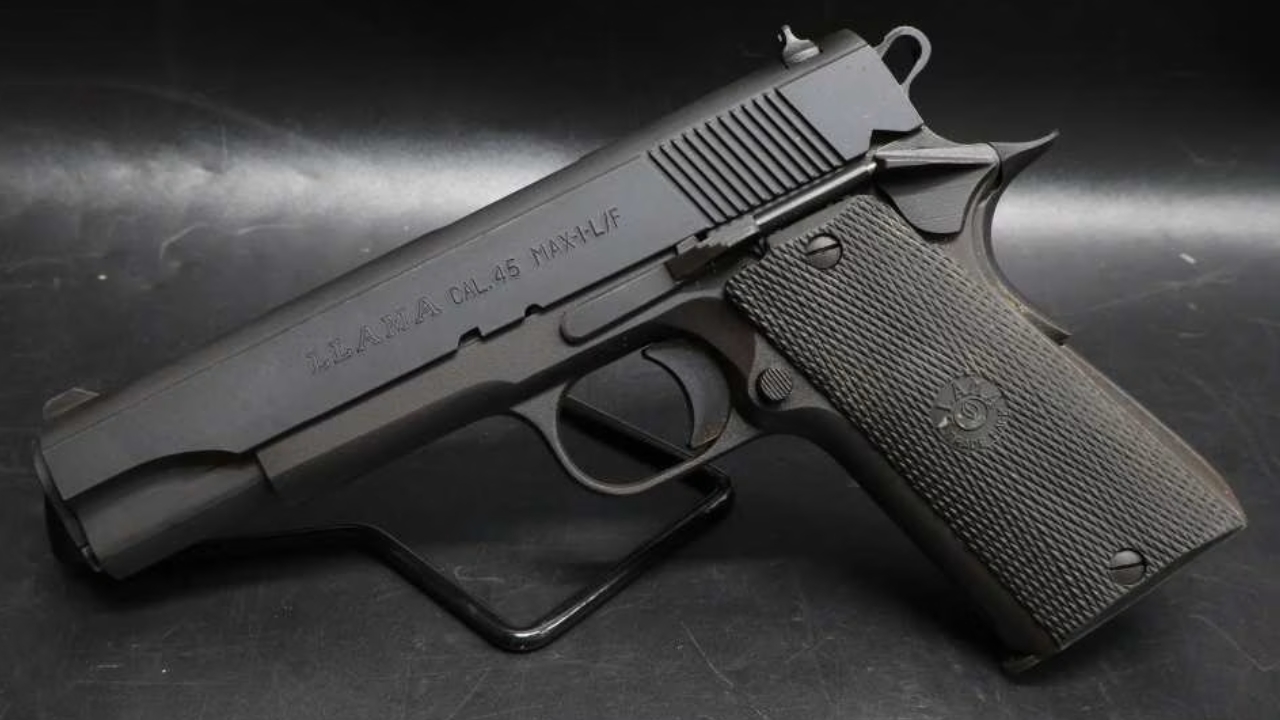
The Llama Max-I mimics a 1911, but its trigger doesn’t feel like one. The break is inconsistent and often gritty, especially on surplus examples. Your first magazine usually reveals this immediately as shots wander outside your expected impact area.
The reset isn’t crisp, and the variation between pistols is wide. Many shooters begin compensating by pressing harder or adjusting their grip unnecessarily. Instead of improving with familiarity, the trigger often becomes a source of frustration.
FEG R61

The R61 fires a potent round from a tiny package, and shooters feel it immediately. The sharp recoil combined with a heavy trigger pull disrupts sight alignment during the first few shots. By the end of the first magazine, many shooters are anticipating recoil.
The short grip and slippery finish make recoil control even more challenging. The trigger also shows inconsistent staging, which reduces confidence during precision work. The pistol is reliable, but not beginner-friendly.
Bernardelli Model 60
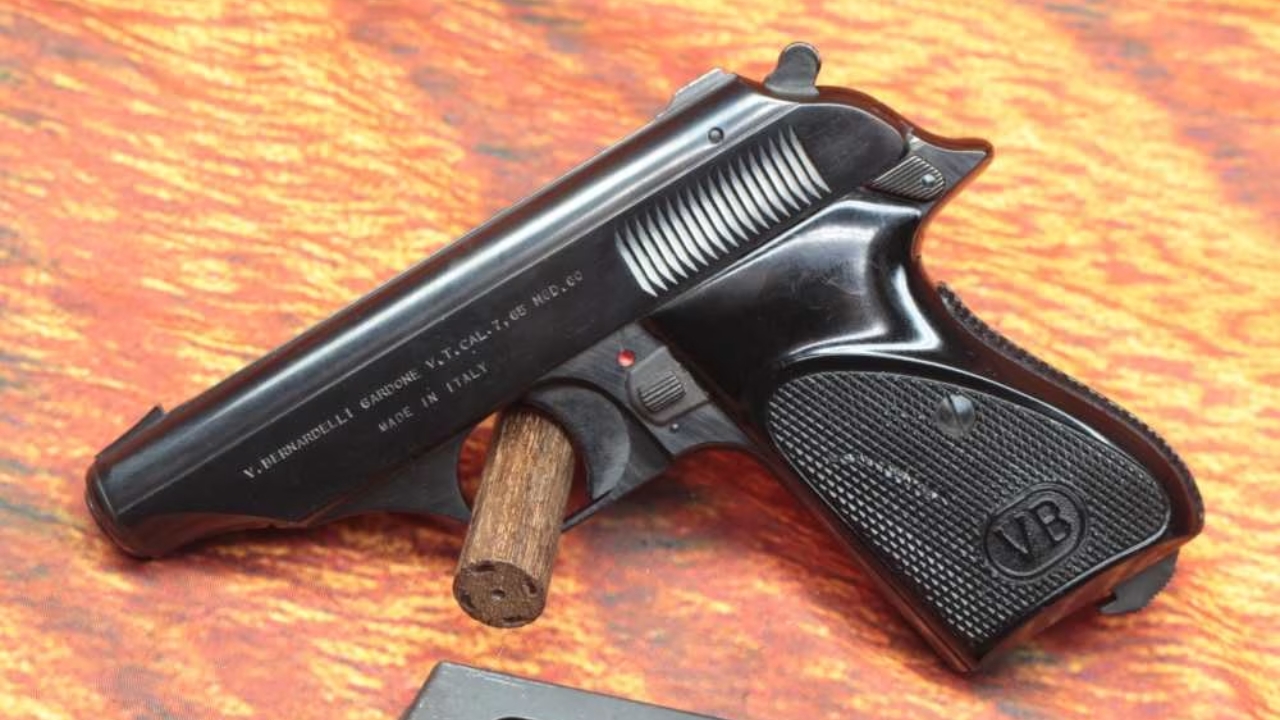
The Model 60 is well made, but its trigger feel undermines confidence early. The take-up feels spongy and the break lacks clarity. Shooters often find that their groups drift because the trigger press never quite feels the same twice.
During successive magazines, the vague reset makes it difficult to maintain cadence. Instead of developing a rhythm, shooters constantly adjust their pressure mid-press. It’s a refined pistol mechanically, yet the trigger keeps it from feeling trustworthy in the hand.
Star Model SI

The Star SI is a compact pistol with a reputation for reliability, but its trigger has significant creep and an abrupt break. During the first magazine, shooters often flinch because they can’t predict the moment the gun will fire. That inconsistency builds doubt quickly.
Even in later strings, the reset feels muted and slow. The ergonomics help, but the trigger keeps the pistol from feeling controllable under stress. Confidence fades as shooters fight the break rather than focusing on sight control.
FIE Titan II

The Titan II’s affordability comes with compromises in trigger quality. Many examples show heavy, uneven pulls that change character as the pistol heats. That means your first magazine might feel one way, and your next magazine something different entirely.
The break is often indistinct, which creates hesitation during slow fire and rushed presses during fast drills. By the time you finish the first box of ammunition, confidence usually shifts to frustration. The gun can function, but the trigger rarely inspires trust.
Like The Avid Outdoorsman’s content? Be sure to follow us.
Here’s more from us:


