Photo credit: Judah2027/Youtube
You can usually tell who’s been around handguns for a while by what they notice and what they don’t bother commenting on. It’s not snobbery. It’s pattern recognition. The quiet guys at the gun counter or the back bench at the range have seen enough broken parts, scarce magazines, sharp recoil in tiny frames, and “cool-guy” buys that turn into safe queens to know what matters.
These are the pistols that experienced buyers clock right away. Sometimes it’s because they’re proven and boring (the best kind). Sometimes it’s because they come with hidden baggage: discontinued support, expensive mags, weird ergonomics, or a reputation you only learn about after you’ve paid for two cases of ammo.
1. Glock 19 (Gen 3/4/5)
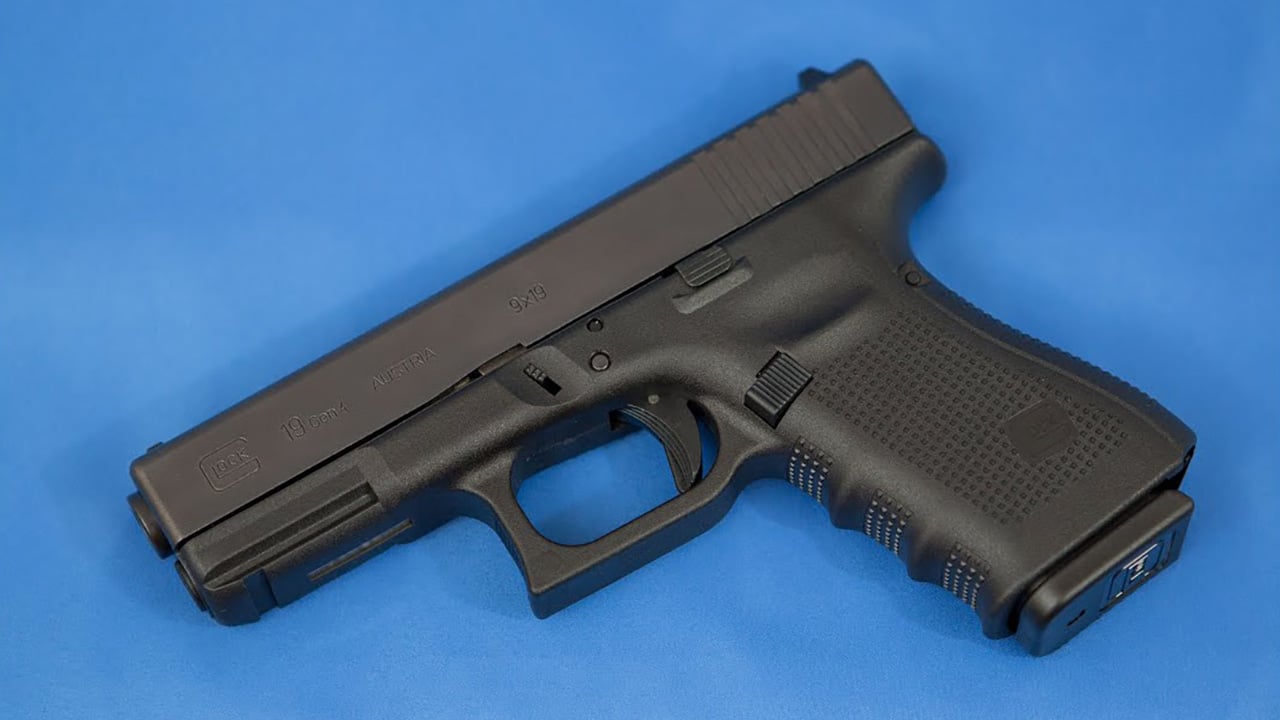
When a Glock 19 hits the counter, the experienced buyer doesn’t ask if it’s “good.” He checks the condition, looks at the night sights, and quietly notes whether it’s been messed with. A stock G19 with a decent holster wear pattern tells a story: it was carried, shot, and trusted. That’s a better resume than most “never fired” guns with a pile of aftermarket parts.
It’s not glamorous, and it’s not the softest shooter, but it fits more hands than it should and does most jobs well. Magazines are everywhere, parts are everywhere, and every instructor on earth has seen one. When something does go wrong, it’s usually straightforward to diagnose. There’s a reason it’s the baseline for “one handgun” talk.
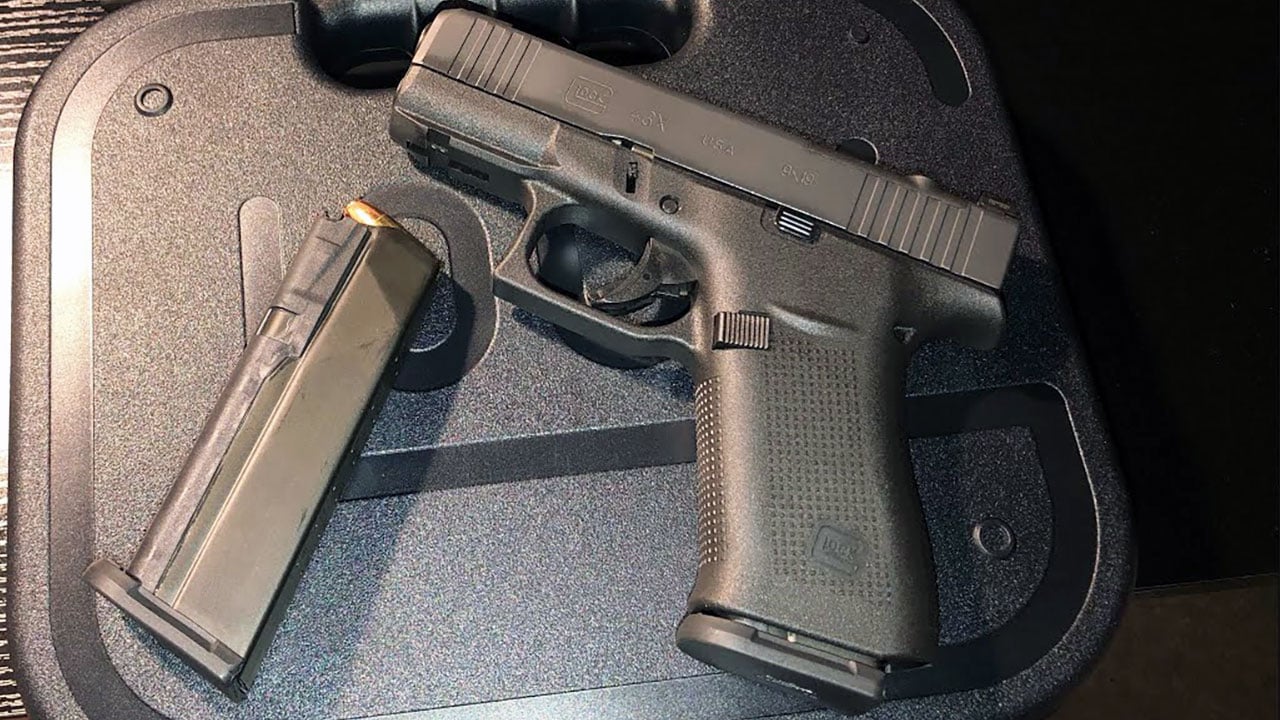
2. Glock 43X MOS
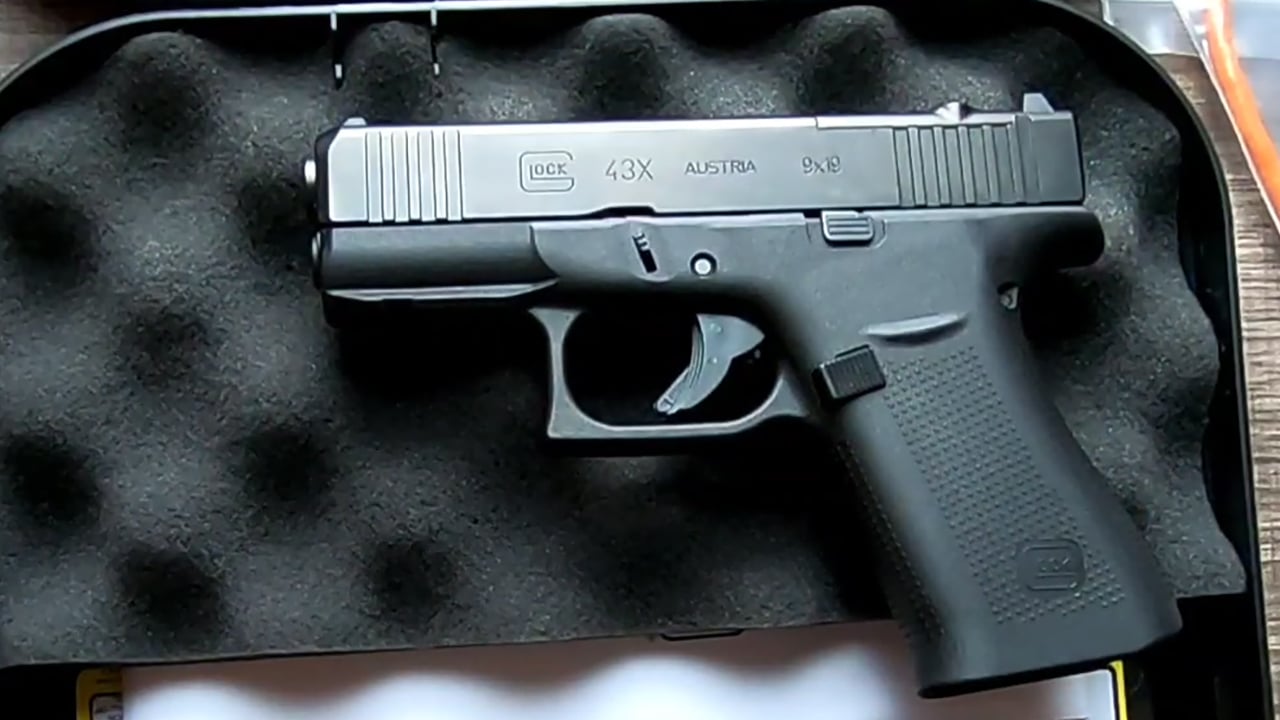
The 43X MOS is one of those guns that makes experienced folks glance at the slide cut and then at the holster selection on the shelf. It’s slim enough to actually carry all day, but it still points like a real pistol instead of a novelty. The MOS version matters because plenty of shooters end up wanting a dot after their eyes start getting honest with them.
The quiet concern is whether the buyer understands the whole system: optic footprint, sight height, and a carry belt that isn’t a fashion accessory. Done right, it’s a serious everyday tool. Done wrong, it becomes a finicky little rig that prints, rubs, and never gets practiced with. This one rewards people who keep it simple.
3. SIG Sauer P365 (standard and XL)

The P365 changed what “small” can mean, and the experienced buyer knows that without saying it out loud. They’ll pick it up and do that quick thumb check on the controls, rack it once, and see if it feels like one of the newer, sorted-out examples. Early internet drama made a lot of noise, but the platform matured and it’s become a legitimate workhorse.
What gets noticed is the balance: tiny footprint, real capacity, and a trigger that’s workable if you put the time in. The downside is it’s still a compact gun, and compact guns ask more of your grip and your fundamentals. If you shoot it well, you earned it. If you don’t, you’ll blame the gun. Ask me how I know.
4. Smith & Wesson M&P 2.0 Compact (4″)
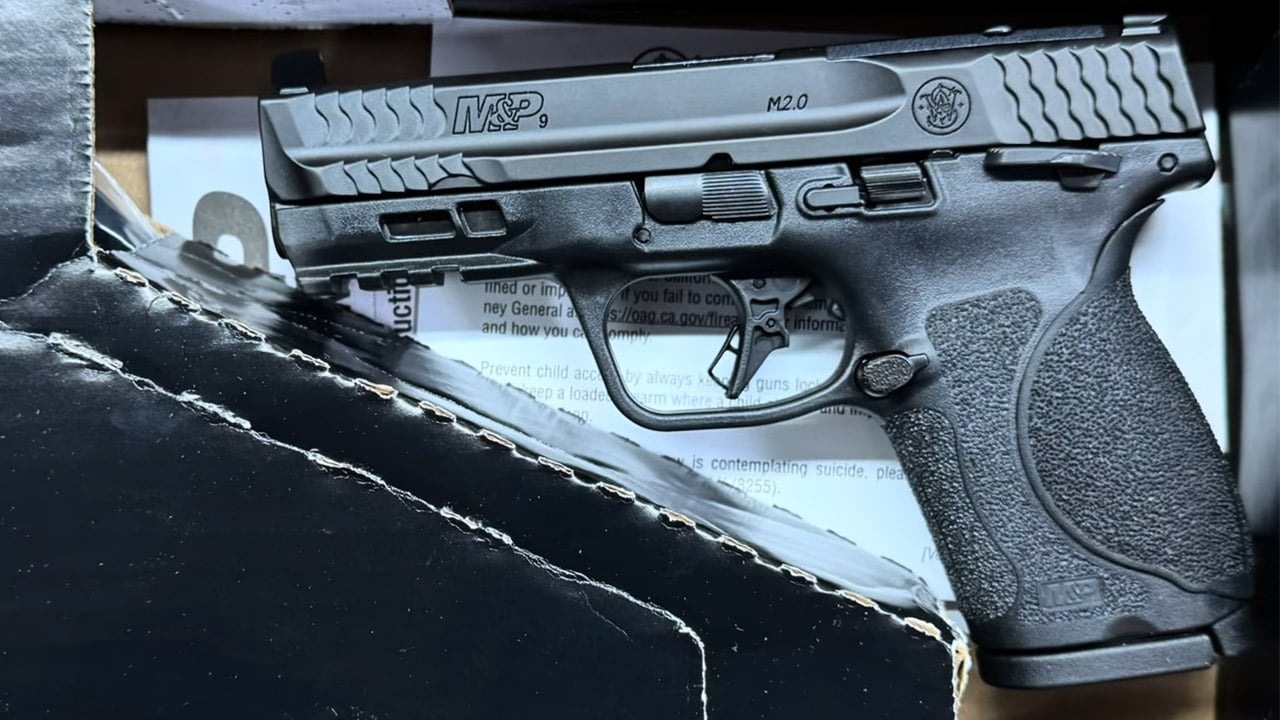
The M&P 2.0 Compact is what a lot of experienced shooters recommend when someone wants “Glock size” but a different feel. You’ll see the quiet nod when somebody picks one up and their hand just locks in. The grip texture is aggressive, and for a lot of folks that’s a feature, not a bug—especially when it’s hot, wet, or you’re wearing gloves in the woods.
The trigger is better than the old days, and the gun tends to run. Mag availability is solid, holster support is deep, and it’s easy to keep maintained without turning it into a project. The experienced buyer also knows it’s a pistol you can leave mostly stock and still feel like you’re not giving up anything important.
5. Heckler & Koch VP9

VP9 fans are usually quiet about it, and there’s a reason. The gun fits hands extremely well, the trigger is friendly, and it’s easy to shoot fast without feeling like you’re wrestling it. Experienced buyers notice the ergonomics immediately—those side panels and backstraps aren’t a gimmick when you’re trying to get consistent contact under recoil.
The VP9 can cost a little more up front, and HK magazines aren’t bargain-bin cheap. But the gun tends to hold up, and it’s one of the more forgiving striker guns for newer shooters without being “training wheels.” The guys who’ve shot a lot will also note it’s a pistol that rewards a high grip and good stance rather than masking sloppy technique.
6. Walther PDP Compact
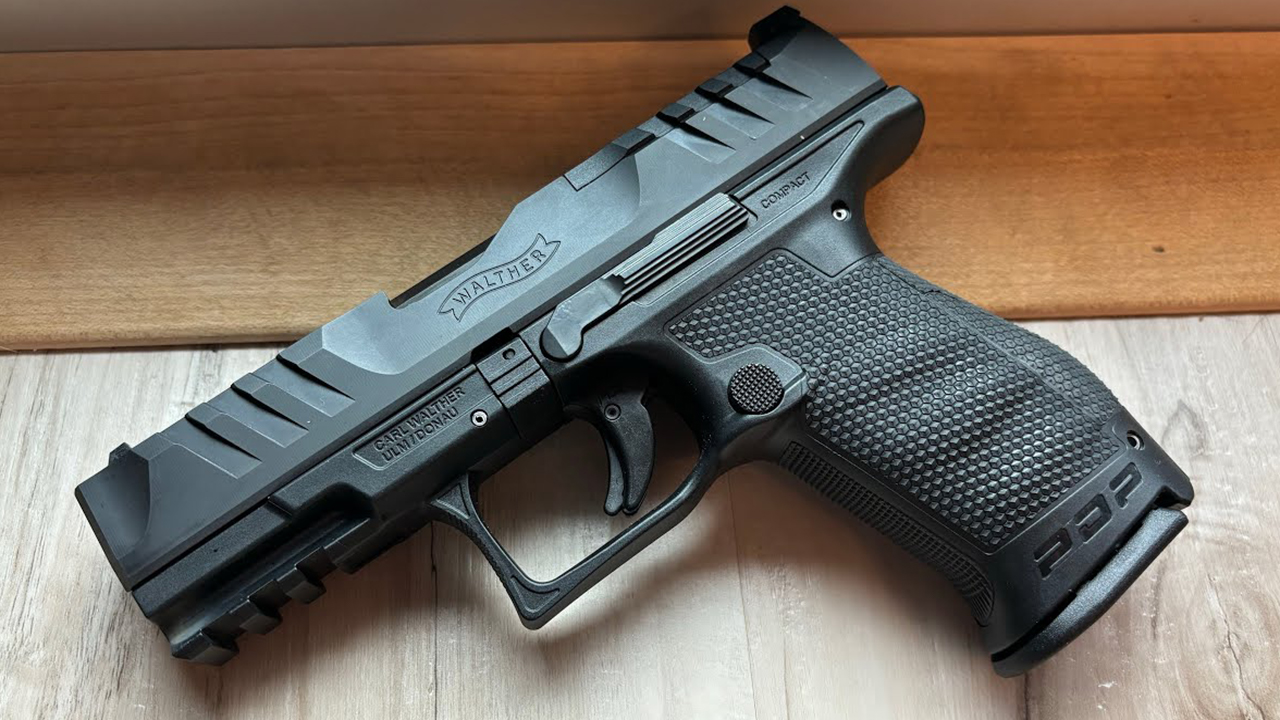
The PDP is the modern striker gun that makes experienced shooters look twice because it’s actually set up to be shot hard. The slide serrations are no joke, and anybody who’s racked a wet, cold slide with numb fingers appreciates that. It’s a “range fun” pistol that can still do real work if you choose good sights and don’t get carried away with accessories.
The flip side is it can be a little lively depending on the load and your grip. Not a deal breaker, just reality. Experienced buyers also pay attention to holster compatibility and whether the owner understands that a good dot and a good belt matter more than another gadget on the rail. It’s a solid platform, but it still needs a shooter behind it.
7. CZ 75B

The CZ 75B is one of those handguns that experienced buyers handle like they’re greeting an old friend. It’s steel, it’s a little heavy, and it soaks up recoil in a way polymer guns just don’t. The slide-in-frame design feels different, and if you’ve never run one, you’ll notice it right away.
It’s not the easiest to carry all day unless you dress around it, but on the range it’s a steady companion. The double-action first pull takes commitment, and the reset isn’t everyone’s favorite, but you can shoot it extremely well with practice. The quiet guys notice whether it’s been cared for, because a clean CZ tends to live a long time and keeps its manners.
8. CZ P-01
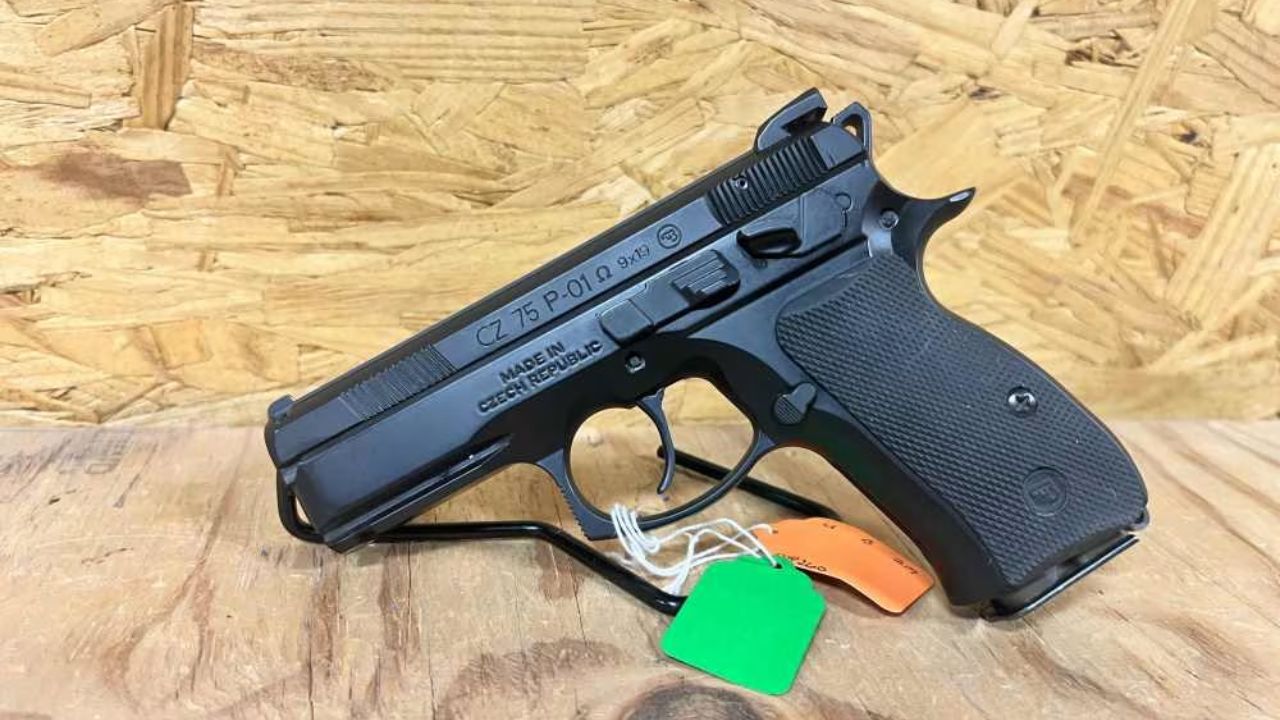
The P-01 is where experienced buyers go when they want the CZ feel without the full-size weight penalty. It’s compact, alloy-framed, and it carries better than it has any right to. In the hand, it points naturally, and that matters when you’re drawing from concealment or presenting from a chest rig around a farm.
What the seasoned buyer notices is that it’s an “honest” gun. Not a fashion statement, not a tiny recoil monster, not a competition-only piece. It’s just a reliable compact that you can actually shoot. The DA/SA system asks you to learn it, and that’s part of why it gets respect. If you’re willing to train, it’ll treat you right.
9. Beretta 92FS
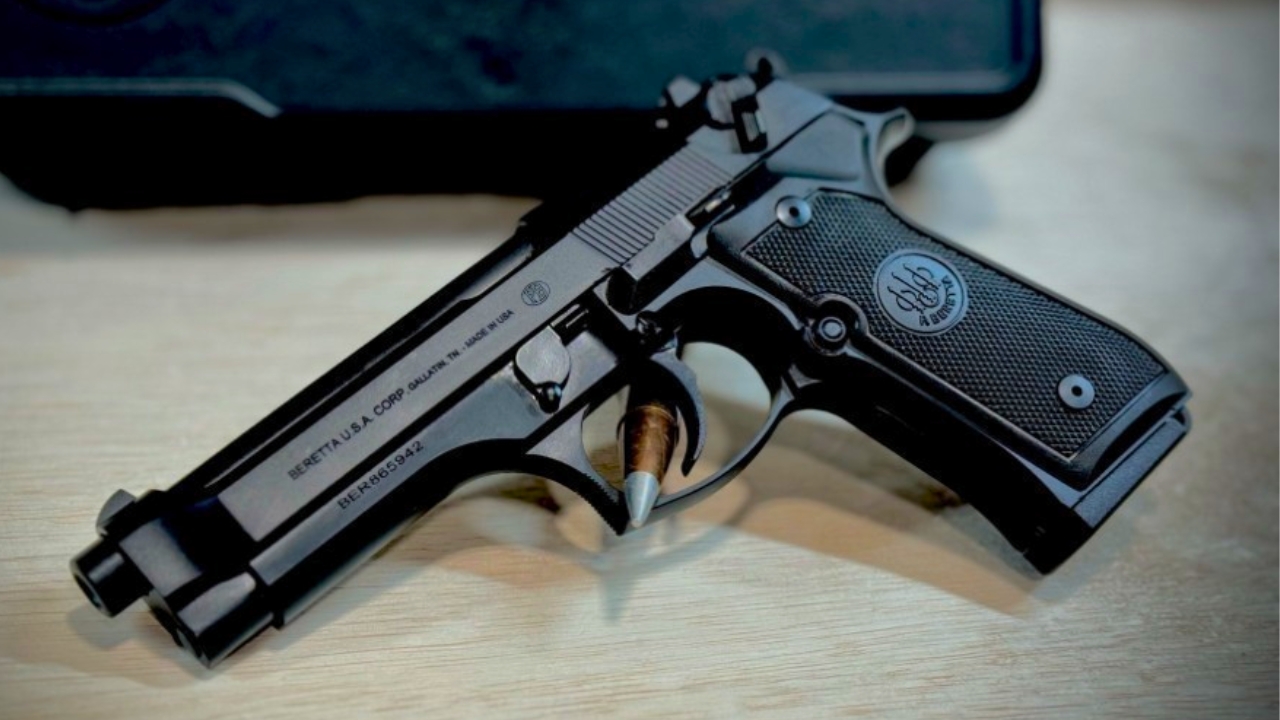
A Beretta 92FS is instantly recognizable, and experienced buyers notice the condition of the locking block area and the overall wear pattern without making a speech about it. It’s a big pistol, but it shoots flat, and it eats range ammo like it was designed for long days on the line—because it was.
It’s not a “modern concealed carry” pick for most body types, and the slide-mounted safety/decocker isn’t everybody’s favorite. Still, it’s one of the easiest 9mms to shoot well, especially for folks who struggle with snappy compacts. If you keep it clean and feed it decent mags, it tends to just run. There’s nothing fancy about it, and that is kind of the point.
10. Beretta PX4 Storm Compact
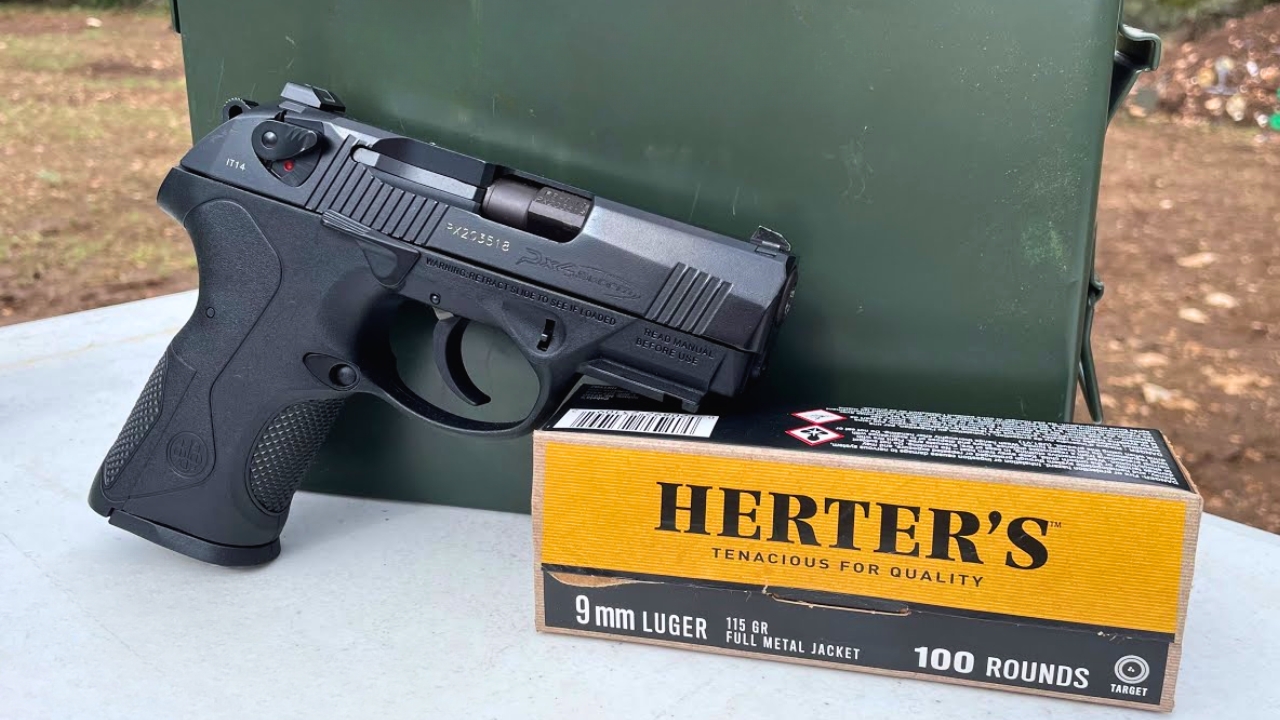
The PX4 Compact is one of those guns that experienced buyers notice because it’s quietly excellent and weirdly overlooked. The rotating barrel system gives it a different recoil feel—more of a push than a snap—and when you’ve shot a lot of handguns, you can feel that immediately. It’s not magic, but it’s real.
Where it bites some owners is accessories and support. Holsters exist, but not every shop has them. Magazines aren’t rare, but you’re not tripping over them like Glock mags either. The experienced buyer isn’t scared of that—they just do the math before buying. If you want a soft-shooting compact DA/SA that isn’t trying to impress the internet, it’s a solid pick.
11. Ruger GP100 (4″ .357)
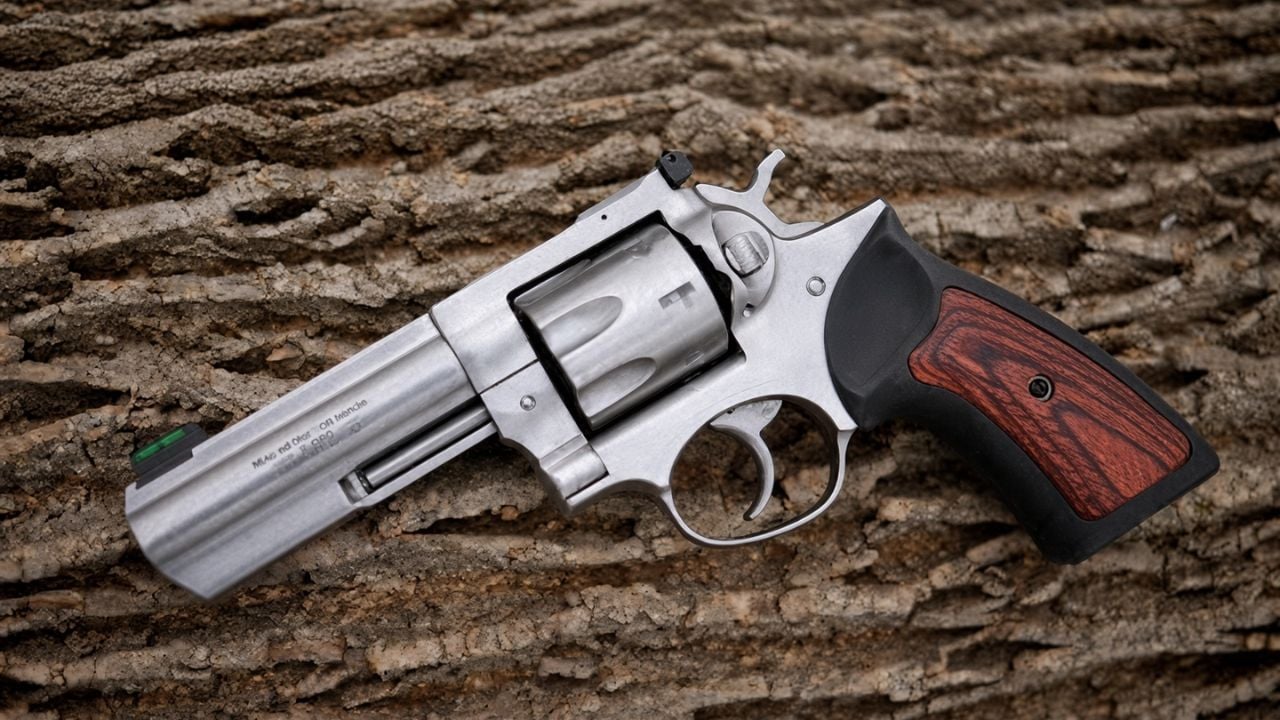
A GP100 on the counter gets a different kind of attention. The experienced buyer checks the cylinder lockup, watches the timing, and looks for signs of someone “gunsmithing” with a file. When a revolver is right, it’s right, and when it’s not, it can become a headache that most folks don’t know how to diagnose.
The GP100 is heavy, which is exactly why it works. Full-house .357 loads are still no joke, but the gun is built to take it and keep going. In the woods, it’s a practical sidearm for chores, traps, and checking cameras, especially if you already stock .38/.357. It’s not trendy, but it’s a tool that ages well.
12. Smith & Wesson Model 686 (4″ or 6″)

The 686 is the revolver that makes experienced buyers go quiet because they know how hard it is to replace a good one once you let it go. The trigger feel varies by era and condition, but a smooth 686 double-action pull is something you don’t forget. Folks will pick it up, dry fire carefully (with permission), and you can see the appreciation.
It’s not light. It’s not cheap. But it’s a revolver you can shoot a lot without it feeling like punishment, and it will handle everything from mild .38s to hunting-capable .357 loads. In a rural truck gun context (stored legally and responsibly, of course), it’s simple, durable, and not picky. If you find one that hasn’t been abused, it’s hard not to respect it.
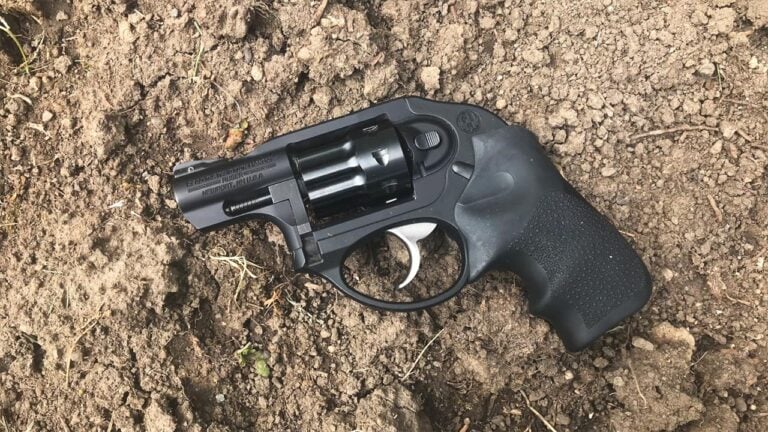
13. Ruger LCR (in .38 Special)

The LCR is one of the few small revolvers that experienced buyers don’t automatically roll their eyes at. They know most folks buy snub-nose revolvers and then never practice because they’re miserable. The LCR’s trigger is usually better than you’d expect, and the gun is light enough that it actually gets carried instead of left in a drawer.
Light weight comes with a price: recoil. Even with standard-pressure .38, it’s lively. With +P, it can be downright unpleasant. The experienced buyer also knows sights are minimal, and accuracy is about honest distances and solid fundamentals. Still, for deep concealment or as a pocket gun for quick trips to town, it’s a real tool if you put a little effort into learning it.
14. Smith & Wesson J-Frame Model 642
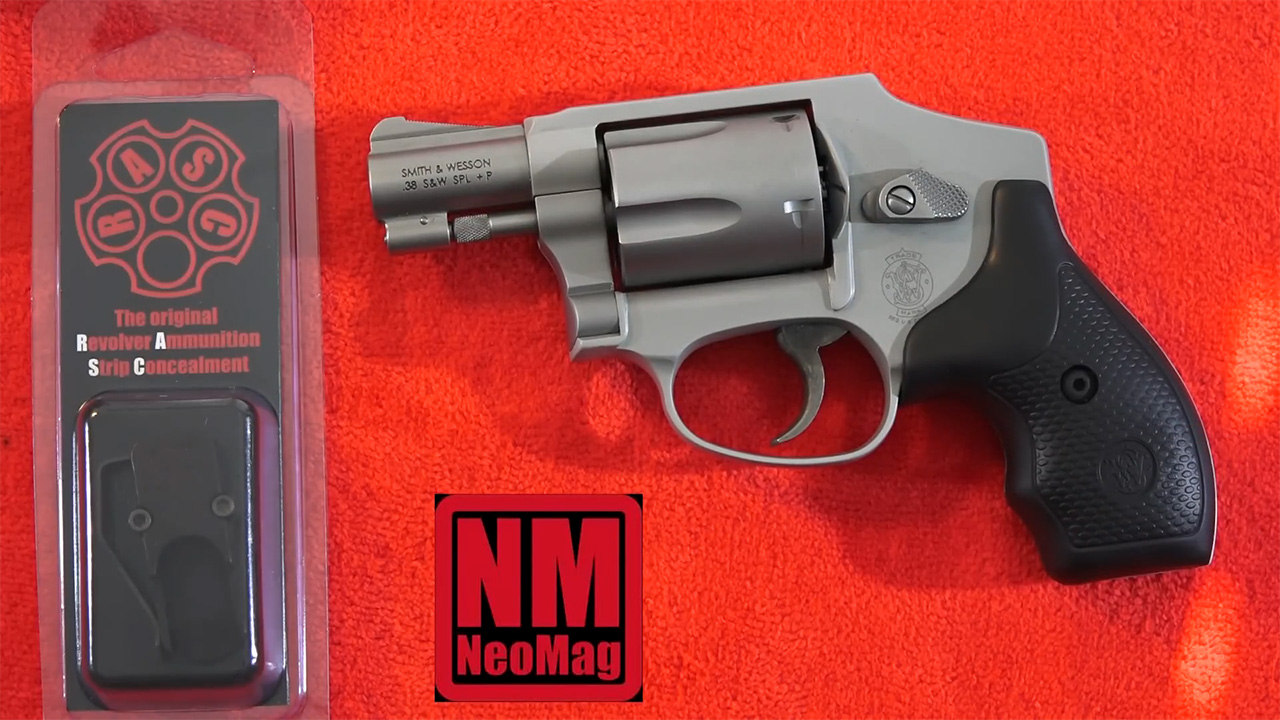
The 642 is another gun that seasoned folks clock immediately because it’s been a constant for decades. No manual safety, simple manual of arms, and a profile that disappears in a pocket holster. It’s the type of handgun that gets carried by people who don’t talk about carrying—because they just do it.
The downside is the same as every lightweight snub: you have to earn competence. The sights are small, the grip is small, and the double-action pull is not a beginner’s trigger. But it’s reliable in the ways that matter, and it doesn’t mind lint or being knocked around a little. Experienced buyers notice when someone has one with honest wear, because it usually means it lived on a person, not in a safe.
15. Colt Python (new production)
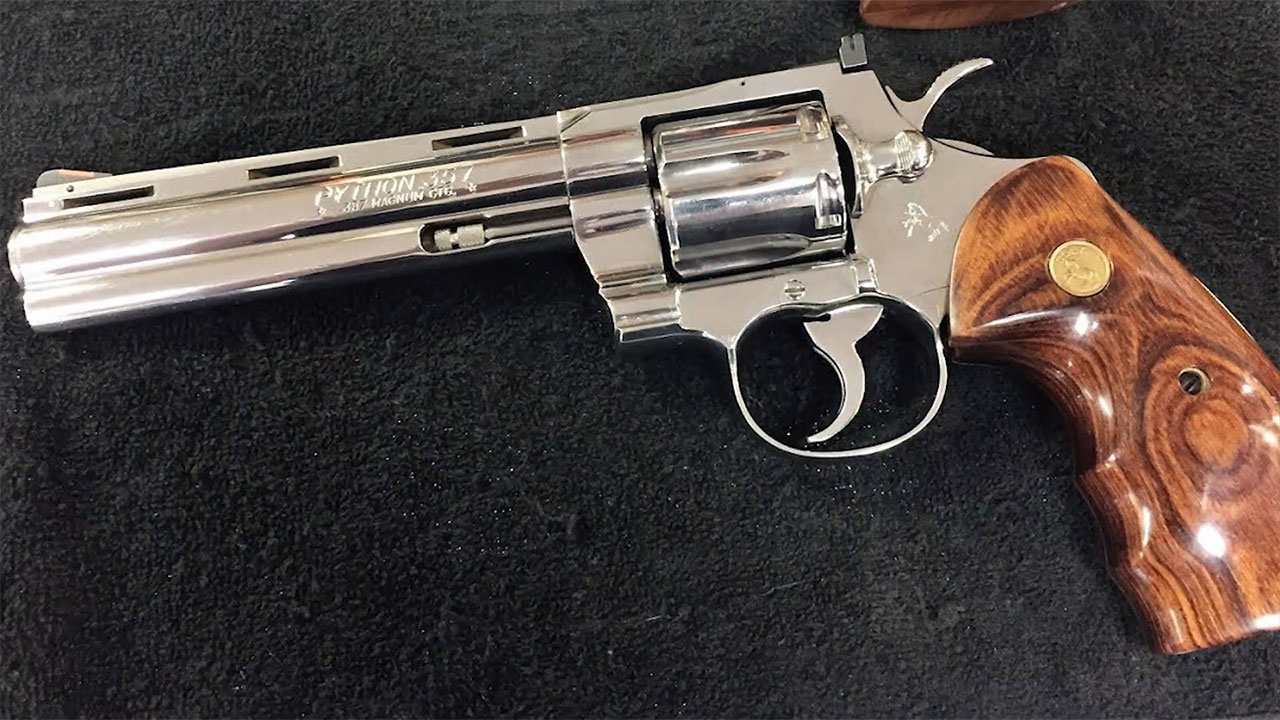
The new Python draws eyes, but the experienced buyer isn’t just drooling over the name. He’s checking the cylinder gap, the lockup, and whether it’s been “tested” with hot loads and questionable handling. The reason it gets quiet attention is simple: it’s expensive, and it’s one of those guns that turns a casual buyer into a caretaker.
It’s also a revolver that shoots beautifully when it’s right. The weight and balance feel special, and the trigger is usually excellent. But it’s not the gun you toss in a toolbox, and it’s not the one you buy if you’re going to stress about every turn line on the cylinder. The guys who know keep their opinions to themselves and just decide whether it fits their life.
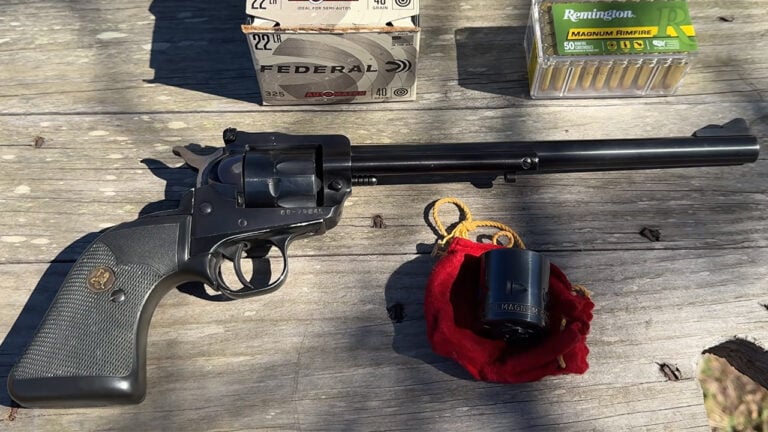
16. Ruger Mark IV (Target or 22/45)

A Ruger Mark IV is the .22 pistol experienced buyers notice because it’s the one that actually gets used. They’ll glance at the takedown button and smile a little, because anybody who fought with older rimfire takedowns appreciates what Ruger did here. This is the pistol that ends up in range bags year-round, even when ammo prices hurt.
It’s a trainer, a plinker, a small-game camp gun, and a “keep your skills sharp” tool all at once. The experienced buyer also knows .22 pistols can be picky, so they look for clean chambers, decent magazines, and signs it’s been kept reasonably maintained. If you own land, it’s handy. If you don’t, it still earns its keep by letting you practice without burning up your centerfire stash.
17. Browning Buck Mark
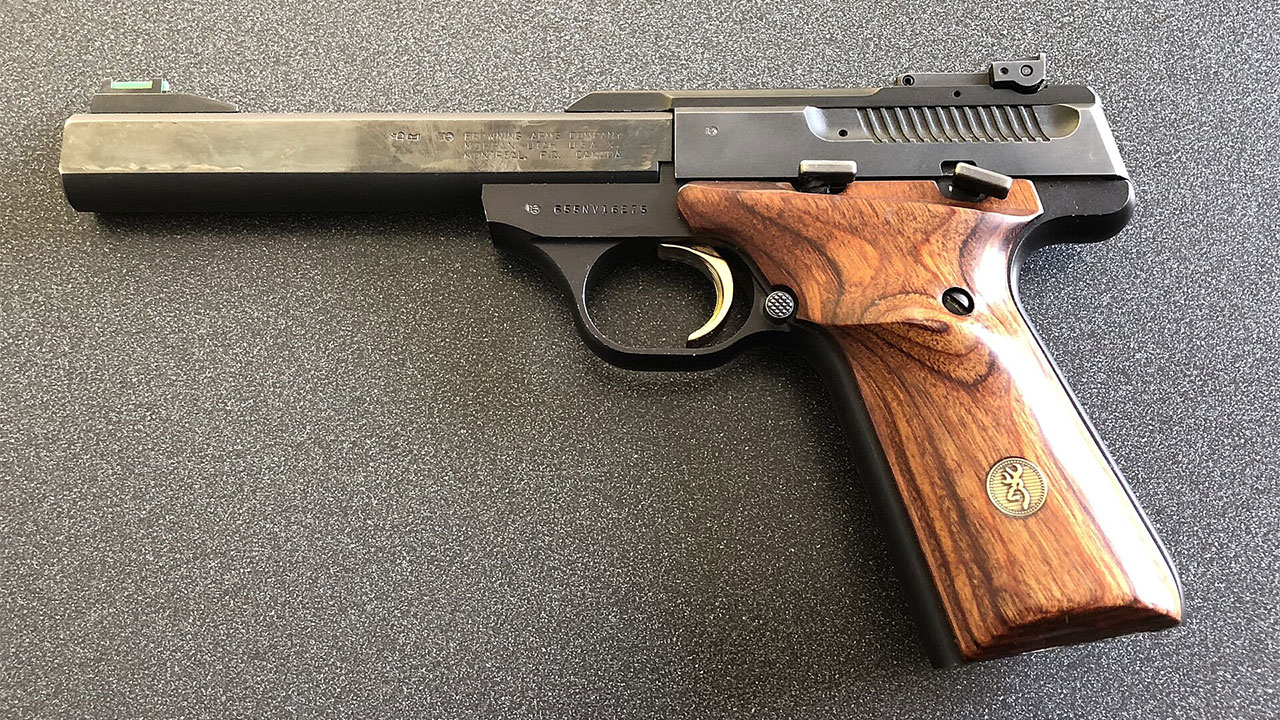
The Buck Mark is another rimfire that gets immediate respect from people who actually shoot. It tends to be accurate, it balances well, and the trigger is often very good from the factory. An experienced buyer notices if the gun has been monkeyed with, because Buck Marks run best when they’re not turned into science projects.
Where the Buck Mark can annoy owners is screws backing out and little maintenance quirks that show up if you shoot it a lot. That doesn’t make it bad; it just means you pay attention. In the field, it’s the kind of .22 that rides in a pack and helps with pests around a barn or at a deer camp. It’s not a flashy purchase, but it’s a “you’ll still own it in ten years” purchase.
18. Springfield Armory 1911 Loaded

A Springfield “Loaded” 1911 gets noticed because it’s the version a lot of folks end up with after they learn the cheapest 1911s can be a gamble. It usually has the features people actually want—decent sights, beavertail grip safety, workable trigger—without drifting into custom-gun pricing. Experienced buyers look at the fit, the extractor tension history (if known), and the general wear.
Here’s the truth: 1911s can be incredibly satisfying, and they can also be finicky if you expect them to behave like a polymer striker gun. Magazines matter, maintenance matters, and cheap ammo can show you problems fast. Still, if you want a .45 that points like your finger and shoots with real manners, a good mid-tier 1911 scratches an itch that modern pistols don’t.
19. Colt Combat Commander (1911)
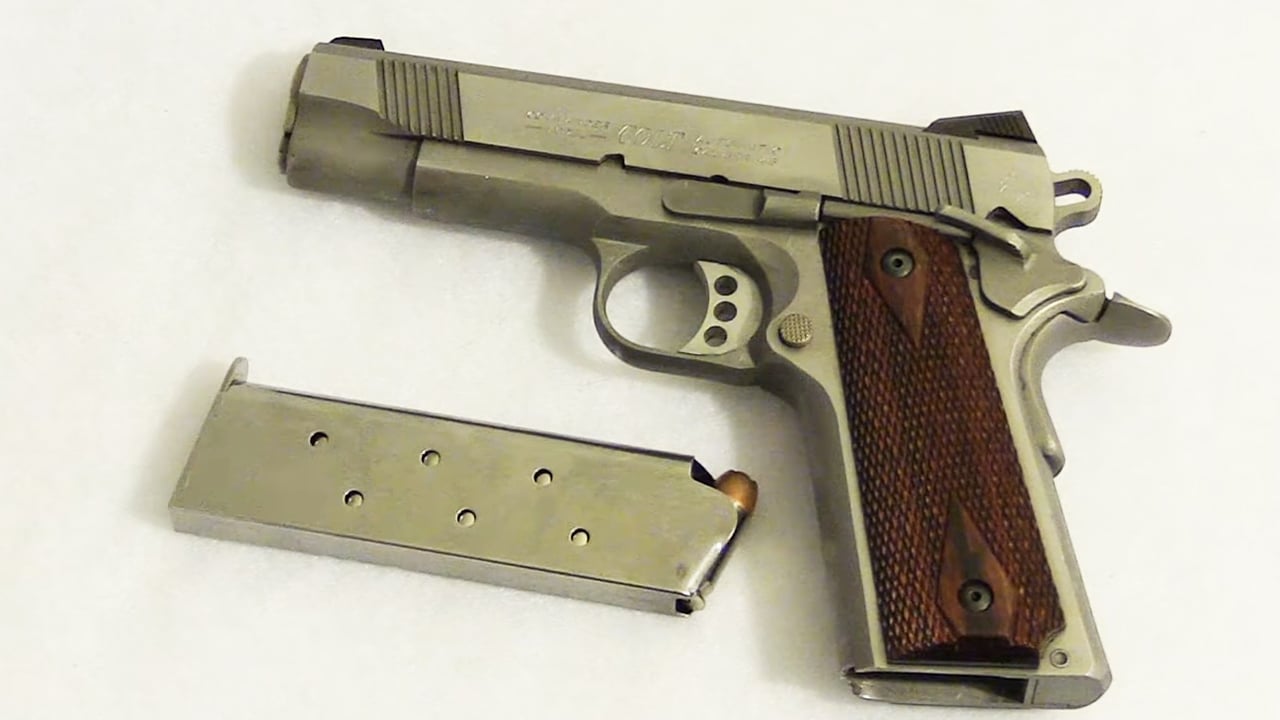
The Combat Commander is the 1911 that makes experienced buyers pause because it hits a sweet spot: carry-friendly length without going so short that reliability gets harder. The Colt name means something here, not because of internet status, but because there’s a long history of parts compatibility and a baseline of quality people understand.
It’s not the lightest carry gun, and it’s not the cheapest way to get into a 1911. But it’s one of those pistols that feels “right” when you present it, and that matters more than spec sheets. The buyer who knows also considers magazines and spring schedules, because 1911s are honest about maintenance. If you want a 1911 that’s actually meant to be carried and shot, this is a serious contender.
20. Ruger SR1911

The Ruger SR1911 is the one that experienced buyers notice because it tends to be a no-nonsense 1911 that actually runs for regular working folks. It doesn’t have to be a collector piece. It just needs to feed, fire, and not rattle itself loose. Ruger’s approach here feels practical, and you see that in how many of these end up as “truck to range to nightstand” pistols.
It’s still a 1911, so the same rules apply: pick good mags, keep it reasonably clean, and don’t pretend it’s maintenance-free. The upside is you can usually find parts, find holsters, and find someone who knows how to work on them without a long wait. If you want the 1911 experience without buying into drama, this is one of the calmer ways to get there.
None of these handguns are perfect, and that’s kind of the point. The experienced buyer isn’t chasing perfection. He’s looking for proven patterns: guns that carry without punishing you, pistols that can be supported with mags and parts, and designs that don’t demand a bunch of excuses. If you’re standing at the counter trying to decide, pay attention to what the quiet folks handle twice. They’re usually seeing the stuff that matters later.
Like The Avid Outdoorsman’s content? Subscribe to our newsletter so you never miss an article.
Here’s more from us: