Photo credit: Alabama Arsenal/YouTube
When your zero seems to move every time you clean, it’s easy to blame the rifle, the scope, or the ammo. Most of the time, you’re watching a handful of tiny variables stack up: a bore that’s stripped down to bare steel, a trace of oil left in the first few inches, action screws tightened a little differently, or a stock that touches the barrel once everything is seated again.
Some rifles hide those changes. Others put them on paper in a way that feels personal—especially lightweight hunting rigs, bargain stocks, and a few semis with gas systems that run best when they’re left alone. If you want your groups to repeat, you have to make your routine repeat: same cleaning method, same torque, same rest pressure, and a couple “settling” shots before you judge anything.
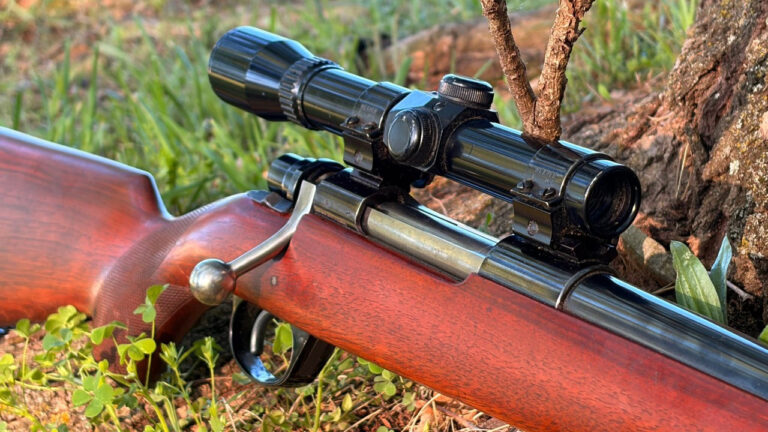
Kimber 84M

The 84M is carried more than it’s shot, and that’s part of why it can mess with you after a thorough clean. A light sporter barrel can show a bigger point-of-impact change between a squeaky bore and a lightly fouled one, especially if you scrub copper hard and start from zero every time.
The other trap is reassembly and torque. If you pop the action out for a deep cleaning, then snug the screws by feel, you can change how the stock supports the action. On a light rifle, that small shift can look like the rifle “won’t repeat.” Keep your torque consistent, keep your front rest pressure the same, and don’t judge the rifle too harshly by the first two rounds after a full strip-down.
Winchester Model 70 Featherweight

A Featherweight is built for the woods, not for long strings off a bench, and you’ll feel that when you clean it down to bare metal. Many of these rifles shoot a touch differently once the bore has a few rounds through it, and the first group after cleaning can open up or land somewhere new.
Stocks can add another variable. With some Featherweights, the forend pressure and action screw tension influence barrel behavior more than you’d expect. If you change how tight you cinch things after cleaning, you can change where it prints. Treat your reassembly like a procedure, not a guess. Then fire a couple fouling shots before you start zero work, or you’ll chase a problem you created with solvent and a screwdriver.
Ruger M77 Hawkeye

The Hawkeye is tough and dependable, but its consistency after cleaning depends a lot on how you put it back together. If you remove the action, then tighten screws unevenly, you can introduce stress that wasn’t there on the last trip. That stress shows up as a different group location even with the same ammo and the same optic.
Bore condition can matter too. A Hawkeye that’s been shooting well can throw an odd first group after a deep clean, then settle in once the barrel has a little carbon back in it. If you clean aggressively every time, you may never let it stabilize. Keep your cleaning consistent, avoid leaving oil in the bore, and use repeatable torque. The rifle is usually steady; your process is what changes.
Savage 110 Ultralite
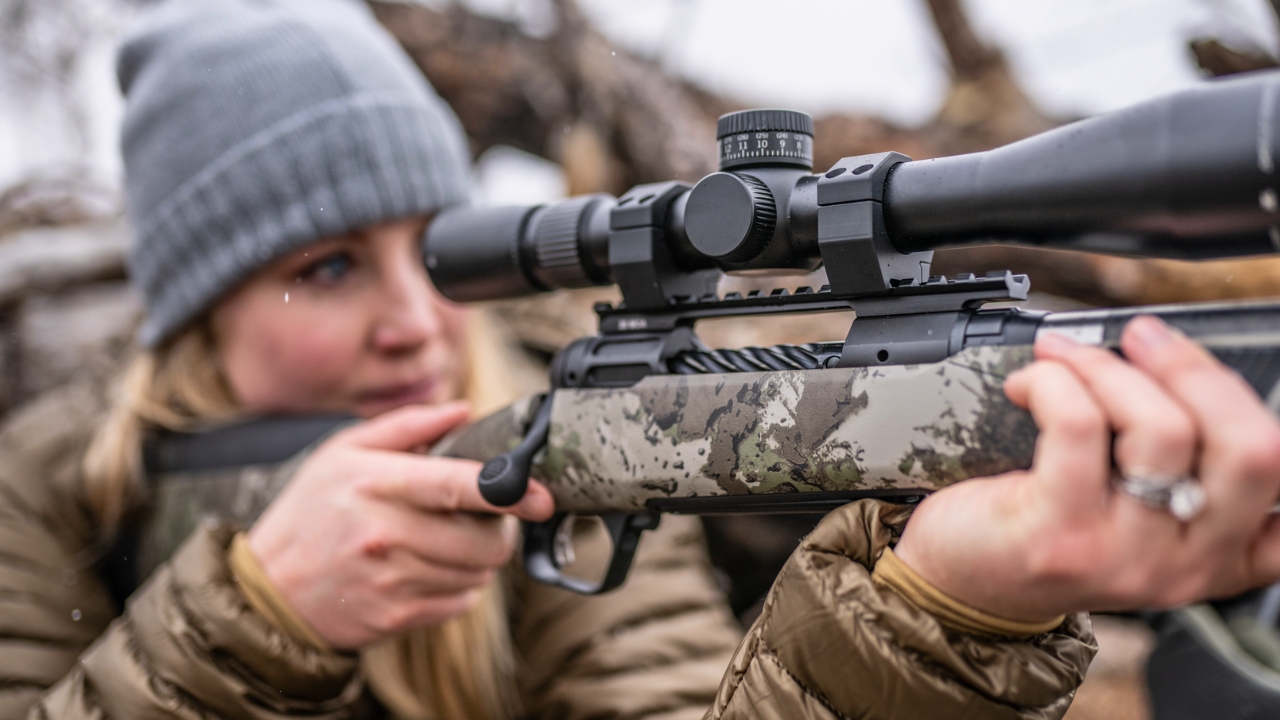
The whole point of the 110 Ultralite is a rifle that carries like a feather, and that lightweight barrel profile can be unforgiving after cleaning. When you strip the bore clean, you can see a shift in the first few shots, and it’s easy to confuse that with a load problem.
You can also run into stock contact that changes with how the rifle is rested. A light forend can flex on a bag or bipod, and if your post-cleaning session includes a different rest position, you’ll “prove” the rifle changed. Keep your rest placement consistent and don’t rush your cadence. Light barrels warm quickly, and a clean, cold bore doesn’t always match a warm, fouled bore.
Bergara B-14 HMR

The HMR is often very consistent, but it can still punish you after a full teardown if you’re sloppy with torque or cleaning oil. A precision-style rifle invites you to clean more often, and that can create a pattern where you’re always shooting the rifle in its least-stable state.
If you remove the action, pay attention to how the bottom metal and screws seat. Small changes in screw tension can shift the way the action sits in the bedding area, and a heavy barrel will still show that on paper. Also watch your “first shot” routine. A bore that’s dry and copper-free can print differently until a light layer returns. Consistency wins: same torque, same bag pressure, and a couple settling shots.
Howa 1500

A Howa 1500 can shoot well, but the Hogue-style soft stock can create headaches after cleaning if you’re not careful. That forend can flex, and it can touch the barrel when you load it on a bipod or lean into a front bag. If your cleaning routine involves pulling the action and reseating it, you can change contact points without realizing it.
You’ll also see shifts when action screws are tightened unevenly. The stock material can compress slightly, and your “hand tight” might not match last time. The fix is boring but effective: use a torque driver, keep your rest pressure consistent, and don’t evaluate the rifle on a bone-dry bore. A couple fouling rounds and the same setup often bring the group right back.
CZ 600 Alpha

The CZ 600 Alpha is a capable rifle, but it’s one where your maintenance habits can create false drama. If you’re scrubbing aggressively and changing bore condition every trip, you may see a first-group shift that looks like the rifle lost its accuracy.
Action screw tension matters, too, and it’s easy to vary it when you’re cleaning in a hurry. If you pull the barreled action and then reassemble without consistent torque, you can change how the action sits and how the stock supports the barrel. That doesn’t mean the rifle is “bad.” It means you changed the system. Keep torque repeatable, avoid leaving solvent or oil in the bore, and fire a couple rounds before you judge groups.
Springfield Armory 2020 Waypoint

The Waypoint gets attention for light weight and good accuracy, but those same traits can make it feel touchy after a deep clean. Lightweight barrels can show a different point of impact between a scrubbed bore and a lightly fouled bore, and if you clean hard before every trip, you keep restarting the clock.
The carbon-fiber stock is rigid, but that doesn’t make reassembly foolproof. If you loosen and retighten hardware with different torque, you can change how the action settles. Combine that with different rest pressure and you’ll convince yourself the rifle is inconsistent. Treat your cleaning like a repeatable routine, not a reset button. Keep torque consistent, keep oil out of the bore, and shoot a couple settling rounds.
Christensen Arms Ridgeline

A Ridgeline is another rifle that can shoot very well while still showing a “clean bore” personality. If you strip the copper out and leave the bore dry, your first group can land away from where the rifle prints once it’s lightly fouled. That shift is more obvious on a light hunting rifle than on a heavy target rig.
The other issue is how you handle the rifle after cleaning. If you re-torque the action differently, or you change your front rest position, you’re stacking variables. You can also see shifts if the barrel channel contact changes when the stock is stressed. Keep torque consistent, keep rest pressure consistent, and don’t chase the first group after a deep clean.
Sako 85 Finnlight

The Finnlight has a reputation for being a refined hunting rifle, but that doesn’t make it immune to routine changes. A clean, cold bore can print differently than the bore you hunt with, and if you’re the type who cleans until it’s spotless, you may see a repeatable shift that still feels annoying.
Reassembly matters on any rifle that’s built tightly. If your action screws are tightened with different force, you can change how the action beds into the stock. The Finnlight often rewards a consistent torque setting and a consistent shooting setup. If you want your groups to repeat, don’t treat cleaning like a full reset. Keep the process consistent, avoid leaving oil in the bore, and fire a couple fouling rounds before you judge the rifle’s hunting zero.
Browning BAR MK 3

Semiauto hunting rifles can be dependable, but they add variables that bolt guns don’t have. On a BAR, cleaning the gas system and action can change how the rifle cycles, and that can change how it behaves shot to shot until everything settles. Even the way you lube the action rails can influence timing and feel.
Point of impact can also shift if you change how the forearm is seated or tightened after cleaning. If the forearm fit changes slightly, it can influence barrel behavior and how the rifle is supported. The fix is to keep your maintenance consistent and avoid over-lubing. If you run the rifle bone-dry after a solvent bath, you can create problems that weren’t there.
Benelli R1

The R1 is another semi that can shoot well, but it’s not a rifle that loves constant tinkering. After a detailed cleaning, if you change lubrication or reassemble the fore-end with different tension, you can see a shift that makes your first group look like it came from a different gun.
You also have the “settling” factor. A clean action and a dry bore don’t always match what you get once the rifle has run a few rounds and everything has a thin layer where it wants it. If you want repeatable performance, keep the process consistent: same lube points, same amount, same fore-end tension, and the same rest position. Then give it a few rounds before you decide it can’t hold a zero.
Ruger 10/22 Carbine

A 10/22 can be a laser with the right ammo, but rimfires are notorious for changing behavior after cleaning. If you scrub the bore and the chamber aggressively, the rifle may throw the first group or two until it fouls back in. That’s normal for many .22s, and it’s why plenty of rimfire shooters focus more on the chamber than on making the bore spotless.
The other culprit is how the action and barrel are held. If you pull the barreled action from the stock, then tighten the takedown screw differently, you can change how the receiver sits and how the barrel is supported. Keep torque consistent, clean the chamber with care, and don’t judge the rifle by the first magazine after a full scrub.
CZ 457 Varmint

The 457 Varmint is built to shoot, but it can still show you the rimfire truth: bore condition matters more than people admit. A freshly cleaned .22 barrel often needs a few rounds to settle, and until it does, groups can open up or shift. If you clean too often, you live in that unsettled zone.
Action screws are a big deal on the 457. If you remove the action and re-torque inconsistently, you can change bedding pressure and shift point of impact. Because the rifle is accurate, you notice the change immediately. Make the process repeatable: torque to the same settings, keep your rest pressure consistent, and treat the first few rounds after cleaning as settling shots. Once it’s back in its groove, it tends to stay there.
Smith & Wesson M&P15 Sport II

AR-15s can be extremely consistent, but cleaning habits can still create a “different rifle” moment. If you clean the bore hard, leave it dry, and then go straight into group shooting, you may see the first few rounds print differently than they do once the bore has a light layer back in it. That’s not a defect; it’s a condition change.
The bigger issue is consistency in setup. If your optic mount or handguard accessories get bumped during cleaning, or if you change how the rifle is supported on a bag, you can create shifts that look like ammo problems. Keep your routine consistent: same bore condition, the same lubrication on the bolt, and the same bench setup. Confirm zero with a short, controlled string, not a rushed one-group panic.
Like The Avid Outdoorsman’s content? Be sure to follow us.
Here’s more from us: