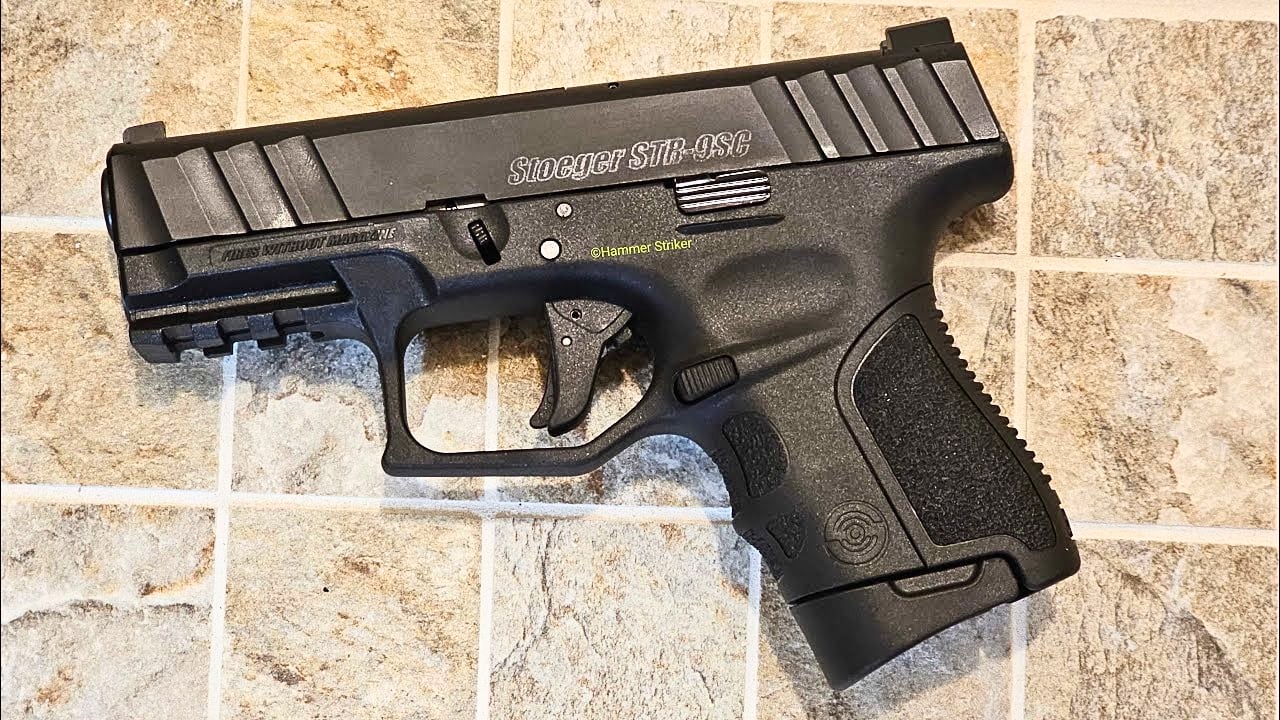
Photo credit: Hammer Striker/YouTube
A handgun can make perfect sense in the gun-store case. The price looks right, the capacity seems competitive, and the specifications check nearly every box you had in mind.
Ownership has a way of exposing things a spec sheet cannot. A grip that felt fine for 30 seconds becomes annoying after 200 rounds. A bargain pistol suddenly needs expensive magazines and a better trigger. A compact gun turns out to be nearly as difficult to carry as something larger. These 20 handguns can look like smart purchases until the little compromises start adding up.
Smith & Wesson CSX

The CSX seems almost perfect for someone who wants a small carry gun but prefers metal frames and manual safeties. It is compact, relatively light, and gives you more capacity than the old single-stack pocket pistols it resembles.
Ownership can be less convincing. The small frame leaves limited room for your hands, while the trigger and reset do not give everyone the crisp single-action experience they expect when they see an exposed hammer. The controls also require more familiarity than a basic striker-fired pistol. It is not a bad gun, but plenty of buyers expect it to feel like a miniature premium metal pistol and discover something much more ordinary.
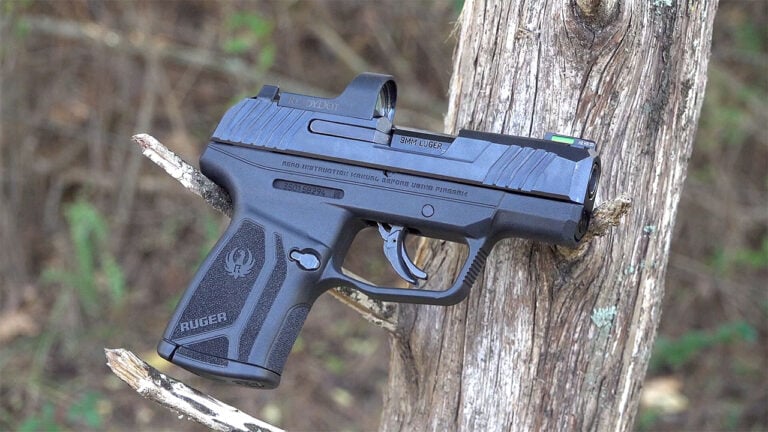
Ruger MAX-9
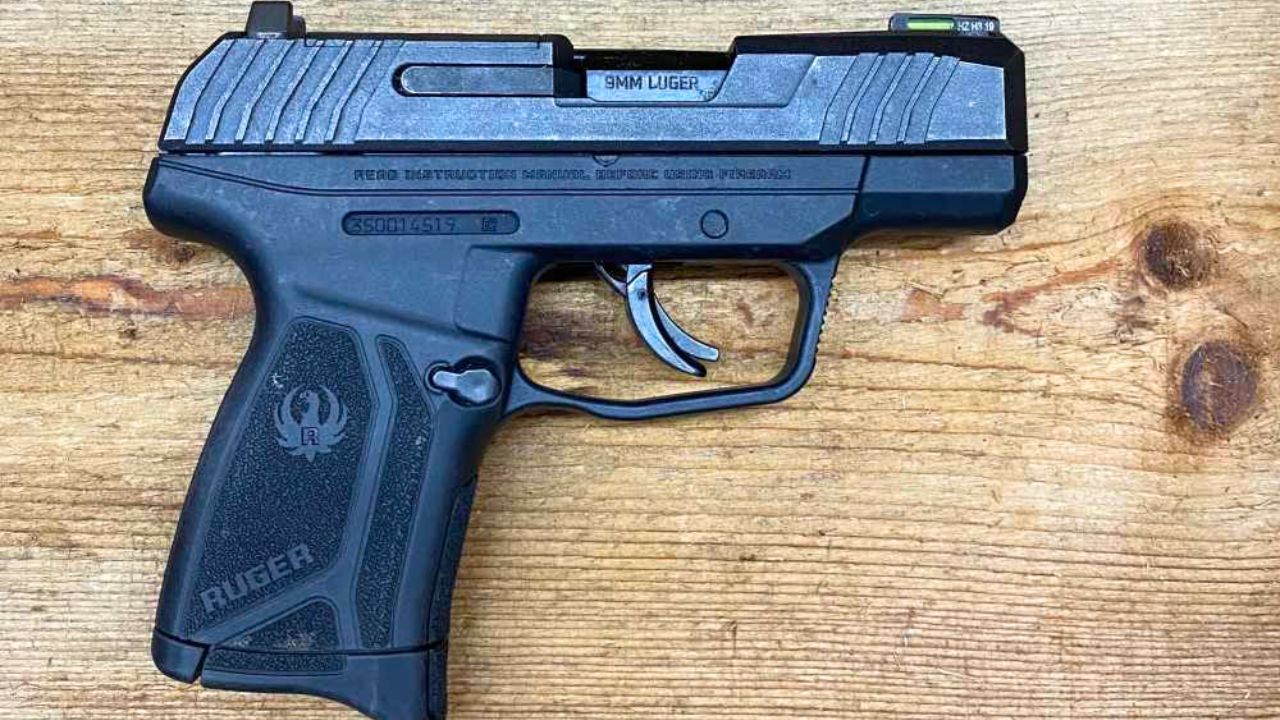
The MAX-9 looks like an excellent value when you compare specifications. You get useful capacity, a small carry footprint, and factory configurations that make adding an optic straightforward.
Then you start shooting it beside newer competitors. The trigger is functional rather than impressive, the pistol is fairly snappy, and the overall feel is more budget-oriented than some similarly sized alternatives. None of that stops it from working, but the micro-compact market is now so competitive that merely being inexpensive and small is not enough. The MAX-9 makes more sense when heavily discounted than when priced close to stronger rivals.
Canik TP9 Elite SC
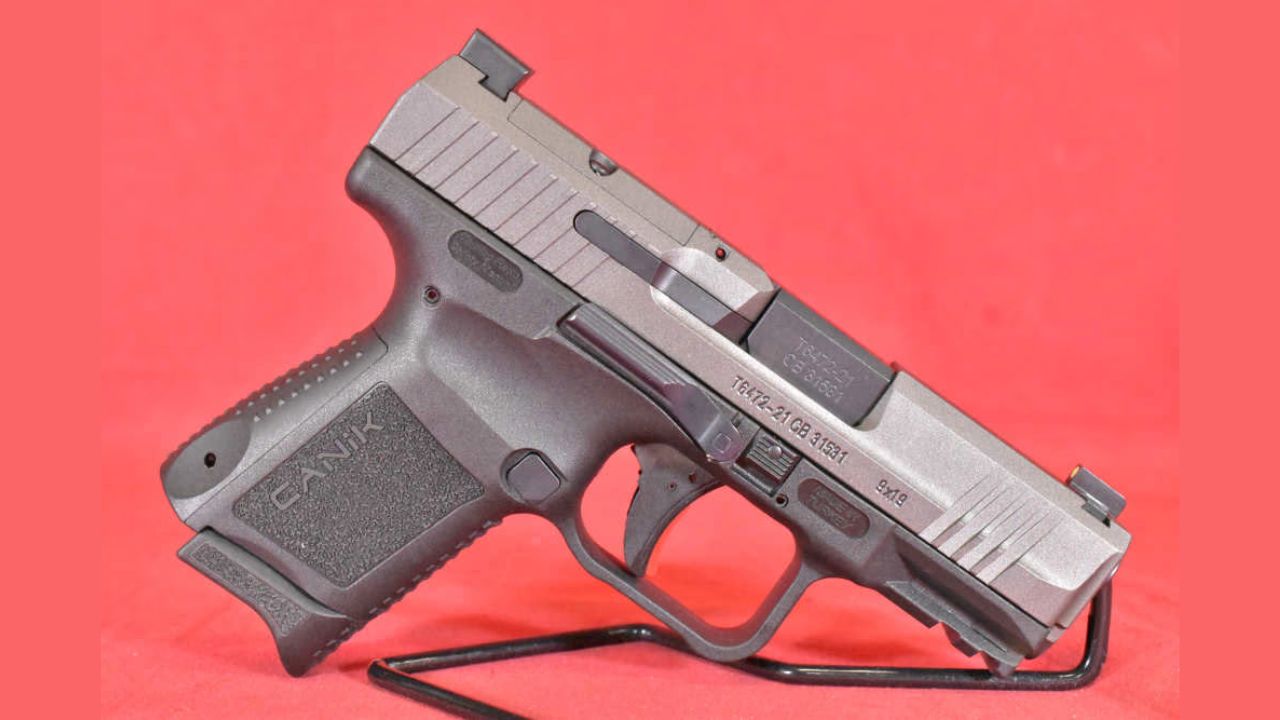
The TP9 Elite SC gives you the trigger quality people associate with Canik in a shorter package that looks ideal for concealed carry. Capacity is good, and the pistol usually comes with plenty of equipment for the money.
The problem becomes obvious once you actually carry it. The Elite SC is thick and relatively heavy for a gun wearing the subcompact label. Buyers expecting something that disappears like a modern micro 9 can be surprised by how substantial it feels on the belt. It shoots well partly because there is plenty of pistol there. That makes it a good range gun but a less obvious carry bargain than the specifications initially suggest.
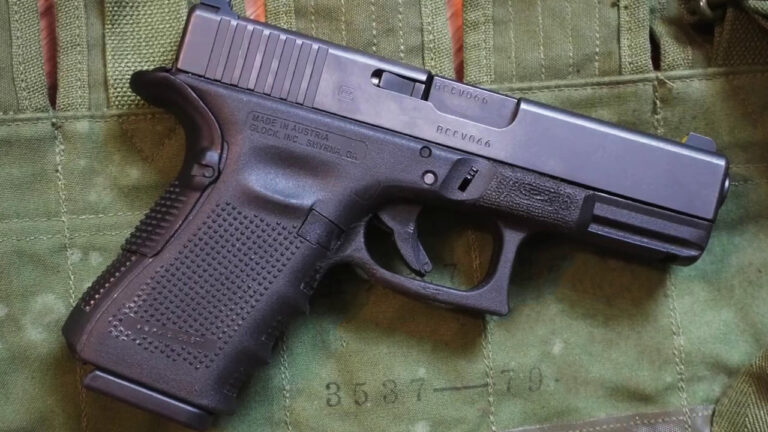
Glock 26 Gen 5
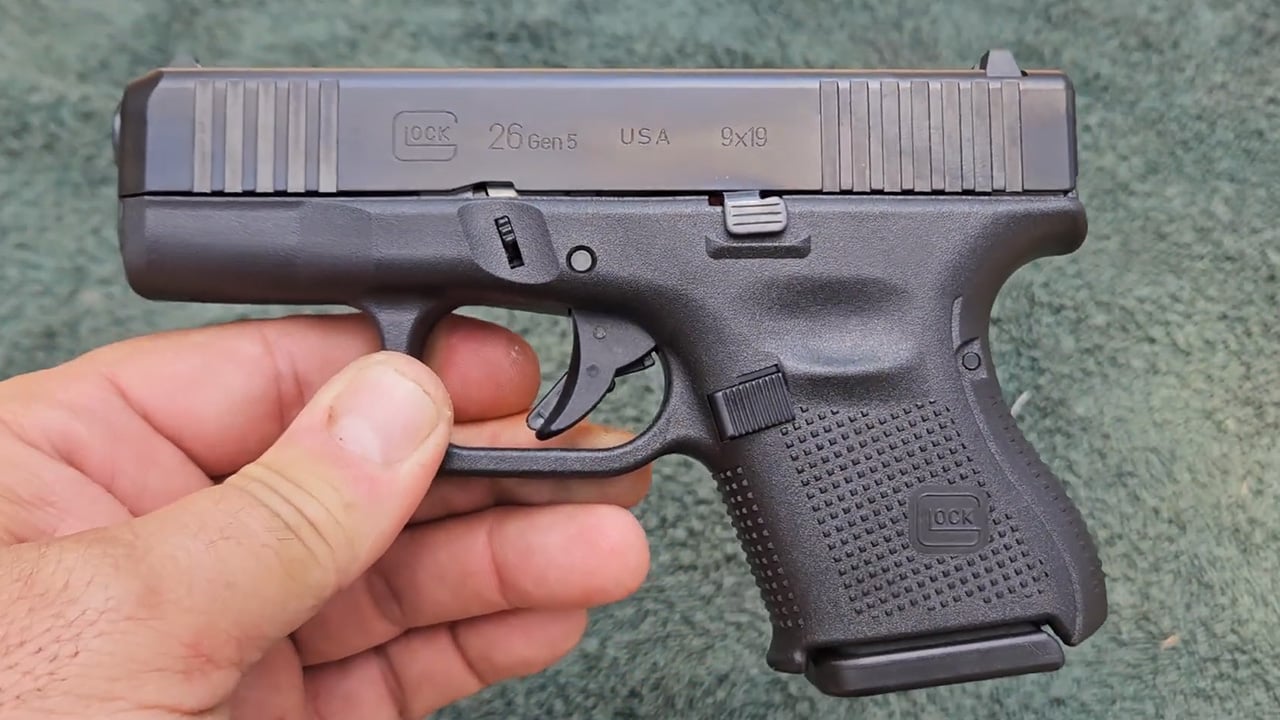
The Glock 26 has decades of credibility behind it, and the shortened grip makes it look like an obvious answer for someone who wants Glock reliability in a smaller package.
The market moved around it. Modern micro-compacts give shooters thinner frames and impressive capacity while remaining easier to conceal. The Glock 26 is chunky for its height, and adding magazine extensions to improve the grip starts eliminating the size advantage. It remains an exceptionally proven pistol, but the reason to buy one today is increasingly that you specifically want a small Glock rather than because it dominates the concealed-carry value equation.
Glock 30 Gen 5

The Glock 30 gives you .45 ACP in a relatively compact pistol with respectable capacity, which sounds great for someone who wants a powerful carry gun.
Then you wrap your hand around it. The double-stack .45 frame is thick, the pistol carries more bulk than its overall length suggests, and recoil becomes more noticeable in the smaller package. It can also feel like you are accepting most of the carrying inconvenience of a larger handgun without getting the shootability of a full-size .45. The G30 works, but living with one can make a slimmer 9mm seem increasingly attractive.
SIG Sauer P938
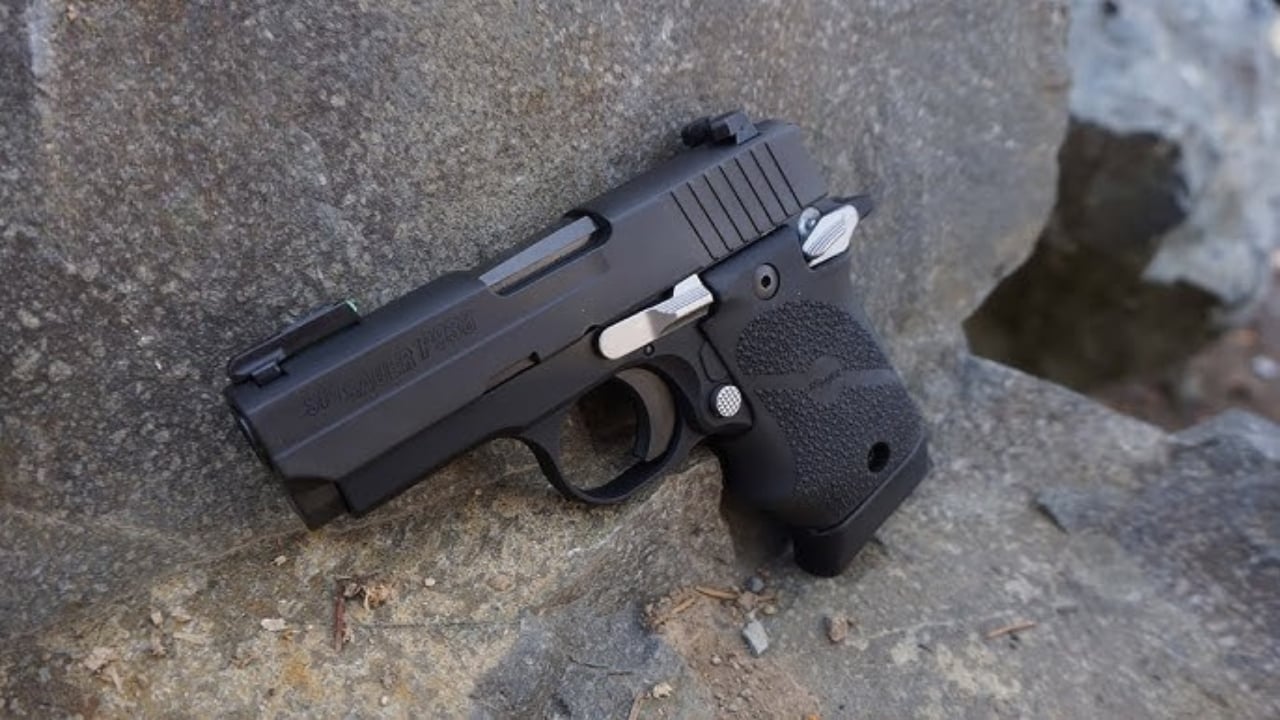
The P938 looks like a miniature 1911 and offers a metal frame, single-action trigger, and 9mm chambering in an extremely small package. It is easy to see why someone could fall for it immediately.
The tiny dimensions create compromises once shooting starts. There is very little grip to hold onto, recoil is sharper than the weight suggests, and the manual safety requires committed training if the pistol is going to be carried cocked and locked. Capacity also looks modest beside newer micro-compacts. The P938 still has charm, but buyers should want its specific operating system rather than assuming it is simply a nicer version of a modern pocket 9.
Springfield XD-S Mod.2 OSP
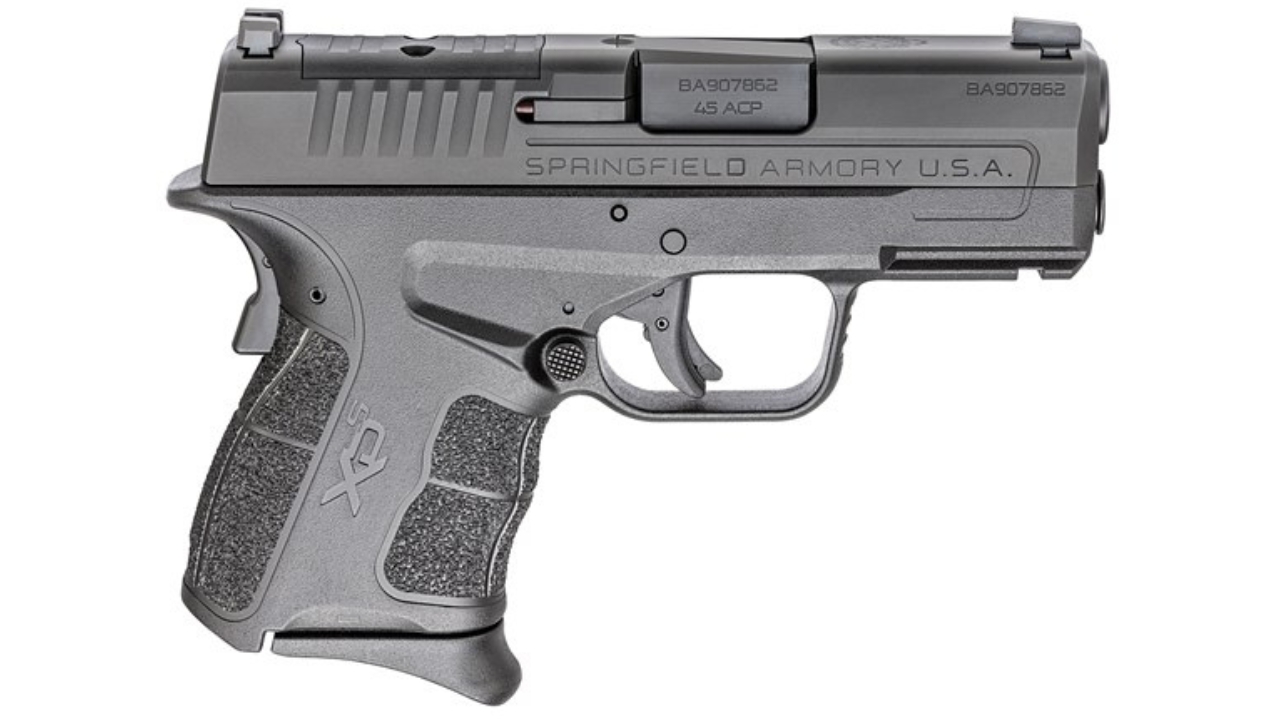
The XD-S Mod.2 OSP seems like a straightforward bargain for someone who wants a thin 9mm with factory optics capability. The grip safety also appeals to shooters who like having an additional passive safety system.
The weakness is how much the carry market has advanced. Single-stack capacity is difficult to ignore when similar-sized pistols now carry considerably more ammunition. The XD-S is also not dramatically smaller than several higher-capacity competitors. It can still serve perfectly well, but buying one today can feel like purchasing the final polished version of an idea the rest of the market already moved beyond.
Walther PPS M2

The PPS M2 feels excellent in the hand and carries easily. Walther ergonomics and a slim frame made it one of the better single-stack 9mm pistols of its generation.
That generation is the issue. Magazine capacity looks increasingly hard to justify when modern carry guns fit substantially more ammunition into comparable dimensions. Spare magazines also do not have the universal availability of Glock or SIG magazines. The PPS M2 remains an enjoyable, capable handgun, but what once looked like an exceptionally efficient carry pistol now looks like a lot of gun for relatively few rounds.
Kahr CW9
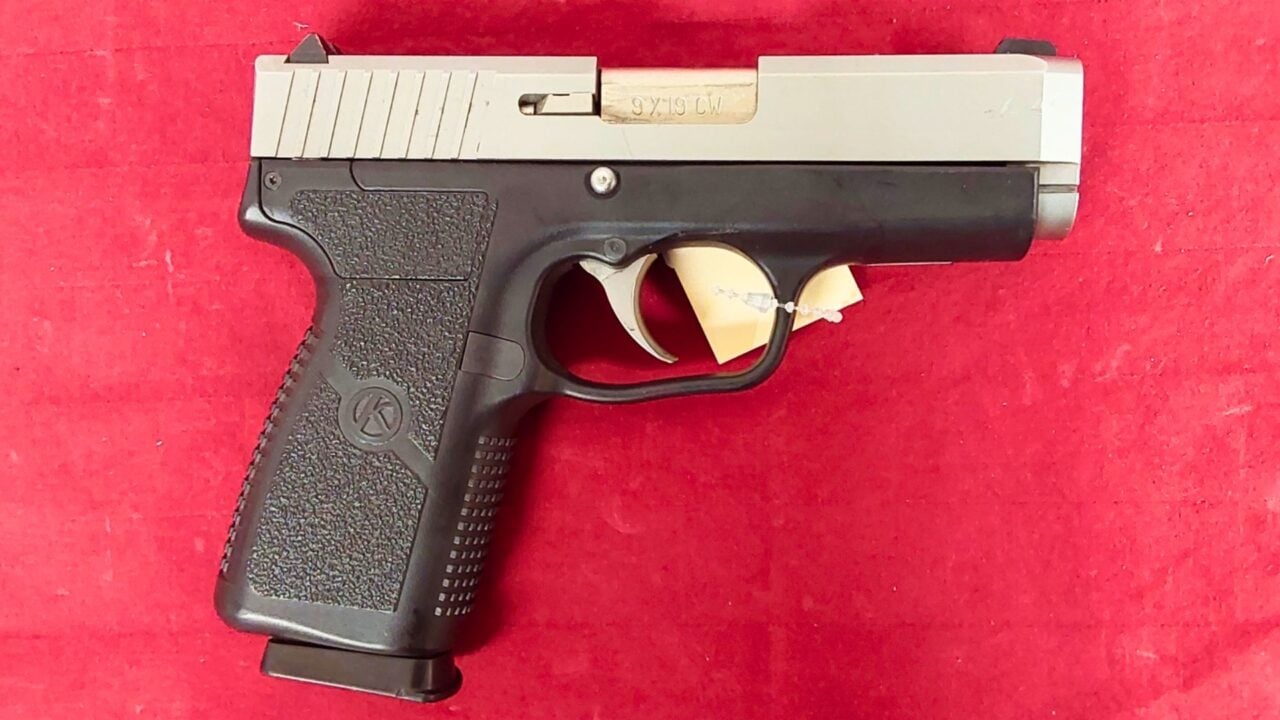
The CW9 has several things working in its favor. It is thin, lightweight, uncomplicated, and usually priced reasonably on the used or remaining new-gun market.
The long double-action-style trigger is where some owners lose enthusiasm. It is smooth, but it requires a very different rhythm from the short-reset striker triggers people have become accustomed to. Capacity is also modest, and the platform offers nowhere near the optics and accessory support of newer carry guns. The CW9 can be dependable after proper testing, but someone buying based purely on its slim dimensions may discover they dislike actually shooting it.
SCCY CPX-2
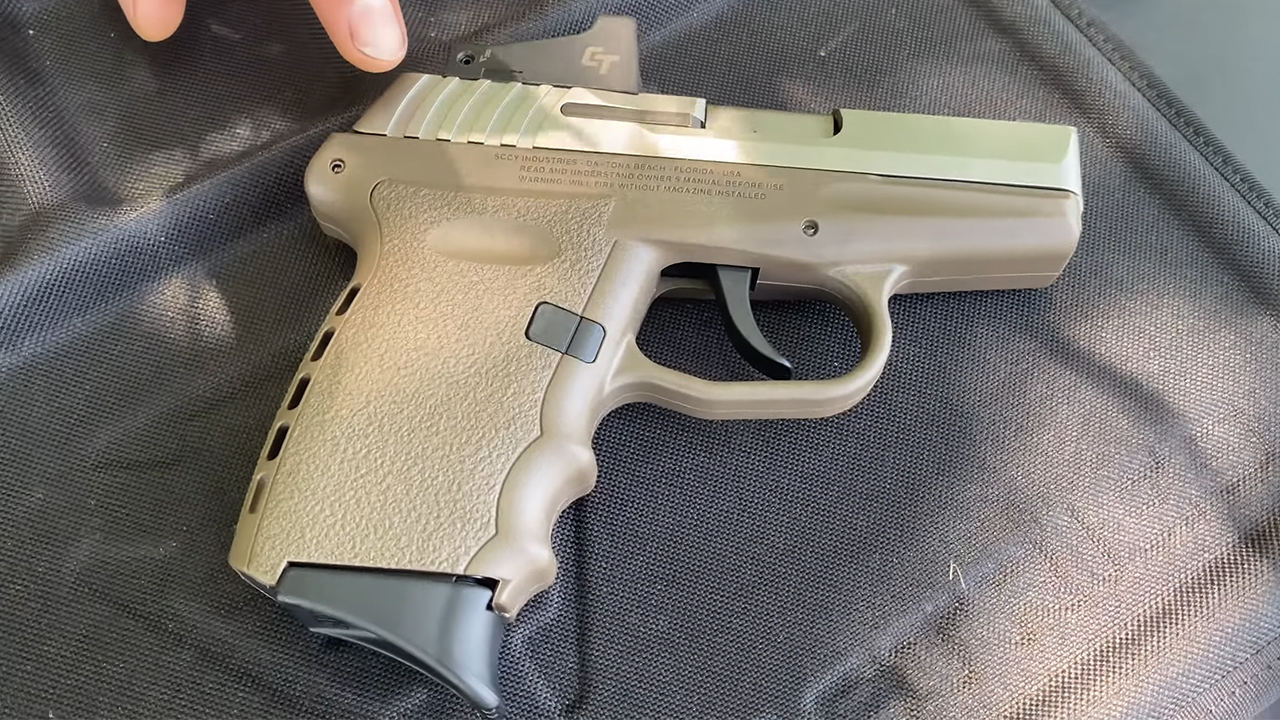
The CPX-2 often wins attention because of price. It gives buyers a compact 9mm with double-digit capacity for substantially less money than most major-brand defensive pistols.
That savings comes with tradeoffs you notice quickly. The trigger is long and heavy, recoil can feel sharp, and the overall refinement is exactly what you would expect from a gun built around an aggressive price point. Someone who shoots only occasionally may tolerate all of that. Anyone practicing regularly can quickly start wishing they had spent a little more initially instead of trying to turn the bargain pistol into something it was never intended to be.
Bersa BP9CC

The BP9CC looks compelling because it is extremely thin, lightweight, and usually affordable. It has the general proportions of a useful carry pistol without demanding premium money.
Ownership exposes the platform’s age. Capacity is limited compared with newer micro-compacts, accessory support is much smaller, and replacement magazines or holsters are not nearly as effortless to find as they are for mainstream competitors. The pistol itself can shoot perfectly well. The frustration comes from owning an ecosystem that never became large enough to make life as convenient as it is with more popular designs.
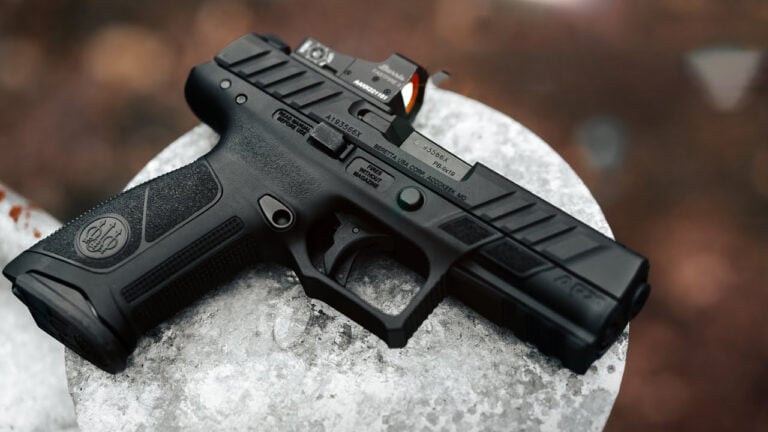
Beretta APX A1 Carry
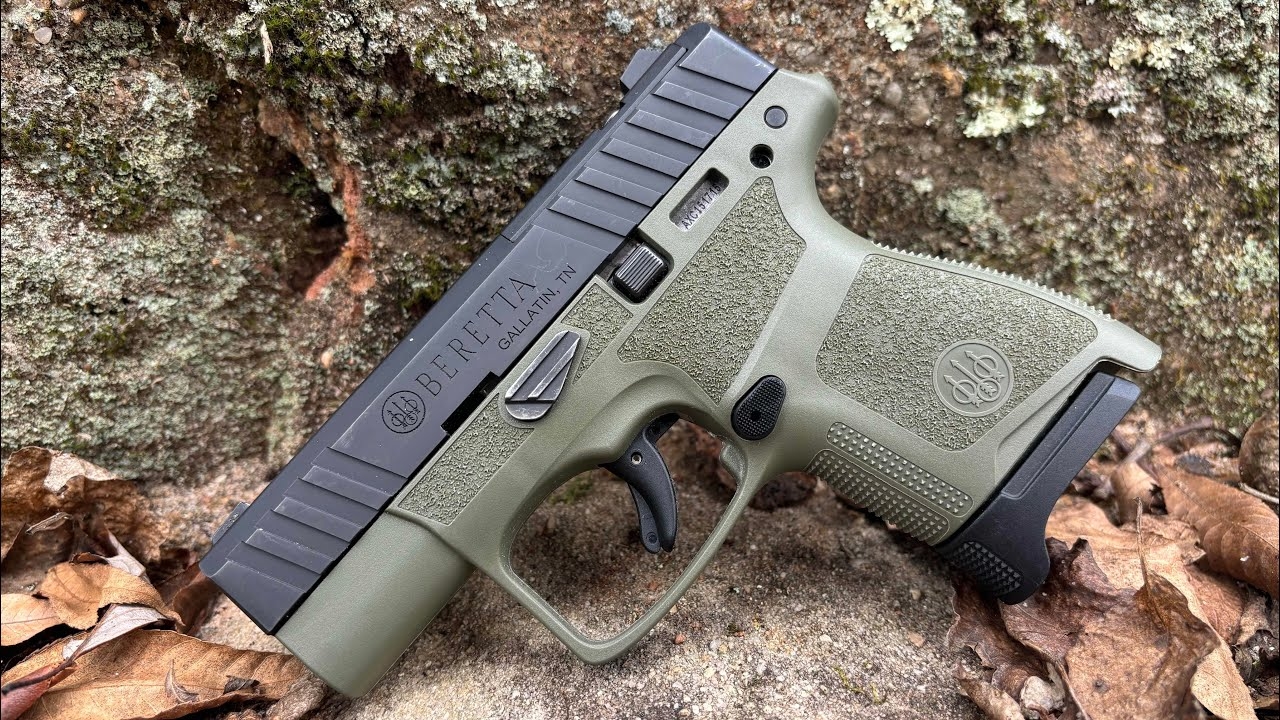
The APX A1 Carry sounds like an obvious way to get Beretta quality in a thin concealed-carry package. The name also suggests you are getting a smaller version of the larger APX duty pistol.
In reality, the Carry is a very different animal. Capacity is modest, the trigger can feel heavier and less refined than the full-size APX, and its dimensions no longer look exceptional next to modern high-capacity micro-compacts. The gun can still work fine for someone who wants a thin, straightforward pistol. The mistake is assuming the APX name means it delivers the same shooting experience as the larger models.
Rock Island Armory BBR 3.10
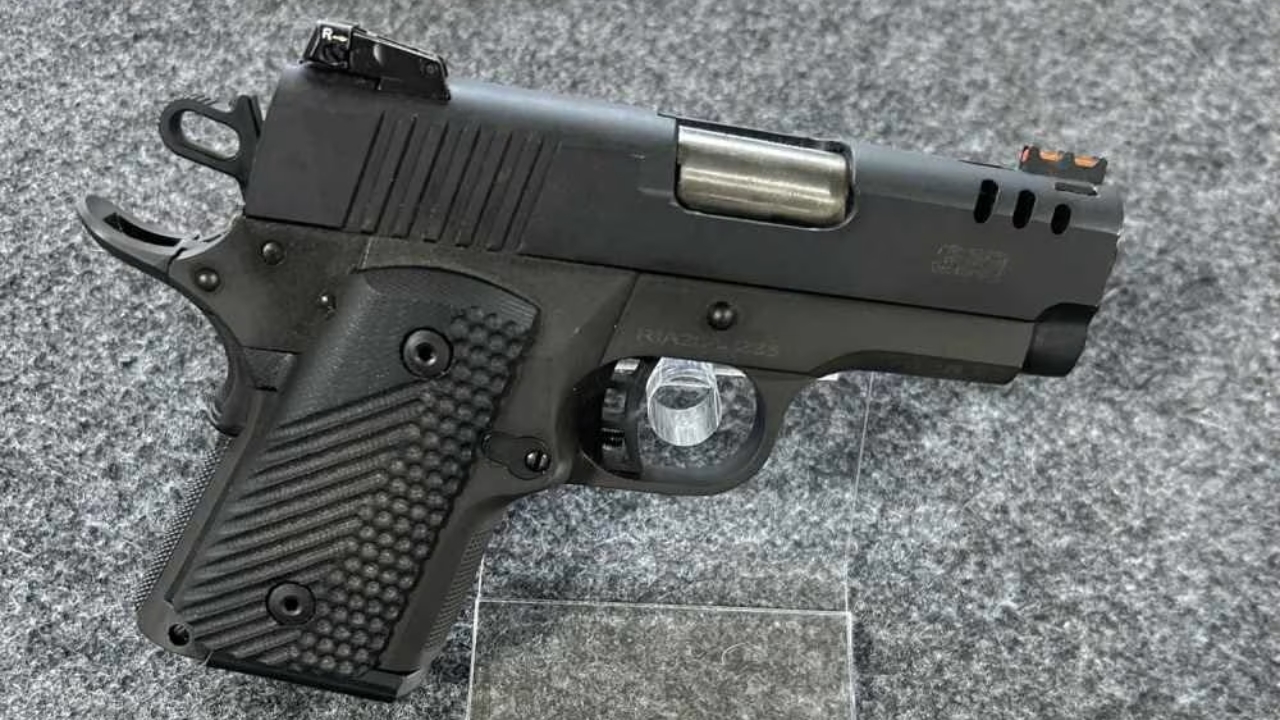
The BBR 3.10 attracts buyers because it offers .45 ACP in a chunky little 1911-style package with more capacity than a traditional Officer-size single stack.
That sounds better on paper than it feels in some hands. The grip is extremely thick, the short pistol is heavy, and recoil management depends heavily on whether the unusually wide frame fits you. Carrying it also means dealing with significant weight and width. The BBR is interesting and surprisingly shootable for the right person, but it is definitely a handgun I would want to spend time handling before deciding the unusual format is actually an advantage.
Girsan MC P35
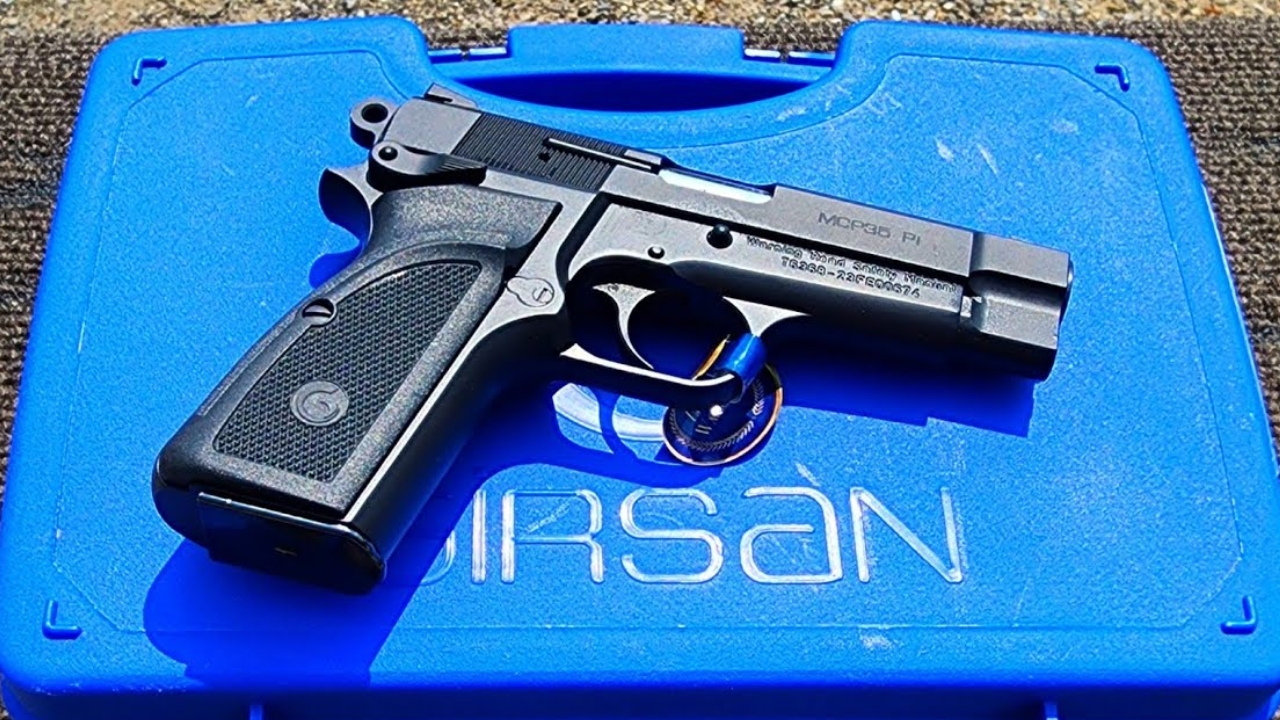
The MC P35 made the Hi-Power concept accessible to buyers who did not want to pay collector prices for an original Browning. On the surface, getting a steel-frame single-action 9mm with classic styling for reasonable money sounds hard to beat.
Then buyers discover how much personal preference matters with Hi-Power-pattern guns. The safety can feel small, the trigger may not be as crisp as someone expects from a single-action pistol, and older-style sights and controls can feel dated beside modern defensive handguns. The Girsan can be a fun way into the platform, but it makes the most sense for someone who already knows they want a Hi-Power rather than someone chasing maximum value.
Ruger Security-380
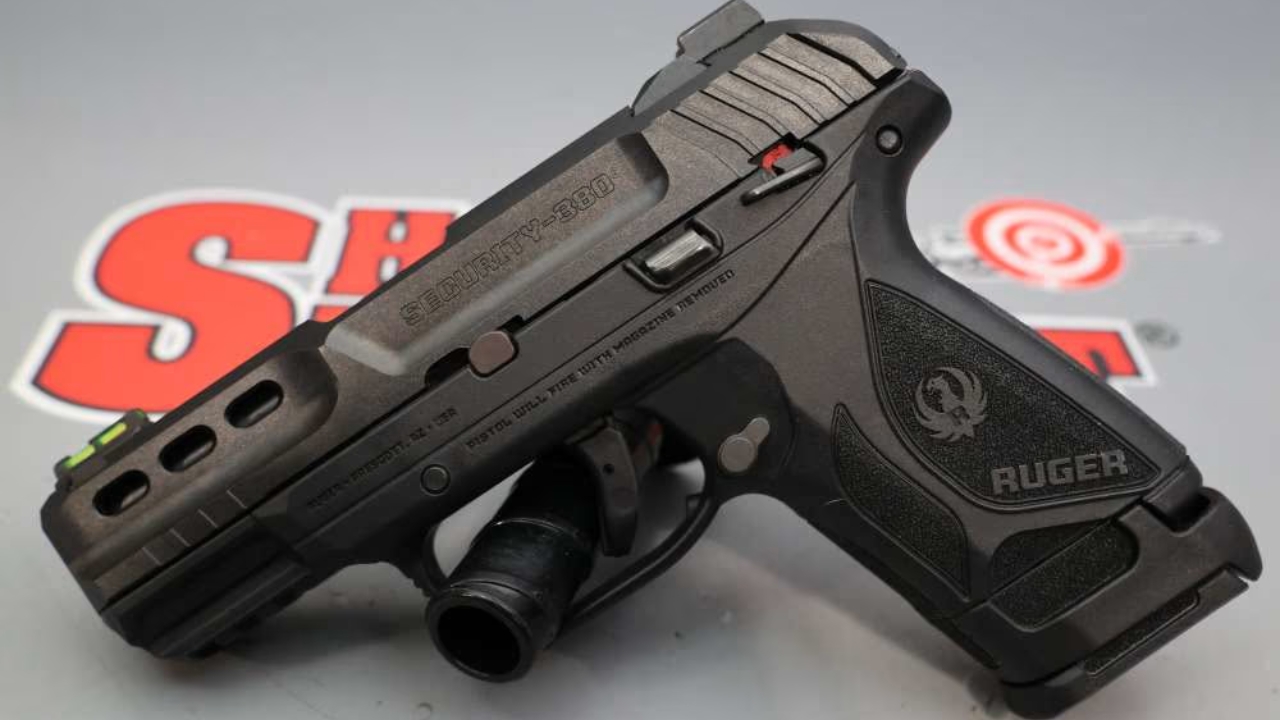
The Security-380 looks like a smart choice for recoil-sensitive shooters. It is easy to rack, easy to control, and gives you significantly more grip and capacity than traditional pocket .380s.
The tradeoff is that the pistol is large enough to make some buyers question why they are carrying .380 ACP at all. Once you accept a bigger frame, compact 9mm pistols start entering the conversation. The Ruger’s easy shooting characteristics are legitimate advantages for the right person. For someone without hand-strength or recoil issues, however, the size-to-cartridge equation can become difficult to justify after ownership begins.
Taurus TH9C
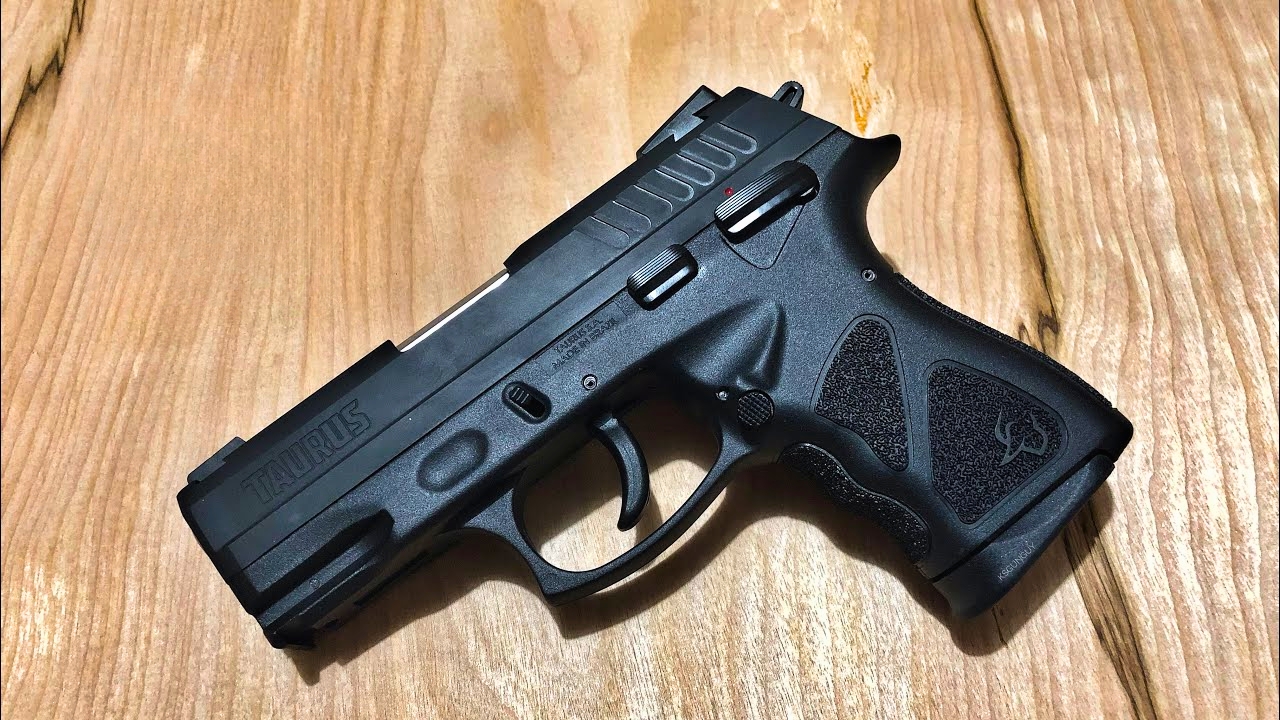
The TH9C gives buyers a traditional hammer-fired 9mm at a price where most competitors are basic striker guns. That sounds especially attractive to someone who prefers a DA/SA trigger and manual controls.
The downside is bulk and support. The pistol is not particularly thin, and the aftermarket ecosystem is tiny compared with major defensive platforms. Finding the exact holster or accessories you want can take more effort than expected. It is a lot of mechanical handgun for the price, but ownership reminds you that a bargain is not just about what comes inside the box. Support after the purchase matters too.
Stoeger STR-9SC

The STR-9SC looks like another strong value entry from Stoeger’s inexpensive pistol family. You get a familiar striker-fired layout in a shorter package without paying the premium attached to more famous brands.
The problem is that the subcompact market punishes average guns. Buyers now expect exceptional capacity, thin dimensions, factory optics support, and huge holster availability. The Stoeger can handle basic defensive duties, but it does not have a major feature that makes owners forget about the larger ecosystem surrounding Glock, SIG, Smith & Wesson, and Springfield. Saving money initially can feel less important after months of searching for accessories.
Springfield XD-M Elite 3.8 Compact
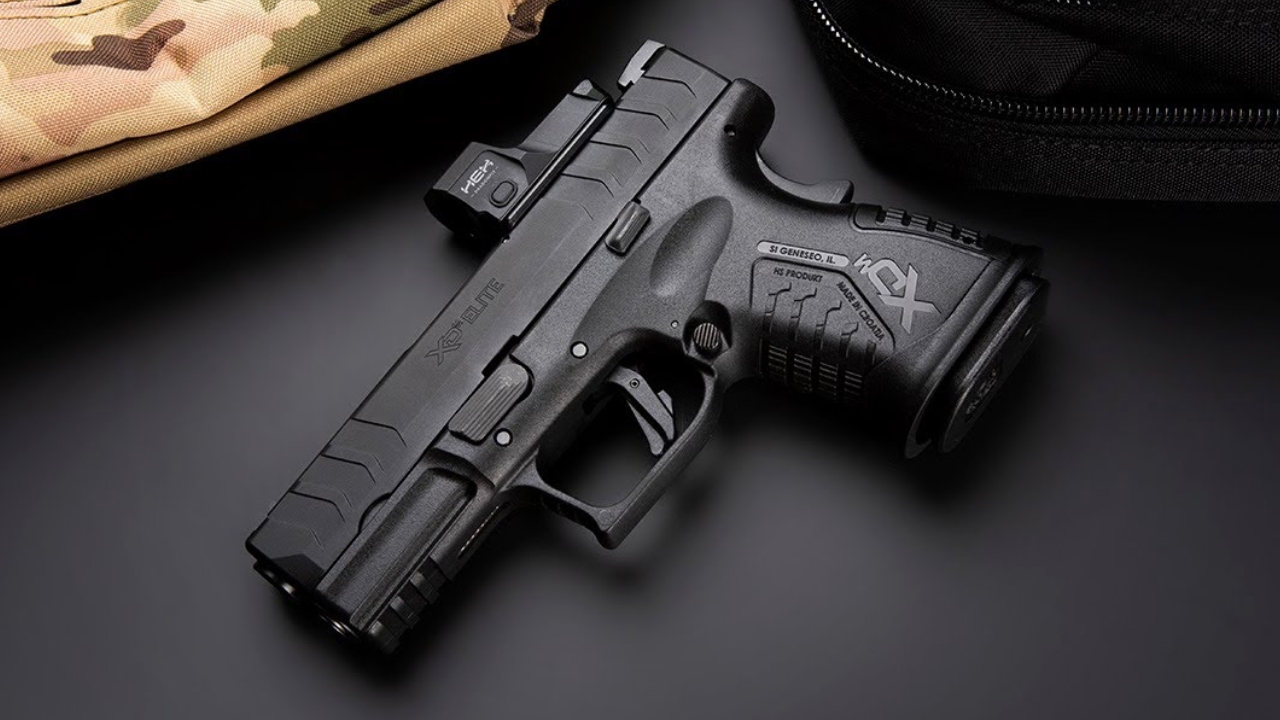
The XD-M Elite Compact looks like an impressive way to get full-size capability in a shortened package. You get substantial capacity, a good trigger, and a feature-rich pistol that feels more premium than the original XD line.
It is also thick and heavier than many people expect from something called compact. That makes it pleasant at the range but less impressive once you start carrying it every day. If you are willing to carry that much width, several midsize pistols give you more grip and easier shooting. The XD-M Elite Compact is capable, but its compromise between concealment and shootability does not work equally well for everyone.
Taurus 856 TORO
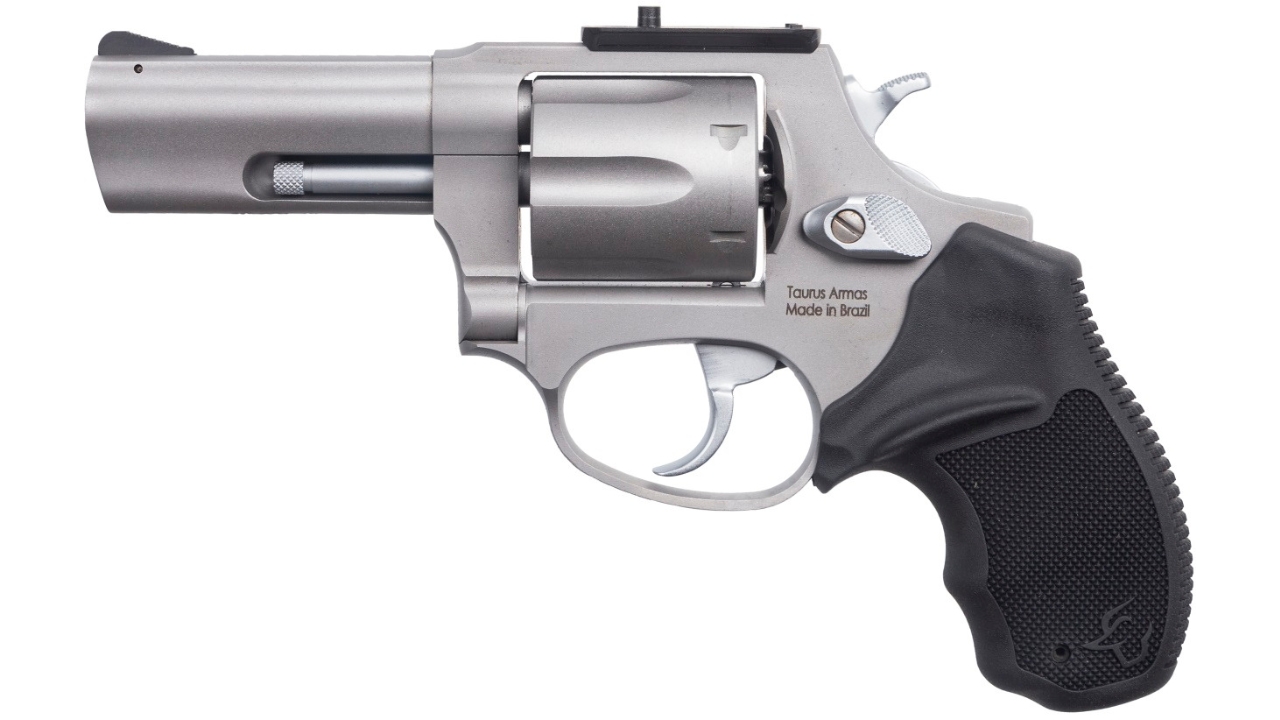
An optics-ready compact revolver sounds like a clever idea, and Taurus deserves credit for actually giving revolver shooters a practical factory red-dot option.
The ownership question is whether the optic solves the biggest limitations of the platform. You still have six rounds, a relatively heavy double-action trigger, slow reloads, and the added bulk of an optic sitting on a small revolver. For someone committed to carrying a wheelgun, the TORO concept can be useful. For everyone else, adding modern sighting technology does not automatically make a small revolver competitive with a modern semiautomatic.
Grand Power P11
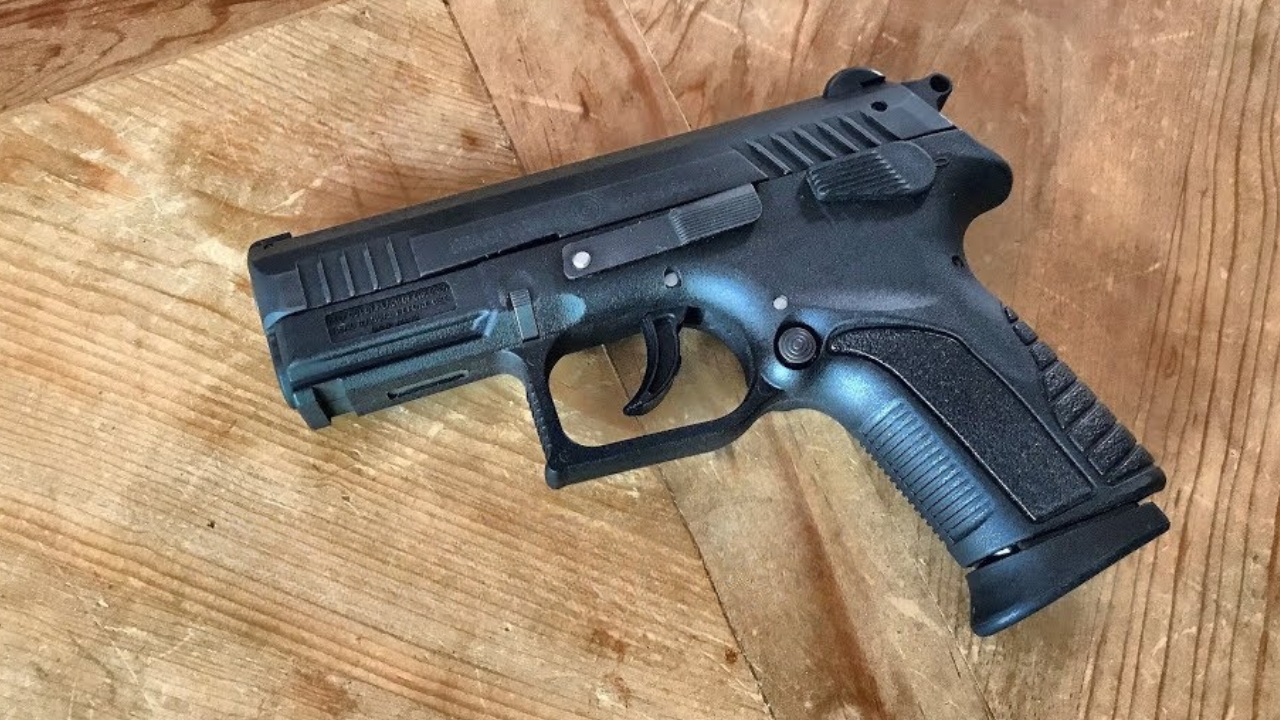
The P11 is the kind of pistol that catches the attention of shooters looking for something different. Grand Power’s rotating-barrel system gives the gun a distinctive mechanical identity, and the company has a reputation for producing very shootable handguns.
The complication comes after the novelty wears off. Magazines, holsters, replacement parts, and local support are nowhere near as abundant as they are for mainstream pistols. That can turn a clever purchase into an ownership hassle, especially if the pistol is intended for regular carry. A unique operating system is fun at the range. A deep support network can be much more valuable after five years of ownership.
Like The Avid Outdoorsman’s content? Be sure to follow us.
Here’s more from us: