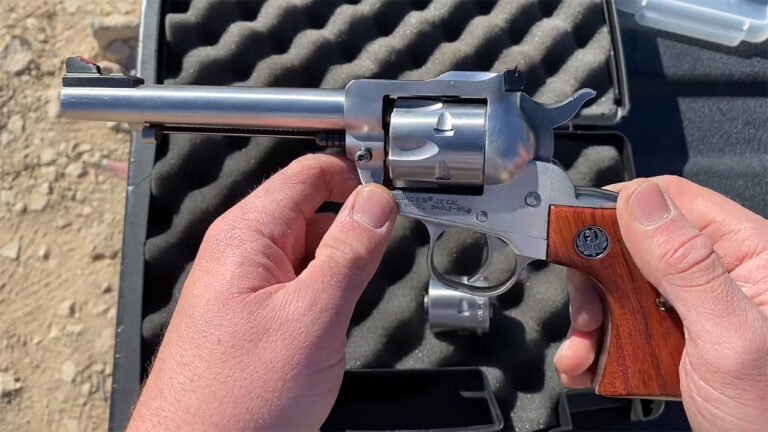
Photo credit: Mat Larson/YouTube
There are handguns that feel like they were built by somebody who actually carries, shoots, and maintains their own stuff. Good sights, good size, good reliability, magazines you can find without taking out a loan. Then you press the trigger and the whole relationship changes.
A bad trigger does not just make a gun “less fun.” It can mess with accuracy, slow down follow-up shots, and turn practice into a chore. And for hunting sidearms or woods carry, a trigger that stacks, grinds, or breaks like a wet sponge can get in your head at the worst time. Here are 20 pistols and revolvers that often get called out for triggers that drag down an otherwise solid package.
1. Ruger LCP (Gen 1)
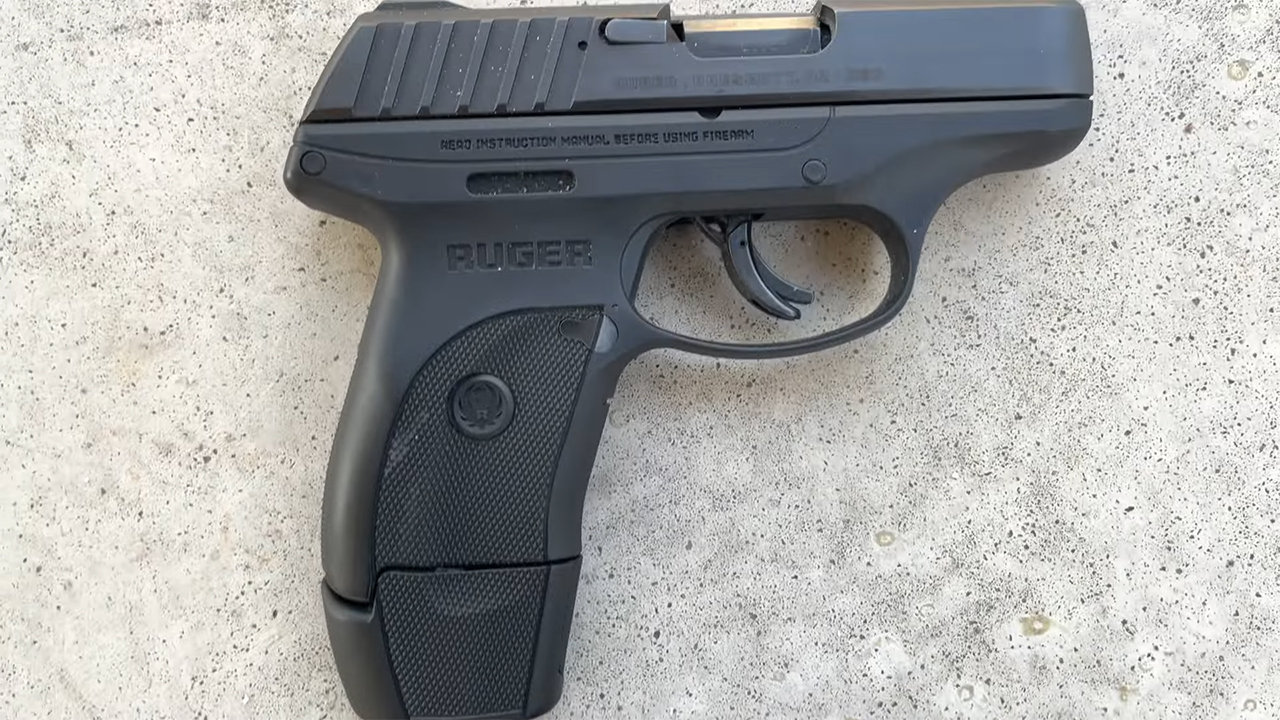
The original LCP did what it was supposed to do: disappear in a pocket and go bang when asked. It is light, flat, and easy to have on you when a bigger gun stays in the truck. The problem is the trigger. Long, heavy, and kind of vague, with a reset that feels like it takes a calendar to come back around.
On the range it makes new shooters think they are worse than they are. You end up yanking shots low left because you are trying to hurry that long pull along. For a “get off me” gun it can still work, but it is hard to shoot well past bad-breath distance. Ruger fixed a lot of this with later variants, but that first one has ended plenty of honeymoons early.
2. Smith & Wesson Bodyguard 380 (manual safety model)

The Bodyguard 380 has a lot going for it: real sights, decent ergonomics for its size, and it carries easy in a pocket holster. It also has one of the more complained-about triggers in the small .380 world. The pull is long and can feel gritty, and the break is not what you would call clean.
What makes it extra frustrating is the gun otherwise feels like it should shoot better than it does. You can get hits, but it takes more concentration than it should for a pistol that’s marketed as a practical carry option. If you run it a lot, you can learn it, but many owners simply do not put in that work. They shoot a box, get annoyed, and it becomes a drawer gun.
3. KelTec PF-9

The PF-9 is one of those pistols that earned a following because it was thin, light, and affordable before “micro 9” was a whole category. It carries like a dream for the size, and it can be a reliable little workhorse. But the trigger is the tax you pay.
It is long and has that double-action-only feel that never quite feels the same twice in a row. Some examples stack hard near the end, some feel mushy, and the reset is not fast. When you are trying to shoot quickly, it can feel like you are fighting the gun instead of running it. I get why it sold, and I get why folks move on from it once they try newer designs.
4. Taurus Spectrum
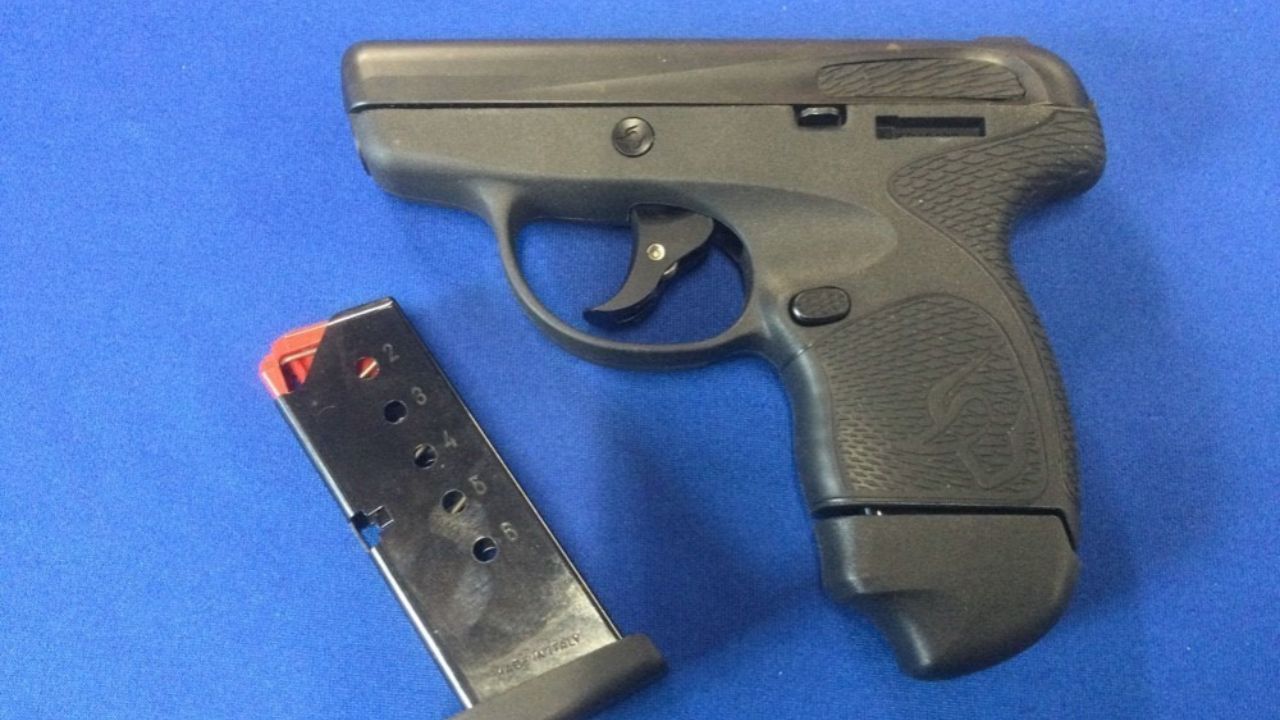
The Spectrum was a neat idea: soft edges, snag-free carry, and a look that didn’t scream “tactical.” In the hand, it feels friendly. In the pocket, it behaves. Then you get to the trigger and it feels like you are dragging a couch across carpet.
Heavy and vague is the common theme, and it tends to amplify any little wobble you’ve got. The gun was aimed at the same buyer who wants low recoil and easy handling, and that buyer is usually the one who benefits most from a decent trigger. When a trigger is working against them, practice drops off. That one hurts, because the carry concept was solid.
5. Remington RM380
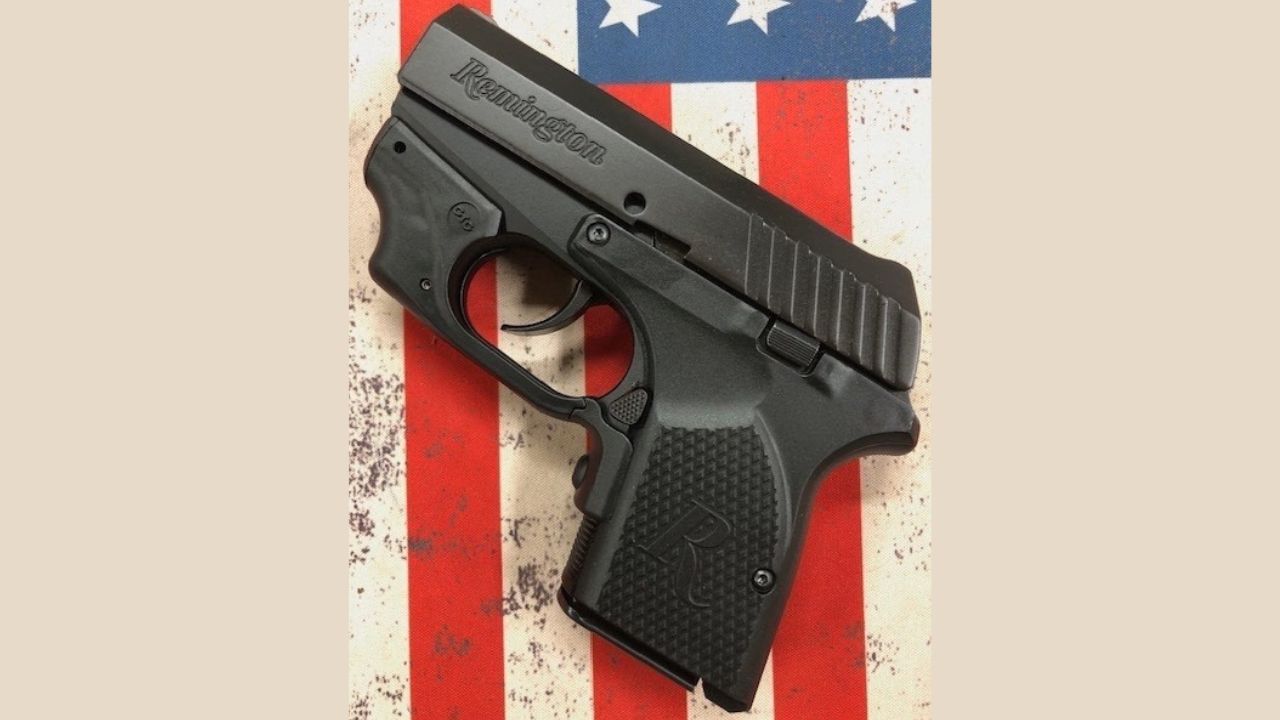
The RM380 is a good-looking little pistol with a metal-frame feel that a lot of pocket .380s don’t have. It points naturally, sits flat, and has a “real gun” heft without being too heavy. The trigger, though, often feels heavier than it needs to be for the role.
It’s not that it is unusable. It’s that the pull can be long and the break not especially crisp, so your groups open up more than you expect. For a small defensive pistol, that matters because the sights are small and the distance is short—everything is already working against you. With the right ammo and enough repetitions, it can be a dependable carry piece. But the trigger is the part that keeps it from being a standout.
6. SIG Sauer P290RS

SIG’s P290RS had the right idea: a small 9mm that didn’t feel like a toy. It has good build quality, decent ergonomics, and it carries well for what it is. Where it loses a lot of folks is the trigger system.
The pull is long and has that “rolling” feel that can be hard to stage consistently. In slow fire you can do fine, but when you try to shoot it like you shoot other carry guns, it can get sloppy. Some shooters like a long pull for safety margins, and I understand that, especially for pocket or deep concealment. But this one can feel like it’s trying too hard to be safe, and it gives up shootability to get there.
7. Beretta Nano

The Nano is slick, simple, and easy to carry. It is also one of those pistols where the trigger can feel like it changes personality depending on the day and the ammo. Many examples have a long pull with a break that’s not very defined and a reset that doesn’t encourage speed.
The frustrating part is the gun itself is tough and generally reliable, with a low-profile design that carries comfortably. It should be a home run for somebody who wants a no-nonsense micro-ish 9mm. Instead, the trigger makes it harder to shoot well under time. When you are trying to run controlled pairs, you can feel the mush and the travel. Plenty of owners keep them, but just as many trade into something with a cleaner wall and a shorter reset.
8. Springfield Armory XD-S (early production feel)

The XD-S is a handy little pistol, especially for folks who want a thin single-stack that still feels like a real duty gun in the hand. It points naturally and tends to be reliable. The trigger, though, is not why anyone buys it.
On many examples you get creep before the break, and the reset can feel longer than it should for the size. Add in the snappy recoil that comes with a thin, light pistol and it becomes harder to shoot fast and straight. It is one of those guns that can look great on paper for concealed carry, then you take it to the range and realize you are working harder than your buddy with a different platform. It is not junk. It just isn’t a “nice trigger” gun.
9. Glock 42
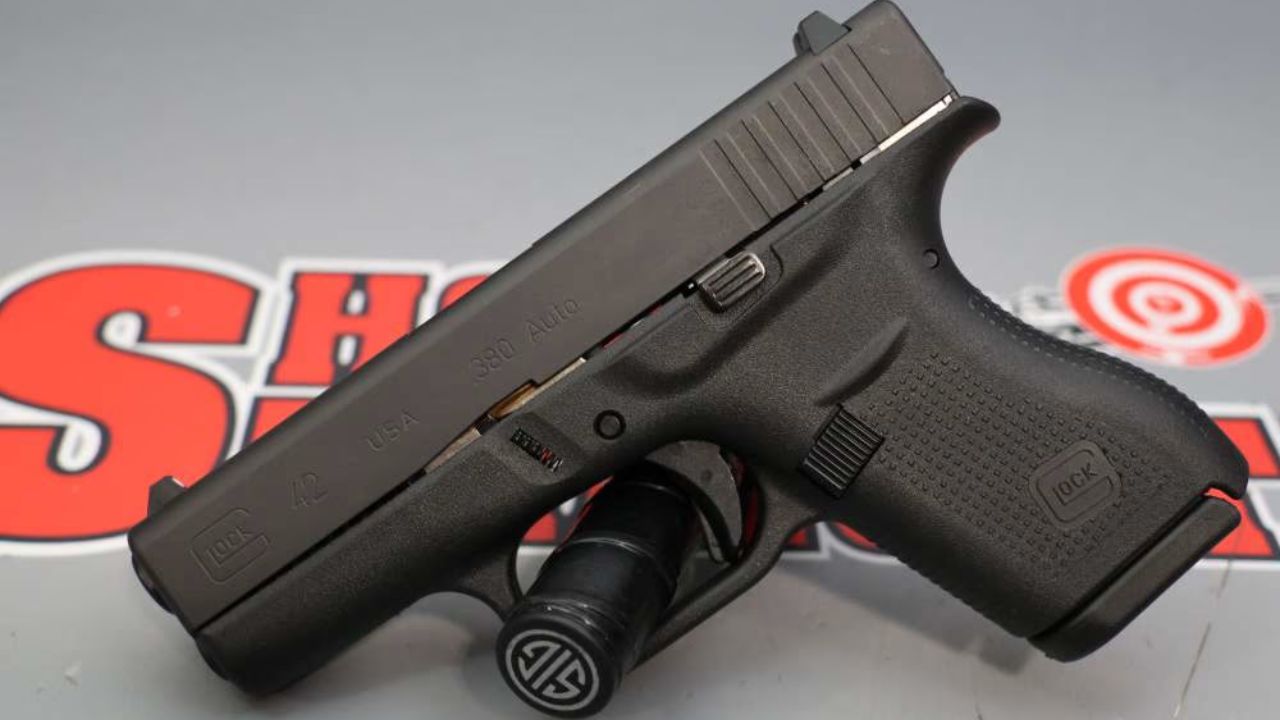
The Glock 42 is easy to like. It is soft shooting for a small .380, the reliability is usually there, and it carries like a wallet compared to chunky little double-stacks. The trigger is still Glock-ish, but the .380 format makes every bit of mush and travel feel more obvious.
What gets folks is the combination of a light gun and a trigger that isn’t exactly clean. If you are used to a crisp single-action or a tuned striker gun, the 42 can feel vague on the wall and a little springy on the break. You can shoot it well, but it takes deliberate work. For a pistol that is supposed to make carry easy, a trigger that makes practice less enjoyable is a real drawback. Still, it’s one of the better manners .380s out there, even if the trigger won’t impress anybody.
10. Glock 43
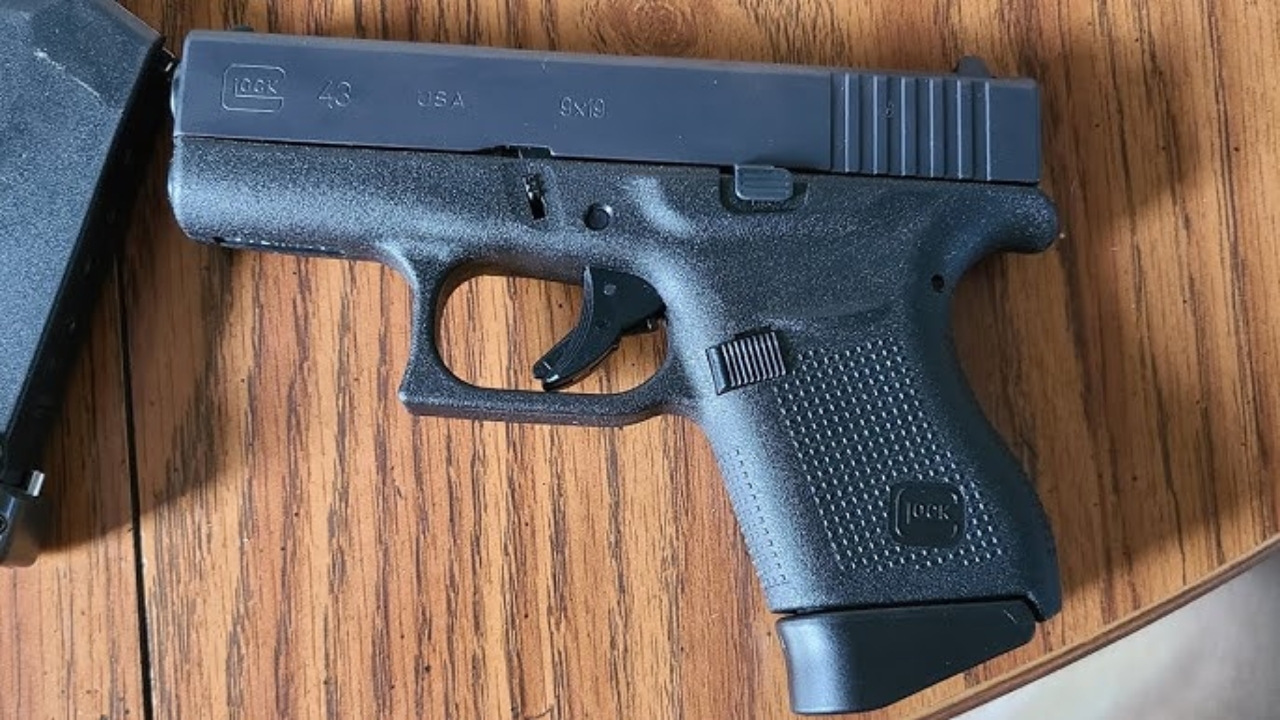
The Glock 43 is a classic “just enough gun” for concealed carry. Slim, simple, easy to find parts and magazines for, and it disappears under a t-shirt. The trigger is familiar to Glock shooters, but many folks notice the 43 can feel heavier and less smooth than their full-size models.
That matters because the 43 already demands good fundamentals. Small grip, short sight radius, and snappier recoil. If your trigger press isn’t clean, your hits show it right away. I have watched good shooters shoot a 19 like a laser and then scatter shots with a 43 until they slow down and really work the press. The gun is good. The trigger just isn’t doing you any favors, especially if you’re new to small carry guns.
11. Kahr PM9
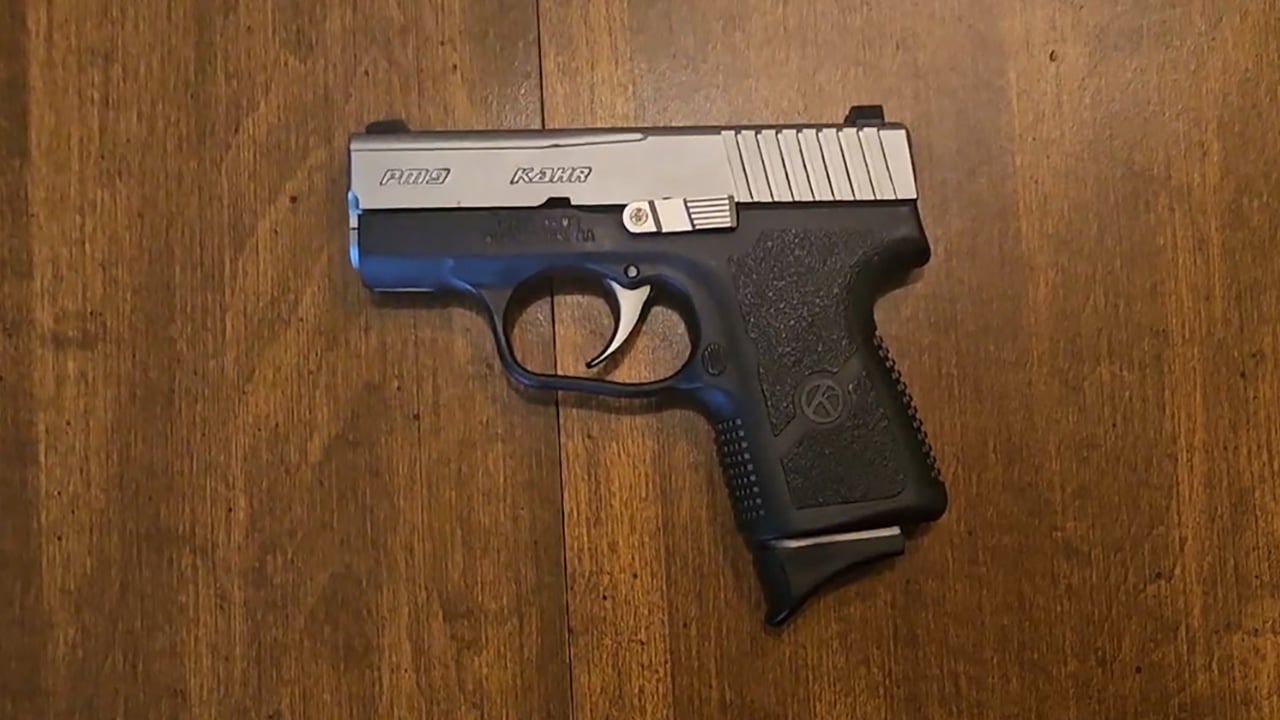
Kahr pistols carry like a dream. The PM9 is slim, light, and has a smooth profile that doesn’t chew you up on long days. The trigger is also the entire Kahr identity: long, revolver-like, and consistent. The issue is that “consistent” doesn’t mean “easy.”
Plenty of shooters run a PM9 well, but many others never get comfortable with the length of pull and the long reset. If you are expecting a short striker break, you will feel like you’re waiting for the gun to fire. Under speed, it’s easy to outrun your own trigger finger and short-stroke the reset. For a carry pistol, it’s safe and deliberate, which is good. For fast, accurate shooting, it can be a frustrating learning curve.
12. Walther PPS M2

The PPS M2 is a very livable carry gun. It feels good in the hand, points naturally, and the size is right for folks who want thin without going tiny. A lot of shooters expected “Walther magic” in the trigger because of the PPQ reputation. The PPS M2 trigger is fine, but “fine” is the problem when you’re expecting great.
Many examples have a softer wall and a break that doesn’t feel as crisp as the internet hype might lead you to believe. It’s not a bad trigger; it just lacks that clean snap that makes you grin. For carry, it is completely usable, and the gun shoots well overall. But when you line it up next to other modern slim 9mms, the trigger can feel a half-step behind. If you’re picky, you’ll notice it every session.
13. Smith & Wesson M&P Shield (original 1.0)
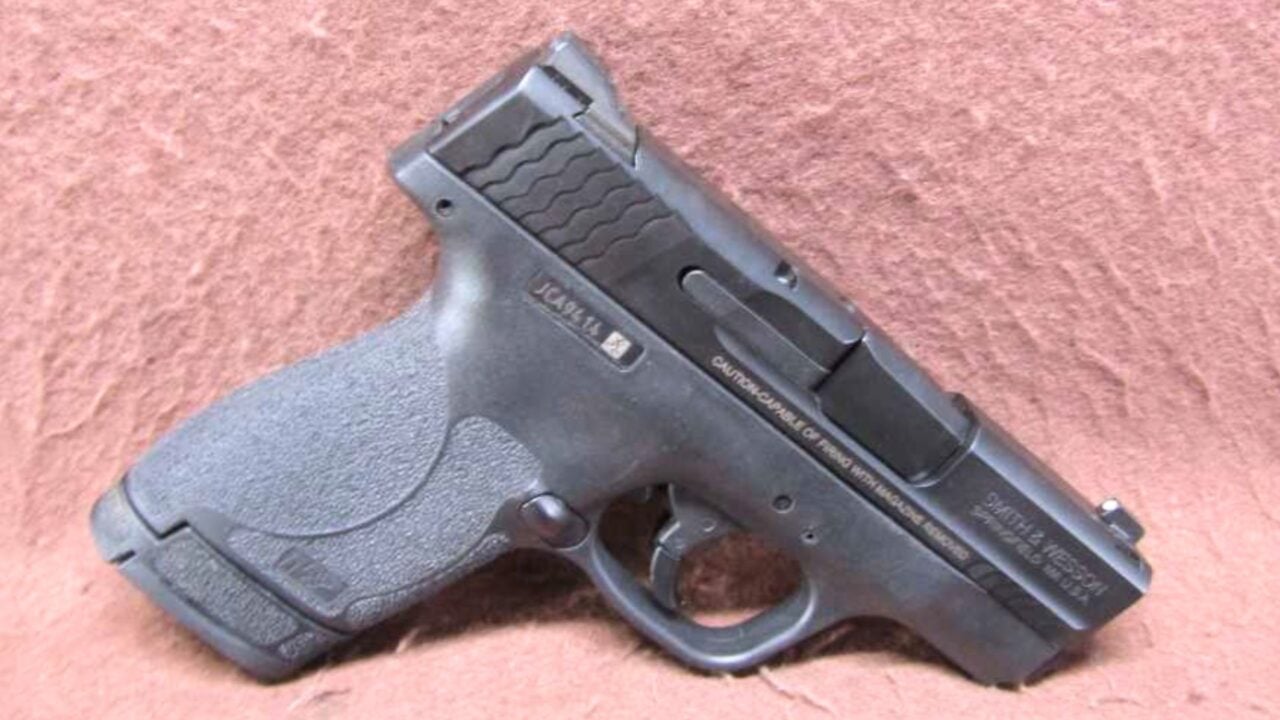
The original Shield probably rode on more belts than any other single-stack 9mm for a while, and for good reason. Reliable, easy to conceal, and priced where normal working folks could afford it. The early triggers, though, were a common complaint—gritty take-up, a vague break, and a reset that felt muted.
You can absolutely shoot a Shield 1.0 well, and plenty of folks did. But it often takes more attention than it should because you don’t get a clear signal of where the break is going to happen. The Shield 2.0 improved things, and the newer flat triggers improved things again, which tells you something. The 1.0 is still a solid carry piece, but if you hand it to a new shooter and they struggle, don’t be surprised. It’s not always them.
14. Smith & Wesson SD9 VE
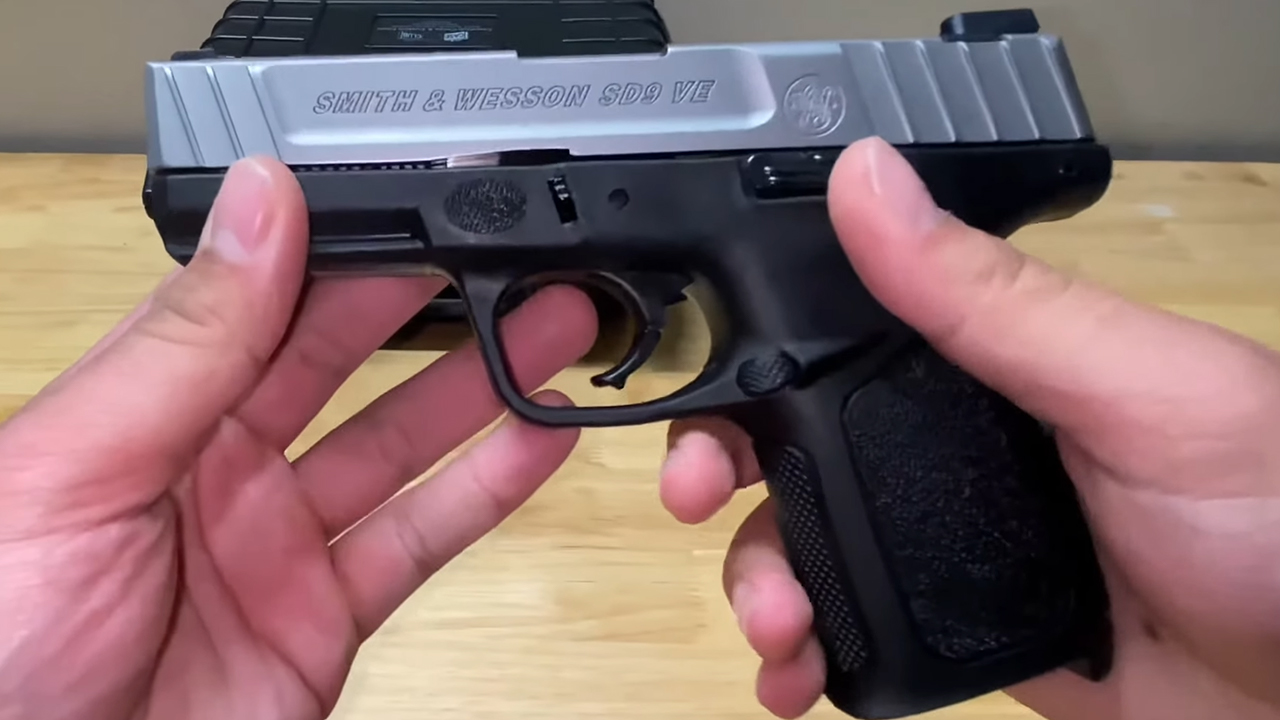
The SD9 VE is one of those pistols that makes sense on a budget. It usually runs, it holds enough rounds, and it’s easy to live with. The problem is the trigger is famously heavy and long, and it can feel like it stacks right when you want it to break.
For a home-defense pistol, a heavy trigger isn’t automatically a deal breaker, but it does affect accuracy under stress. I have seen folks chase their sights all over the target because they are fighting that pull. The SD series can be a good value if you understand what you’re buying: a dependable beater with a trigger that will never feel like a premium gun. If you shoot it a lot, you can adapt. If you don’t, the trigger is going to punish you every time you dust it off.
15. Ruger LC9 (hammer-fired original)

The original LC9 carried well and had the Ruger reputation behind it. Slim, light, and made for concealed carry before the market got crowded. Its trigger is what kept it from being a favorite range gun. Long pull, long reset, and it can feel like you’re waiting on it.
For careful shooting it’s manageable, but the LC9 can get away from you when you try to speed up. The pull length makes it easier to disturb the sights, and the reset makes follow-up shots slower than they need to be. Ruger answered a lot of complaints with the LC9s striker-fired version, and that is the model many folks prefer. The original still works, but it’s a good example of a pistol that would have been a real star with a better trigger feel.
16. Ruger LCR (in .357 Magnum)

The LCR is a smart revolver design. Light, corrosion resistant, and genuinely comfortable in the pocket for a wheelgun. In .357 Magnum, it can be a very practical woods-side companion with .38s for practice. The trigger is generally smooth, but the combination of weight, stacking, and magnum recoil can make it feel worse than it is.
Here’s what happens: you load full-house .357, the gun jumps, and your finger starts trying to “help” the trigger through the last part of the stroke. That turns a decent double-action pull into a mess. It’s not that Ruger built a terrible trigger. It’s that the platform exaggerates everything. If you keep it fed with .38 +P most of the time, it’s a sweet shooter. In magnum trim, many shooters decide they hate the trigger when they really hate the whole experience.
17. Taurus Judge (standard models)
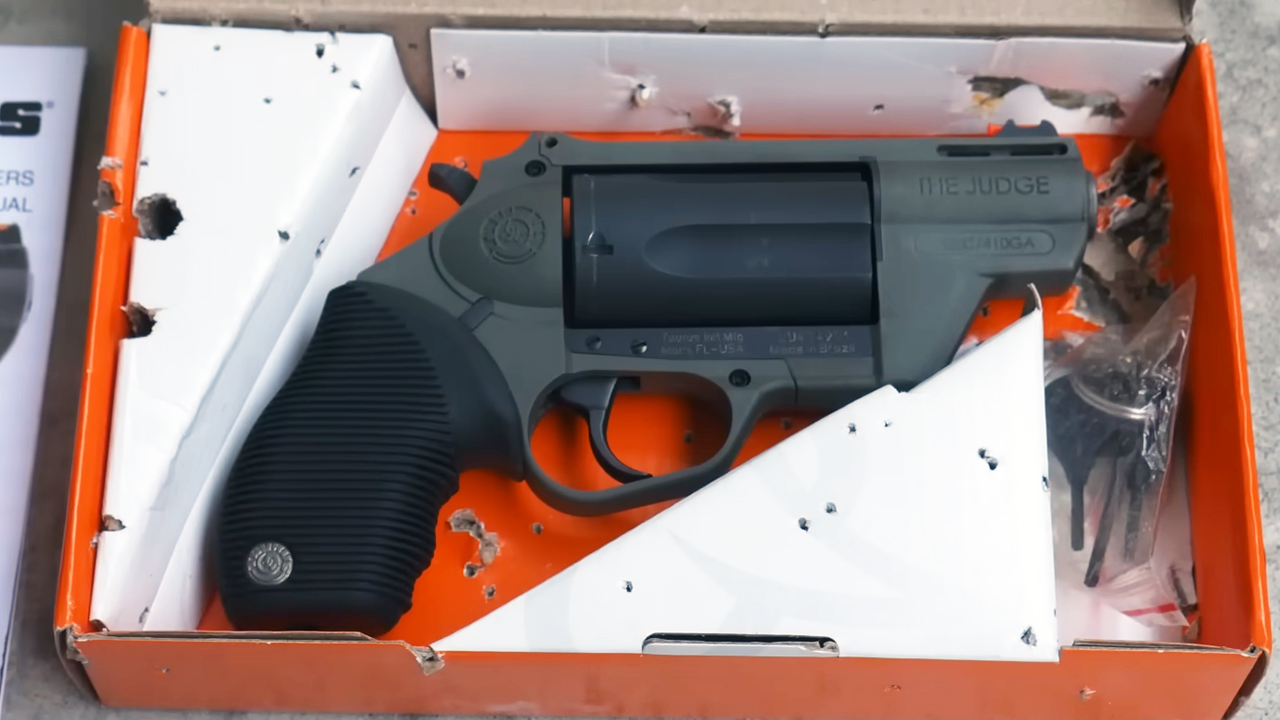
The Judge is fun, and it has a place for certain folks who want a versatile revolver for trail carry, pests, or just novelty. The triggers can be all over the map. Single-action can be acceptable, but double-action is often heavy, a little rough, and it can stack hard.
What makes that a bigger deal is the gun is already big and awkward compared to more traditional revolvers. When the trigger is heavy and the gun is bulky, it’s harder to shoot well, and people start treating it like a “point and hope” tool. That is never a great habit. If you’re buying one for real use, you want a trigger that helps you place shots where they need to go, especially if you’re dealing with snakes or nuisance animals near buildings. A rough DA pull doesn’t help confidence.
18. Kimber Solo Carry

The Solo Carry looks like a premium little 9mm with good lines and a carry-friendly footprint. When they run, they feel great in the hand. The trigger, though, is part of what trips up the whole concept. Many shooters describe it as heavier than expected, with a break that can feel abrupt after a long-ish pull.
In a small pistol, a heavier trigger can be a deliberate choice, but it has to be smooth and predictable. The Solo’s trigger reputation, mixed with its pickiness about ammunition in some guns, is what soured a lot of owners. When a carry pistol is both ammo-sensitive and not especially pleasant to press, range time drops fast. That is the worst outcome: a gun you don’t trust and don’t enjoy practicing with. If you find a good one, hang onto it, but go in with eyes open.
19. FN Five-seveN
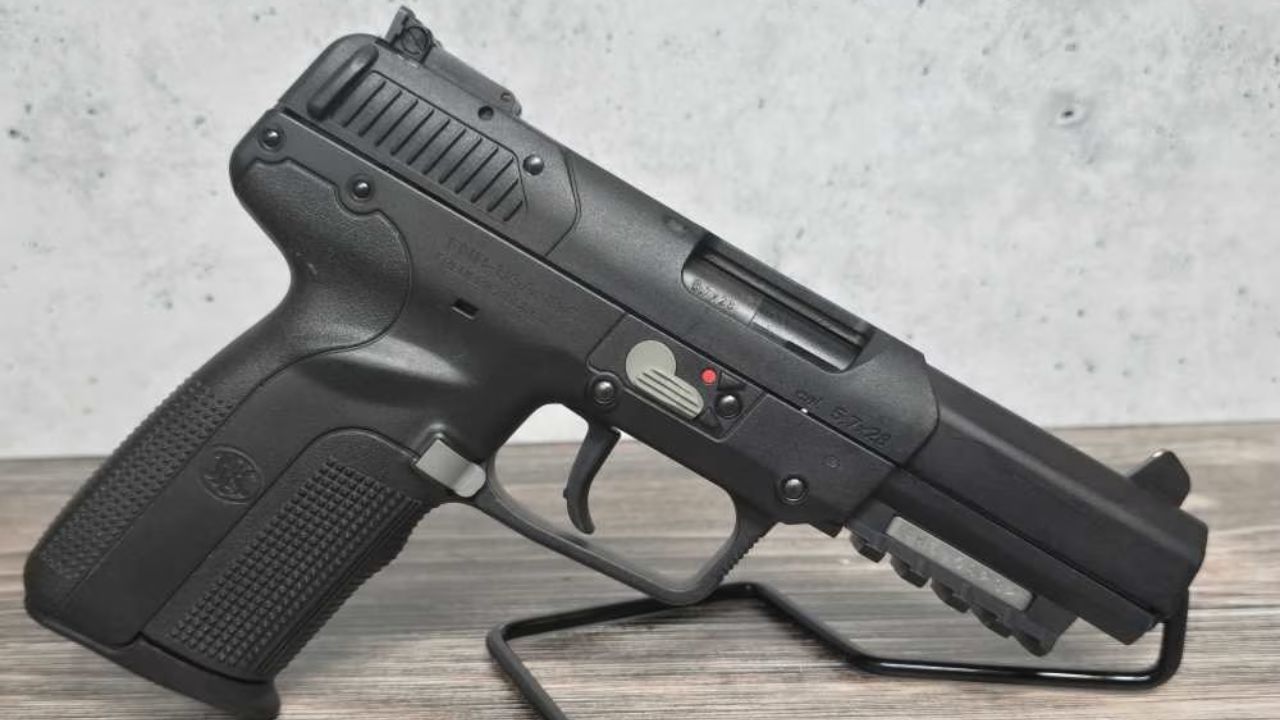
The Five-seveN is a weird one to put on a list like this because it does so many things right. Lightweight for its size, low recoil, flat shooting, and it holds a pile of rounds. The trigger is not terrible, but for the price tag and the hype, many shooters expect a cleaner, more refined break than what they get.
It often has a bit of creep and a spongy feel that doesn’t match the “space gun” vibes. When you’re paying premium money, little annoyances feel bigger. At the range, the gun is easy to shoot fast because recoil is mild, but the trigger can keep you from wringing out the accuracy you know is in there. It’s the kind of pistol you want to love completely, and the trigger is what keeps it from being perfect. Ask anyone who has handed one back after the first magazine with a shrug.
20. Heckler & Koch P30 (standard V3 DA/SA)
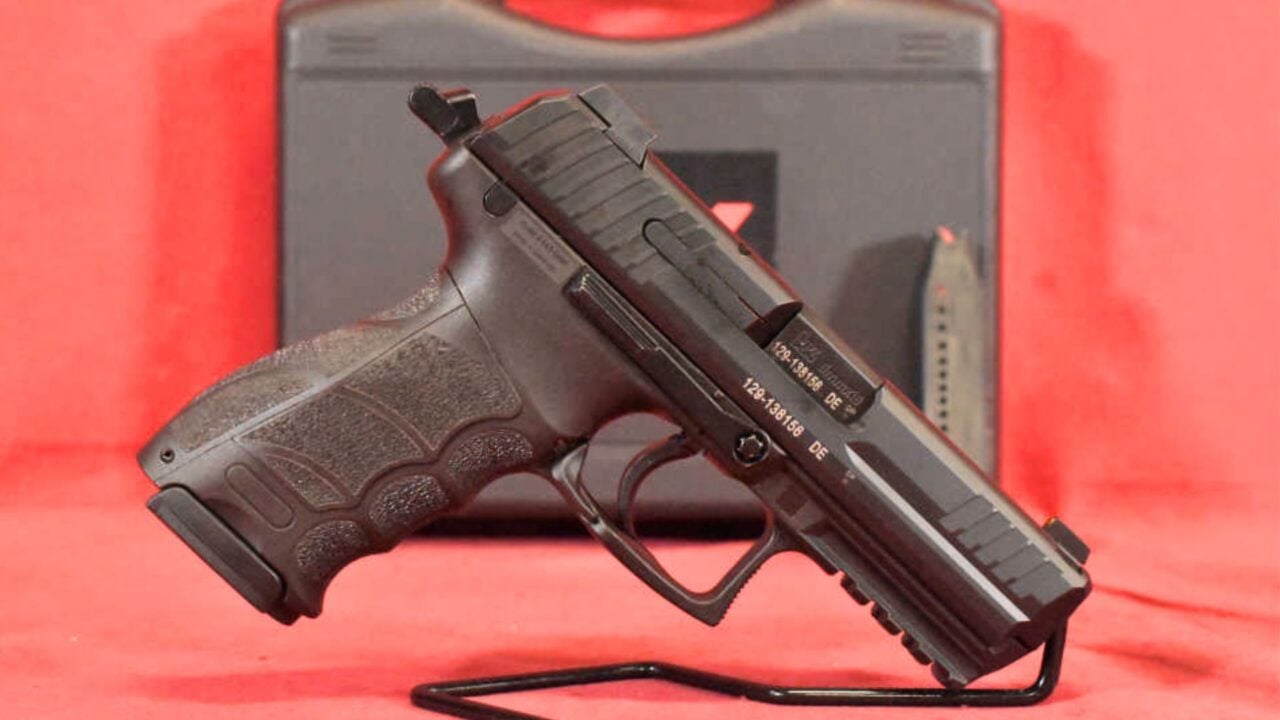
The P30 is one of the best-feeling pistols ever made in the hand. The grip panels, the ergonomics, the balance—it’s all there. It is reliable, durable, and it points like an extension of your arm. Then you hit that long double-action pull and the mood changes.
The standard DA/SA trigger on many P30s is serviceable, but it can feel heavy and a bit “stacky” in double-action, and the single-action isn’t always as crisp as folks expect for the money. The gun is still absolutely capable, and for duty-style carry it checks all the boxes. But for the shooter who wants a clean, confidence-building trigger, the P30 can feel like it’s holding itself back. It’s extra frustrating because everything else about it screams quality. If triggers matter to you, this is a classic case of “so close.”
A good trigger won’t fix bad habits, but a bad trigger can make good habits harder to build. If you already own one of these and it runs, don’t panic and dump it tomorrow. Just be honest about what it does to your shooting, and put in the reps if it’s a carry gun. And if you’re shopping, do yourself a favor: dry fire it at the counter (safely, with permission) and pay attention to what your finger is telling you before you fall in love with the rest of the package.
Like The Avid Outdoorsman’s content? Subscribe to our newsletter so you never miss an article.
Here’s more from us: