Photo credit: Carolina EDC reviews/YouTube
Under pressure, your shooting gets simpler and uglier. Your hands aren’t as steady, your eyes don’t want to focus, and your brain starts skipping steps. That’s when you learn what matters: a gun that points naturally, cycles cleanly, and gives you a trigger you can manage without thinking too hard. The surprise is that some of the best “under stress” performers aren’t the internet darlings. They’re the pistols that feel boring on a calm range day but stay predictable when you’re moving, breathing hard, and trying to make hits on demand.
A handgun that performs well under pressure usually has a few things going for it: controllable recoil, a consistent trigger you can learn, sights you can pick up fast, and reliability that doesn’t punish you for imperfect grip. These are the pistols that tend to do better than you’d expect when the tempo goes up.
Smith & Wesson M&P 2.0 Compact

A lot of people underestimate the M&P 2.0 Compact because it isn’t the loudest name in every conversation. Under pressure, it shines because it fits more hands well and stays controllable when you’re shooting fast. The grip texture is also a real advantage when your hands are sweaty, cold, or you’re trying to work around cover.
When you start running drills, the gun’s recoil impulse feels predictable. That helps you track the front sight or dot and get back on target without rushing. The controls are straightforward, and the platform has matured into something you can trust with good magazines and decent ammo. It’s the kind of pistol that rewards consistent technique and doesn’t get weird when you’re not shooting perfectly.
Walther PDP Compact
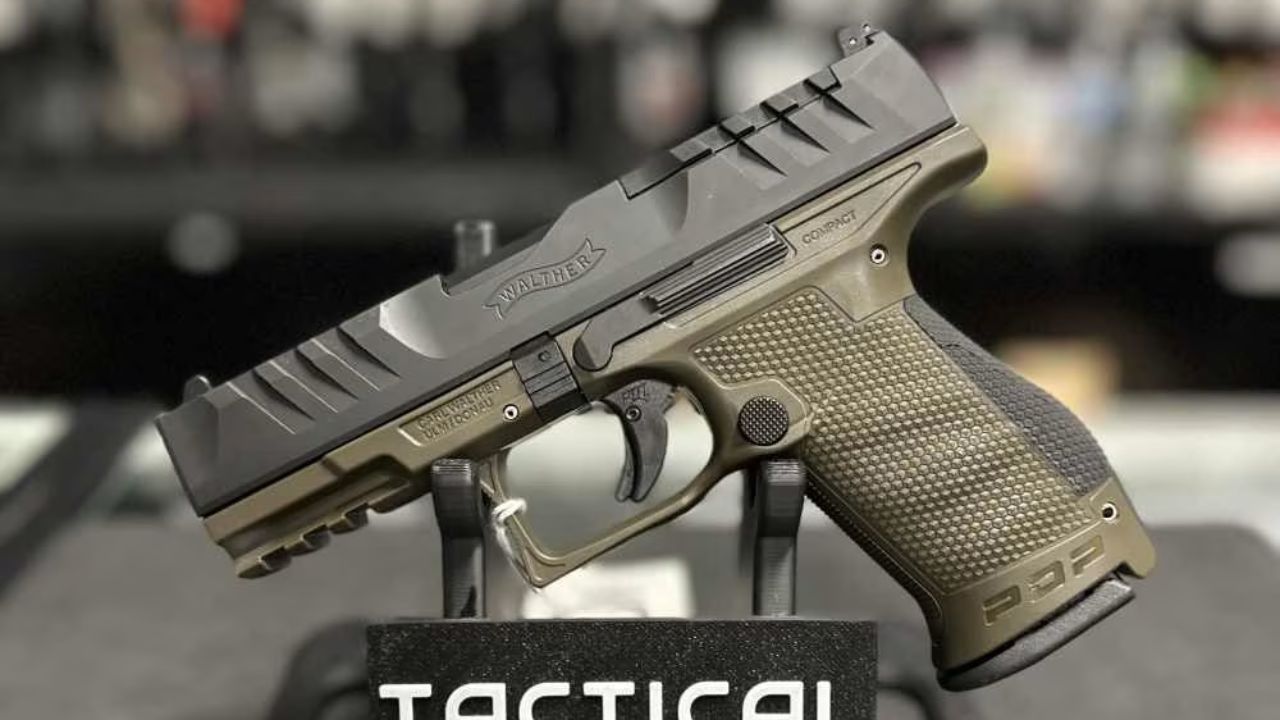
The PDP can surprise people because it looks like it should be “snappy,” but it often behaves better than expected when you’re pushing speed. The grip shape and trigger characteristics make it easy to get clean shots without overthinking. Under pressure, that matters more than tiny differences in group size.
Where it really helps you is sight pickup and trackability. The gun tends to return to the same spot, which keeps your cadence honest. You also get a slide design that’s easy to rack if you’re dealing with gloves, rain, or awkward manipulations. It’s a pistol that feels modern, but what you notice most is how quickly it lets you solve shooting problems when your brain is running behind your hands.
CZ P-10 C
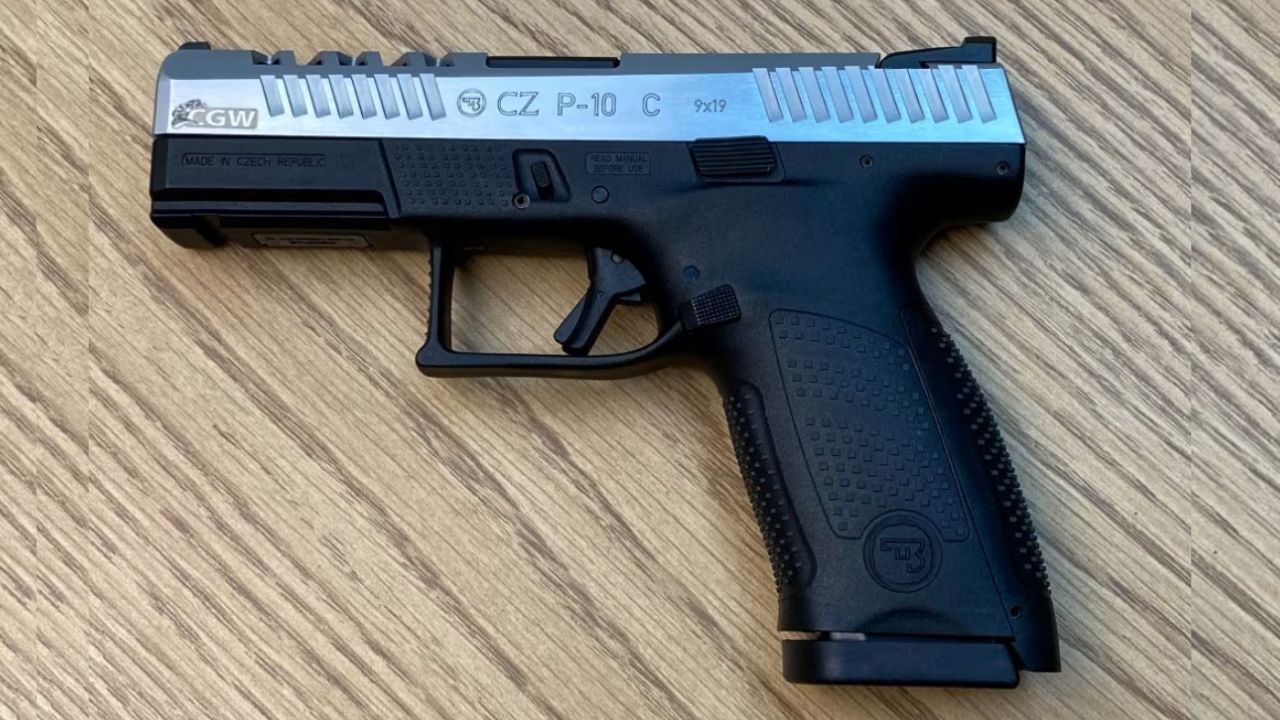
The P-10 C doesn’t always get the attention it deserves because CZ has other famous names, and striker guns blur together online. In real training, it can be a workhorse. The ergonomics help you lock in a consistent grip, and the trigger feel makes it easier to press without yanking shots when you’re stressed.
Under pressure, you notice how stable the gun feels in recoil. It’s not magic, it’s balance and grip geometry working in your favor. The gun also tends to run reliably when you keep it reasonably maintained. If you’re the kind of shooter who wants a practical pistol that performs without drama, the P-10 C can be better than you expect the first time you run it hard.
Springfield Armory Echelon

The Echelon can get dismissed as “the new guy,” but it has features that matter when you’re under time. The grip and controls are designed around fast handling, and the gun tends to stay flat enough to keep you honest on split times. It’s also built to be easy to run with optics, which is where a lot of shooters live now.
What surprises you is how quickly you can get comfortable with it. Under pressure, familiarity is everything, and the Echelon’s layout doesn’t fight you. The trigger is workable, the gun cycles smoothly, and it feels like it was designed for real shooting instead of display-case appeal. If you’re looking for a pistol that performs well when you start moving and shooting, it deserves consideration.
Beretta APX A1

The APX line has been overlooked for years, which is funny because it’s built like a duty pistol and often shoots like one. Under pressure, the APX A1 tends to be easy to grip and control. The slide serrations and overall handling also help when you’re manipulating the gun quickly and your hands aren’t cooperating.
When you run it hard, it feels steady. The recoil impulse is usually manageable, and the gun’s ergonomics encourage a consistent grip. That consistency matters more than brand reputation when you’re trying to keep hits in the scoring zone. See it as a practical, modern pistol that doesn’t ask for excuses. If you like pistols that run like tools, the APX A1 can outperform expectations.
SIG Sauer P320 Compact

The P320 Compact gets plenty of attention, but many shooters still underestimate how well it can run under pressure when it’s set up right and you’ve trained with it. The modular grip options can help you get a fit that keeps recoil manageable, and the gun’s overall layout is easy to run quickly.
Under stress, what matters is repeatability. The P320’s trigger characteristics and recoil behavior can be predictable once you learn them. The platform also supports optics, lights, and holsters without being a compatibility nightmare. If you’re a shooter who values consistent reps and a pistol that can be configured to fit your hands and mission, the P320 can deliver strong performance when the tempo goes up.
Heckler & Koch VP9

The VP9 often gets labeled as “comfortable” and left at that, but comfort is performance under pressure. The grip ergonomics help you build the same hold every time, and that makes fast shooting easier. You’re not fighting the gun. You’re solving the problem in front of you.
When drills get fast, the VP9’s controllability stands out. The trigger is workable, reset is consistent, and the gun tends to return to target smoothly. HK reliability also has a long reputation, which matters when you’re training hard and not babying equipment. If you’ve ever shot a pistol that felt great slow and fell apart fast, you’ll appreciate a gun like the VP9 that stays steady when you start pushing.
Glock 45

A lot of shooters write off the Glock 45 as “another Glock,” but it’s one of the better pressure performers because the format works. The longer grip gives you more control, the slide length keeps it balanced, and the gun tends to run regardless of conditions. Under pressure, boring is good.
When you start moving, shooting, and reloading, the Glock 45’s simplicity shows up. Controls are consistent, magazines are plentiful, and the gun doesn’t demand a perfect grip to function. It also points quickly for many shooters, which is half the battle when your brain is behind the clock. If you want a pistol that keeps doing its job when you’re not at your best, the Glock 45 is hard to argue with.
Ruger Security-9

The Security-9 gets underestimated because it’s affordable and not built for bragging rights. Under pressure, it can still be a solid performer because it’s lightweight, straightforward, and often reliable with quality ammo and magazines. It’s also a pistol many people can actually afford to practice with, which matters more than most want to admit.
In fast drills, you’ll notice the gun’s simplicity. The trigger isn’t a match unit, but it’s learnable. The recoil is manageable enough for most shooters to stay on target, and the controls aren’t complicated. The big advantage is that you can put time in without treating the gun like a fragile object. If you want a realistic “working person’s” pistol that can still perform, the Security-9 can surprise you.
Smith & Wesson Shield Plus

Small pistols are usually harder under pressure, but the Shield Plus is one of the exceptions. It’s compact enough to carry easily while still being shootable enough to run drills without feeling like you’re wrestling a bar of soap. That matters when your heart rate is up and your grip is less than perfect.
Under stress, the Shield Plus does well because it offers a decent balance of size, recoil control, and capacity. It’s not a duty gun, but it’s predictable, and predictable wins when you’re rushed. The trigger characteristics are workable, and the gun tends to be reliable when maintained. If you carry a slim pistol and you actually train, the Shield Plus can perform better than its size suggests.
CZ P-07

The P-07 is easy to overlook because it sits between categories—polymer, hammer-fired, not a classic metal CZ. Under pressure, it can be excellent because a good DA/SA setup gives you options, and the gun’s ergonomics help you manage recoil. It also tends to be a reliable, durable platform.
When you run it hard, the P-07 rewards grip consistency and good trigger work. The single-action shots can be fast and clean, and the gun tracks well in recoil. The learning curve is real, but once you’ve put in the reps, it can feel very “sure-footed” at speed. If you want a pistol that performs when you’re moving and shooting, and you don’t mind mastering a system, the P-07 is a strong choice.
Beretta 92X

The Beretta 92 series is often seen as old-school, but under pressure it still performs because the gun is stable and forgiving. The weight, the sight radius, and the way it handles recoil make it easier to keep shots on track when you’re rushing. That’s why variants of this design have stuck around for so long.
A 92X gives you the familiar Beretta feel with updates that can make it more practical for modern shooters. When you’re shooting fast, it stays flat and tracks predictably. You do have to learn the controls and trigger system, but once you do, it can be a very smooth performer. If you want a pistol that rewards cadence and calm trigger work, the 92X can run better under pressure than many newer guns.
FN 509 Compact

The 509 Compact doesn’t always get the same chatter as other striker guns, but it’s built for hard use and tends to behave that way. Under pressure, it offers good control, a practical size, and a layout that makes sense when you’re doing reloads and manipulations quickly.
What you notice most is durability and consistency. The gun is meant to be run, not admired. With training, you can build speed because the recoil behavior stays predictable and the platform supports common defensive setups like lights and optics. The trigger feel varies by shooter preference, but it’s workable and improves with familiarity. If you want a compact that feels like it can take abuse and keep going, the 509 Compact belongs in the conversation.
Canik TP9 Elite Combat

Canik pistols get dismissed by some shooters because of price and branding, but the Elite Combat can run extremely well when the pace picks up. The trigger is often one of the first things people notice, and under pressure a clean, learnable trigger helps you avoid throwing shots when you’re trying to go fast.
The other surprise is shootability. The gun can be flat and easy to track, which makes it feel “easier than it should” during drills. Reliability is generally strong with good ammo and magazines, and the pistol is built around practical features that support real shooting. If you want a pistol that performs above its reputation and you’re willing to judge it by the target instead of the logo, the Elite Combat can be a pleasant surprise.
Taurus G3

The Taurus G3 has a mixed reputation in gun culture, but plenty of shooters have found them to be more capable than expected when you keep your setup realistic and maintain the gun. Under pressure, the biggest advantage is accessibility: it’s affordable, which means more people can actually train with what they own.
When you put in reps, you learn what the gun does well—basic reliability, workable accuracy, and manageable recoil for most shooters. The trigger isn’t a premium unit, but it’s learnable, and the gun can hold its own in practical drills. It’s not the pistol you buy for status. It’s the pistol you buy because you need a serviceable tool and you plan to practice. Under pressure, practice beats pedigree, and that’s where the G3 can surprise you.
Like The Avid Outdoorsman’s content? Subscribe to our newsletter so you never miss an article.
Here’s more from us: