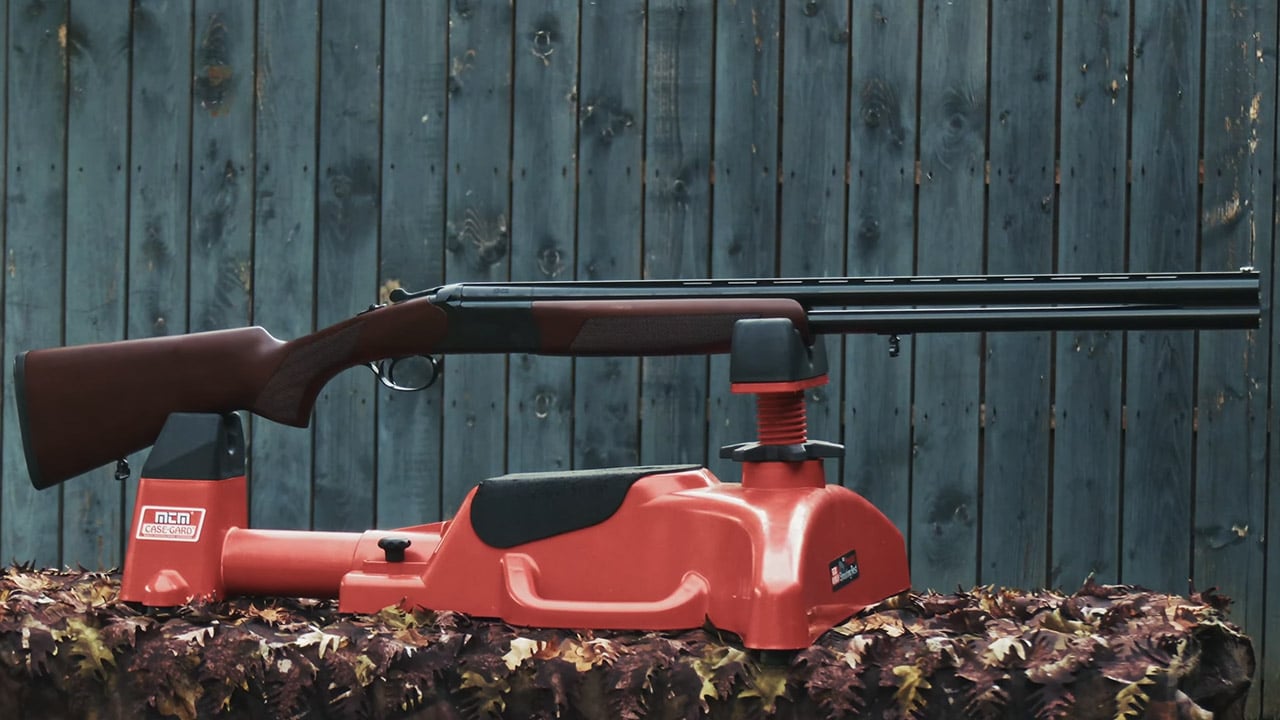
Photo credit: Grizzly Zone/Youtube
Most shotguns look great in the rack and even better on a slow, easy day in the field. You mount them, they go bang, they kill birds or break clays, and you head home thinking you’ve got it all figured out. Then you get into a tight little sporting clays station, a duck bunch that backpedals hard, or a defensive class where the timer comes out, and suddenly the gun that “does everything” starts showing its bad habits.
This isn’t about bashing good guns. A lot of these are solid, proven shotguns. It’s about the difference between running a shotgun normally and running it fast. Speed makes weak ejection, heavy controls, mushy resets, and awkward loading ports show up in a hurry. Here are 20 that tend to do a lot right—until you try to push the pace.
1. Remington 870 Express

The 870 Express is one of those shotguns that feels like it belongs behind a truck seat or in a duck boat. It points naturally, parts are everywhere, and it can be set up a hundred different ways. For slow shooting at squirrels, a couple of rounds at the pattern board, or a relaxed walk behind a dog, it’s hard to argue with.
Where it starts to fall apart is when you try to cycle it like you mean it. Express models, especially the rougher-finished ones, can get sticky chambers with cheap steel-base shells, and that will ruin your day when you’re trying to run quick pairs. The pump stroke can feel gritty until it’s worn in, and a sticky hull that needs yanked out hard is the opposite of “fast.” You can polish and tune, sure, but out of the box it’s not the smooth, race-ready 870 a lot of folks picture.
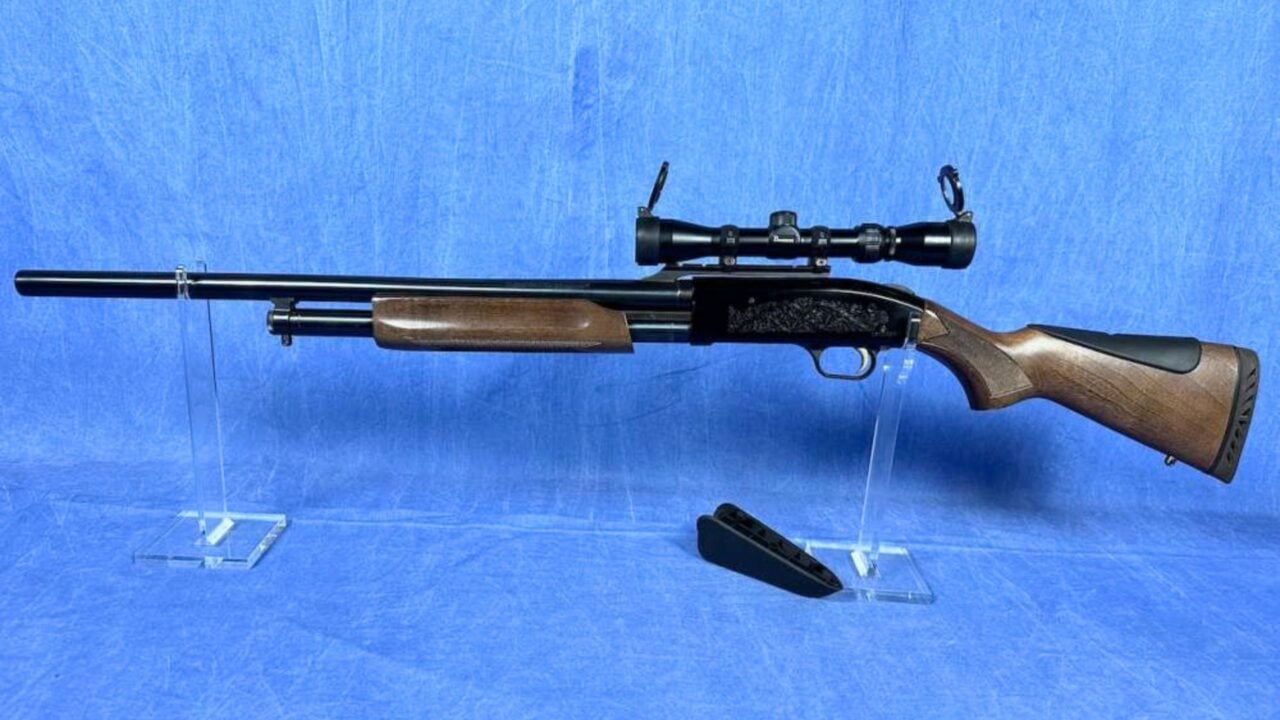
2. Mossberg 500 (field models)
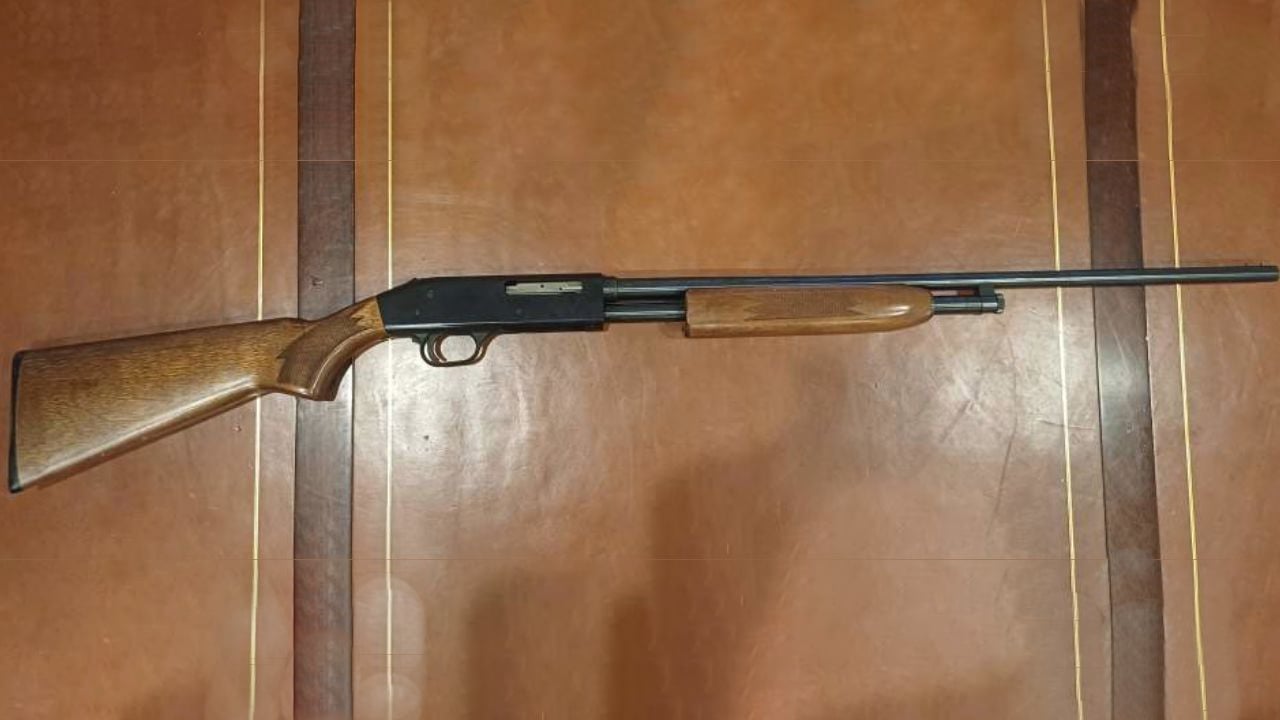
I like Mossberg safeties on hunting guns. That tang safety makes sense with gloves, cold hands, and weird shooting angles in a blind. A basic 500 also takes abuse, and the gun will still be working after it’s been rained on, leaned in the corner, and forgotten for a week. For an all-around budget pump, it earns its keep.
Run it fast and you start noticing the action feel and the controls. The slide release placement and the rattle of a well-used 500 can make high-speed manipulations feel a little sloppy compared to tighter pumps. If you short-stroke it while trying to beat the buzzer, it’ll remind you immediately. It’s not that the gun is “bad.” It’s that it’s built to be affordable and functional, not a slick, timed-event machine.
3. Winchester SXP (Super X Pump)
The SXP gets praised for being quick, and it can be. The action has that “inertia assist” feeling where the gun almost wants to open under recoil. In the uplands, that can translate to a follow-up shot that feels effortless. They also tend to be lighter than some pumps, which makes them easy to carry all day.
Speed is also where you can outrun yourself with an SXP. That fast-open characteristic can make the timing feel different, and if your pump technique is sloppy you’ll find it. The forend can feel a little loose on some examples, and when you’re trying to hammer pairs you want predictable, repeatable movement. Also, SXPs are not as universally supported with small parts and aftermarket help as the big legacy pumps. When something feels off at high round counts, you may not have the same bench depth at your local shop.
4. Benelli Nova
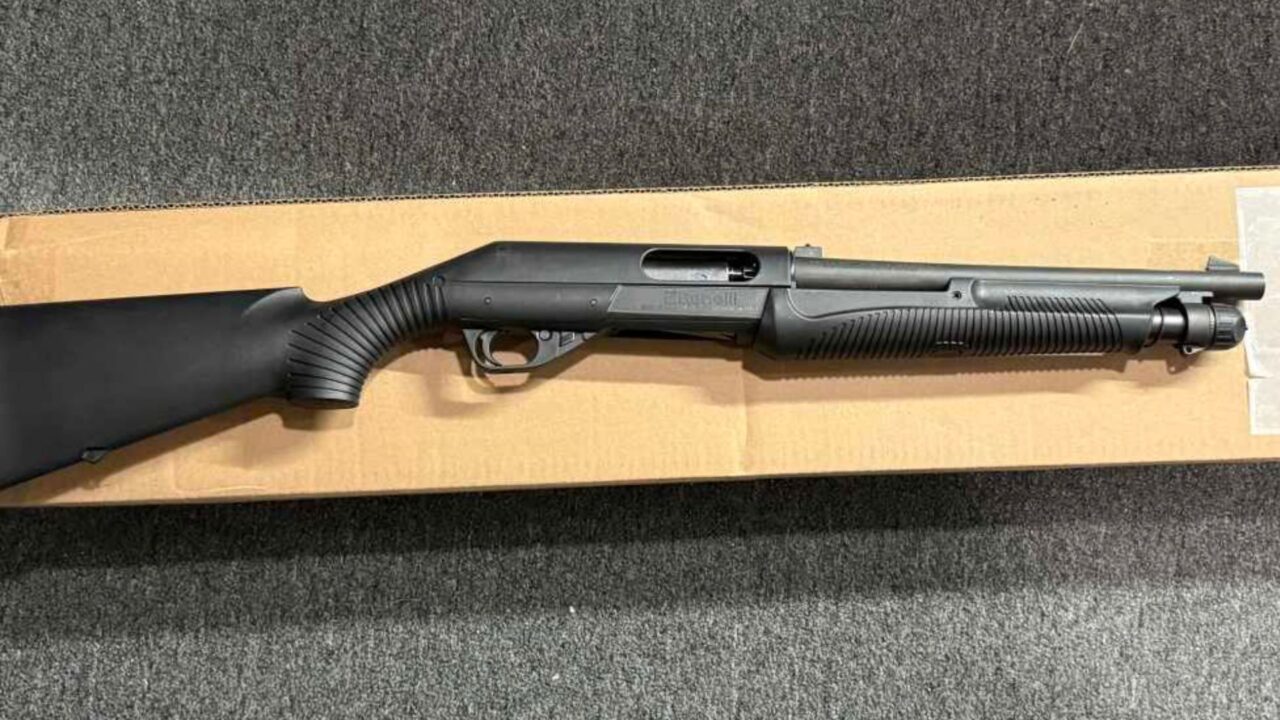
The Nova is tough. The polymer-over-steel build shrugs off nasty weather, and it’s a legitimate “throw it in the boat and quit worrying” shotgun. They point well for a lot of shooters, and they’ll digest a wide range of hunting loads without drama. There is nothing fancy about it, and that is kind of the point.
Try to run it hard and the ergonomics start speaking up. The forearm-to-receiver shape and the long reach to some controls can feel clunky when you’re trying to be fast and smooth. The action is reliable, but it’s not always the slickest feeling pump at speed, especially when it’s new or dry. Loading and unloading quickly is where you notice how much you appreciate a generous loading port and easy shell control. The Nova is a workhorse, not a sprinter.
5. Benelli SuperNova (tactical/defense trims)

The SuperNova adds some features people like, including a rotating bolt feel that’s very “Benelli,” plus options in defensive configurations. It’s a solid choice if you want a pump that can hunt and also sit by the bed. With the right barrel, it’ll do deer, ducks, and turkey without complaint.
When you try to run it like a dedicated defensive pump, the little things show up. The oversized trigger guard and some of the control geometry are great with gloves, but they can feel slower for fast manipulation. If you’re practicing emergency loads, the port and lifter arrangement aren’t as friendly as purpose-built competition guns. Also, the recoil impulse with short barrels and lighter weight can beat up your rhythm. It works, but it makes you work.
6. Ithaca Model 37
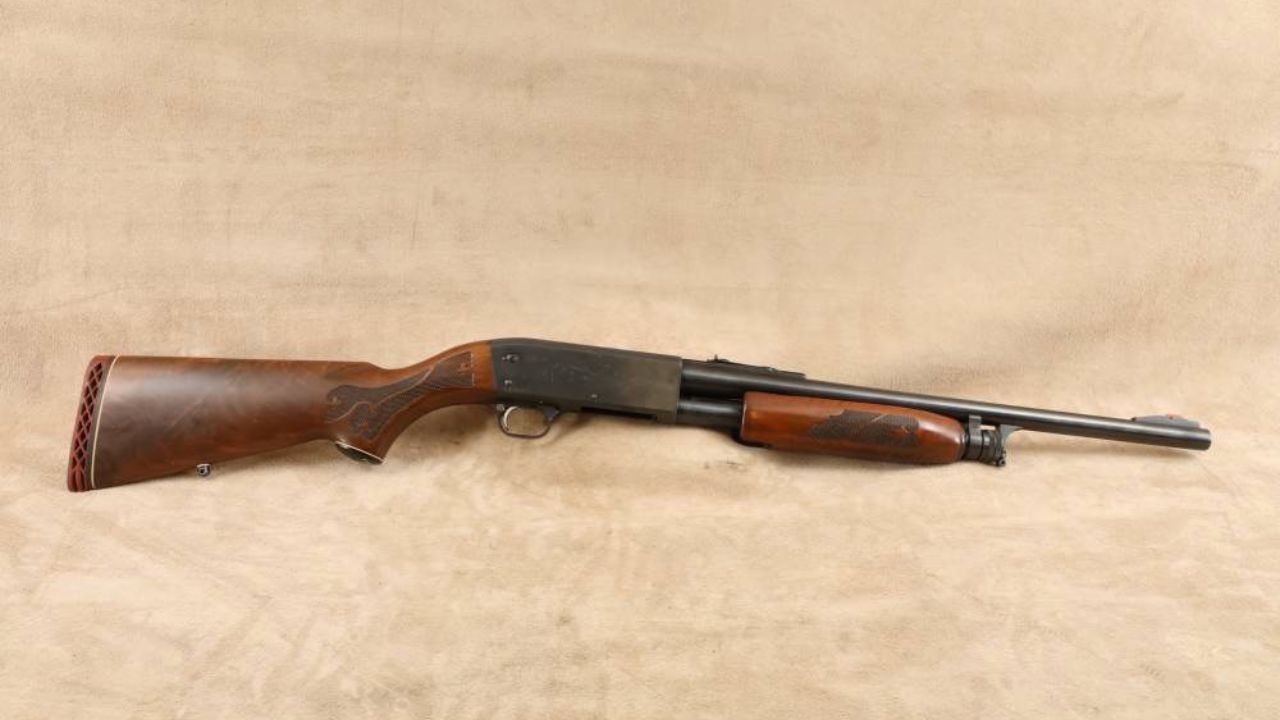
Bottom-eject pumps have their own fan club for good reason. A Model 37 carries like a dream and is slick in the field, especially for lefties who don’t want hulls crossing their face. It’s also one of those classic guns that just feels “right” in the hands. In a grouse cover or along a fencerow, it’s easy to love.
Run it fast and the bottom-eject magic becomes a mixed bag. Keeping the gun fed quickly through the loading port can feel slower, and if you’re practicing speed reloads you may find the technique less intuitive. The older guns can also have quirks with shell stops and timing if they’re worn, and those issues don’t show much until you start cycling aggressively. It’s a great hunting pump, but it’s not built around modern timed manipulations.
7. Browning BPS

The BPS is another bottom-eject that’s made a lot of hunters happy. It’s smooth, it feels substantial, and it soaks up recoil better than many lighter pumps. For someone who wants one shotgun that can do pheasants, ducks, and even the occasional slug hunt, it checks a lot of boxes. They also tend to last if you keep them reasonably clean.
Speed highlights the weight and the loading characteristics. That heft is comforting when you’re shooting heavy loads, but it can be a liability when you’re trying to transition fast or drive the gun between multiple targets. The bottom-eject layout can slow down emergency loading, and the gun’s balance isn’t always “quick” depending on barrel length. Nothing is wrong with it—BPS owners usually know exactly what they bought—but it’s not the pump I’d pick for a class where you’ll be loading constantly on the clock.
8. Stevens 320

The Stevens 320 is one of those budget pumps that gets bought because it’s there, it’s affordable, and it looks the part. For knocking around on the farm, dealing with pests, or having something you don’t mind getting scratched up, I get it. They can also shoot just fine for basic tasks, and for some folks that is enough.
Once you start trying to run it fast, you see where the savings came from. The action can feel rough, and rough turns into slow when you’re trying to keep the gun moving without hanging up. Controls and fit can vary, and if you’re practicing fast loading you may find edges that feel sharp or cramped. It’s also not the platform where every gunsmith has a drawer full of spares. If you want a “do everything” pump that you can run hard, the 320 can be a frustration generator.
Free for gun owners: If something happened to you tomorrow, would your family know where the guns are, who has the safe combination, or what to do first? Our free Gun Owner’s Family Checklist walks them through it. It takes about 15 minutes to fill out. Get your free copy here.
9. H&R Pardner Pump
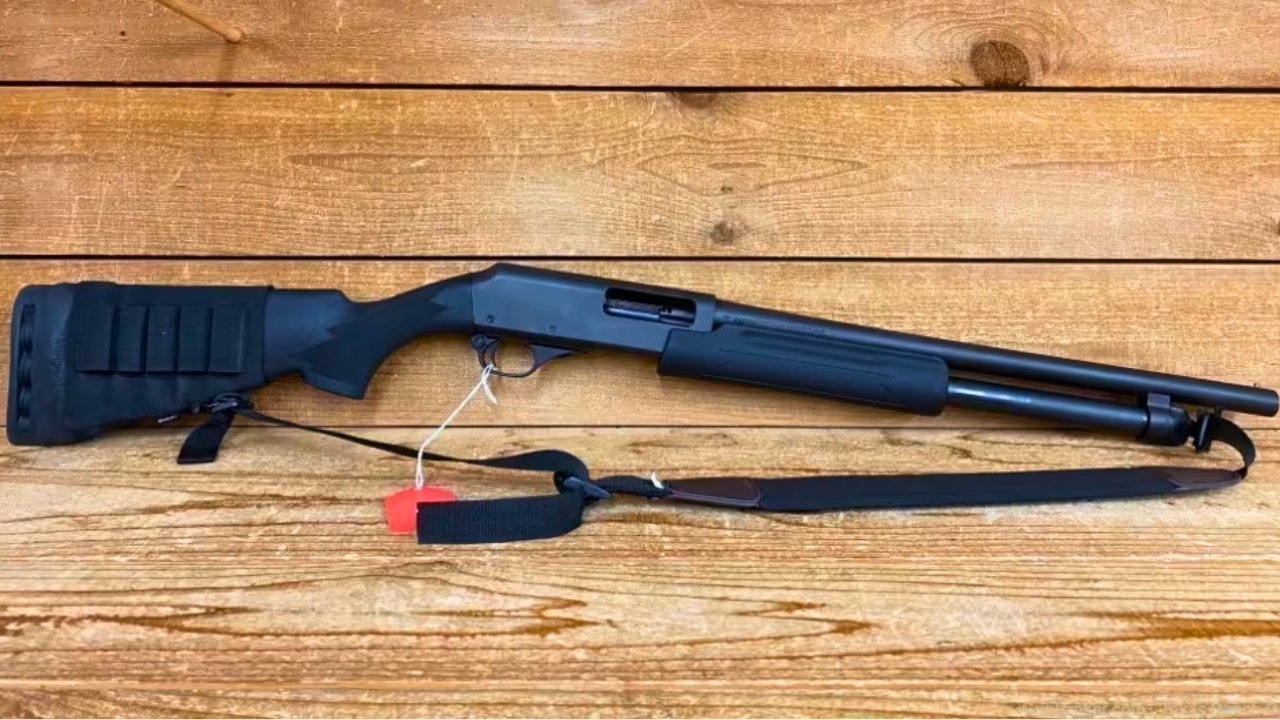
On paper, the Pardner Pump is a lot of shotgun for the money. It’s patterned after a familiar design, it’s generally sturdy, and it gives a new shooter a way into the pump-gun world without dropping big dollars. For a beater field gun, it’s hard to ignore.
Push the tempo and you may feel the difference between “sturdy” and “refined.” The action often isn’t as slick as higher-end pumps, and the trigger can be heavier than you want for fast, accurate work. If you’re shooting doubles on clays, that heavier, less crisp break can make you slap at the trigger instead of pressing clean. Also, accessories and fitment can be a little more trial-and-error. It’ll do a lot right, but it’s not a smooth, fast operator without effort.
10. CZ 612 Pump

CZ’s 612 is a solid, no-nonsense pump that shows up a lot as a budget-friendly waterfowl or general-purpose shotgun. They tend to have decent barrels, they point well enough, and they can be a good “one gun” choice for somebody who hunts a little of everything. In a world of overpriced gear, a simple pump with decent fit has appeal.
Speed is where you can feel the design priorities. Some examples have an action that needs a real break-in before it starts feeling smooth, and that matters when you’re trying to cycle hard without binding. The controls aren’t always as intuitive as the big American pumps, and muscle memory counts when you’re moving quickly. Parts and support are also not as universal as 870/500 land. If you shoot it casually, you may never care. If you shoot it fast, you’ll care.
11. Franchi Affinity 3

The Affinity has probably put more smiles on faces per dollar than a lot of other inertia guns. It’s light, it carries beautifully, and it’s a real hunting shotgun, not a safe queen. If you walk miles for birds or climb into public-land spots, the Affinity’s weight and balance make sense. It also cleans easily compared to many gas guns.
Inertia systems can be picky about how they’re held when you start doing nonstandard shooting positions or rapid strings. Run it fast with light loads and weird stances, and you might see a hiccup you never see in a duck blind. The recoil pulse is also sharper than a soft-shooting gas gun, which can break your rhythm when you’re trying to stay on target for quick follow-ups. Great field shotgun. Not always the easiest “run it hard all day” semi-auto for mixed ammo and high-speed drills.
12. Benelli M2 Field

The M2 has earned its reputation. It’s reliable, it’s lighter than a lot of semis, and it’s a shotgun you can hunt with hard for a decade and still trust. It shoulders quickly and points naturally for many shooters. If you’ve ever handled one that’s been carried a lot, you know the kind of smooth confidence they develop.
Fast running is also where you discover the M2’s inertia personality. With very light target loads or a less-than-solid mount, you can find the edges of reliability. That matters when you’re trying to burn down a fast clay report pair or when you’re practicing quick follow-up shots with odd angles. Also, the factory loading port and lifter aren’t designed around quad-loading or competition-style feeding. You can absolutely run an M2 quickly, but “out of the box” it’s not as speed-friendly as the internet makes it sound.
13. Benelli Super Black Eagle 3

The SBE3 is a serious waterfowl gun. It’s built for bad weather, big loads, and long seasons, and it handles 3 1/2-inch shells without turning into a total boat anchor. The ergonomics are good, and the gun shoulders fast for its capability. If your world is geese, late-season ducks, and harsh conditions, it’s a tool.
When you try to run it fast with mixed loads, you may feel the tradeoff. Heavy magnum capability usually means a gun that’s tuned around stout recoil impulses, and that can be less forgiving when you’re trying to run cheap, light target ammo quickly. The recoil with magnums is also real, and quick second shots take discipline. You also pay for that ruggedness in cost, which makes a high-round-count training schedule feel painful. It does what it’s meant to do, but it’s not the easiest “fast all-purpose” semi if your shooting includes lots of light loads and speed work.
14. Beretta A300 Outlander
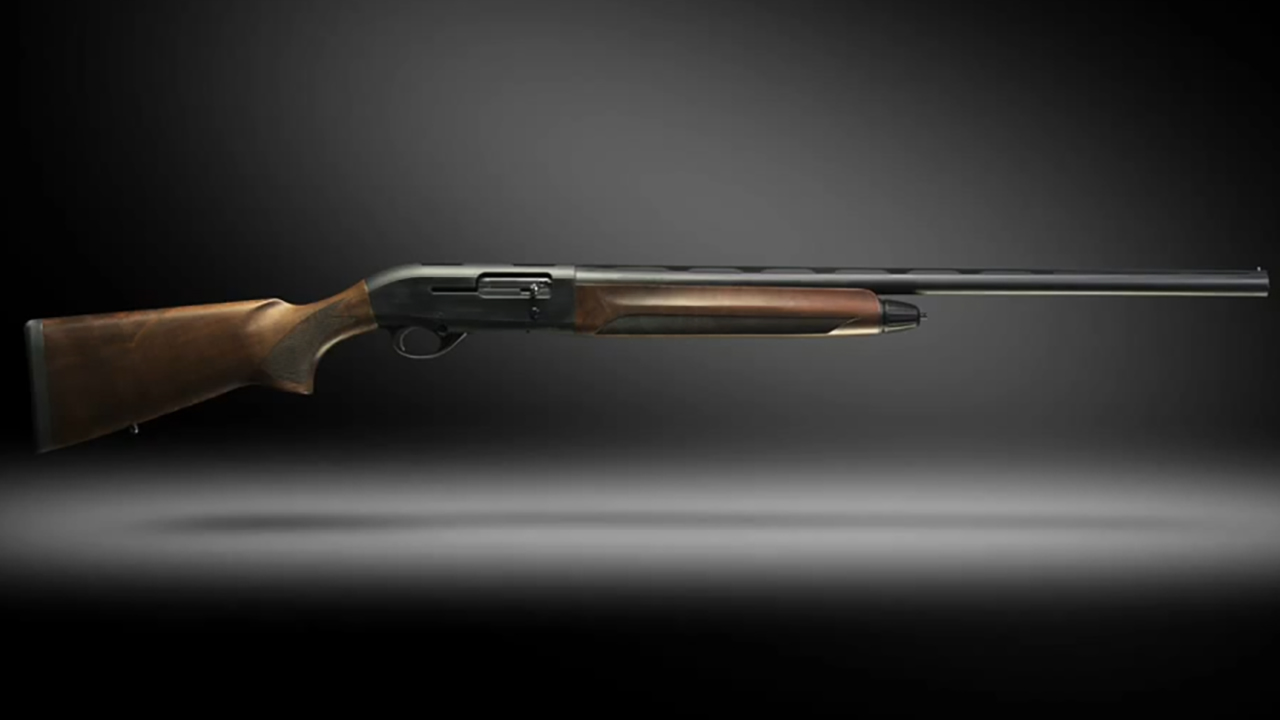
The A300 Outlander is one of the better values in gas guns, and it shows. They’re generally soft shooting, reliable with a wide range of loads, and easy to recommend to somebody who wants to hunt and shoot clays without getting beat up. The balance is friendly, and they tend to just run if you keep them reasonably clean.
Speed exposes the little ergonomic corners. The bolt release and loading port are fine for normal use, but when you start practicing fast reloads you may wish for a bigger, more positive control layout. Some folks also find the shell lifter can bite if you’re sloppy loading quickly—ask me how I know. Gas guns also get dirty faster, and high-tempo shooting accelerates that. The A300 is excellent for what it costs, but it’s not a purpose-built “run it fast” semi without some compromises.
15. Remington 1100

The 1100 is a classic for a reason. They’re soft shooting, they point well, and they’ve been breaking clays and killing birds for generations. A good 1100 with the right barrel can feel like it’s glued to your shoulder, and for steady shooting it’s hard not to appreciate them. They also have a kind of honest workmanship you don’t always see now.
Try to run one fast and the maintenance reality comes into focus. The gas system and O-rings demand attention, and if you start pushing high round counts without cleaning, you’ll eventually pay for it. Older 1100s can also be more ammo-sensitive depending on setup, and a hiccup under speed feels worse than a hiccup on a slow afternoon. Reloading fast isn’t as slick as modern designs either. I still wouldn’t be quick to let a good one go, but I also wouldn’t pretend it’s the best choice for a fast-paced training day.
16. Browning Auto-5 (classic long recoil)
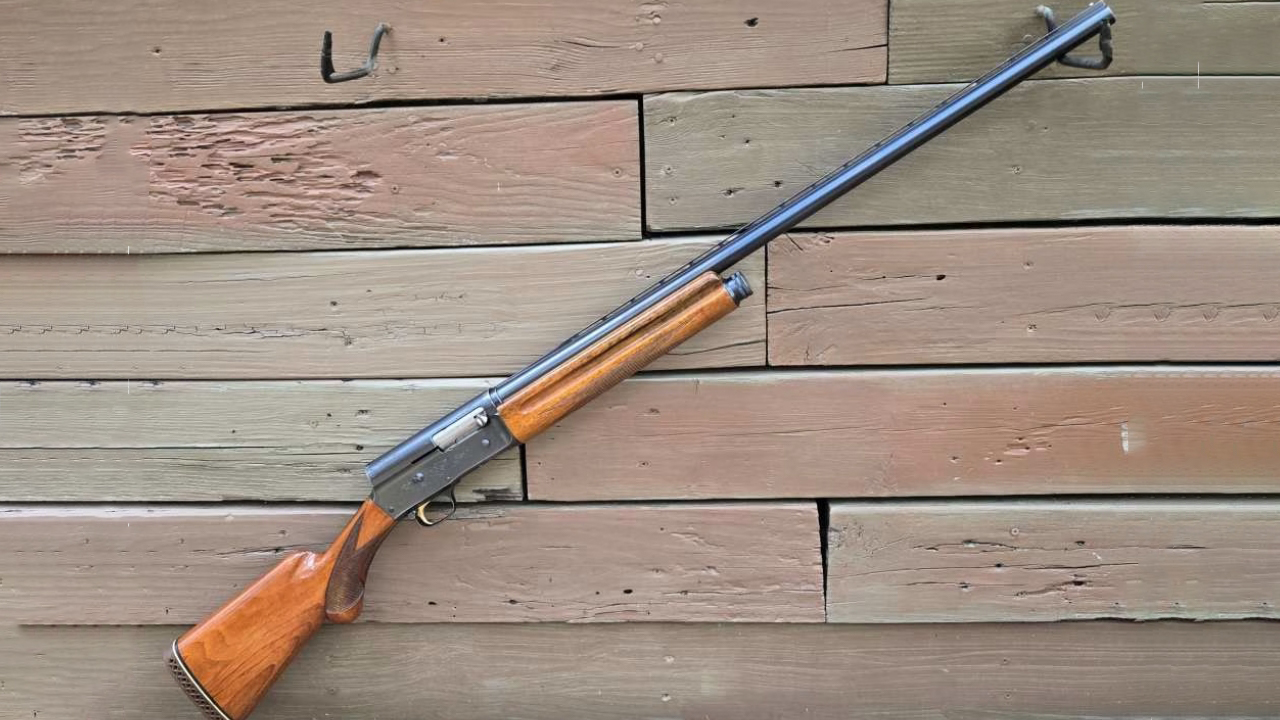
Carrying an old Auto-5 into the field feels like stepping into a different era. They’re iconic, they can shoot wonderfully, and they have a soul that new guns can’t fake. For certain hunters, an A5 is more than a tool. It’s a family story that happens to fire shells.
Speed is where the long-recoil system feels, well, long. The cycling movement is different, the gun’s feel between shots is different, and it can disrupt a fast cadence compared to modern gas or inertia designs. Setups with friction rings and load tuning can also get complicated if you’re mixing shells, and mixing shells is exactly what people do when they’re practicing hard. The loading feel and controls are old-school too. The Auto-5 can still be deadly, but it’s not a “run it hard and fast with zero thought” shotgun.
17. Stoeger M3000
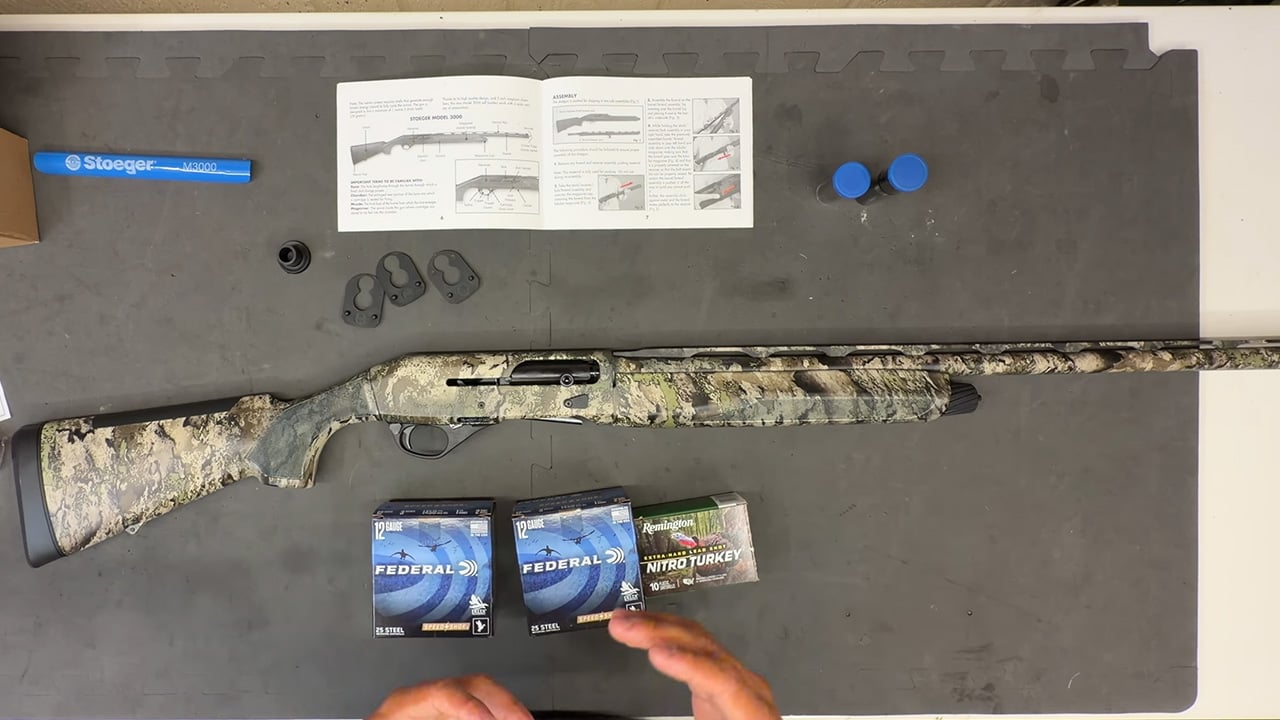
The M3000 became popular because it offers a lot of inertia-gun feel for not much money. For waterfowlers on a budget or someone who wants a semi-auto that they won’t baby, it’s an understandable choice. They can be reliable with hunting loads, and they’re often accurate enough to make you forget what you paid. For knocking down ducks over decoys, they can shine.
Put it under a timer and you might run into rough edges. Some guns need a break-in period before they settle down, and “break-in” is not what you want to hear when you’re trying to practice fast and build confidence. Light target loads can be hit-or-miss depending on the individual gun and how solid your mount is. Fit and finish can also show up as sharpness around the loading area when you’re stuffing shells quickly. It’s a workable gun, but it doesn’t always feel smooth when you’re really moving.
18. Winchester SX4
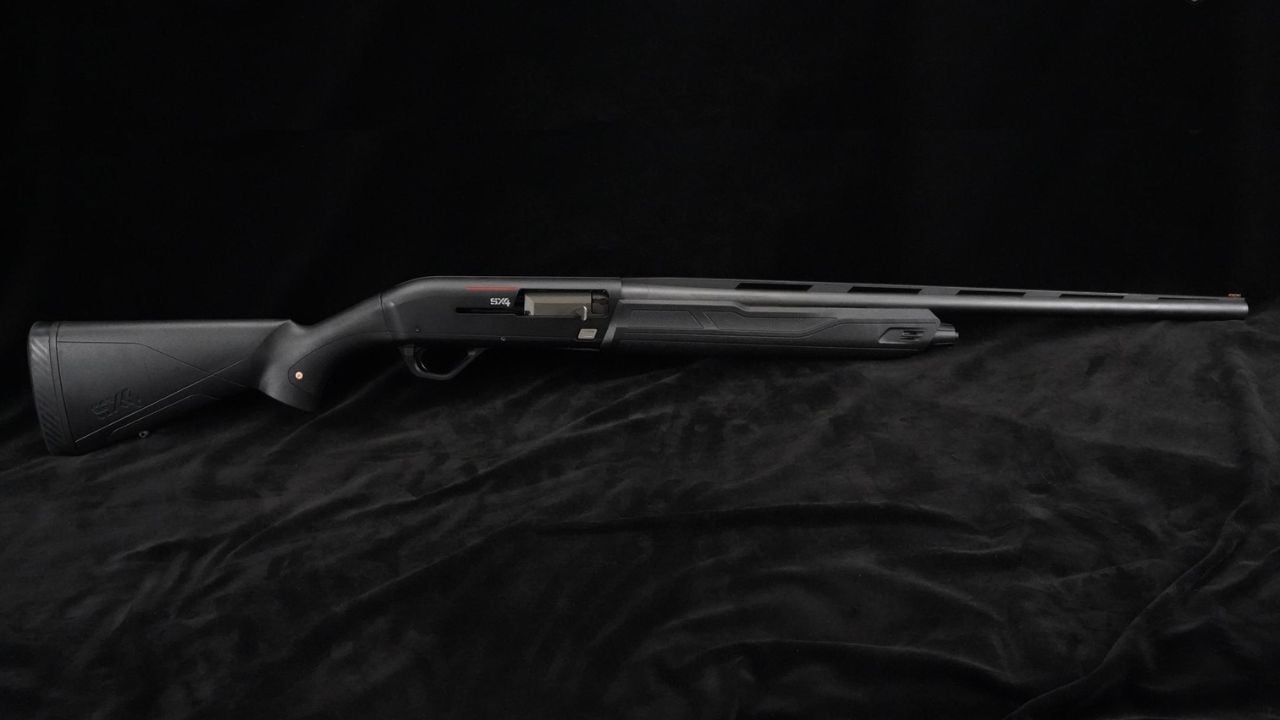
The SX4 is a modern gas gun that does a lot right for hunters. It’s generally reliable, it handles a wide range of loads, and it has that “ready to hunt” feel without being overly complicated. Recoil is manageable, and the gun tends to point well in a blind or on passing birds. For the money, it’s a serious contender.
Speed work brings out how “hunting focused” it is. The controls are fine with gloves and mud, but not always ideal for quick, repetitive manipulations. If you’re practicing fast loading, you may wish for a more open, competition-friendly port and a more prominent release. Gas systems also like to be kept reasonably clean, and high-tempo shooting will test that. None of this makes it a bad shotgun. It just means the SX4 is built for real hunting, not for running stages and constant reload drills.
19. CZ Drake (over/under)

An affordable over/under like the Drake can be a great way into upland hunting and clays. It carries nicely, it looks good enough, and having two different chokes ready to go is genuinely useful in the field. For a guy who wants to hunt birds and shoot the occasional weekend clays round, it can be a lot of gun for the price.
Fast is where cheaper O/Us show their seams. Stiff actions are common when new, and opening, ejecting, and getting back on target can feel slow until the gun loosens up. The triggers can vary, and a heavy or inconsistent trigger is magnified when you’re trying to slap a quick second shot at a fast crosser. Also, the “reload” on an O/U is always slower than stuffing shells into a tube or swapping a mag, and that matters on timed courses. Great walking-around gun, not a speed machine.
20. Remington 870 Wingmaster (older, well-loved guns)
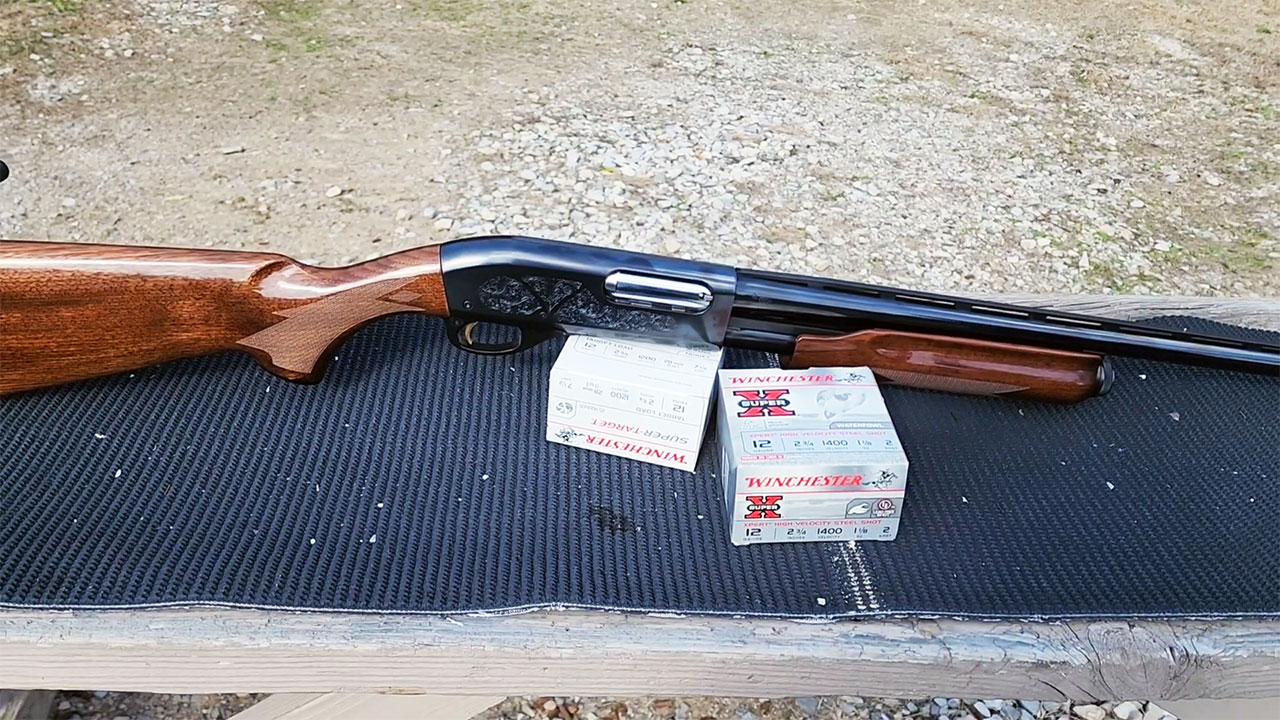
A good Wingmaster is what people wish their budget pumps felt like. The finish is nicer, the action can be buttery, and the gun has that solid, old Remington feel that’s hard to describe until you’ve run one. For bird hunting, small-game work, or just owning a pump you can hand down, the Wingmaster still makes sense.
But “well-loved” can mean worn, and speed is where worn parts talk back. If the action bars, shell latches, or extractor are tired, you might not notice it during slow shooting. Start running it hard and you’ll see failures to eject, sluggish feeding, or a pump stroke that doesn’t feel as positive. Also, plenty of Wingmasters are set up as field guns with slick, slim controls that aren’t ideal when you’re loading fast under pressure. They can be fantastic, but they aren’t automatically fast just because the name is legendary.
Here’s the honest takeaway: almost any decent shotgun will look good when you’re shooting at your own pace. Speed is a stress test, and it exposes what matters—smooth feeding, positive controls, forgiving operation, and recoil you can manage without getting behind the gun. If you want to know whether your shotgun is truly “do everything,” find a safe, structured way to push it: timed pairs on clays, a reputable class, or even just honest practice loading and cycling. The shotgun will tell you the truth pretty quick.
Like The Avid Outdoorsman’s content? Subscribe to our newsletter so you never miss an article.
Here’s more from us: