Photo credit: SNAPMAN/Youtube
Estate sales are funny. Half the time you’re buying a box of cast-iron pans and an old tackle tray, and the other half you’re standing in front of a “hunting rifle” with a hand-written tag that’s flat-out wrong. The real problem is most modern rifles don’t wear their identity on their sleeve. A seller sees “Savage” or “Ruger” and fills in the blank. Meanwhile, the actual model number is hiding on the receiver, under the bolt handle, on the barrel shank, or buried in a magwell stamp nobody bothered to read.
Here are 20 rifles that get mislabeled all the time, why it happens, and what to look for before you wave cash around. I’m not talking about doing anything shady. I’m talking about knowing what you’re buying, being safe, and not paying Model 70 money for a budget package gun.
1. Remington Model 700 vs Remington Model 7
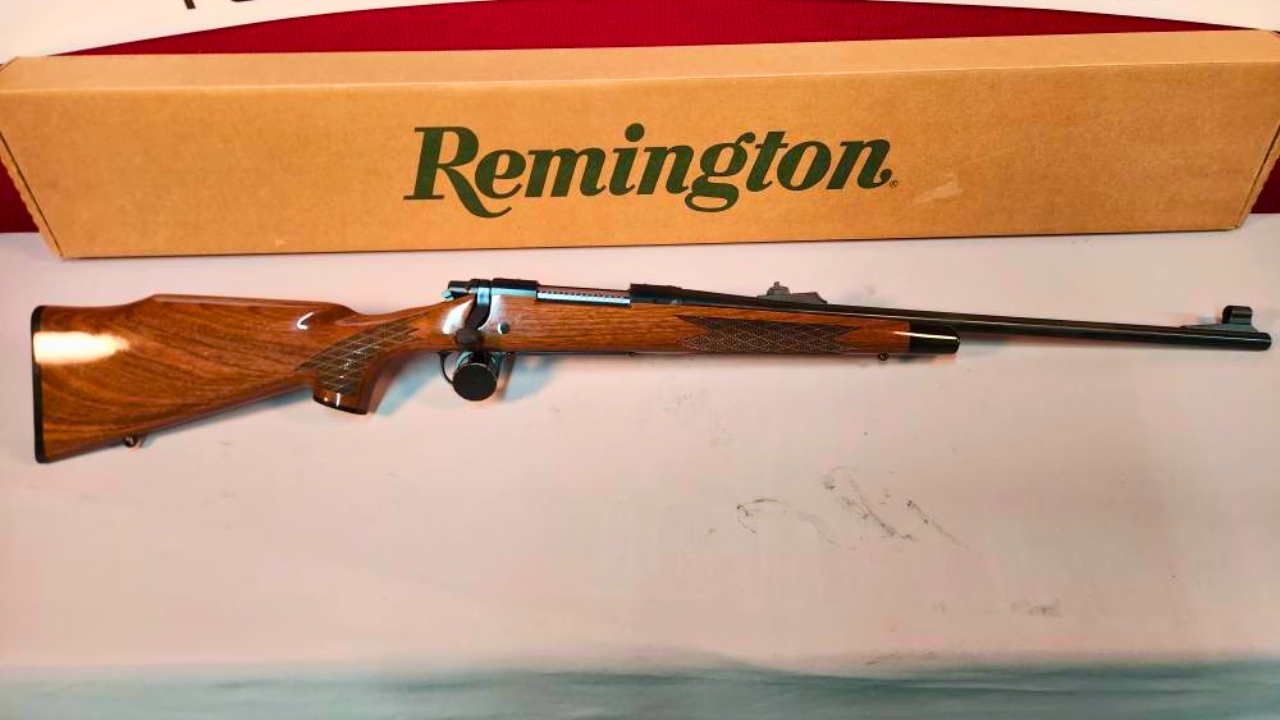
These two get swapped constantly because the family resemblance is strong and most folks just know “it’s a Remington bolt gun.” The Model 7 is shorter, handier, and usually wears a lighter barrel. On a table, it can look like a 700 that somebody cut down, especially if it’s in a youth stock or wearing a cheap scope.
If you hunt thick woods or carry a lot, the Model 7 is a sweet little rifle and often more practical than a long-action 700. The catch is it shouldn’t be priced like a heavy-barreled 700 BDL just because it says Remington. Look at the receiver length, the magazine/trigger guard shape, and markings on the left side of the receiver. Then work the bolt. A Model 7 tends to feel quick and compact in a way you notice immediately once you shoulder it.
2. Ruger M77 Mark II vs Ruger Hawkeye
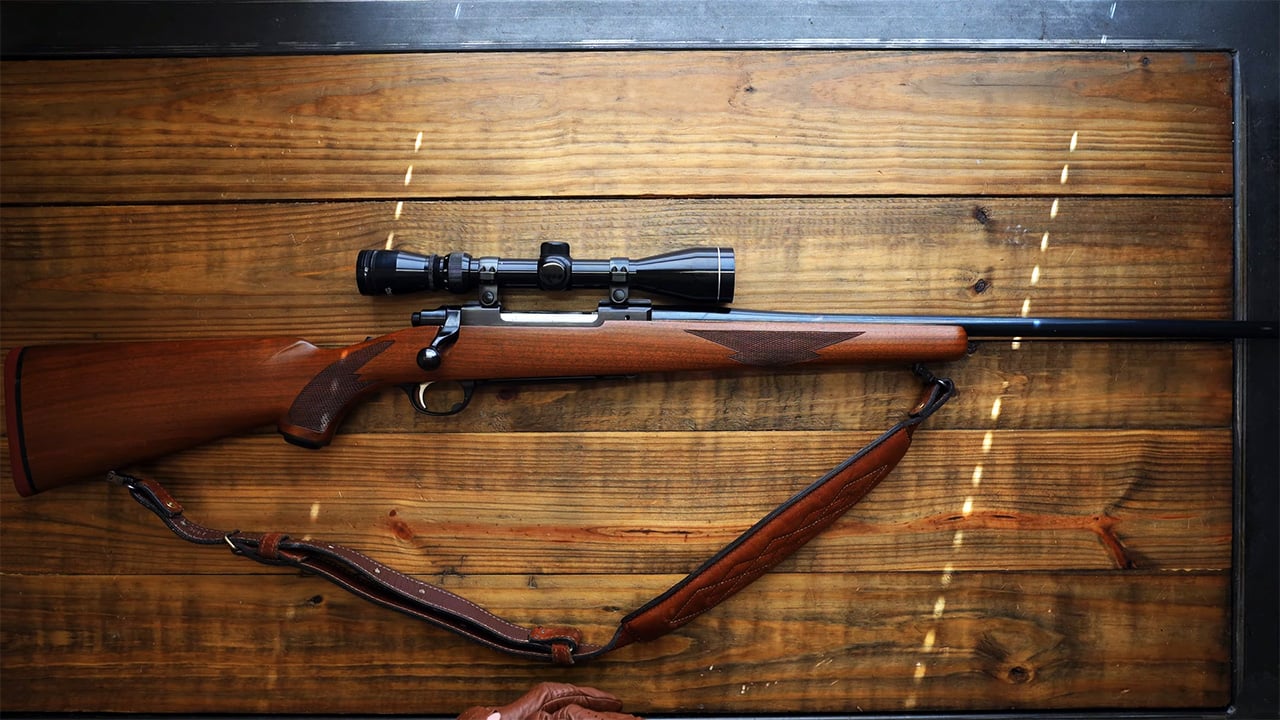
“Ruger M77” gets scribbled on tags like it’s one model. It isn’t. The Hawkeye and the M77 Mark II are close cousins, and to a casual eye they’re the same rifle. Estate sale confusion happens because the rifle might only be marked “Ruger” on the receiver ring, and the seller is going off memory.
From a shooter’s standpoint, both can be excellent hunting rifles, but the Hawkeye era brought tweaks to the stock, finish, and trigger. Some Hawkeyes wear nicer wood than you’d expect at a yard-sale price, and some Mark IIs have that older “built like a fence post” feel that folks either love or hate. If you’re trying to sort it out, pay attention to the trigger and the roll marks. Also look for the controlled-round feed claw and how the safety lever is shaped. Little stuff, but it matters when you’re paying real money.
3. Winchester Model 70 vs Winchester Model 670/770

This one hurts, because the Model 70 name carries weight and the 670/770 rifles ride on that confusion. From across the room, a 670 can pass as a “Winchester deer rifle,” and that’s enough for somebody pricing tags to call it a Model 70 without thinking twice.
The 670 and 770 were economy plays. They can kill deer just fine, but they’re not the same fit-and-finish, not the same collector interest, and not the same “forever rifle” feel. The Model 70 usually shows its class in the action and the details—better machining, better bottom metal on many variants, and a different overall vibe when you cycle the bolt. If you’re standing at an estate table, don’t get hypnotized by the Winchester name alone. Find the model marking and look at the magazine setup and metalwork. The wrong tag can cost you a couple hundred in a heartbeat.
4. Savage Model 110 vs Savage Axis
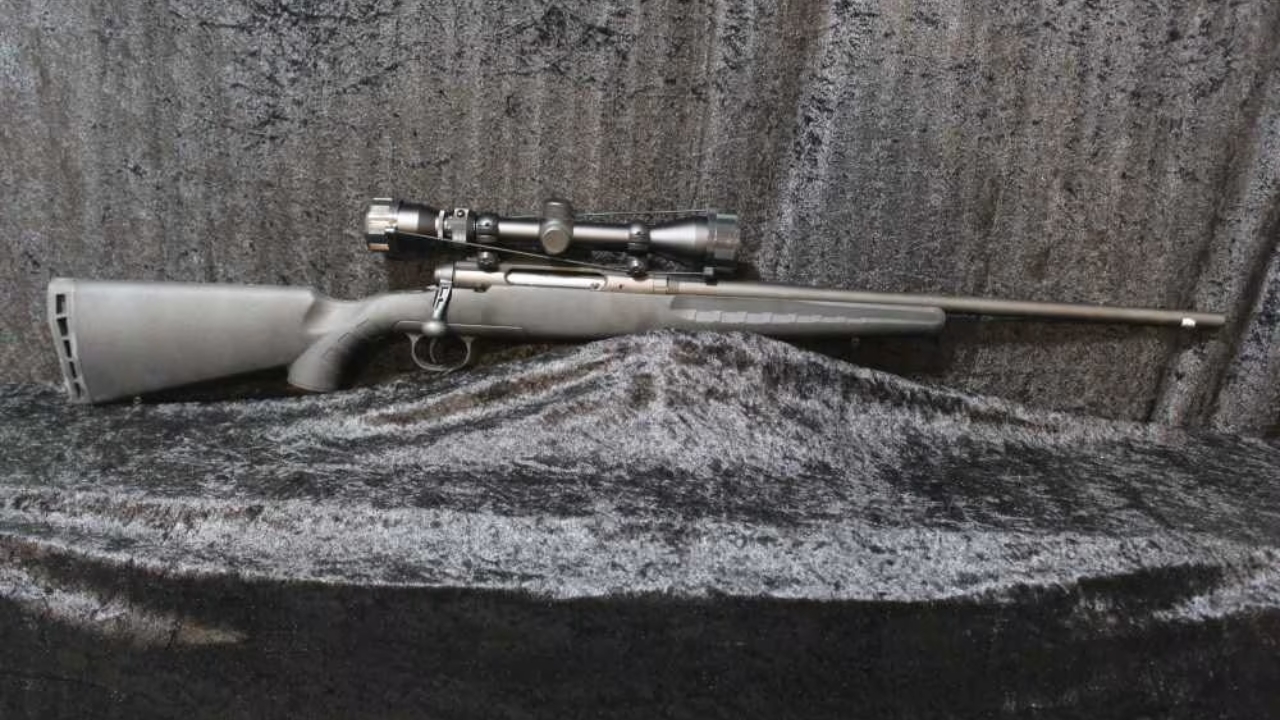
“Savage 110” is what a lot of folks call any Savage bolt gun, because the 110 has been around forever. The Axis is a different animal: budget rifle, lighter feel, different stock and magazine setups depending on generation. When the tag just says “Savage .308,” you’ve got work to do.
An Axis can be a great “ride in the truck, hunt in the rain” rifle. It’s not fancy, and that is kind of the point. But you don’t want to pay 110 money for an Axis package gun with a bargain-bin scope. The 110 line has a huge variety—AccuTrigger versions, detachable mags, blind mags, long/short actions—and some of them are genuinely nice. Check the model stamping and look closely at the stock style and the magazine system. Also, dry-cycle the bolt (safely) and feel the difference. The Axis often feels simpler and a bit looser.
5. Marlin Model 336 vs Marlin Model 30AS

Most non-gun folks only know “Marlin 30-30,” and the 336 name gets used like it’s universal. The 30AS is basically a budget-flavored 336, and it gets mislabeled either way: 30AS called a 336, or a 336 called a “30AS” because someone saw a sticker once and assumed.
Functionally, both are solid woods rifles, and either one will put venison in the freezer with iron sights and a steady rest. The differences are in finish and trim—checkering, wood grade, sight setups—and those differences matter to collectors and to anybody who cares about fit. If you’re buying to hunt, a clean 30AS can be a bargain. If you’re buying for classic 336 vibes, you’ll want to confirm what you’ve got. Look at barrel markings and the exact model stamp. Don’t rely on what the tag says or what the nephew “remembers” it being.
6. Marlin Model 1894 vs Marlin Model 1894C
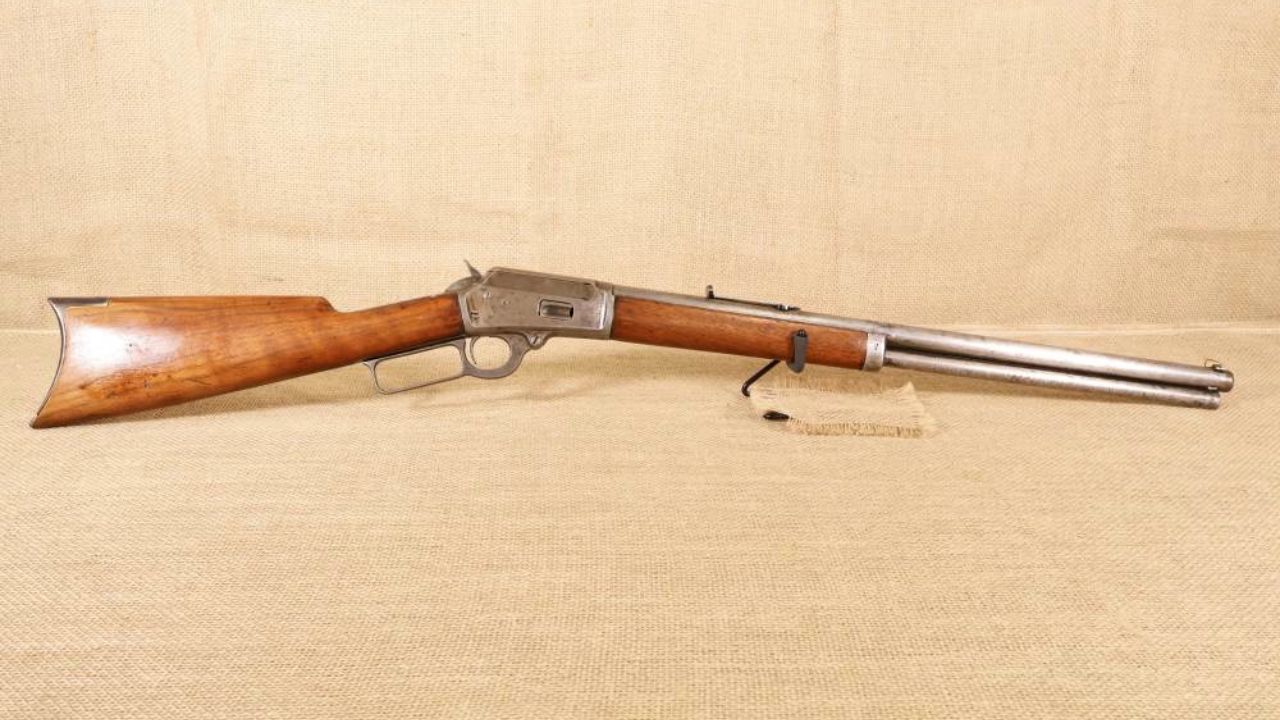
Pistol-caliber lever guns are hot, and that drives sloppy labeling. An 1894 in .44 Mag is not the same market as an 1894C in .357 Mag, but sellers will tag both as “Marlin .357” or “Marlin .44” without noting the model variant. Sometimes the rifle wears an aftermarket barrel stamp cover or the stamp is faint, and nobody bothers to check.
The reason to care is simple: feeding, value, and what you can actually do with it. A .357 lever gun is a joy with .38 Specials, cheap(ish) to shoot, and easy for recoil-sensitive family members. A .44 hits harder, recoils more, and costs more to feed, but it’s a legitimate close-range deer rifle. Look at the caliber marking on the barrel and then confirm the exact model on the receiver. Also check the loading gate and action smoothness; some examples are butter, others feel like they’ve been run dry for a decade. If it’s stiff, that doesn’t always mean it’s worn out—it may just need proper cleaning and lubrication.
7. Ruger Mini-14 vs Ruger Mini Thirty
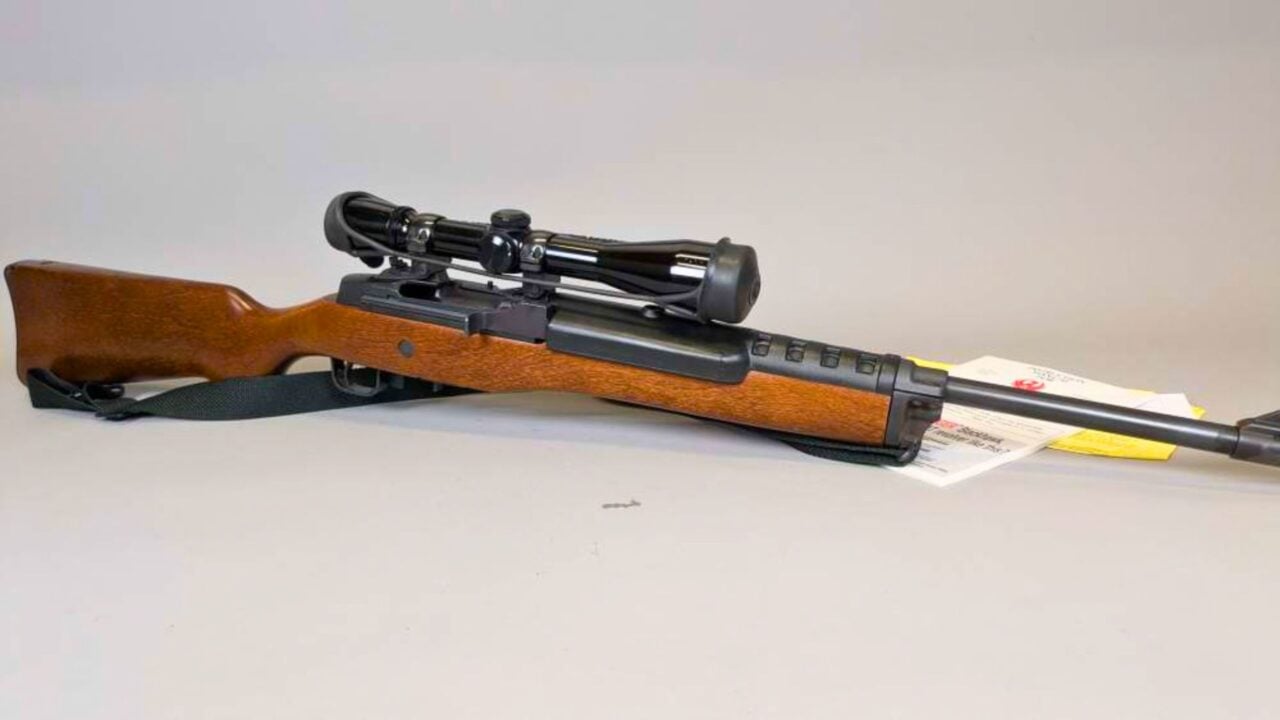
I’ve seen “Mini-14” used as a generic label for any Ruger Mini. The Mini Thirty in 7.62×39 gets tagged wrong all the time, especially if the rifle is wearing aftermarket mags or a black synthetic stock that hides clues. To the estate sale crew, it’s a “Ruger ranch rifle,” and that’s as far as they go.
These two handle similarly, but your ammo and magazine situation is completely different. Mini Thirtys can be picky about ammo in some cases, and good mags matter more than people like to admit. Mini-14s are generally simpler to feed and keep running with decent AR-style ammo availability. If you’re buying, confirm the caliber marking on the barrel and the model designation. Also look at the sights and the series; older Minis can string shots as they heat up, while newer production tends to behave better. Either one can be a handy property rifle, but only if you know what you’re actually hauling home.
8. Ruger 10/22 Carbine vs Ruger 10/22 Magnum
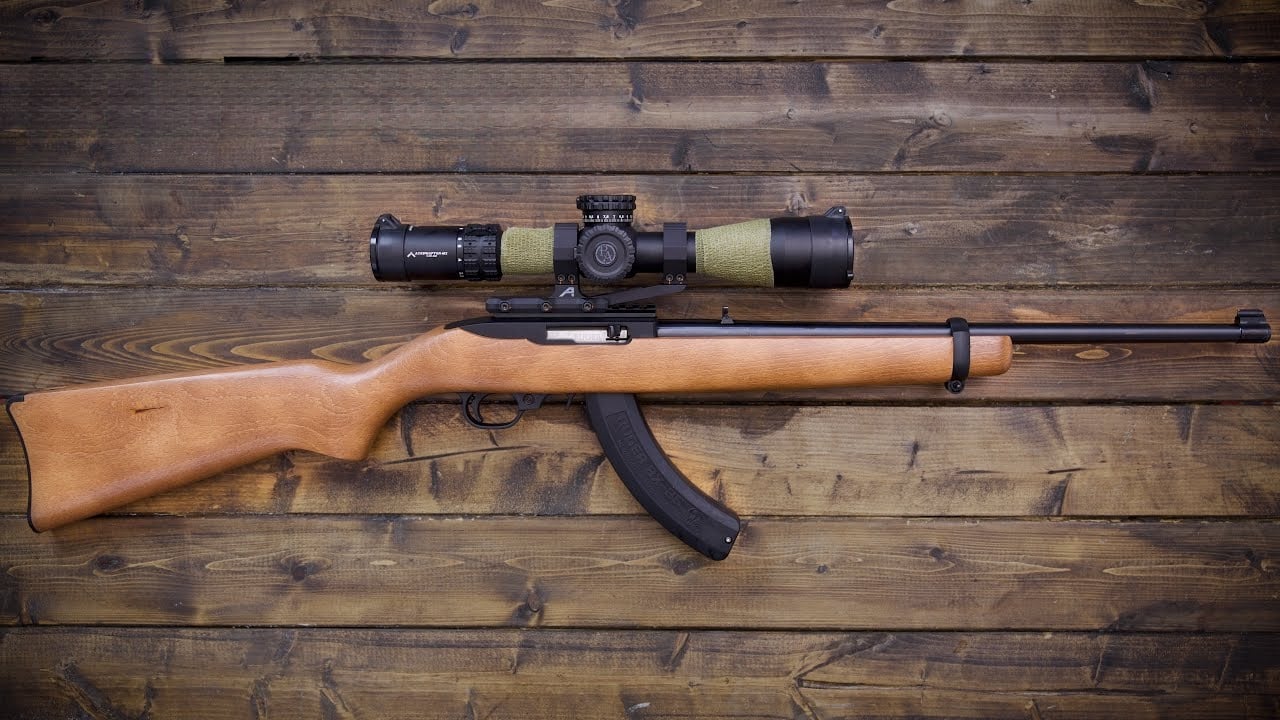
Most folks have heard of the 10/22. Not as many remember Ruger made the 10/22 Magnum in .22 WMR. That leads to bad tags—either the Magnum gets priced like a plain .22 LR, or a regular 10/22 gets tagged “Magnum” because someone saw “Ruger 10/22” and guessed.
The Magnum version is discontinued and has its own magazine, which is where a lot of the real-world value sits. No mag, no fun. If you find one with correct mags at an estate sale, you might be holding a neat little piece that’s actually useful—.22 WMR is a solid tool for fox, raccoon, and farm pests where .22 LR feels undergunned. Check the barrel stamp first. Then check the mags and overall condition, because replacement parts are not the same story as a standard 10/22. I like simple rifles, and the 10/22 is as simple as it gets, but the Magnum variant deserves a second look.
9. Browning BAR Safari vs Browning BAR Mk II

Say “Browning BAR” and you’ll get three different rifles depending on who you’re talking to. The classic sporting BAR (not the WWII Browning Automatic Rifle) is a semi-auto hunting rifle that’s been around in multiple generations. Estate sale tags often just say “Browning BAR .30-06,” which tells you almost nothing about the actual variant.
Why care? Because the Mk II and later versions can differ in handling, gas system details, and what a clean example is worth. Some of these rifles are smooth as can be and point like a good shotgun in thick timber. Others feel nose-heavy with a big scope, and they’re not everybody’s idea of a fun carry. Look for markings on the receiver, check the magazine type, and pay attention to stock style and engraving pattern. If it’s been sitting in a closet for years, also inspect for rust under the fore-end and in hard-to-see spots. Semi-autos can hide neglect until you’re already committed.
Free for gun owners: If something happened to you tomorrow, would your family know where the guns are, who has the safe combination, or what to do first? Our free Gun Owner’s Family Checklist walks them through it. It takes about 15 minutes to fill out. Get your free copy here.
10. Springfield Armory M1A vs Chinese Polytech/Norinco M14S
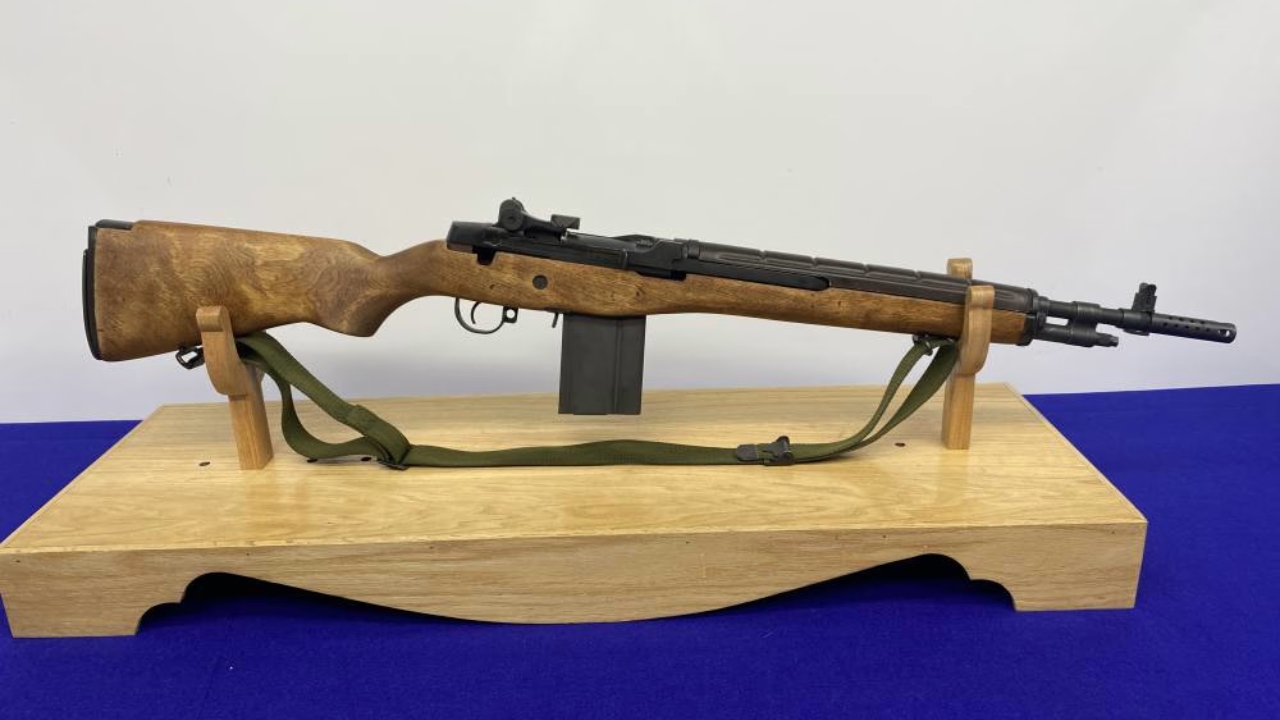
To the untrained eye, an M1A is an M1A. Chinese M14-type rifles like Polytech and Norinco imports can get tagged as “Springfield M1A” because the seller recognizes the shape and not the roll mark. That can swing the price in a big way, either direction, depending on who’s doing the guessing.
Here’s the honest deal: some of the Chinese rifles have a reputation for good forged receivers, and they can run great with the right parts and magazines. They can also be a headache if you don’t know what you’re looking at, especially if someone mixed parts over the years. A true Springfield M1A has its own market and parts expectations. Before you buy, read the receiver markings, check the serial area, and look for import marks. Then think about your real use. These rifles are heavy. They’re fun, they’re capable, but they’re not a casual “walk the fence line” gun. If it’s priced low because the tag is wrong, you still want to make sure you’re not buying somebody else’s unfinished project.
11. Mauser K98k vs Yugoslavian M48

Every old bolt gun with a bent handle and a full-length stock gets called a “German Mauser” at estate sales. Yugoslavian M48 rifles get pulled into that story constantly. They look close, they feel close, and the seller usually just knows “Grandpa brought it back,” even when Grandpa didn’t.
The M48 is a solid rifle and often a great shooter with the right ammo. It’s just not the same collector lane as a true WWII German K98k with matching numbers and correct markings. If you’re buying to hang history on the wall, details matter. Look at the crest, receiver markings, and the length of the action (M48 is typically an intermediate-length action). Also inspect the bore carefully; a lot of these sat for decades with corrosive ammo history. A dark bore doesn’t automatically mean “shot out,” but you want to know what you’re dealing with before you start dreaming about tight groups at 100.
12. Mosin-Nagant 91/30 vs Mosin-Nagant M38/M44
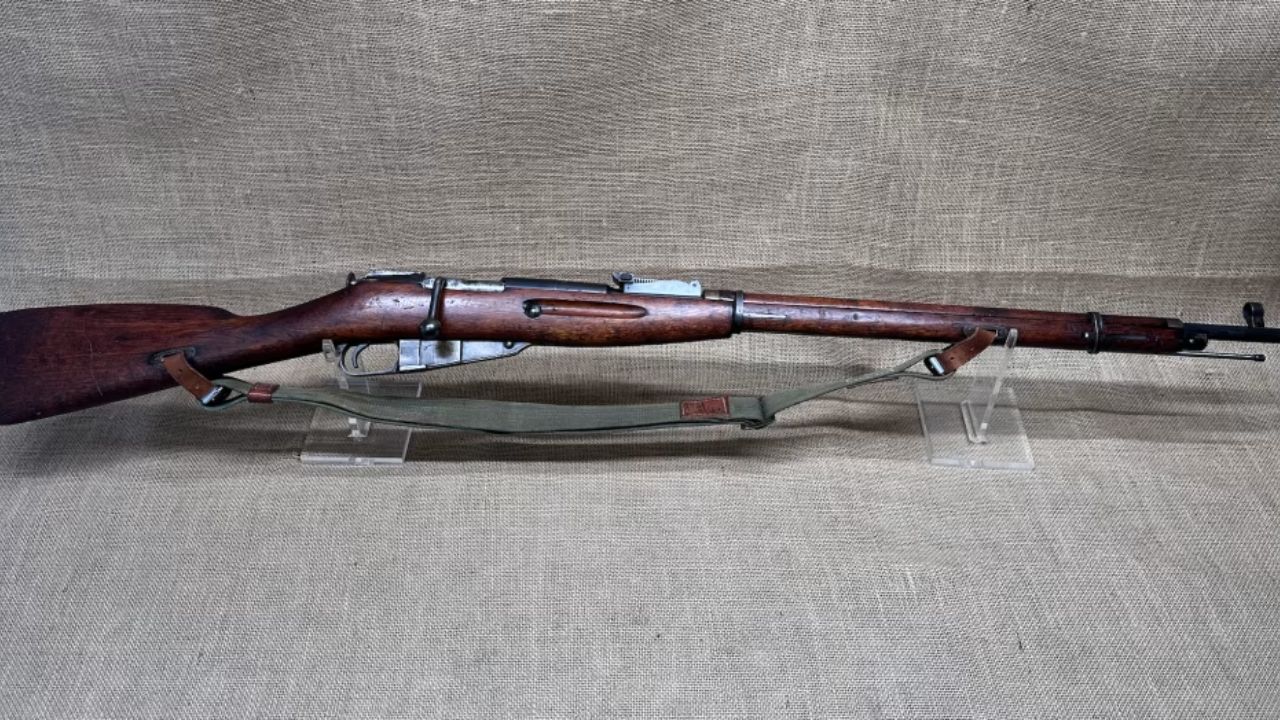
Mosins show up at estate sales like old aluminum lawn chairs. The problem is the carbine versions—M38 and M44—get tagged as the common 91/30 all the time. Sometimes it’s innocent. Sometimes it’s the seller trying to avoid questions about a shorter rifle with a folding bayonet hanging off it.
The carbine Mosins are loud, flashy, and not polite rifles. Recoil and muzzle blast are part of the package, especially with surplus ammo. In the deer woods, they carry easier than a long 91/30, but you’ll notice the difference on your shoulder and ears. The M44’s attached bayonet also affects handling and, on some rifles, point of impact when folded versus extended. If you’re shopping, confirm the model and date on the barrel shank and look for matching numbers if that matters to you. Also, check the muzzle crown. Many Mosins got cleaned from the muzzle and it shows.
13. Lee-Enfield No. 4 Mk I vs SMLE No. 1 Mk III
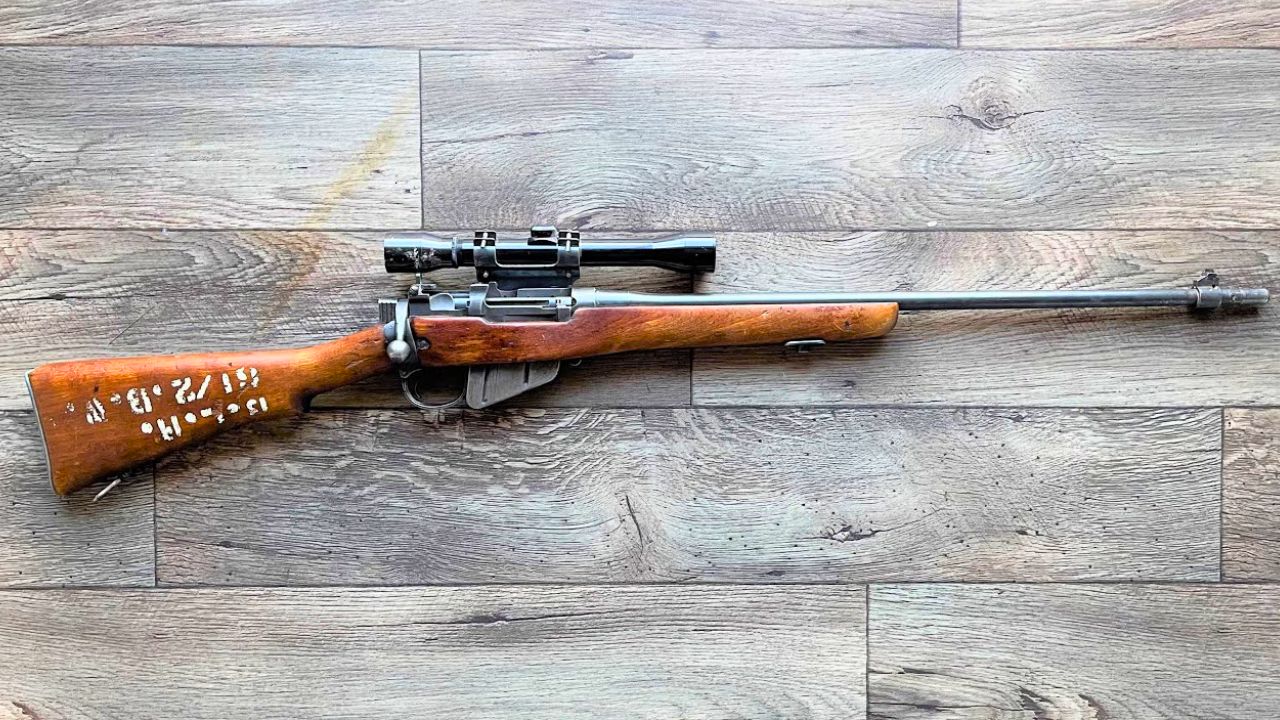
“Enfield .303” is about as detailed as most estate sale tags get, and that’s a shame because the No. 4 and the SMLE are different animals in the hands. The No. 4 has a different sighting system and a different feel. The SMLE has that older, classic profile and tends to be what folks picture when they think “British rifle.”
Both can have actions that feel like they’re running on roller bearings if they’re in good shape. They can also be worn slick from decades of use, which isn’t always a bad thing unless headspace and bolt fit are questionable. If you’re not comfortable inspecting surplus rifles, bring someone who is or pass on it. Replacement parts exist, but it’s not like buying for a modern Remington 700. Look for the model designation on the receiver, check the magazine (they’re typically not meant to be swapped around casually), and look at the stock for cracks around the wrist. A good Enfield is a joy. A beat one can turn into a money pit fast.
14. CZ 527 vs CZ 550

CZ bolt guns get tagged wrong because the seller sees “CZ” and assumes it’s the same rifle their buddy hunts with. The 527 is a smaller, mini-Mauser-style action often found in .223, .204 Ruger, and 7.62×39. The 550 is a larger rifle, commonly in classic hunting chamberings, and it carries differently.
The 527 has a following for good reason. It’s trim, accurate, and just plain pleasant to tote. The downside is that some folks hate the detachable magazine hanging down, and spare mags aren’t always cheap. The 550 is more of a traditional big-game platform—more steel, more heft, and often more comfortable on recoil with full-power cartridges. If you’re buying at an estate sale, don’t trust a tag that says “CZ .223” and assume 527 automatically. Read the model stamp. Then shoulder it. The 527 should feel almost dainty compared to most American sporters, and that’s part of what makes it special.
15. Tikka T3 vs Tikka T3x
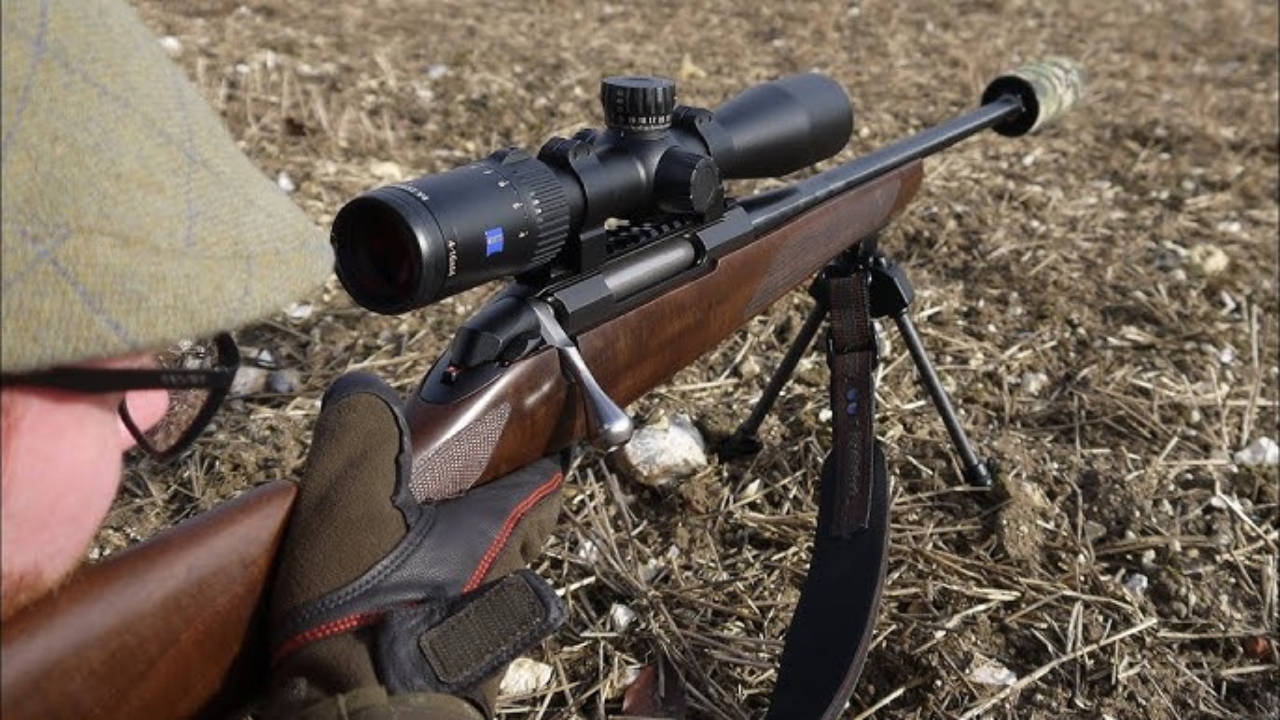
Tags will often just say “Tikka .270” because the person pricing it knows Tikka has a reputation and that’s about it. The T3 and T3x are close, but the T3x brought updates to the stock and overall refinement. If you’re trying to decide whether the price is fair, the exact model matters.
Tikkas are known for smooth bolts and out-of-the-box accuracy, and that’s not internet hype. You feel it when you run the action. Still, the aftermarket and magazine situation can influence value. Factory mags can be expensive, and a rifle missing mags or wearing questionable aftermarket parts should be priced accordingly. A lot of these rifles lived easy lives—one box of shells a year, then back in the safe. That’s good for condition, but don’t skip checking the recoil lug area and scope mounting screws for signs of bubba work. If it’s a T3x with a decent stock and the right extras, it might be the best “grab it and hunt” rifle on the whole table.
16. Howa 1500 vs Weatherby Vanguard
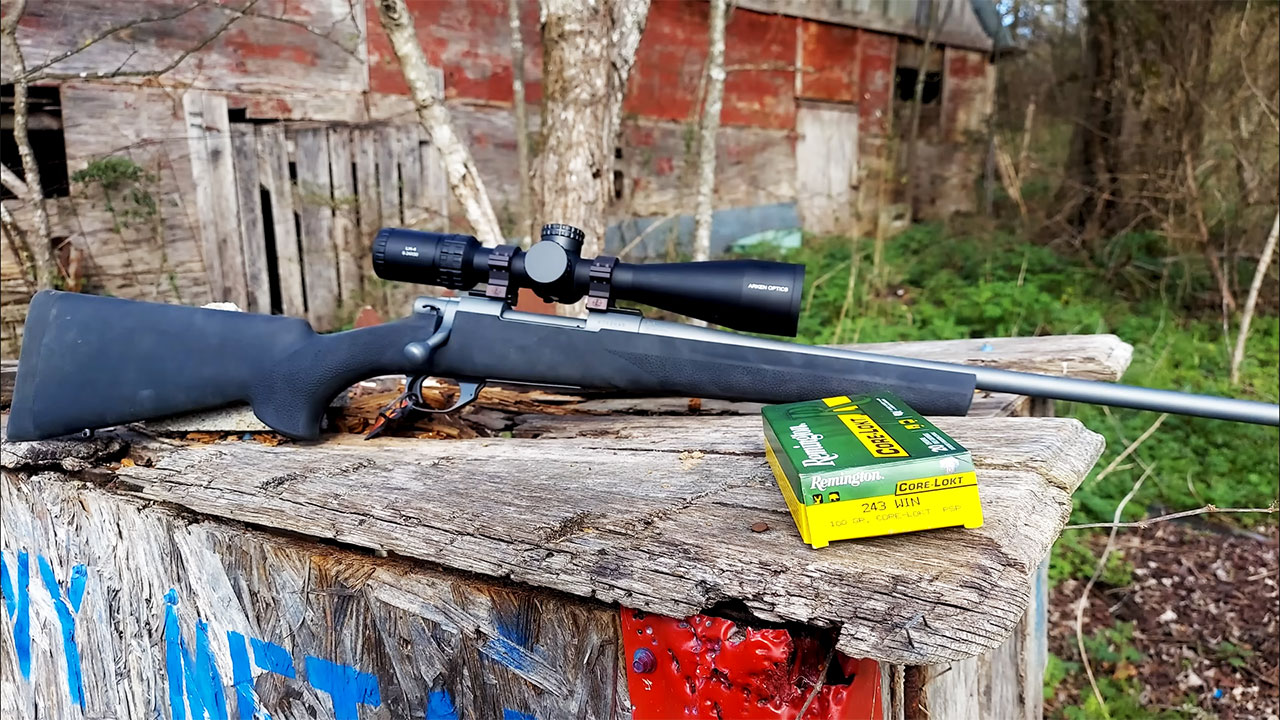
This is a classic mix-up because the Weatherby Vanguard and Howa 1500 are closely related, and plenty of folks don’t realize it. You’ll see “Weatherby” on a tag because somebody recognizes the name, while the rifle itself might be a Howa. Or the reverse: a Vanguard gets tagged as a “Howa 1500” like it’s the generic version.
Both can be excellent shooters with strong actions. The real-world difference comes down to branding, specific generation, stock quality, and what trigger is on it. Some Vanguard packages came with serviceable glass; others wore scopes that belonged on a .22. Howas often show up in solid aftermarket stocks because tinkerers like them. If you’re buying, read the receiver markings and look at the bolt and safety style. Then check bedding and screw heads for signs it’s been apart a dozen times. A clean, un-messed-with example is usually the one that treats you best over the long haul.
17. Smith & Wesson M&P15-22 vs AR-15 in .223/5.56
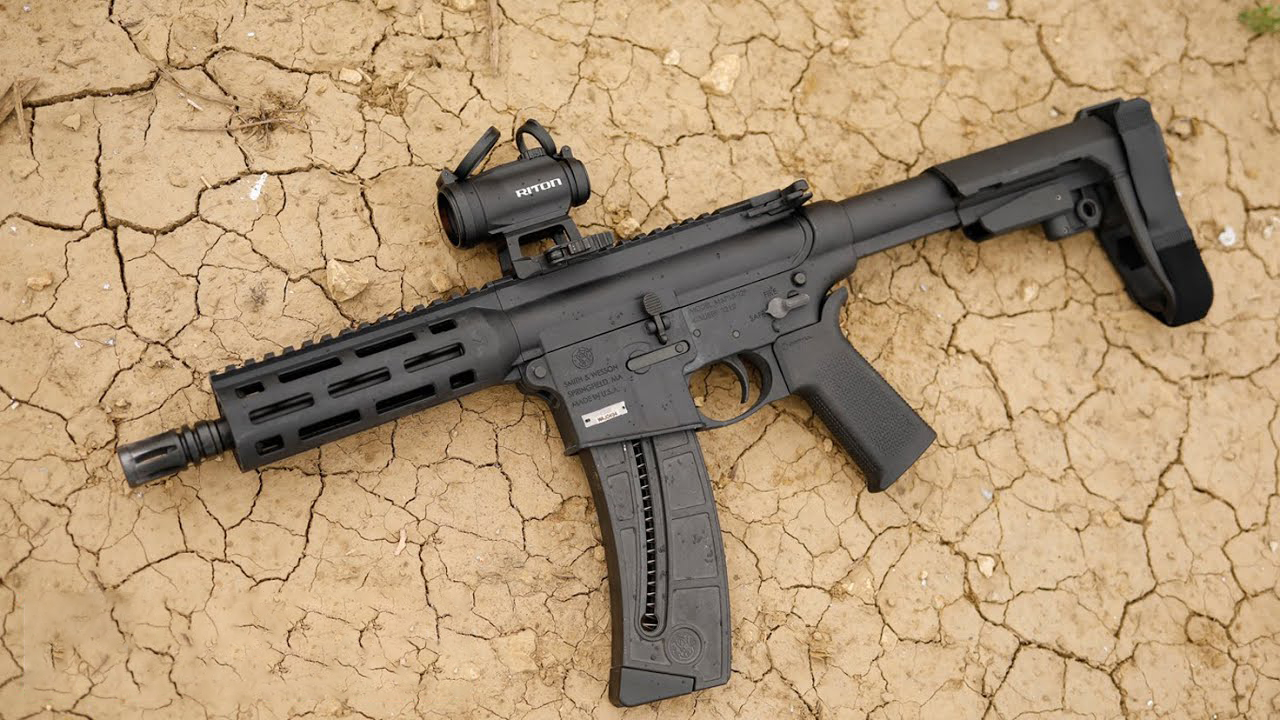
I’ve watched folks call an M&P15-22 a “Smith AR-15” and price it like a centerfire rifle. The opposite happens too: a basic AR gets tagged as a “.22” because someone saw polymer receivers and assumed it was a rimfire. Estate sale crews often don’t know what they’re looking at, and AR-style rifles all blur together to them.
The 15-22 is a rimfire trainer and a fun plinker. It’s also a legitimate tool for introducing new shooters because recoil is basically nothing and you can run drills without burning a paycheck in ammo. But it’s not a 5.56 defensive rifle, and it shouldn’t be bought or sold as if it is. Confirm caliber markings on the barrel and check the magazine type; 15-22 mags are unique. Also pay attention to receiver material and controls. If you’re not comfortable sorting AR variants, slow down and verify everything. Getting this wrong isn’t just a money issue—it’s an expectations issue, and that can get unsafe in a hurry.
18. Ruger Precision Rifle vs Ruger American Predator
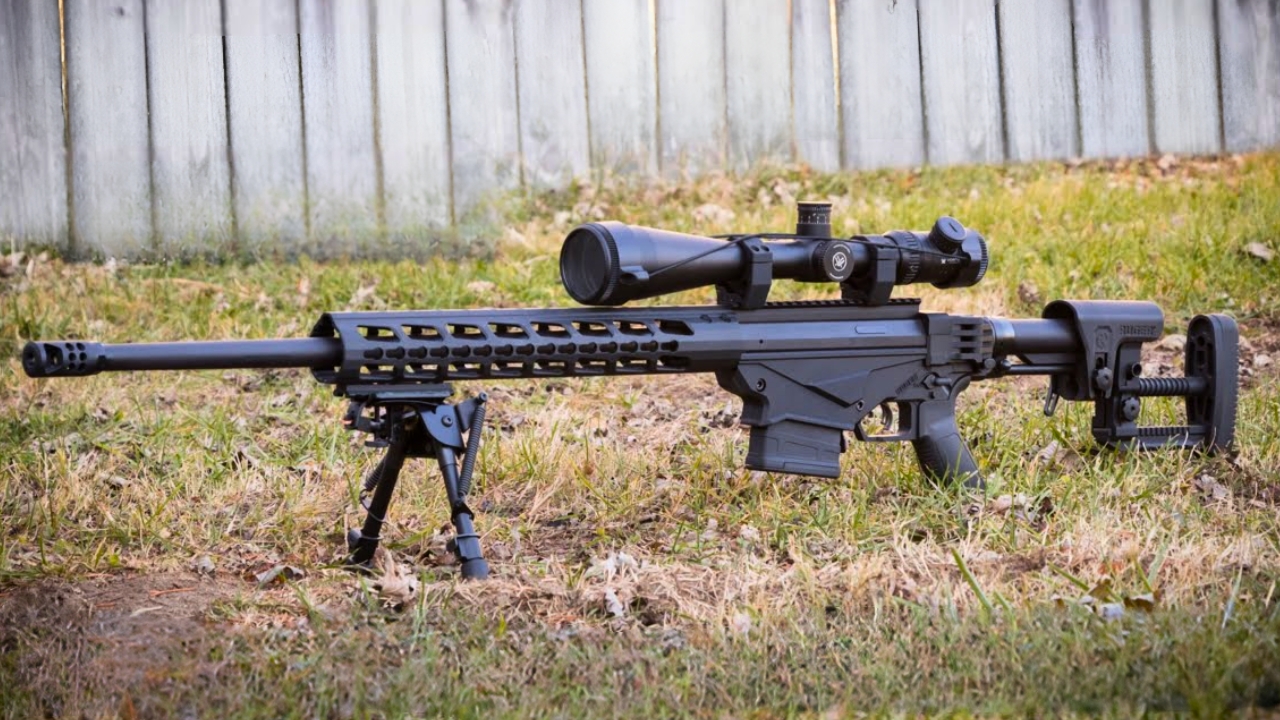
“Ruger Precision” has become a catch-all term for any Ruger that looks even remotely modern. The Ruger American Predator gets tagged wrong because it has a threaded barrel and a “tactical-ish” vibe, especially in a chassis-style aftermarket stock. Meanwhile, a real Ruger Precision Rifle sometimes gets called a “Ruger American” by somebody who thinks all Ruger bolt guns are the same.
These rifles are built for totally different lives. The Precision Rifle is heavy, adjustable, and meant for prone or bench work where weight is your friend. The American Predator is a practical hunting rifle that carries easy and still shoots well enough to matter. If you’re staring at one on a folding table, look at the receiver and stock system. The RPR is unmistakable once you notice the chassis and the overall bulk. Also check the magazine type—AICS-style mags versus rotary or AR-pattern depending on the model. Don’t buy the “cool-looking Ruger” without confirming which one you’re actually getting, because you’ll feel that mistake the first time you haul it up a ridge.
19. FN SCAR 17S vs FN FAL (and FAL clones)
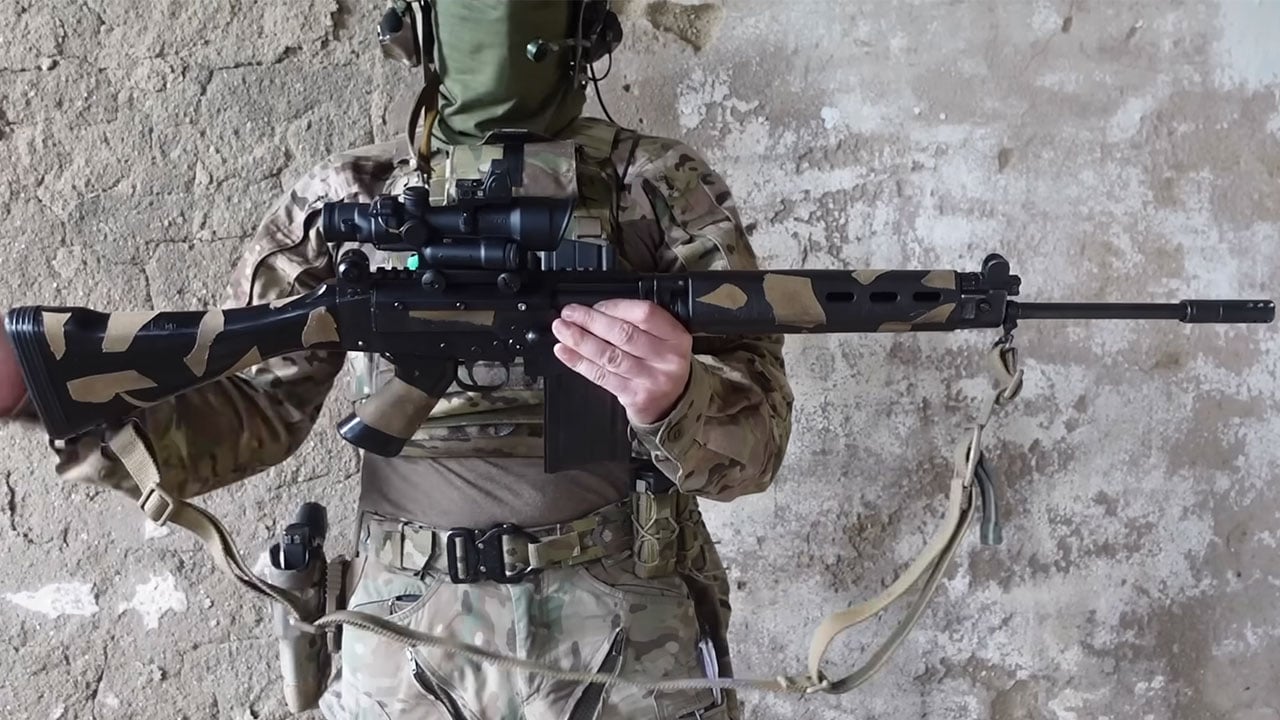
Military-style .308 rifles get mislabeled constantly by folks who aren’t into guns. I’ve seen a SCAR called an “FAL,” and I’ve seen FALs called “SCAR .308” because the seller knows the SCAR name sounds expensive. If you know rifles, they don’t look the same. If you don’t, they’re both just black .308s with magazines.
The SCAR 17S is a modern, lightweight (for .308) semi-auto with its own parts ecosystem and its own price bracket. The FAL is a classic battle rifle platform with a huge world of variations and clones—some excellent, some rough. What makes estate sales tricky is missing mags, mixed furniture, and rifles that were “built” rather than bought. Identify the exact model and manufacturer markings, then look for obvious wear points and signs of home gunsmithing. Either rifle can be great, but the wrong tag can either tempt you into overpaying or cause you to walk away from a deal because the seller misnamed it. Don’t let the tag do your thinking.
20. Steyr Mannlicher Schoenauer vs Steyr-Mannlicher SBS/Classic
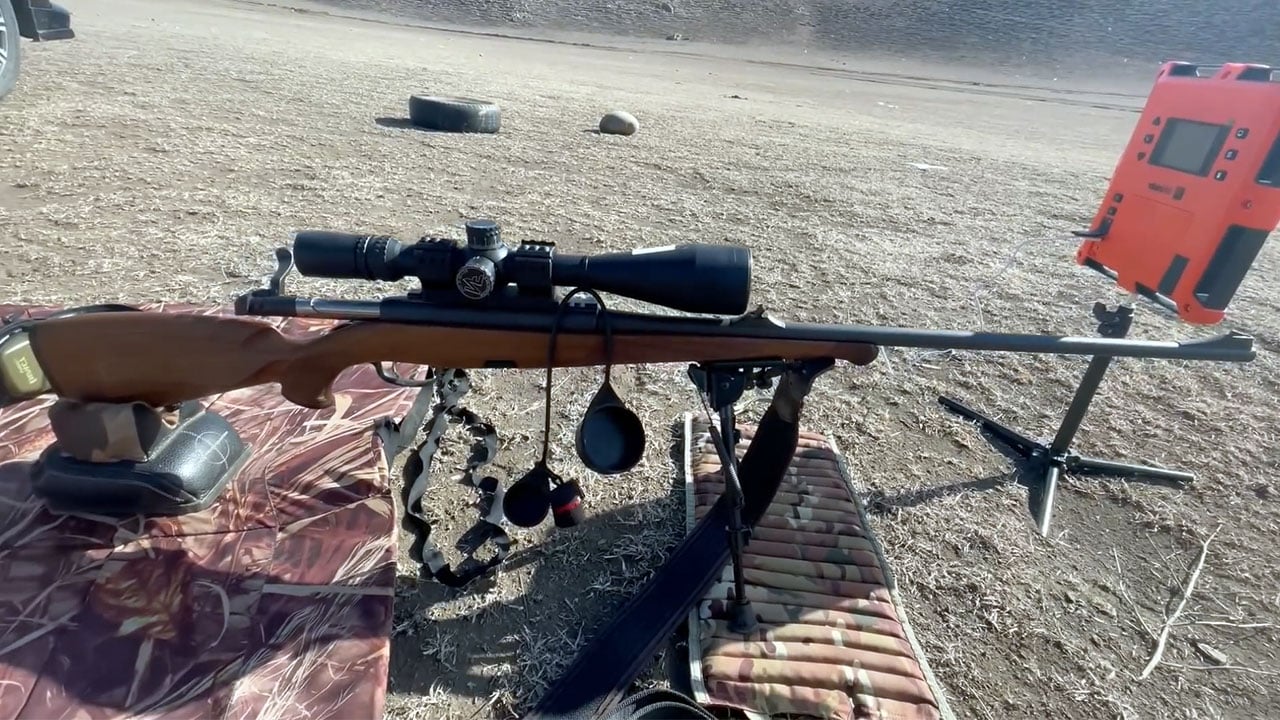
Steyr rifles are a perfect storm for mislabeling because the names sound similar and the older guns have a European look that non-gun folks lump together. A Mannlicher Schoenauer is not the same thing as a newer Steyr-Mannlicher SBS or Classic. One is a collectible, old-world hunting rifle with serious craftsmanship. The other is a modern bolt gun built to hunt hard.
The Schoenauer actions are slick in a way that makes you stop and work the bolt twice just because it feels good. They also show up in classic cartridges and can have original sights, sling hardware, and stock work you just don’t see anymore. The newer Steyrs may be more practical for today’s optics and ammo, and they’re often accurate as all get-out, but the collector side isn’t the same. At an estate sale, verify markings, inspect the stock for cracks around the tang, and look at the magazine system—Schoenauers have a distinctive setup. If you don’t know what you’re holding, you can easily price it wrong or buy it wrong. Both outcomes sting.
If you take anything from this, let it be simple: ignore the hand-written tag until you’ve read the rifle itself. Check the receiver markings, barrel stamp, and magazine system. Shoulder it, work the action, and don’t be afraid to walk away if the story doesn’t match the steel. Estate sales can be a gold mine, but they can also be where good money goes to die because nobody took two minutes to look up a model number.
Like The Avid Outdoorsman’s content? Subscribe to our newsletter so you never miss an article.
Here’s more from us: