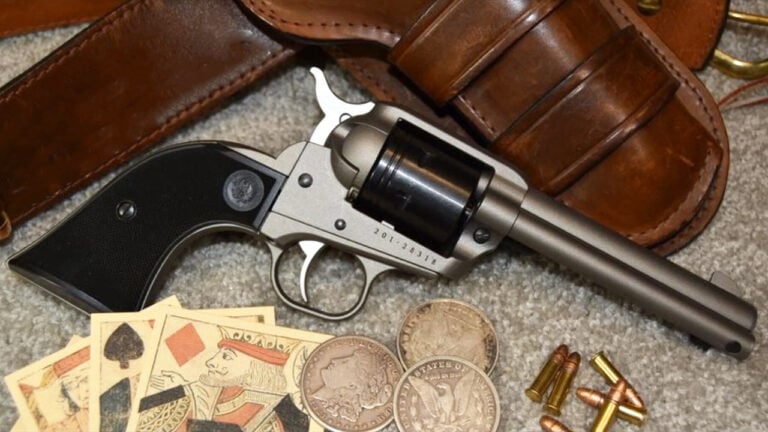
Photo credit: BERETTA9mmUSA/YouTube
Spend enough time leaning on a gun counter and you start noticing a pattern. Certain handguns don’t “sit.” They get a tag made, a box opened long enough to verify serial numbers, and then they’re gone—either to a regular who texted ahead, the first guy through the door on payday, or the customer who “just wanted to look” and walked out with a holster too.
This isn’t a list of the fanciest pistols on earth. It’s the ones that move fast because they fit real life: concealed carry that doesn’t beat you up, home-defense guns that just run, and a few classics folks know they’ll regret passing on. Here are 20 handguns I’ve seen disappear in a hurry.
1. Glock 19 (Gen 5)
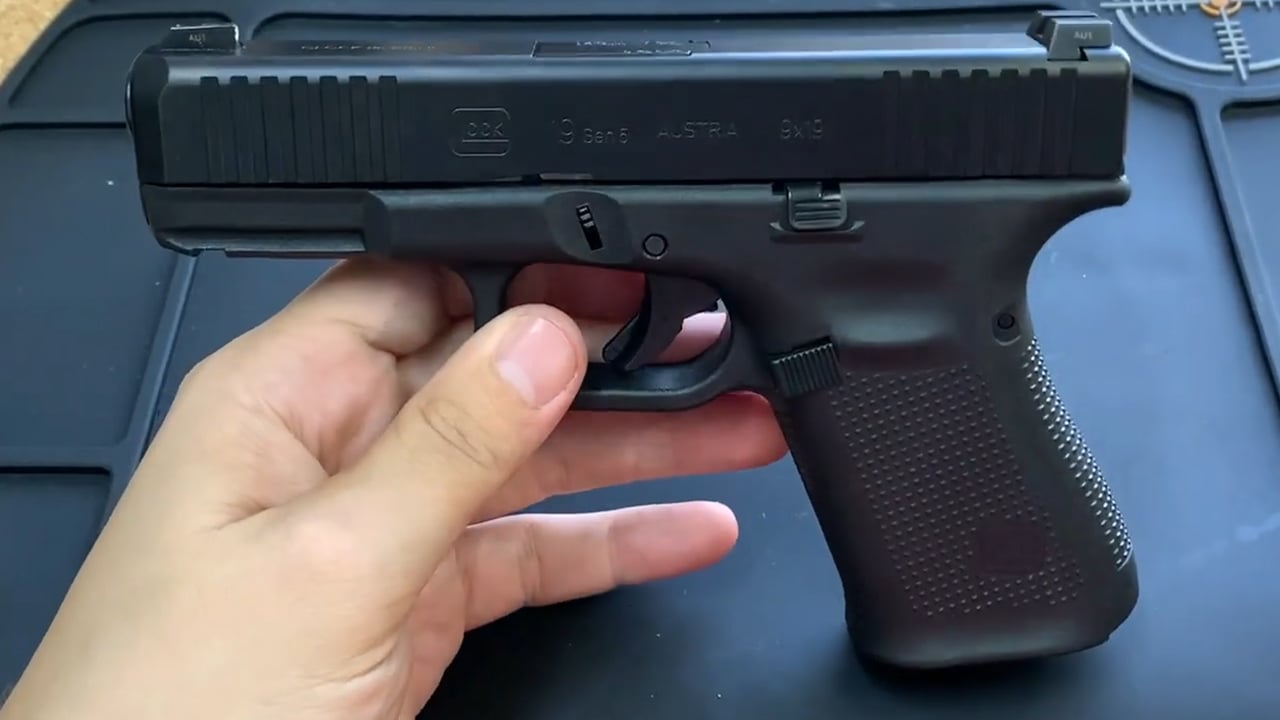
The Glock 19 is the definition of boring in the best way. Dealers don’t have to explain it. A buyer walks in already knowing what it is, what it does, and how easy it is to keep fed with mags, holsters, and parts that are everywhere. It’s the pistol that fits “one gun” budgets without feeling like a compromise.
It carries well for its size, shoots softer than most compacts, and the sight radius is forgiving when you’re rusty. Gen 5 guns also tend to feel a little more refined in the hand, even if you still don’t love Glock triggers. When somebody asks for “a do-it-all 9mm,” this one gets pulled from the back before the glass gets cleaned.
2. Glock 43X
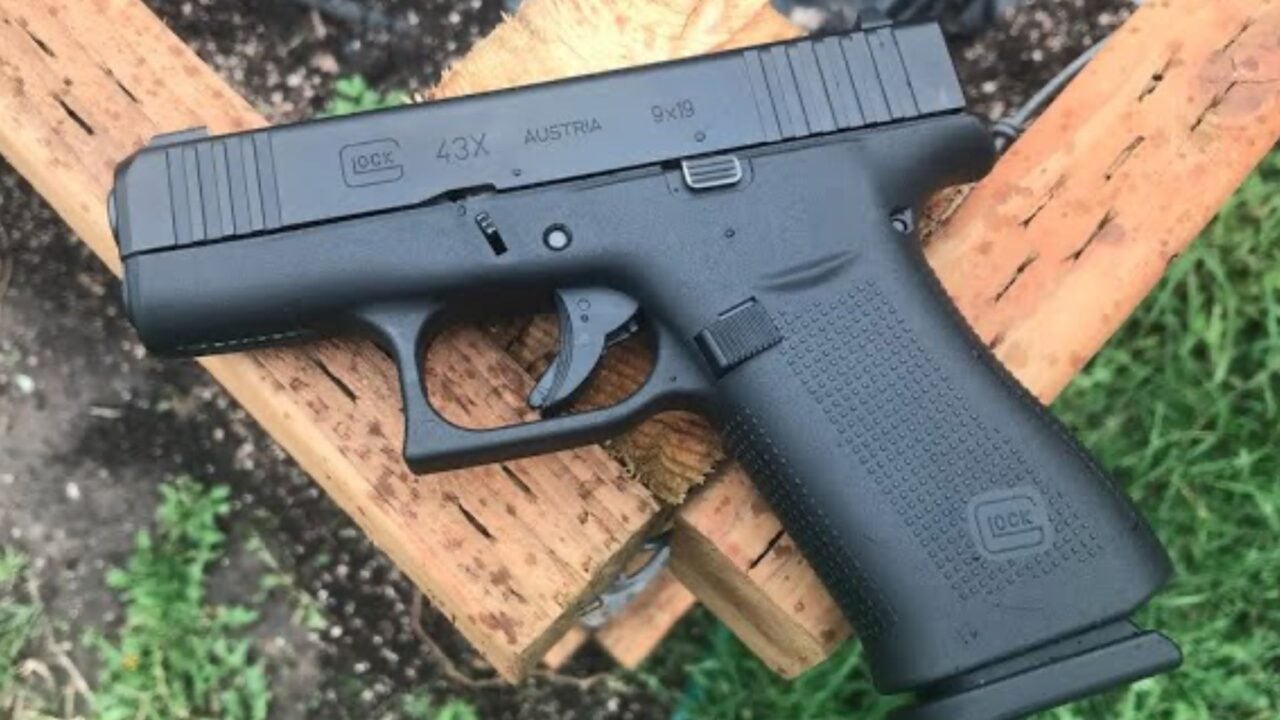
The 43X sells because it fixes a problem: plenty of folks can hide a small pistol, but they can’t shoot tiny pistols well. The 43X gives you a slim profile with a grip that doesn’t feel like you’re pinching a bar of soap. For a lot of people, it’s the first carry gun they actually practice with.
Holster options are endless, recoil is manageable, and it points naturally. Dealers know that once someone handles it next to a true subcompact, the decision usually gets easy. It’s also one of those models that gets snapped up by experienced carriers who want something light for summer but still “real” enough to run hard.
3. SIG Sauer P365

The P365 changed the carry market, and it still moves like it’s new. It’s small enough to disappear under a t-shirt, but it doesn’t feel like a novelty gun when you load magazines and start shooting. The grip texture and shape let you hang on, and the sights are usually better than what you’d expect in this size.
Dealers like it because buyers rarely need convincing. Folks come in asking for it by name, and they often grab extra mags on the spot—because everyone knows you won’t find them cheaper later. It’s also one of the few micro-compacts that doesn’t automatically turn range day into a flinch-fest.
4. Smith & Wesson M&P 2.0 Compact
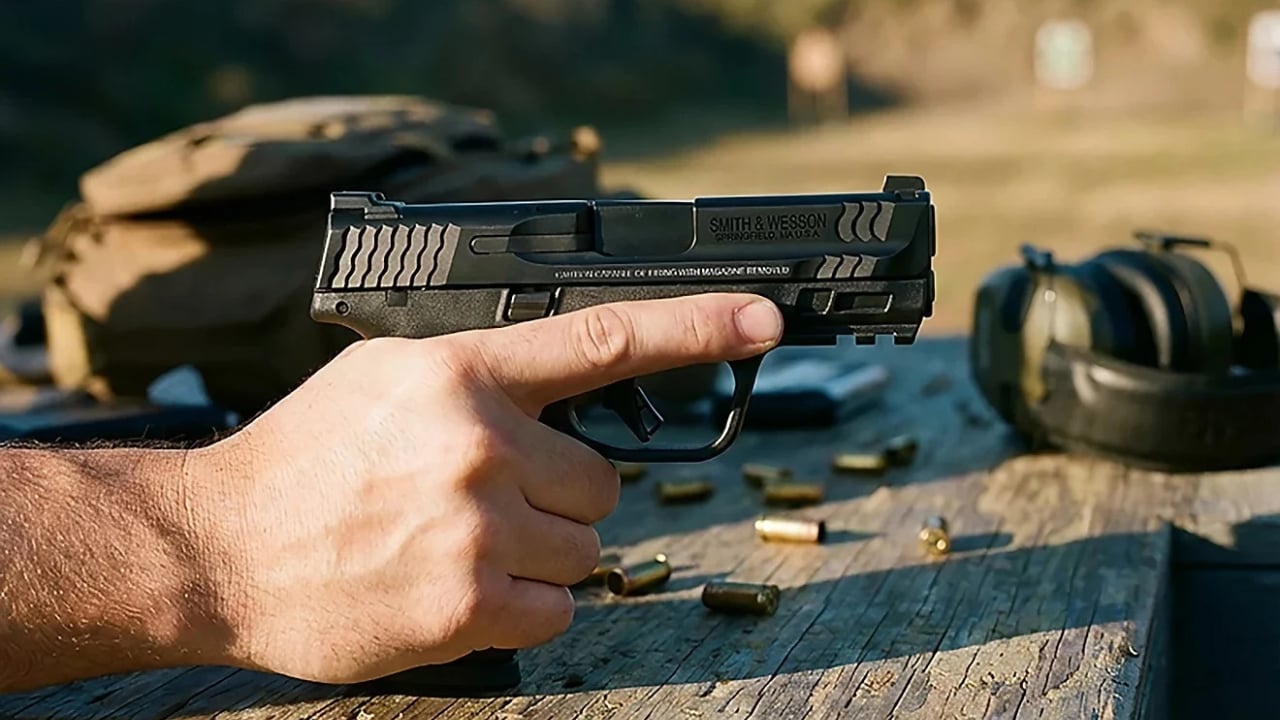
The M&P 2.0 Compact is the handgun that quietly wins arguments. Guys who don’t like Glock grip angles pick it up and immediately relax their wrists. The texture is aggressive without being “cheese grater,” and the gun tracks flat when you’re shooting at speed.
It’s also a strong choice for folks who want one pistol for carry and home defense without getting into a full-size brick. Parts and mags are easy to find, and plenty of departments and instructors trust the platform. When a dealer gets a clean used one in, it doesn’t take long for it to find a new belt to ride on.
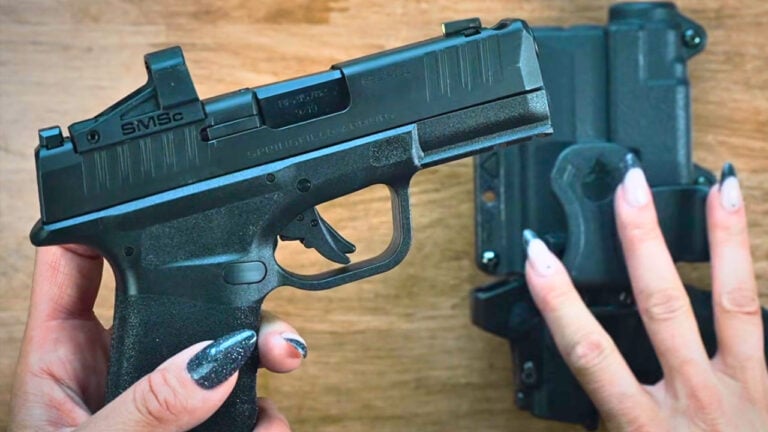
5. Springfield Armory Hellcat
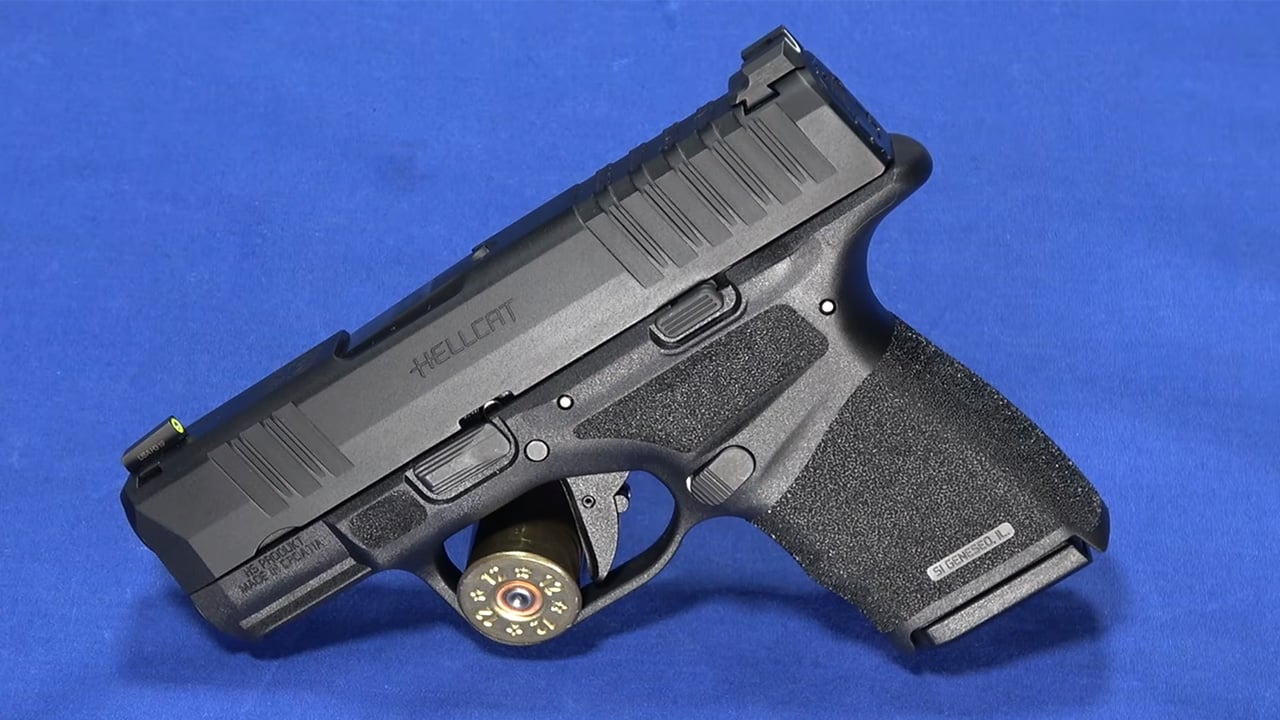
The Hellcat is another micro-9 that seems to live in that sweet spot between carry comfort and shootability. The grip fills the hand better than many guns this size, and the sight setup is quick to pick up, especially under indoor lighting. It’s a “try it and you’ll get it” kind of pistol.
It also sells because Springfield pushed it hard and it delivered well enough to keep the hype from collapsing. A lot of buyers walk in already having compared it to a P365, and the decision often comes down to which one feels better in their hand. When a shop prices them fairly, they don’t linger.
6. Ruger LCP Max

The LCP Max is what happens when a pocket pistol finally becomes usable without being miserable. It’s still a small .380, and you’re not buying it for fun. You’re buying it because there are days you won’t carry anything else, and this one actually fits in a pocket holster without printing like a deck of cards.
Dealers move them fast because they solve a real problem for farmers, anglers, and folks in gym shorts. It’s also the kind of gun a spouse will actually carry, which matters. Nobody pretends it’s a match pistol, but the capacity bump and better sights make it feel less like a last resort.
7. Ruger LCR
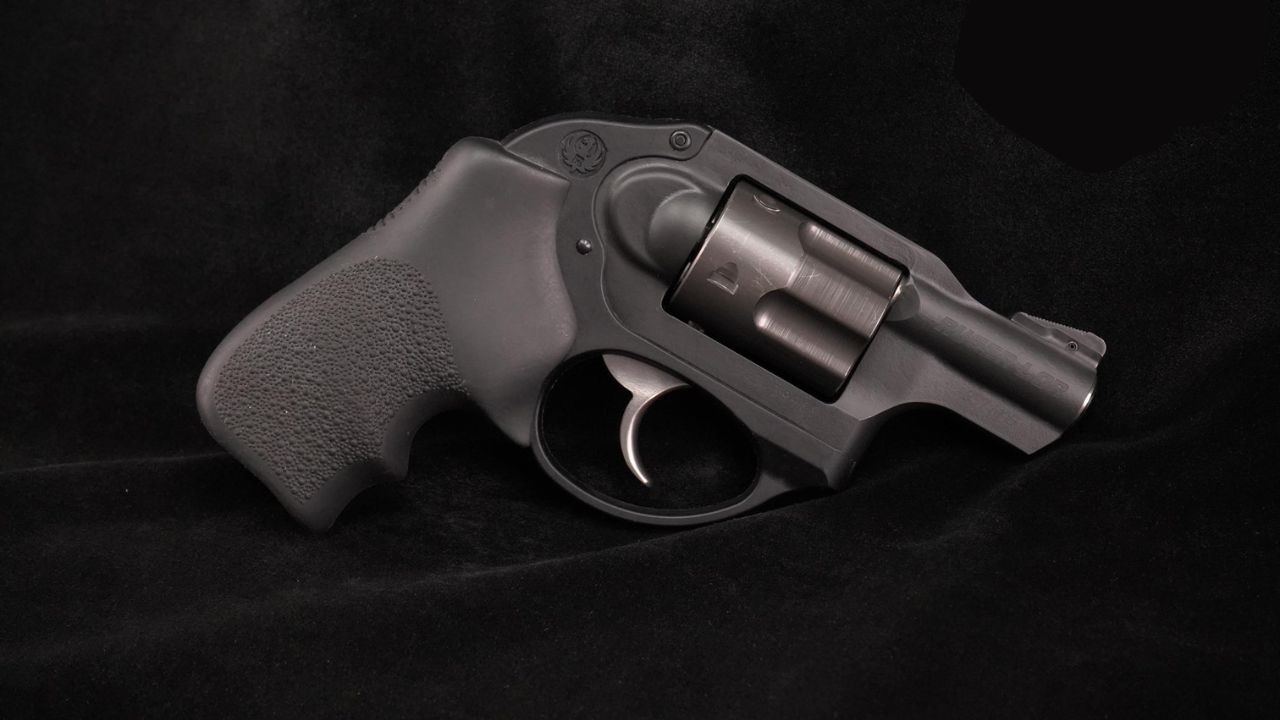
The LCR sells to people who are done messing around. It’s light, simple, and reliable, and it doesn’t care if it sat in a glovebox or a tackle bag a little longer than it should have. The trigger is usually better than you’d expect on a small revolver, and the gun is built for being carried a lot and shot a little.
It also moves quickly because new shooters and older shooters both get drawn to it for different reasons. New shooters like the straightforward manual of arms. Older hands like that it just works and doesn’t need magazine springs or a specific grip technique. If you see one in good shape at a fair price, it tends to vanish.
8. Smith & Wesson J-Frame 642
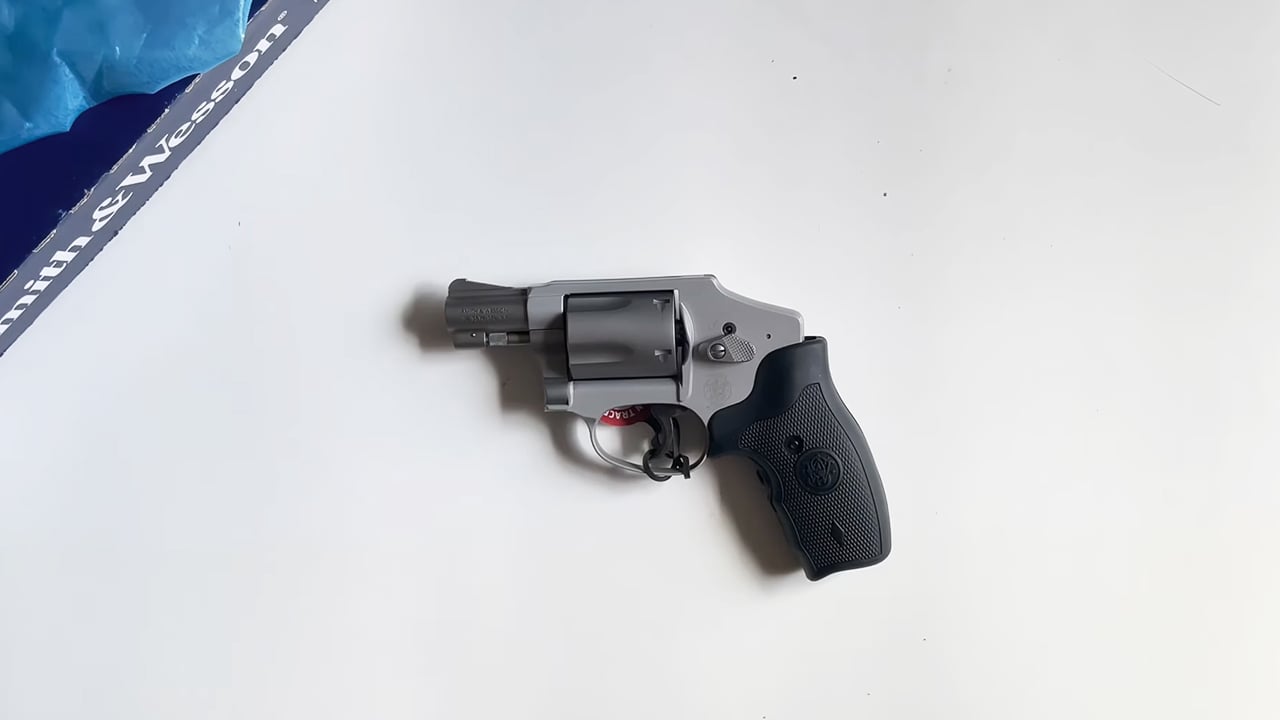
The 642 is a classic for a reason, and it keeps selling even when the internet acts like revolvers are extinct. It’s light enough to carry all day and simple enough that you’re not hunting for controls under stress. If you’ve ever had a semi-auto get limp-wristed by a new shooter, you understand the appeal.
It’s not a range toy. It’s snappy, and you have to actually practice double-action work to shoot it well. Still, dealers know it’s a steady seller because there’s a whole segment of buyers who just want a no-nonsense pocket revolver. Used ones in clean shape get scooped up fast, especially from folks who carried one years ago and want one back.
9. CZ 75B

The CZ 75B is one of those pistols that makes people say, “Oh… I get it now,” the first time they rack the slide and feel how it rides. It points naturally, sits low in the hand, and it soaks up recoil like a heavier gun than it is. For shooters who actually enjoy the range, this one earns loyalty.
Dealers move them because CZ fans don’t hesitate. They know what they’re looking at, and they also know they’re not always stacked deep on shelves in every shop. The all-steel feel isn’t for everyone in a carry world, but as a home gun, range gun, and “keep forever” pistol, it’s hard to argue against.
10. CZ P-10 C
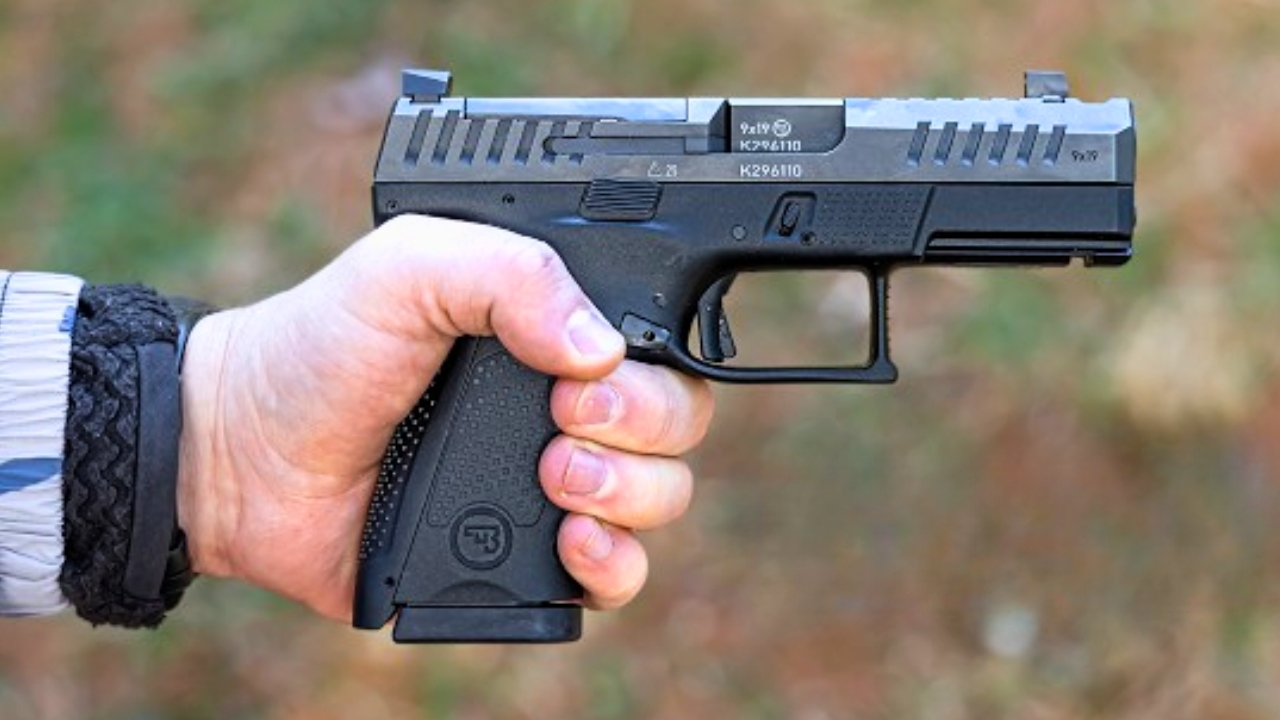
The P-10 C is CZ’s striker-fired answer to the Glock 19, and it’s better than a lot of folks expect. The trigger is typically clean, the grip shape is comfortable, and the gun runs. It’s one of those pistols that makes you wonder why it isn’t mentioned more in basic carry conversations.
It moves fast when dealers price it right because it feels like you’re getting more than you paid for. It’s also a common pick for the guy who already owns a Glock but wants something different without stepping into oddball territory. Mags and accessories are out there, and the gun shoots flatter than many compacts in its class.
11. Beretta 92FS
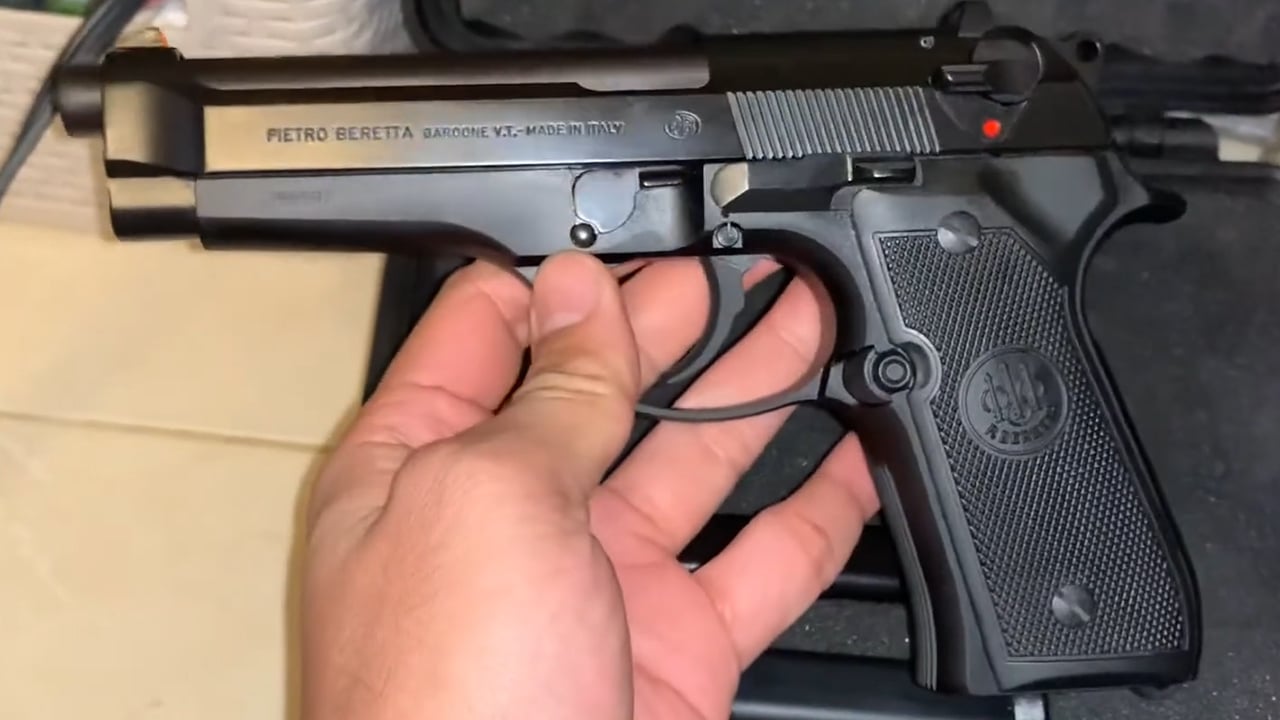
The 92FS isn’t the lightest or the slickest carry gun, but it keeps walking out of stores because it’s a known quantity. It’s smooth, soft-shooting, and dependable when maintained. A lot of buyers are chasing that “first serious pistol” vibe, and this one still delivers it.
It also has a feel that polymer guns just don’t. Big slide, long sight radius, and a grip that fits a lot of hands better than you’d think. Dealers know that when someone is shopping for a full-size 9mm for home defense and range use, the Beretta has a pull that doesn’t require a sales pitch. The look alone sells a few.
12. SIG Sauer P320 Compact
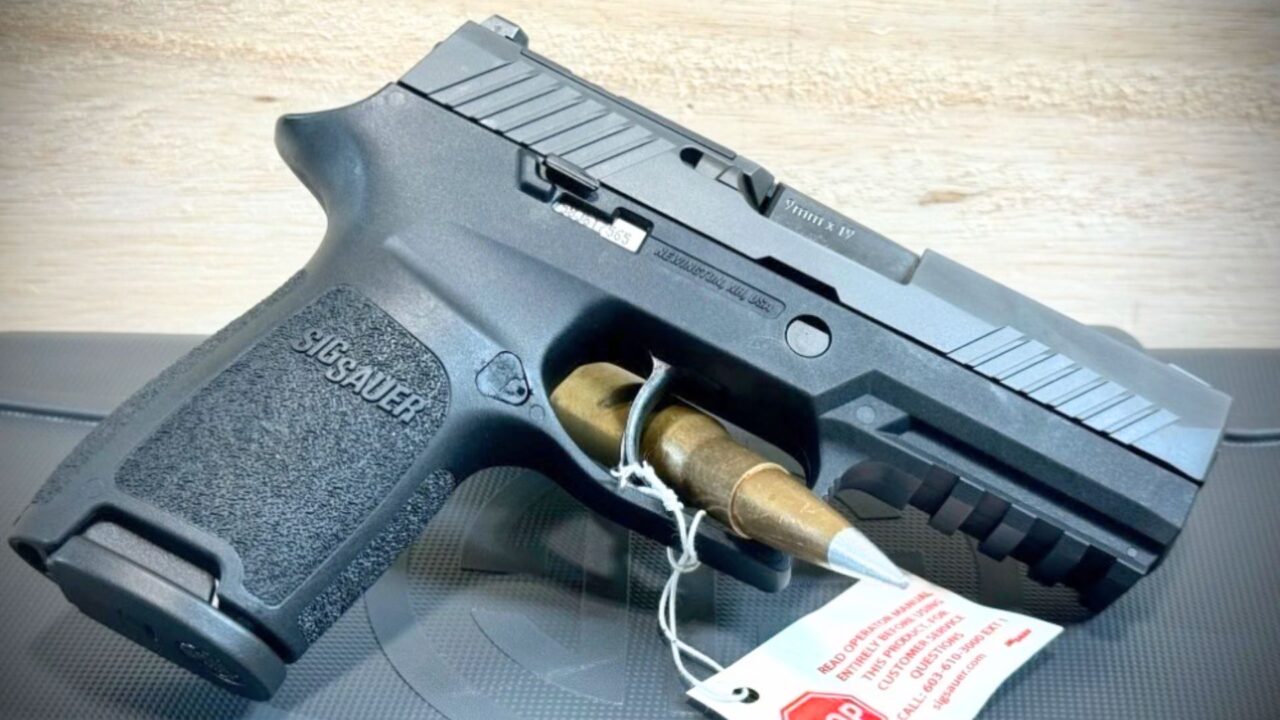
The P320 Compact moves because of modularity and familiarity. Between the grip module options and the sheer volume of them out there, buyers like knowing they can tailor the feel without buying a whole new pistol. For folks who want one serialized “core” and multiple setups, it scratches that itch.
It’s also common enough that holsters, mags, and sights are easy to track down. The trigger feel varies a bit across examples, but plenty of shooters run them well. Dealers move them quickly because the platform has a big user base, and when a used one comes in with extras—mags, optic plate, decent night sights—it rarely sits long.
13. Walther PDP Compact

The PDP Compact is one of those guns that sells itself in a five-minute counter-handling session. The grip texture is confident, the slide serrations are deep, and the trigger is better than most “duty-style” striker pistols. It feels like Walther built it for people who actually shoot, not just people who post.
It also tends to shoot accurately without drama. If you’ve ever struggled to shoot a compact well because the gun feels mushy, the PDP can be a nice surprise. Dealers like having them because they create repeat customers—somebody buys one, then comes back for a second barrel length or a full-size. They don’t stay in the case long when they hit a fair price point.
14. Ruger GP100 (4-inch)
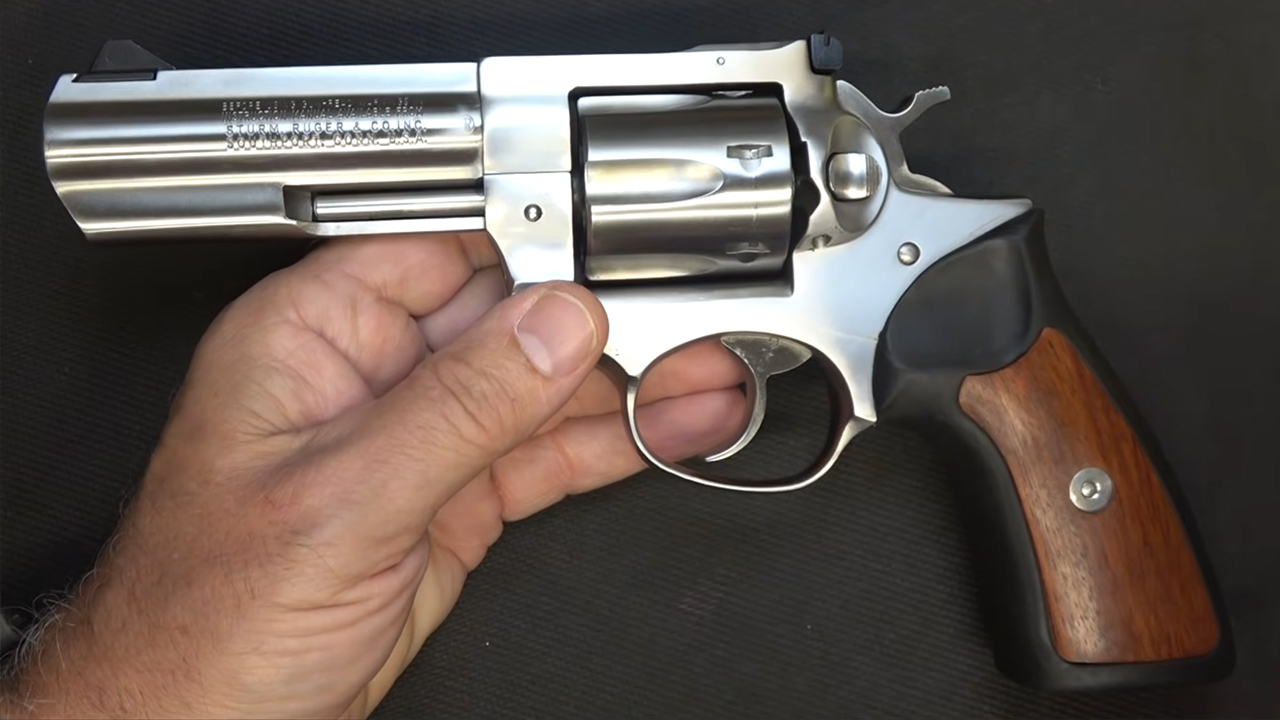
A 4-inch GP100 is a working revolver, and working revolvers still have a place in the outdoors. It’s heavy enough to tame .357 Magnum, strong enough to digest a steady diet of real loads, and simple enough that you can teach the basics without worrying about magazines or slide manipulation.
These move quickly because outdoorsmen recognize value when they feel it. The gun is not dainty, and it’s not meant to be. It’s a belt gun for the woods, a truck gun if you can store it safely, and a range gun that won’t shake loose. When a dealer gets a clean used GP100, especially with a solid holster, it usually sells before it gets much display time.
15. Smith & Wesson Model 686 (4-inch)

The 686 is one of those revolvers that even semi-auto guys respect. It has the fit and feel that makes you slow down and appreciate it, and it shoots like a dream with .38 Specials while still being fully capable with .357. The balance on a 4-inch gun is hard to beat for general use.
Dealers move them fast because there are always buyers looking for a “nice revolver” that isn’t fragile or overly collectible. It’s also a gun that gets handed down, which makes the demand steady. If you hunt, fish, camp, or just live where coyotes and two-legged trouble both exist, a 686 makes sense. And when you see one priced right, you don’t overthink it.
16. Colt Python (3-inch or 4.25-inch)

The modern Python is a little bit want and a little bit flex, and that’s not an insult. It’s a gun folks walk in for specifically, and dealers know it. The finish and the name carry weight, and the smooth action keeps people from feeling like they bought “just a logo.”
It also moves because buyers understand availability swings. When a shop gets one, especially in a more practical barrel length, it draws attention fast. Is it the revolver you toss behind the seat? No. It’s the revolver you keep clean, shoot enough to enjoy, and then put away like you mean it. The price stings, but Pythons don’t sit around waiting for indecision.
17. Kimber Custom II (1911)

Kimber 1911s can spark arguments, but the Custom II still sells quickly in a lot of shops because it hits the “first 1911” target. It looks right, feels right, and for many owners it runs well enough that they never see the horror stories. A clean one in the used case is especially tempting.
Part of the reason they move is that 1911 buyers are often buying with their heart as much as their head. The slim grip, the crisp single-action trigger, and that .45 push are hard to replicate with modern polymer. Still, I’ll say it: 1911s can be finicky if you cheap out on mags or ignore maintenance. If you know what you’re getting, a Custom II can be a satisfying piece that disappears from the shelf fast.
18. Springfield Armory 1911 Ronin
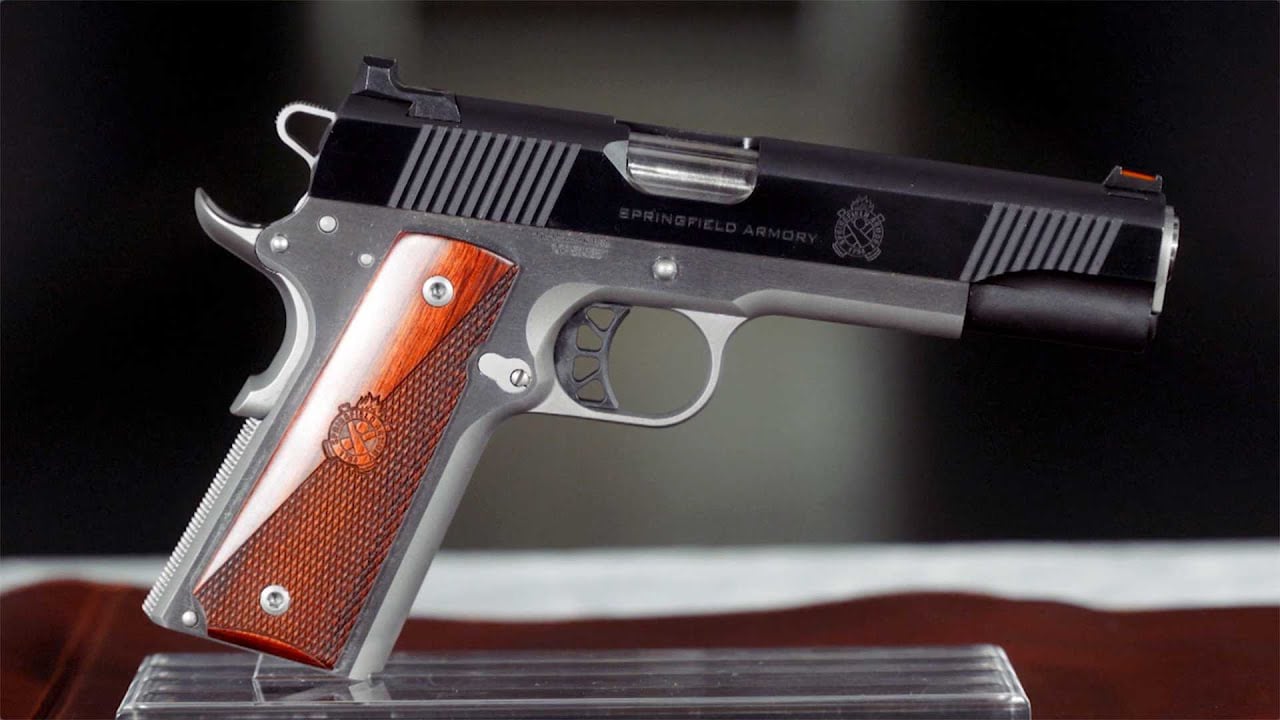
The Ronin sells to the guy who wants a 1911 that doesn’t feel like a safe queen. It’s got enough modern touches to be practical, but it still scratches the classic itch. The finish isn’t afraid of being carried, and the overall vibe is more “use it” than “polish it.”
Dealers like them because the Ronin tends to land in that zone where people feel they’re getting quality without going full custom. It’s also a common pick for someone who already owns striker guns and wants something different that actually shoots well. The trigger helps, and so does the way a 1911 points when you’re doing slow fire or working a plate rack. When one shows up used and clean, it rarely lasts.
19. Taurus G3C

The G3C moves because it’s a budget gun that, most of the time, does what a budget gun needs to do. Not everyone has “new truck payment” money for a carry pistol, and dealers know there’s a steady stream of buyers who want something serviceable with decent capacity and manageable size.
It’s not fancy, and the trigger isn’t going to win any awards. But it fits a lot of hands, it’s easy to find, and it gets folks into a defensive handgun without waiting another year. The smart play with any value-priced pistol is to actually test it with your carry ammo and make sure your magazines run. Do that, and the G3C often ends up being the gun that gets carried while the expensive one stays home.
20. Palmetto State Armory Dagger Compact
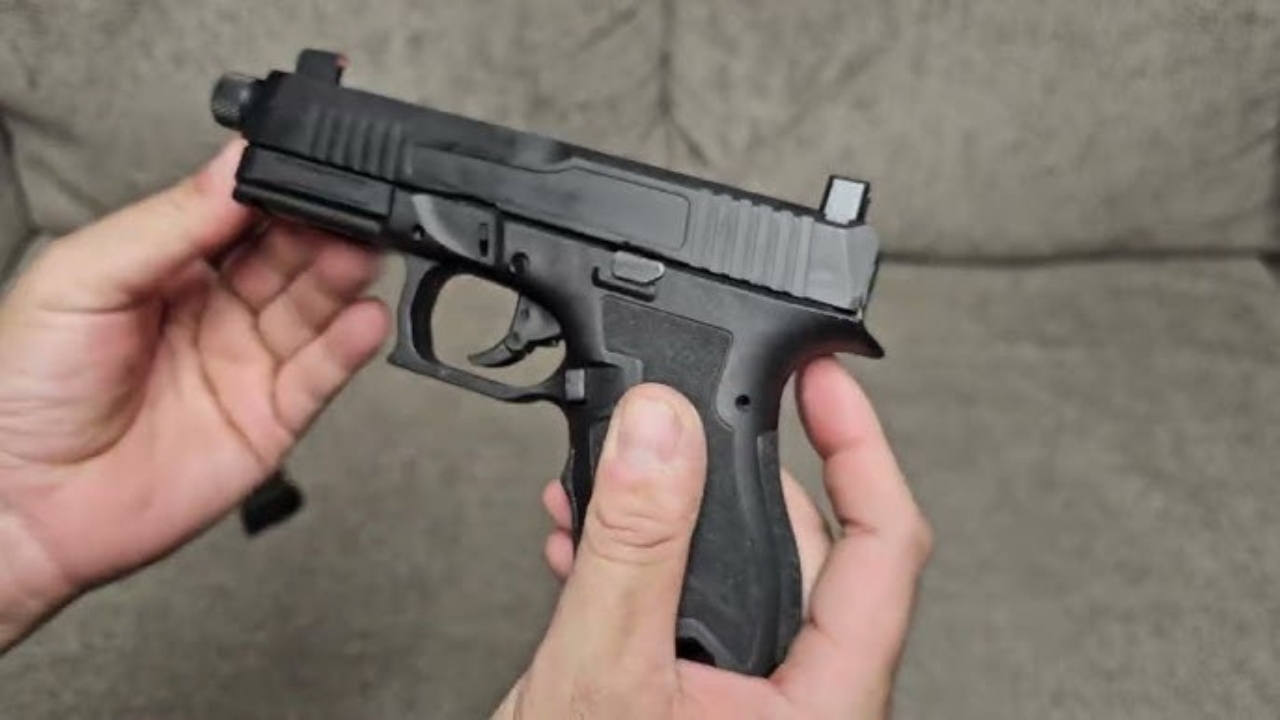
The PSA Dagger Compact is one of those guns that dealers can’t keep around when the price is right. It’s a Glock-pattern pistol that taps into a massive aftermarket ecosystem, and buyers like knowing they can find sights, holsters, and magazines without a scavenger hunt. It’s also a common “second gun” purchase—something to stash, train with, or set up as an optics-ready project.
It’s not a prestige pistol, and it doesn’t need to be. The appeal is simple: decent ergonomics, familiar controls, and a price that leaves room for ammo and a class. Quality can vary a bit gun to gun, so it’s worth giving any new purchase a real range workout before trusting it. Still, these tend to leave the shop quickly because they offer a lot of practical utility per dollar.
If you’re wondering what all 20 have in common, it isn’t hype or fancy finishes. It’s that they solve normal problems: carrying without discomfort, finding magazines easily, getting a gun that actually runs, or owning a revolver that still makes sense on a back road. The best move is simple—handle a few, be honest about what you’ll really carry, and spend the rest of your budget on ammo and practice. That’s what turns a fast-selling pistol into a long-term keeper.
Like The Avid Outdoorsman’s content? Subscribe to our newsletter so you never miss an article.
Here’s more from us: