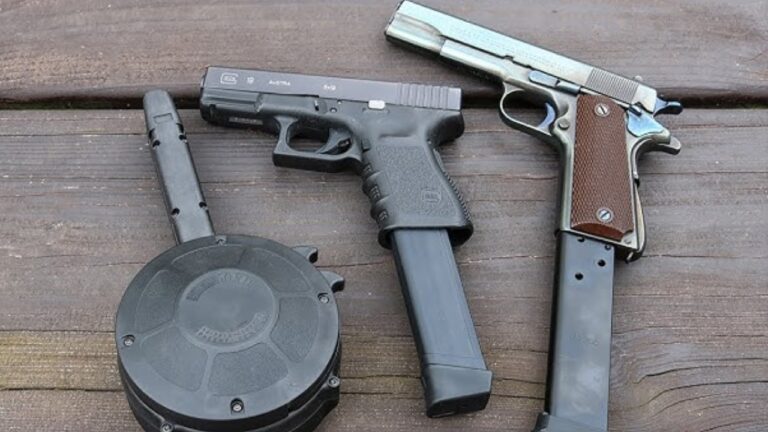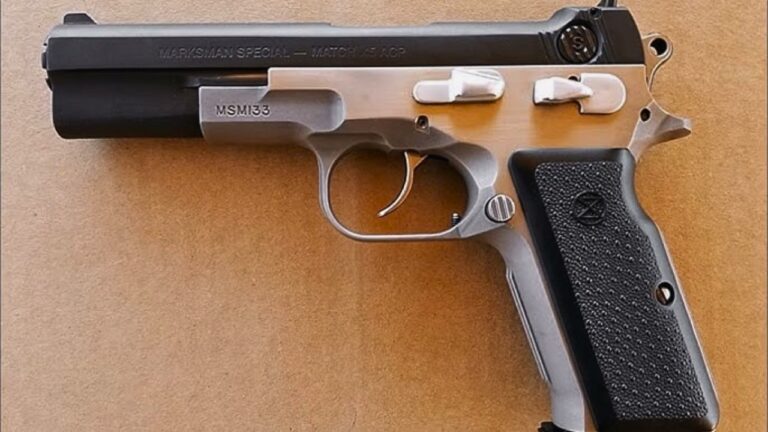
Photo credit: terry benton/Youtube
Every once in a while I’ll see a guy at the range with a pistol that looks like it’s been dragged behind a four-wheeler. Holster burn, bare spots on the finish, maybe a little surface rust that got wiped down with an oily rag. And you can tell right away it’s not a “safe queen.” It’s a working gun.
The funny part is how a lot of those plain-Jane, hard-used handguns have turned into the ones you can’t just replace on a whim anymore. Discontinued models, restricted runs, police trade-ins that dried up, old designs that the new versions don’t quite match, and the kind of build quality that got too expensive to keep doing. Here are 20 that started life as tools and ended up being the ones folks kick themselves for letting go.
1. Ruger P95 (9mm)

The P95 was never trying to win a beauty contest. It was chunky, a little blocky, and it ran. I’ve seen them go years riding in a truck console or living in a tackle box at deer camp, and they still feed ball ammo like it’s their job.
What makes it tough to replace now is that Ruger moved on, and the used ones that haven’t been “modified” by somebody with a Dremel are getting scarce. Magazines used to be easy and cheap. Now you actually have to look, and clean examples bring more than they have any right to—because they earned it.
2. SIG Sauer P229

There’s a certain feel to the older German-made SIGs that the newer guns don’t always have. The action feels like it’s on bearings, and the gun points naturally for a lot of shooters. They were duty guns for a reason.
Try replacing one in truly clean shape without paying collector-ish money. You can still buy a P229, sure, but that older fit, finish, and the “this thing will outlive me” vibe is harder to find without hunting pawn shops and paying for condition.
3. Smith & Wesson Model 10 (heavy barrel)
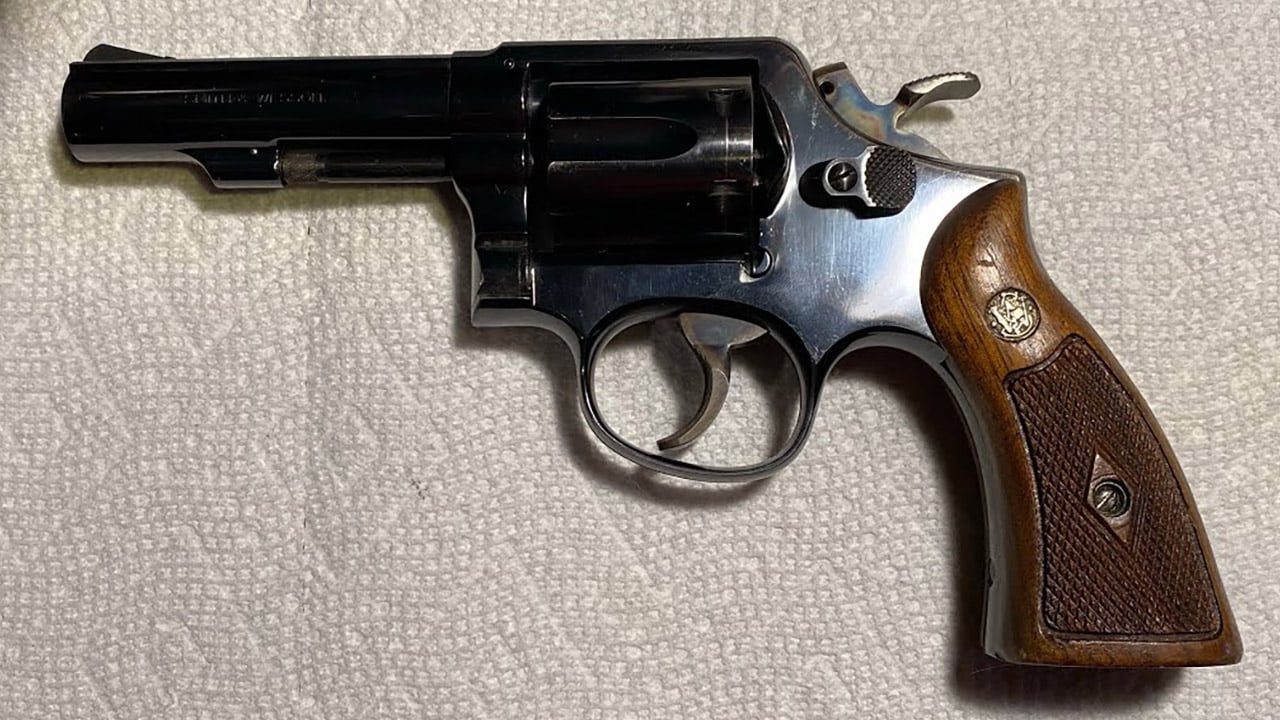
If you grew up around rural law enforcement or older outdoorsmen, you’ve seen a Model 10. It’s about as no-nonsense as a revolver gets. Accurate enough, manageable recoil, and a trigger that can be excellent even when the gun looks rough.
The problem is the honest ones—carried a lot, shot a little, not abused—are drying up. A good Model 10 has become a “buy it when you see it” revolver, especially if the lockup is tight and the timing is right.
4. Glock 17 Gen2
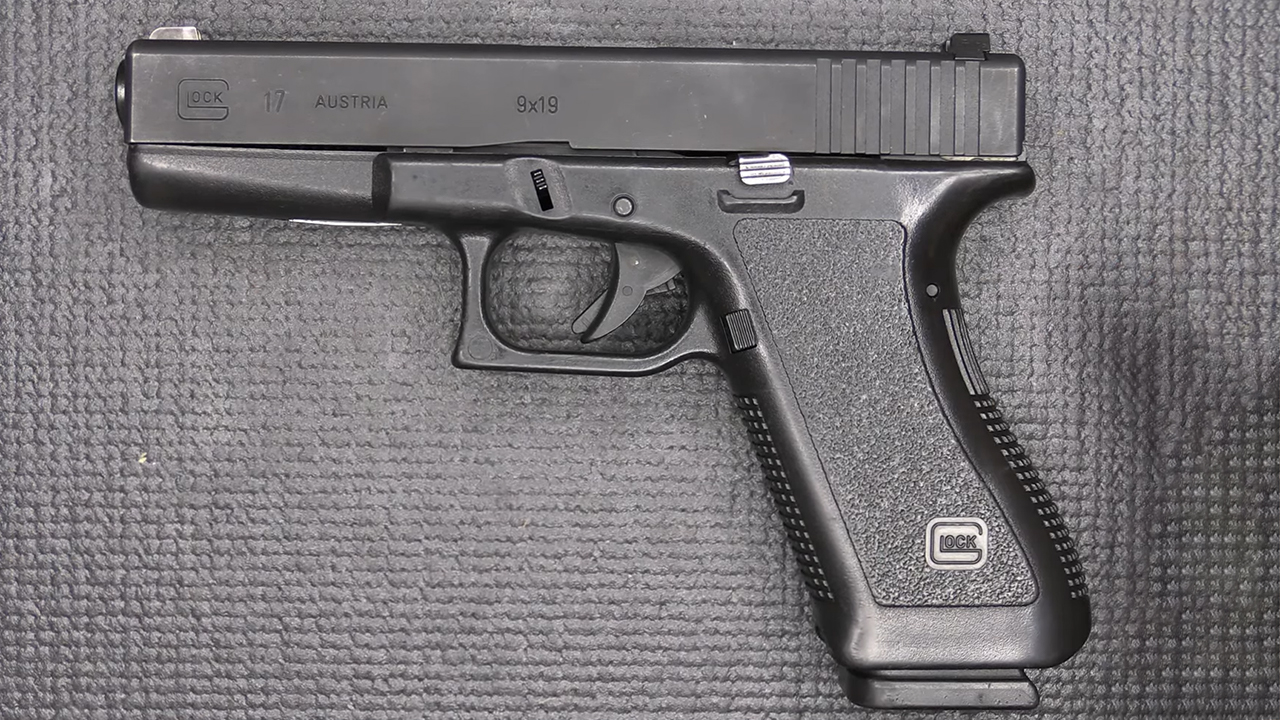
Gen2 G17s are boring in the best way. They’re light enough, simple, and they just run. The grip texture is mild compared to newer versions, and for some hands it’s actually better for long days and lots of shooting.
They used to be everywhere. Now they’re a specific “era” Glock, and clean examples bring more than a used plastic pistol should. Not because they’re fancy, but because they’re a piece of the original reliable workhorse story.
5. Beretta 92FS (Italian-made, older production)

The 92FS is a belt gun that carries flatter than people expect, and it soaks up recoil like a bigger pistol should. In a farm or camp setting, it’s the kind of gun you can hand to a competent shooter and know it’ll behave.
Italian-marked guns and older production examples have crept upward. And while new 92 variants exist, the classic feel—especially with a well-worn smooth action—isn’t something you can order with a click and get the same result.
6. Browning Hi-Power (FN production)
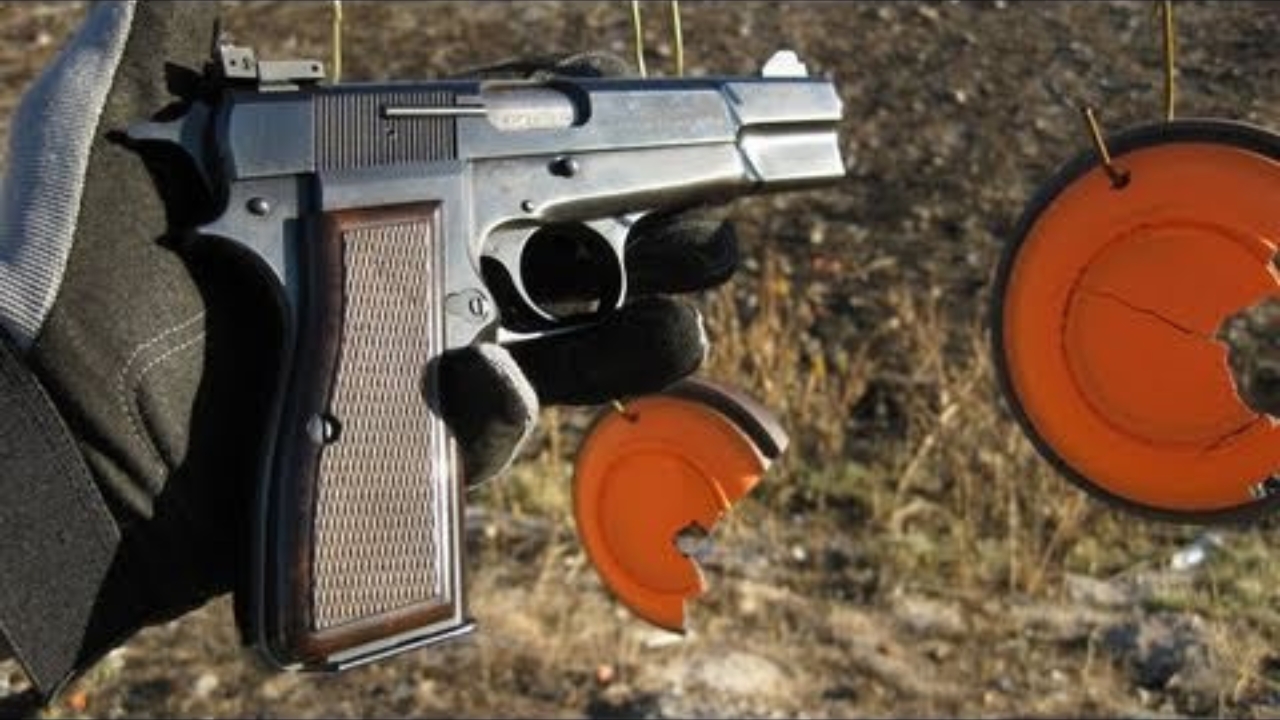
The Hi-Power has that “old world” balance that’s hard to explain until you shoot one. It sits low, points quick, and it carries surprisingly well in the woods with a good leather holster.
When production stopped and then came back in modernized forms, the original FN guns didn’t get cheaper. Good ones are now in the category of “if you sold it to pay a bill, you probably still remember the day.”
7. Colt Detective Special (older generation)
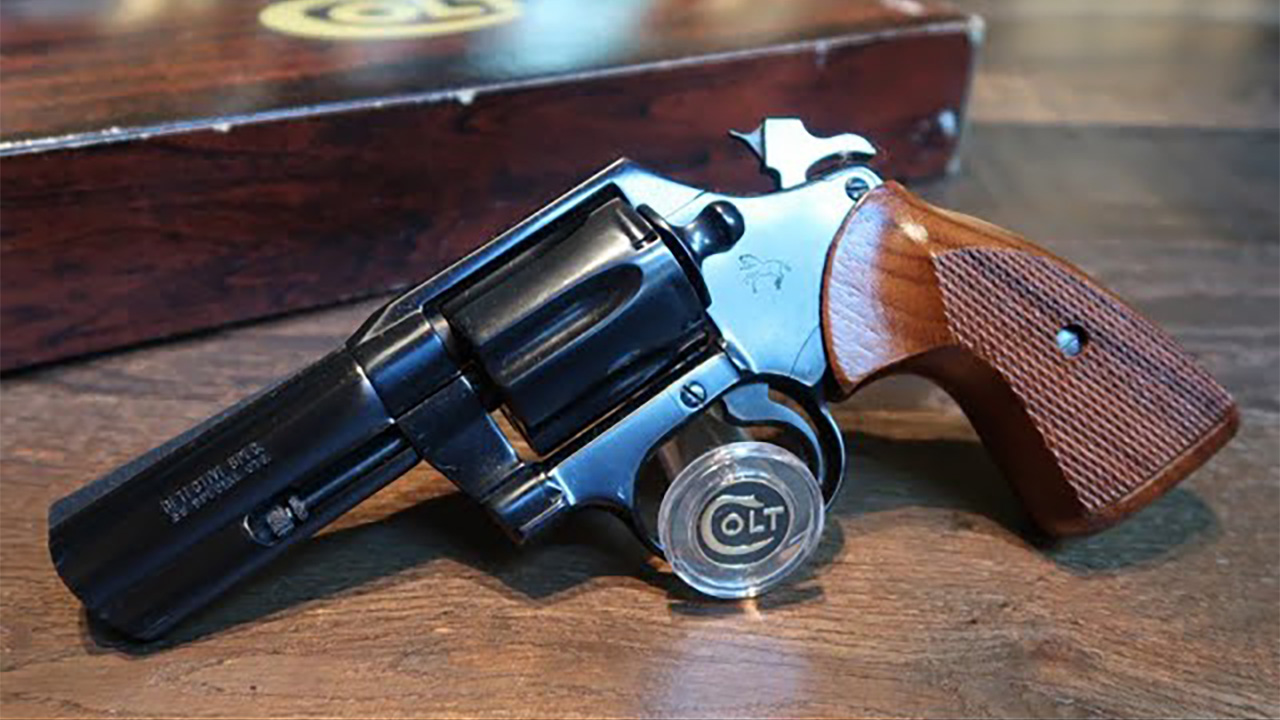
A Detective Special is a real revolver for real use, not a novelty snub. Six shots instead of five, a solid frame, and triggers that can be fantastic. It’s the kind of gun that disappears under a coat while you’re running fence or checking traps.
Colt’s old double-action revolvers have their own market now, and replacement parts and true Colt-level repair skill aren’t everywhere. You can buy a modern snub, but you can’t just replace “a good Colt” like it’s a commodity.
8. Ruger Security-Six (and Speed-Six)
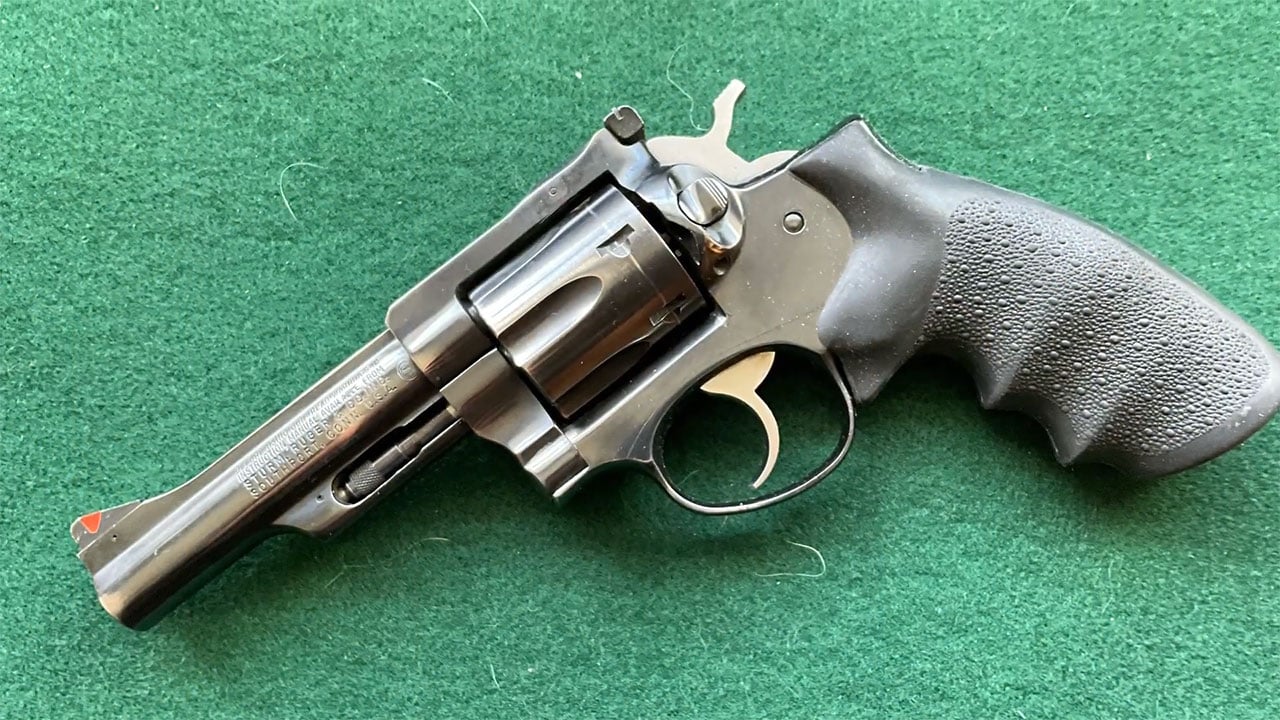
These were working-man revolvers. Strong, simple, and not delicate about ammo. I’ve seen Security-Sixes that lived in a truck for decades and still lock up fine and shoot straight.
They’re discontinued, and the ones that haven’t been beaten to death are worth grabbing. Ruger makes other revolvers, but the Six-series hits a sweet spot of size and durability that’s hard to match without spending a lot more.
9. CZ 75B (older Czech production)

A good CZ 75 has that “settles into your hand” thing going on. Steel frame, mild recoil, and accuracy that surprises people who are used to plastic striker guns. It’s also a pistol that makes you want to shoot better.
Prices on older examples have crept up, and certain configurations are getting hard to track down. You can still find CZs, but replacing a specific older gun you bonded with is not as simple as grabbing the newest SKU.
10. Heckler & Koch P7 (PSP/M8)

The P7 is weird on paper and amazing in the hand. It carries flat, shoots soft, and it’s accurate enough to make you look like a better shooter than you are. The squeeze-cocker system is not for everybody, but it’s a serious design.
Replacing one now is the definition of “at any price.” They’re out of production, magazines aren’t cheap, and condition matters a lot. If you had one as a daily carry and sold it because it was “too heavy,” that one hurts.
11. Smith & Wesson Model 19 (blued K-frame)

The Model 19 is one of those revolvers that just feels right. Enough weight to shoot well, not so much you leave it at home, and the bluing on older guns can be gorgeous even when it’s worn thin on the edges.
It’s also a gun that got carried a lot by people who actually used revolvers for work. Finding one now that’s not shot loose, not messed with, and still has that classic trigger can take real patience—and real money.
12. Smith & Wesson Model 66 (no-dash and early variants)
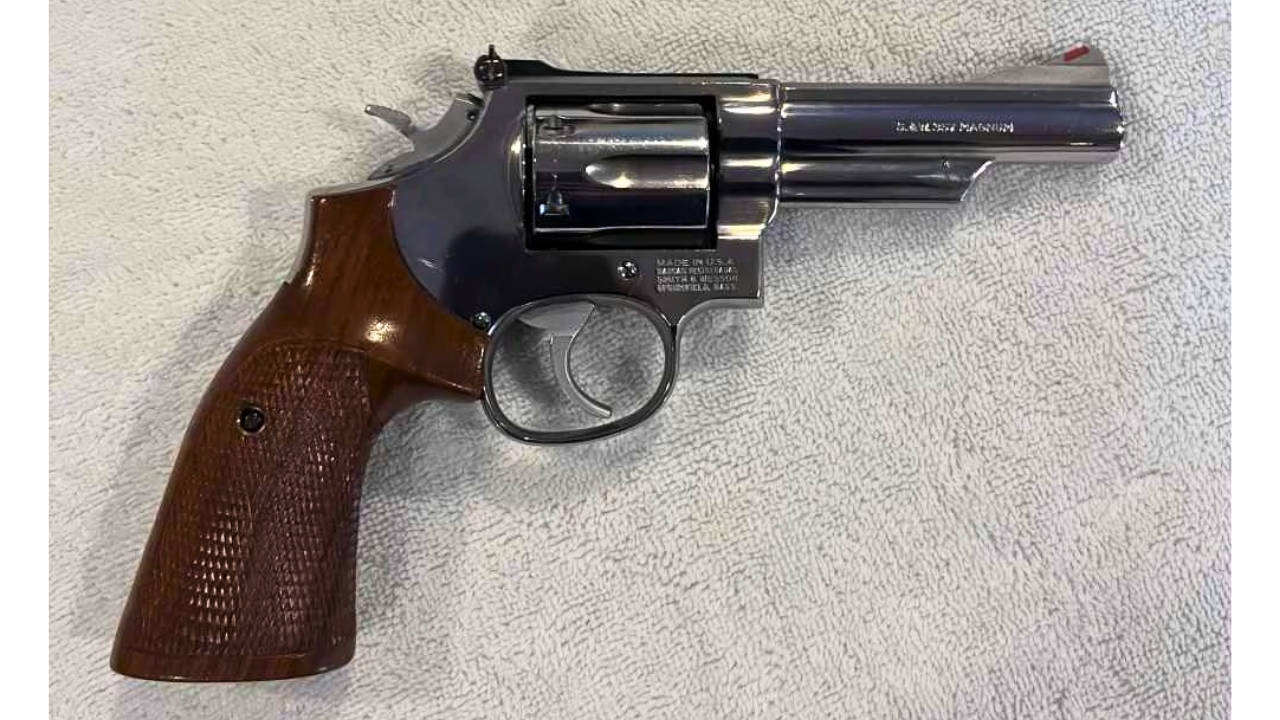
Stainless Model 66s were the “do it all” sidearm for a lot of outdoorsmen: rain, sweat, mud, it didn’t matter as much. A 66 on the hip with .38s for practice and .357s for serious use made sense.
Modern versions exist, but the older guns have a feel and balance that people chase. Used prices climbed because the supply of clean, un-abused revolvers isn’t getting bigger.
13. Colt Python (older blued guns)

The Python is not a “working tool” in price anymore, but plenty of them started that way. Back when a guy could buy one and actually carry it, they did. The action is smooth, the sights are good, and it shoots like it wants to impress you.
Now it’s a different world. Even with reintroduced models on the market, original Pythons in honest condition are in the “I should have kept it” category. If yours had holster wear, it probably meant you were doing it right.
14. Ruger Mark II (Target and Government models)

A .22 pistol that runs is a workhorse in any outdoorsman’s life. Snake duty around the barn, potting a rabbit in season where legal, teaching new shooters, cheap trigger time—those guns get used.
The Mark II has a reputation for reliability and longevity. The newer versions have their perks, but plenty of folks prefer the older feel and simplicity. Try finding a clean Mark II with the barrel length you want and no bubba mods, and you’ll see what I mean.
15. Smith & Wesson 3913 (3rd Gen 9mm)
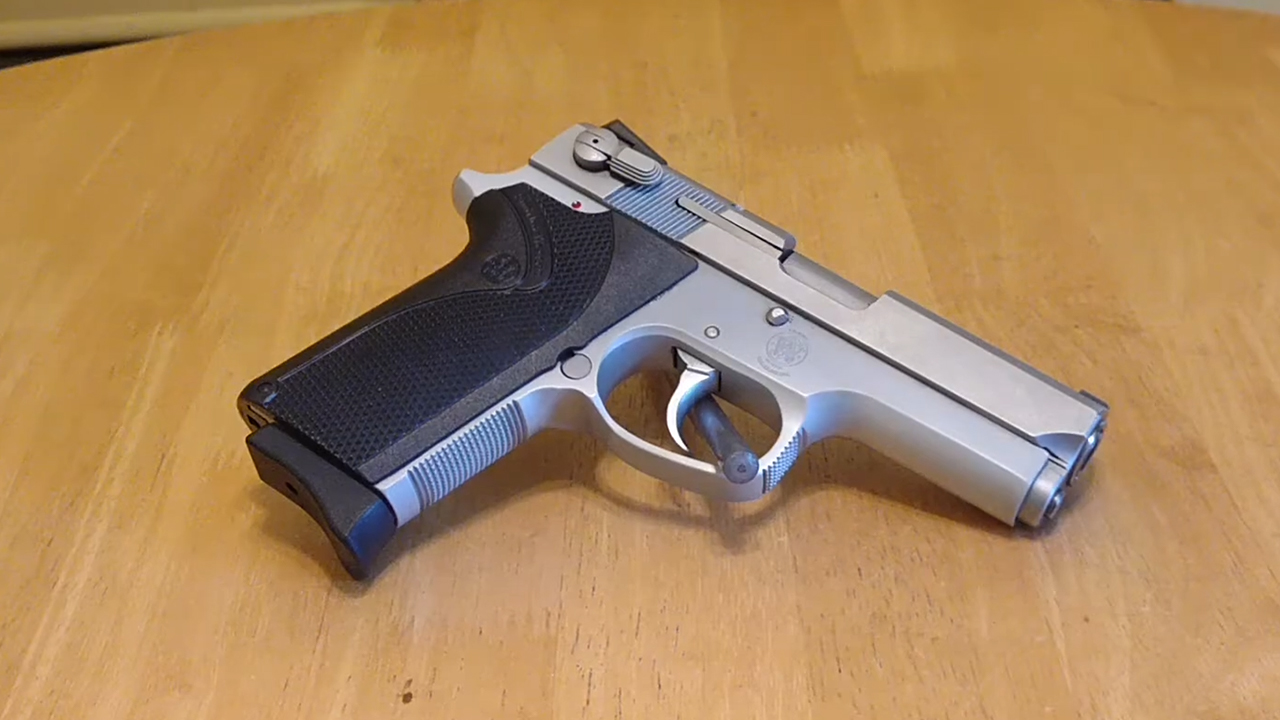
The 3913 was a near-perfect carry pistol for its time: slim, reliable, and easy to live with all day. It carries like a compact but shoots like something bigger. I’ve watched people borrow one at the range and immediately start shopping for one.
Then they learn what’s happened to prices. Good 3rd Gen Smiths are not cheap anymore, and magazines and small parts aren’t as common at the local shop. Replacing a known-good 3913 is way harder than it should be.
16. Smith & Wesson 5906 (stainless duty tank)
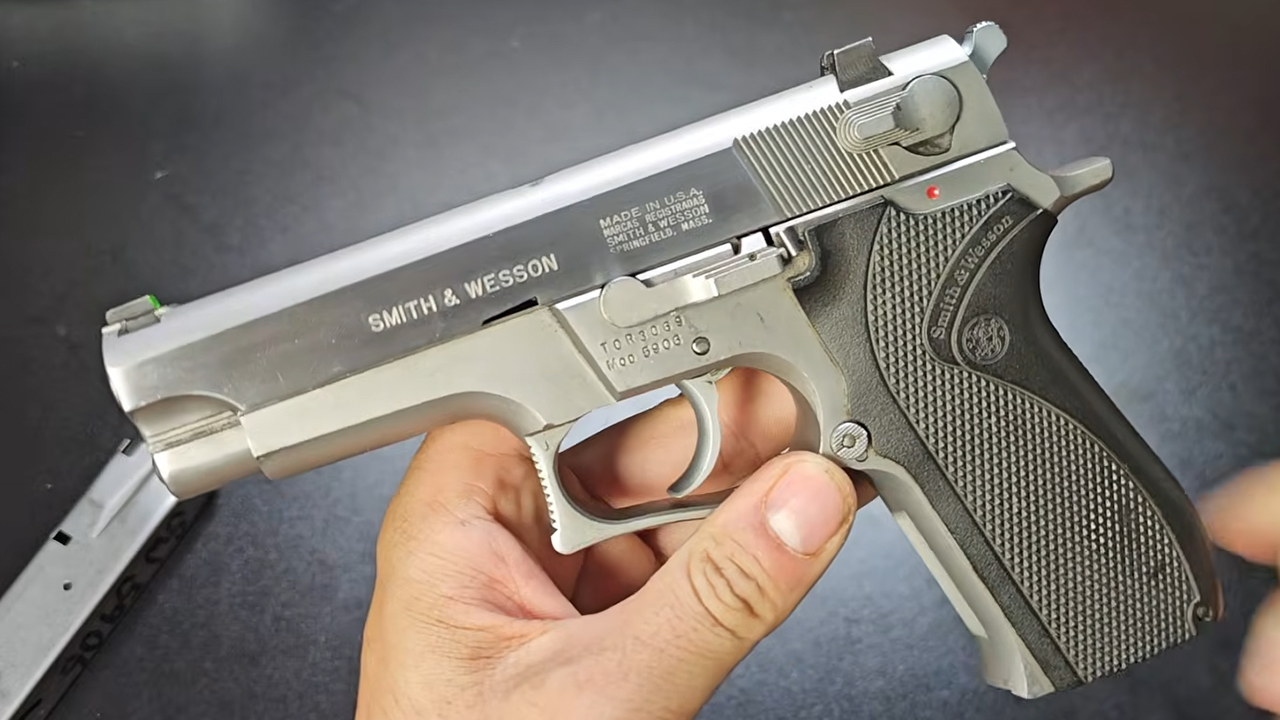
The 5906 is heavy. There’s no getting around it. But it’s the kind of heavy that makes sense when you’re shooting fast or shooting a lot. It’s also the kind of pistol that shrugs off abuse.
Police trade-ins used to be stacked deep. Now the supply is thin and the nice ones go fast. If you want an all-stainless, hammer-fired 9mm built like a hand tool, you’re not going to find many modern equivalents for the same money.
17. SIG Sauer P220 (West German)
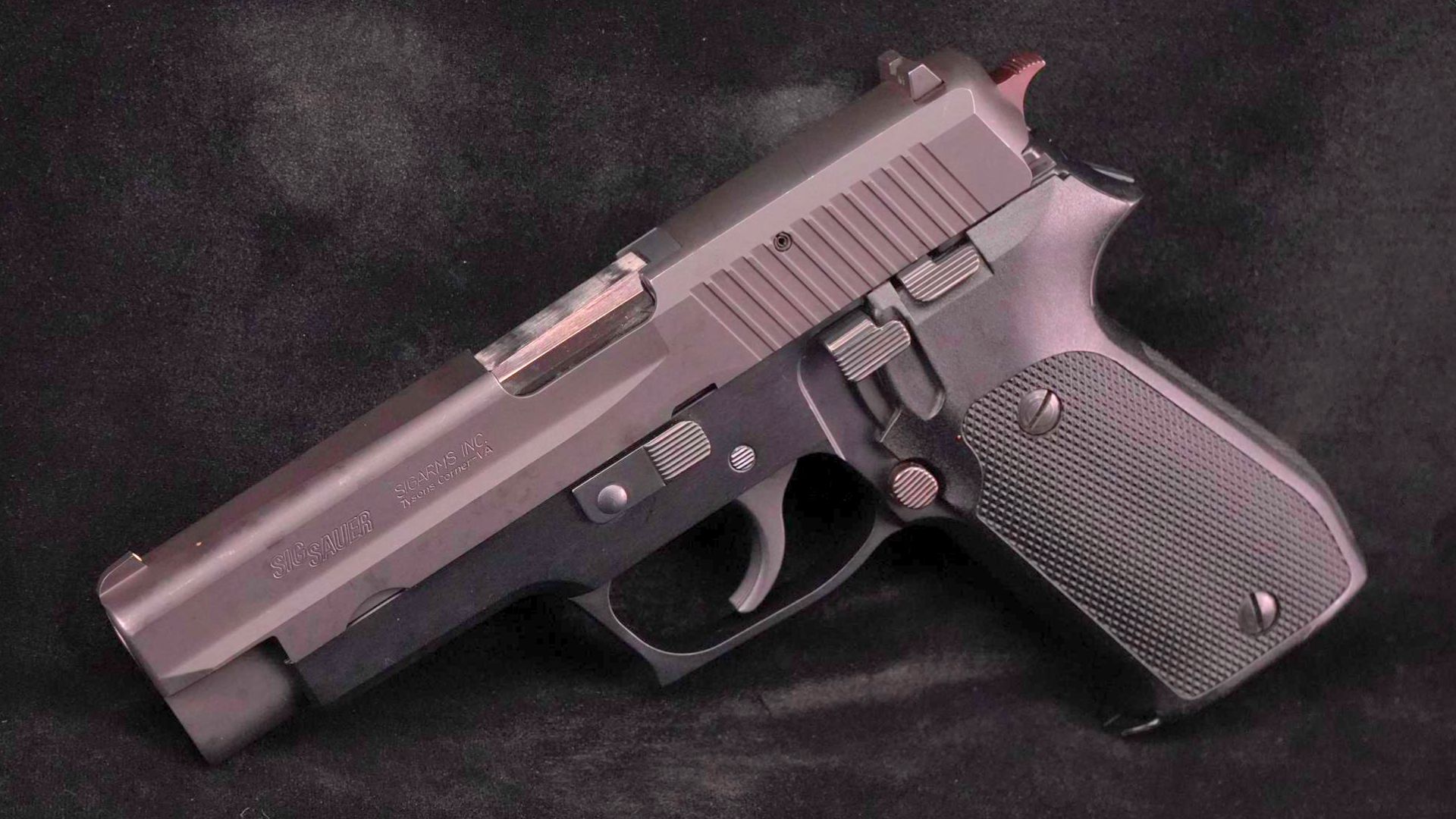
The P220 has fed a lot of .45 ACP over the years without drama. It’s accurate, points naturally, and the older guns have a certain confidence to them. For a camp gun or nightstand gun, it’s hard to argue against.
Replacing an older West German example isn’t just about money. It’s about finding one that hasn’t been “upgraded” into problems. When you find a clean one with a good trigger, it feels like you lucked into it.
18. Ruger SP101 (2.25-inch .357)

There is nothing fancy about an SP101, and that is kind of the point. It’s small enough to carry, heavy enough to actually shoot with real .357s, and tough enough to live in the real world.
You can still buy them new, but try replacing one that’s already slicked up from years of carry with a naturally smoothed action. A broken-in SP101 is a different animal than a brand-new one, and you don’t get that time back.
19. Dan Wesson Model 15 (interchangeable barrel revolver)
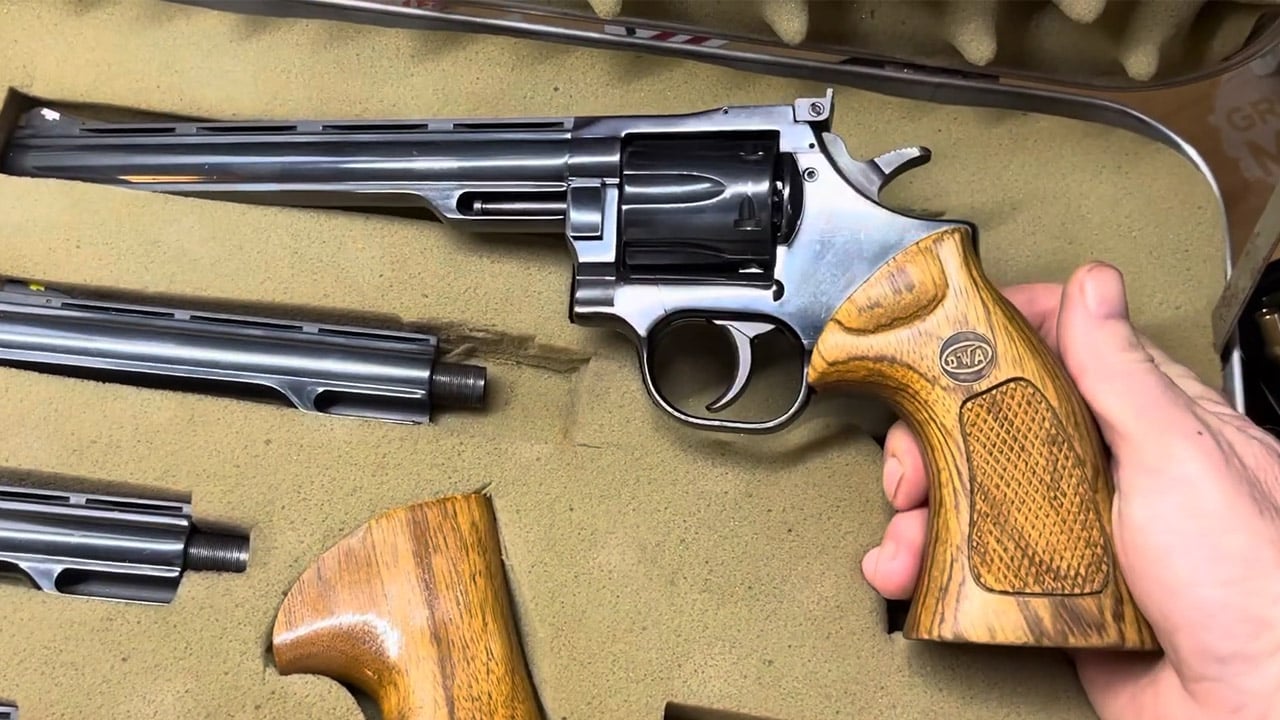
Dan Wesson revolvers were built like somebody cared. The interchangeable barrel setup made them uniquely useful: one frame, different roles. A guy could run a short tube for carry and a longer one for hunting or field use.
They aren’t impossible to find, but finding the right package with the barrels, shrouds, and wrench—and in good shape—is a scavenger hunt now. When you stumble onto a complete kit, the price usually reflects it.
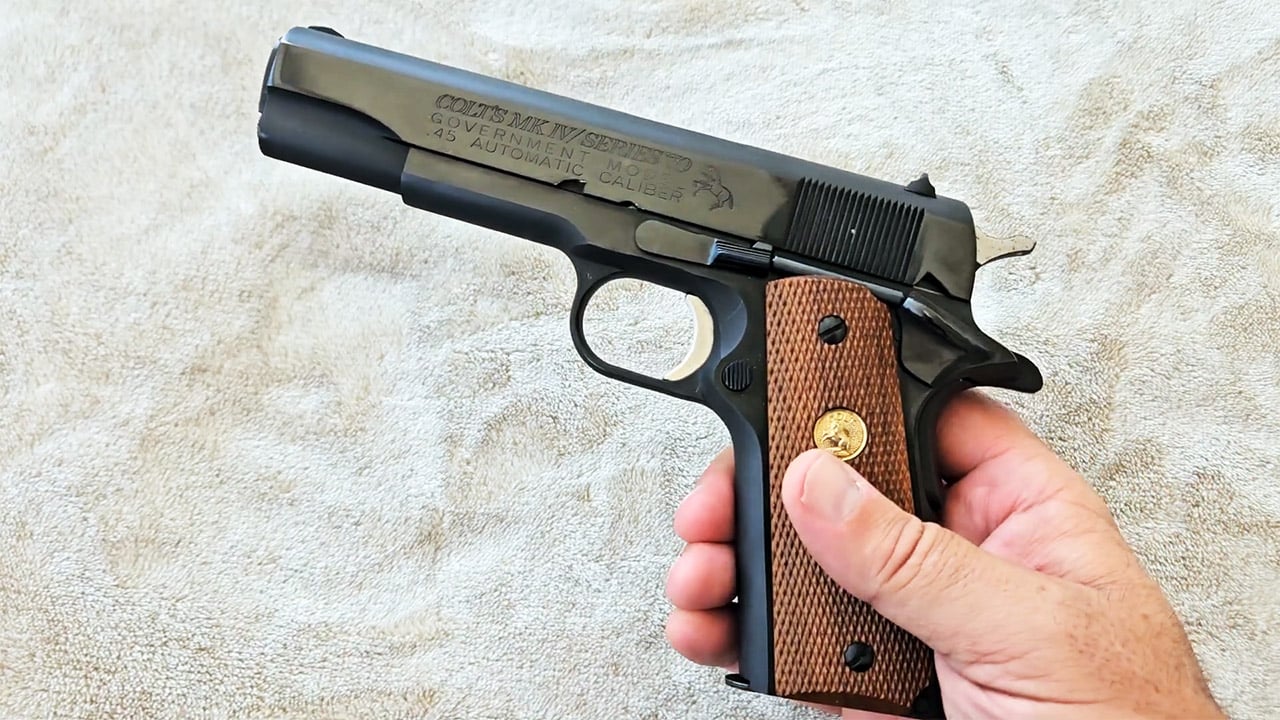
20. Colt Government Model Series 70 (original production)
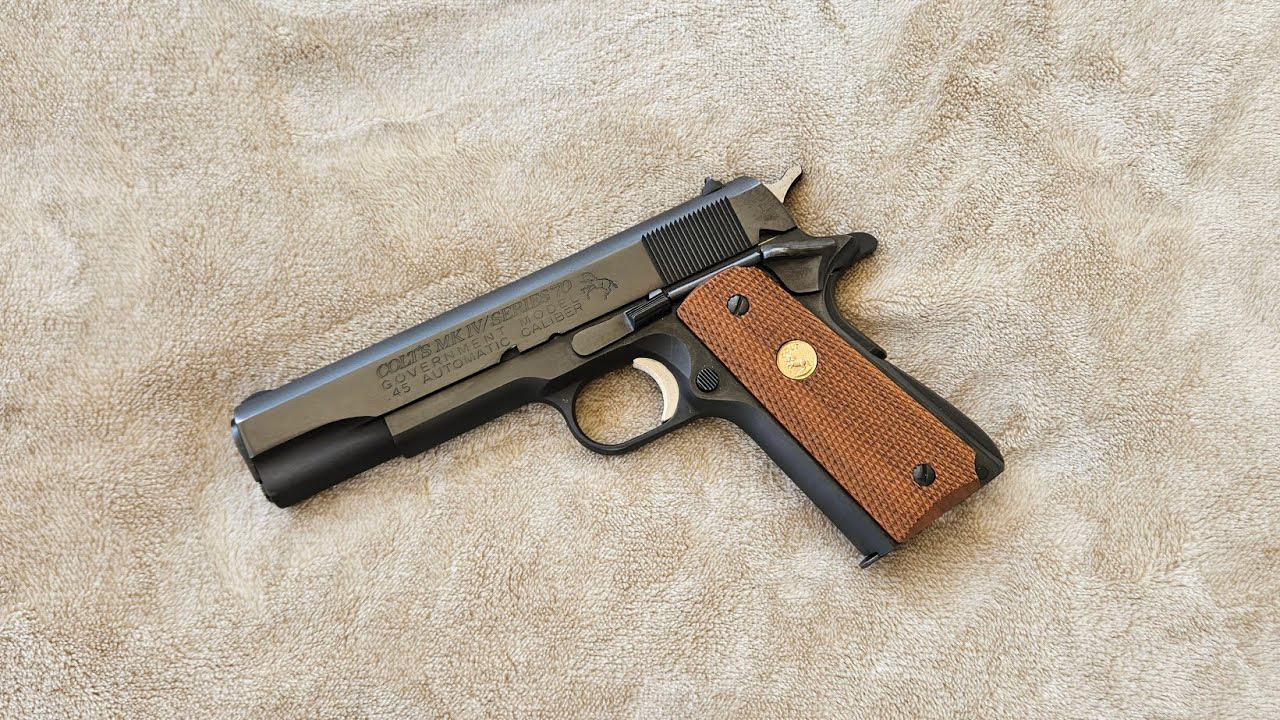
A Series 70 Government Model is one of those pistols that can be dead reliable if it’s left alone and set up right. They were carried, competed with, and used as actual sidearms back when 1911s were just “pistols,” not fashion statements.
The originals have climbed into a space where replacing one feels like buying a piece of history. Plenty of modern 1911s shoot great, but an honest old Colt with normal wear, good bones, and no nonsense work done to it is its own thing.
None of these handguns are magic. Some are heavy, some are dated, some have quirks that newer designs solved. But they all share one trait: they were built to get used, and enough of them got used hard that clean, correct examples are now harder to come by than most folks expect. If you’ve got one that you trust, treat it like the tool it is—keep it maintained, keep it secured, and think twice before you trade it off for the next shiny thing.
Like The Avid Outdoorsman’s content? Subscribe to our newsletter so you never miss an article.
Here’s more from us: