Photo credit: Sheepdog Marksmanship Training/YouTube
We may earn revenue from products featured on this page through affiliate links.
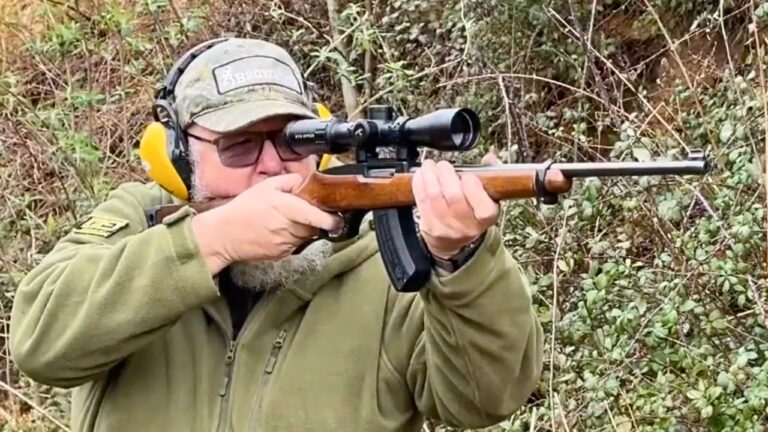
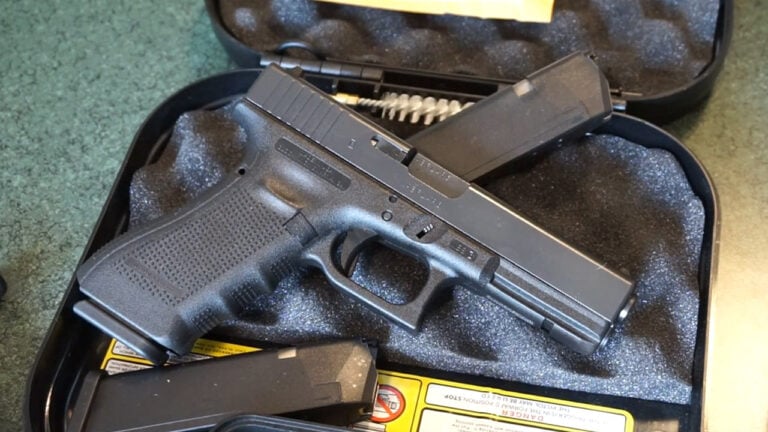
Concealed carry isn’t hard because the gun is complicated. It’s hard because real life is messy. You’re sitting, driving, picking up kids, leaning over, sweating, wearing different clothes, moving fast, and trying to stay normal while carrying a tool that can ruin your life if you get careless. Most “carry mistakes” aren’t tactical problems either. They’re routine problems: bad holsters, bad habits, lazy handling, and confidence that isn’t backed by reps. The good news is you can fix almost all of it without turning into a full-time gun guy. You just need to quit doing the common dumb stuff and build a carry setup that stays boring every day.
Carrying a gun you don’t actually carry consistently
The first mistake is choosing a carry gun that you like in theory but don’t carry in real life. Guys buy something heavy, sharp in recoil, too big for their clothes, or too uncomfortable for long days, then they “carry” it twice a week and leave it home the other five days. Then they tell themselves they’re armed, when they’re really armed only when it’s convenient. The fix is brutal honesty: if you won’t carry it when you’re sweating, driving, at the store, or chasing kids, it’s not your carry gun. Pick something you can shoot well and actually keep on you. Carry consistency beats caliber arguments, beats capacity debates, beats internet “best gun” talk. A smaller, boring pistol that’s always there is better than the perfect pistol that lives in a drawer.
Cheap holsters and soft holsters that turn reholstering into a gamble
Bad holsters are responsible for a shocking amount of unsafe carry. Soft holsters collapse, shift, and let clothing or drawstrings drift into the trigger guard. Universal “fits everything” holsters often don’t cover the trigger guard correctly, don’t retain the gun consistently, and move around all day until your draw becomes a fishing expedition. If you’re serious about carrying, you need a holster that stays open when the gun is out, fully covers the trigger guard, and locks the gun in place the same way every time. If you want a proven style that a lot of regular carriers stick with because it’s comfortable and stable, something like the CrossBreed MiniTuck IWB holster is built around a leather backer with a molded Kydex pocket and adjustable cant and ride height. The fix isn’t buying a drawer full of holsters. The fix is buying one quality holster that fits your exact gun and then actually learning your draw with it.
A flimsy belt that lets the whole system sag, shift, and print
A lot of people blame the gun for being uncomfortable when the real issue is the belt. A soft department-store belt will fold under the weight of a pistol and holster, which makes the gun tip outward, print, and shift every time you move. That leads to constant adjusting, which draws attention, and it also makes your draw inconsistent because the gun never sits in the same place. A real carry belt isn’t about looking “tactical.” It’s about stiffness and support. Bass Pro’s Cabela’s Gun Belt is designed specifically to support a holstered handgun and accessories and uses a hook-and-loop inner/outer setup with a 1.75″ width and a GT Cobra-style high-strength polymer buckle system. The fix is simple: build a stable platform first. A good holster on a bad belt still carries like junk. A decent gun on a good belt suddenly feels lighter, hides better, and draws the same way every time.
Obsessing over speed and ignoring safe handling during admin tasks
Most negligent discharges don’t happen during a defensive draw. They happen during the boring stuff: loading, unloading, holstering, unholstering, “just checking it,” and “moving it for a second.” New carriers love to handle the gun. They fiddle with it, show it, take it off, put it on, unload it at night, load it in the morning, and every time they do that they create another chance for a mistake. The fix is reducing admin handling and treating holstering like the dangerous part, because it is. Your draw can be fast; your reholster should be slow and deliberate. Keep your finger high on the frame, look the gun into the holster when you reholster, and stop trying to reholster like you’re racing a timer. Also stop constantly unloading and reloading to “be safe.” A stable routine and proper storage reduce handling. More handling doesn’t make you safer; it makes you more likely to screw up.
Carrying chamber-empty because you haven’t trained the alternative
A lot of people carry with an empty chamber because it feels safer, but then they never practice drawing and chambering under pressure, one-handed, or while moving. That’s the problem. An empty chamber is a training decision, not a magic safety feature. If you can’t reliably rack the slide under stress, you’ve added a step that may fail at the worst time. The fix is picking a carry method that matches your ability and then training it honestly. If you carry chambered, the safety comes from a rigid holster that covers the trigger guard and from disciplined handling. If you carry chamber-empty, you need to practice chambering the gun in realistic ways, including one-handed methods, because real life doesn’t guarantee two hands. Most people aren’t willing to put in that work, which is why chamber-empty carry often turns into false confidence.
Buying “carry ammo” and never proving it runs in your gun
Another classic mistake is buying a box of defensive ammo, loading it once, and assuming you’re done. Guns can be picky. Magazines can be picky. Some hollow points feed differently. Some loads hit to a different point of impact. If you haven’t fired your carry ammo through your carry mags, you’re guessing. The fix is not blowing hundreds of dollars, but you do need to run enough to confirm function—at least a couple magazines’ worth through each mag you actually carry—and you need to know where it prints compared to your practice ammo. If your carry gun chokes on your carry load, nothing else matters. The boring truth is that reliability beats everything. Don’t build a carry setup on assumptions just because the box said “personal defense.”
Ignoring comfort and concealment realities, then “fixing” it with constant adjusting
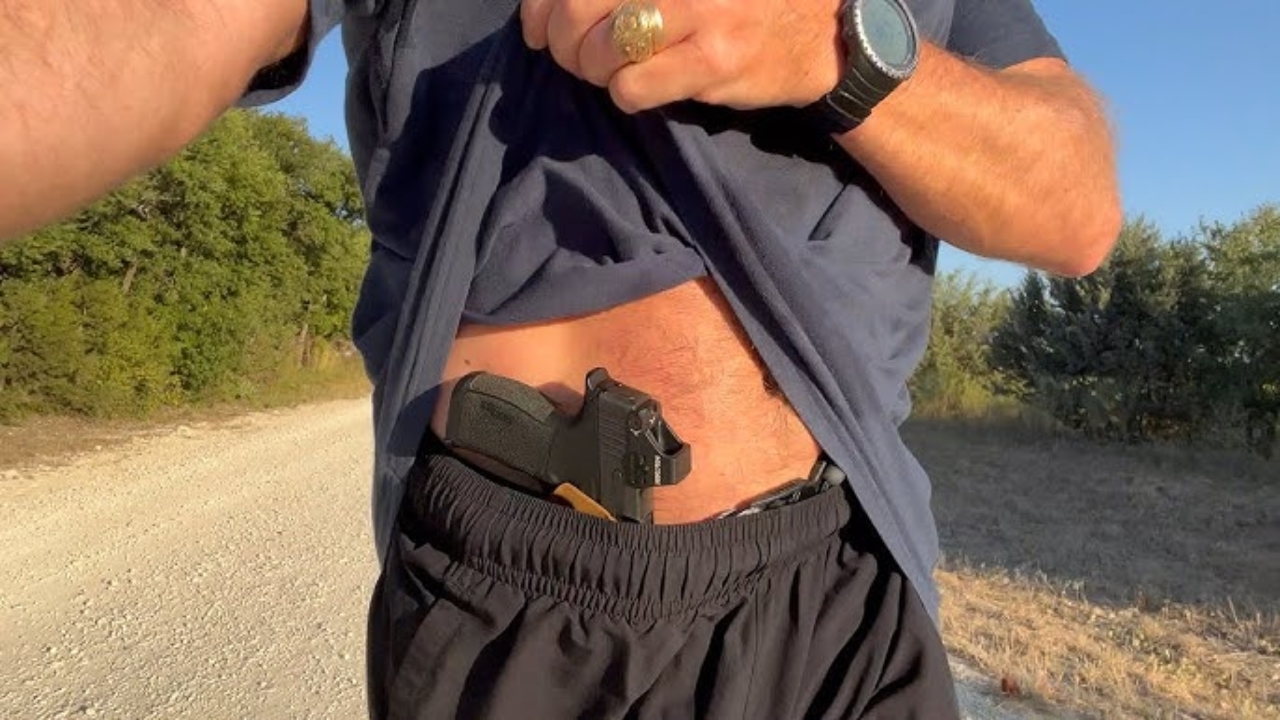
If you find yourself tugging your shirt, shifting your holster, adjusting your belt, or touching the gun every ten minutes, your setup is wrong. Constant adjusting is a sign your gun is moving, printing, or poking you in a way that’s going to make you stop carrying eventually. It also draws attention, and it’s how people get spotted. The fix is usually not a new gun. It’s correcting ride height, cant, and belt support, and choosing a holster position that fits your body type and daily movements. Some guys do great at appendix, some don’t. Some do better at 3–4 o’clock, some don’t. The goal is a setup that disappears and stays put even when you’re bending, sitting, and driving. If the carry position is miserable in the truck, you won’t carry on road days, and that’s the same “inconsistent carry” failure wearing a different shirt.
Not practicing the draw, then assuming range time equals carry competence
A lot of people shoot a box of ammo at a static range and think they’re ready. Then they realize they’ve never drawn from concealment, never cleared a cover garment under stress, never established a real firing grip on the draw, and never tested whether they can get the gun out cleanly while seated. Carry is a set of skills, not a vibe. The fix is dry practice done safely and consistently. Work garment clearing, grip acquisition, presentation, and a safe reholster. Then confirm it live at a range that allows draw work or in a reputable class. You don’t need to be a competition shooter, but you do need to be competent at the exact thing concealed carry demands: getting a first accurate hit quickly from concealment without doing anything unsafe. If you can’t do that, you’re carrying an object, not a capability.
The carry setup that works is boring, repeatable, and verified
The guys who carry for years without drama usually share the same habits: one stable holster, one real belt, minimal handling, proven ammo, and enough practice that the draw feels normal. That’s it. They aren’t constantly changing guns, chasing fads, or arguing online about what’s “best.” They picked a system that fits their life and they made it repeatable. The worst concealed carry mistakes usually come from ego: thinking you don’t need training, thinking gear makes you competent, thinking safety rules are for other people, thinking you can “wing it” because you’ve shot a few times. Carry punishes that mindset. If you want to carry safely and effectively, build a stable platform, verify your setup, and stop doing the common dumb things that create preventable problems.
Like The Avid Outdoorsman’s content? Subscribe to our newsletter so you never miss an article.
Here’s more from us: