Photo credit: Arina P Habich/ShutterStock.com
Every shooter eventually learns that wind is the biggest variable once you stretch past 200 yards. Ballistics charts can tell you drop, but no table can read a crosswind at 450 yards. That’s where discipline makes the difference. Consistent shooters develop habits to account for wind instead of blaming it afterward. They don’t hope their shots land—they make the corrections needed. Understanding how to read, adjust, and trust your call is what separates the consistent marksman from someone who hits once in a while.
Reading Mirage Instead of Guessing
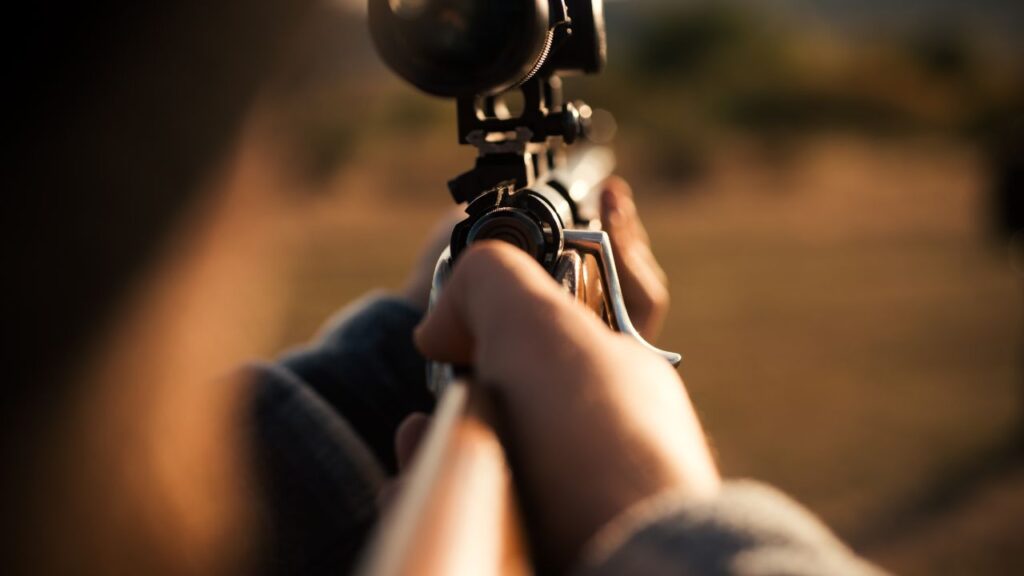
Mirage isn’t just heat shimmer—it’s one of the best tools you have for reading wind. At long range, it shows both direction and speed when flags aren’t available. A disciplined shooter studies the angle and speed of that shimmer before sending a shot.
If the mirage flows flat across the field, you know wind is stronger. If it’s lifting more vertically, the breeze is lighter. Lucky shooters ignore these clues. Consistent shooters make them part of every shot decision.
Trusting Wind Indicators at the Muzzle
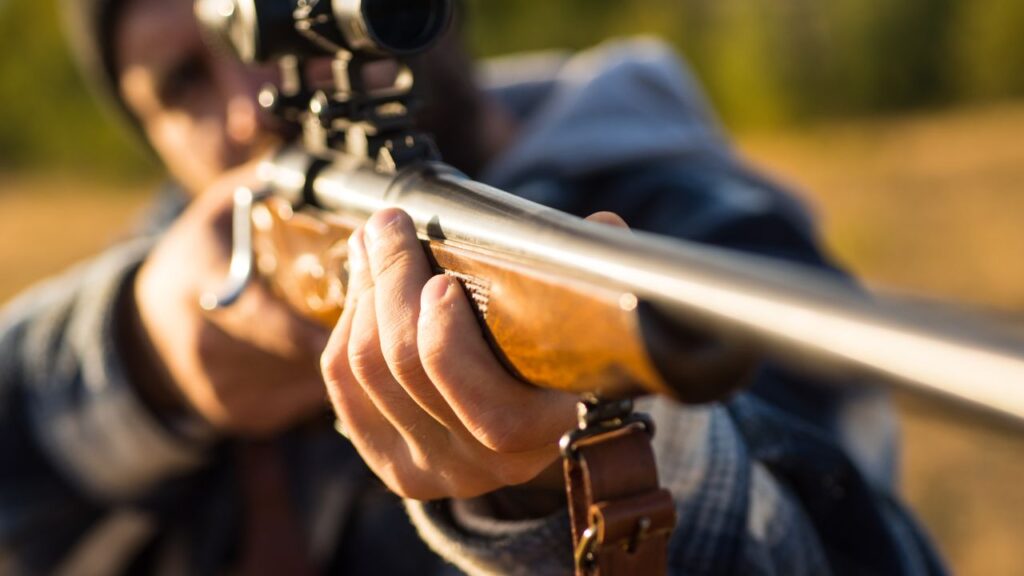
Many shooters only think about conditions downrange, but the first few yards out of your barrel matter most. A puff of grass, a ribbon on a post, or even drifting smoke at the muzzle can show wind effects you need to account for.
Disciplined shooters check these indicators before every shot. Lucky ones often glance downrange and forget the start of the bullet’s flight path. By learning to read close-range wind, you build corrections into your hold that pay off in consistency.
Learning to Hold Off Instead of Dialing

While dialing elevation is common, wind calls are often better handled with hold-offs. That means knowing your reticle and using it with precision. Wind shifts quickly, and disciplined shooters adapt faster with a hold than by spinning turrets.
When you hold correctly, you’re making real-time adjustments that match current conditions. Shooters who rely only on dialing often chase the wind too late. The difference comes down to practice and confidence in your reticle, not luck.
Breaking the Shot in a Steady Window
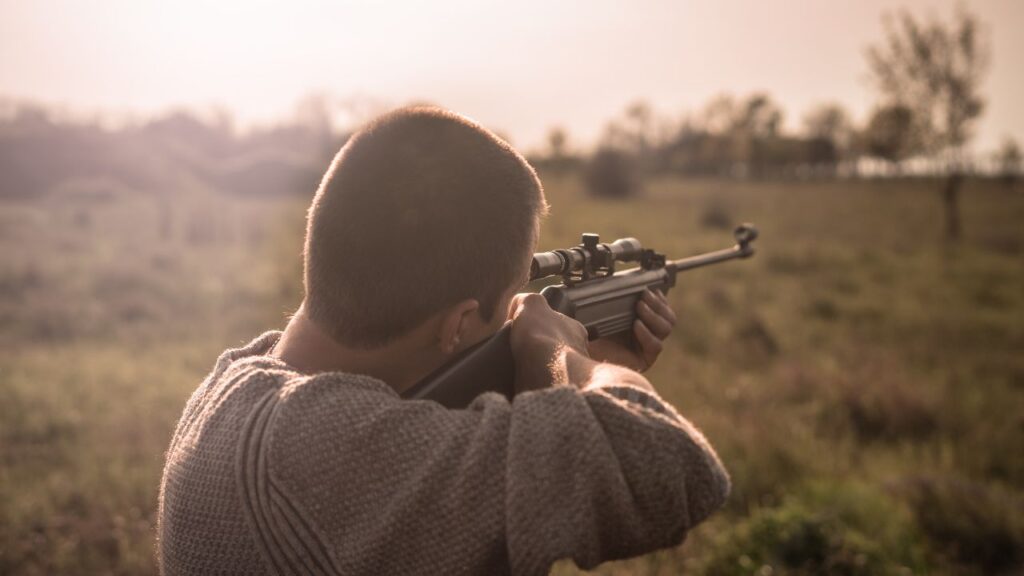
Wind isn’t constant—it pulses. Consistent shooters learn to break their shots during steady periods instead of during gusts. That requires patience and control, waiting for the right window rather than forcing the trigger when the breeze is unstable.
By timing shots to match lulls, you reduce the risk of unpredictable pushes. This discipline often means missing opportunities for speed, but it delivers repeatable accuracy. Lucky shooters pull the trigger whenever and hope the gust doesn’t ruin it.
Recording Real-World Data
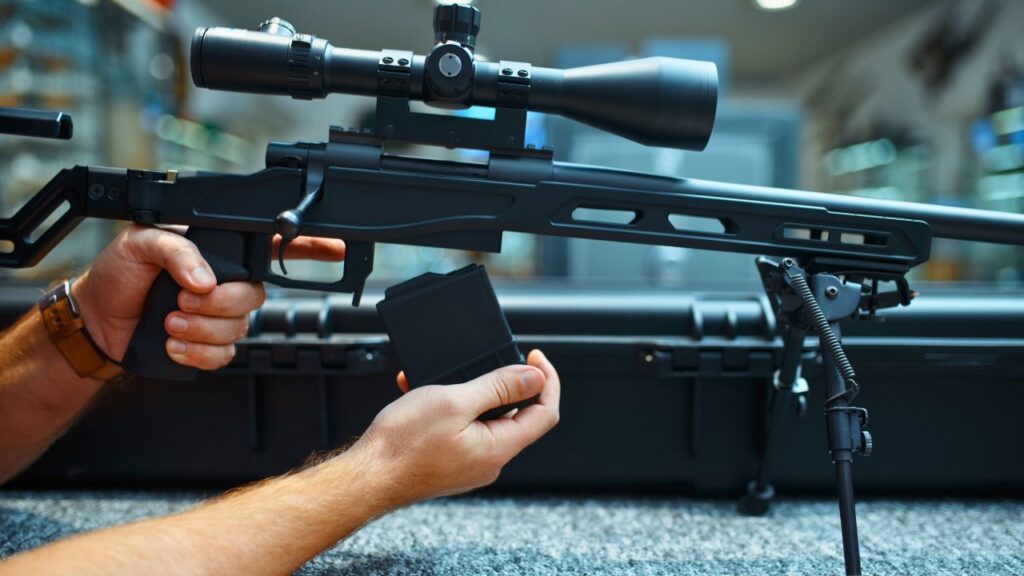
Charts are helpful, but nothing replaces your own field notes. Seasoned shooters log wind calls, holds, and actual impacts. Over time, this data builds confidence for similar conditions in the future. You can’t fake experience with recorded results.
Consistent shooters build a notebook of wind lessons. Lucky shooters show up with factory ballistics apps and little else. The ones who take time to write things down eventually build skill that works across ranges and conditions.
Training in Crosswind, Not Calm
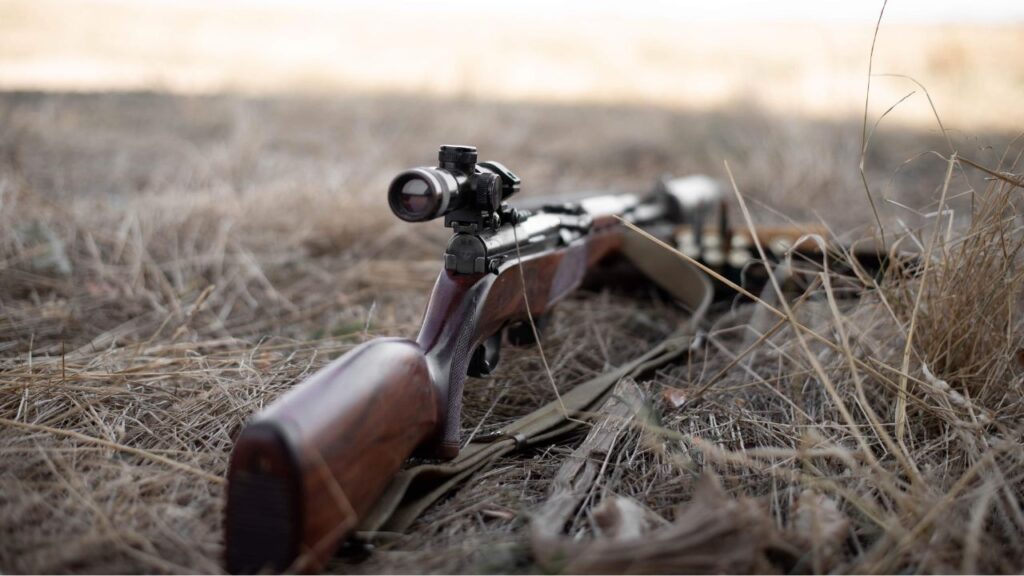
Many shooters only train on calm days because it feels easier and builds confidence. But that doesn’t prepare you for real-world conditions where the wind rarely gives you a break. Disciplined shooters practice in crosswinds to sharpen their skills.
By learning how to hold, time, and adjust under pressure, you become comfortable when conditions are challenging. Lucky shooters avoid those days, only to get surprised when hunts or competitions demand real wind calls. Practice in the wind sets you apart.
Knowing Your Bullet’s Drift by Caliber
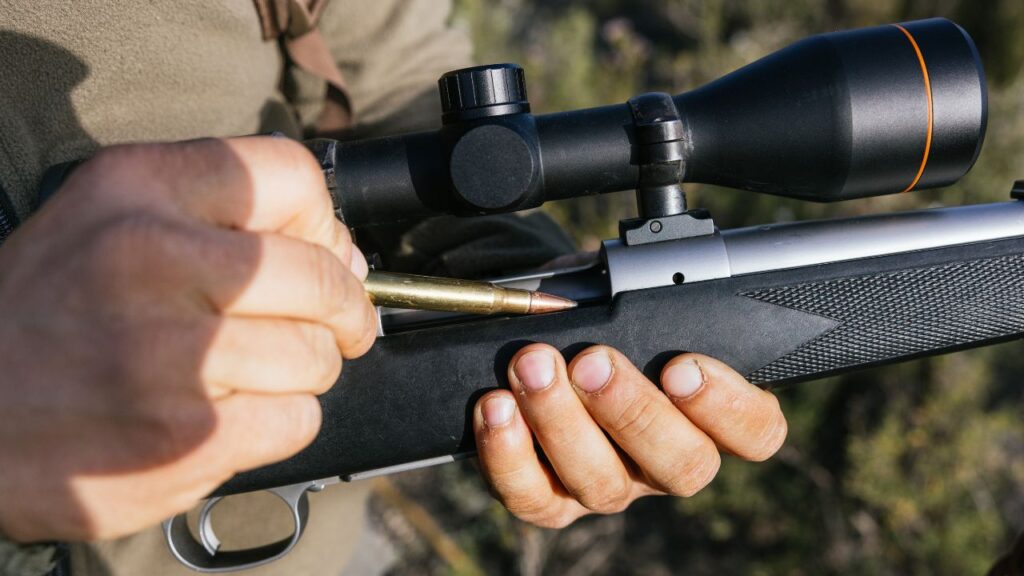
Every caliber drifts differently, and consistent shooters know how their chosen load performs in wind. A 6.5 Creedmoor will buck wind better than a .223 Remington, and a .300 Win Mag carries even more resistance. These aren’t guesses—they’re measured through testing.
Lucky shooters assume their bullet will “cut” the wind without proof. Disciplined shooters know their drift values in MOA or mils, letting them adjust instantly. Mastering drift by caliber is a hallmark of shooters who hit more than they miss.
Adjusting for Multiple Wind Zones
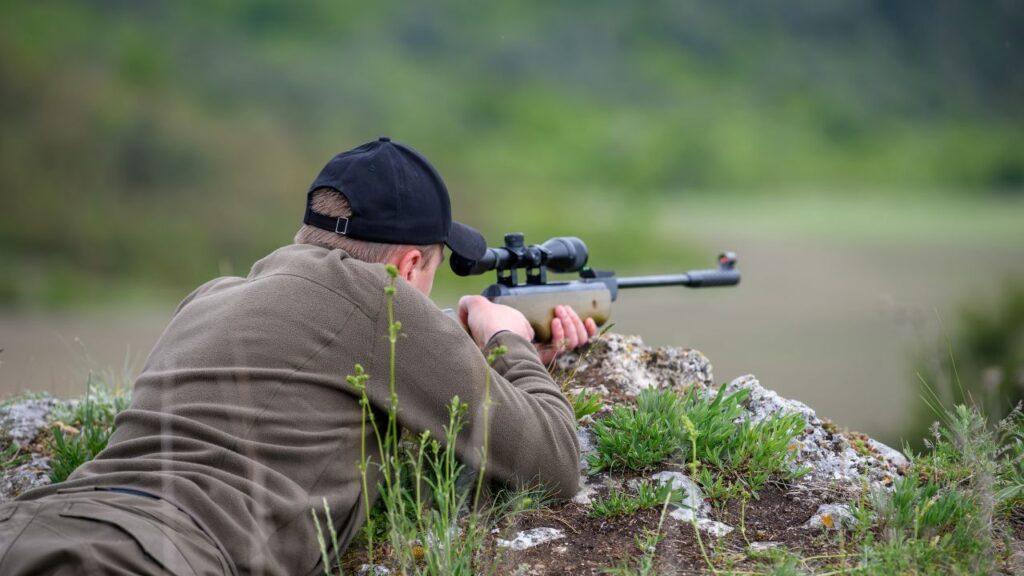
Wind isn’t uniform across distance—it can be calm near the muzzle and swirling near the target. Consistent shooters learn to break the range into zones, reading each segment for its effect. This requires careful observation of mirage, terrain, and vegetation.
By factoring in multiple wind zones, your correction becomes layered and more accurate. Lucky shooters often call wind based on a single observation, which rarely matches reality. Wind discipline means seeing the entire picture, not just one slice of it.
Staying Patient Under Pressure
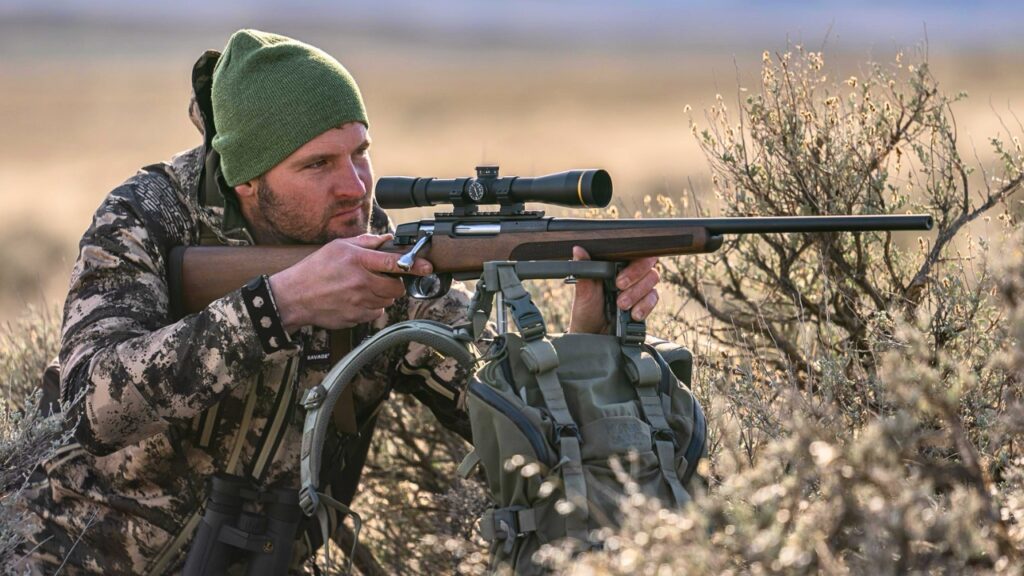
In competition or on a hunt, pressure pushes you to shoot quickly. But consistent shooters stay patient and wait for their conditions. They resist the urge to rush shots during gusts, even when the clock is ticking.
This patience comes from discipline, not chance. Lucky shooters may get away with rushing once in a while, but it doesn’t hold up over time. The ones who slow down and read conditions correctly are the ones stacking consistent hits.
Making Wind Calls Part of Every Shot
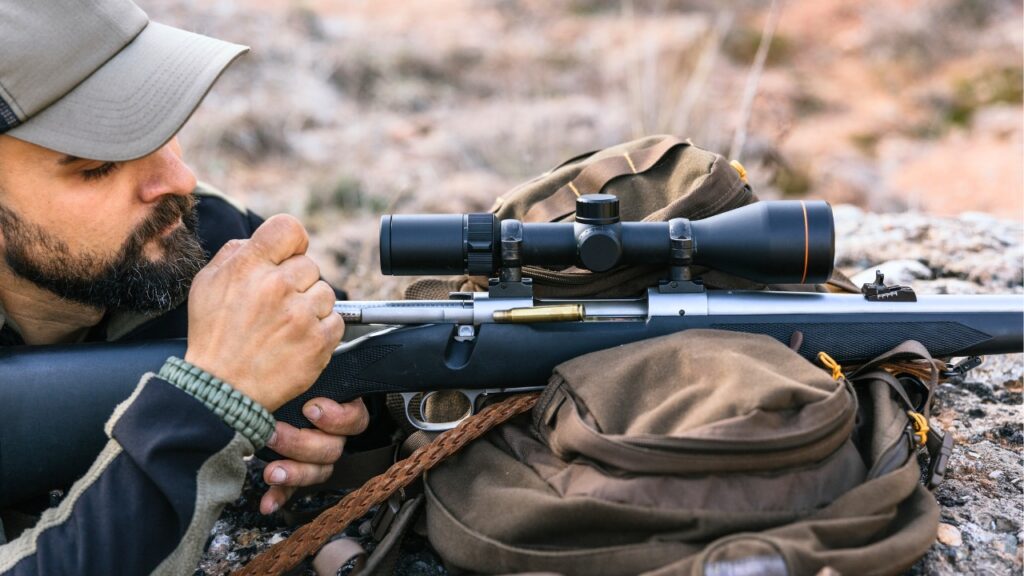
Wind discipline isn’t something you turn on only for long shots—it’s a habit. Consistent shooters account for it even at 100 yards, because those reps build awareness. They know that practicing corrections at shorter ranges helps at longer ones.
By making wind evaluation part of every single shot, you sharpen instincts and reduce mistakes. Lucky shooters wait until the wind is obvious before reacting. Consistent shooters make it second nature, and that’s why their results look repeatable.
*This article was developed with AI-powered tools and has been carefully reviewed by our editors.