Photo credit: The Avid Outdoorsman
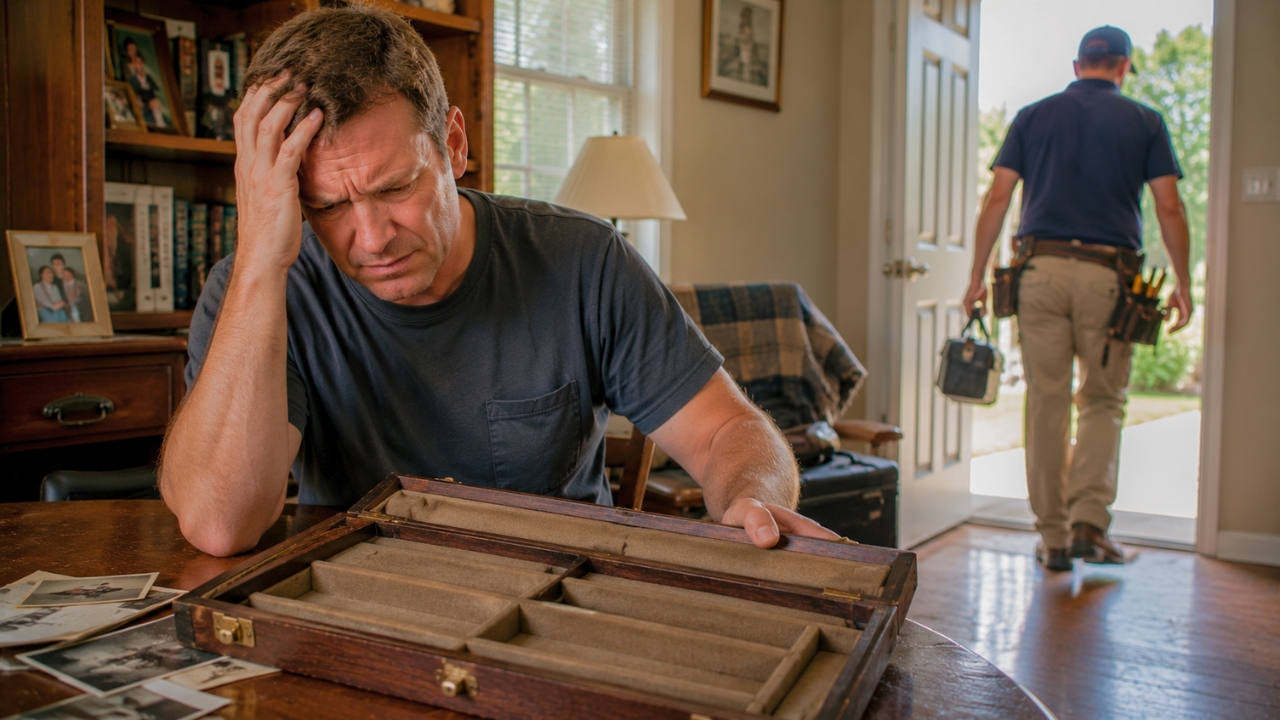
The son said his father died without a will, which already made the estate complicated. But according to the Reddit post, the biggest issue was not just bank accounts, furniture, or ordinary personal property.
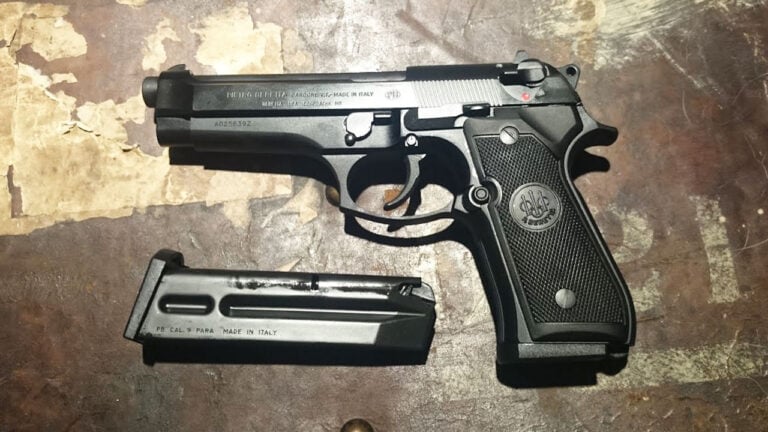
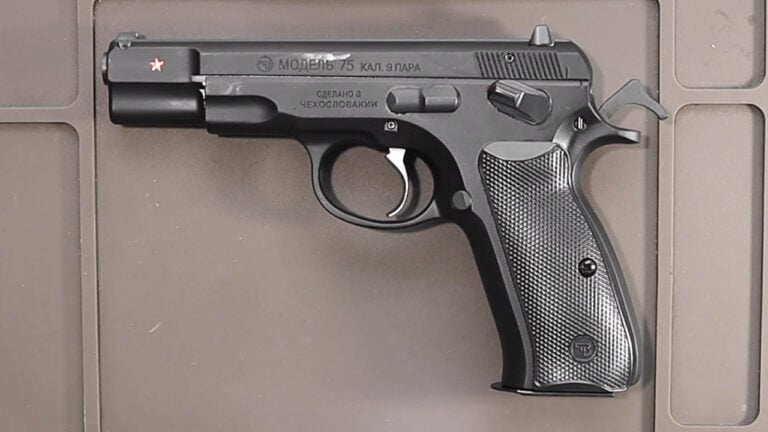
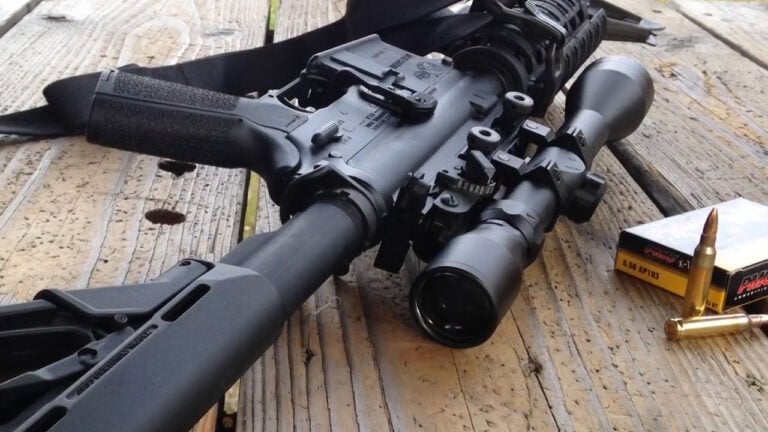
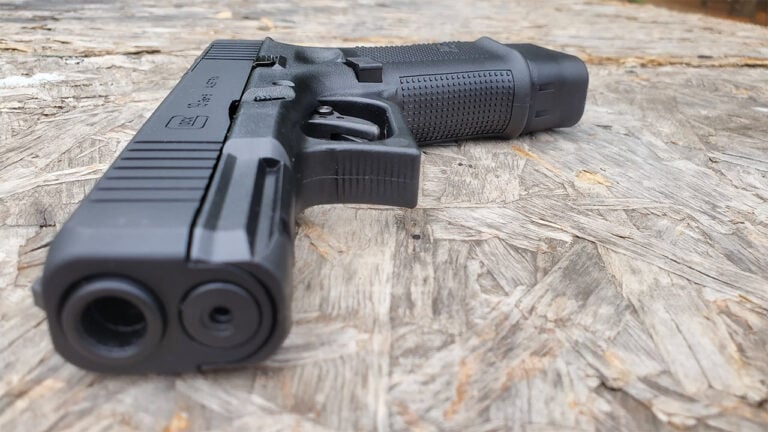
It was more than 80 guns.
The Reddit thread can be found here: https://www.reddit.com/r/legaladvice/comments/1dc2yub/dad_died_without_a_will_and_now_i_have_to_find_a/
That kind of collection changes an estate fast. A few inherited firearms can already create paperwork questions, storage concerns, and family disagreements. A collection of more than 80 guns is a much bigger project. Someone has to secure them, inventory them, identify what they are, figure out who can legally possess them, and determine who has authority to distribute or sell them.
The absence of a will made the problem worse. If the father had left clear instructions, the family could at least start with what he wanted. Without a will, state intestacy laws usually decide who inherits, and the family may need a personal representative, administrator, probate filing, or court authority before anyone starts handing out property.
That matters even more with firearms. Relatives may feel like they should be able to take a favorite rifle, shotgun, or pistol because Dad promised it years ago. Another family member may claim certain guns were always meant for them. Someone else may want to sell the collection to pay estate expenses. But until the estate is handled properly, grabbing guns from the house can create a serious mess.
The son seemed to be stuck trying to figure out where to even begin. A collection that large is not just sentimental. It can be valuable, and some firearms may require special handling depending on what they are. Older guns may have missing paperwork. Some may be ordinary hunting rifles. Others could be handguns, inherited pieces, collector guns, or items with specific legal restrictions.
The first practical step would be securing the collection. That means making sure the guns are locked up, unloaded, accounted for, and protected from theft or family members walking off with them. When a person dies and word gets around that there are dozens of firearms in the house, the risk of missing guns goes way up.
After that comes the inventory. Make, model, caliber, serial number, condition, accessories, and photos all matter. The estate needs to know what exists before it can decide what happens to it. If one gun disappears later, the family needs a record showing it was there.
The legal side is just as important. Not every heir may be allowed to possess firearms. If one relative is prohibited, lives in a restrictive state, or cannot legally receive a handgun, that changes what can be done. Even lawful heirs may need transfers handled correctly depending on the state and the type of firearm.
This is why a probate attorney and possibly a knowledgeable FFL can become important. The attorney can explain who has authority over the estate. The FFL can help with lawful transfers, shipping, sales, and questions about whether anything in the collection needs special treatment.
Commenters told the son that the estate process had to come first. Several said that because there was no will, he needed to figure out who had legal authority to act for the estate before distributing or selling anything.
Others said the guns should be inventoried immediately. A full list with serial numbers, photos, and descriptions would protect the estate and reduce the chance of relatives claiming certain firearms were never there.
Some commenters warned that nobody should casually take guns from the house just because they were family. Until the estate is settled, the firearms likely belong to the estate, not whichever relative gets there first.
A few people suggested getting help from a probate attorney and a licensed gun dealer. With more than 80 firearms involved, the family needed more than guesswork. They needed to know the inheritance rules, transfer rules, and how to handle any sales without creating legal trouble.
The post ended with the son facing a problem that many families underestimate. A large gun collection can be one of the hardest parts of an estate. Without a will, it becomes even harder. Before anyone starts dividing rifles and handguns by memory or emotion, the family needs authority, records, and a legal plan.
Like The Avid Outdoorsman’s content? Subscribe to our newsletter so you never miss an article.
Here’s more from us: