Photo credit: The Avid Outdoorsman
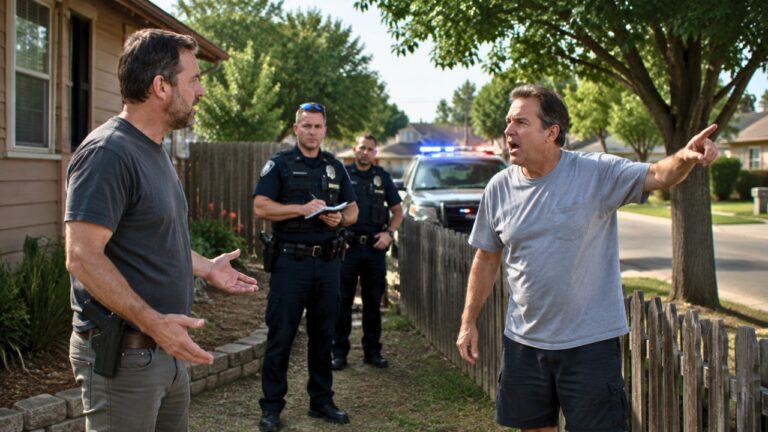
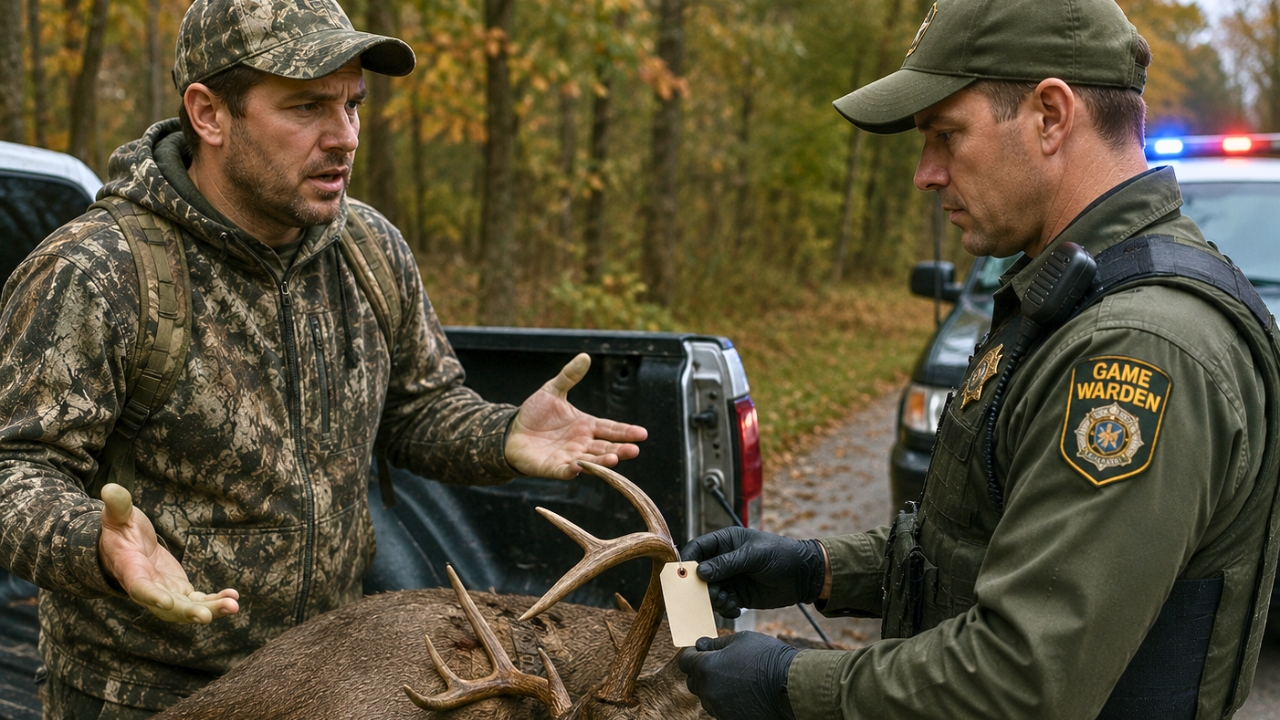
The hunter said the problem started with advice he thought he could trust. According to the Reddit post, he ended up hunting in an area that turned out to be closed, and after a game warden became involved, the deer was confiscated.
The original Reddit post can be found here: https://www.reddit.com/r/legaladvice/comments/184d6nm/being_charged_with_misdemeanor_for_following/
That is the kind of mistake that can ruin a hunt fast. A hunter may have the right license, the right tag, the right weapon, and the right intent, but none of that matters if the area itself is closed to hunting. Wildlife rules often depend on exact boundaries, season dates, special units, public-land regulations, and local closures that are not always obvious when someone is standing in the field.
The hunter’s frustration seemed to come from the fact that he believed he was following guidance. He did not describe himself as intentionally sneaking into a closed area or trying to poach. He believed he was acting based on information someone else had given him. But once the warden determined the area was closed, the situation became a legal matter rather than just a misunderstanding.
That is where hunting gets unforgiving. The responsibility usually falls on the hunter to know the rules before the shot. If a road, boundary, wildlife management area, refuge, park section, or special closure is involved, a bad assumption can turn a successful harvest into a confiscated deer and a citation.
The deer being taken by the warden likely made the situation feel even worse. From the hunter’s perspective, he may have spent time scouting, waiting, making the shot, and field dressing the animal. Then, instead of bringing it home, he had to watch it become evidence or be removed because the hunt itself was not legal.
But from the enforcement side, that makes sense. If an animal is taken from a closed area, the warden cannot simply treat it like an ordinary mistake and let the hunter keep it. Closed areas are closed for a reason, whether that reason is safety, conservation, land management, season structure, or protecting certain animals.
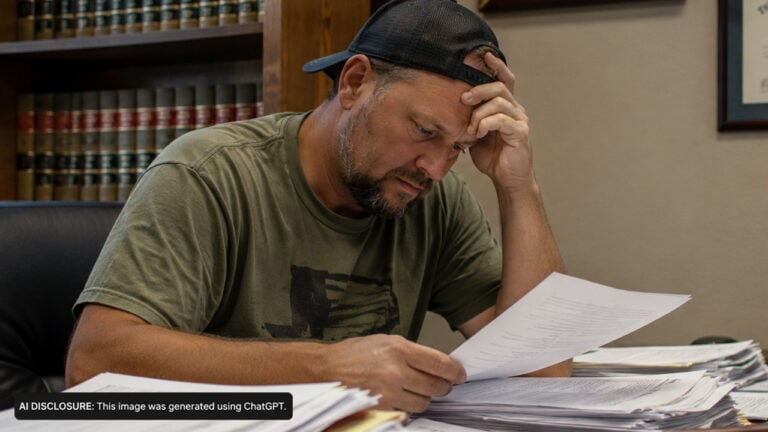
The hunter wanted to know what to do now that he was facing a misdemeanor. That changed the situation from outdoor frustration to court strategy. A misdemeanor hunting charge can involve fines, possible license consequences, a record, and future hunting privileges. Even if the hunter believed he acted in good faith, he still needed to handle the citation carefully.
Commenters told the hunter that relying on someone else’s advice may explain how the mistake happened, but it may not be a complete defense. Several said hunters are usually expected to verify regulations themselves, especially when boundaries or closed areas are involved.
Others said he should gather any proof showing why he believed the area was open. Maps, screenshots, messages, signs, GPS pins, agency guidance, or written instructions could all matter if he wanted to explain the mistake in court.
Some commenters recommended speaking with an attorney, especially because the charge was described as a misdemeanor. A local lawyer familiar with wildlife violations could help him understand whether the charge could be reduced, dismissed, or resolved in a way that protected his record and hunting privileges.
A few people also said the game warden’s decision to confiscate the deer was not surprising. If the animal was taken illegally, even by mistake, the state may treat it as evidence or unlawful take.
The post ended with a hard lesson that experienced hunters repeat for a reason. It is not enough to know the season and carry a tag. You have to know exactly where you are standing, whether that ground is open, and whether the rules match the hunt before the trigger is ever pulled.
Like The Avid Outdoorsman’s content? Subscribe to our newsletter so you never miss an article.
Here’s more from us: