Photo credit: Buckeye Ballistics/Youtube
Most hunters have one rifle that still bothers them. Maybe they traded it toward something newer. Maybe they sold it during a tight month. Maybe they convinced themselves they could always find another one later. Then years passed, prices climbed, production changed, and that “replaceable” rifle stopped being so easy to replace.
The worst part is that the regret usually has less to do with money and more to do with trust. A rifle that fit right, shot well, and had a few good seasons behind it is hard to duplicate. These are the rifles hunters often wish they had never let go.
Remington Model 700 Mountain Rifle
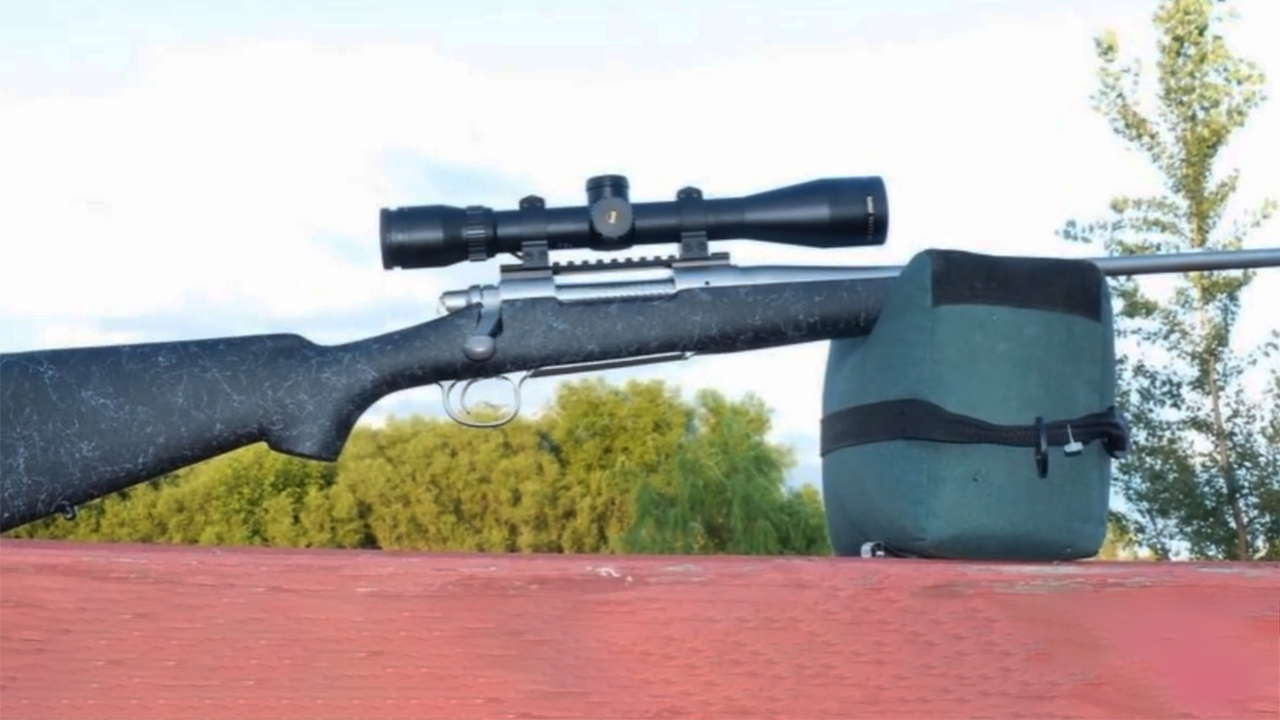
The Remington Model 700 Mountain Rifle is exactly the kind of rifle hunters regret trading away because it was useful without being dramatic. It had the familiar Model 700 action, a slimmer barrel, and a lighter stock setup that made it easier to carry than a standard sporter. It felt trim, practical, and built for hunters who actually walked.
A lot of newer lightweight rifles have come along since, but the old Mountain Rifle still has a feel people miss. It was light without feeling like a plastic toy, and it carried naturally in steep country or long walks to a stand. Hunters who traded one for something newer often found out the replacement didn’t balance the same. That’s the kind of regret that sticks.
Winchester Model 70 Featherweight
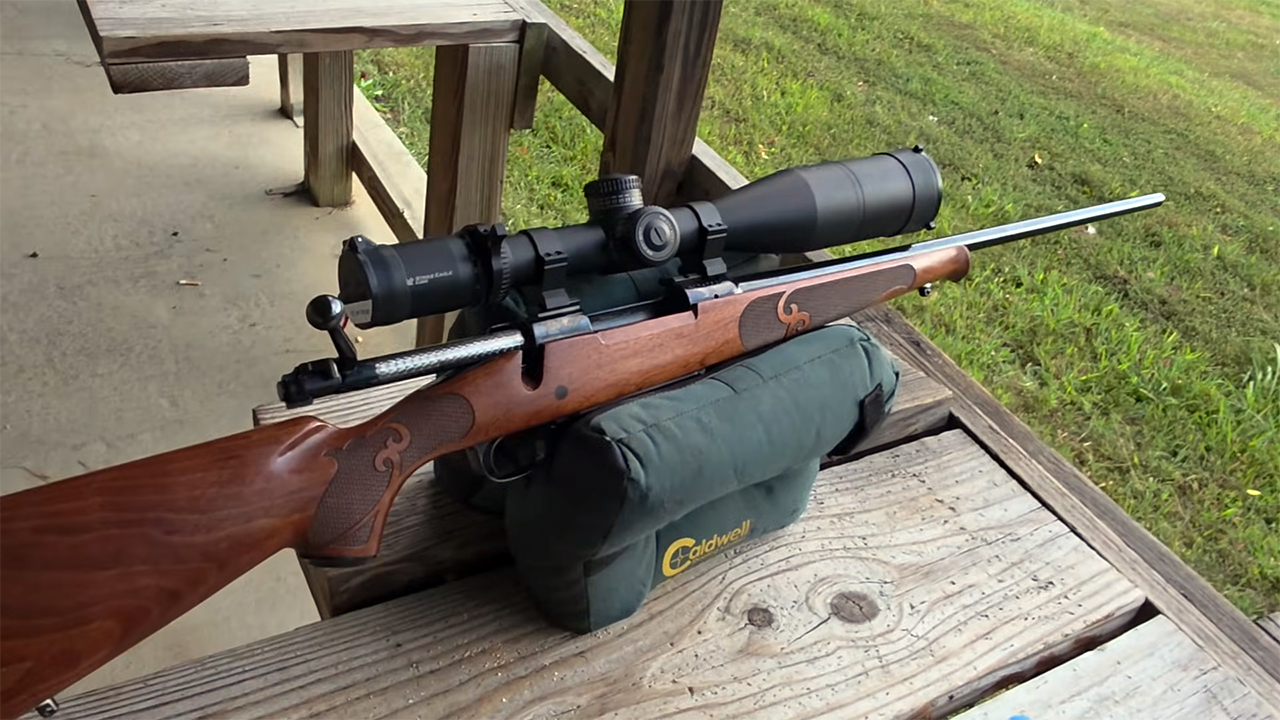
The Winchester Model 70 Featherweight has caused plenty of seller’s remorse because it hits a sweet spot that isn’t easy to replace. It has classic Model 70 handling, good looks, and enough weight savings to matter without turning into a harsh little rifle that’s unpleasant to shoot.
Hunters who let one go often miss the way it shouldered more than anything. The Featherweight carries well, points naturally, and still feels like a serious hunting rifle. In controlled-round-feed versions, it also brings that old Model 70 confidence hunters appreciate in rough country. Plenty of rifles are lighter now. Plenty are cheaper. Not many feel quite the same once you’ve carried a Featherweight through a few good seasons.
Marlin 336 in .35 Remington

A Marlin 336 in .30-30 is easy enough to appreciate, but the .35 Remington versions create a special kind of regret. For woods hunters, that chambering brought a little more thump in a rifle that still carried fast and handled beautifully in thick cover. It was never a long-range setup, but inside its lane, it made a lot of sense.
The problem is that .35 Remington rifles are not as easy to replace as they once were. Hunters who traded one away often did it when lever guns were still common and prices seemed reasonable. Now they look back and realize they gave up a hard-hitting, practical timber rifle that had already proven itself. That’s a painful lesson.
Ruger M77 Tang Safety
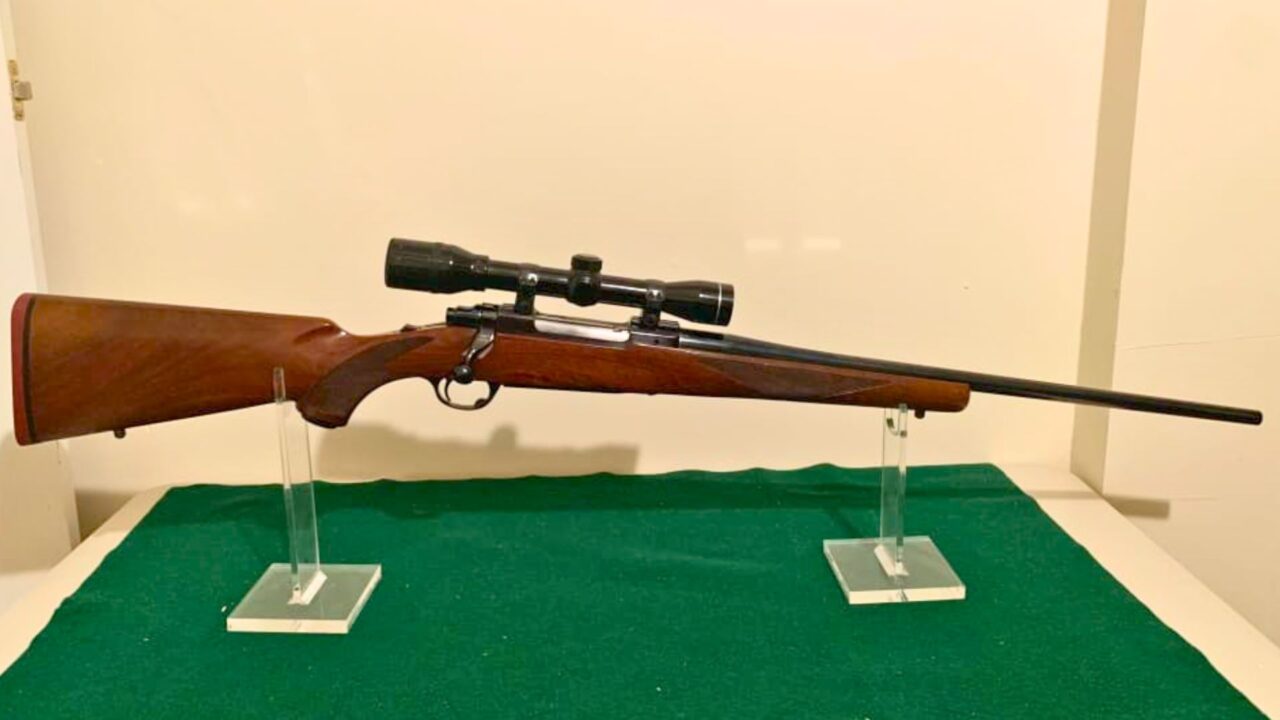
The tang-safety Ruger M77 is one of those rifles hunters often regret selling because it had a feel newer rifles don’t always match. It combined classic styling, solid construction, and a safety placement that many shotgun hunters found natural. The rifles were rugged without feeling crude, and many became trusted hunting partners.
Not every tang-safety M77 was a tiny-group rifle, but plenty shot well enough and carried real confidence in the field. The regret usually comes after someone trades one for a lighter synthetic rifle that feels hollow by comparison. The old Ruger had weight, walnut, steel, and a sense of durability. Once that is gone, it’s hard to get back without paying more than expected.
Savage Model 99

The Savage Model 99 may be one of the most regretted rifle trades among hunters who didn’t realize what they had. For years, it was just an old lever-action deer rifle in many camps. It got used, carried, and sometimes traded without much ceremony. Now clean examples are far more desirable.
The 99 was clever and practical. It gave hunters lever-action handling with cartridges that stretched farther than traditional .30-30 setups. Chamberings like .300 Savage, .250-3000 Savage, .308 Winchester, and .358 Winchester all have their own loyal followings. Hunters who sold one often realize too late that they didn’t just lose a rifle. They lost a design that modern companies never really replaced.
Browning A-Bolt Stainless Stalker

The Browning A-Bolt Stainless Stalker is a rifle many hunters wish they had kept because it was practical, smooth, and weather-ready without feeling cheap. It had Browning’s short bolt lift, good accuracy reputation, and stainless synthetic usefulness in a package that worked well for real hunting.
The regret usually shows up after someone replaces it with a newer rifle that may have better marketing but less polish. The A-Bolt had a clean, refined feel that still stands out. It wasn’t the flashiest rifle in camp, but it carried well and did its job season after season. When a rifle already shoots and handles right, trading it away just to try something newer can feel pretty foolish later.
CZ 550 American

The CZ 550 American is one of those rifles hunters often miss because it had real character. The Mauser-style controlled-round-feed action, strong extractor, set trigger on many examples, and walnut-and-steel build gave it a seriousness that modern rifles don’t always have.
It was not the lightest rifle around, but it felt dependable. Hunters who used one in rough conditions or heavier chamberings often trusted it deeply. Once the 550 disappeared from regular production, replacing one became harder and more expensive. That’s when regret usually hits. A rifle with that kind of old-school strength doesn’t seem special until you don’t have it anymore.
Remington Model Seven
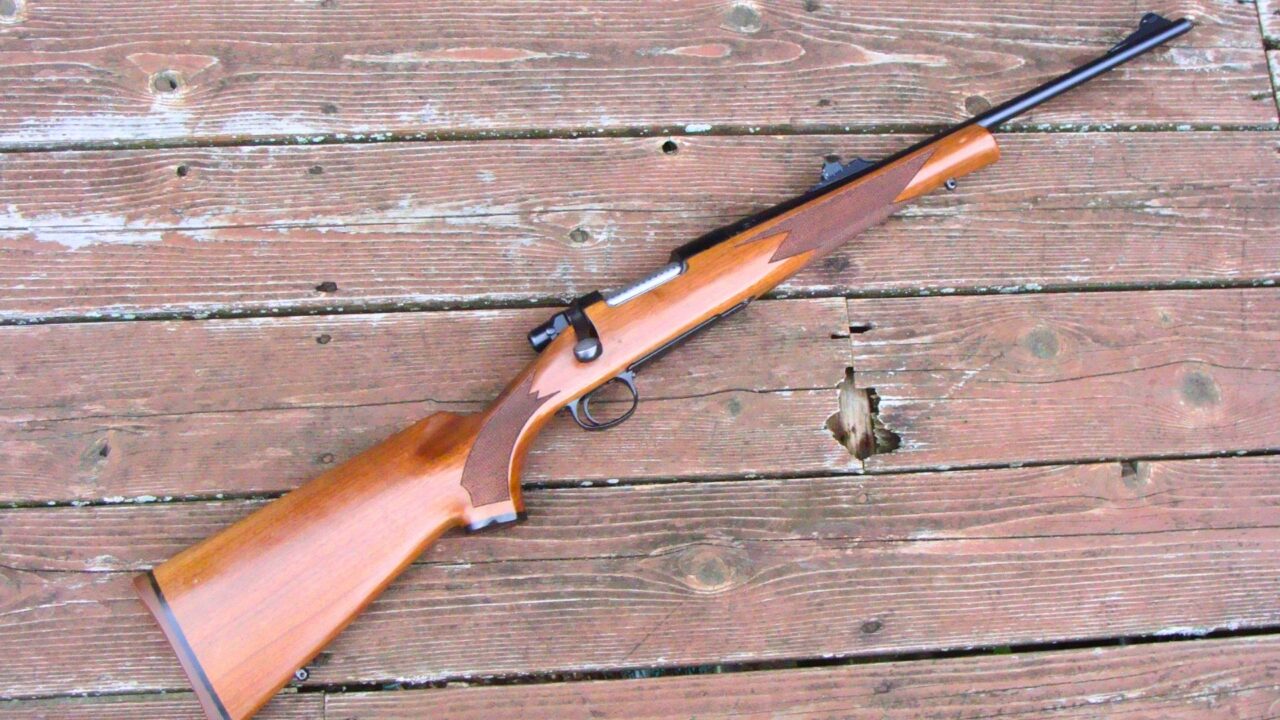
The Remington Model Seven has caused a lot of regret because it filled a very specific role well. It was short, handy, and easy to carry in brush, blinds, and tight woods. For smaller-framed hunters, younger hunters, or anyone who liked compact rifles, it made more sense than a full-size bolt gun.
Hunters who traded one away often found that newer compact rifles didn’t quite feel the same. Some were too light and kicked harder. Others lacked the same balance. The Model Seven in chamberings like 7mm-08 Remington, .243 Winchester, or .308 Winchester was a clean little hunting tool. It didn’t look dramatic, but it worked. That’s the kind of rifle people miss when it’s gone.
Winchester Model 88
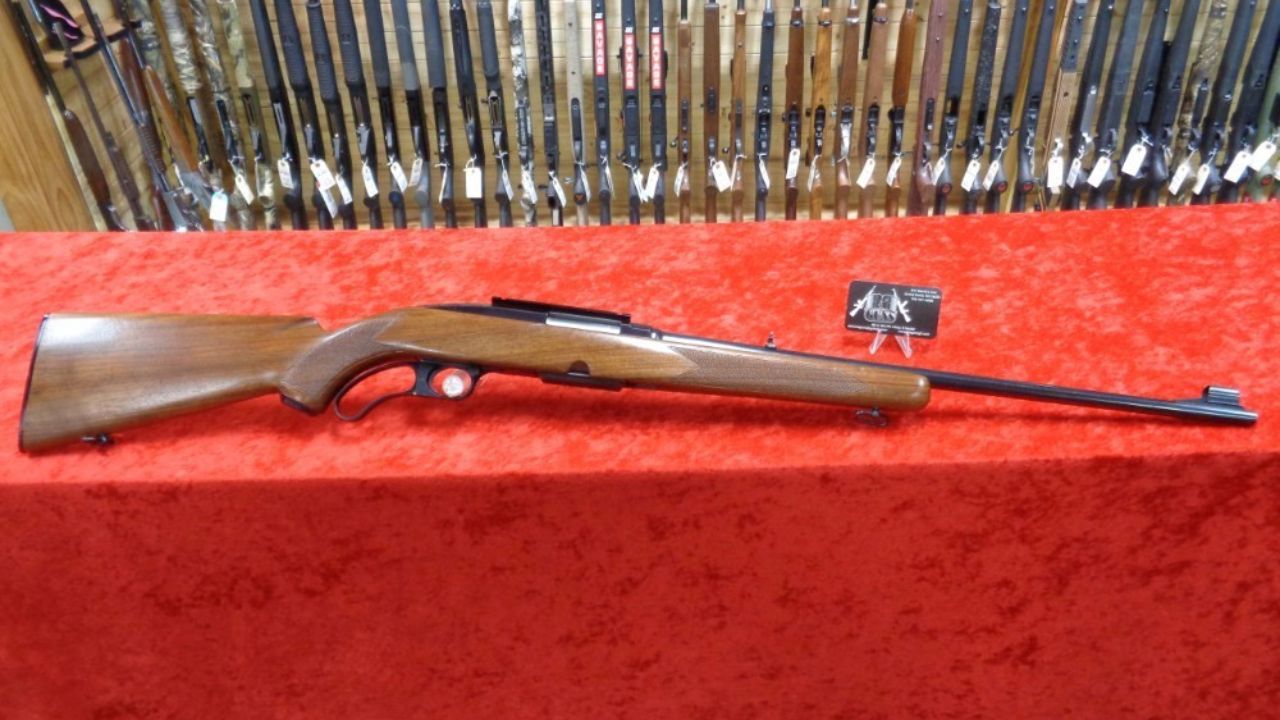
The Winchester Model 88 is a rifle many hunters wish they had never sold because it was different in a useful way. It gave lever-action fans a rotating bolt, detachable magazine, and pointed-bullet cartridge options like .308 Winchester and .243 Winchester. That made it more versatile than a traditional tube-fed lever gun.
For hunters who liked quick handling but wanted more reach than a .30-30, the Model 88 made a lot of sense. It was sleek, clever, and tied to a period when Winchester was still trying interesting things with sporting rifles. Clean examples are not cheap now, and good ones can be hard to find. Anyone who traded one away before the market caught on probably remembers it.
Tikka T3 Lite
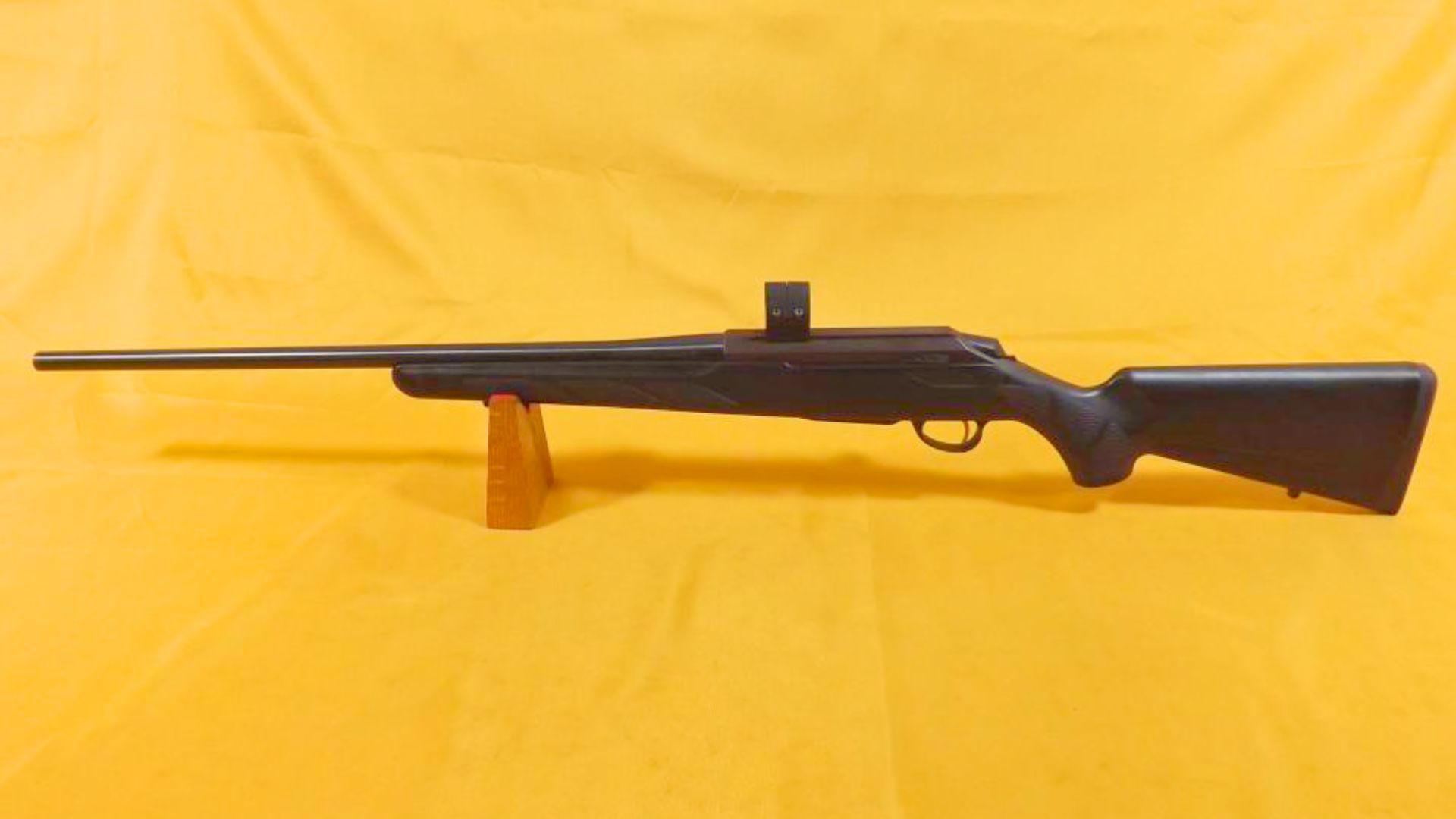
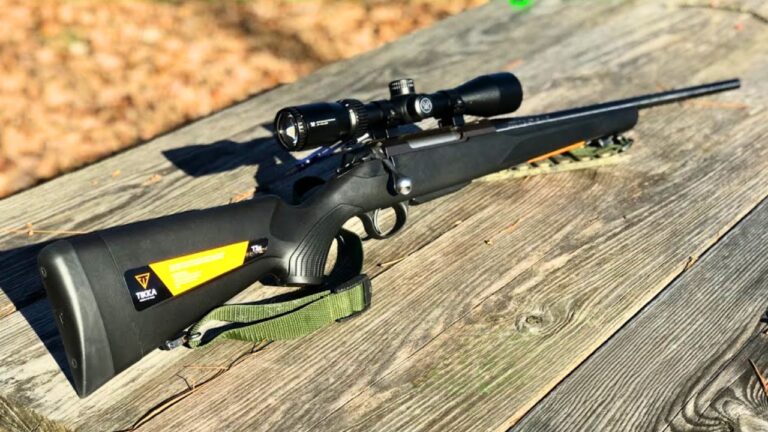
The Tikka T3 Lite is a newer rifle compared with some classics here, but plenty of hunters still regret letting one go. At first glance, it can seem replaceable. Synthetic stock, plain looks, common chamberings. Then you remember the smooth bolt, clean trigger, and the way so many of them shoot factory ammo without much fuss.
That’s where the regret comes from. A hunter may trade one for something prettier, heavier, or more expensive, only to find it doesn’t shoot any better. The T3 Lite carries easily and usually performs well with minimal drama. That kind of rifle is worth more than it looks like on trade-in day. Hunters often learn that after the deal is already done.
Ruger 77/44
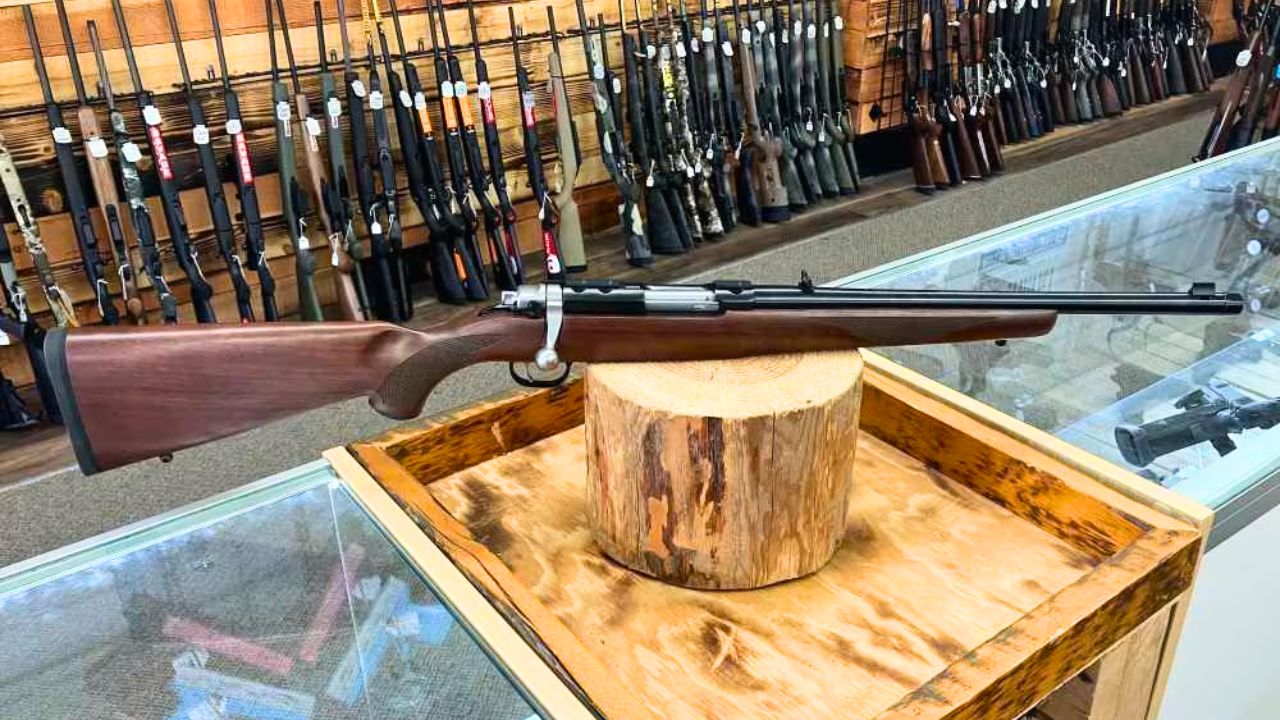
The Ruger 77/44 is one of those rifles people didn’t always appreciate until they were gone. A compact bolt-action .44 Magnum doesn’t sound like a must-have to every hunter, but in thick woods, straight-wall-friendly areas where legal, or short-range setups, it had real usefulness.
It was light, handy, and easy to carry. It also brought a different feel than lever-action .44s, with a rotary magazine and bolt-action simplicity. Hunters who traded one away often discover that replacing it is not easy or cheap. The 77/44 filled a niche that still makes sense, especially for hunters who know their shots will be close. That kind of niche rifle has a way of becoming missed once it’s gone.
Sako 75 Hunter
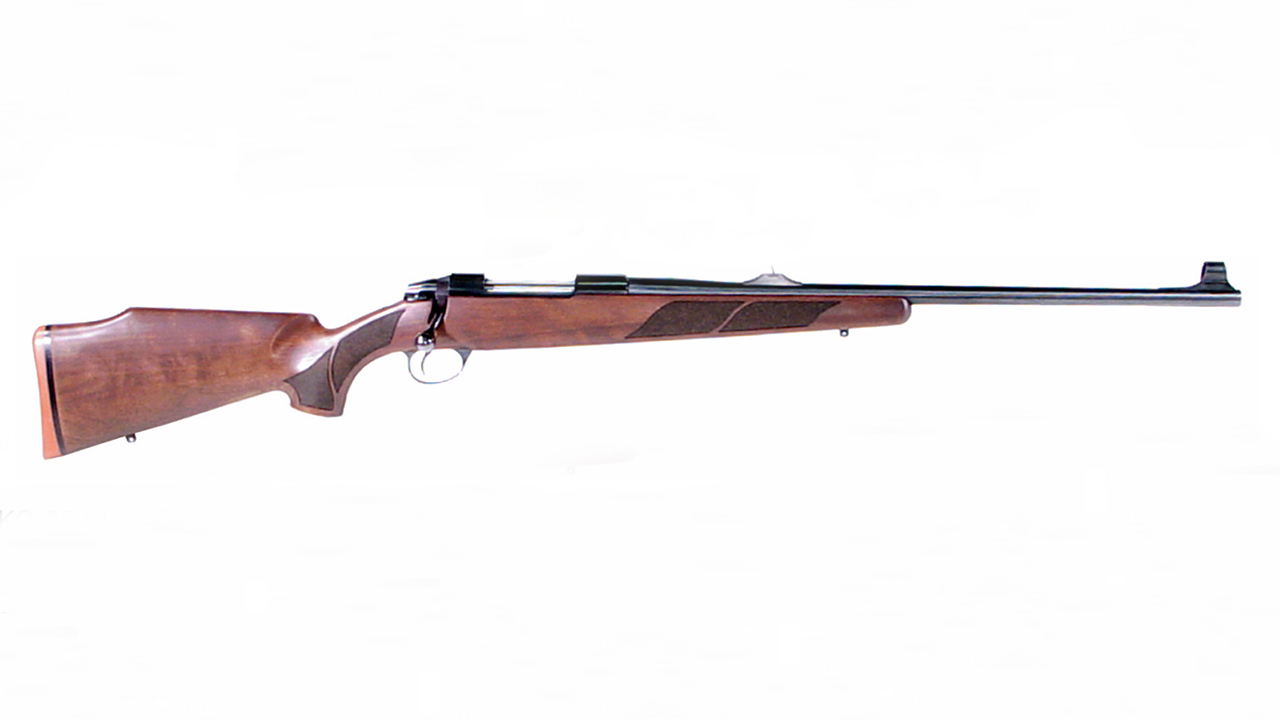
The Sako 75 Hunter is a rifle that often creates regret because it feels refined without being fragile. It has a smooth action, excellent trigger, good accuracy reputation, and a classic hunting-rifle profile. It was not cheap, but it felt like the money went into things hunters could actually appreciate.
Trading one away for something newer can sting because the replacement may not feel as polished. The Sako 75 has a quiet quality to it. It doesn’t need loud styling or gimmicks. It just feeds smoothly, shoots well, and carries like a serious rifle. Hunters who sold one often realize they gave up a rifle that was already close to ideal.
Browning BLR
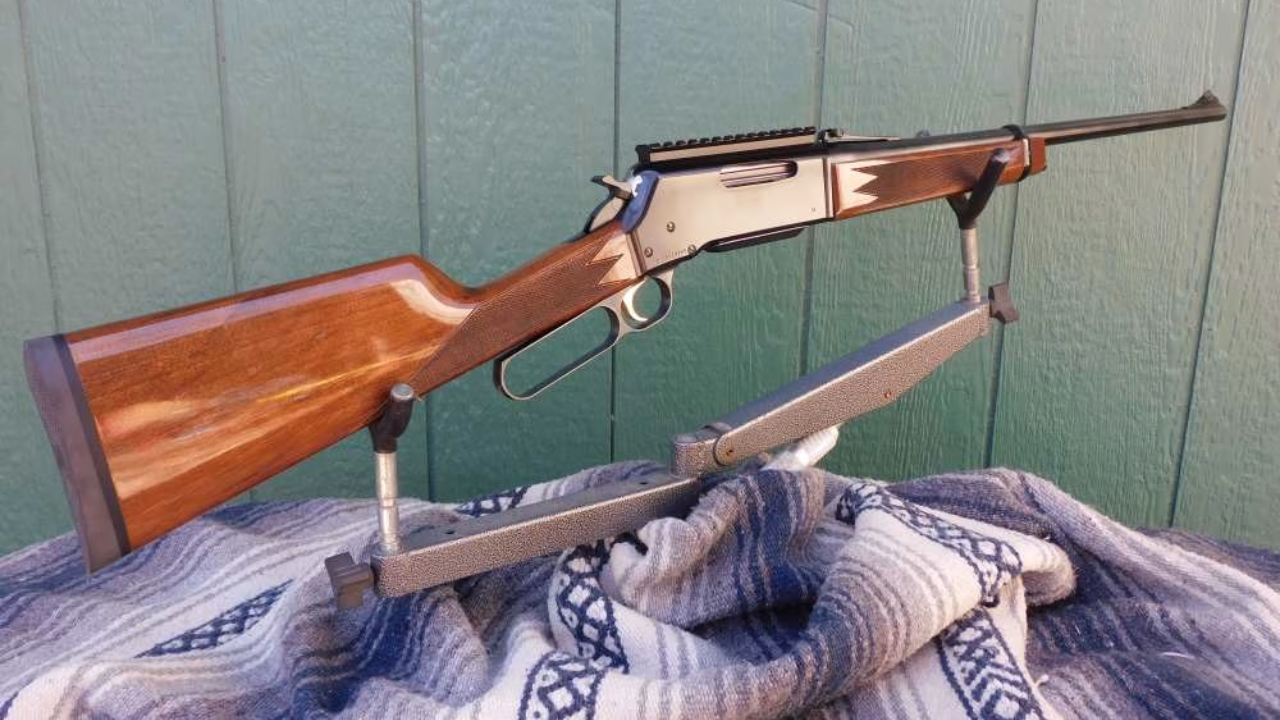
The Browning BLR is a rifle hunters often regret trading because it does something most lever-actions don’t. Thanks to its detachable magazine and rotating bolt, it can handle modern pointed-bullet cartridges while keeping lever-action speed and handling. That makes it useful in ways that are hard to duplicate.
A BLR in .308 Winchester, .243 Winchester, .358 Winchester, or other hunting chamberings gives a hunter quick follow-up capability without giving up reach. It’s more complex than a traditional lever gun, but that complexity serves a purpose. Hunters who trade one away often miss the way it handled in the field. It’s not just another lever-action. It fills a lane that never got crowded.
Remington 7600 Carbine

The Remington 7600 Carbine is the kind of rifle hunters regret selling if they hunt thick woods, deer drives, or places where fast follow-up shots matter. It handled like a pump shotgun but carried serious rifle chamberings. For hunters who grew up running pumps, it felt natural.
The carbine versions are especially missed because they were quick, handy, and easy to maneuver in timber. They were not built to win benchrest arguments. They were built to kill deer in real woods conditions. Once a hunter trades one away, replacing that exact handling can be tough. A bolt gun may shoot tighter groups, but it won’t feel the same when a buck is moving through cover.
Weatherby Vanguard Deluxe
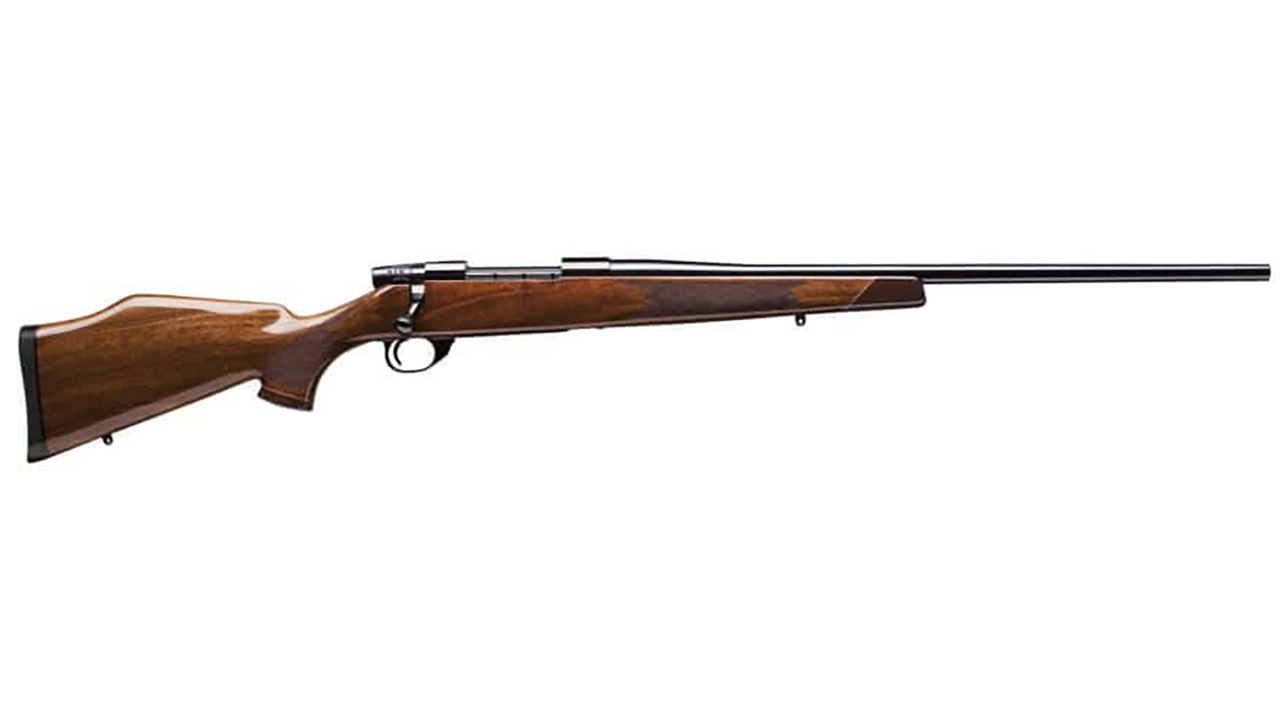
The Weatherby Vanguard Deluxe is one of those rifles hunters sometimes regret trading because it gave them more rifle than they realized. It had glossy wood, nice Weatherby styling, a strong Howa-built action, and dependable accuracy at a price below the Mark V line. It was practical and handsome at the same time.
Hunters who let one go often miss that combination. Many newer rifles shoot well, but they don’t always feel special. The Vanguard Deluxe had enough finish to feel like something worth keeping, but enough ruggedness to hunt. It wasn’t just a pretty rifle, either. Plenty of them shot very well. Trading one toward a plain synthetic rifle can feel like a downgrade once the excitement fades.
Like The Avid Outdoorsman’s content? Subscribe to our newsletter so you never miss an article.
Here’s more from us: