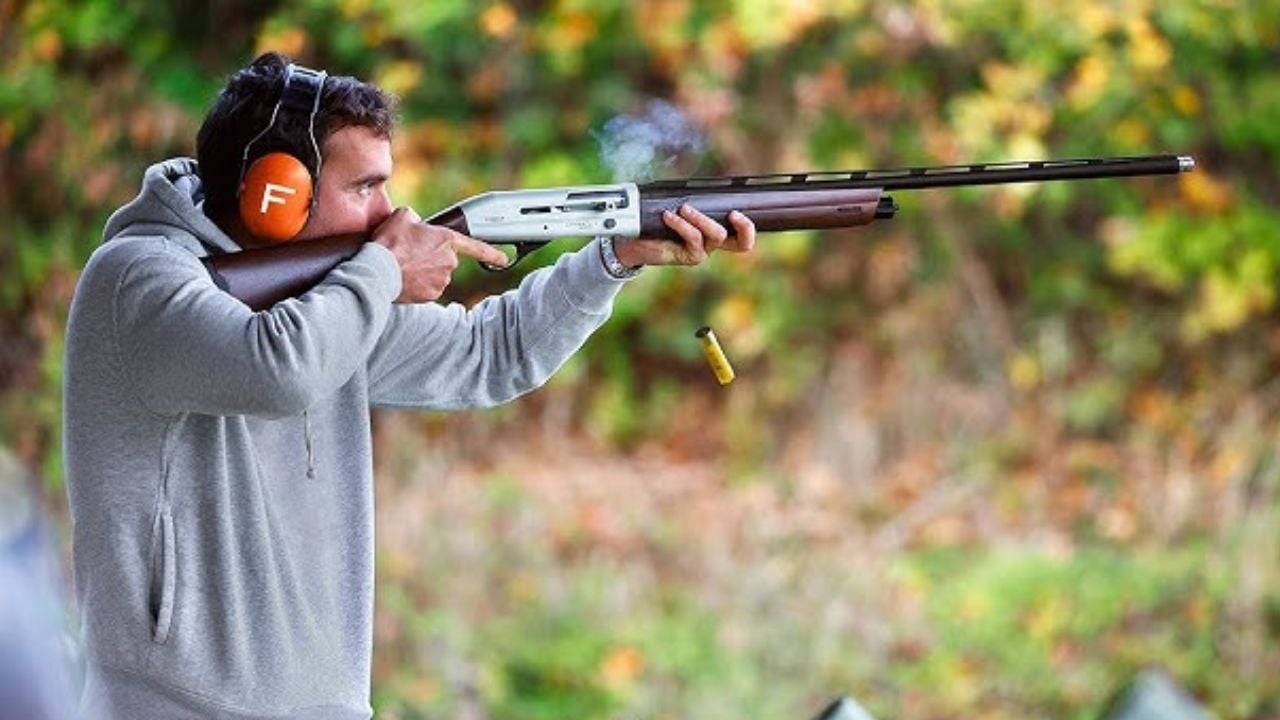
Photo credit: Franchi Feels Right/YouTube
Some guns never get a fair evaluation. Owners buy them because they were inexpensive, inherited them from a relative, or accepted them as part of a trade. The firearm gets labeled as a backup, truck gun, or temporary purchase before it has even been given a real chance.
Then the owner starts shooting it. The trigger improves, the groups tighten, and the gun keeps working despite receiving less attention than the favorites in the safe. These 20 firearms may not carry the most desirable names or the newest features, but they often deliver far more accuracy, reliability, and usefulness than their owners initially recognize.
Smith & Wesson CSX

The CSX was quickly overshadowed by higher-capacity micro-compacts with optics cuts and simpler striker-fired controls. Its aluminum frame, manual safety, and single-action trigger made it feel like an unusual answer to a question few buyers were asking.
Owners who spend time with it often discover a remarkably shootable little pistol. The metal frame gives it more stability than its size suggests, while the trigger allows better accuracy than many tiny carry guns. Its controls require practice, but the CSX is far more capable than its modest capacity and uneven launch reception imply.
Beretta PX4 Storm Compact

The PX4 Storm Compact is frequently dismissed because of its rounded slide, bulky controls, and styling that looks older than it is. It rarely receives the attention given to Beretta’s 92 series or newer striker-fired pistols.
Its rotating-barrel system gives it an unusually smooth recoil impulse for a compact handgun. The grip is comfortable, reliability is strong, and the pistol tends to shoot more accurately than its appearance suggests. Owners who initially treat it as an inexpensive trade-in often end up appreciating how easy it is to control.
FN FNS-9
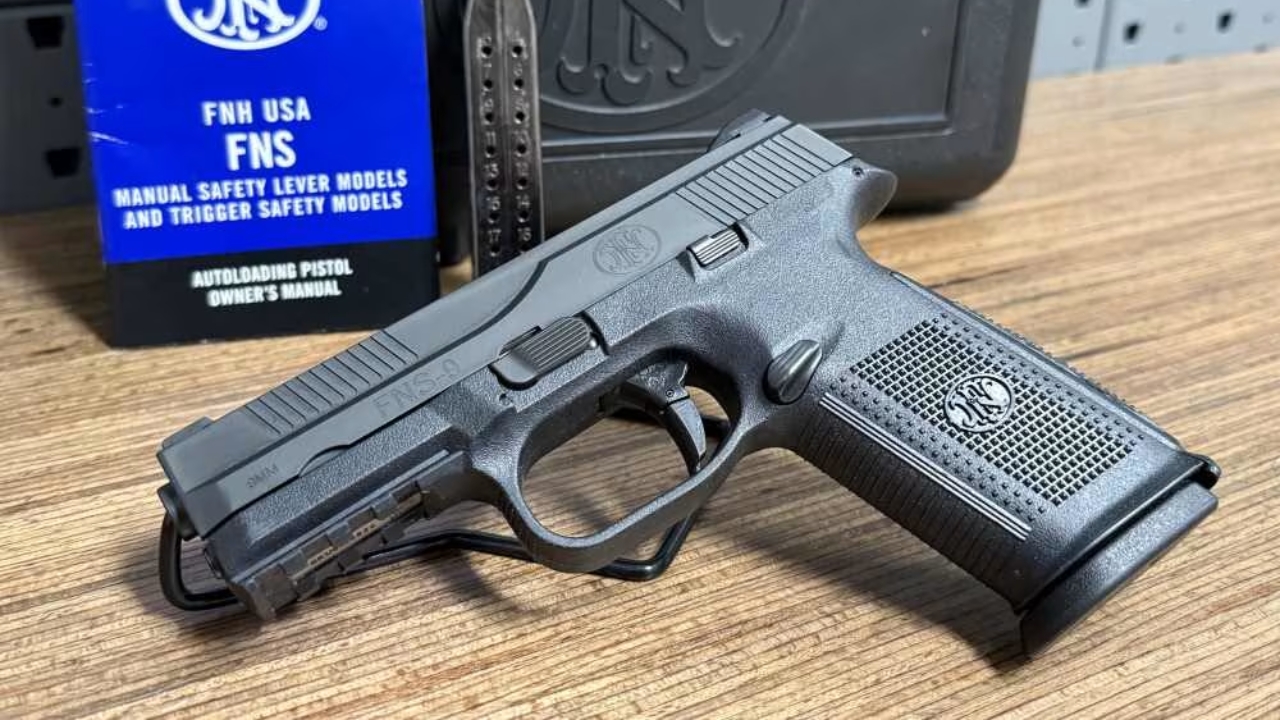
The FNS-9 arrived before FN developed a clear identity in the modern striker-fired market. It was later overshadowed by the 509 series, leaving used examples priced like forgettable budget pistols.
The FNS-9 is actually a durable service-size handgun with good ergonomics, fully ambidextrous controls, and dependable magazines. Its trigger is not exceptional, but it becomes easier to manage with use. Owners who ignore the lack of current marketing often find a practical pistol that performs at the same level as much more popular duty guns.
Steyr M9-A2
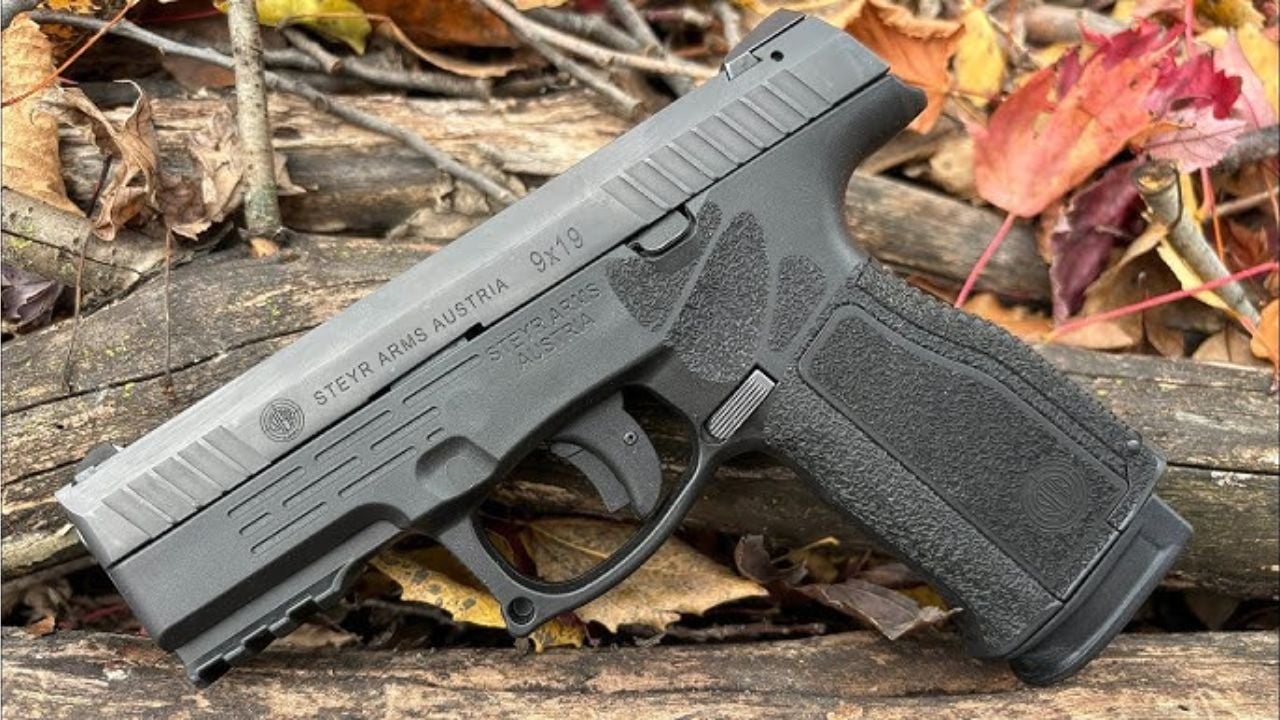
Steyr pistols have always looked and felt different from their competitors. The low slide, sharply angled grip, and trapezoidal sights cause many shooters to dismiss them after a few minutes at the counter.
Those who adapt often discover an extremely controllable and accurate handgun. The low bore axis limits muzzle rise, while the grip shape locks the firing hand high behind the slide. The sights are fast once understood. The M9-A2 does not need to imitate a Glock to perform like a serious service pistol.
Mossberg MC2c

Mossberg is so closely associated with shotguns that many buyers struggle to take its pistols seriously. The MC2c entered a crowded compact market without a large law-enforcement following or established pistol reputation.
It provides a slim grip, useful capacity, straightforward controls, and surprisingly good shootability. The pistol is easier to conceal than many double-stack compacts without becoming too small to control. Owners who bought one because of a discount often realize they received a far more complete carry gun than expected.
Remington R1 Enhanced

The R1 entered the 1911 market during a period when nearly every manufacturer offered its own version. Remington’s modern reputation and later bankruptcy prevented the pistol from developing the following enjoyed by Colt, Springfield, or Kimber.
The Enhanced model often delivered good sights, a usable trigger, a beavertail grip safety, and respectable accuracy for the money. It was not a hand-fitted custom gun, but many examples were solid shooters. Owners sometimes discover that the R1’s actual performance is much better than the name on the slide now suggests.
Ruger SR1911 Lightweight Commander
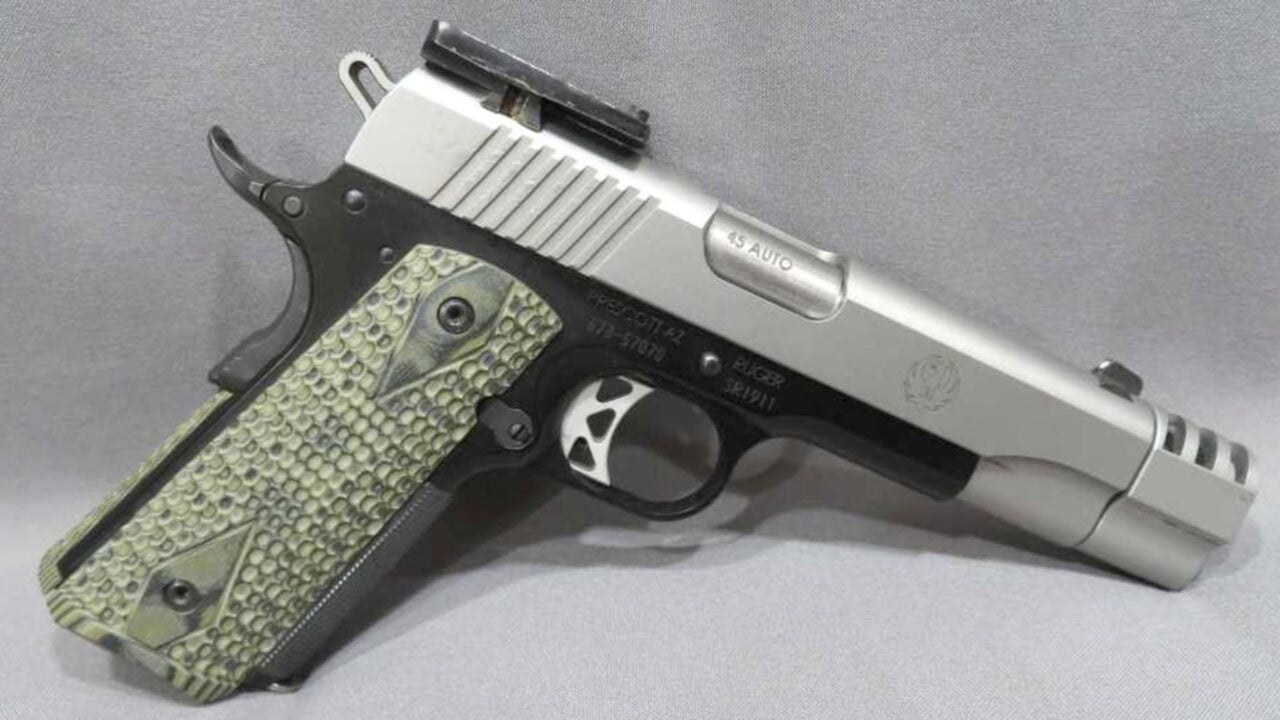
The Lightweight Commander version of the SR1911 can be dismissed as another mass-produced aluminum-frame 1911. Ruger’s plain styling and cast-component reputation do not give it the prestige of more expensive carry pistols.
The gun is usually well balanced, easy to carry, and accurate enough for defensive use. Ruger gave it practical sights, familiar controls, and a trigger that often improves considerably after use. It may not have custom-shop fitting, but it offers much more real-world usefulness than owners expecting a basic production 1911 may realize.
Smith & Wesson Model 457
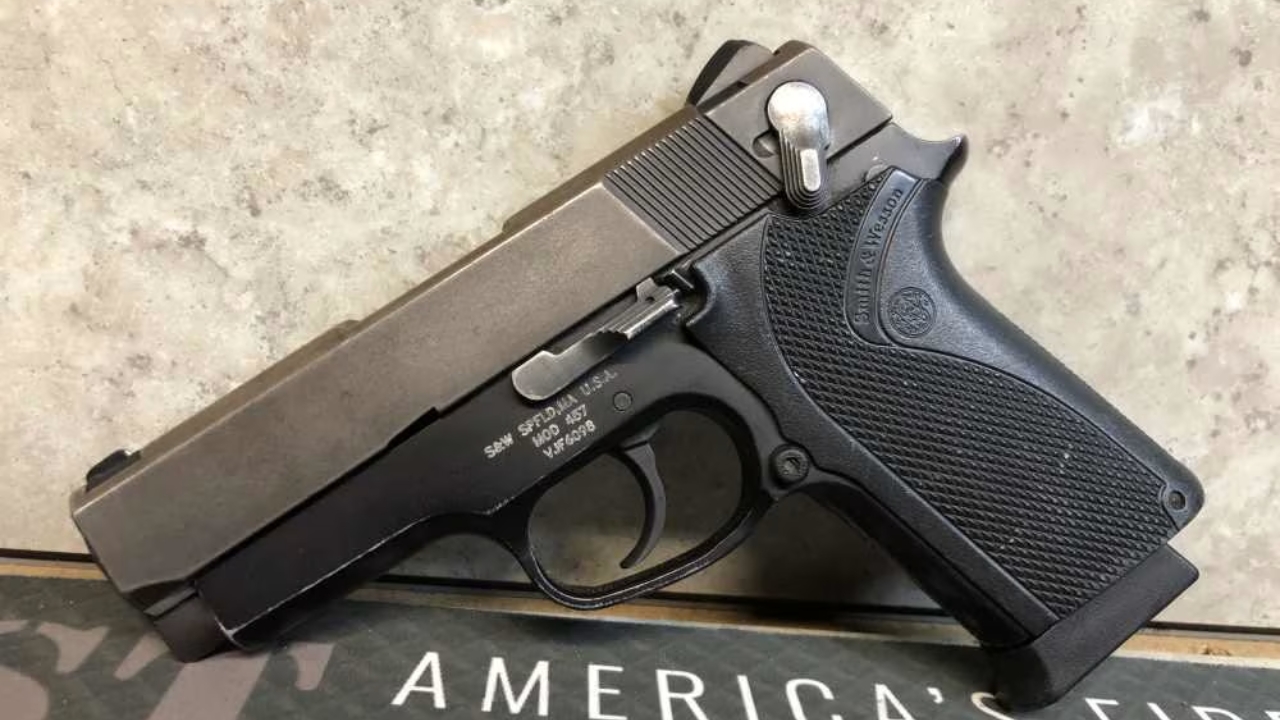
The Model 457 was built as an affordable compact .45 ACP during Smith & Wesson’s third-generation era. Its dark finish, basic sights, and economy-oriented features made it look cheaper than the stainless pistols surrounding it.
Underneath the plain exterior is a dependable metal-framed pistol with a durable double-action system and straightforward single-stack magazines. It is compact without being impossibly small, and the low-pressure cartridge works well with its substantial slide. Owners often underestimate it until they see how reliably it feeds and how accurately it shoots.
Beretta 81 Cheetah
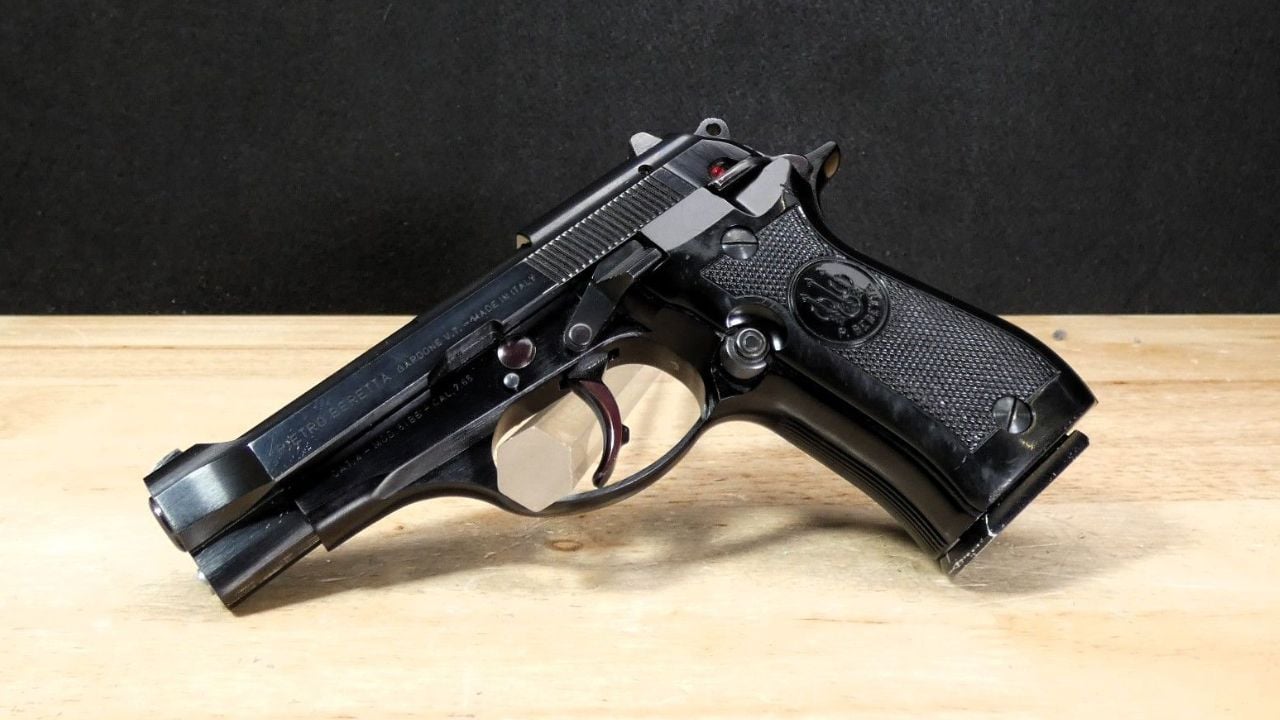
The Beretta 81 spent years being treated as a surplus curiosity chambered for .32 ACP. Its modest cartridge and dated double-action controls kept many shooters from viewing it as anything more than a collectible range gun.
The pistol itself is beautifully made, exceptionally smooth, and easy to shoot well. Its double-stack grip provides far more control than a pocket .32, while the mild recoil allows rapid, accurate fire. Owners who focus only on caliber often miss how capable the actual platform is.
Walther P99 AS

The P99 AS never gained the lasting popularity of the pistols it influenced. Its unusual decocker, interchangeable backstraps, and anti-stress trigger system required more explanation than the market wanted to provide.
Once understood, it offers excellent ergonomics, a very good single-action trigger, and strong reliability. The pistol is light without feeling unstable, and its grip fits a broad range of hands. Owners who initially view it as an obsolete transition model often realize it was ahead of many competitors.
Browning Hi-Power Practical
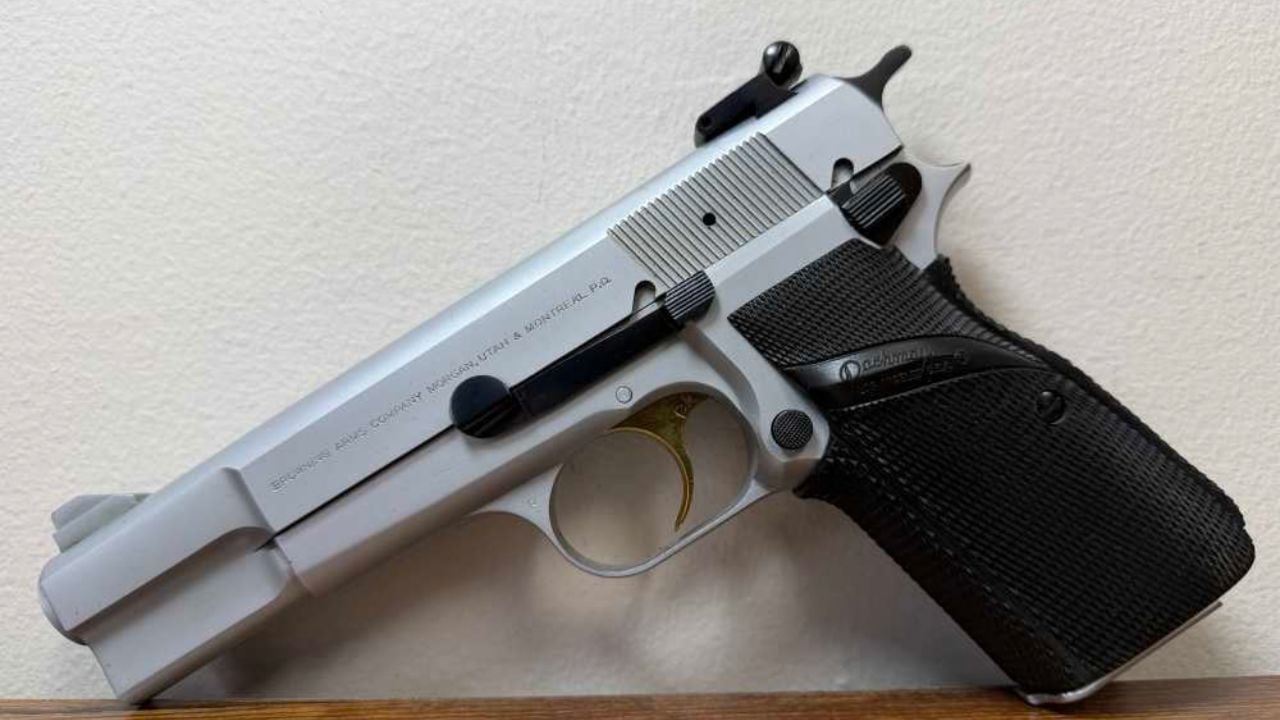
The Practical version of the Hi-Power combined a two-tone finish, improved sights, and rubber grips with the classic single-action design. Some collectors overlook it because it lacks the traditional polished blue appearance.
As a shooter, it can be better than more desirable-looking examples. The controls are familiar, the steel frame keeps recoil mild, and the pistol points naturally. Removing the magazine disconnect can improve the trigger, where legally appropriate and performed safely. Owners sometimes discover that the less collectible Practical is the Hi-Power they actually enjoy shooting most.
Savage Axis II

The Axis II is commonly treated as a starter rifle that owners are expected to replace once they can afford something better. Its synthetic stock and basic finish reinforce that assumption.
The rifle often shoots well enough to make an upgrade difficult to justify. The AccuTrigger is manageable, the action is straightforward, and the barrel can deliver impressive hunting accuracy with ammunition it prefers. The stock is flexible and the magazine feels inexpensive, but the rifle’s ability to put bullets where aimed is much better than its presentation suggests.
Mossberg Patriot Predator

The Patriot Predator is priced below many rifles marketed toward serious hunters. Its plastic magazine and ordinary stock cause some owners to assume it is only suitable as a rough-use backup.
Many examples provide good practical accuracy, a useful threaded barrel, and a trigger that is entirely adequate for field shooting. It is not built like a premium controlled-feed rifle, but it does not need to be. Owners who actually test several loads often find the Patriot fully capable of handling their normal hunting distances.
Ruger American Predator

The American Predator is frequently purchased because it is inexpensive and available in useful chamberings. The hollow stock, rough bolt feel, and rotary magazine on some versions make it easy to view as disposable.
Its cold-hammer-forged barrel and bedding system often produce excellent accuracy. The bolt usually smooths with use, and the adjustable trigger is better than many older budget-rifle triggers. Owners regularly discover that improving the optic or stock makes more sense than replacing the rifle itself.
Weatherby Vanguard Synthetic

The Vanguard is often overshadowed by the more prestigious Weatherby Mark V. Its conventional action, modest synthetic stock, and Japanese production cause some buyers to see it as the company’s economy option.
The Howa-built action is strong, smooth, and capable of excellent accuracy. The rifle is heavier than many modern mountain rifles, but that weight makes it stable and manageable from field positions. Owners who purchased it as an affordable hunting tool often realize the action and barrel are good enough for a much more expensive rifle.
Winchester SXP Defender

The SXP Defender is usually compared unfavorably with the Mossberg 500 and Remington 870 before anyone actually uses it. Its Turkish production and lower price make some owners question whether it belongs in serious company.
The rotating bolt locks firmly, and the action opens quickly with assistance from recoil. Its controls are easy to understand, while the lightweight design makes it maneuverable. It lacks the massive aftermarket of its competitors, but the shotgun itself is faster and more capable than many owners expect.
Stoeger M3000
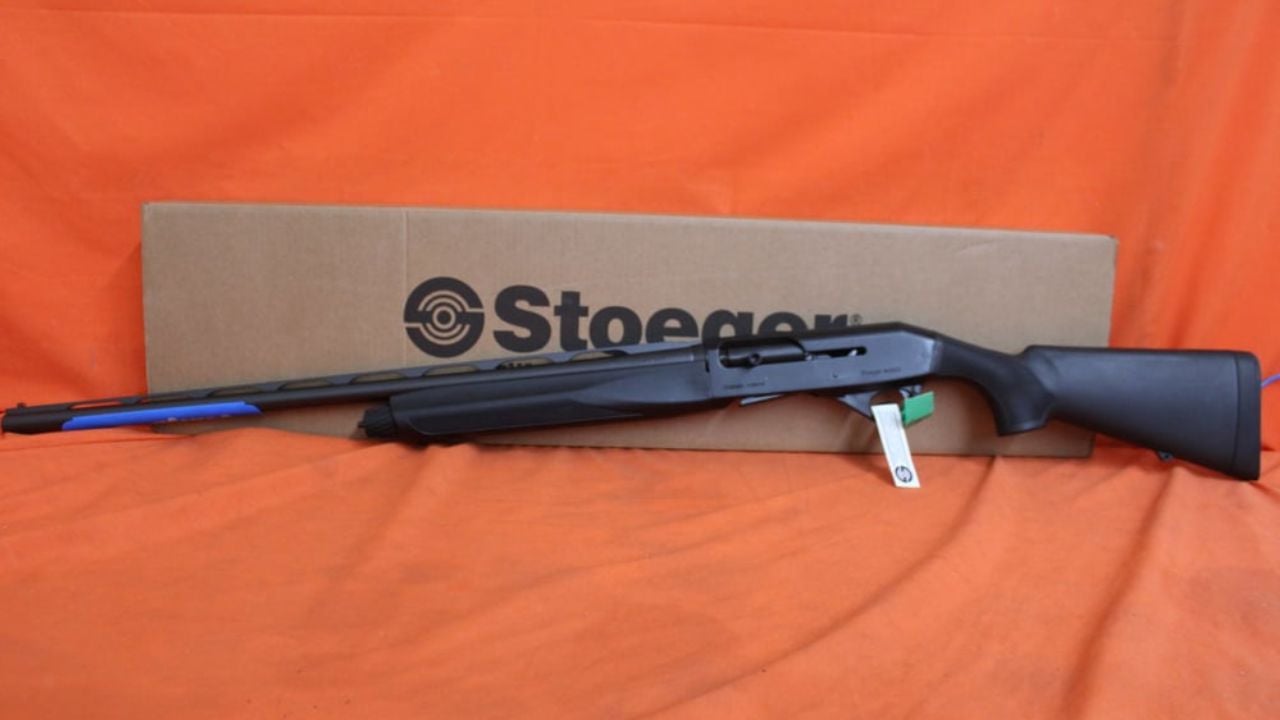
The M3000 is often described as the less expensive alternative to a Benelli. That comparison can make it sound like a compromise rather than a useful shotgun in its own right.
Its inertia-driven system stays relatively clean, and the shotgun can become extremely dependable once broken in with suitable ammunition. The finish and internal polish are not equal to premium Italian guns, but the operating system is straightforward. Owners who maintain the recoil system often get years of hunting and competition use for surprisingly little money.
Franchi Affinity 3
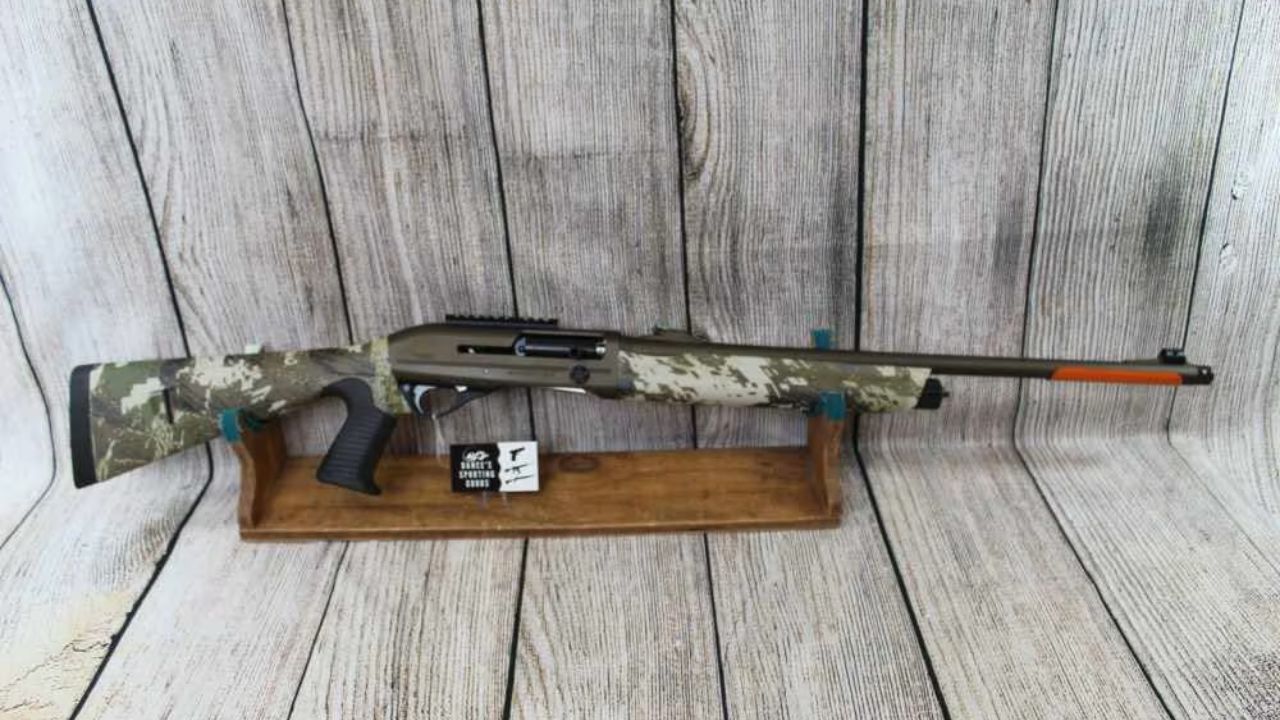
The Affinity 3 sits in an awkward position between entry-level semiautomatics and premium Benelli shotguns. It lacks the status of the more expensive name despite sharing similar operating principles.
The recoil spring is positioned around the magazine tube, making it easier to reach than systems hidden inside the stock. The shotgun is light, points naturally, and tends to run well with ordinary field loads. Owners frequently discover that they gave up far less than expected by choosing the Franchi.
Ruger PC Carbine
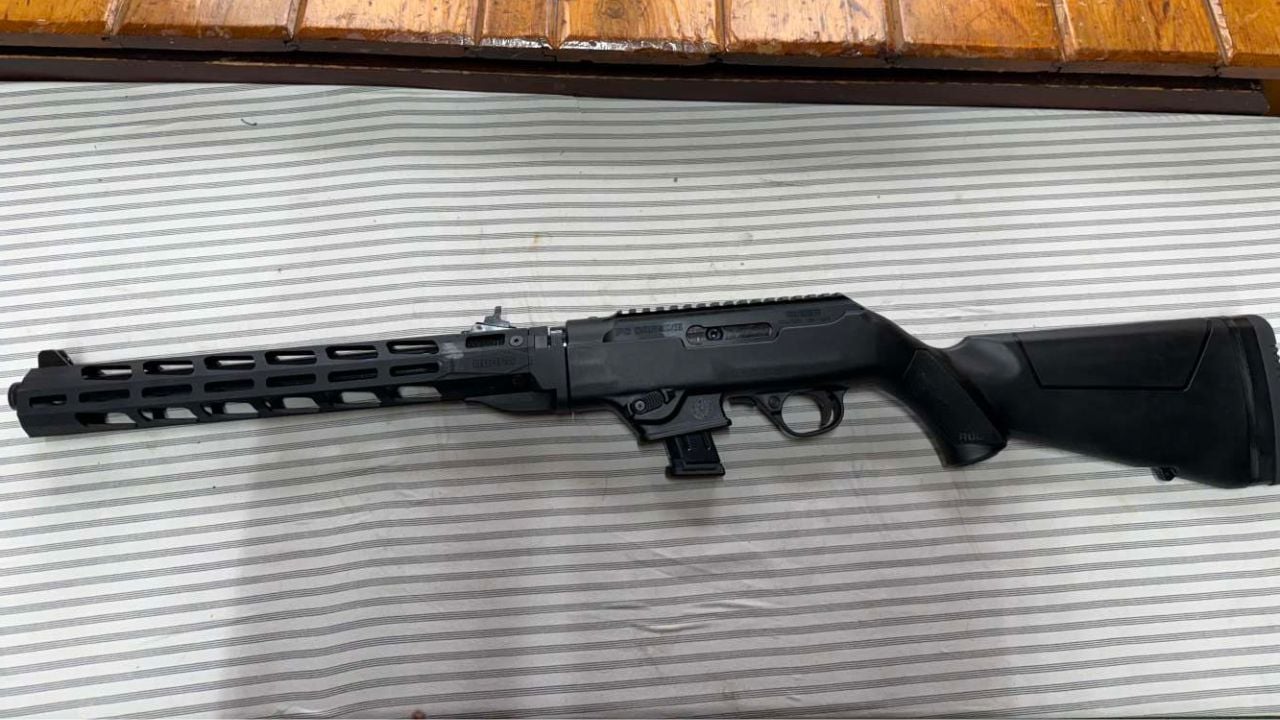
The PC Carbine can look heavy and awkward beside lighter pistol-caliber carbines. Its takedown system, thick barrel, and traditional stock also make it seem less exciting than more tactical designs.
That weight gives it excellent stability and makes 9mm recoil almost irrelevant. The rifle accepts common magazines with the appropriate insert, is easy to separate for storage, and usually runs with little attention. Owners who bought it as a novelty often find it becoming one of the most frequently used guns they own.
Thompson/Center Compass II
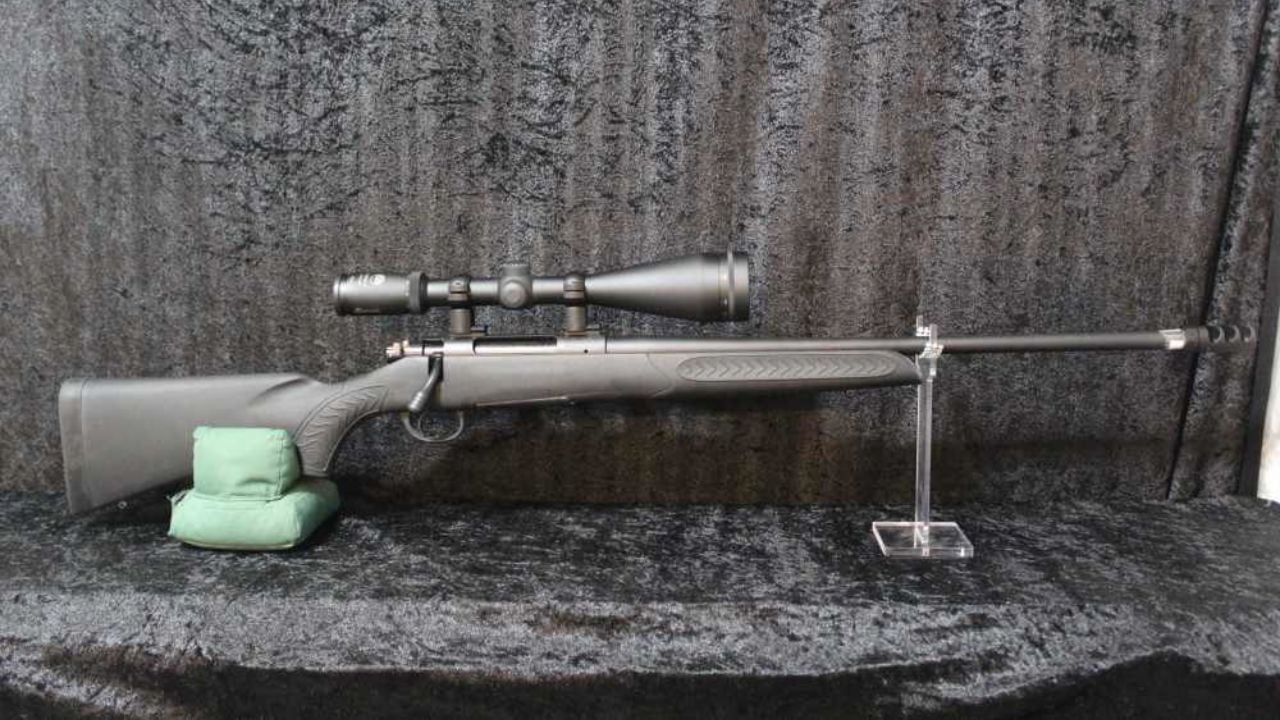
The Compass II was marketed as an affordable hunting rifle and rarely received the same respect as established models from Tikka, Bergara, or Weatherby. Its plain stock and low retail price created modest expectations.
The rifle’s barrel and adjustable trigger can produce very respectable accuracy. Its threaded muzzle adds flexibility, while the conventional action is easy to understand and maintain. Owners who judge it by the target rather than the price tag often realize there is little about its field performance that feels entry level.
Like The Avid Outdoorsman’s content? Be sure to follow us.
Here’s more from us: