Photo credit: Tactical Considerations/YouTube
Little pistols get sold on the idea that “you’ll carry it more.” That part is often true. What they don’t tell you at the gun counter is that small guns can be twitchy, loud, and downright humbling on a timer. Still, a handful of compact and subcompact handguns have figured out the balance: enough weight in the right places, usable sights, decent triggers, and grip shapes that don’t make you fight the gun.
These are the ones that tend to shoot flatter and group tighter than you’d expect when you first pick them up. None of them are magic, and all of them have tradeoffs, but they’ll surprise you in the best way if you put in a little range time.
1. SIG Sauer P365 (9mm)
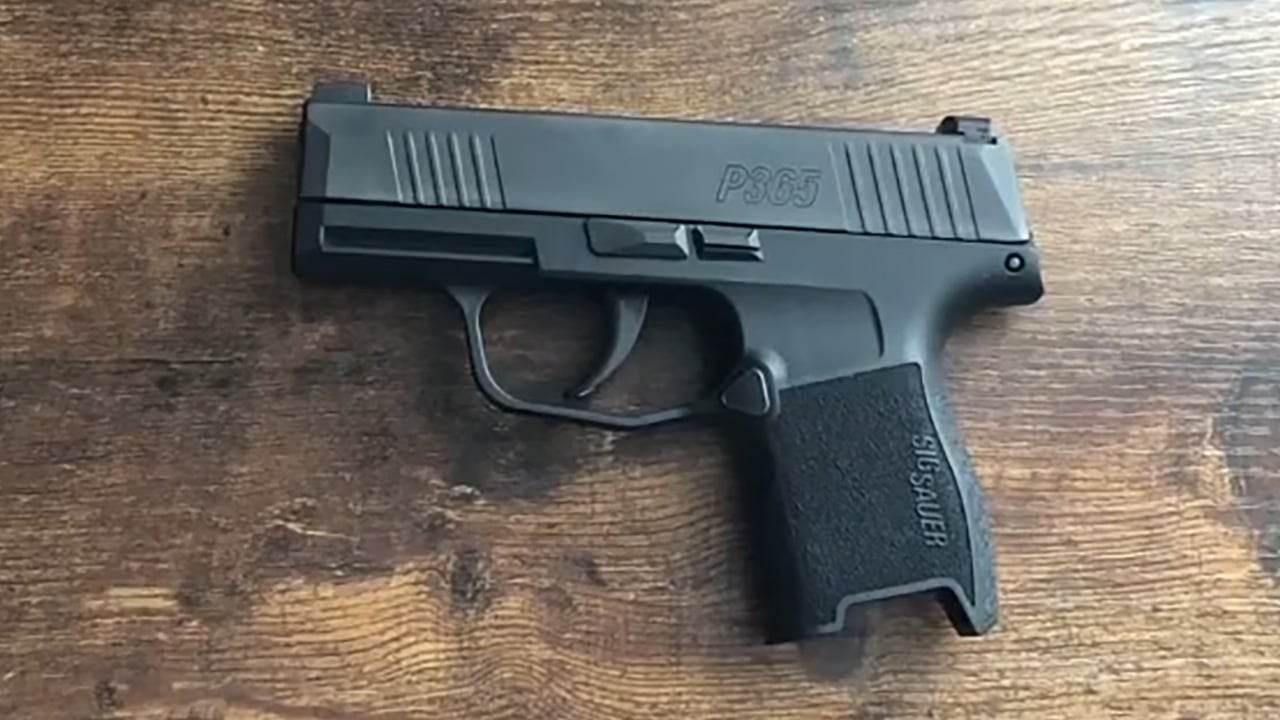
The P365 changed what folks expect from a true carry-size 9mm. It’s small in the waistband, but it doesn’t feel like a toy when you start shooting. The grip angle and beavertail let you get a high hold without getting chewed up, and the slide mass is “just enough” to keep it from being a snappy little monster.
Where it really earns points is how easy it is to run at speed. The sights are usable, the trigger is consistent, and the gun points naturally for a lot of hands. It’s not a range day comfort gun like a full-size duty pistol, but for its footprint it’s shockingly cooperative. Keep an eye on grip length for your hand size, and don’t cheap out on practice ammo—you’ll actually want to train with this one.
2. Glock 43X (9mm)
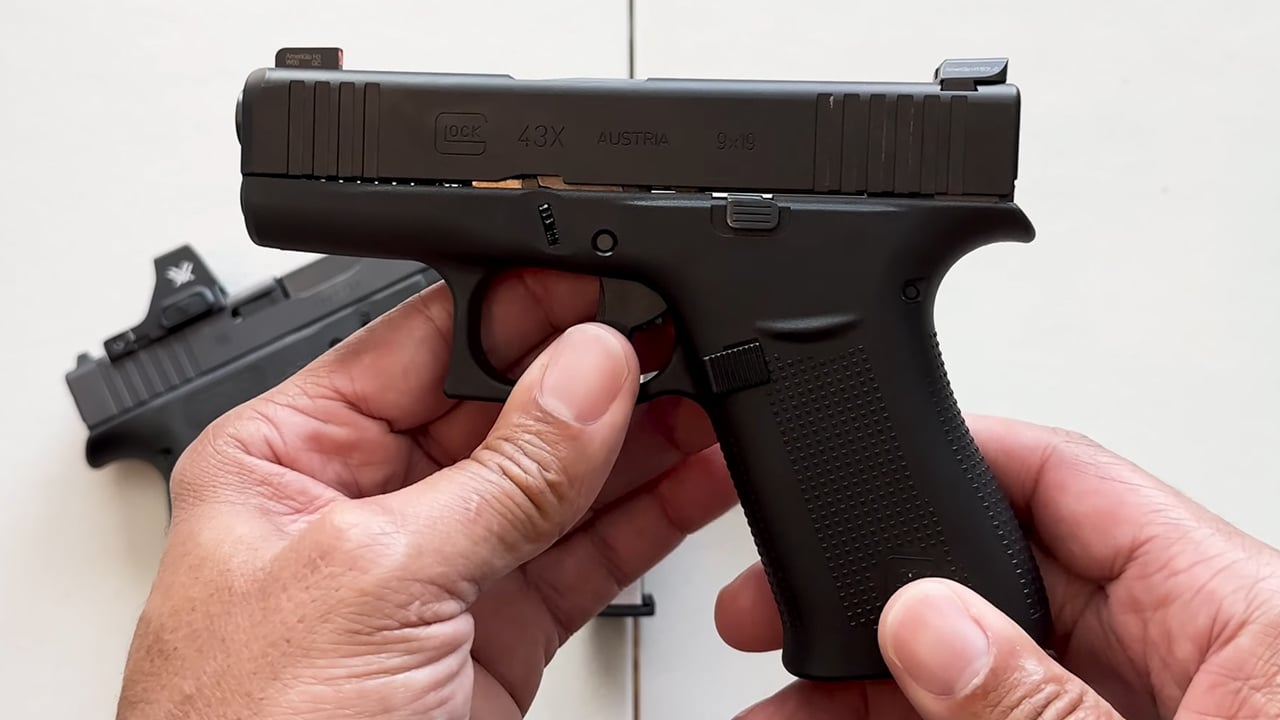
Single-stack-ish dimensions with a grip that feels like a “real pistol” is the 43X’s whole deal. That extra grip length matters more than most people admit. It gives you control under recoil and makes your reloads less fumbly, especially if your hands are cold or you’re wearing light gloves in the fall.
It shoots bigger than it is because it balances well. The slide isn’t overly light, and the recoil impulse is predictable. It’s still a Glock trigger, meaning it’s not going to win beauty contests, but it’s easy to learn and easy to keep consistent. Magazines and parts are everywhere, holsters are everywhere, and it’s one of those boring choices that turns out to be smart after the new-gun excitement wears off.
3. Smith & Wesson M&P9 Shield Plus (9mm)
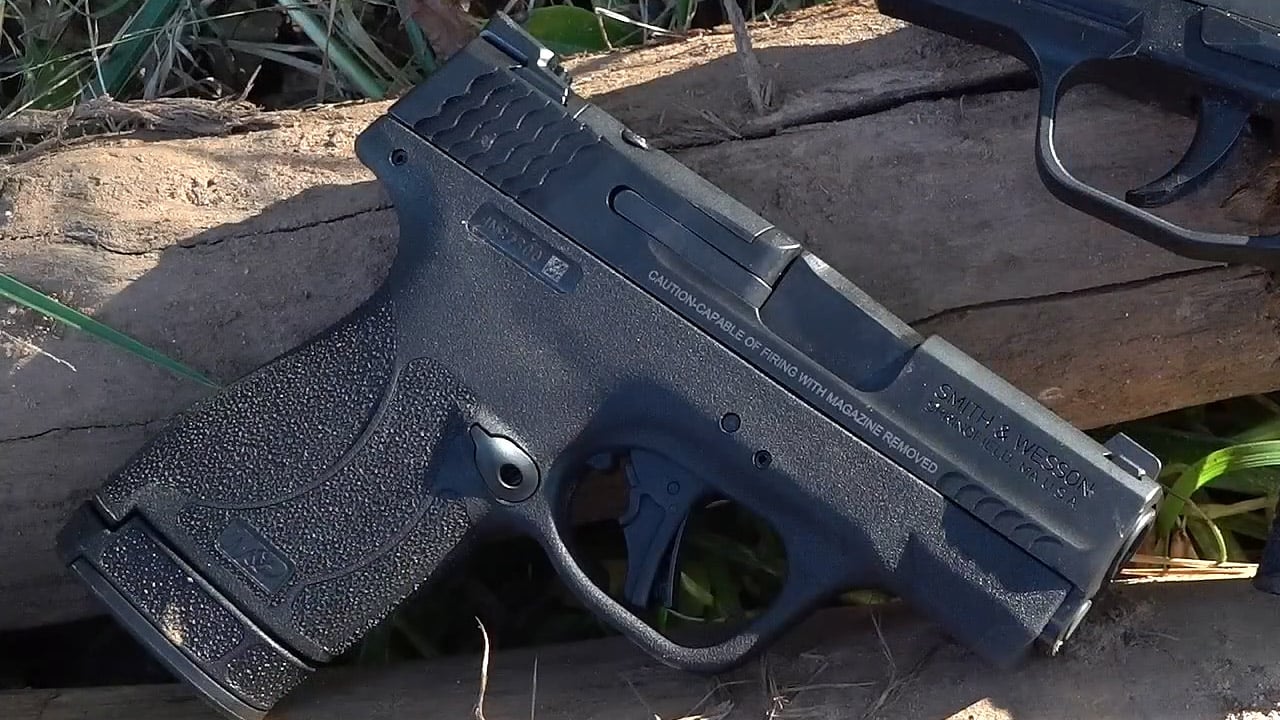
The Shield has been a steady carry pick for years, and the Plus version finally gave it the capacity to keep up without turning it into a brick. What surprises people is how well it tracks in recoil for a thin gun. The grip texture and shape do a lot of work, and the trigger is generally cleaner than what older Shields were known for.
This is one of those pistols that makes you look better than you are at 10 yards if you do your part. It’s also a gun that doesn’t demand special treatment: it’ll ride in a simple kydex rig, eat common defensive loads, and not complain. If you’re a “one gun on my belt all year” person, this is a strong argument for keeping things simple.
4. Springfield Armory Hellcat (9mm)
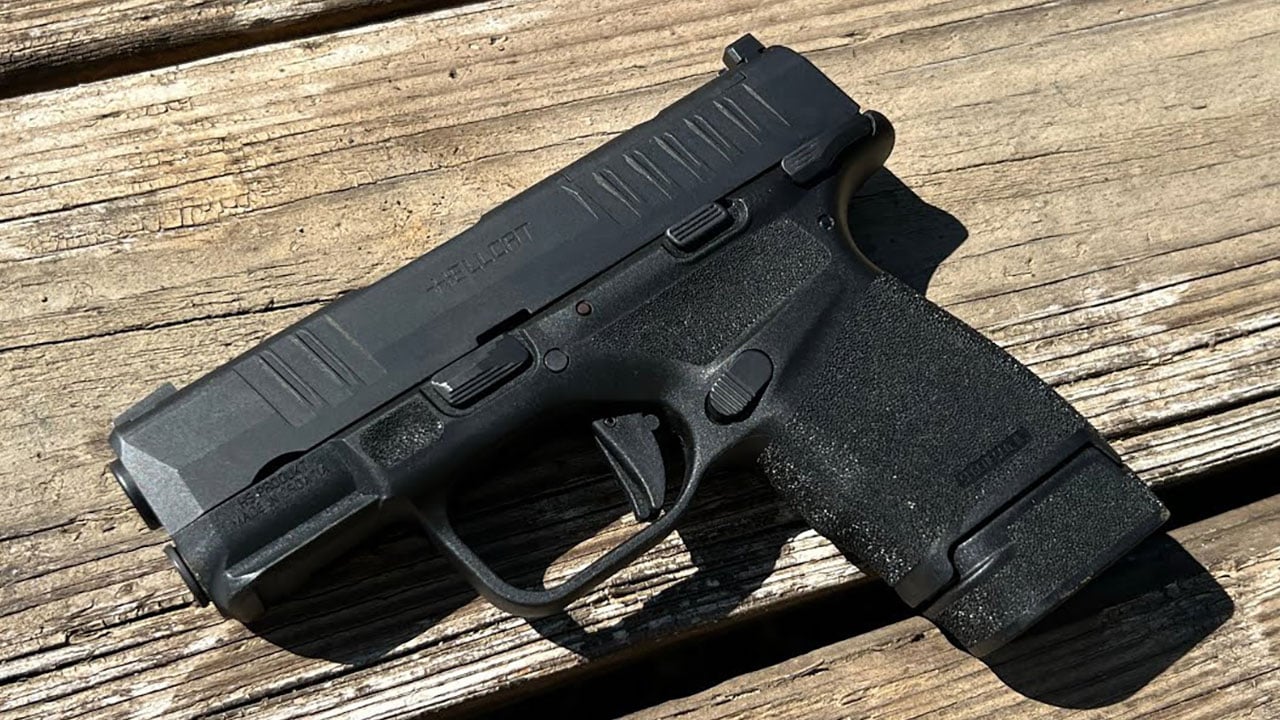
The Hellcat has a reputation for being a little lively, and it can be if your grip is lazy. But when you clamp down correctly, it shoots flatter than its size suggests. The frame gives you more purchase than you’d think, and the sight setup (especially the high-visibility front) is fast in real light, not just in a studio.
What I like is how it behaves on transitions—going from target to target doesn’t feel like you’re steering a bar of soap. The downside is that the short grip can punish sloppy support-hand placement, and extended range sessions will remind you it’s a micro-compact. Still, for a gun that hides easy in a T-shirt season, it holds its own when you’re trying to shoot tight groups quickly.
5. Ruger LCR (in .38 Special)
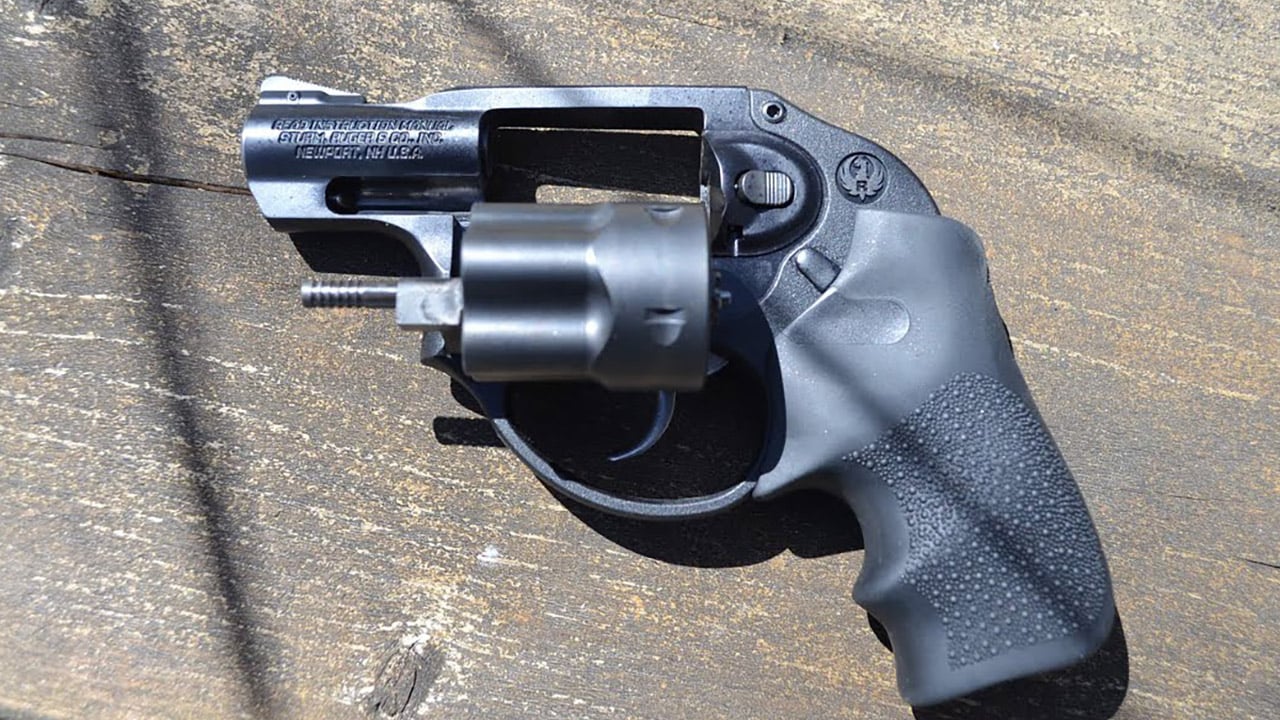
Snub-nose revolvers are supposed to be hard to shoot well, and many are. The LCR in .38 is the exception that keeps showing up on good shooters’ belts. Ruger’s cam-style trigger is smoother than most small revolvers, and that matters when you’re trying to avoid yanking rounds low-left under pressure.
Loaded with sensible .38 Special—nothing crazy—it’s controllable and surprisingly accurate at defensive distances. The light weight is a blessing for carry and a curse for recoil, so don’t treat it like a .357 and expect fun. The real advantage is consistency: no magazines, no limp-wristing issues, and it will fire from inside a coat pocket if your life ever got that bad (still, know your local laws and keep your muzzle discipline). For a woods-walk backup, it’s tough to dismiss.
6. Ruger SP101 (2.25-inch, .357/.38)
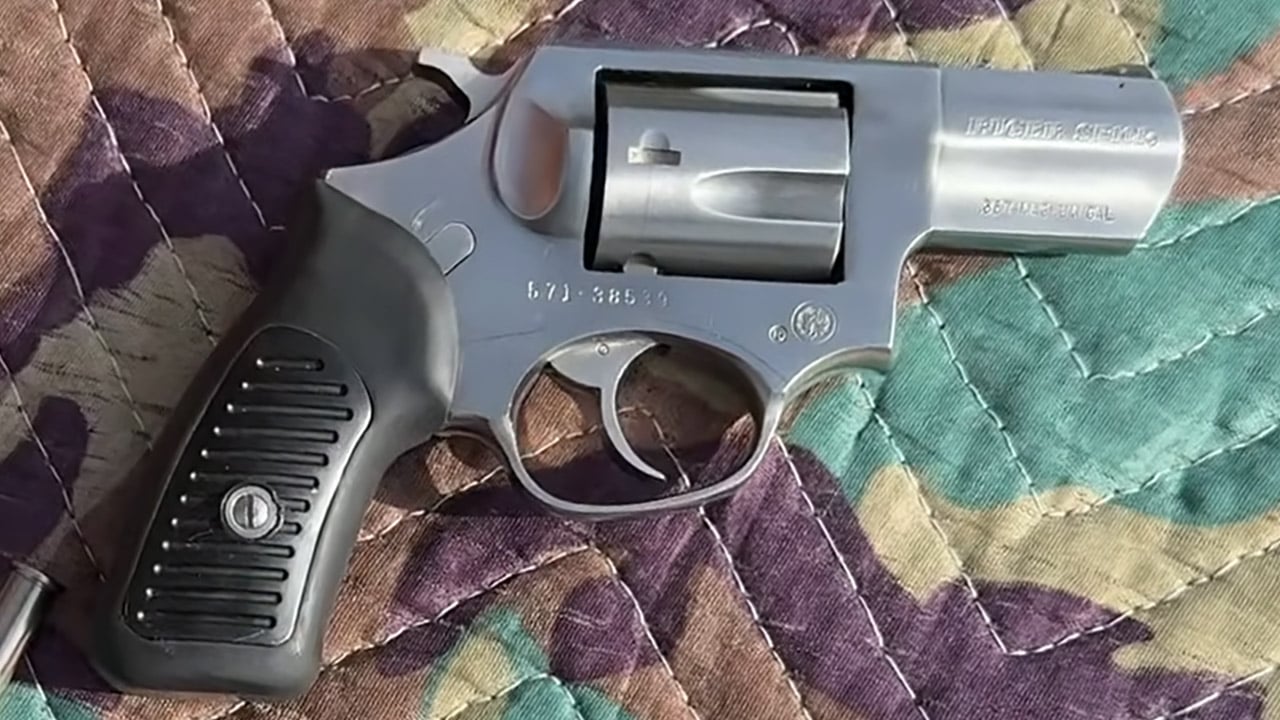
Compared to an airweight snub, the SP101 feels like a chunk of river rock—in a good way. That extra steel turns recoil into something you can manage, and it gives the gun a steadiness that makes hitting with a short barrel way more realistic. With .38s, it’s downright pleasant, and that’s when most shooters suddenly get good with a snubby.
It’s heavier than folks want for summer carry, but it rides fine in a strong belt holster, and it’s a natural “around the property” gun. The sights are basic, the capacity is basic, and there’s nothing fancy about it, and that is kind of the point. If you want a small revolver that actually lets you practice without hating your life, this is one of the first ones I’d put in your hand.
7. Glock 26 (9mm)
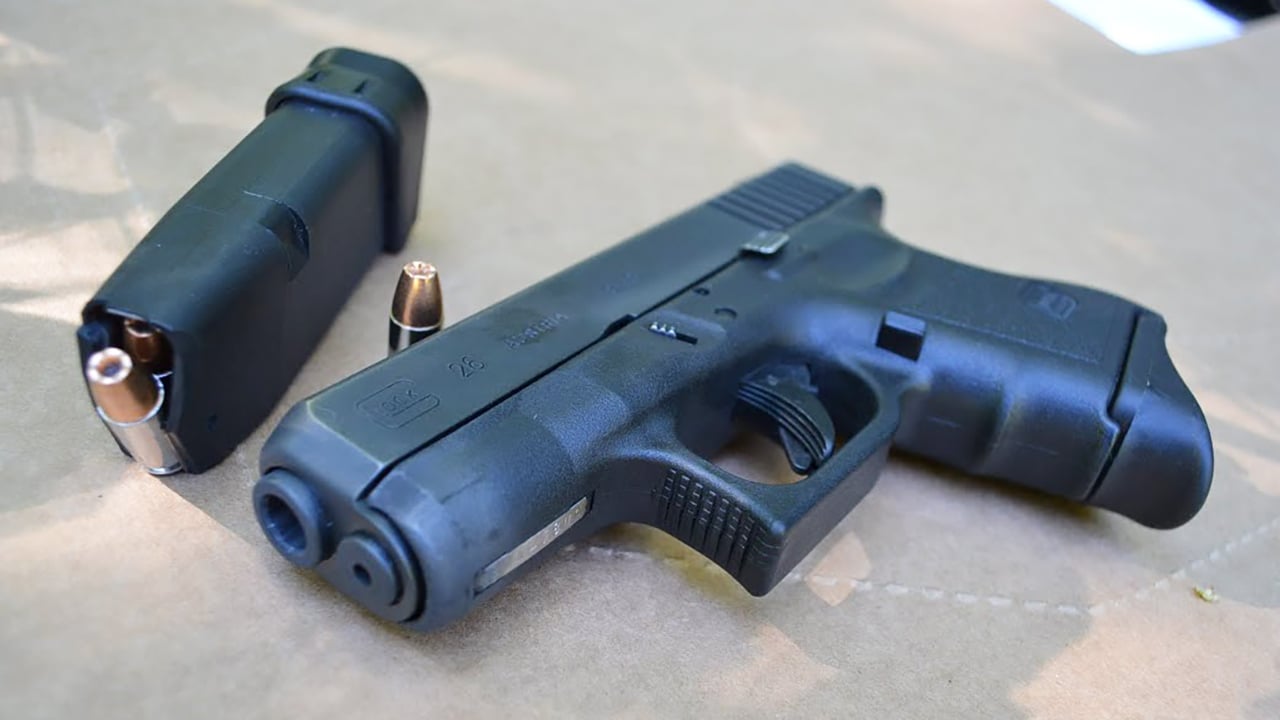
The Glock 26 is the little pistol that keeps embarrassing newer designs. On paper it looks thick and stubby. In the hand it shoots like a shrunken duty gun. That thickness gives you something to hold onto, and the slide mass helps keep it from being as jumpy as thinner micros.
It’s also forgiving. The sight radius is short, but the gun’s consistency helps you learn it fast. It runs well with a wide range of ammo, and the magazine compatibility with bigger Glock 9mms is a real-world perk—especially for folks who already own a 19 or 17. It’s not the flattest carry option, and it can print depending on body type. But when it’s time to shoot well, not just carry easy, it punches above its size.
8. Walther PDP F-Series 3.5-inch (9mm)

Walther builds guns that point naturally, and the F-Series brings that “easy to drive” feeling into a more carry-friendly size. The grip and trigger reach help a lot of shooters get proper finger placement without contorting their hand, and that translates directly into better hits. It’s not just comfort—it’s control.
The trigger is one of the best you’ll find in a striker-fired carry gun without doing anything aftermarket. Recoil is snappy because physics is physics, but it’s a straight-back kind of snap that’s easy to track. If you’ve ever shot a small pistol that felt like it was twisting out of your hands, this is the opposite. It’s a little thicker than some slimline options, but it shoots like a grown-up gun.
9. CZ P-10 S (9mm)

The P-10 S is often overlooked because CZ has a lot going on in their lineup, and everybody talks about the P-10 C. The S model, though, is one of those subcompacts that doesn’t feel nervous. The grip shape locks into the hand, and the bore axis and slide geometry keep muzzle rise reasonable for the size.
It’s also accurate. CZ barrels have a way of making average shooters look more consistent than they really are, and the P-10 S is no different. The trigger is typically crisp, with a predictable wall. Downsides? It can be a little blocky for some holsters, and magazine availability varies more than Glock or SIG depending on where you live. But if you want a compact that’s shootable first and “cute” never, this one belongs on the short list.
10. Heckler & Koch VP9SK (9mm)

The VP9SK feels like it should be snappier than it is. HK did a good job keeping it controllable with a grip that fills the hand and a recoil system that doesn’t feel harsh. The slide “ears” help with manipulations if you’re wet, muddy, or wearing gloves in late season. That sounds small until you’re actually dealing with it in the real world.
Where it surprises is in fast follow-up shots. The gun tracks well, and the trigger is usually very usable right out of the box. It’s not the smallest option, and it’s not the cheapest. But it’s a confidence gun, and that matters when you’re shooting a smaller pistol under any kind of stress. If you want a subcompact that behaves like a compact, HK basically built it.
11. Beretta PX4 Storm Compact (9mm)
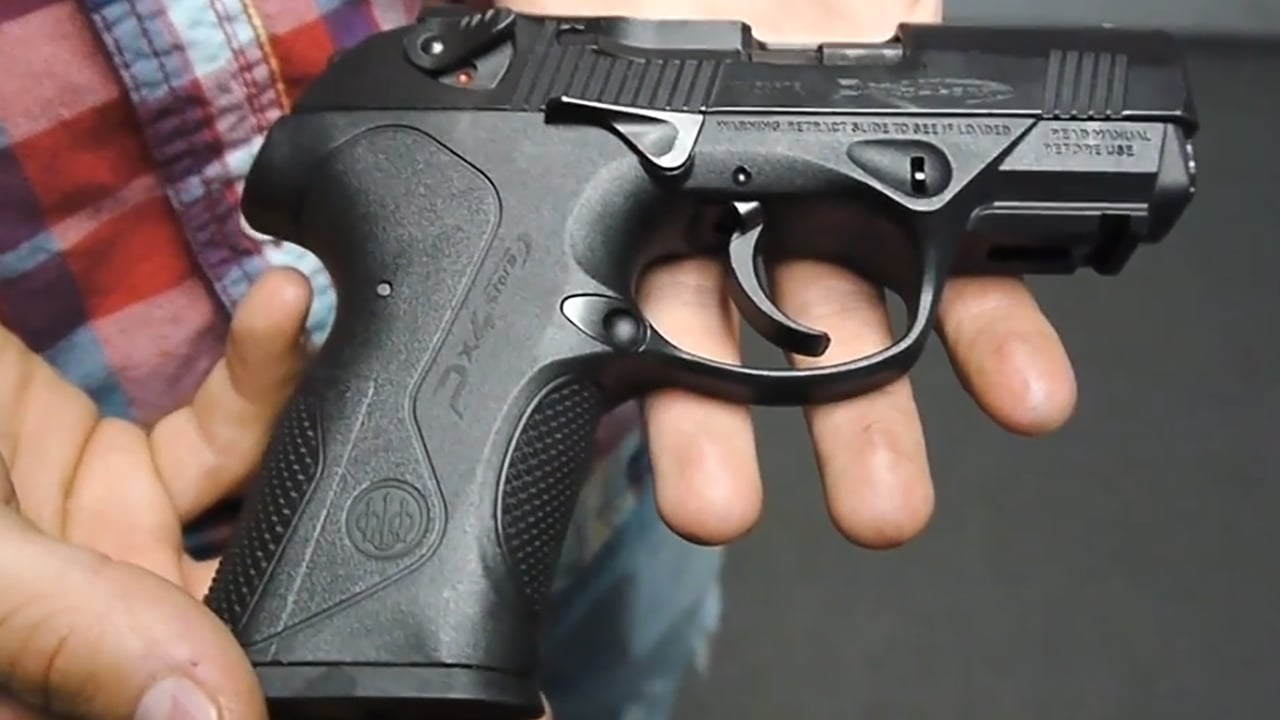
The PX4 Compact doesn’t get enough love, and I get it—it’s not the newest thing, and the styling is an acquired taste. But that rotating barrel system does a real job on recoil. The gun stays flatter than you’d expect, and the impulse feels more like a push than a snap, which helps you stay on the front sight.
It’s also a pistol that rewards a decent grip and trigger control. In DA/SA you’ll have to learn the first pull, but after that it settles in nicely. For shooters who struggle with small, light striker guns getting away from them, the PX4 Compact can be a breath of fresh air. The tradeoff is thickness and controls—if you don’t like levers and a more “mechanical” feel, you won’t love it. But it’s a shooter.
12. SIG Sauer P239 (9mm/.40)
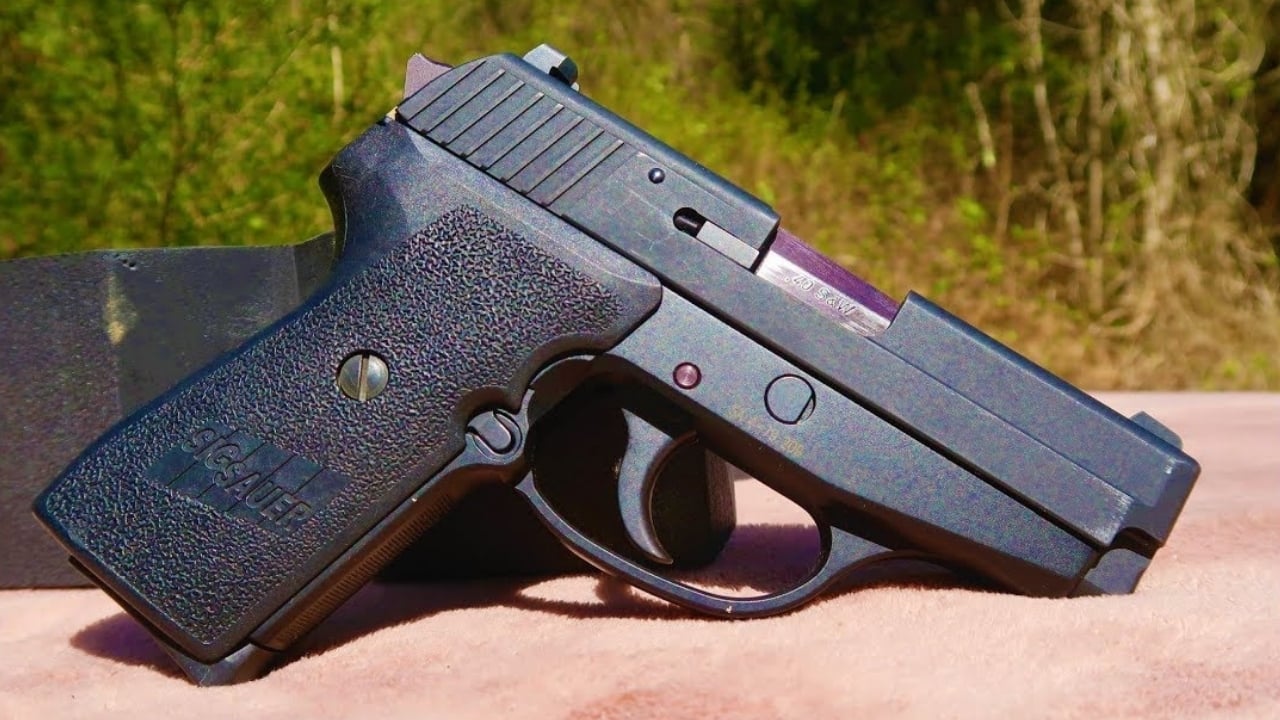
The P239 is an older single-stack SIG that a lot of folks traded away chasing capacity. That one hurts, because it’s one of the easiest slim pistols to shoot well. The weight is right, the ergonomics are classic SIG, and the gun just sits still when it fires compared to many modern featherweight carry pieces.
It’s not a budget buy anymore, and magazines aren’t as common as they once were, so it’s not the “easy button” for everyone. But if you find one in good shape, you’ll see why it has loyal fans. It carries close, points naturally, and the DA/SA system—when you actually practice with it—can be very precise. It’s a reminder that thin doesn’t have to mean punishing.
13. Colt Cobra (2017, .38 Special)
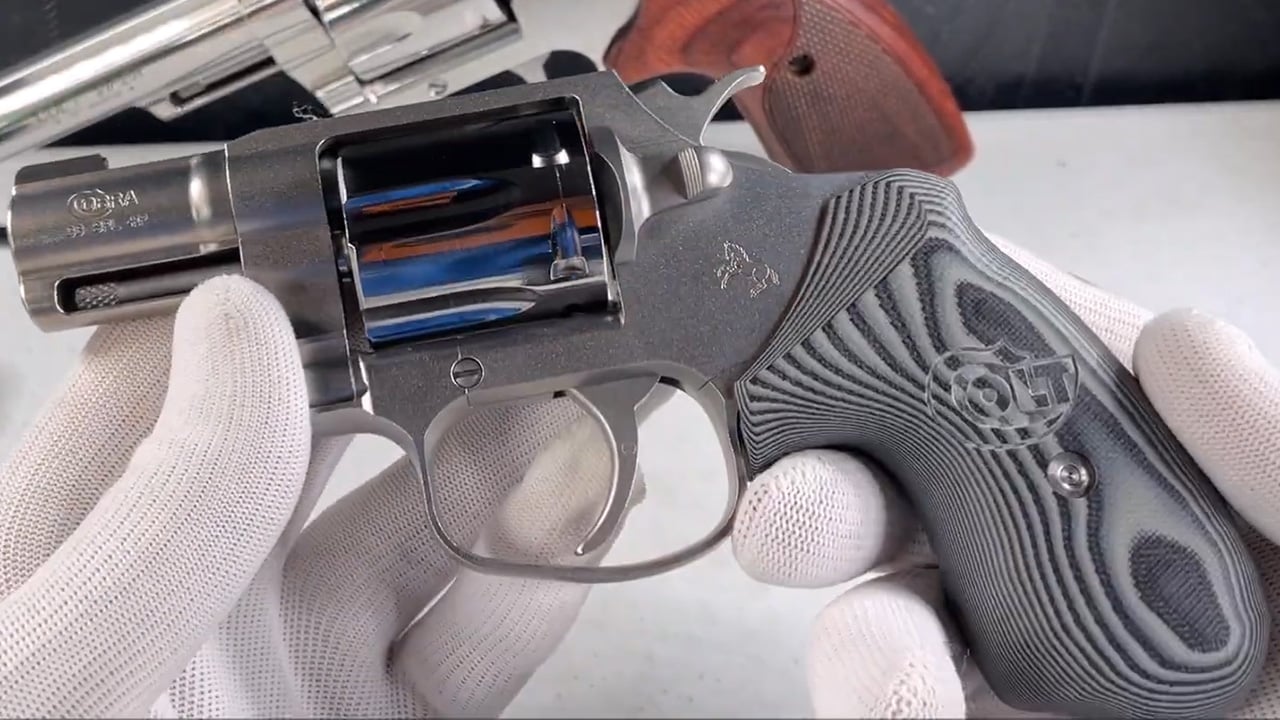
Modern Cobras have a better trigger than many folks expect, and the extra weight over the lightest snubs makes a difference. You still have a short barrel and a small sight picture, but the gun isn’t trying to jump out of your hand. With decent grips, it’s a very shootable small revolver.
For outdoorsmen, this is one of those “in the pocket while checking trail cams” guns that doesn’t feel like a compromise when you actually shoot it. It’s not a hard-kicking .357, and I’m fine with that. Most people are better served by controllable .38 +P they can place accurately. The Cobra isn’t cheap, and it’s not as rough-and-tumble as a polymer revolver, but it’s a serious little wheelgun.
14. Kimber K6s (2-inch, .357)
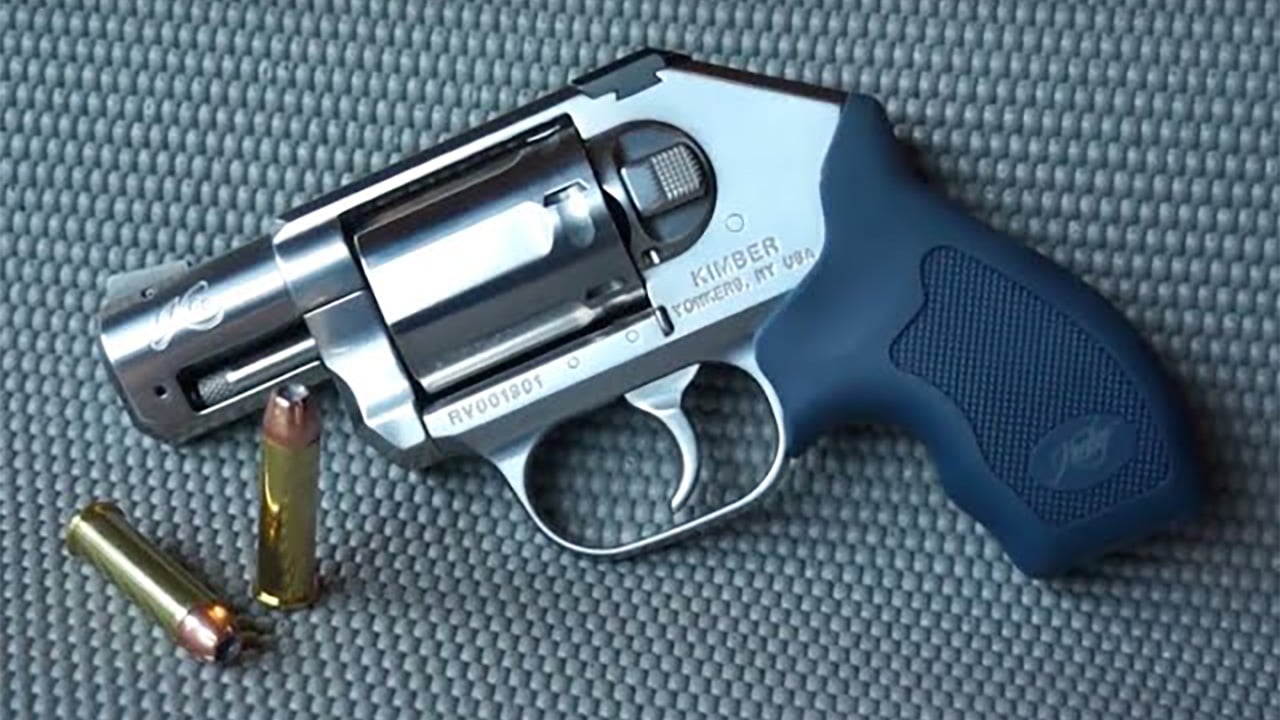
The K6s is a small revolver that’s built like Kimber actually wanted you to shoot it, not just carry it. The trigger is usually smooth, the sights are better than the typical gutter setup, and the frame design helps it sit low in the hand. Even if you never touch a .357 load, it’s a very capable .38 platform.
It’s not the lightest snub, and that’s part of why it works. Weight in the right place calms the gun down. The cylinder capacity is a big selling point, but what keeps it on this list is how controllable it feels for quick, accurate strings. It’s still a snub, so don’t kid yourself about 25-yard hero groups. But inside realistic distances, it’s an honest performer that doesn’t punish you for practicing.
15. Ruger Max-9 (9mm)
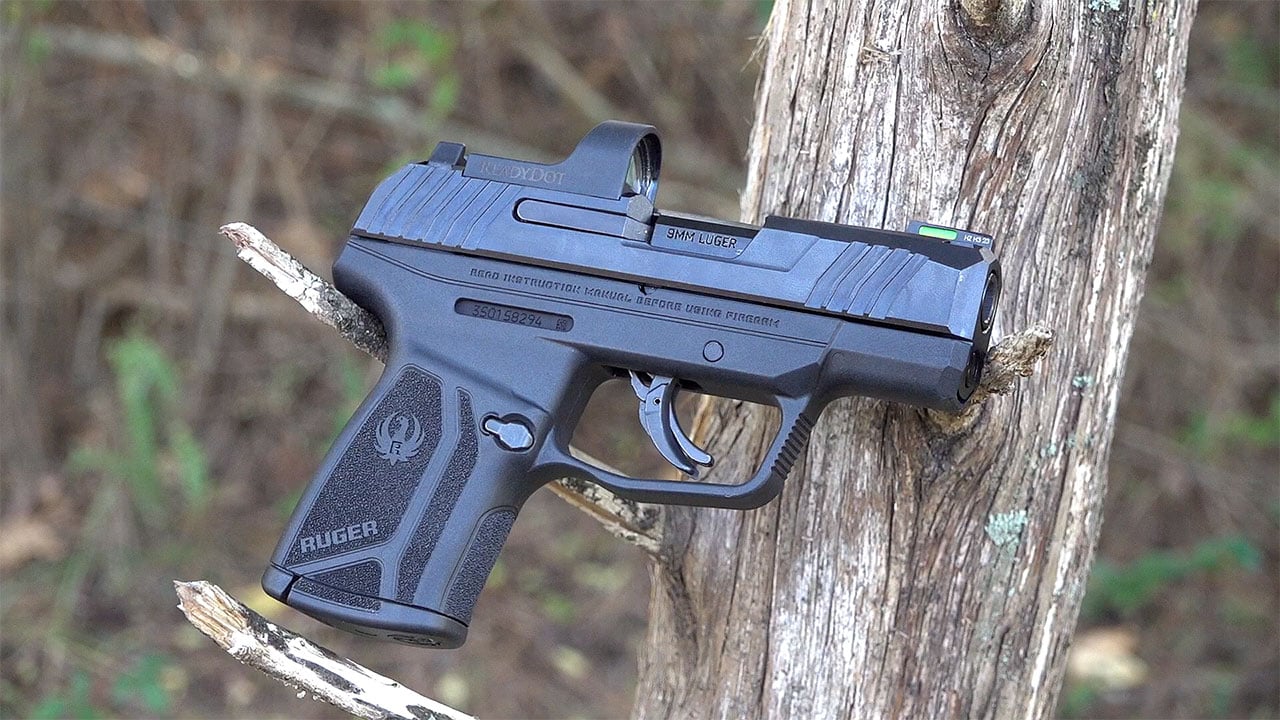
The Max-9 is one of those pistols that won’t win internet arguments but quietly shoots well. Ruger got the grip shape right, and the gun doesn’t feel top-heavy. The sights are usable, and on many examples the trigger is better than you’d guess for the price point.
It’s also a practical buy for the guy who wants one carry gun and doesn’t want to spend “fancy gun” money. Magazines are reasonably available, and it tends to run with common defensive ammo without acting picky. The recoil is there, because it’s still a small 9mm, but it doesn’t feel like it’s slapping your hand. If you’re looking for a micro that you can actually afford to shoot a lot, this one deserves a look.
16. Smith & Wesson M&P 2.0 Compact 3.6-inch (9mm)
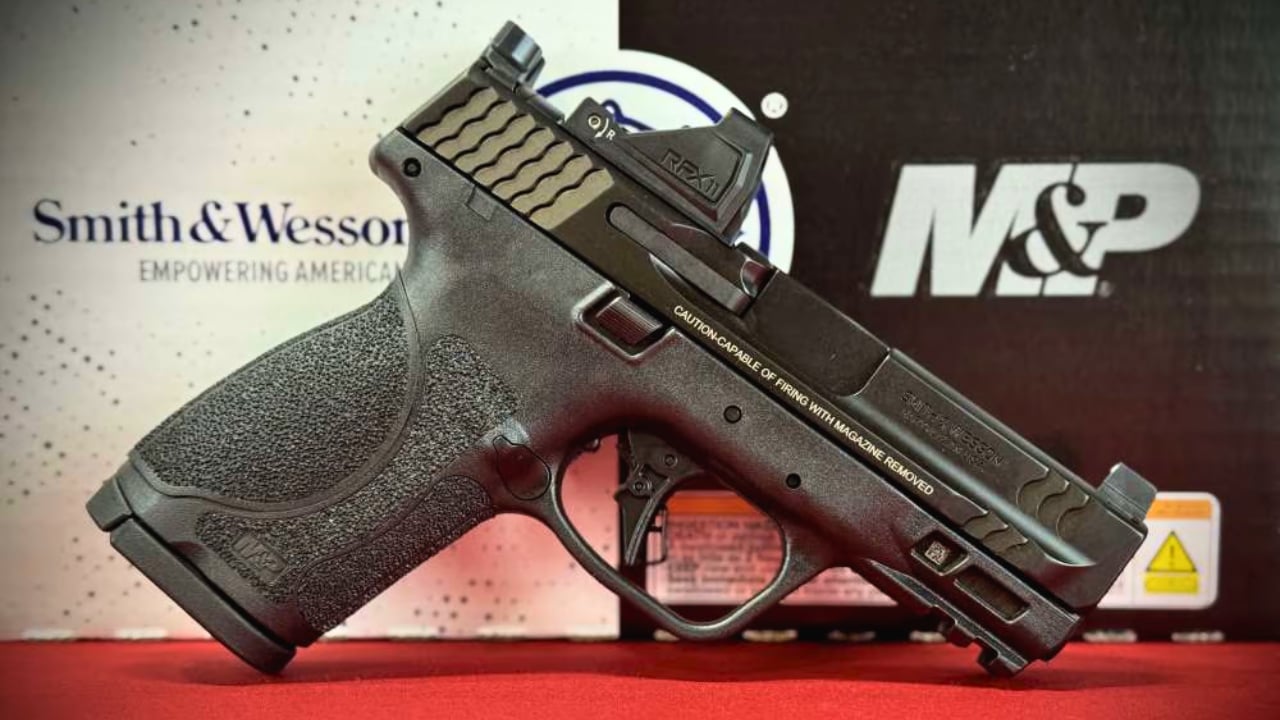
This one sits in a sweet spot: small enough to carry without drama, big enough to shoot like you mean it. The 3.6-inch Compact has the grip and texture that keep the gun planted, and it doesn’t feel like you’re hanging onto a firecracker. The 2.0 line fixed a lot of the “mushy” feel that turned some folks off the earlier guns.
It’s a great “do most things” pistol for outdoors life—carry to town, toss in a lockbox in the truck, and use as a home gun if needed. It’s not the thinnest, but it’s forgiving and accurate. If you shoot with a high thumbs-forward grip, it tends to track very naturally. For many shooters, this is the size where performance jumps up without the carry comfort falling off a cliff.
17. FN Reflex (9mm)
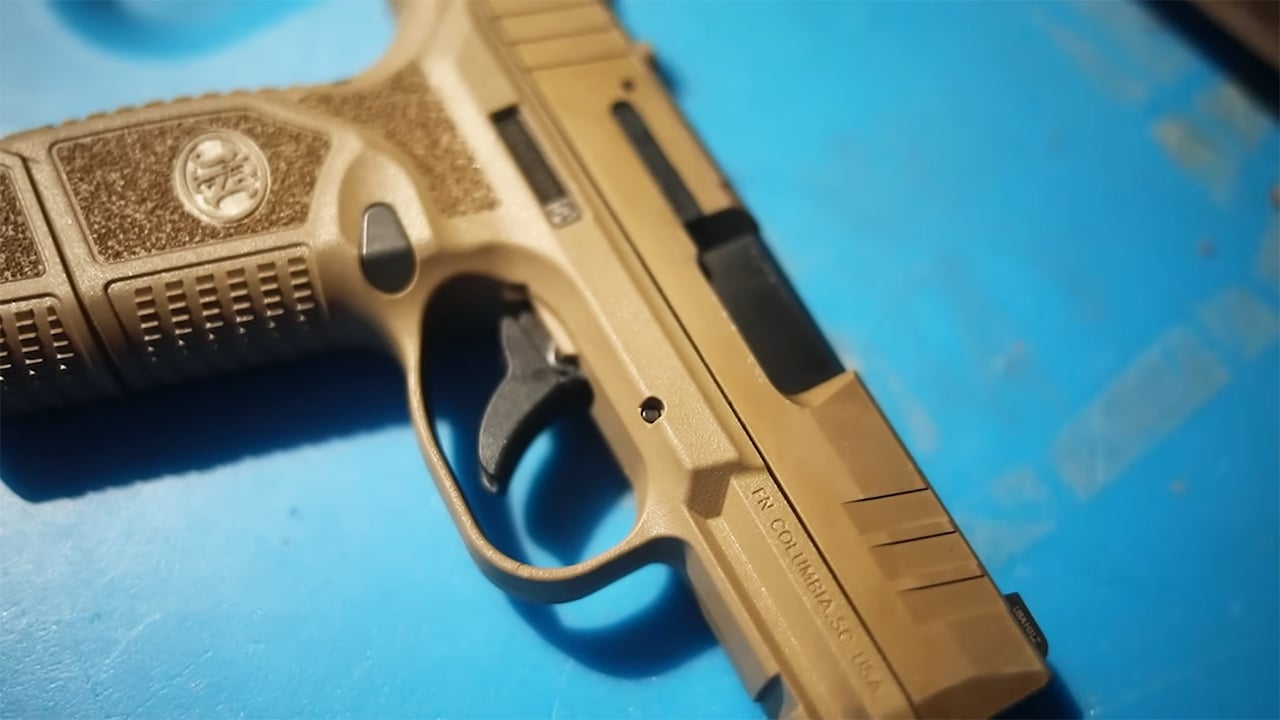
FN’s Reflex surprised a lot of shooters because it behaves more like a slightly larger pistol than a true micro. The internal hammer setup gives it a trigger feel that many people find easier to manage than the typical tiny striker guns. When you’re trying to break clean shots at speed, that matters.
It carries light and disappears well, but it doesn’t feel “cheap light.” The grip texture and geometry let you lock in, and the gun doesn’t twist around under recoil the way some micro-9s do. It’s still a short gun, so you’ll want to test which loads shoot closest to point of aim and run reliably. But if you want something small that doesn’t make you dread practice, the Reflex belongs in the conversation.
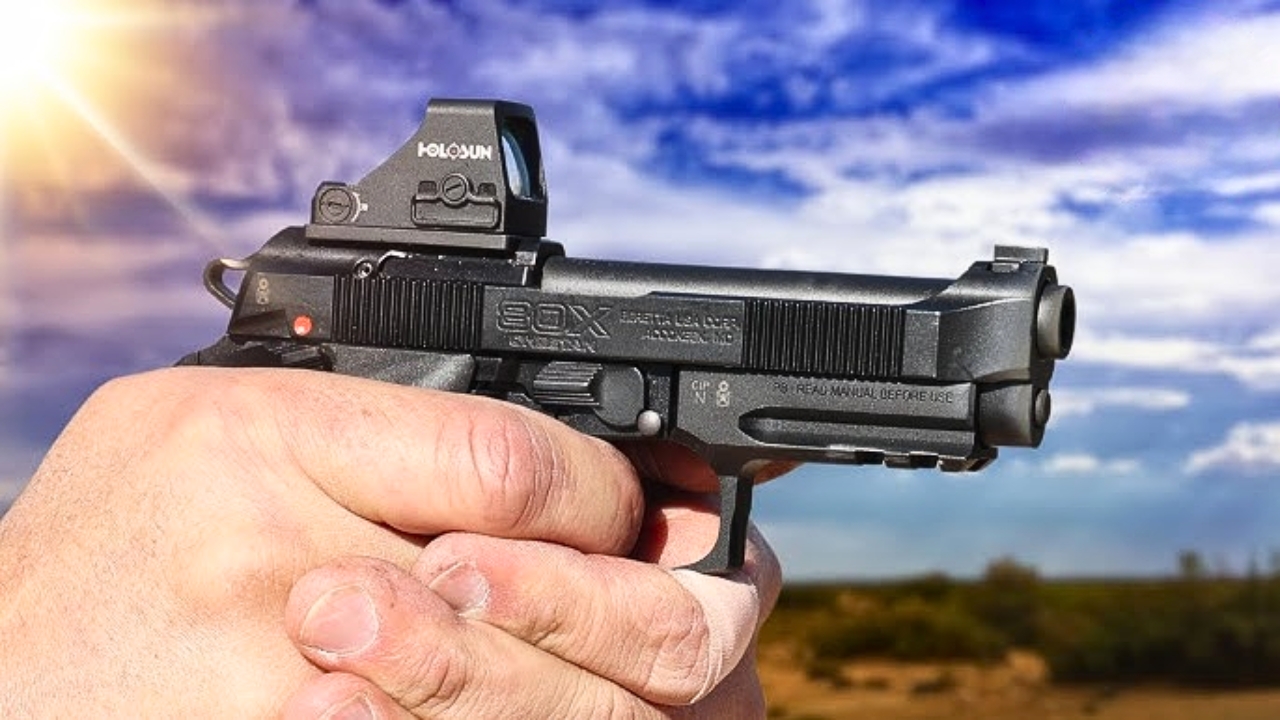
18. Beretta 80X Cheetah (.380 ACP)
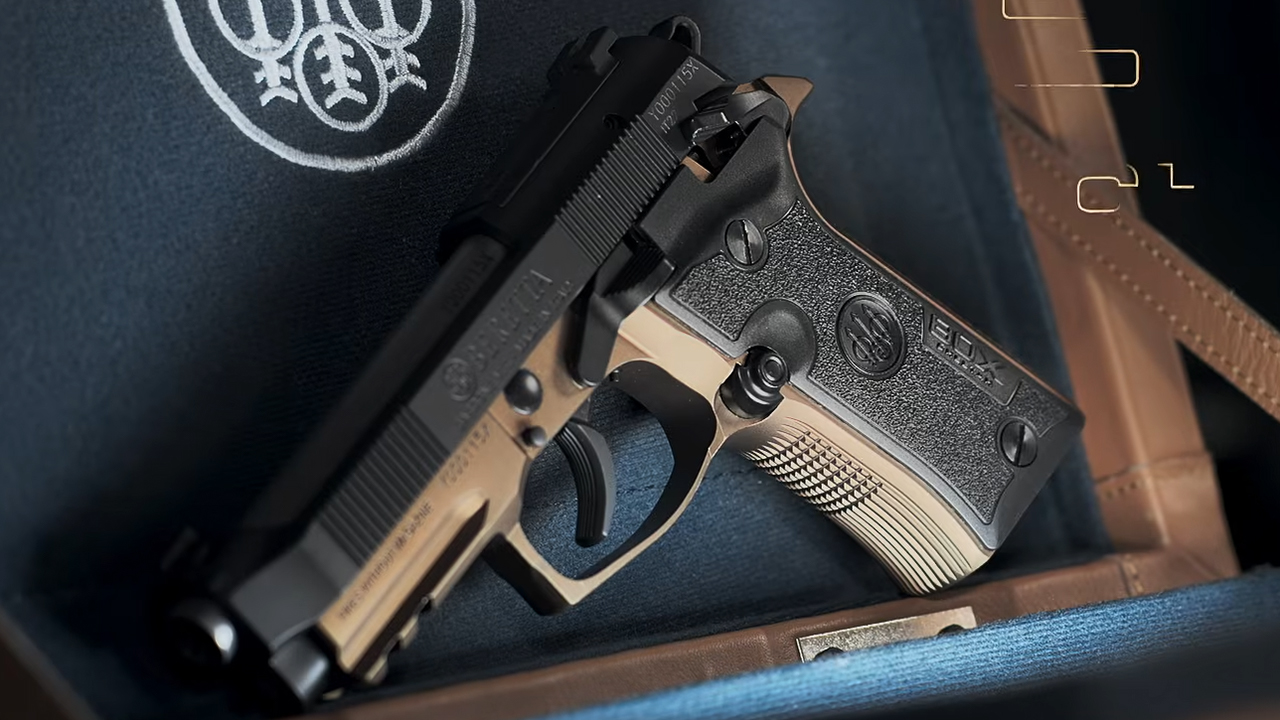
.380 gets dismissed by the “bigger is always better” crowd, but shootability is a real advantage—especially in a gun you’ll actually carry. The 80X is small enough to be practical, yet it’s big enough to soak up recoil and give you a solid grip. That’s the magic: it doesn’t feel like a tiny pocket pistol, it feels like a scaled-down service gun.
The sights and overall ergonomics are friendly, and most shooters can keep groups tight without fighting the gun. Ammo cost and availability can be a sore spot compared to 9mm, and you still need to choose quality defensive loads and verify reliability. But if you want a low-recoil carry pistol that you can shoot accurately one-handed if you had to, the 80X makes a strong case for .380 done right.
19. SIG Sauer P938 (9mm)
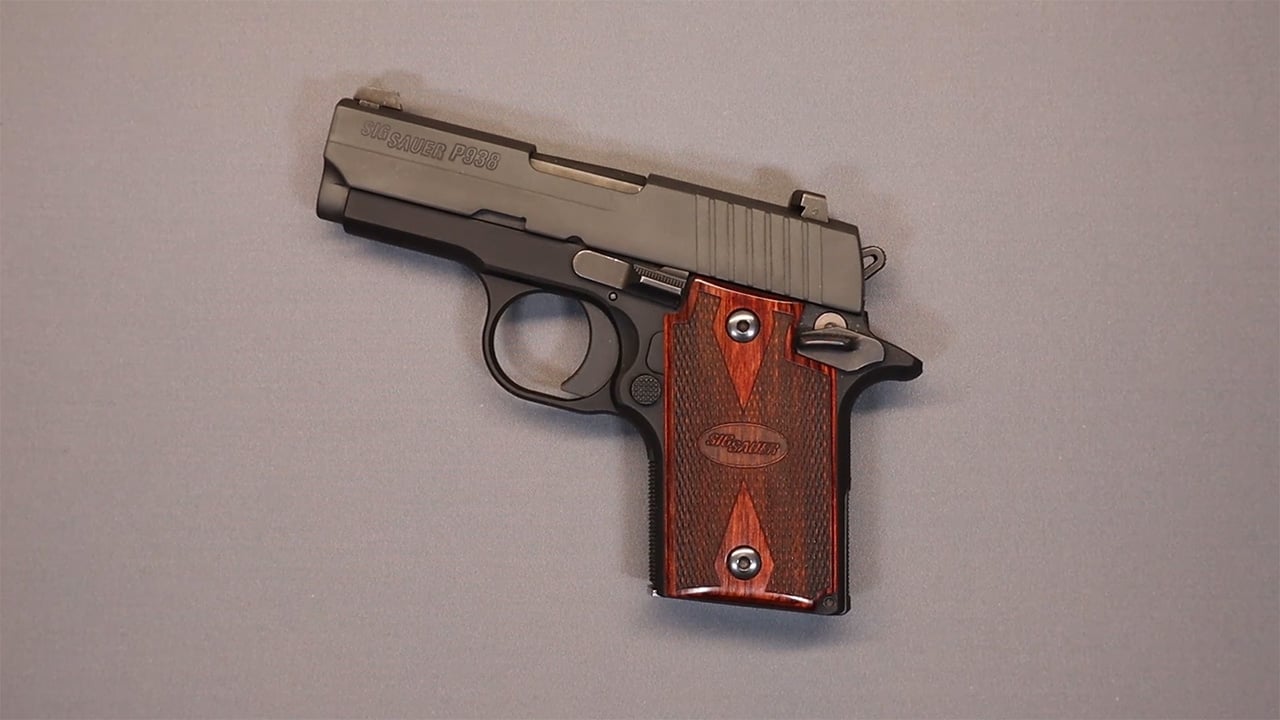
The P938 is a small 1911-style 9mm that can be a real surprise on target. It’s slim, it carries easy, and it has a crisp single-action trigger that helps shooters make precise hits without mashing through a long pull. In a small gun, a good trigger is like power steering.
It’s not for everyone, because you’re dealing with a manual safety and a different manual of arms than striker-fired pistols. If you’re not going to practice, pick something simpler. But if you will practice, the P938 is one of those “little gun, big accuracy” options that earns loyalty. Recoil is brisk but manageable, and the gun points naturally for many hands. Just be honest about whether you’ll train with that safety every single time.
20. CZ 75D PCR Compact (9mm)
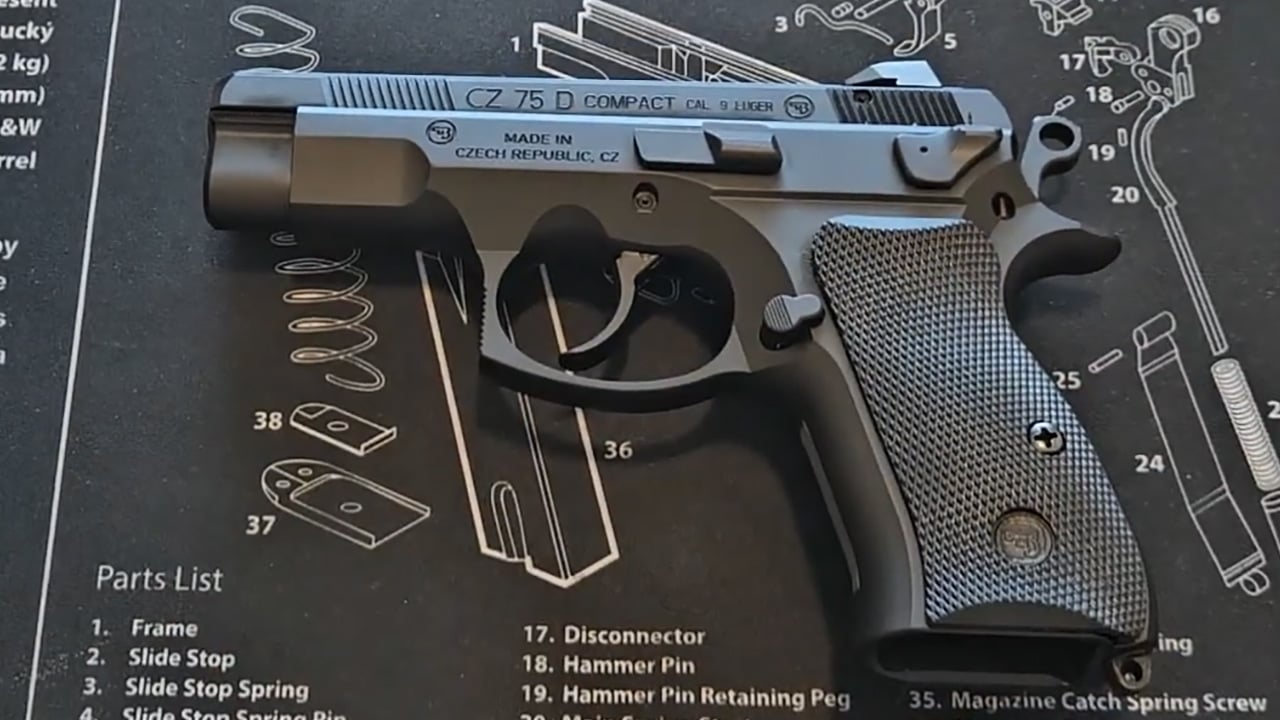
The PCR is compact, not micro, but it’s still smaller than it shoots. The alloy frame keeps weight reasonable for carry while giving you enough mass to make 9mm feel soft. The grip shape is classic CZ—thin where it should be, filling where it matters—so you don’t have to strangle it to control it.
This is one of those pistols that makes you want to shoot better. The DA/SA trigger takes some learning, but once you figure out the first pull and reset, you can be very precise. It’s also a great “woods and town” gun: accurate, reliable, easy to shoot well in odd positions, and not overly bulky under a jacket. If you’ve been fighting small, snappy striker guns, a PCR can feel like you just took weight off your shoulders.
Small handguns always involve compromise, and anybody telling you otherwise is selling something. But a carry-size pistol doesn’t have to shoot like a handful of angry parts. The guns above tend to give you real sights, workable triggers, and recoil you can manage without developing bad habits. If you’re shopping, don’t just fondle it at the counter—rent it, shoot it, and see whether you can put fast, repeatable hits where they count. That’s the whole game.
Like The Avid Outdoorsman’s content? Subscribe to our newsletter so you never miss an article.
Here’s more from us: