Photo credit: UsedGunDude/Youtube
New handguns are fun to fondle at the counter, and I get why folks walk out with something fresh in the box. But if you actually need a pistol that will ride in a truck door, on a hip in deer camp, or in a nightstand for a long time, used guns can be the smarter aisle to walk first. Not because they’re “cheap,” but because the good ones have already proven what breaks and what doesn’t, and parts and magazines are usually everywhere.
Here are 20 used handguns I’d inspect before I got distracted by the latest release. “Inspect” is the key word. Look for honest holster wear, not abuse. Check for peened rails, cracked frames, buggered screws, bent sights, and mystery trigger jobs. And if the seller won’t let you do a basic function check (safely, and legally where you are), keep walking.
1. Glock 19 (Gen 3/Gen 4)
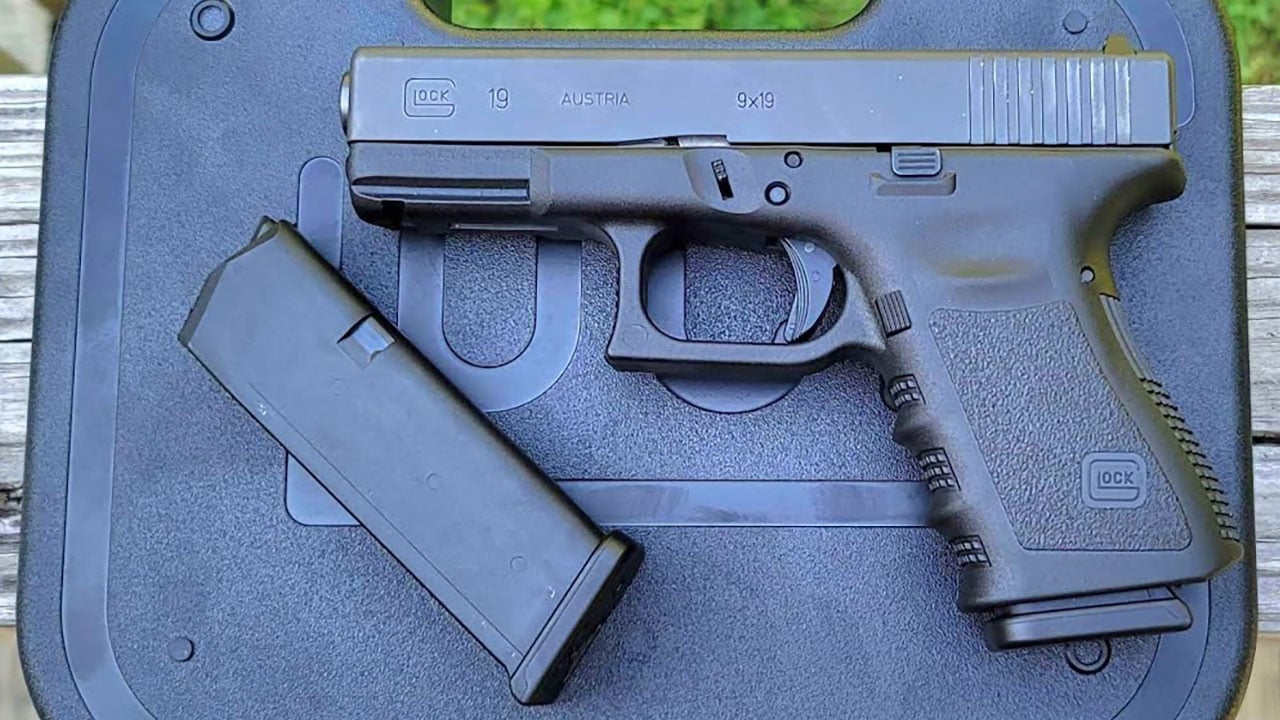
If you want one do-it-mostly-all handgun, a used Glock 19 is hard to beat. It carries well enough, shoots like a bigger gun, and doesn’t get picky about magazines or ammo. The real reason to look used is that police trade-ins and “bought it, shot it twice” guns are everywhere, and the platform is so common that nothing about it is a mystery.
On inspection, pay attention to the recoil spring assembly age, the condition of the slide stop, and whether somebody “upgraded” it into a problem. A pile of aftermarket parts can be fine, but I’d rather buy stock and add what I want later. Also check the front slide rails and locking block area for unusual battering. A boring used G19 is still the kind of boring that works.
2. Glock 17 (Gen 3/Gen 4)
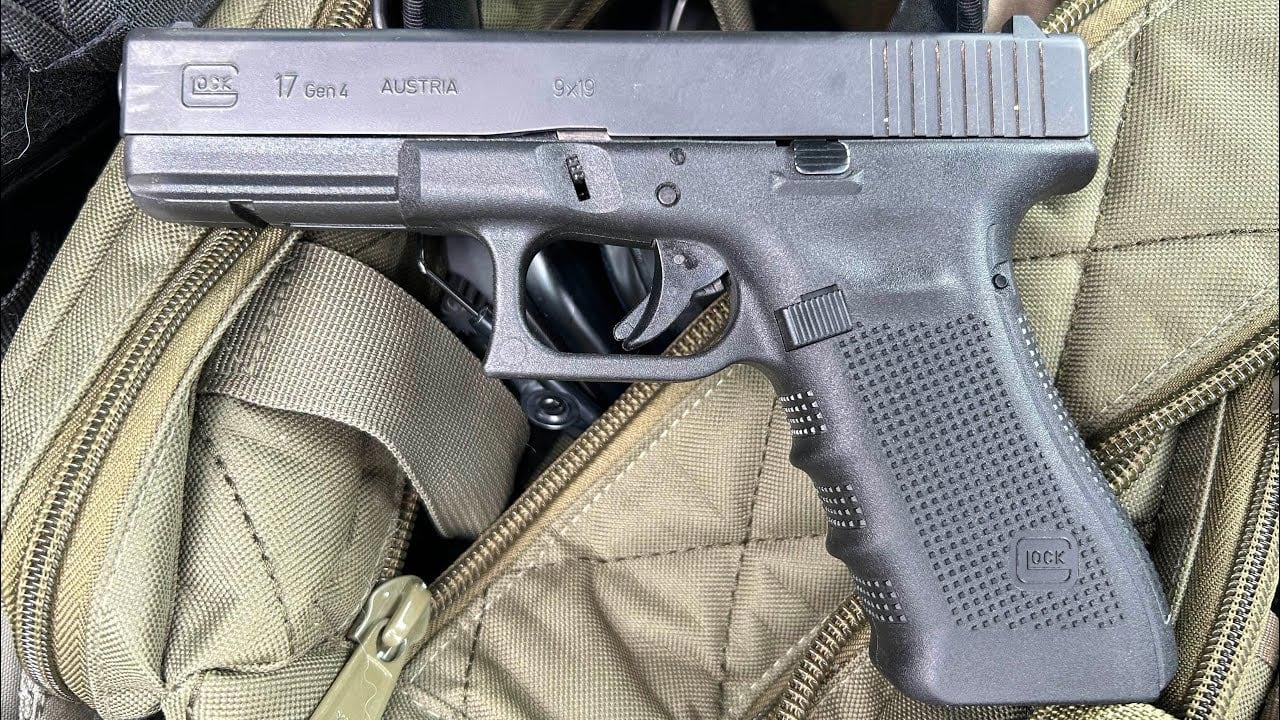
The Glock 17 doesn’t get the same hype as the 19 in some circles, but for a house gun, range gun, or belt gun under a coat, it’s excellent. The longer grip and sight radius make it feel calmer, and it tends to run forever if it hasn’t been “kitchen table tuned.” Used ones are often priced close to new, but you can still find honest deals.
Look for battered magazine lips if it comes with a pile of mags, and check the slide for excessive finish wear around the muzzle that might hint at a rough holster or grit. A 17 that’s been carried a lot isn’t automatically a bad buy; a 17 that’s been shot hard with no maintenance can be. Replacement parts are everywhere, so condition and price decide it.
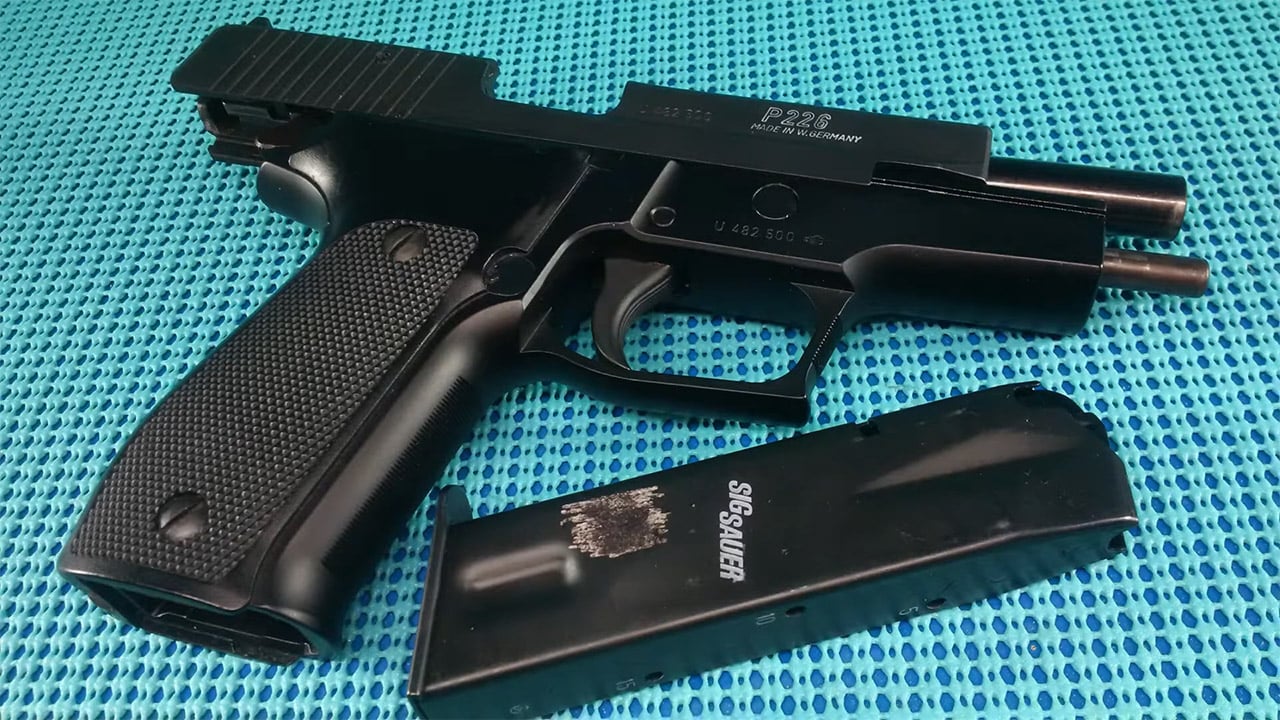
3. SIG Sauer P226 (German or early Exeter)
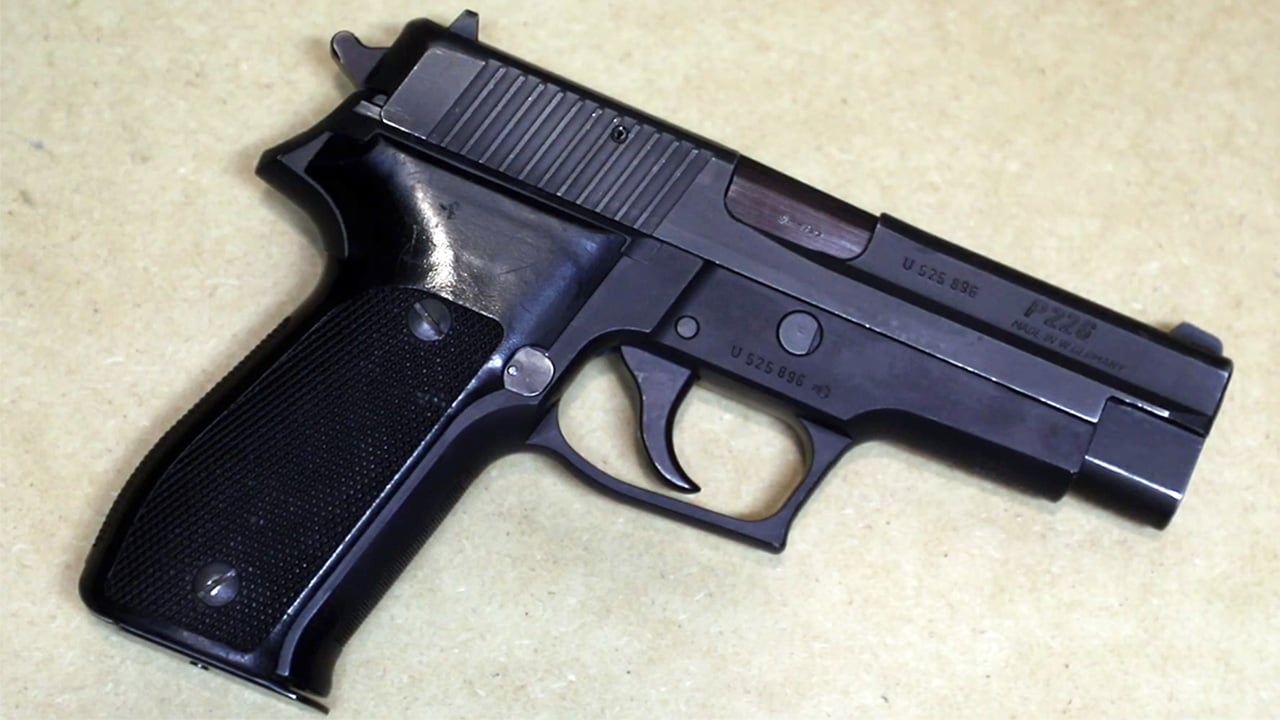
A used P226 is one of those pistols that reminds you what “service pistol” used to mean. It’s heavier than polymer options and not as trendy, but it points naturally and soaks up recoil. For folks who spend time in the woods and want something that shoots well under stress, a good P226 still makes sense.
Inspect the frame rails for galling, check the locking insert area, and pay attention to the double-action pull feeling gritty or stacked. Worn springs aren’t a deal breaker, but a beat-up barrel hood and sloppy lockup should slow you down. Also, confirm which magazines it takes; P226 mags are common, but bargain-bin off-brand mags cause most of the “SIG problems” I hear about.
4. SIG Sauer P229 (9mm or .40)
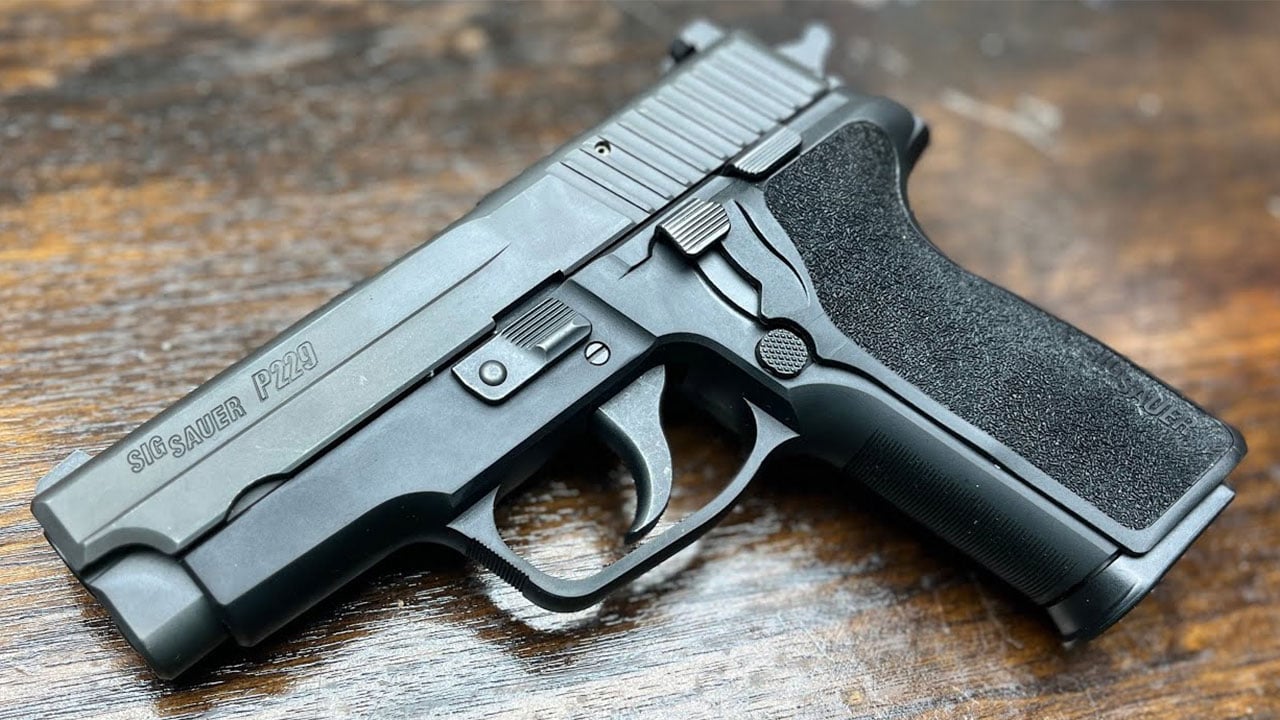
The P229 is the handier, chunkier cousin to the P226, and used examples pop up often because folks “downsize” to micro-compacts. If you like a pistol that feels planted and you don’t mind some weight, the P229 is easy to live with. The .40 versions can be especially affordable used, and many will run 9mm with the proper factory setup—but don’t buy assuming that’s included.
Check for slide-to-frame smoothness, not just “tightness.” A P229 can feel slick even with honest wear. Look at the decocker function and make sure it’s positive and consistent. With older guns, night sights may be dead, which is normal, but use that to negotiate. This is one I wouldn’t skip just because it looks dated.
5. Beretta 92FS / M9
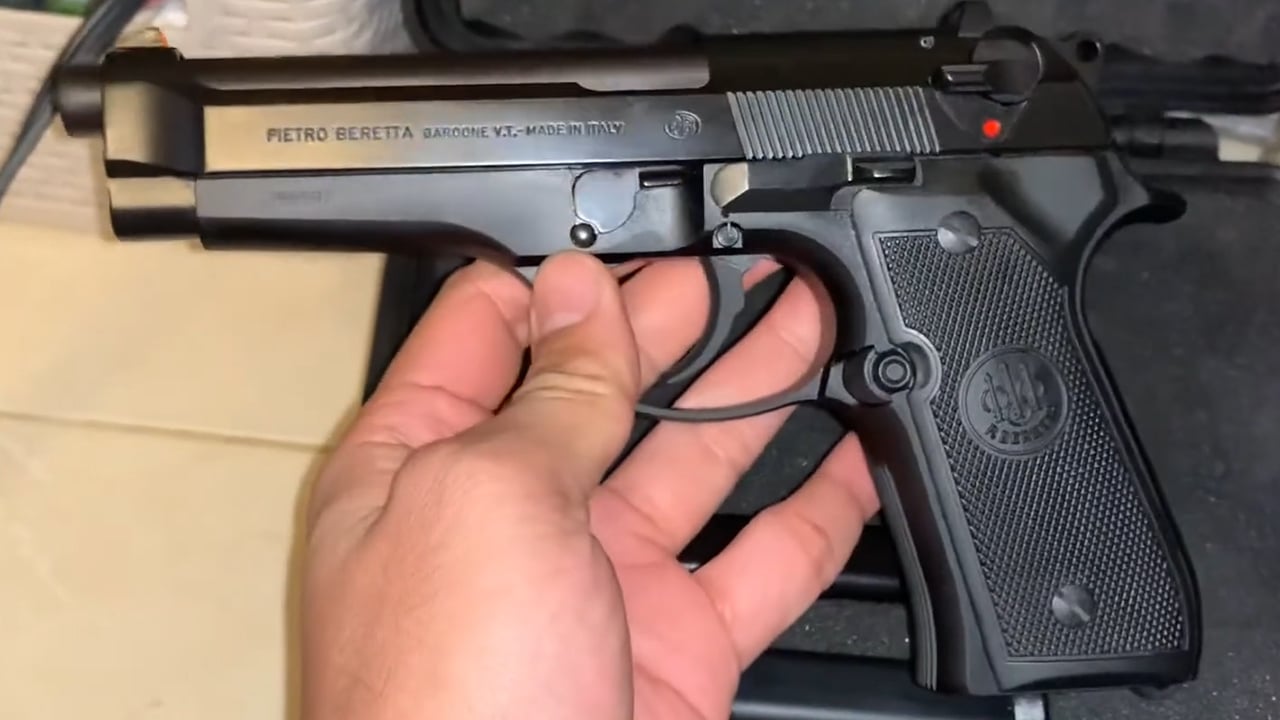
There’s a reason the Beretta 92 has been knocking around forever. It’s soft shooting, reliable when it’s not full of pocket lint, and it’s one of the easiest full-size 9mms to run fast once you learn it. Used ones are common, and cosmetic wear doesn’t scare me much on this model.
Inspect the locking block area and the slide for cracks, especially on very high-round-count guns. It’s not common for casual owners, but trade-in guns can have a history. Check the safety/decocker for positive movement, and make sure the trigger return feels normal. Magazines are plentiful, but cheap mags can turn a great Beretta into a jam-o-matic, so factor that in.
6. CZ 75B (or CZ 75 BD)
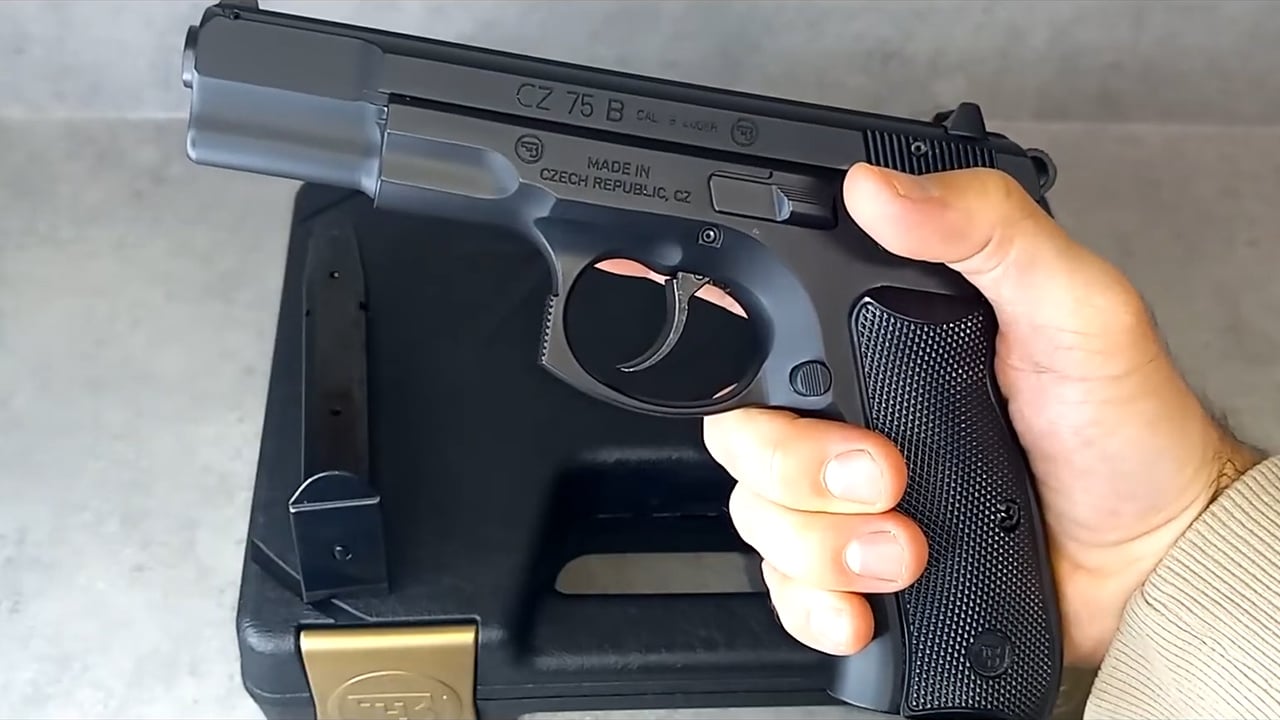
A used CZ 75B is one of my favorite “buy it once and just keep it” pistols. It sits low in the hand, points naturally, and tends to be accurate without any special sauce. The downside is it can be a little heavier and thicker than modern carry trends, but in the real world it carries fine with a good belt.
On a used CZ, look for slide stop wear and peening where the barrel lugs meet up. Also check the trigger feel in single action; a little creep is normal, but crunchy is not. Make sure magazines insert and drop cleanly, and verify which variant you’re buying—decocker models and safety models handle differently. If you find one that hasn’t been “home gunsmithed,” don’t overthink it.
7. CZ P-01 (compact alloy)
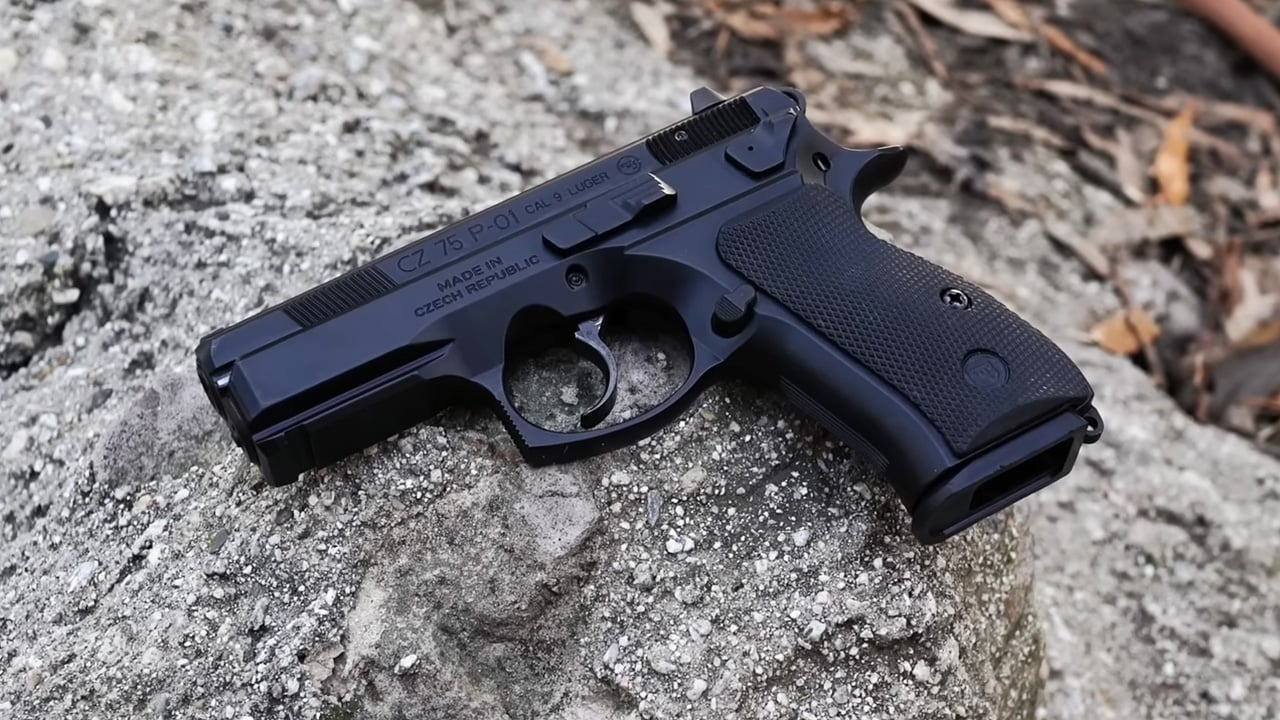
The P-01 is the “woods carry” CZ that makes a lot of sense: compact enough to pack, heavy enough to shoot, and built around a duty mindset. Used P-01s often show holster wear on the alloy frame edges, which is fine. They also tend to feel smoother with use, not worse.
Check the frame rails for uneven wear and confirm the decocker works properly and resets every time. Look over the feed ramp for amateur polishing jobs that went too far. Magazines aren’t as cheap as Glock mags, but they’re available and reliable when you buy quality. This is a used buy I like for folks who want a serious pistol but don’t want to chase every new polymer release.
8. Smith & Wesson M&P9 (1.0)
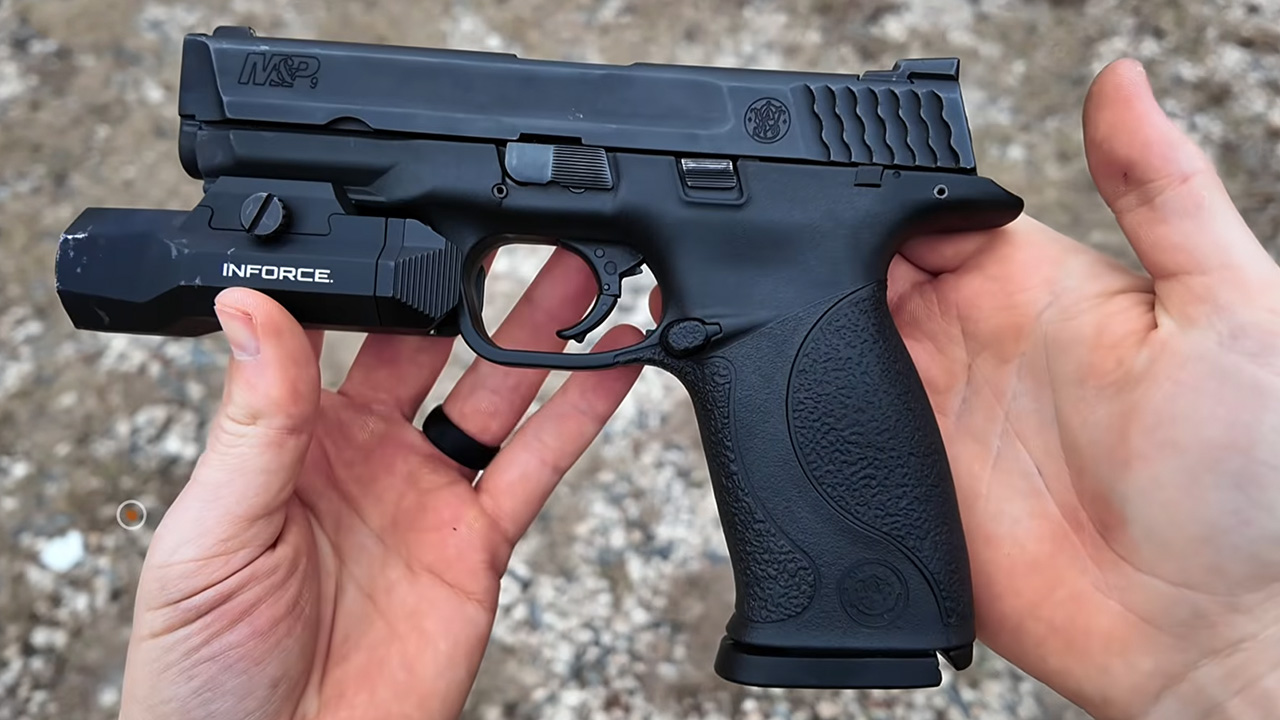
The M&P 1.0 gets overlooked now that the 2.0 exists, and that’s exactly why you shop them used. They’re dependable, they carry well, and they tend to fit a lot of hands. The trigger isn’t everyone’s favorite out of the box, but most of the “bad trigger” talk gets loud online and quiet at the range.
Inspect for frame damage near the takedown lever and check the slide rails for peening. If it has an aftermarket trigger, confirm it resets positively and isn’t set up dangerously light. Also ask about magazines; original S&W mags are worth having. A used M&P can be a steal if you want a plain pistol that you won’t feel bad about getting dusty in the truck.
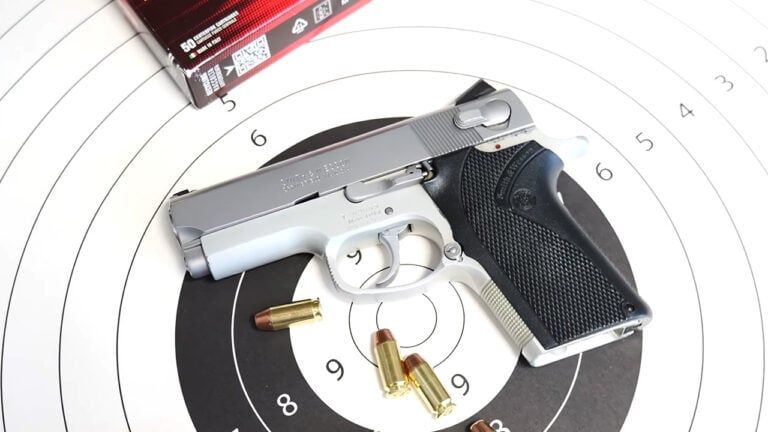
9. Smith & Wesson 5906 (3rd Gen)
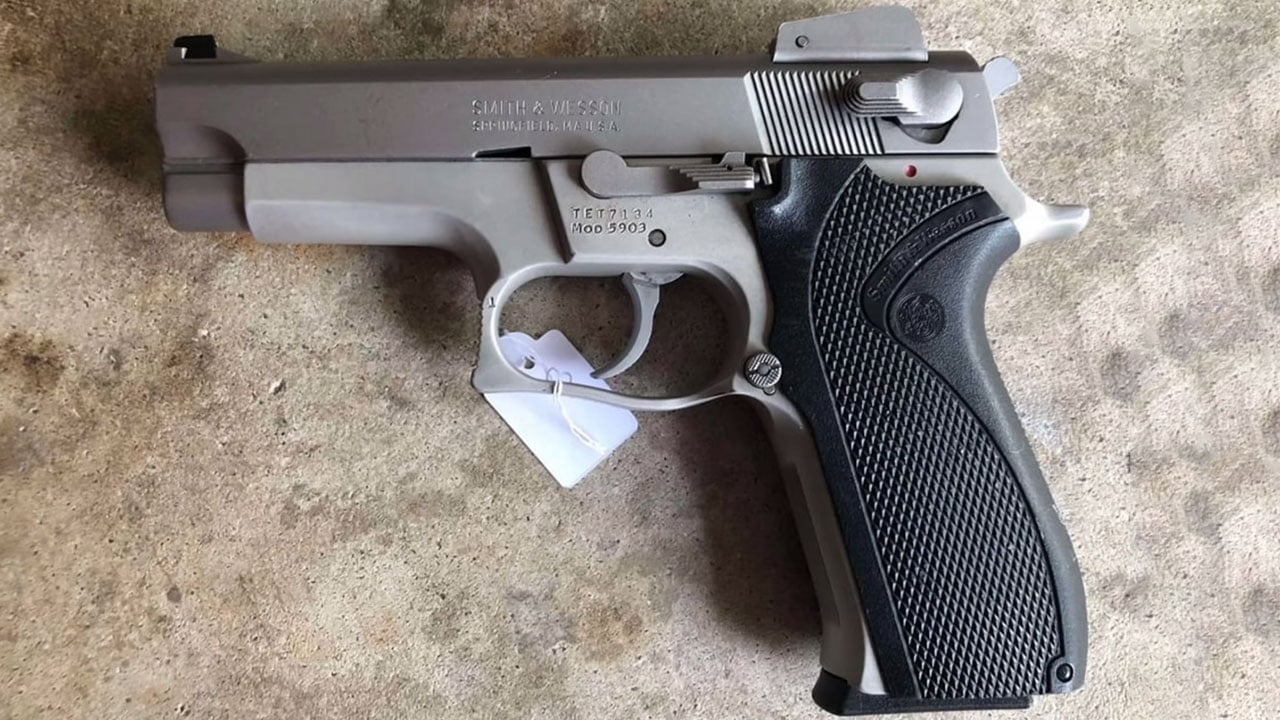
The old 3rd Gen S&W autos are tanks, and the 5906 is a classic example. All stainless, heavy, and built back when duty guns were expected to last through a career. It’s not a modern concealed-carry dream, but it’s an excellent range gun and a solid house gun that doesn’t mind sitting loaded.
When inspecting, check the extractor tension and look at the feed ramp and barrel crown for abuse. Also pay attention to magazine condition; these guns run best on good mags, and dented bodies can cause headaches. Parts are still out there, but you’re not shopping a current production ecosystem either. If you like old-school DA/SA and don’t mind weight, this one is a sleeper.
10. Ruger GP100 (4-inch .357)
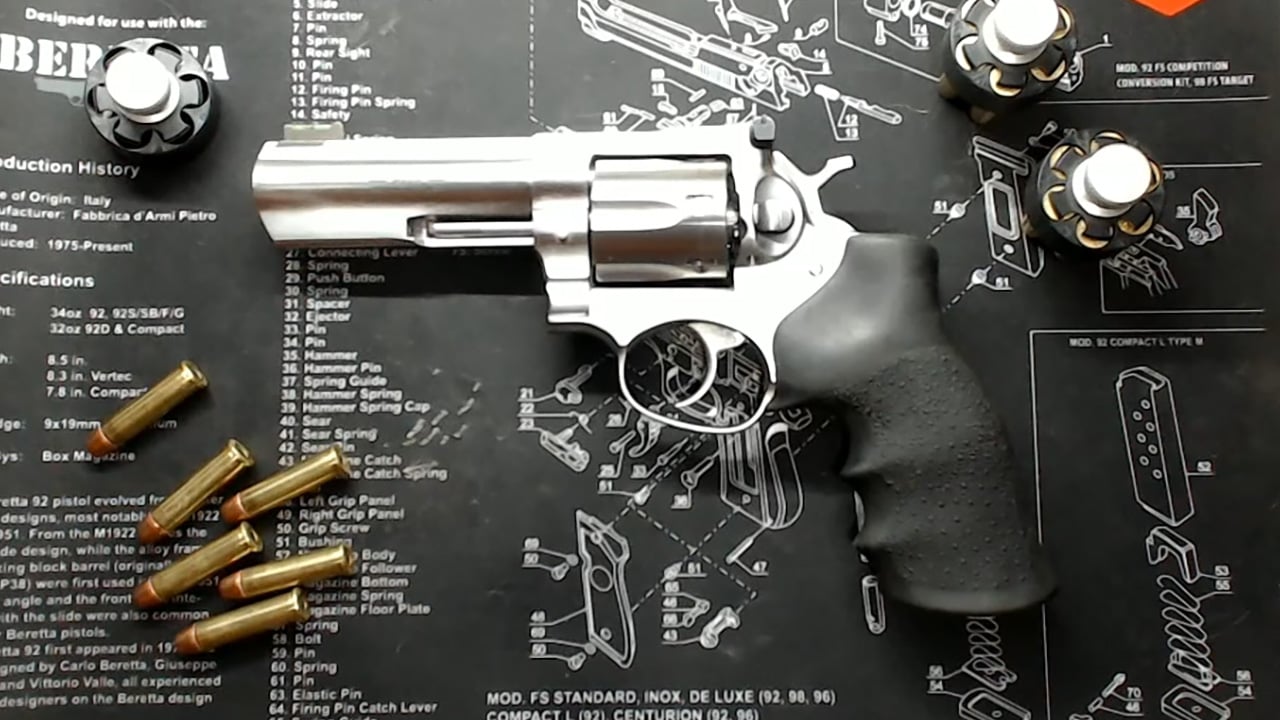
A used GP100 is about as close as you get to a revolver you can hand down without babying it. It’s strong, simple, and will digest real .357 loads without feeling like it’s coming apart. For a camp gun or a belt gun while checking trail cameras, a 4-inch GP100 is hard to argue with.
Inspection on a revolver is different. Check timing and lockup, and look for endshake by gently pushing the cylinder fore and aft (unloaded). Look at the forcing cone for cracking or flame cutting, and check the crown. A GP100 with cosmetic wear but tight mechanics is usually a good sign it was carried and not abused. The only downside is weight, but that weight is also why it shoots so well.
11. Smith & Wesson Model 686 (4-inch .357)

The 686 is the revolver a lot of folks compare everything else to. Smooth, accurate, and built for real shooting, not just sitting in a display case. Used 686s show up when someone thins the safe or shifts to semi-autos. I wouldn’t be quick to let one go, which tells you something.
Look closely at the cylinder gap and check for signs of it being run loose and hot for a long time. Check the ejector rod for straightness, and make sure the cylinder opens and closes without binding. Also look for a “ring” around the cylinder from lots of holster work; that’s normal, but it can tell you it was carried. A clean used 686 will usually outshoot most of us.
12. Ruger SP101 (2.25-inch .357)
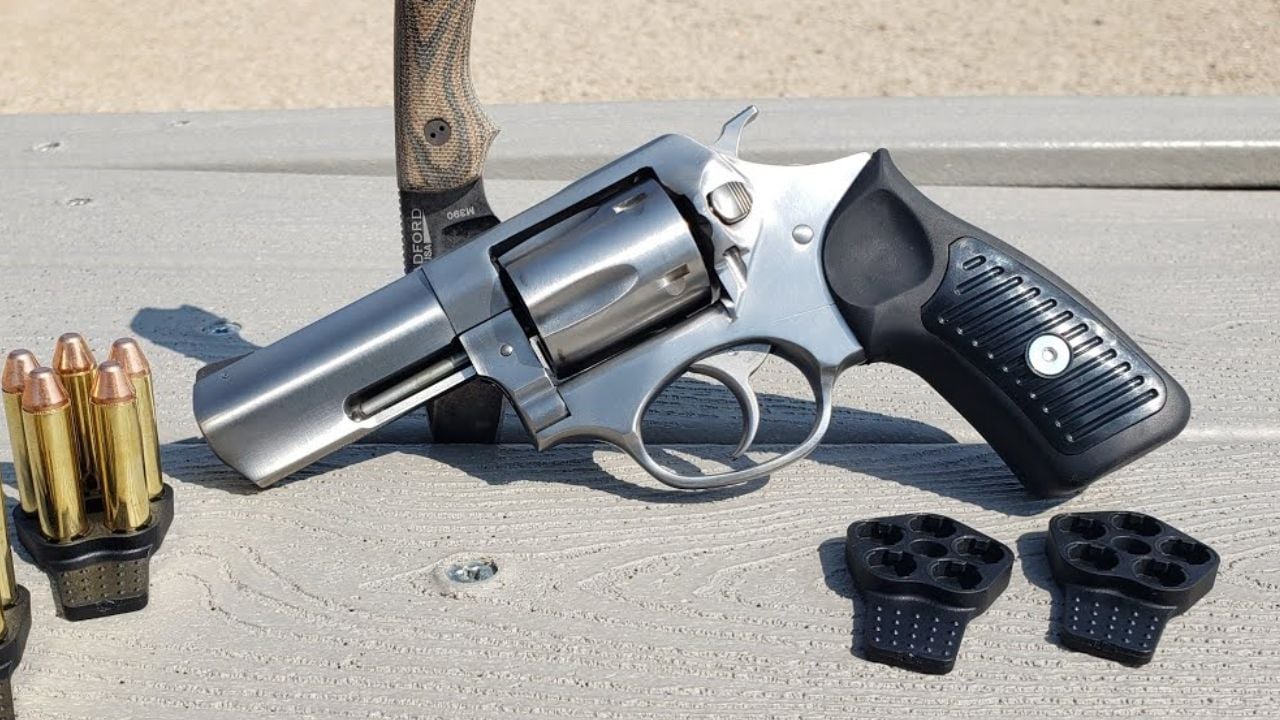
The SP101 is a little revolver that doesn’t act little. It’s heavier than some snubs, which is why it handles .357 better than you’d think. For a pocket or coat carry gun on the property, it’s a practical option, especially if you want revolver simplicity and don’t want to worry about limp-wristing in gloves.
Inspect the trigger return and cylinder latch function, and check for rough spots when rotating the cylinder. Many used SP101s have had spring kits installed; that can be fine, but make sure ignition is reliable with the ammo you actually plan to carry. Also look at the front sight setup—some are easier to change than others. This one is rarely glamorous, but it’s honest gear.
13. Smith & Wesson Model 10 (K-frame .38 Special)
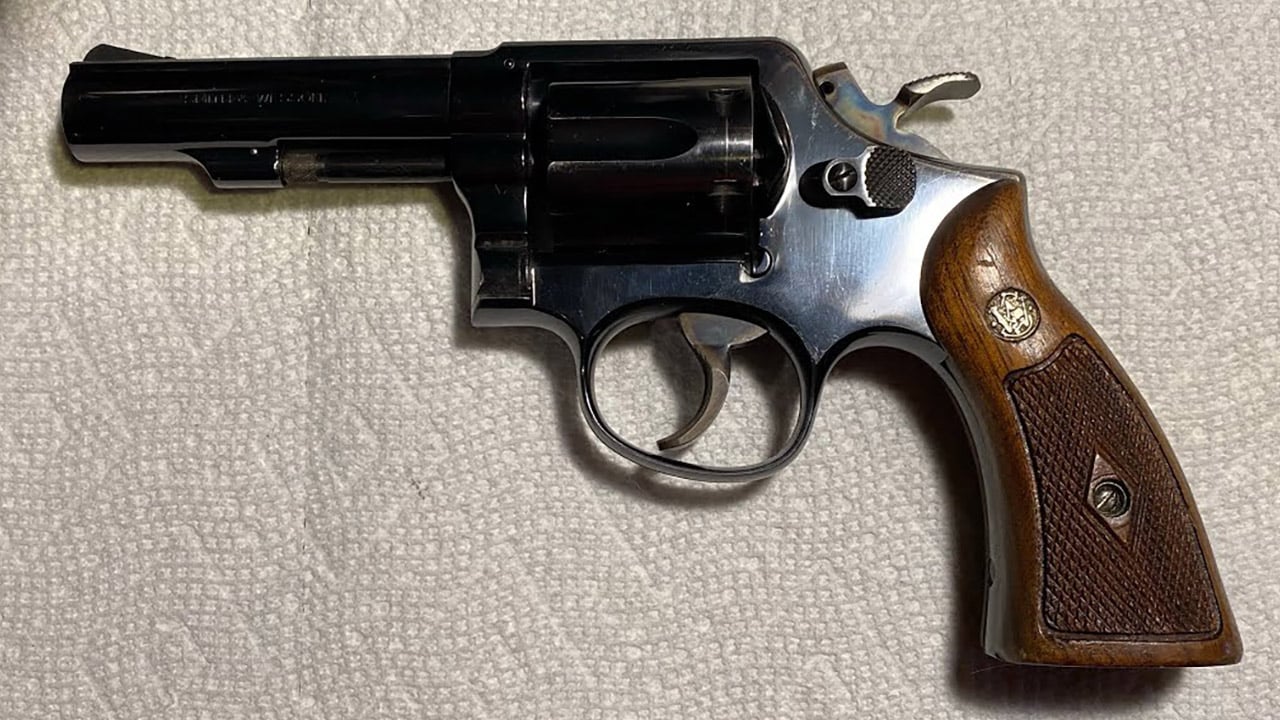
A used Model 10 is one of the best “first revolver” buys out there, and it’s still useful even if you already own a safe full of stuff. Fixed sights, K-frame size, and a trigger that often feels better than it has any right to. It’s a great ranch gun, training gun, and “rides in the tackle box truck” kind of pistol.
Inspect for timing and endshake like any revolver, and pay attention to the bore condition. A lot of these saw decades of .38s and some sat in drawers in humid houses. Surface rust doesn’t scare me; pitting inside the barrel does. Also check the grips—old service grips are fine, but many folks prefer something that fills the hand. If you find a tight one, it’ll probably outlast you.
14. Colt Detective Special (older .38)
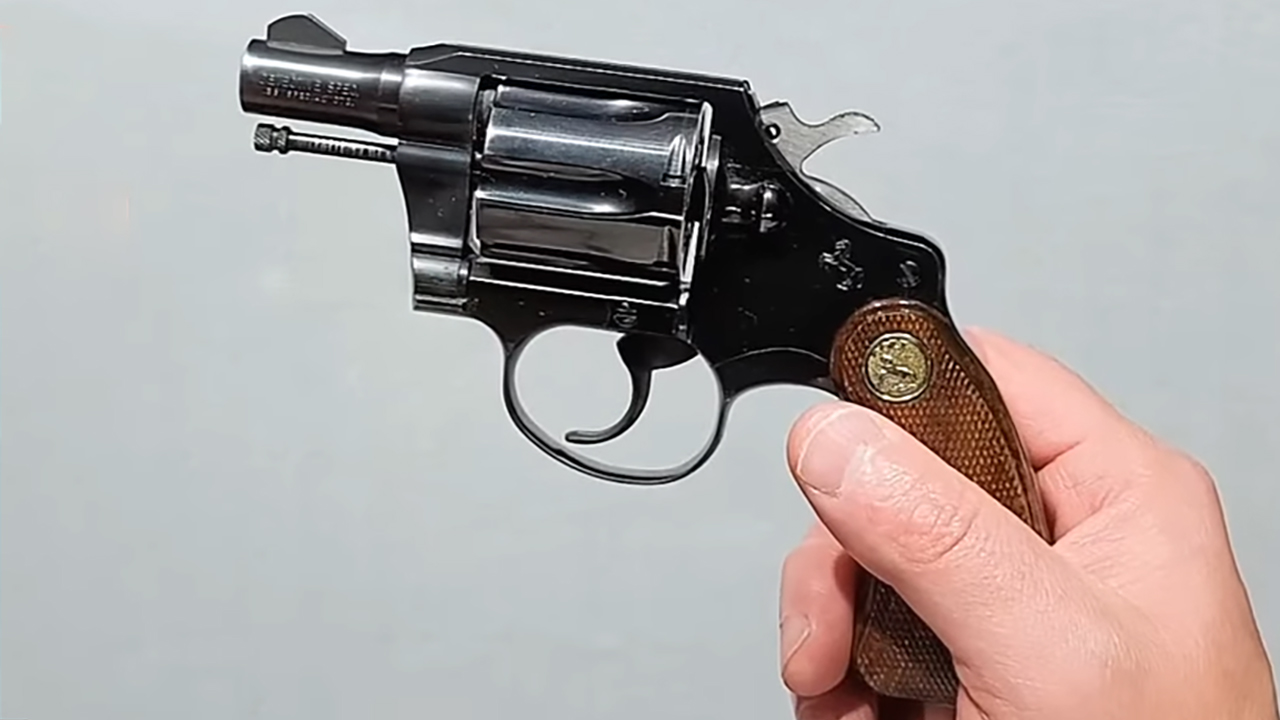
The Detective Special is a classic snub that still makes sense if you appreciate quality machining. It’s not as common as Ruger or Smith in a lot of shops, but when you see one used, it’s worth a serious look. The appeal is the size-to-capacity balance and that old Colt feel in the action.
Here’s where you slow down and inspect carefully. Colt double-actions can go out of time if they were shot hard or fanned with bad habits, and repairs aren’t always cheap. Check timing, cylinder lockup, and whether the cylinder bolt marks look normal or chewed up. If it’s mechanically sound, it’s a sweet carry revolver. If it’s questionable, walk away without regret—there are safer bets.
15. Ruger Mark II / Mark III (Standard/Target .22 LR)
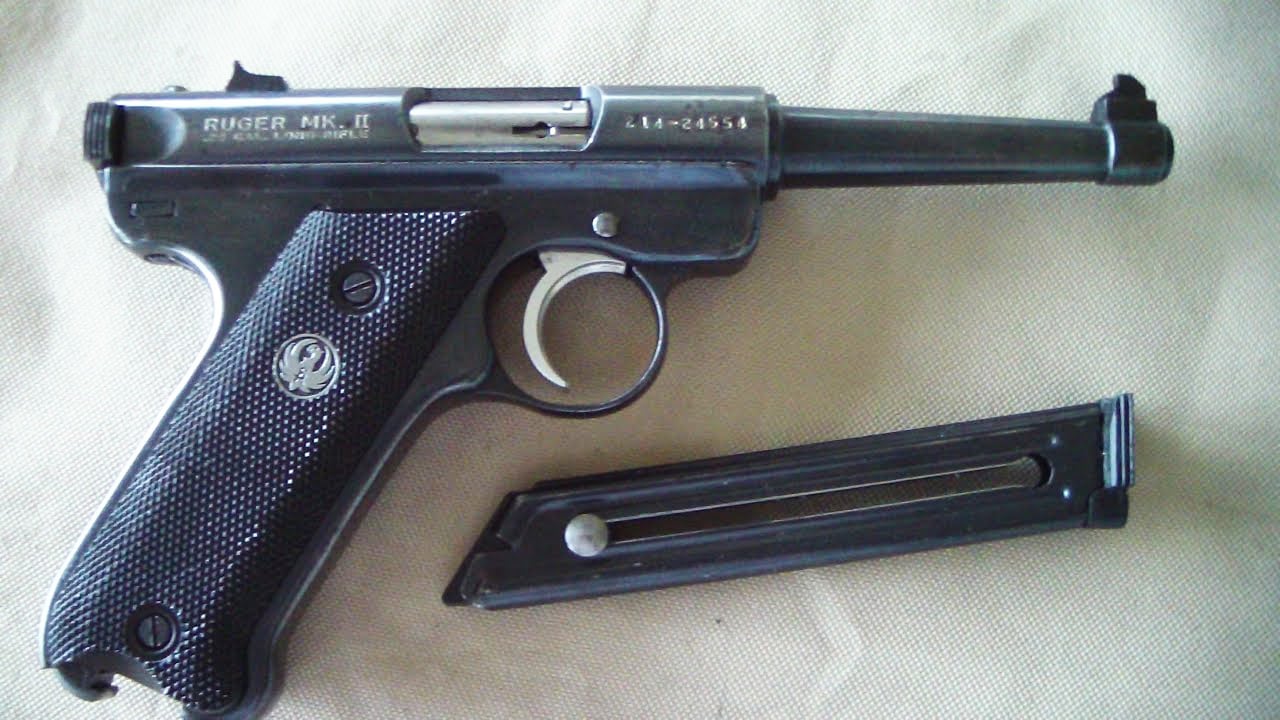
A used Ruger Mark II or Mark III is one of the smartest pistol buys for anybody who shoots at all. .22 pistols don’t just save money; they keep your fundamentals honest. These Rugers are accurate, durable, and they’ll eat bulk ammo better than many newer “tactical .22” options.
Inspect the bolt face and extractor area for excessive gunk and peening, and check the magazines for dents. Don’t be spooked if it’s dirty; be spooked if it’s been filed on. Mark III models have extra internal bits that some folks mess with, so ensure it functions correctly and safely. Yes, field stripping can be a headache until you learn it. Still, once you own one, you’ll wonder why you waited.
16. Browning Buck Mark (.22 LR)
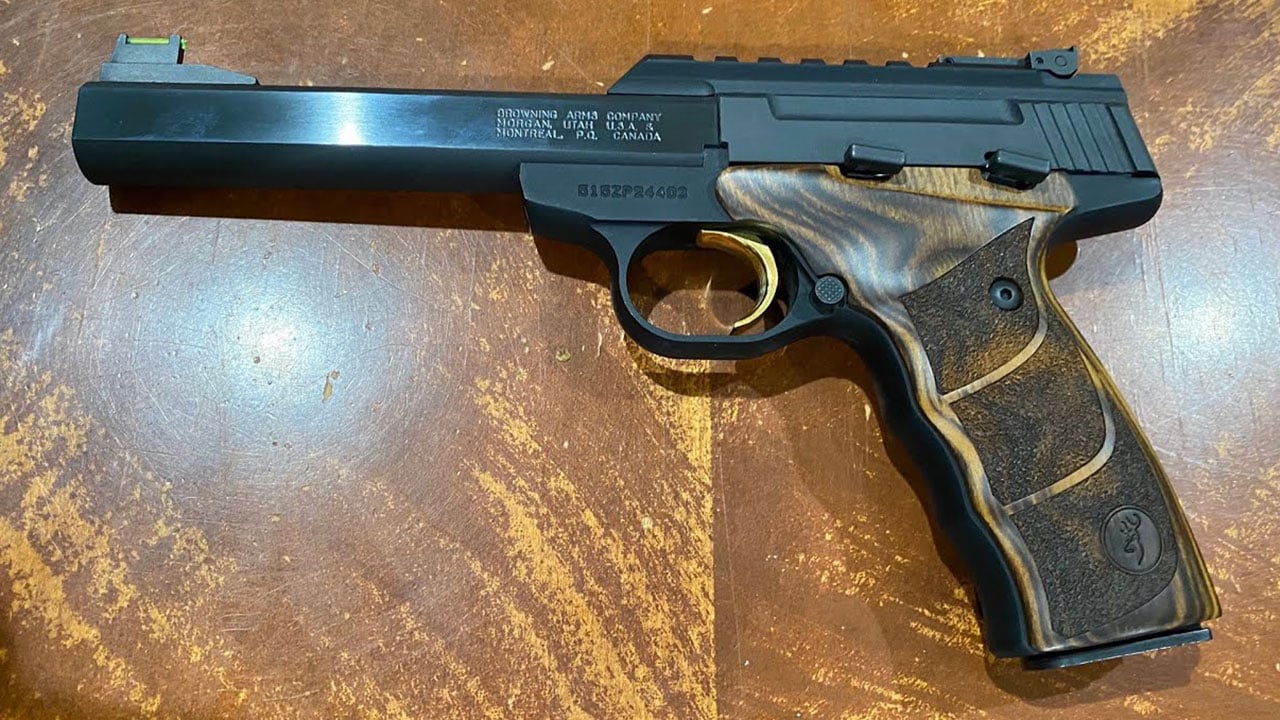
The Buck Mark is another used .22 that deserves more respect than it gets. They tend to have good triggers, they point naturally, and they’re accurate enough to make tin cans nervous at distances you probably shouldn’t be bragging about. For plinking at camp, small-game practice, and teaching new shooters, it’s hard to beat.
On a used Buck Mark, inspect the top strap/sight base screws for being stripped out from over-tightening. That happens when somebody chases zero with brute force. Check the slide and frame fit, and make sure it cycles smoothly by hand. Mags are available, but you want factory or quality mags here too. This is the kind of pistol that gets shot a lot, which is a good sign if it’s been maintained.
17. Ruger LCP (original .380)
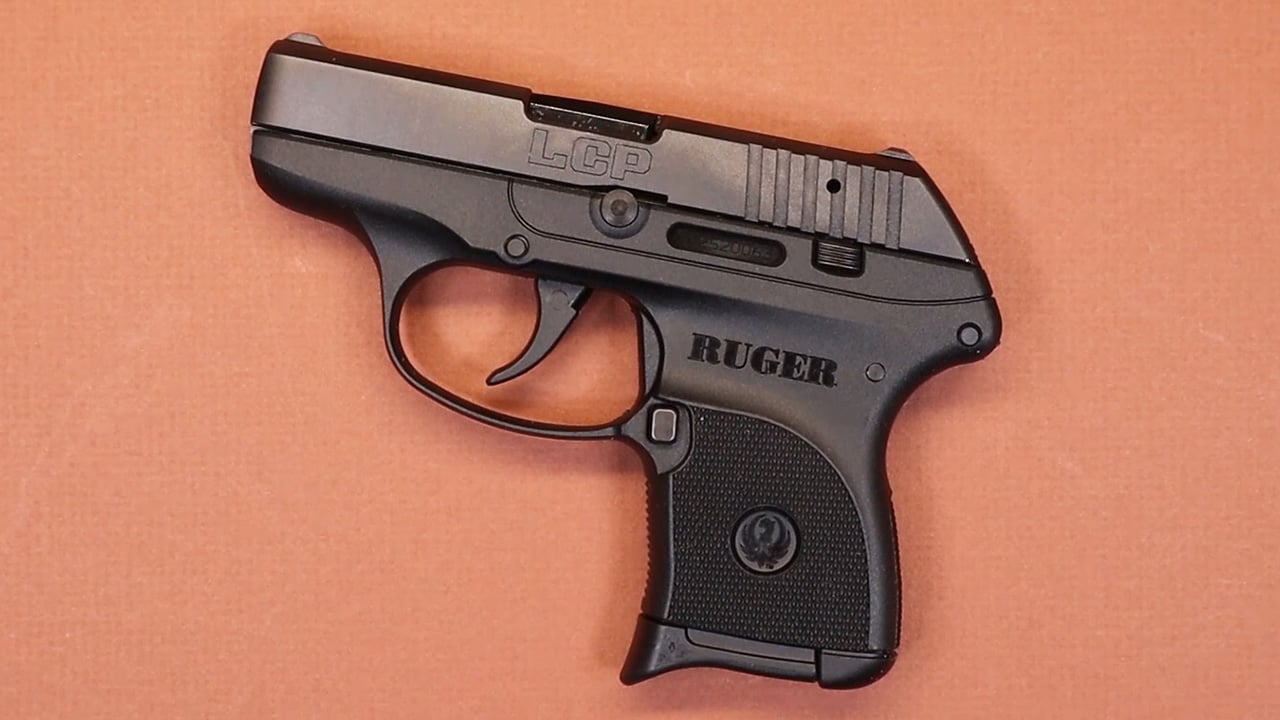
The original LCP is not a fun range gun, and anybody telling you it is probably doesn’t shoot it much. But as a “always gun” that actually gets carried, it has earned its place. Used LCPs are everywhere because folks trade up to bigger sights, better triggers, or 9mm micro-compacts. Still, the little Ruger fills a niche.
Inspect the frame around the pins and rails for cracking, and check the magazine release for positive engagement. On these small guns, weak springs and limp magazines show up fast. Also check the sights—tiny and easy to ignore until you’re trying to use them in bad light. If you need a deep-carry tool and you understand the limitations, a used LCP can be a very practical buy.
18. Smith & Wesson J-Frame 642 / 442 (Airweight)
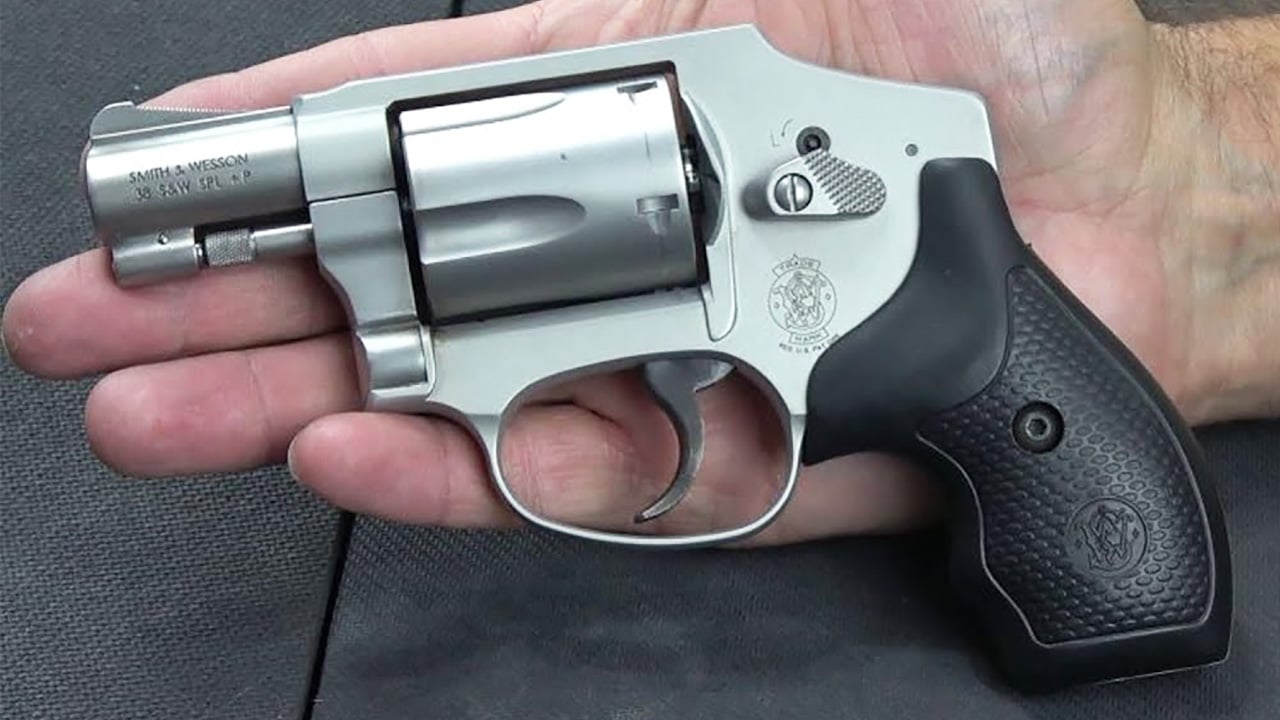
A used 642 or 442 is one of the most realistic carry guns ever made. It’s light, it’s simple, and it works when you’re wearing gloves or dealing with weird angles. It’s also not pleasant with hot loads, and that’s why so many end up on the used shelf with barely any rounds through them. I get why people sell it. Still, it’s a classic for a reason.
Inspect for lint and corrosion under the grips, because pocket carry is hard on metal. Check cylinder lockup and make sure the trigger pull is consistent all the way through. Look at the front sight; some are pinned, some integral, and it matters if you plan to change it later. A tight J-frame that hasn’t been messed with is a solid grab-and-go option.
19. Walther PPK / PPK/S (.380 ACP)
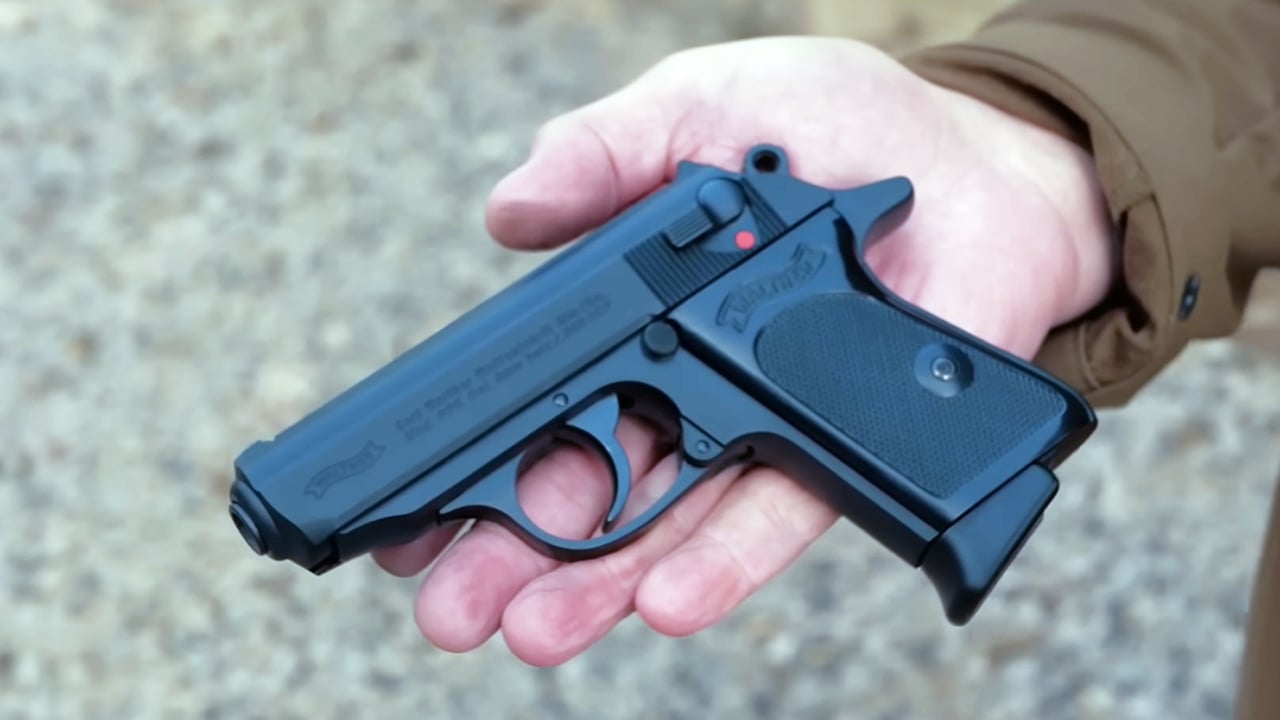
The PPK has style, no doubt. But the reason it belongs on an “inspect used” list is that it can be a great little pistol or a finicky one depending on generation, condition, and what’s been done to it. When you find a good used example, it’s a neat carry piece for certain folks, and it shoots flatter than you’d expect for its size.
Inspection matters here: check feed reliability signs like battered feed lips on magazines, rough feed ramp work, and sharp edges that can bite the hand. Also make sure the safety/decocker functions correctly. Some PPKs have a reputation for slide bite, and that’s not internet drama if your hands are meaty. If it fits you and runs, it’s a cool pistol. If it doesn’t, there are easier choices.
20. Heckler & Koch USP Compact (9mm or .40)
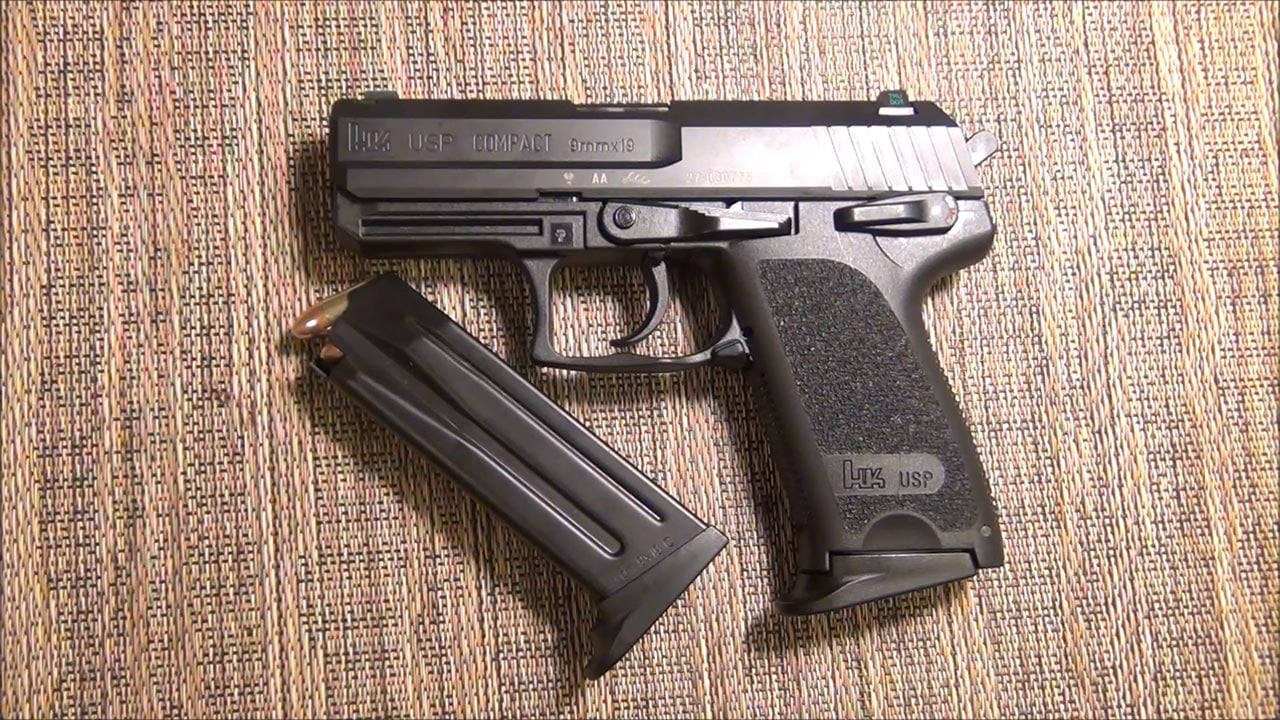
The USP Compact is not cheap new, which is exactly why the used market is where it shines. It’s durable, accurate, and built with the kind of over-engineering you notice when you rack the slide and everything feels solid. It’s also a little blocky compared to modern slim compacts, but it carries fine in a real holster and belt setup.
Inspect the recoil system and look for signs of someone running it dry and dirty for ages. Check the controls for positive engagement, especially if it’s a variant with a safety/decocker setup. Magazines aren’t bargain-bin cheap, so if the deal includes mags, that’s real value. This is one of those pistols that doesn’t need to impress you in the first five minutes. It just keeps doing its job.
Used handguns aren’t automatically “better,” and a worn-out bargain can turn into a money pit fast. But if you focus on proven models, check the important wear points, and avoid mystery modifications, you can walk out with a pistol that’s already past the teething stage. The newest thing on the shelf will still be there next month. The good used one in your hands might not.
Like The Avid Outdoorsman’s content? Subscribe to our newsletter so you never miss an article.
Here’s more from us: