
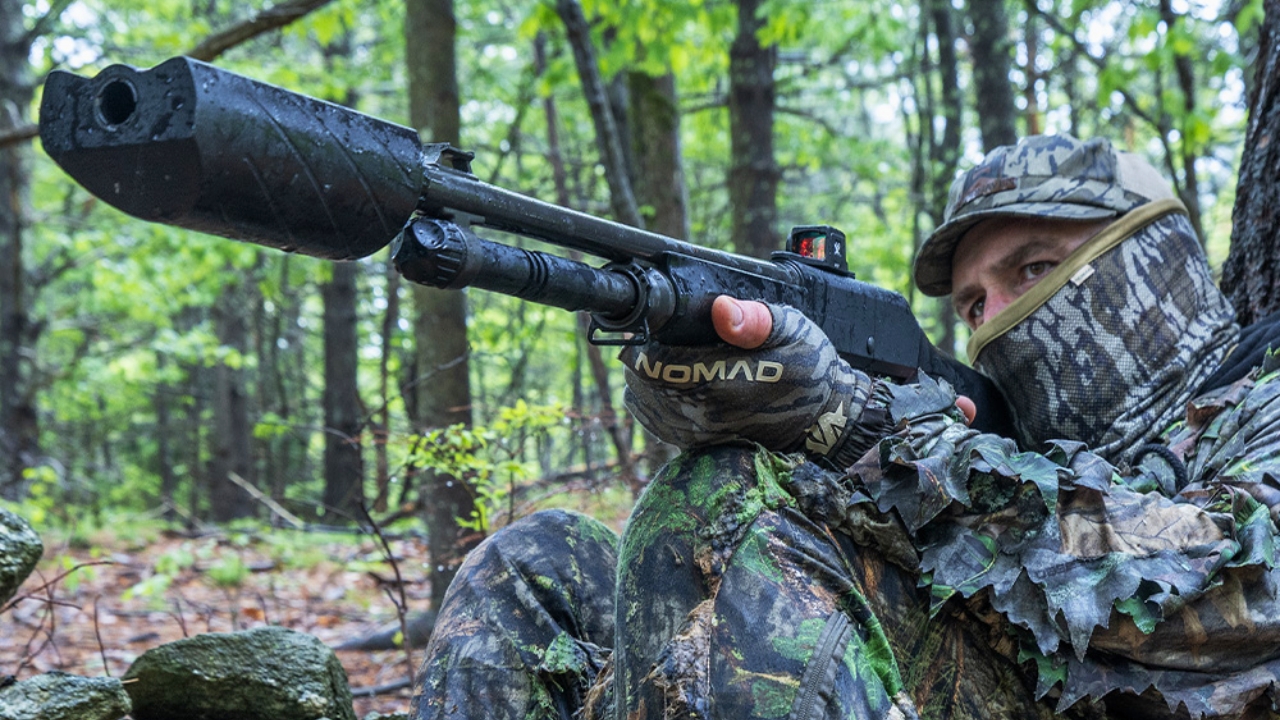
Photo credit: BANISH Suppressors
For a long time, I looked at suppressors like they were something you bought after everything else was already handled. In my mind, they fell into the same category as premium extras that were nice to have but easy to push down the list. If the rifle shot well, the optic held zero, and the load did what it was supposed to do, I figured I was covered. A suppressor felt like one more thing to buy, one more thing to mount, and one more thing to drag into the woods. That was my view right up until I actually hunted with one and realized I’d been thinking about it all wrong. The first real shift for me wasn’t about looking cool at the range or chasing some trend in the gun world. It was about what changed once the shot broke and I was still able to stay calm, hear better, and keep control of what was happening around me. That is when it stopped feeling like extra gear and started feeling like a useful hunting tool. Federal rules also changed in a way that made more hunters take a second look: the old $200 NFA tax on suppressor transfers dropped to $0 as of Jan. 1, 2026, while ATF approval paperwork still remained in place.
The first hunt that changed my mind was not some once-in-a-lifetime trip. It was a regular hunt, the kind most of us actually have more often than not. I was carrying a rifle I knew well, in country I understood, and I expected the suppressor to be mostly noticeable in the way it added length out front. I figured I would tolerate it for a day and then go back to thinking it was optional. Instead, what stood out to me was how much less violent the whole shooting experience felt. The rifle still recoiled, the shot still had authority, and nothing about it felt weak or watered down. What changed was the edge. The blast was less punishing, the report was more manageable, and I was not dealing with that same sharp hit to the ears that makes some shots feel bigger than they are. There is a reason suppressors have kept moving closer to the mainstream, and it is not hard to see why more hunters are making room for them now that they are legal to own in 42 states and can be approved through ATF’s eForms system much faster than buyers used to expect. ATF’s current posted processing times show Form 4 eForms averaging days or low weeks rather than the many-month waits that used to define the conversation.
What hit me almost immediately was how much a suppressor improved the part of the hunt that happens right after the trigger press. People who have only talked about suppressors online usually focus on the sound number, the legal process, or the balance of the rifle. Those things matter, but they are not the whole story. The real value for me showed up in the seconds after the shot, when I could stay more connected to the moment instead of feeling like the rifle had punched a hole through the sound around me. I could pick up more of what was happening in the woods. I was less rattled. I was better able to hear movement, react if I needed a follow-up, and communicate without that dazed, half-deaf feeling that can come after touching off an unsuppressed rifle, especially without perfect hearing protection in the field. That practical side is showing up in market data too. NSSF’s 2025 suppressor-owner study says demand has surged, and survey data highlighted sound reduction as the top desired feature among suppressor buyers, with hunting ranking among the most common reasons for purchase.
Another thing I had wrong was assuming a suppressor was mostly for people who shoot a lot at the range or spend every weekend behind a rifle. What I found instead was that it made sense for the exact kind of hunter who wants a rifle setup that is easier on the body and easier to manage under real conditions. A suppressor does add length and weight, and pretending otherwise is dishonest. On some rifles, especially when you are already dealing with a longer barrel, you will notice it in a blind, in a truck, and in tight brush. But once I got used to that tradeoff, it started feeling smaller than I expected. In return, I got a rifle that was more pleasant to shoot, easier to stay behind, and less likely to punish me or whoever happened to be nearby with unnecessary blast. That math starts to look even better when the entry cost changes. NSSF noted that reducing the tax stamp from $200 to $0 was a major shift going into 2026, and ATF’s own guidance still makes clear that suppressors remain NFA items requiring prior approval even though the tax itself changed.
I also used to think suppressor talk was driven more by internet culture than by what hunters actually cared about. After hunting with one, I think that was lazy thinking on my part. There is a reason the industry has leaned into them harder. The buying process is no longer defined by the same old barrier, and the approval side has become more manageable through eForms. ATF currently lists eForm 4 trust applications at about 11 days and paper versions at 24 days, which is a different world from the horror stories hunters repeated for years. NSSF went so far as to suggest early 2026 could become “the year of the suppressor” after a surge in purchases, and it launched new introductory suppressor programming for ranges this year as well. That does not happen unless enough people are moving from curiosity to actual ownership. The trend is real, and from where I sit, it makes perfect sense because the benefits finally line up with a buying process more people are willing to tolerate.
The part I appreciate most now is that a suppressor changed the way my rifle felt without changing what I asked that rifle to do. It did not turn a bad setup into a good one. It did not replace practice, good ammo, or smart shot discipline. It just made an already-capable hunting rifle easier to live with. That matters more than people admit. Hunters spend plenty of money trying to shave ounces, tighten groups, or solve problems that are mostly theoretical, but they will hesitate over something that directly improves the shooting experience every single time the trigger breaks. I was one of those people. I thought a suppressor was the kind of thing you bought after the important stuff. Now I think for a lot of hunters it belongs much closer to the center of the setup, especially if hearing, comfort, and staying composed after the shot matter to you at all. After finally hunting with one, I quit looking at it like an accessory and started looking at it like part of a serious rifle. That is a different mindset, and I got there the hard way: by realizing I should have changed my mind sooner.
Like The Avid Outdoorsman’s content? Subscribe to our newsletter so you never miss an article.
Here’s more from us:


