Photo credit: AI-generated image created using ChatGPT. Illustrative only
Every landlord dreads the day an eviction turns into a cleanup job. Furniture, bags of clothes, half a kitchen’s worth of odds and ends—most of it is just a hassle. But when you find out a former tenant left firearms behind, the situation stops being “junk removal” and turns into a safety-and-law problem in a hurry.
That’s exactly what one landlord described in the original post, asking what steps to take after evicting a tenant who left “a few guns” along with other belongings. The tenant hadn’t tried to retrieve anything for about a week, and the landlord admitted they wouldn’t mind adding the guns to a personal collection—but didn’t want to do anything illegal in the process.
When “left behind” isn’t the same as “yours now”
Out in the country, folks are used to handling problems themselves. If somebody abandons a couch in a rental, it’s usually headed to the dump. Firearms are different, and most states treat them differently for a reason.
The landlord’s question was simple: how do you handle this in the most law-abiding gun owner way? Underneath that is the part that trips people up—property law and gun law don’t always move at the same speed, and “they didn’t come back for it” is not the same thing as a clean transfer of ownership.
The big issue: possession, transfer, and a paper trail
Even if you’re staring at a safe full of someone else’s rifles and handguns, you can’t just decide they’re yours because time has passed. A week is nothing in legal terms, and in many places there are specific procedures a landlord has to follow for property left after an eviction.
Firearms add another layer: if you take them for yourself, you may be stepping into “transfer” territory, and transfers are where background checks, waiting periods, and dealer involvement can come into play depending on the state. The landlord in the post was trying to avoid exactly that kind of accidental felony—doing what feels practical in the moment, then learning later the law didn’t agree.
Safety comes first, even before the legal questions
No matter what the law says about abandoned property, the immediate concern is simple: unsecured guns are a risk. If the tenant has keys, knows where the unit is vulnerable, or decides to “come get their stuff” at 2 a.m., the potential for a bad situation goes way up.
There’s also the everyday risk: kids, maintenance workers, cleaners, or a neighbor who wanders in during turnover. A responsible gun owner doesn’t leave unknown firearms sitting around where untrained hands can find them.
At the same time, “make it safe” doesn’t mean “start sorting and claiming.” It means taking reasonable steps so nobody gets hurt while you work through the proper process for disposal, storage, or return.
Why police involvement can be part of the safest path
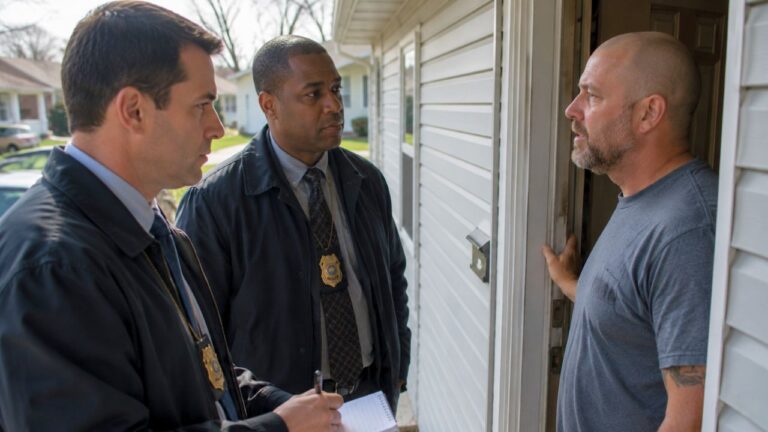
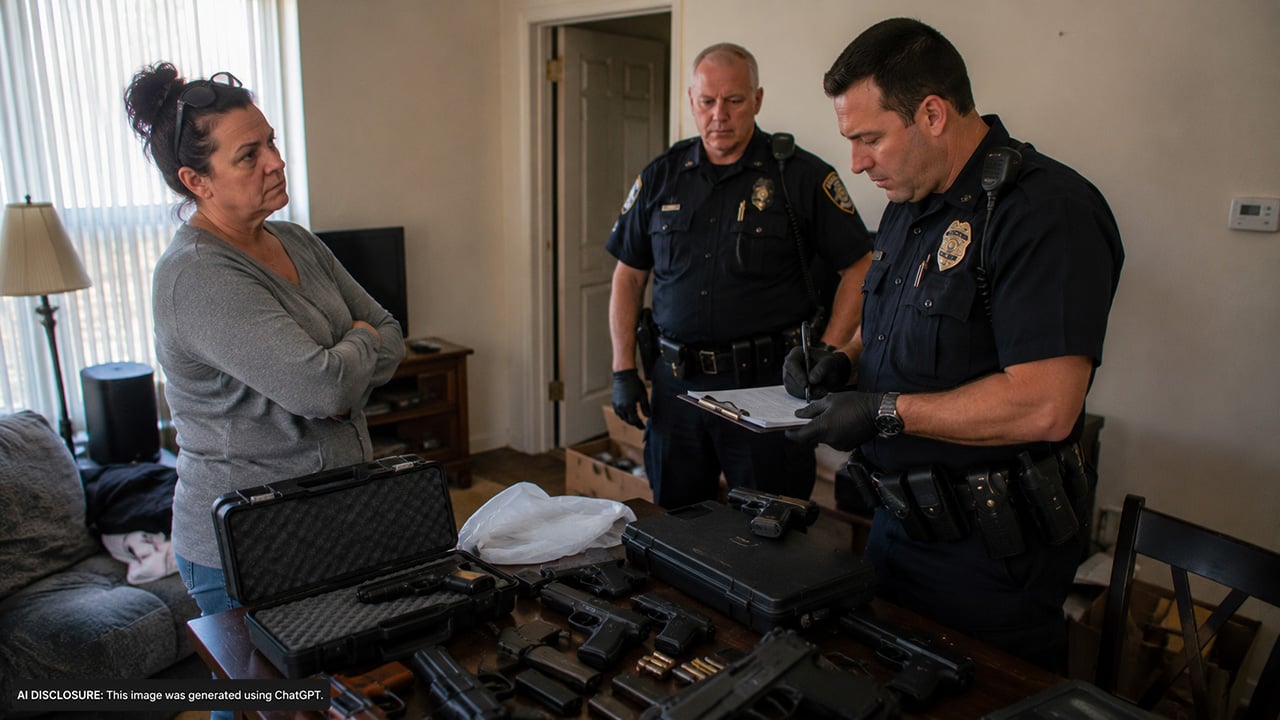
The headline angle here gets at something many landowners don’t expect: even if firearms are sitting in your property, the smartest move may be to keep your hands off them until law enforcement can document what’s there and advise you on next steps.
That’s not about being dramatic—it’s about protecting yourself. If any of those guns are stolen, tied to a crime, or prohibited for the tenant to possess, you don’t want to be the person who quietly “absorbed them into a collection.” Even if you’re completely innocent, you could wind up answering hard questions about when you took possession, where they were stored, and who had access.
Having police show up to take a report, run serial numbers if appropriate, or coordinate a lawful way to move them can create the kind of documentation that keeps a landlord from getting pinned between a former tenant and the legal system.
The landlord’s temptation is understandable—and exactly why the law is strict
The most honest line in the landlord’s post was that they wouldn’t mind adding the firearms to their own collection. A lot of outdoorsmen have had that thought when they see a “deal” fall into their lap—an abandoned bow, a scope, a rifle case, you name it.
But guns aren’t like a forgotten set of waders. Most states don’t allow you to simply convert somebody else’s firearms into your property without a very clear legal pathway. And even if landlord-tenant law eventually allows disposal of abandoned property, that still doesn’t automatically equal a lawful firearm transfer.
That’s the trap: the common-sense “they left it, I kept it” approach can collide with rules designed to make gun ownership traceable and transfers verifiable.
What a “law-abiding gun owner” mindset looks like in this spot
The landlord framed the goal the right way: handle it in the most law-abiding gun owner way. In practical terms, that mindset is less about finding loopholes and more about reducing risk—legal risk, safety risk, and liability risk.
It means thinking through a few basic realities: the tenant may return; the tenant may claim you stole the guns; the guns may not be legally owned; and if something goes wrong later, the person who had control of the firearms after the eviction may be the easiest one to point at.
The cleanest path is usually the boring one: treat the firearms as property that requires careful handling, follow your state’s abandoned-property rules for rentals, and involve the right authorities or legal channels early rather than trying to “wait it out” for a week and call it good.
In the outdoors world, we respect tools—especially the ones that can hurt someone if mishandled. When guns get wrapped up in an eviction, it’s not just about who ends up owning them. It’s about making sure nobody gets hurt and you don’t end up paying for somebody else’s bad decisions.
Like The Avid Outdoorsman’s content? Subscribe to our newsletter so you never miss an article.
Here’s more from us: