Photo credit: The Avid Outdoorsman
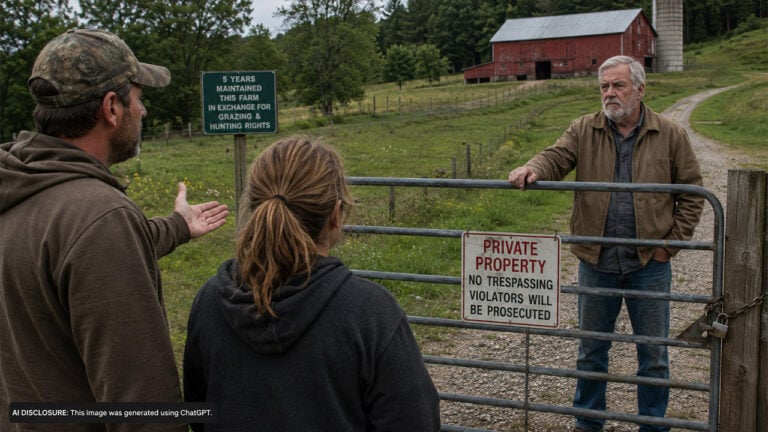
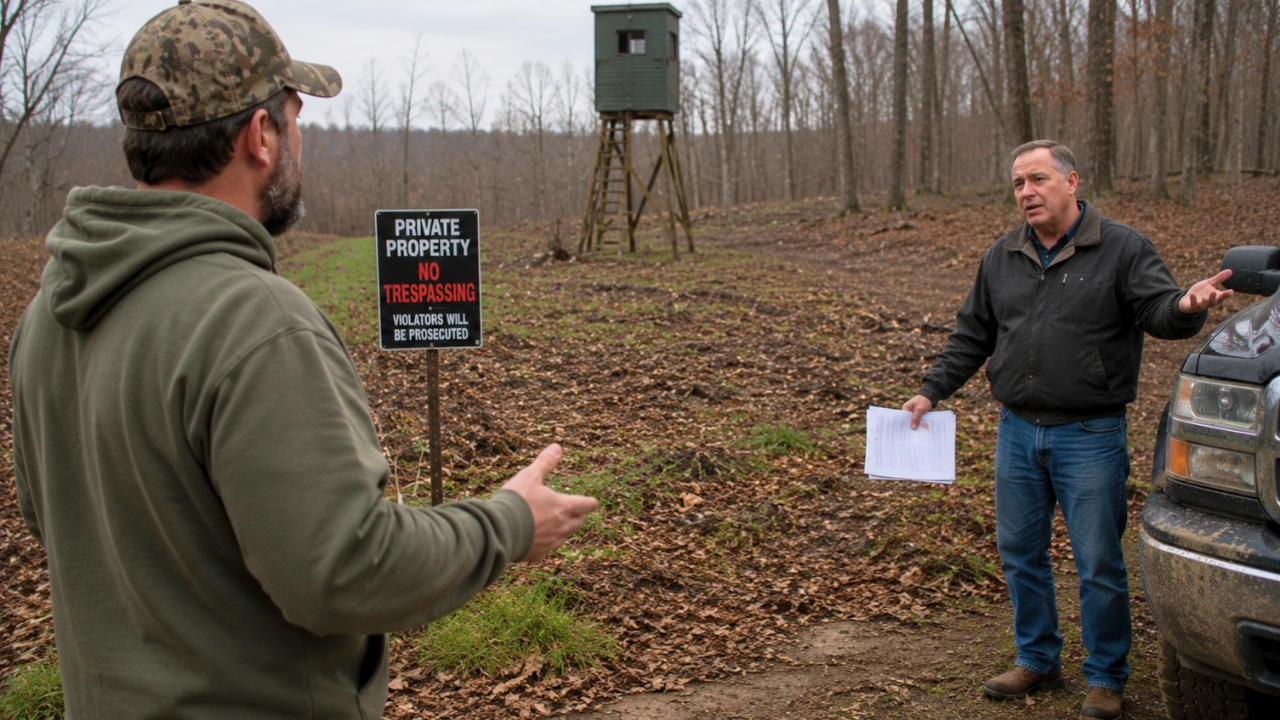
The landowner said the neighboring property had a problem: it was landlocked. The owner wanted access, and on paper, that may sound reasonable. People need a way to reach land they own. But according to the Reddit post, the proposed route was not some clean driveway along the edge of a field.
It would run through the poster’s hunting land.
The landowner said the neighbor wanted to drive through areas where he had food plots and deer stands. For someone who does not hunt, that may sound like open ground. For a hunter, it is a carefully managed setup. Food plots take work, stands are placed with wind and movement in mind, and repeated vehicle traffic can change how deer use the property.
The original Reddit post can be found here: https://www.reddit.com/r/legaladvice/comments/j7hyzg/oklahoma_a_landlocked_landowner_wants_access_to/
The neighbor’s request put the landowner in a difficult position. Denying access might make him look unreasonable, especially if the other property truly had no road frontage. But allowing regular access through the middle of his hunting setup could damage the use and value of his own land.
That is where the legal side started to matter. Landlocked property disputes often come down to easements. Sometimes there is a recorded easement already attached to the land. Sometimes there is an old road or historic access route. Sometimes a landlocked owner may have to go to court to establish access. But that does not automatically mean they get to choose the easiest or most convenient path across someone else’s property.
The landowner seemed especially concerned about where the neighbor wanted to cross. If the path could be placed somewhere less disruptive, that would be one thing. But driving near food plots and deer stands could interfere with hunting season, change animal movement, damage improvements, and create safety concerns if vehicles appeared near active hunting areas.
There was also the question of whether the neighbor had already been using the land or was only asking to start. If someone starts driving across another person’s property without permission, the landowner may need to act quickly to avoid creating confusion later. If they allow it casually, even as a favor, that can create headaches down the road.
The post did not sound like the landowner was trying to block the neighbor out of spite. It sounded like he wanted to protect his own property while understanding whether the neighbor had a legal right to force access. That difference matters. Being landlocked may create a need for access, but it does not erase the rights of the person whose land would be crossed.
Commenters told the landowner to look for recorded easements first. That meant checking deeds, title documents, surveys, and county records. If an easement already existed, the exact language and location would matter. If no easement existed, the neighbor would likely need legal help to establish one rather than simply choosing a route.
Several people said the landowner should not casually grant permission without a written agreement. If access was going to happen, commenters suggested it needed to be formal, surveyed, and limited. That could include where the route runs, who maintains it, whether gates are allowed, what types of vehicles can use it, and when access is permitted.
Others focused on protecting the hunting setup. They said the landowner should document the existing food plots, stands, trails, and improvements. If a proposed access route would damage those areas, that documentation could help show why another route would be less harmful.
Some commenters warned about prescriptive easements and long-term use. If the neighbor began using a route openly and continuously, it could create future legal complications depending on state law. The advice was to stop unauthorized access quickly and put any permission in writing.
The post ended with the landowner facing a problem that was both legal and practical. The neighbor may have needed a way in, but the landowner did not want that access carved straight through the part of his property he had built around hunting.
Like The Avid Outdoorsman’s content? Subscribe to our newsletter so you never miss an article.
Here’s more from us: