Photo credit: The Avid Outdoorsman
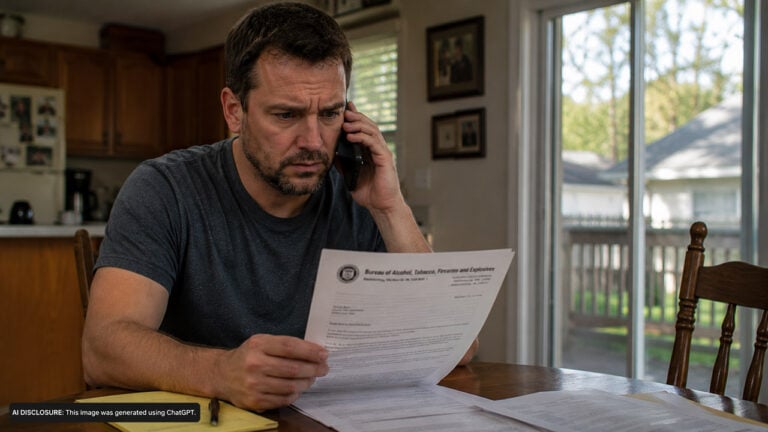
The landowner said the issue was not a rumor or a one-time suspicion. According to the Reddit post, deer poaching was happening on private property, and the person who posted wanted to know what could be done about it.
That kind of problem gets under a landowner’s skin fast. Deer season already brings enough pressure around boundaries, stands, access roads, gates, and people trying to get close to good hunting ground. But poaching is different. It is not just someone making a mistake about a line. It is someone taking wildlife illegally and doing it on land where they do not have permission.
The original Reddit post can be found here: https://www.reddit.com/r/legaladvice/comments/18y6pa8/deer_poaching_is_happening_on_my_private_property/
The poster seemed to be dealing with the practical side first. How do you prove it? Who do you call? Is it a sheriff issue, a game warden issue, or both? If the poachers are gone by the time anyone arrives, what kind of evidence matters?
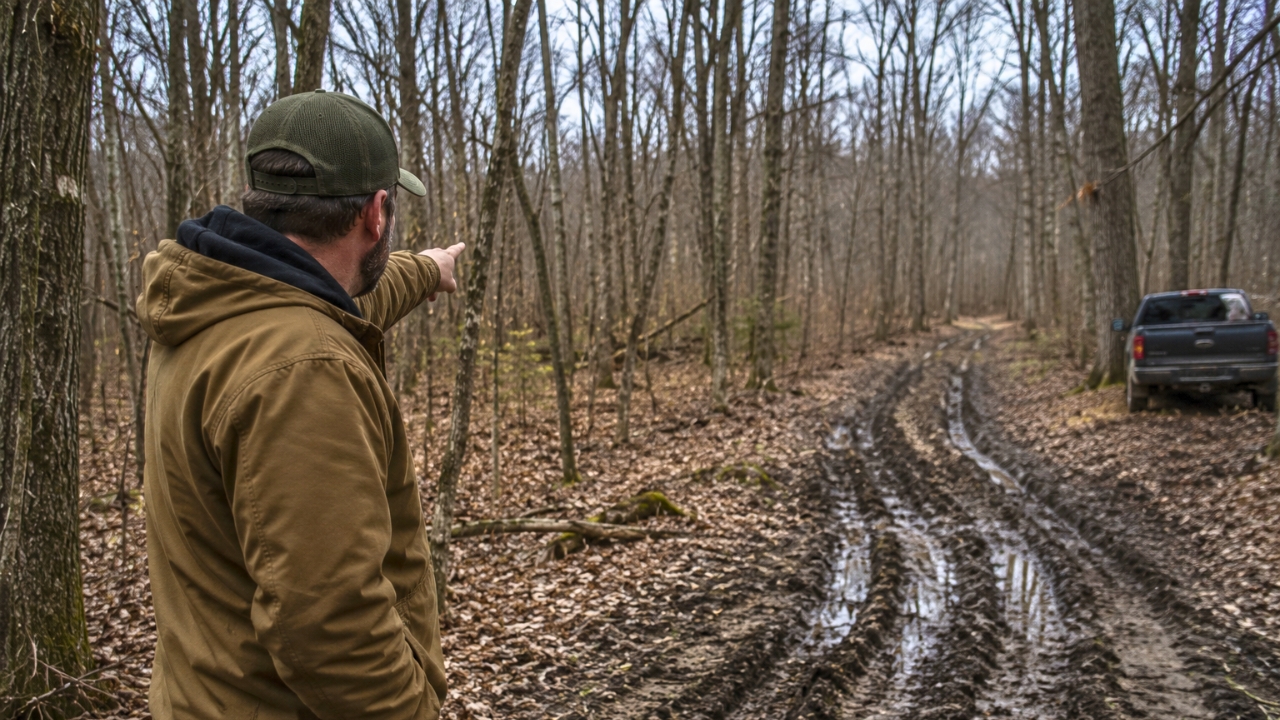
Those questions are important because poaching often happens when nobody is standing there watching. People slip onto property early, late, or from the back side. They may use existing trails, old roads, fence gaps, creek crossings, or neighboring land to get in and out. By the time the landowner finds sign, a gut pile, drag marks, shell casings, or tire tracks, the person responsible may be long gone.
There is also the safety concern. A poacher on private land is often armed. That makes direct confrontation risky. Even if the landowner is furious, walking up on someone who is illegally hunting can turn dangerous fast, especially if they are already willing to break the law to take a deer.
The landowner needed a way to make the property harder to abuse without creating a bigger problem. Posting signs helps, but signs do not stop someone determined to sneak in. Gates help, but people can walk around them. Cameras help, but only if they are hidden, placed well, and not stolen.
That is why the right agency matters. Game wardens deal with hunting violations, trespass tied to hunting, illegal take, tagging problems, spotlighting, and other wildlife crimes. Regular law enforcement may respond to trespassing, but conservation officers often know exactly what evidence to look for and how poachers tend to operate.
Commenters pointed the landowner toward the game warden quickly. Several said wildlife officers are usually the best first call when the issue involves deer poaching, because they have the authority and experience to deal with illegal hunting.
Others recommended documenting everything. Photos of tracks, vehicle marks, carcass remains, shell casings, cut fences, damaged gates, and entry points could all help build a case. The advice was to treat every discovery like evidence instead of just cleaning it up and moving on.
Trail cameras came up repeatedly. Commenters suggested cellular cameras if possible, placed high or hidden well enough that poachers would not notice them easily. A regular camera can help, but if someone steals it, the evidence may disappear with the device. A cellular camera that uploads images quickly gives the landowner a better chance of keeping proof.
Some commenters also said the landowner should make sure the property was properly posted under state law. That could mean no-trespassing signs, purple paint where allowed, marked gates, or wording specific to hunting access. If the case ever moves forward, clear notice can make it harder for poachers to claim they did not know.
A few people warned against confrontation. The message was simple: do not walk up on armed poachers alone. Get photos, call the game warden, give vehicle descriptions if safely possible, and let the people trained for that job handle it.
The post ended with the landowner facing the kind of problem that rarely fixes itself. Someone was taking deer from private land. The next step was not just anger. It was evidence, reports, and getting the right wildlife officer involved before the poachers came back again.
Like The Avid Outdoorsman’s content? Subscribe to our newsletter so you never miss an article.
Here’s more from us: