Photo credit: zame 972/YouTube
A gun can make a strong first impression and still become harder to recommend the longer you live with it. Sometimes the first range trip is fine. Sometimes the first few weeks feel promising. Then the little stuff starts showing up — odd parts support, awkward handling, disappointing accuracy, weak aftermarket, annoying controls, or a price that makes less sense after the new wears off.
These are not all terrible firearms. Some are useful. Some have loyal owners. But they are the kind of guns people may talk up at first, then gradually stop suggesting once they realize there are easier, better-supported, or more proven options sitting right beside them.
FN 503
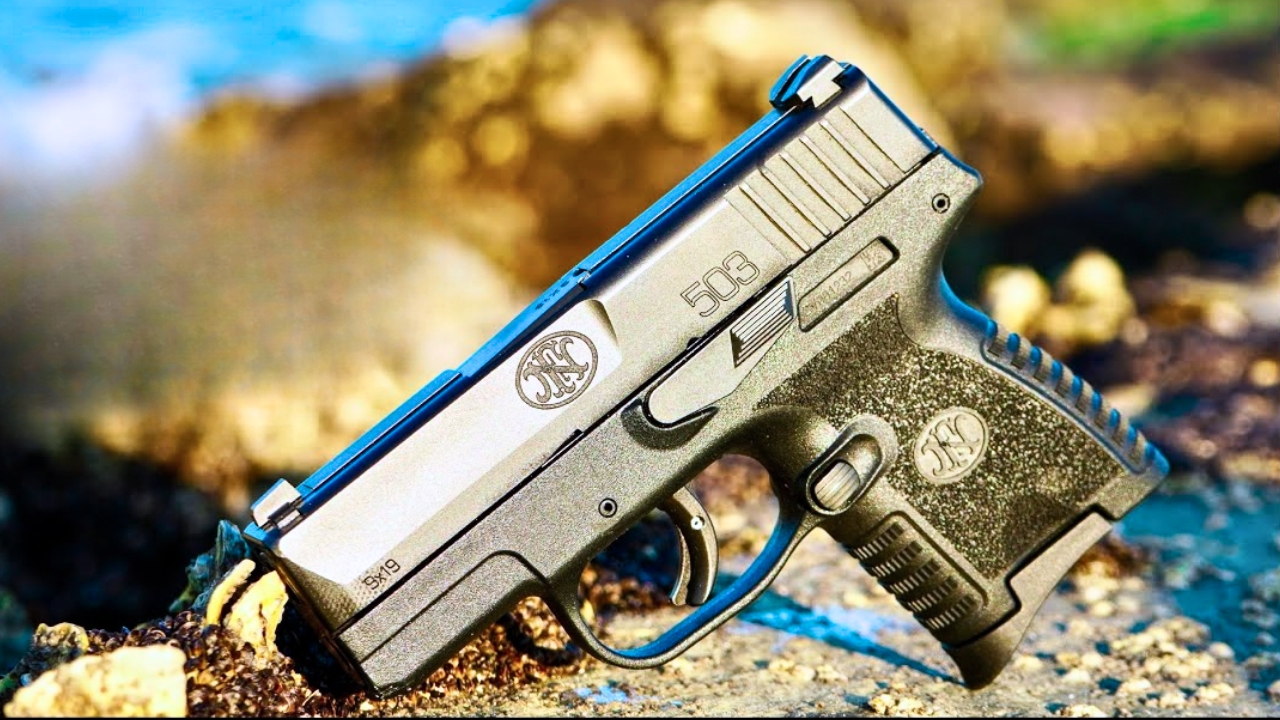
The FN 503 looked like FN’s answer to the slim carry pistol crowd, and at first it made sense. It was thin, clean, and backed by a name people trust for serious handguns. Owners could recommend it as a simple single-stack 9mm from a company with real duty-gun credibility.
Then the market ran past it. Higher-capacity micro-compacts made the 503 feel dated almost immediately, and it never built the same momentum as the P365, Shield Plus, Hellcat, or Glock 43X. It was not a bad little pistol, but it became hard to tell someone to buy one when better-supported carry guns offered more rounds, more aftermarket help, and stronger long-term confidence.
Ruger SR9c
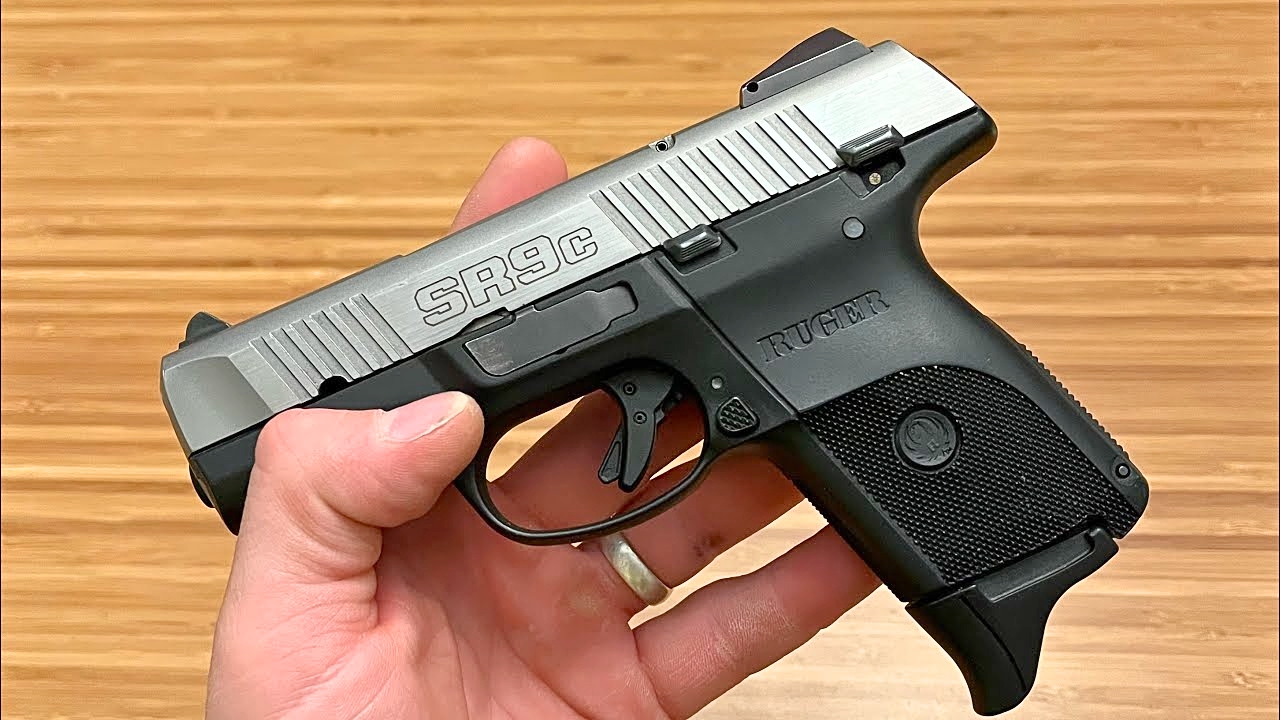
The Ruger SR9c had a solid run because it was affordable, compact, and easy enough to shoot. For a while, it looked like a sensible carry or home-defense pistol from a trusted brand. A lot of owners liked the slim grip and decent capacity.
Over time, though, it became harder to recommend. The trigger safety feel, older styling, and discontinued status make it less appealing next to newer Ruger options and modern striker-fired compacts. Parts and holsters are not impossible, but they are not where the current market is focused. It still works, but recommending one today feels more like defending yesterday’s good-enough answer.
Stoeger STR-9

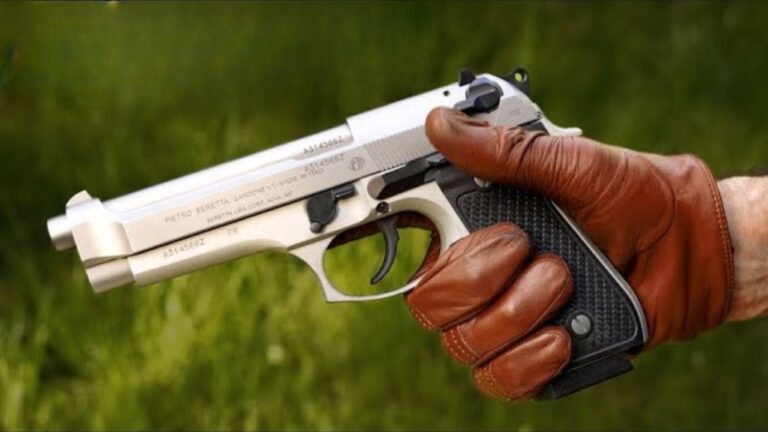
The Stoeger STR-9 sounds like an easy recommendation when someone wants a budget 9mm. It has familiar controls, decent ergonomics, and the comfort of being tied to the Beretta family. On paper, that makes it seem safer than some random off-brand pistol.
The longer you look at the market, the weaker the pitch gets. The gun may run fine, but holster support, magazine availability, resale value, and aftermarket options are thin compared with Glock, Smith, CZ, Canik, and SIG. A pistol does not live on the range alone. Once owners start thinking about support, they often stop recommending it as the smart buy.
Beretta Pico

The Beretta Pico was easy to defend as a deep-concealment pistol. It was thin, smooth, and carried like it was made to disappear. For someone who wanted a pocket .380 without snag points, the idea had real appeal.
Then people had to shoot it. The trigger was long, the grip was thin, and the whole pistol felt more like a carry object than a practice gun. It could fill a narrow role, but most owners eventually realized it was hard to recommend to anyone who actually wanted to train regularly. A pocket gun that makes range time feel like a chore becomes a pretty quiet recommendation.
Remington RP9
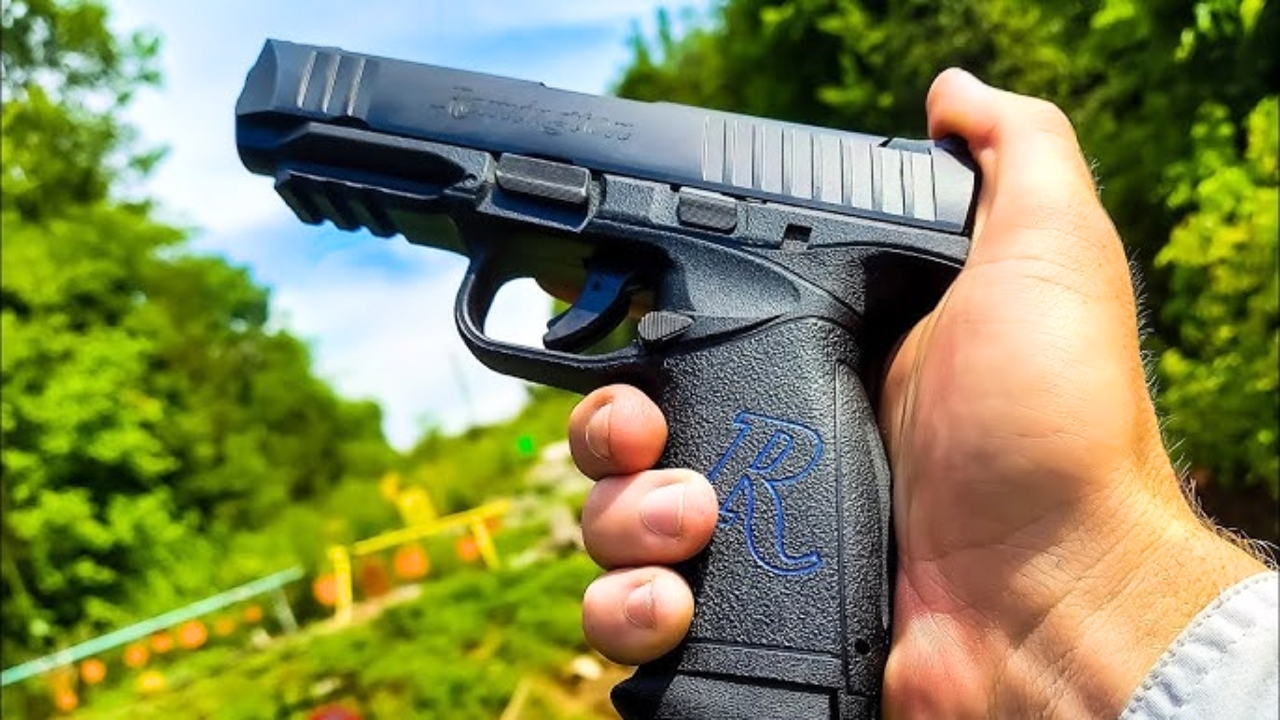
The Remington RP9 looked like Remington was trying to build a modern full-size 9mm that could compete with the big names. It had capacity, aggressive styling, and a price that made people curious. Some owners wanted to believe it was an underrated duty-size pistol.
The problem was that it never gave shooters a strong reason to choose it. The grip felt large to many hands, the trigger did not win people over, and Remington’s handgun reputation was already shaky. Even if an individual RP9 worked, recommending one meant asking someone to skip better-proven pistols with better support. That is a hard sell.
Mossberg MC1sc
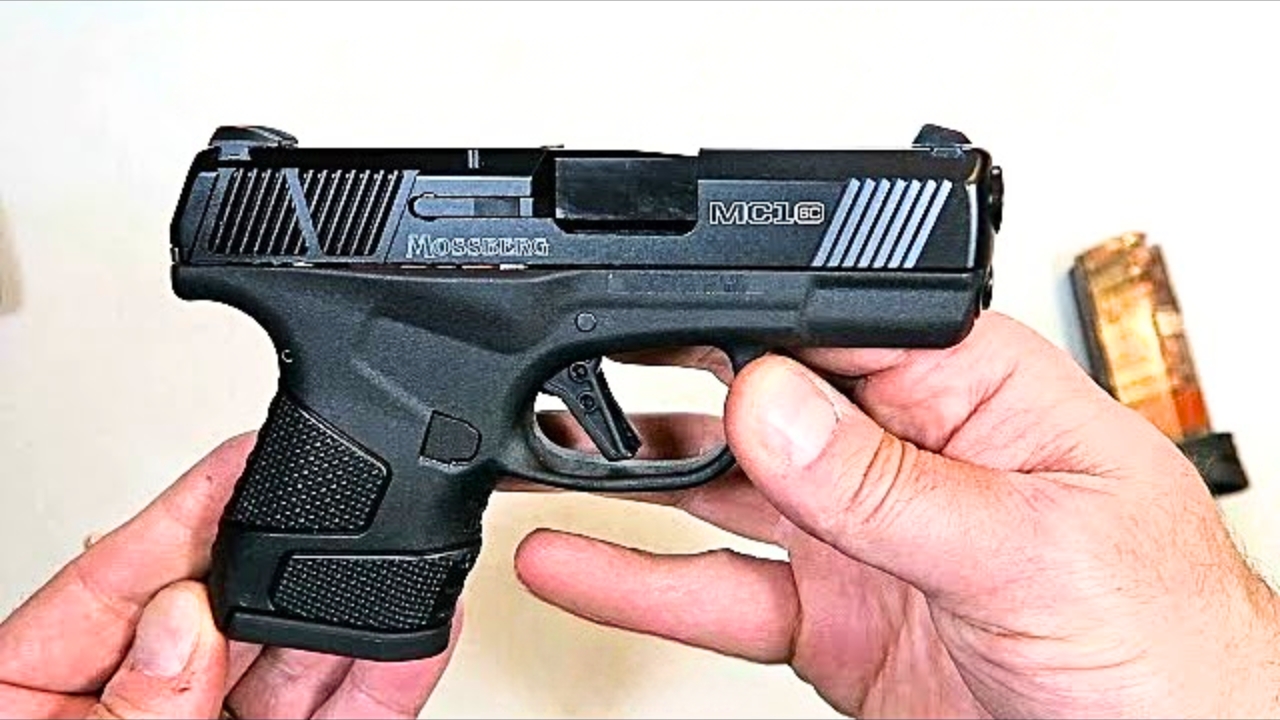
The Mossberg MC1sc got some early goodwill because people trust Mossberg shotguns. A compact 9mm from that brand sounded interesting, especially for buyers who wanted something outside the usual carry-gun names. It was not outrageous to recommend at first.
But the carry market is brutal. The MC1sc was quickly surrounded by pistols with better capacity, stronger holster support, more optics options, and bigger owner communities. It may be a decent pistol, but decent is not enough when someone is choosing a defensive gun. Owners can like theirs and still stop telling other people to buy one.
Savage Stance
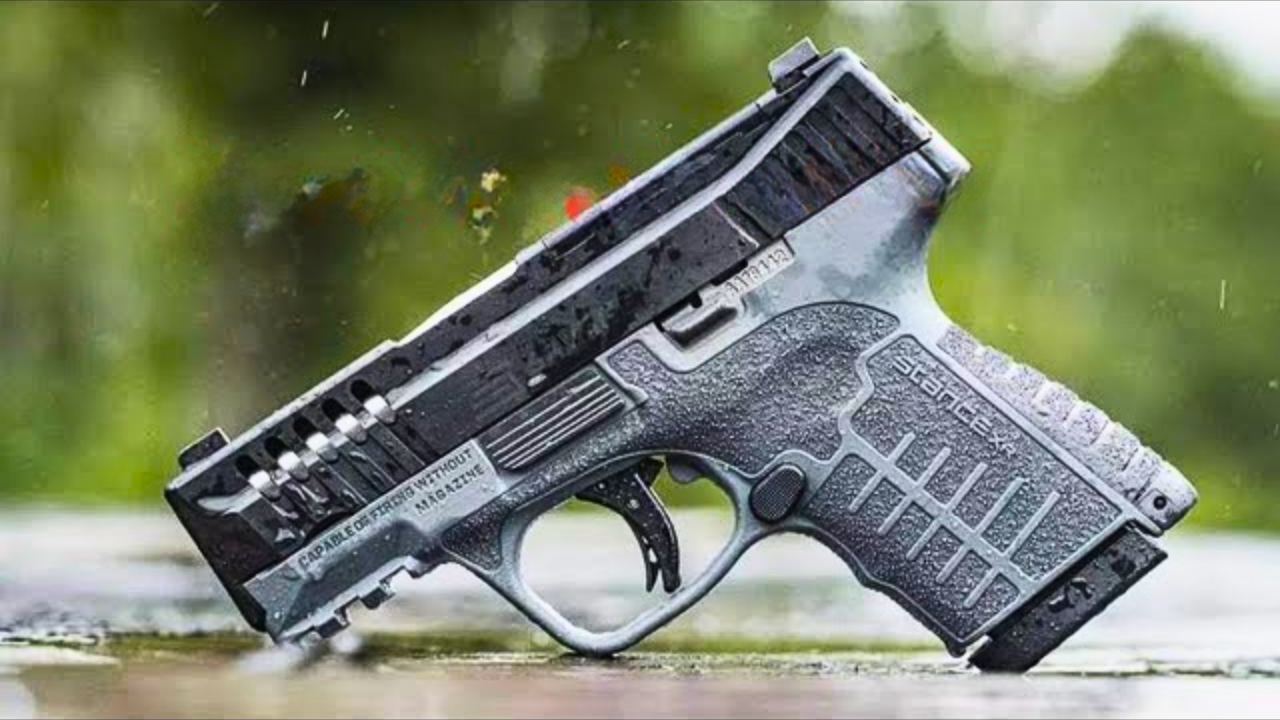
The Savage Stance had the benefit of being different. Savage is a trusted rifle name, and the company entering the micro-compact pistol market got people’s attention. The gun had aggressive styling, decent capacity, and enough features to seem like a serious attempt.
Then shooters compared it to the leaders in the category. The Stance did not clearly beat the P365, Hellcat, Shield Plus, or other proven micro 9s in the ways that matter most. Trigger feel, recoil control, holster support, and brand confidence all matter with a carry gun. Without a clear advantage, owners got quieter about recommending it.
Ruger American Pistol

The Ruger American Pistol looked like a rugged, practical duty gun when it launched. It had a strong build, decent ergonomics, and Ruger’s reputation for making firearms that simply work. For someone wanting a no-drama full-size pistol, it made sense.
The issue is that it felt bulky and plain in a market full of better-shooting, better-supported options. The pistol was not awful, but it never became the default answer for much of anything. Glock, M&P, CZ, Walther, and Canik all gave shooters easier reasons to buy. Owners who liked the Ruger often stopped short of recommending it unless the price was especially good.
Winchester Wildcat
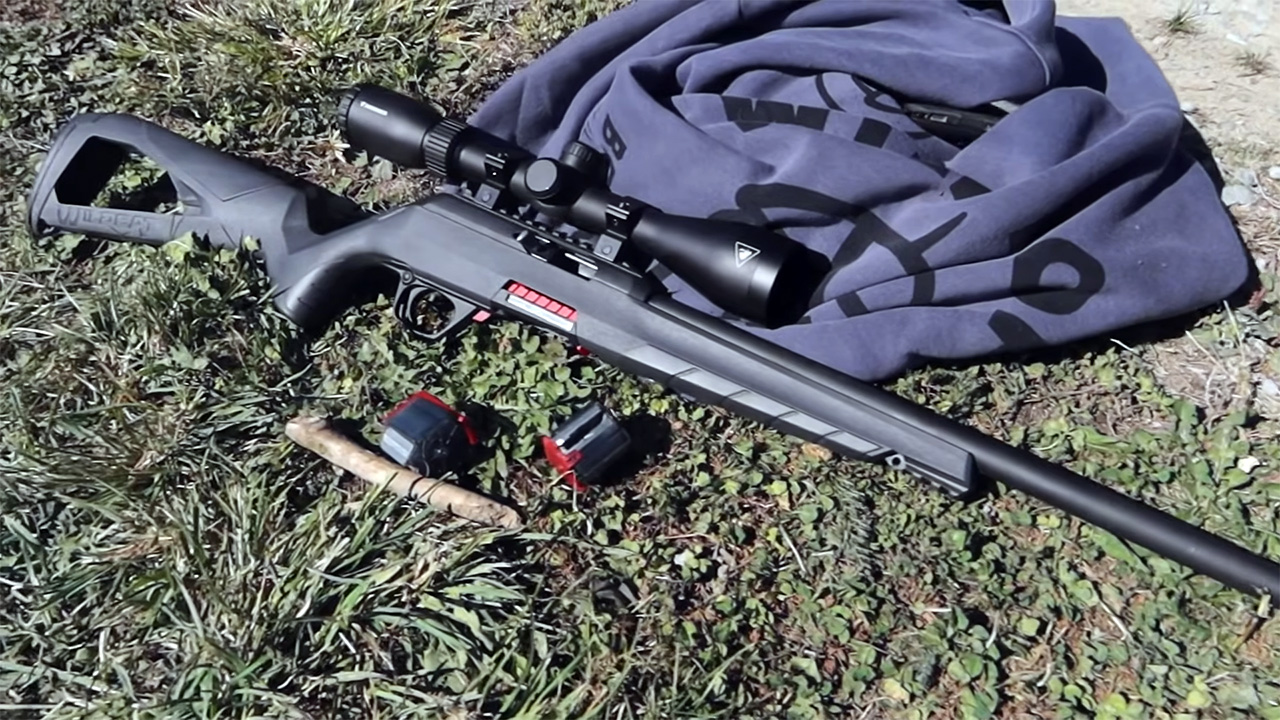
The Winchester Wildcat sounded like a smart rimfire recommendation at first. It was light, affordable, easy to clean, and used common 10/22-style magazines. For a casual .22 rifle, those are real selling points.
The problem is that it lives under the shadow of the Ruger 10/22. The Wildcat can be handy, but it does not have the same aftermarket, reputation, or long-term confidence behind it. When someone asks for a first .22 rifle, most owners still end up saying “just get the Ruger.” That does not make the Wildcat useless, but it does make the recommendation fade.
Springfield Armory RO Elite Compact
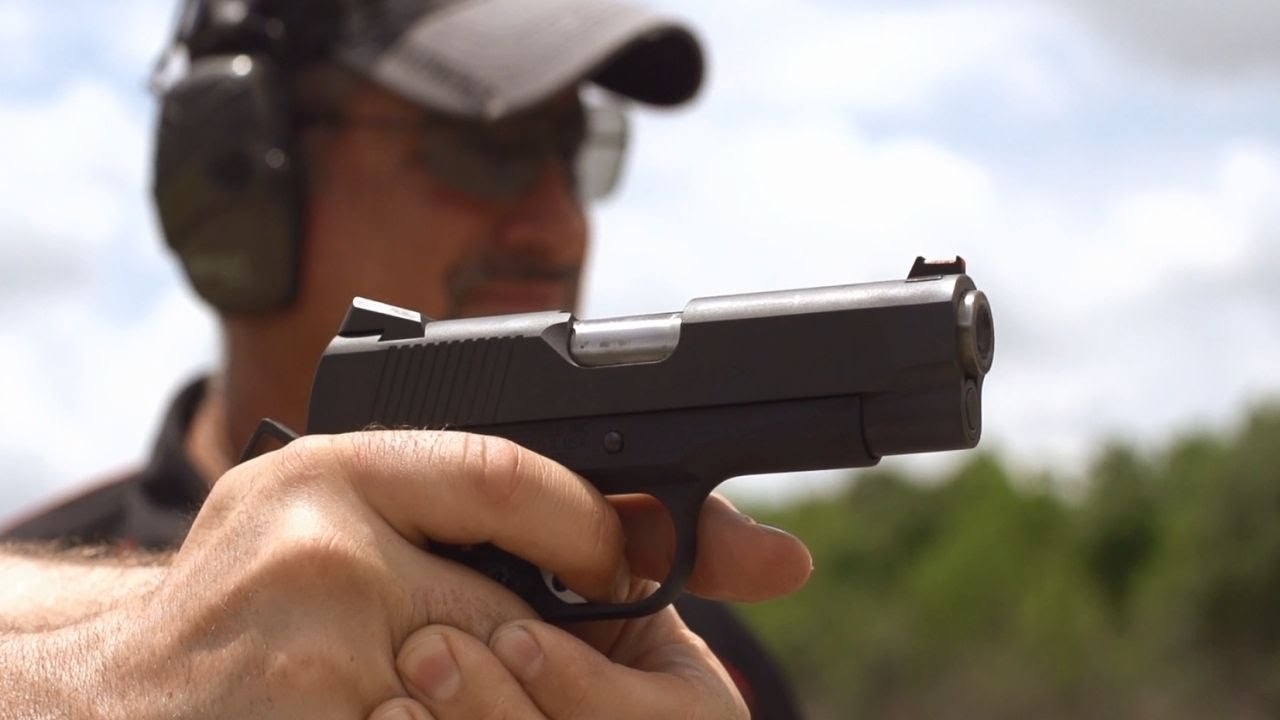
The RO Elite Compact had the appeal of a compact 1911 with modern touches. It looked good, carried the Springfield name, and gave 1911 fans a smaller pistol that still felt familiar. For the right buyer, it seemed like a classy carry option.
Then the usual compact-1911 reality showed up. Short-slide 1911s can be less forgiving, magazines matter, and the platform asks more maintenance and attention than a basic striker-fired carry gun. Owners may enjoy the pistol, but recommending it broadly gets tricky. It is easier to suggest a larger 1911 for range use or a modern compact 9mm for carry.
Walther PK380

The Walther PK380 made sense for shooters who wanted an easier-racking .380 with a larger grip than tiny pocket pistols. It was not trying to be the smallest carry gun. It was trying to be manageable, and that made it easy to recommend to certain newer shooters.
Over time, the recommendation got weaker. The trigger, controls, and general build feel did not keep up with newer easy-shooting options. Guns like the Shield EZ gave the same type of buyer a cleaner path with better modern support. The PK380 filled a need, but the market eventually filled it better.
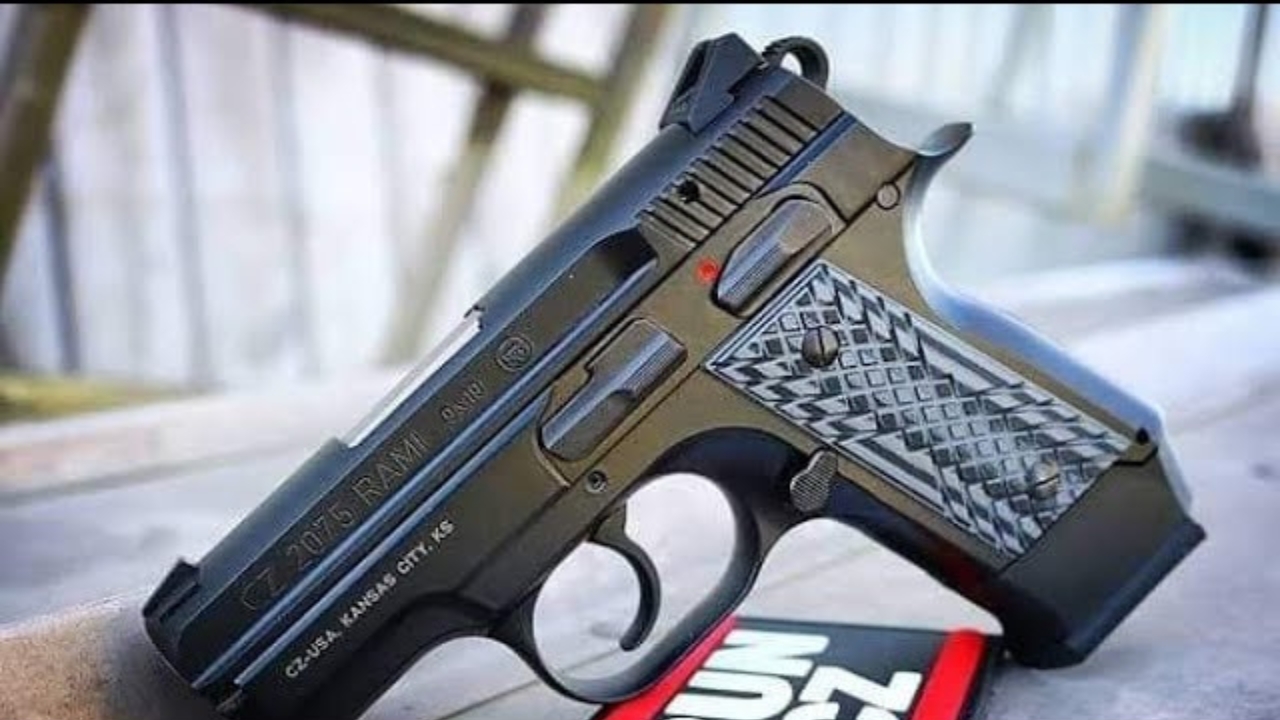
CZ 2075 RAMI

The CZ RAMI had a loyal following because it packed CZ-style handling into a small carry pistol. It was chunky, metal-framed, and different from the polymer micro-compacts that took over the market. For CZ fans, it was easy to recommend for a while.
Then reality got more complicated. The RAMI was thick for its size, heavier than many newer carry guns, and eventually discontinued. Magazines and parts became more of a concern, and lighter pistols with better capacity made the old pitch harder. It still has charm, but owners are more likely to say “I like mine” than “you should go buy one.”
IWI Masada

The IWI Masada looked like a strong value pistol on paper. It had an optics-ready slide, modular chassis-style fire-control system, decent ergonomics, and a respected company behind it. For the price, it seemed like it should have been an easy recommendation.
The trouble is that it entered a market packed with proven striker-fired 9mms. Even if the Masada works well, support is not as deep as the big-name options, and it never became common enough to feel like a safe default. When someone asks what to buy, owners often drift back toward Glock, M&P, CZ, or Walther instead of pushing the Masada hard.
Henry AR-7

The Henry AR-7 is easy to recommend if you focus on the survival-rifle concept. It breaks down, stores in its own stock, floats, and makes for a neat camp or truck gun. The idea sells itself because it sounds so practical.
Then owners shoot it next to a normal .22 rifle. The stock shape, sights, trigger, and overall handling are all compromises. It is useful in a very specific way, but it is not the rimfire most people want to shoot all afternoon. Once the novelty wears off, owners often stop recommending it unless someone specifically wants the takedown survival gimmick.
Thompson/Center Dimension
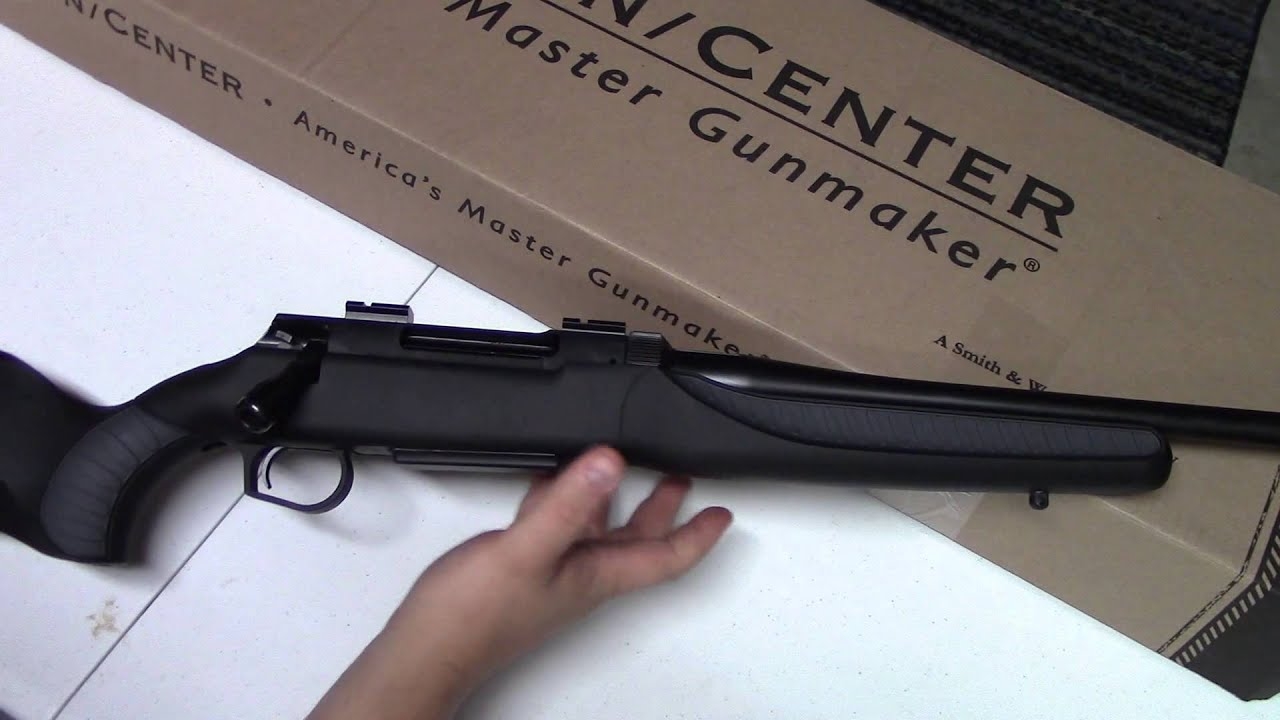
The Thompson/Center Dimension had a clever idea behind it: one rifle system that could change barrels and cover multiple cartridges. On paper, that sounds smart for a hunter who wants flexibility without buying several rifles. It was easy to defend the concept.
The actual rifle was harder to love. The styling was awkward, the system never became common enough to inspire long-term confidence, and most hunters realized they would rather own separate rifles that each felt right. A modular hunting rifle sounds good until the modularity adds bulk, weird looks, and limited market support. Owners stopped recommending it because the idea was better than the experience.
Like The Avid Outdoorsman’s content? Be sure to follow us.
Here’s more from us: