Photo credit: SIG SAUER, Inc/YouTube
You can buy a rifle once. Ammo is the part you keep buying, and that’s where certain “cool” hunting rifles turn into long, slow regrets. It’s not always because the rifle is junk. Sometimes the cartridge is the problem. Sometimes it’s the magazines, the oddball twist rate, the short throat, or the fact that the only loads you can find cost as much as steak dinners and still don’t shoot great in your gun. I’ve watched guys show up to the range with a brand-new rifle and a single box of ammo like it’s a rare collectible. That’s when you know you’re headed for trouble.
Here are 20 rifles that can feel like a bargain or a dream build—right up until you start feeding them.
1. Christensen Arms Ridgeline (in 28 Nosler)
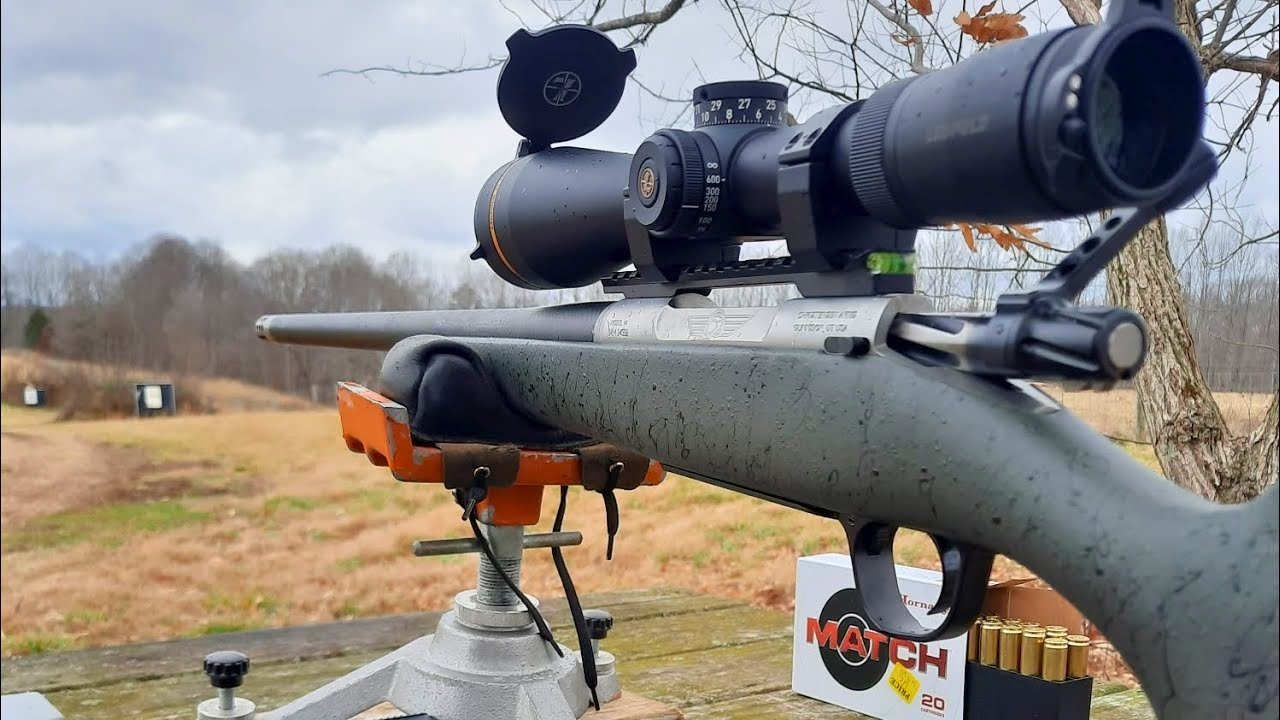
Light rifle, slick marketing, and 28 Nosler hits like a hammer. The first time you buy ammo, though, you realize you’re basically budgeting like you own a boat. Factory loads are pricey, and the rifle is so light that recoil and muzzle blast can make range work miserable. That matters because you can’t just “shoot a couple to check zero” and call it good if you actually want to hunt responsibly at distance.
Then there’s barrel life. Overbore magnums are hard on throats, and when you’re paying premium ammo prices, you still don’t get to practice much without feeling wasteful. If you reload, it’s more doable, but a lot of folks buying a carbon-barreled mountain rifle aren’t set up for that yet.
2. Browning X-Bolt (in 6.8 Western)
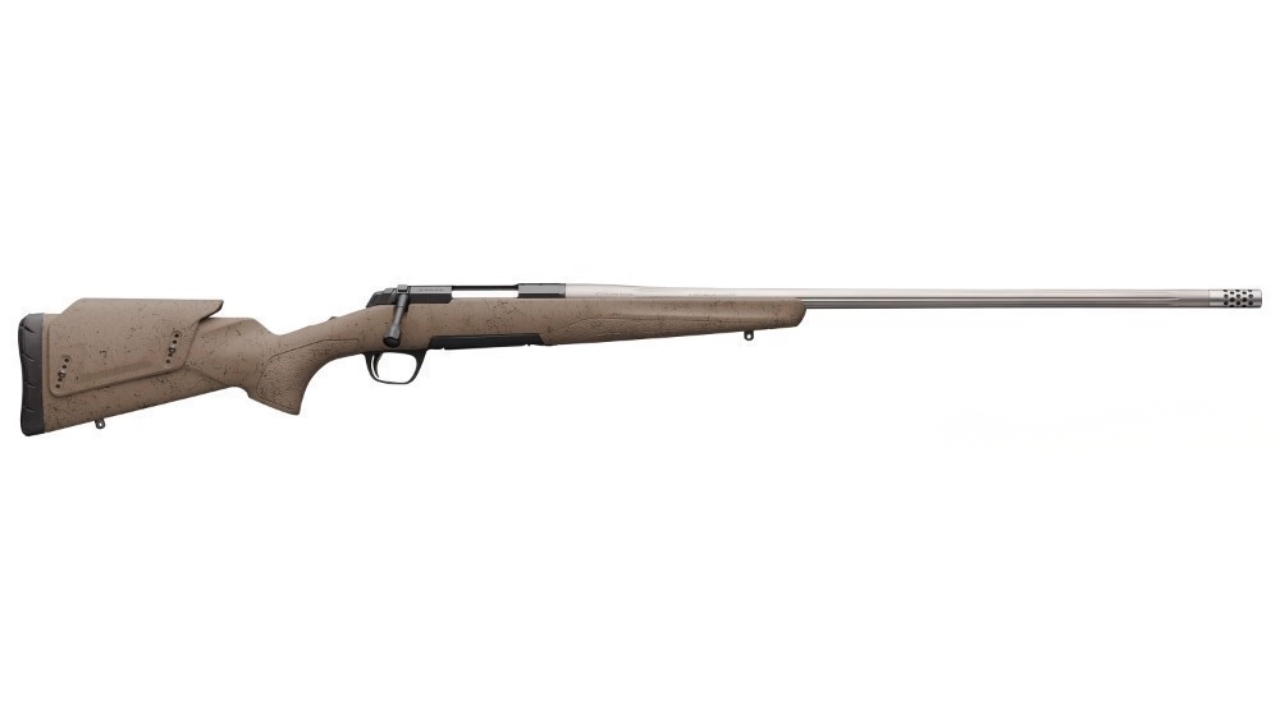
6.8 Western had a big push: heavy-for-caliber bullets, modern twist rates, good energy downrange. In the real world, it can be a “one store in town” ammo situation. When it’s on the shelf, it’s not cheap, and when it’s not, you’re either ordering online and paying shipping or you’re not shooting.
The X-Bolt is a fine hunting rifle, but the cartridge can box you in. If your rifle likes one specific load and that load dries up, you’re stuck tinkering or settling. For the average deer-and-elk hunter, it’s hard not to look over at plain old .270 or 7mm Rem Mag and wonder why you volunteered for the scavenger hunt.
3. Savage 110 (in .224 Valkyrie)
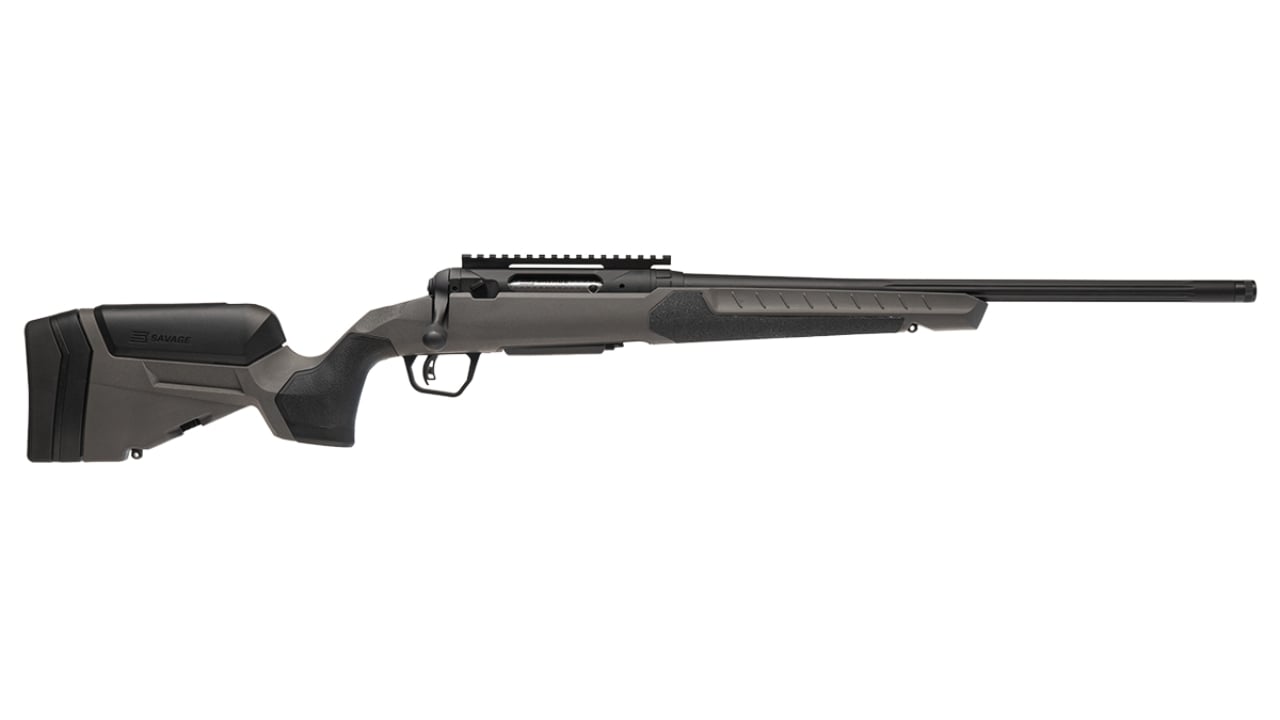
.224 Valkyrie had its moment as the “long-range AR” idea, then it found its way into bolt guns. The ammo side is where the shine comes off. Some factory loads never lived up to the hype, and depending on your barrel twist and what bullet weights it prefers, you might end up with a rifle that’s picky and underwhelming.
It’s also a weird middle ground. For predators and varmint work, .223 is cheap and everywhere. For serious wind-bucking, 6mm and 6.5 options are more supported. With Valkyrie, it’s easy to burn money chasing the one load that groups, then realize you still could’ve done the job with a boring .223 and an extra case of ammo.
4. Ruger American Ranch (in 7.62×39)
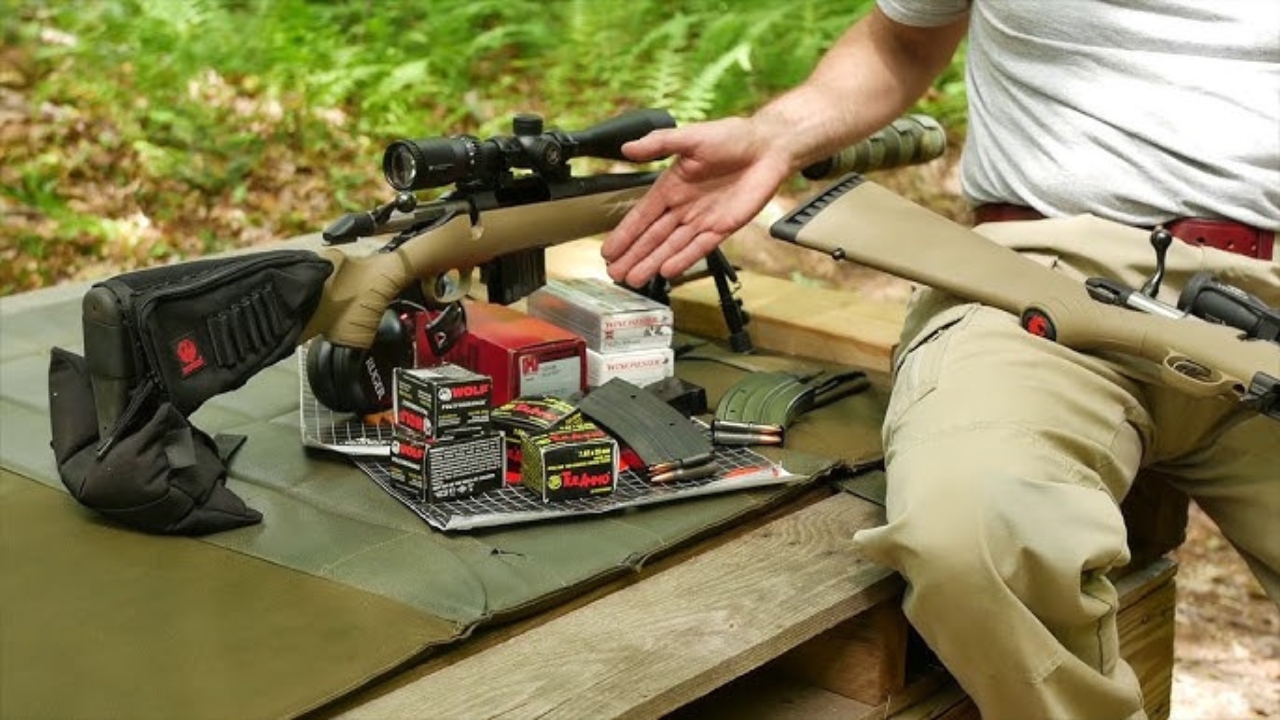
This one is sneaky because the rifle is affordable and handy. The mistake shows up when you assume 7.62×39 ammo is always cheap and always accurate. Steel-case stuff can be affordable, sure, but it often prints bigger groups in many bolt guns, and hunting-legal soft point options can be spotty in some places.
Then you get into magazine quirks depending on version. If your setup uses detachable mags, you’ll care real fast about what feeds smoothly and what doesn’t. When the cheap ammo isn’t grouping and the good hunting ammo is either expensive or hard to find locally, the “budget deer rifle” starts acting like a project gun.
5. Springfield Armory Waypoint (in 6.5 PRC)
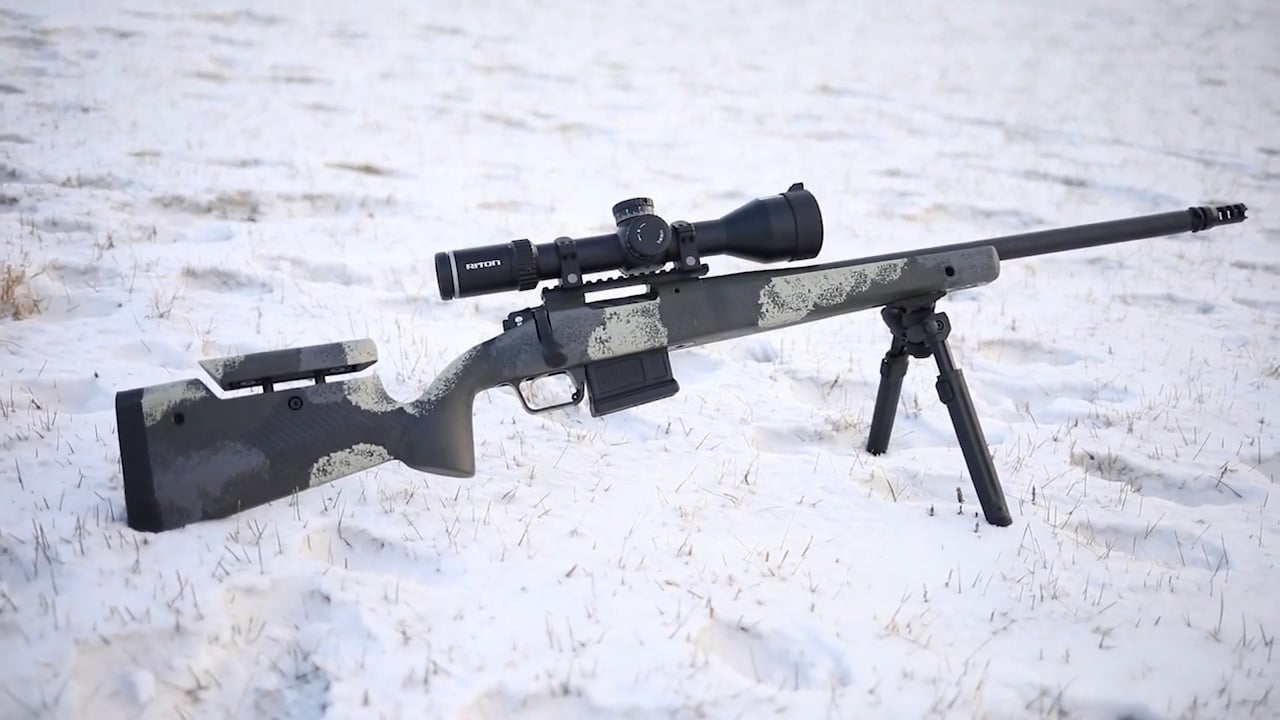
The Waypoint is a nice rifle. It carries well, it looks the part, and 6.5 PRC shoots flat with authority. The issue is that PRC ammo is still premium-priced most of the time, and a lot of hunters buy it thinking it will feel like “just a better Creedmoor.” It isn’t.
Recoil is sharper, barrels don’t last forever, and you’ll notice the cost every time you want to confirm dope or shoot positional practice. If you’re the kind of hunter who truly uses the extra reach, you can justify it. If most of your shots are inside 250 and you just wanted something modern, you may wind up practicing less, and that’s the real loss.
6. Tikka T3x Lite (in 300 Winchester Magnum)
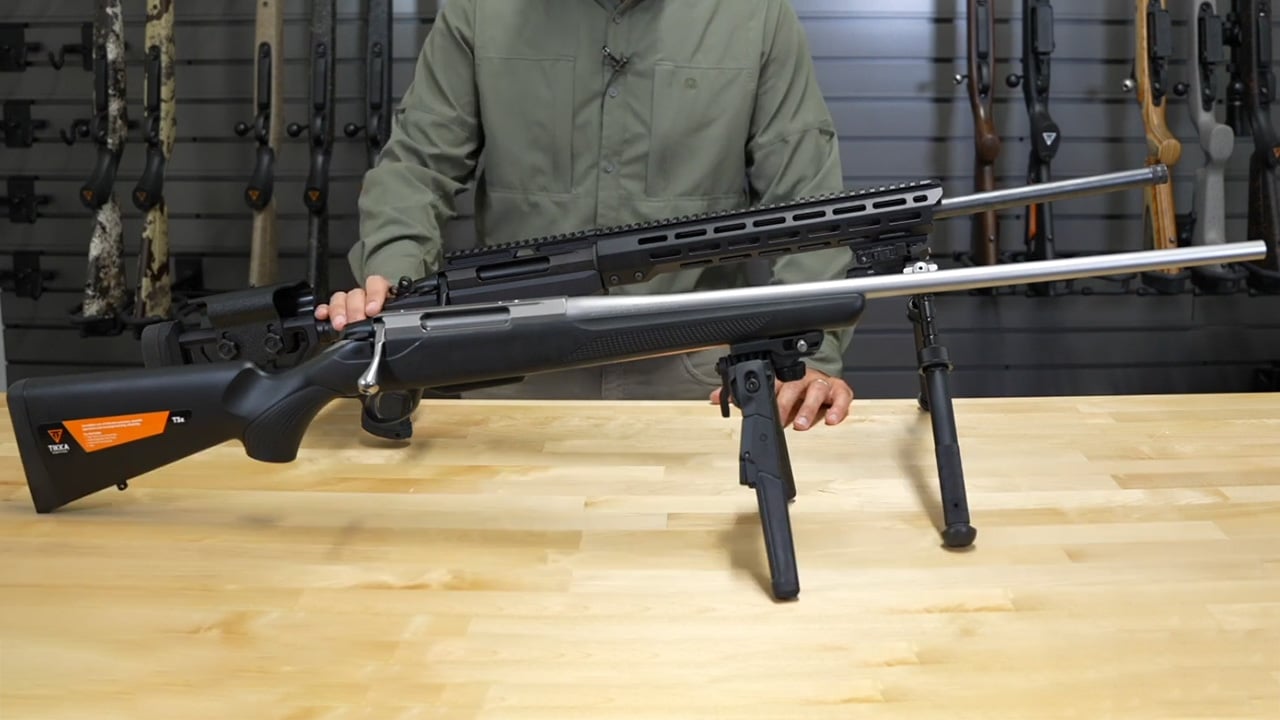
Tikka makes rifles that flat-out shoot, and the T3x Lite is a joy to carry. In 300 Win Mag, it can also be a joy to carry and a pain to shoot. Light rifle plus full-house magnum loads equals flinch development if you’re not careful. Ask me how I know.
Ammo isn’t rare, but it’s not cheap, and “cheap” 300 Win Mag is often the stuff you don’t want to practice with much anyway. If you don’t commit to a good recoil pad, a brake (where legal and appropriate), and a real practice plan, the rifle can end up being sighted-in once a year and otherwise living in the safe. That’s an expensive way to own a very capable tool.
7. Daniel Defense DD5 (in 6.5 Creedmoor)
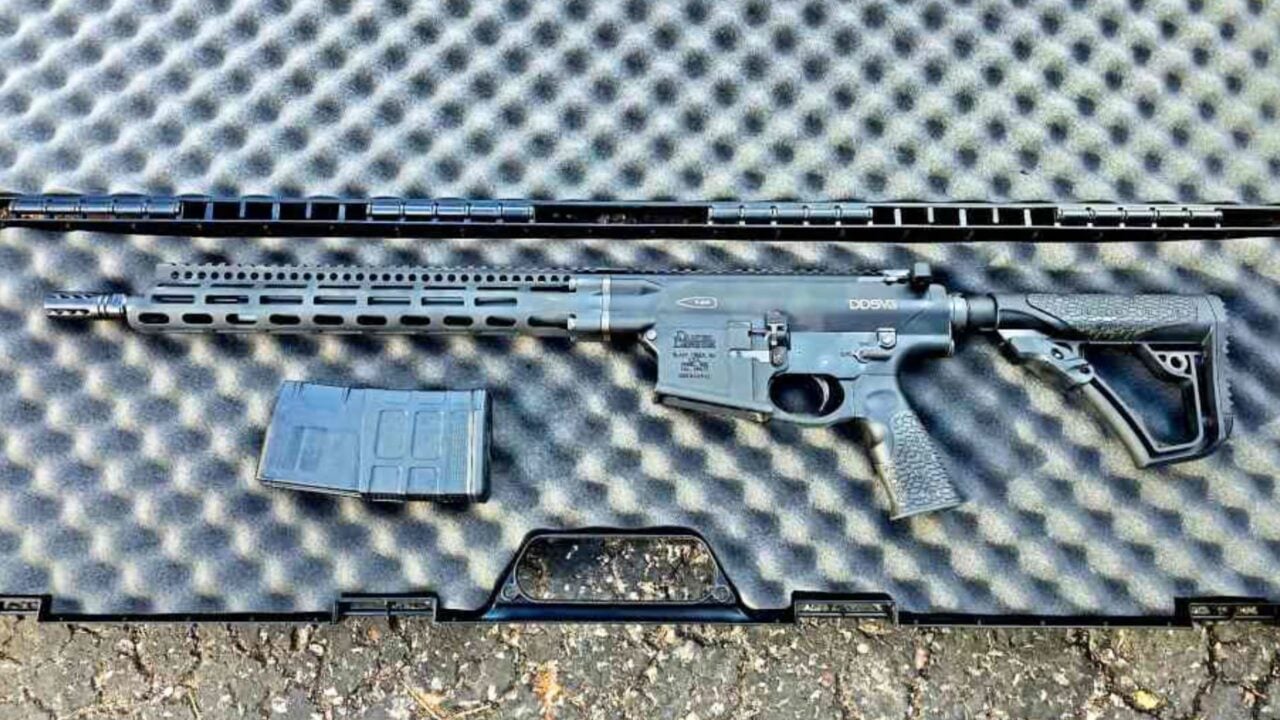
A semi-auto .308-sized rifle in 6.5 Creedmoor sounds like the best of all worlds until you realize what “semi-auto that likes a specific load” looks like in real life. You’ll find ammo, but you might not find the ammo it runs and groups with at a price you enjoy. Gas guns can be more sensitive to pressure curves and bullet profiles than bolt guns.
Then you start buying magazines, maybe a different buffer system, and you’re chasing consistency. None of that is wrong if you like the platform. But if you bought it as a hunting rifle first, the ammo bill plus the “make it run perfect” bill can get out of hand quick. A boring bolt gun starts looking smarter with every receipt.
8. Remington 700 SPS (in 7mm Remington Magnum)
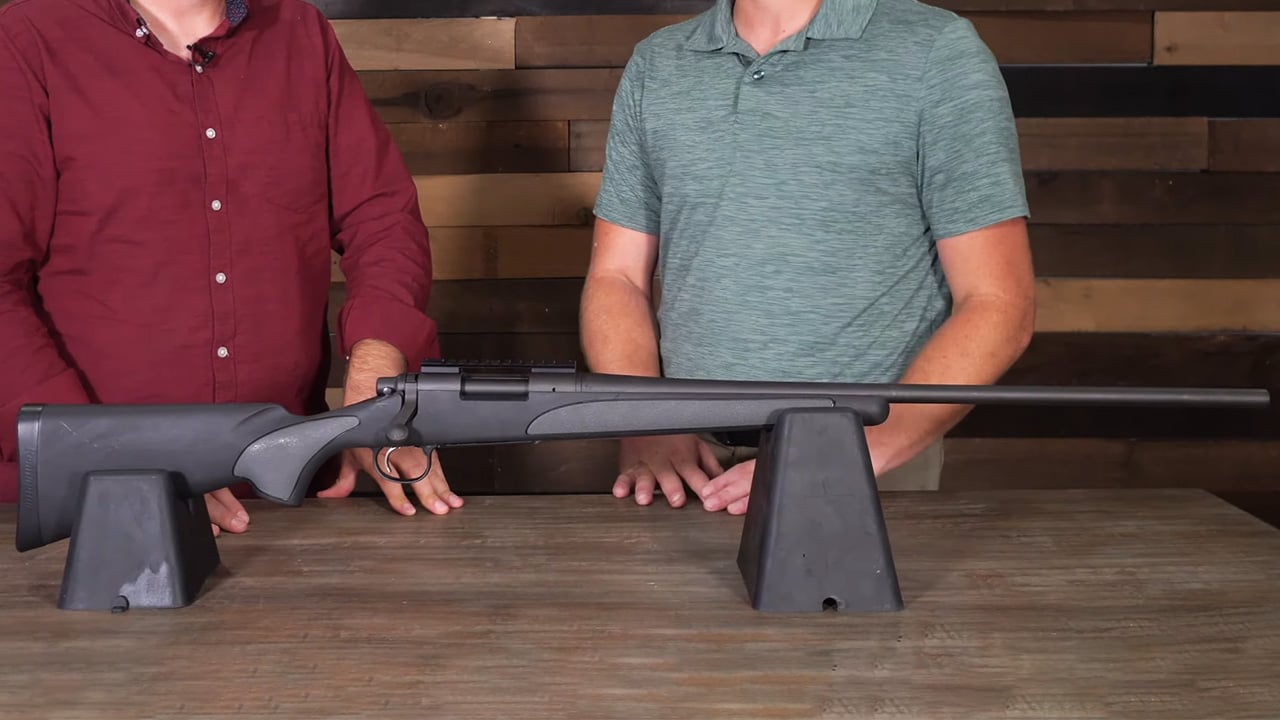
7mm Rem Mag has killed a mountain of elk and mule deer. It also has a way of emptying wallets when you actually practice. Factory ammo prices have climbed, and the bargain boxes often don’t shoot as well as you hoped. A lot of SPS rifles end up wearing budget glass, too, which makes it even harder to see what the rifle is capable of.
Recoil isn’t insane, but it’s enough that high-volume range days are work. If you’re not handloading, you may find yourself shooting less and “trusting the cartridge” more than trusting your own trigger time. The cartridge will do its part. The question is whether you’ll do yours when each range trip feels like burning up a nice dinner.
9. Bergara B-14 HMR (in 6mm Creedmoor)

6mm Creedmoor is a sweetheart for recoil and precision, and the HMR is built for shooting. That’s exactly why ammo cost matters here. This is a rifle that begs for volume—steel targets, positional drills, long range days. Factory 6mm Creedmoor ammo exists, but it’s not stocked like 6.5 Creedmoor, and it tends to cost more.
Barrel life is also a real conversation. If you actually shoot the rifle the way it’s meant to be shot, you’ll eventually pay the piper. For a dedicated shooter with a reloading bench, it’s fine. For a hunter who just wanted “a flatter Creedmoor,” it can turn into a rifle that doesn’t get fed enough to justify its strengths.
10. Ruger Hawkeye (in .375 Ruger)
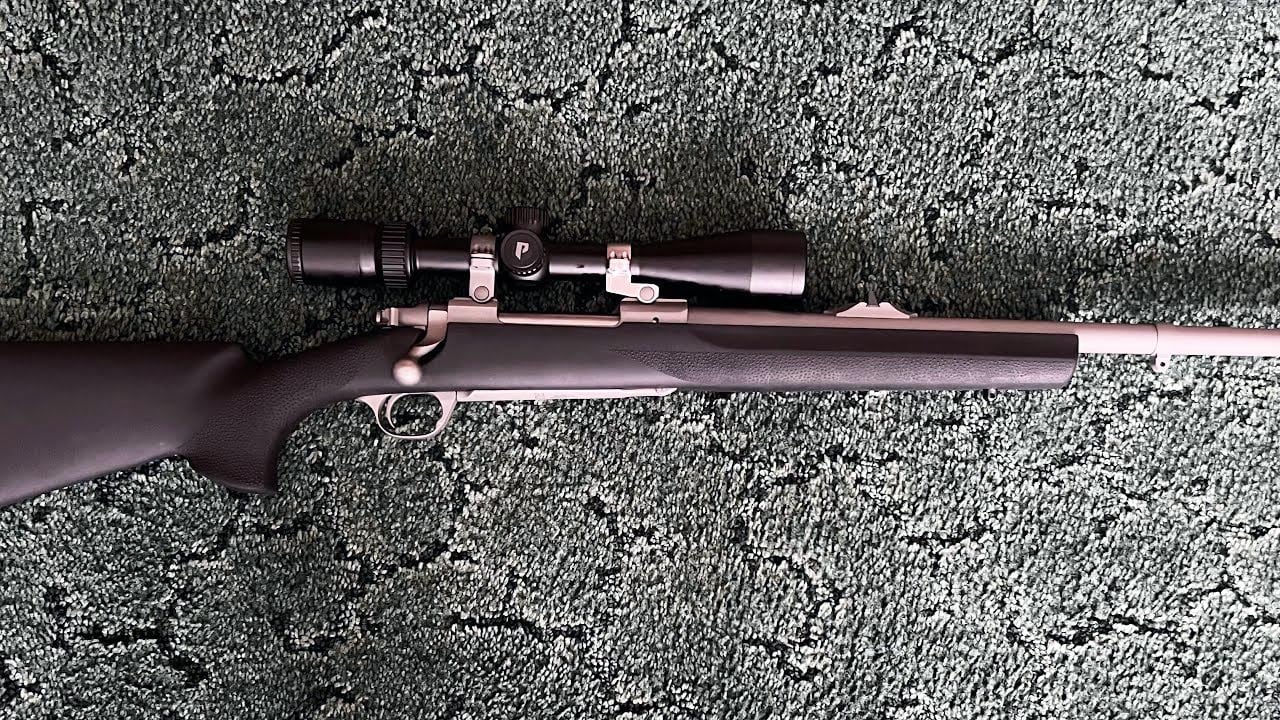
.375 Ruger is legitimate. It’s not a gimmick cartridge, and it hits hard in a standard-length action. The mistake happens when a guy buys it because he likes the idea of Alaska or Africa more than he has an actual trip planned. Then he goes looking for ammo in normal sporting goods stores and finds empty hooks or eye-watering prices.
When you do find ammo, you’ll want to shoot it, because heavy recoil and big-bore rifles demand respect and familiarity. But you won’t shoot it much because every trigger pull feels like it should’ve come with a receipt. If you truly need it for big bears or dangerous game, it’s worth the pain. If not, you can end up with an impressive rifle you’re always “saving” for later.
11. Winchester Model 70 (in .264 Winchester Magnum)
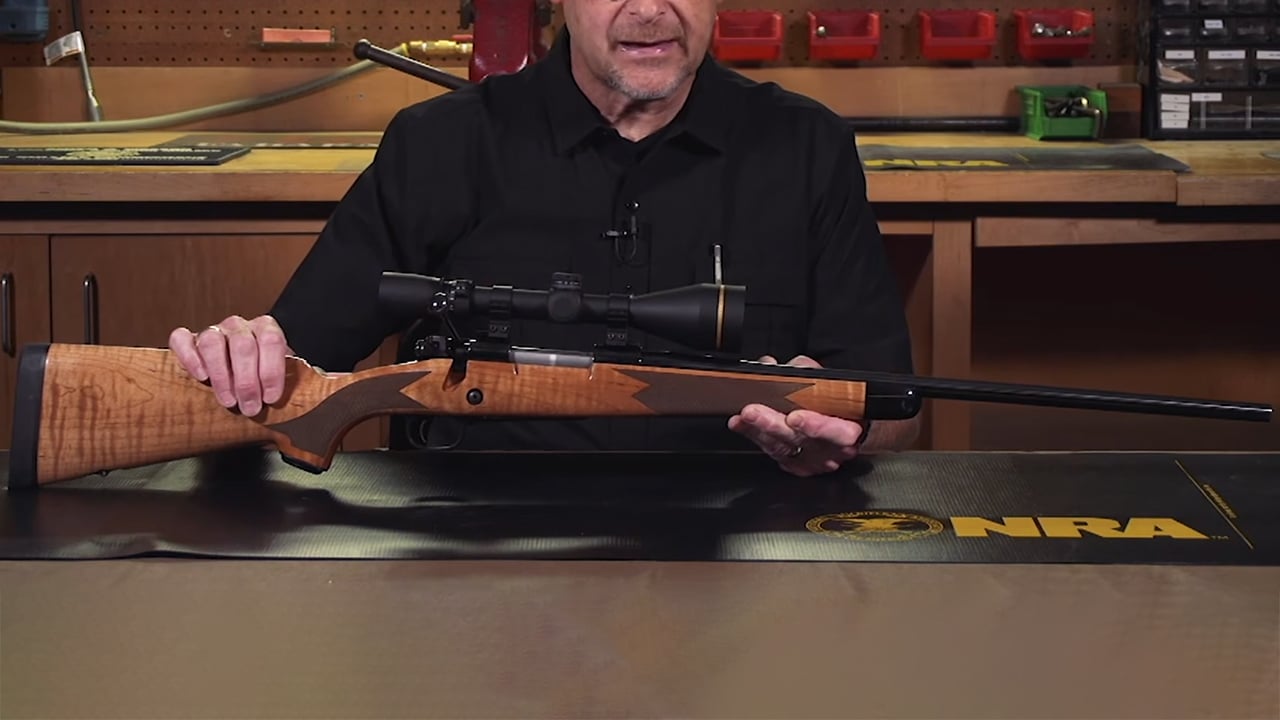
The .264 Win Mag has fans for a reason. It’s flat, it’s fast, and it has classic “old magnum” appeal. Ammo availability is where romance meets reality. Walk into a shop and you’ll see stacks of .270 and 6.5 Creedmoor, but .264 Win Mag is often special order or one lonely box priced like it’s a favor.
If you inherit one or find a clean Model 70, it’s hard not to fall in love. But if you buy it as a working hunting rifle and don’t reload, you may spend more time hunting ammo than hunting deer. And once you do find a load it likes, you’re tempted to hoard it instead of practice with it. Great cartridge, rough lifestyle.
12. CZ 557 (in 9.3×62 Mauser)

9.3×62 is a wonderful woods and moose cartridge with a ton of history. It is also not something every small-town store keeps stocked, and when it is stocked, it’s rarely cheap. If you’re the guy who wants a “different” elk rifle, this is how you end up with a rifle you adore and never shoot.
It doesn’t help that some factory loads are built more for European hunting styles than what many of us do here. You might want a certain bullet construction and weight, and suddenly your choices are slim. Reloading makes 9.3×62 a lot more sensible, but buying one without that plan is how the ammo bill becomes the reason the rifle stays home.
13. Sig Sauer CROSS (in .277 Fury / 6.8×51)

The CROSS is a neat concept: compact, packable, modern. Pair that with 6.8×51 and you’re stepping into a new-cartridge world where ammo can be scarce and expensive, and sometimes it feels like the shelves haven’t caught up to the internet excitement. For hunting, you want predictable supply. You want to be able to replace a couple boxes before season, not treat ammo like it’s a limited release.
There’s also the “what load does this rifle actually like?” problem. With newer cartridges, you don’t get decades of proven, widely available hunting loads. Early adopters pay more and troubleshoot more. If you’re the type who enjoys that, fine. If you just wanted a light rifle for whitetails and maybe an elk trip, you may realize you bought yourself a lot of logistics.
14. Weatherby Vanguard (in .257 Weatherby Magnum)
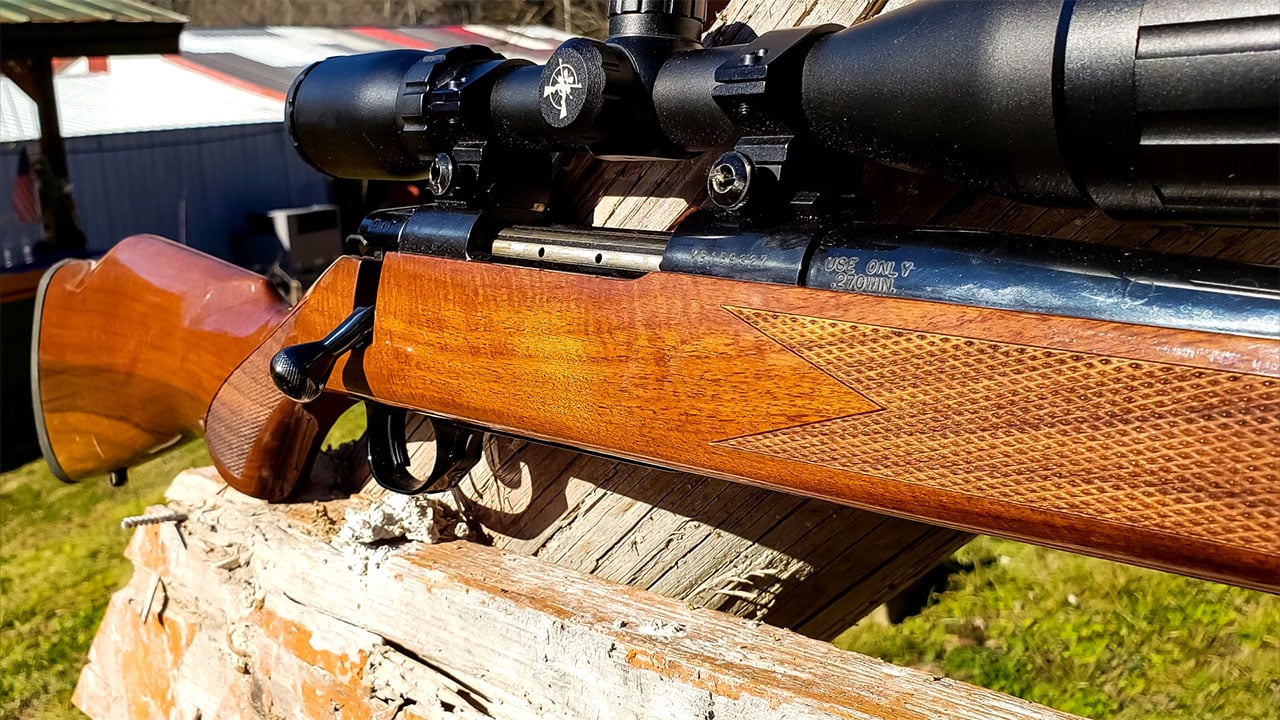
.257 Weatherby is a laser beam on pronghorn and deer, and it has real charm. The charm fades when you price factory ammo and realize this isn’t a “grab a couple boxes on the way to camp” kind of cartridge. It’s a specialty round, and it lives in the specialty pricing lane.
Recoil is manageable, but the muzzle blast is sharp, and the cartridge runs fast. That means you’ll want to practice enough to place bullets well at longer ranges, because that’s the whole point of owning it. A lot of owners don’t, because the ammo cost nags at you. You can absolutely hunt effectively with it, but the cartridge punishes casual ownership.
15. Ruger No. 1 (in .458 Lott)
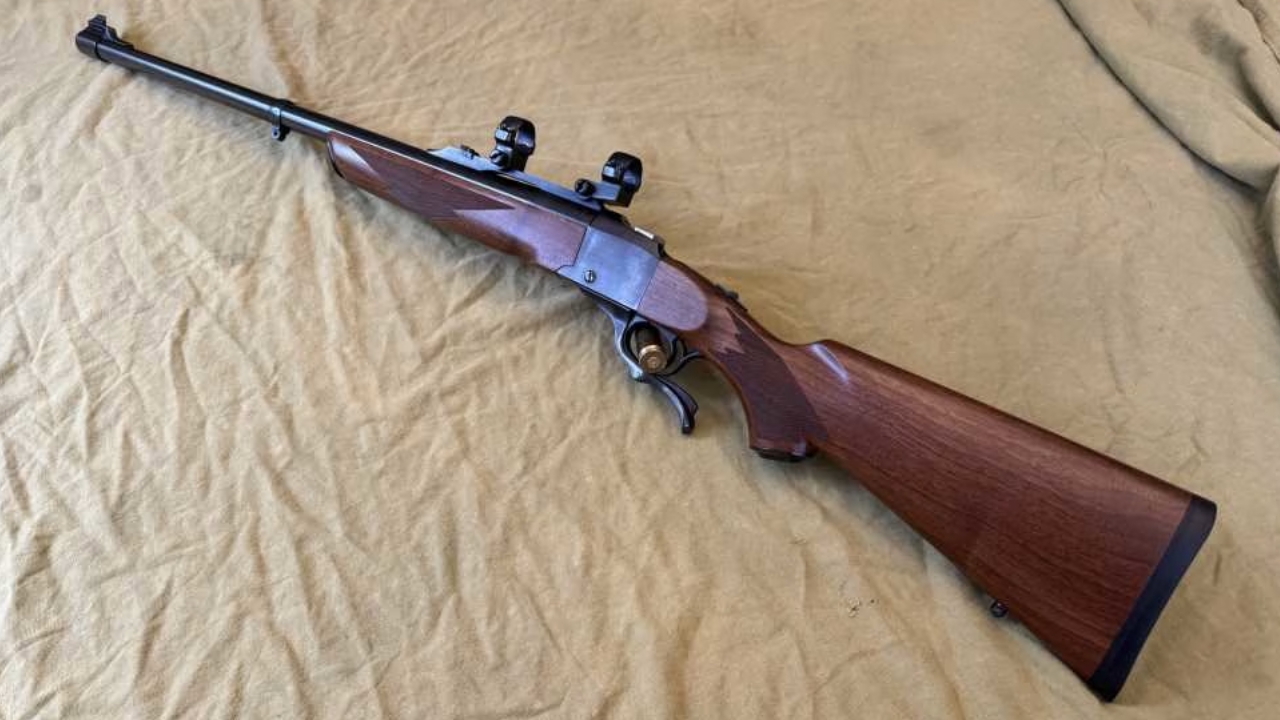
The Ruger No. 1 is cool in a way polymer guns will never be. In .458 Lott, it’s also a rifle that can rattle fillings. The ammo is expensive, and you don’t just buy one box and call it good if you’re serious. Heavy recoiling rifles take familiarization, and the single-shot format means you should be comfortable with your loading rhythm and follow-up plan.
Here’s the thing: plenty of guys buy a big-bore single-shot because it’s iconic. They shoot it twice, grin once, and then it becomes a conversation piece. If you truly have a dangerous-game hunt lined up, great. If not, you end up with a rifle that eats money every time you try to become competent with it. That one hurts because it’s such a handsome rifle.
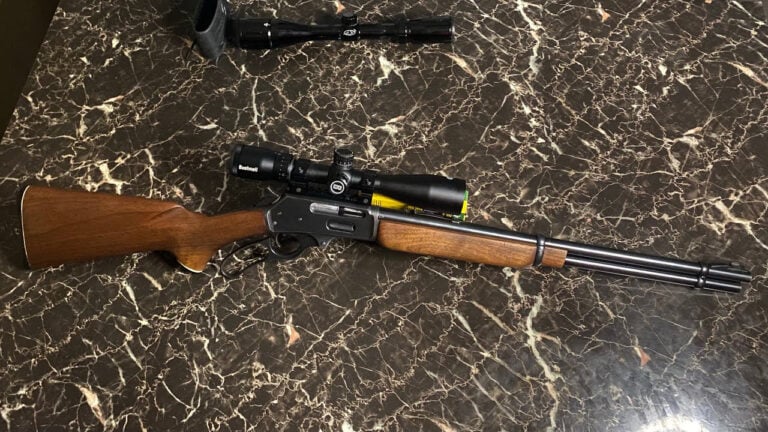
16. Marlin 1895 (in .45-70 Government)
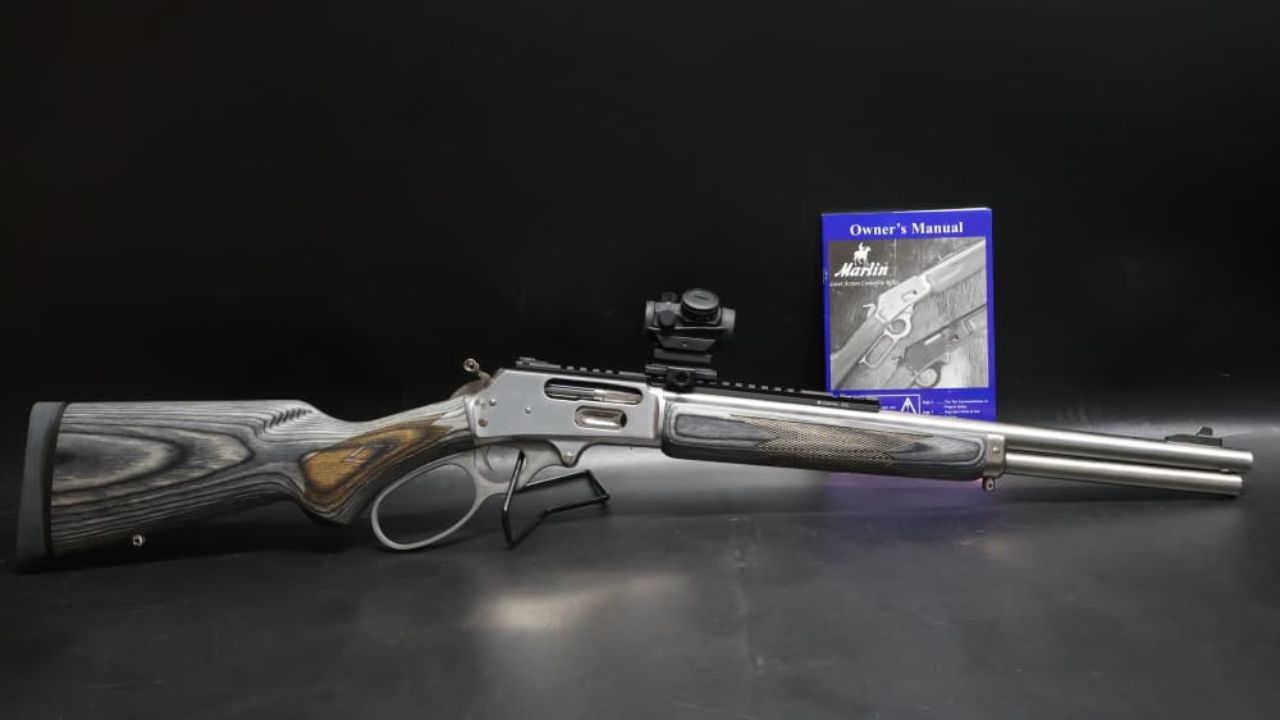
.45-70 is popular, and you can find it in a lot of places. But “popular” doesn’t mean “cheap,” especially now that many loads are premium hunting ammo and some are hot-rodded for modern lever guns. You can spend a small fortune if you get hooked on trying different loads to see what your rifle shoots best.
Add in the temptation to buy specialty bullets for bear defense, brush hunting, and everything else the internet promises .45-70 will do, and the ammo closet starts looking like a museum. It’s a fantastic close-range woods rifle. Just be honest: if you’re going to plink with it a lot, you’re going to pay for that privilege.
17. Henry Long Ranger (in .243 Winchester)
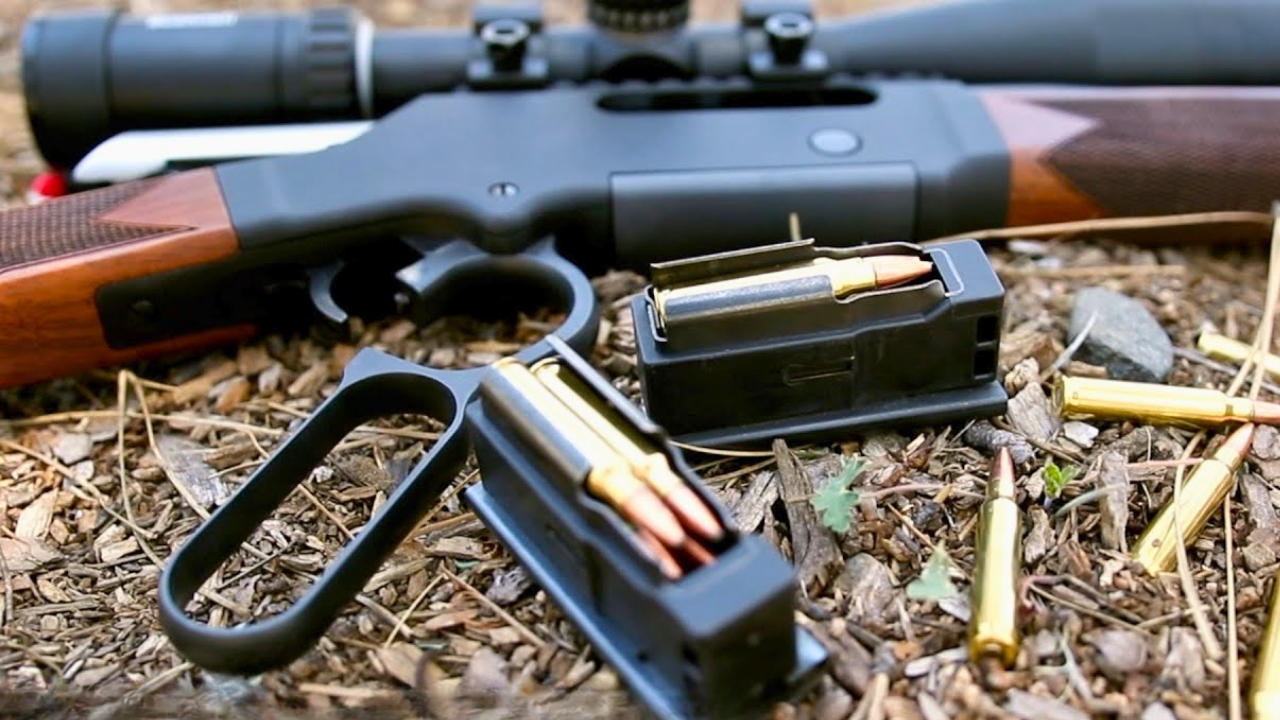
This one isn’t about rare ammo. It’s about the ammo you actually end up buying. A Long Ranger in .243 is a slick, accurate, easy-carrying rifle, and .243 can be found anywhere. The mistake is assuming any random box of .243 will shoot tight groups and behave the same on deer.
Between lightweight varmint loads and heavier controlled-expansion hunting loads, .243 can be two different cartridges. You may burn money finding a load that both groups well and performs the way you want on game. And because it’s a lever gun that deserves to be shot, you’ll feel that testing cost. When you finally land on “the load,” buy enough of it to last, because switching later can mean re-zeroing and starting the search again.
18. Mossberg MVP Patrol (in 5.56 NATO)
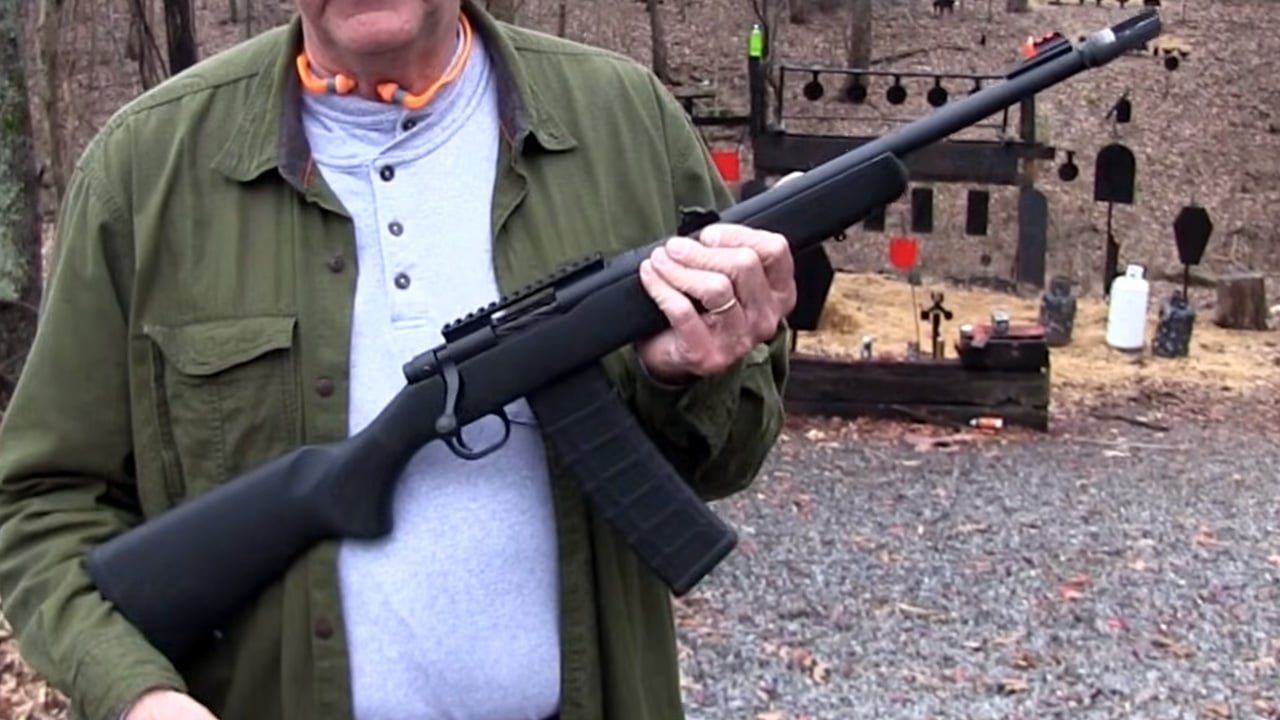
The MVP idea—bolt gun that takes AR mags—sounds perfect for a truck rifle or a ranch setup. The headache shows up with ammo and magazines together. Some rifles are picky about feeding with certain mags, and cheap bulk 5.56 can vary enough that you’ll see it on target, especially as distance stretches.
Hunters buy these for coyotes and general utility, then realize the accuracy they expected isn’t always there with the ammo they can afford in volume. If you feed it better .223 loads, groups usually tighten up, but now your “cheap to shoot” rifle isn’t actually cheap to shoot. It can still be useful, but it’s not always the simple solution it looks like on the rack.
19. AR-10 pattern rifle (Smith & Wesson M&P10) in .308 Winchester
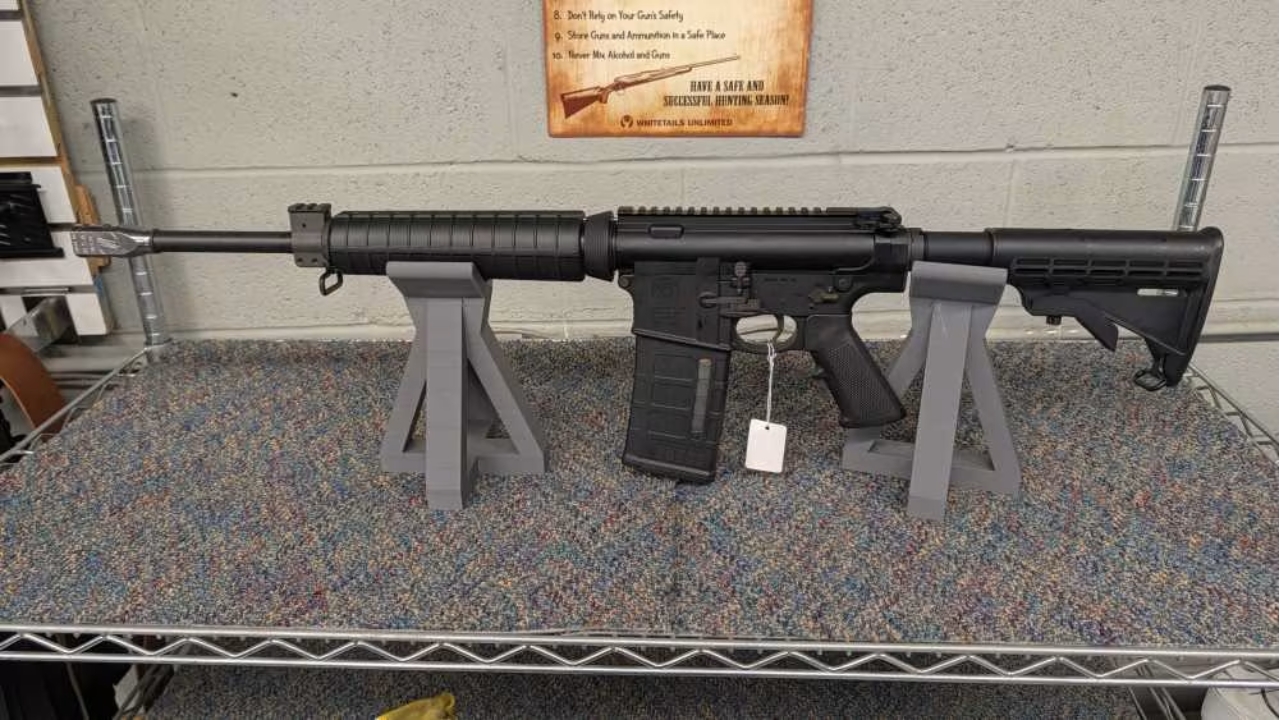
.308 is common, but a .308 gas gun can turn ammo into a science project. You’ll find cheap ball ammo all day long, and then you’ll wonder why it groups like a shotgun at 100. You’ll find hunting ammo too, but some loads feel different in recoil impulse and ejection pattern, and you may notice the rifle prefers certain bullet weights and profiles.
Then you get into the “I need mags” part. AR-10 pattern magazines are better than they used to be, but it’s still not as universal as AR-15 land. If you bought the rifle thinking you’d practice a lot because .308 is everywhere, you may discover that the ammo you want to practice with isn’t the ammo that shoots well, and the ammo that shoots well isn’t the ammo you want to buy by the case.
20. Ruger Precision Rifle (in .338 Lapua Magnum)
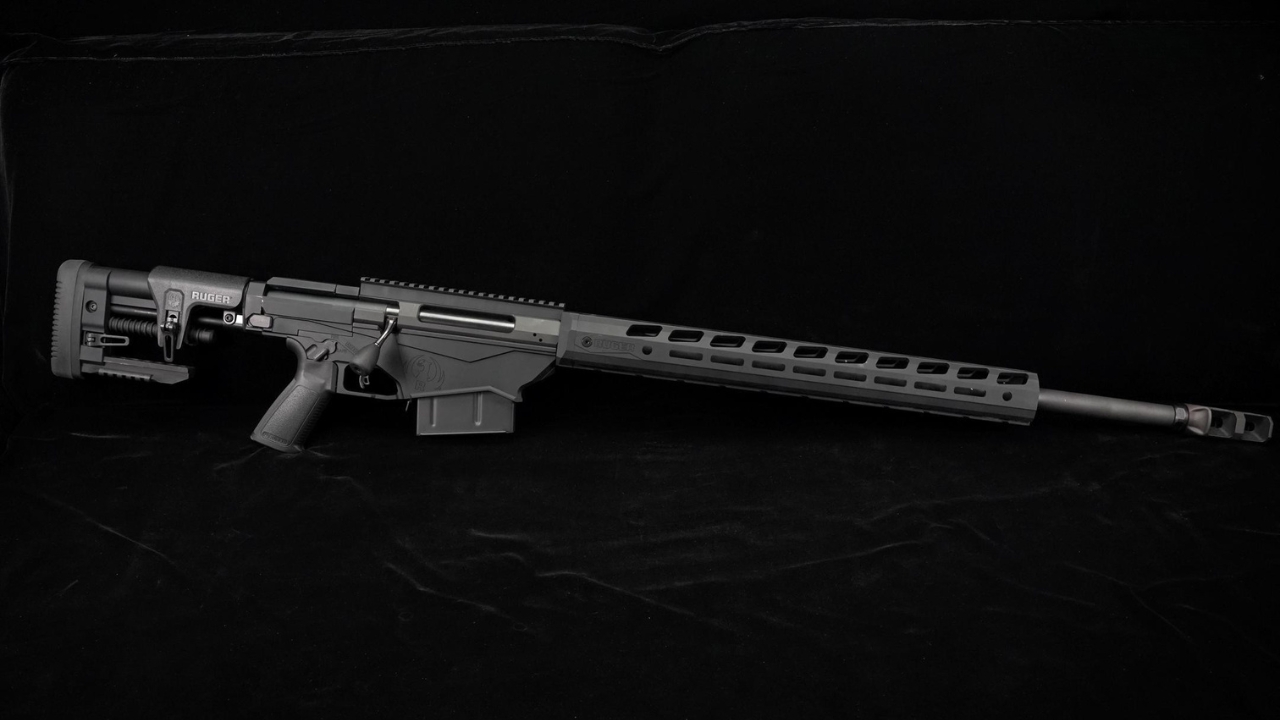
The .338 Lapua fantasy is strong. Big rifle, big scope, big targets way out there. Then you price ammo. Even when you find it, it’s the kind of purchase you think about for a few minutes before walking to the counter. A lot of owners end up shooting a handful of rounds per year and calling it “practice.” That’s not practice. That’s noise.
The rifle itself is heavy and capable, but it’s a commitment. You need range access that fits the cartridge, and you need enough trigger time to be safe and consistent with that much power. Unless you’re reloading and you truly have a reason to shoot .338 Lapua, this is one of the fastest ways to own an impressive rifle that mostly just impresses your buddies in the gun room.
None of these rifles are automatically “bad buys.” A few of them are outstanding tools in the right hands with the right budget and the right ammo plan. The expensive mistake happens when the rifle purchase is the end of the thinking instead of the start. Before you swipe the card, look at ammo availability in your area, decide how much you’ll actually practice, and be honest about whether you reload. A rifle you can afford to feed is the one you’ll actually be deadly with when it matters.
Like The Avid Outdoorsman’s content? Subscribe to our newsletter so you never miss an article.
Here’s more from us: