Photo credit: 1791 Gunleather/Youtube
You can tell a carry gun is a keeper when its owner stops shopping for the next thing and starts shopping for springs, magazines, and holsters instead. There’s a certain kind of handgun that gets scuffed, carried in bad weather, shot enough to loosen up, then rebuilt and carried some more. Not because it’s pretty, and not because it’s trendy. It’s because it’s familiar, dependable, and it fits the way real folks live—working around the farm, driving back roads, running into town, or walking a property line at dusk.
Here are 20 handguns that concealed carriers and outdoorsmen tend to refurbish, tune, and refresh instead of swapping out for something “new and improved.”
1. Glock 19 (Gen 3/4/5)
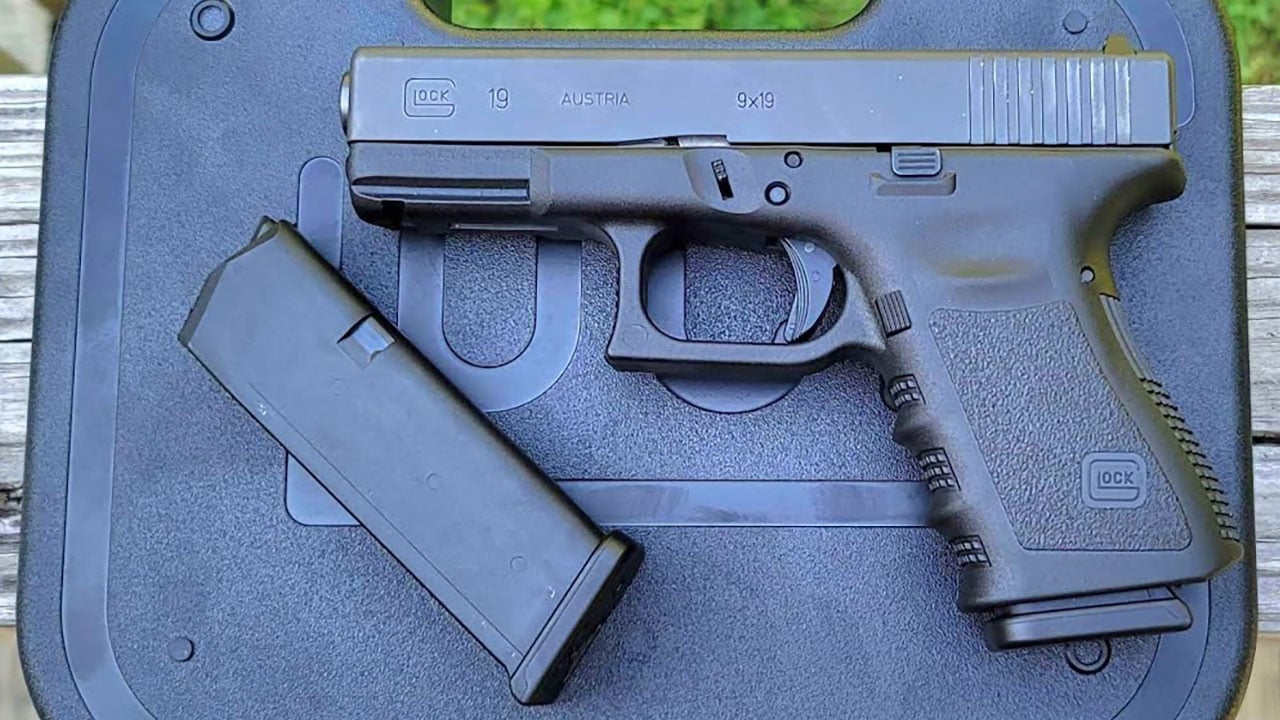
The Glock 19 is the definition of “boring that works.” It carries easy for a compact, points naturally for a lot of hands, and it’ll run dirty longer than most folks are willing to admit they’ve gone between cleanings. When one gets high mileage, it’s usually not a big mystery what it needs: recoil spring assembly, magazine springs, maybe sights if the factory ones got beat up.
What keeps owners rebuilding them is the ecosystem. Parts are everywhere, magazines are everywhere, and any decent holster maker builds around the G19. If you’ve got a G19 that you’ve actually trained with, replacing it means relearning little things you don’t notice until stress shows up. It’s not glamorous, but it’s a known quantity.
2. Glock 26
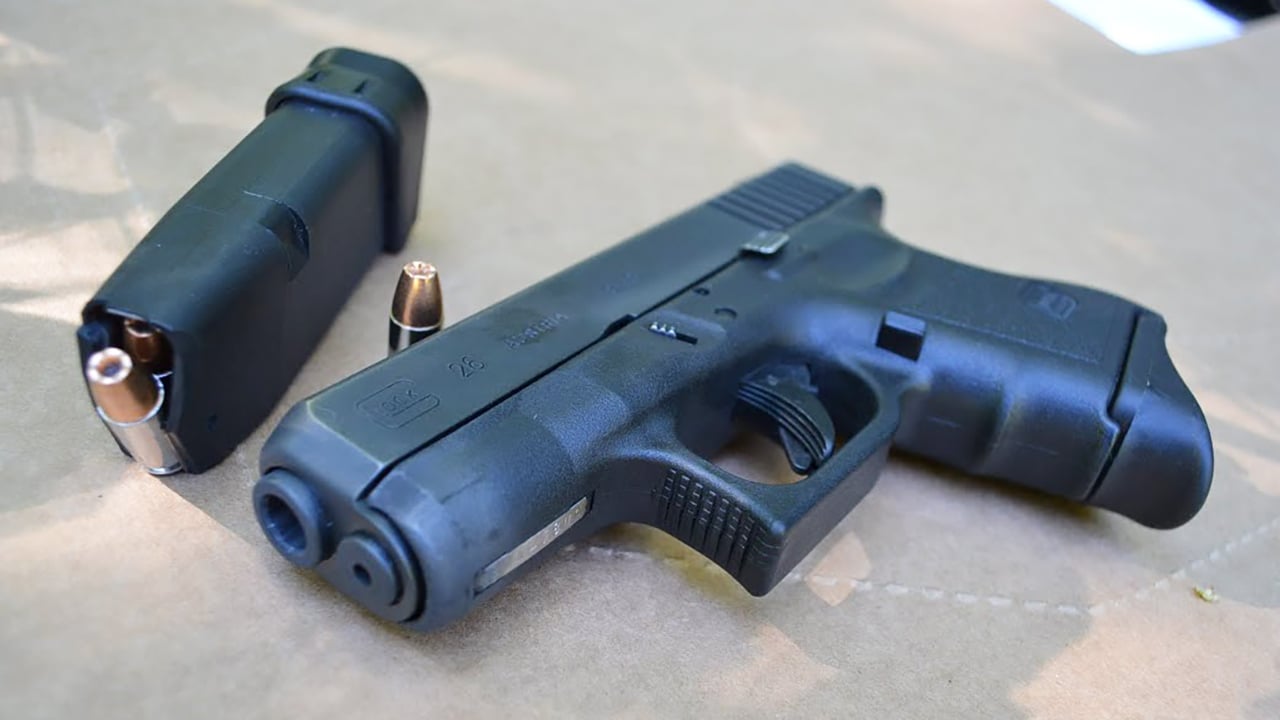
The Glock 26 is the “I don’t feel like dressing around a gun today” Glock. It’s thick, sure, but it hides well because it’s short where it counts. A lot of shooters try to replace it with something thinner, then come crawling back after the thin gun beats their hand up or turns picky with ammo.
Rebuilding a G26 usually looks like fresh magazine springs, replacing worn baseplates, and upgrading sights. Many keep one set up with flush mags for concealment and another with bigger mags for range work. It’s not the softest shooter in the world, but it’s predictable, and that matters more than brochure specs.
3. SIG Sauer P365
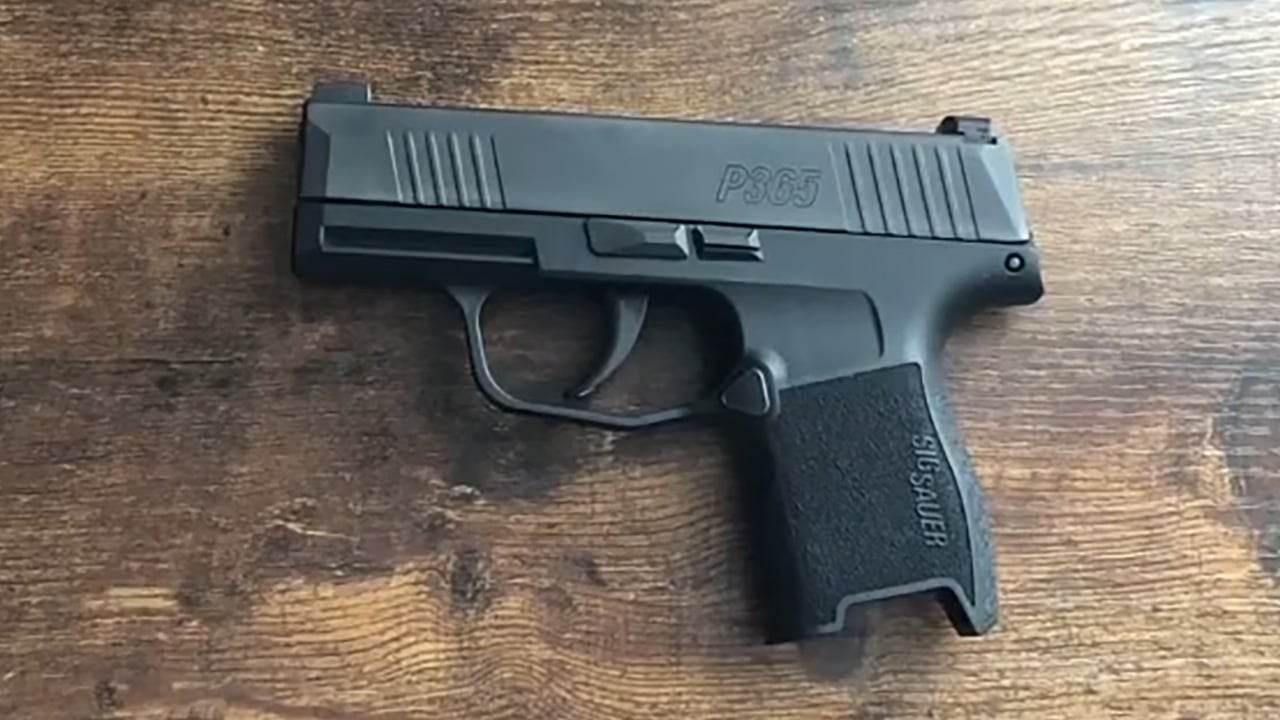
The P365 changed the carry game, and it also created a new kind of “rebuild” culture: grip modules, small parts refreshes, and a constant shuffle of magazines and baseplates. These little guns get carried a lot, and that means sweat, lint, and the kind of daily abuse a range-only pistol never sees.
Instead of dumping the platform, many owners keep the same serialized chassis and swap grip modules when they want a different feel, or they replace worn springs and keep rolling. The size-to-capacity ratio is still hard to beat for normal concealed carry. When a gun fits your life like that, you don’t replace it—you maintain it.
4. SIG Sauer P320 Compact / Carry
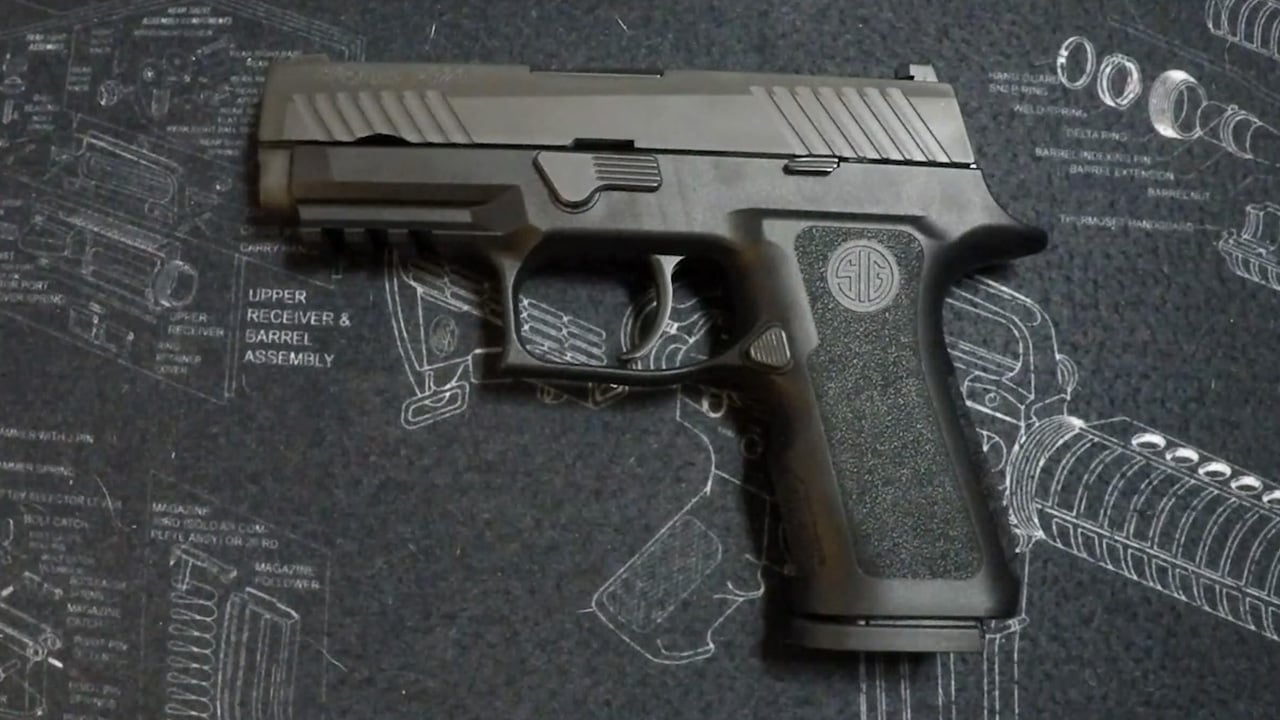
The P320 is a tinkerer’s pistol, and I don’t mean that as an insult. The modular setup makes it easy to keep the “gun” and change the rest. Folks who carry one tend to settle into a trigger feel they like, then they’ll refresh springs and keep their preferred setup running rather than start over with a different brand.
It’s also a pistol a lot of shooters actually train with. High round counts reveal what needs attention: recoil springs, magazines, and sometimes small parts depending on use. If you’ve found a grip module and slide length that conceals right and shoots flat, swapping platforms feels like creating a problem you didn’t have.
5. Smith & Wesson M&P 2.0 Compact
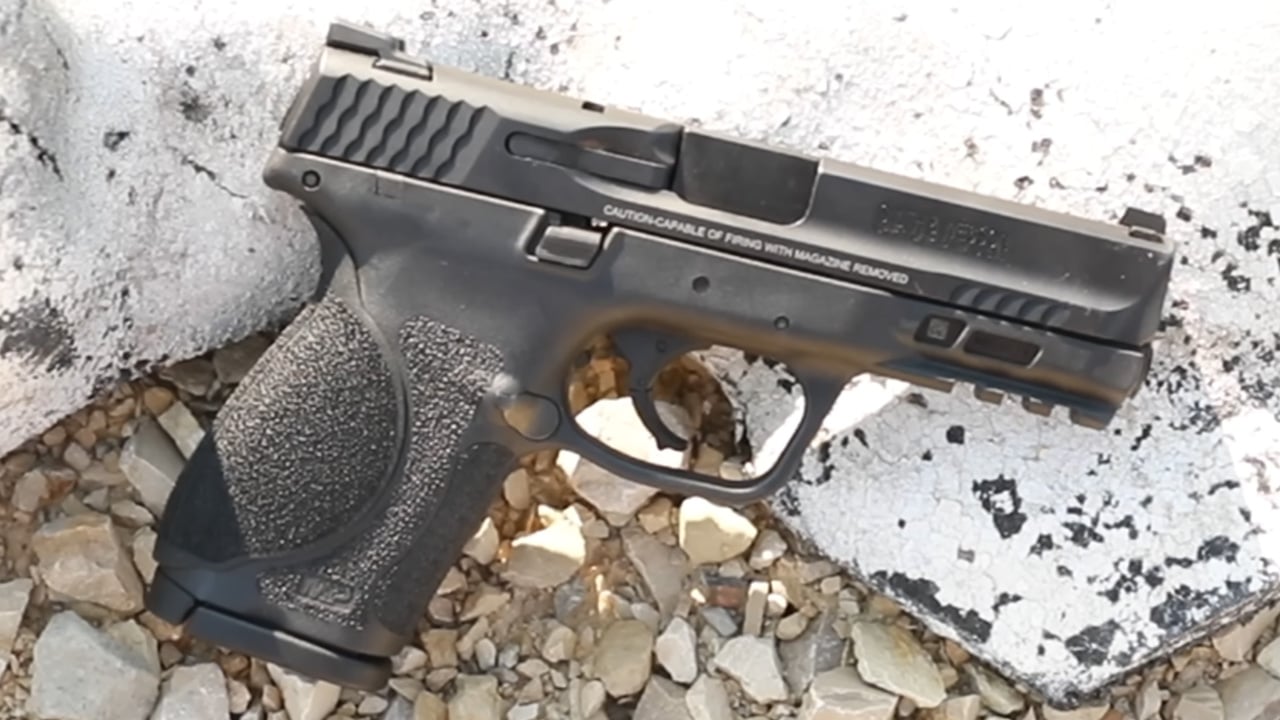
The M&P 2.0 Compact is one of those guns that tends to disappear on a belt, then show up on target. The grip texture is aggressive—great in rain and sweat, not great against bare skin without the right holster—and the pistol just runs. When owners “rebuild” them, it’s usually simple upkeep and maybe a sight change.
These guns get carried hard by folks who work outside. You see them with finish wear, dust in the nooks, and scuffed mags. But the underlying design holds up. A fresh recoil spring and a handful of new magazine springs can make a well-used M&P feel tight again without losing the familiarity that made it a daily companion.
6. Smith & Wesson Shield Plus
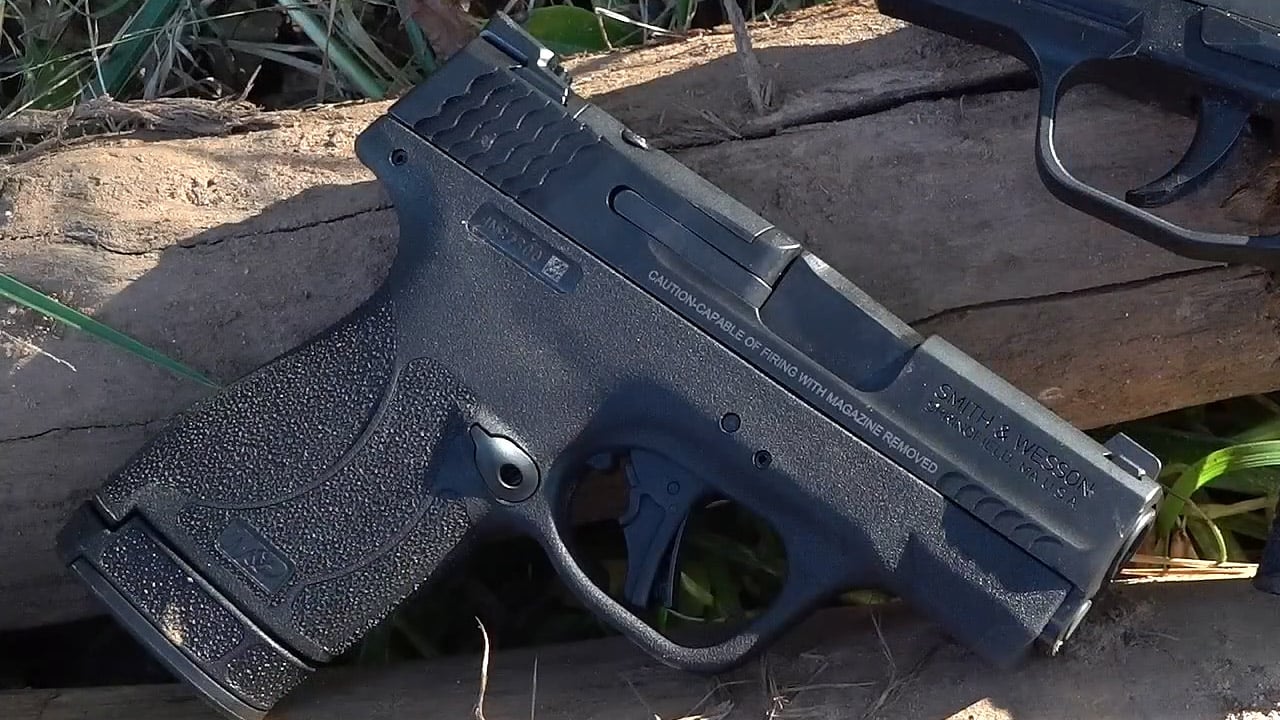
The Shield line has probably ridden in more work trucks than a lot of flashy new micros. The Shield Plus finally gave the Shield crowd the capacity they wanted without turning it into a brick. It’s thin, it conceals, and it doesn’t feel like holding a stapler when you need to shoot fast.
Owners rebuild these by keeping magazines fresh and staying ahead of wear items. Small guns live a hard life: sweat, pocket lint, belly button salt, you name it. The Shield Plus keeps earning its spot because it shoots bigger than it looks. Replacing it often means buying a gun that carries the same but shoots worse.
7. Ruger LCR (.38 Special / .357 Magnum)
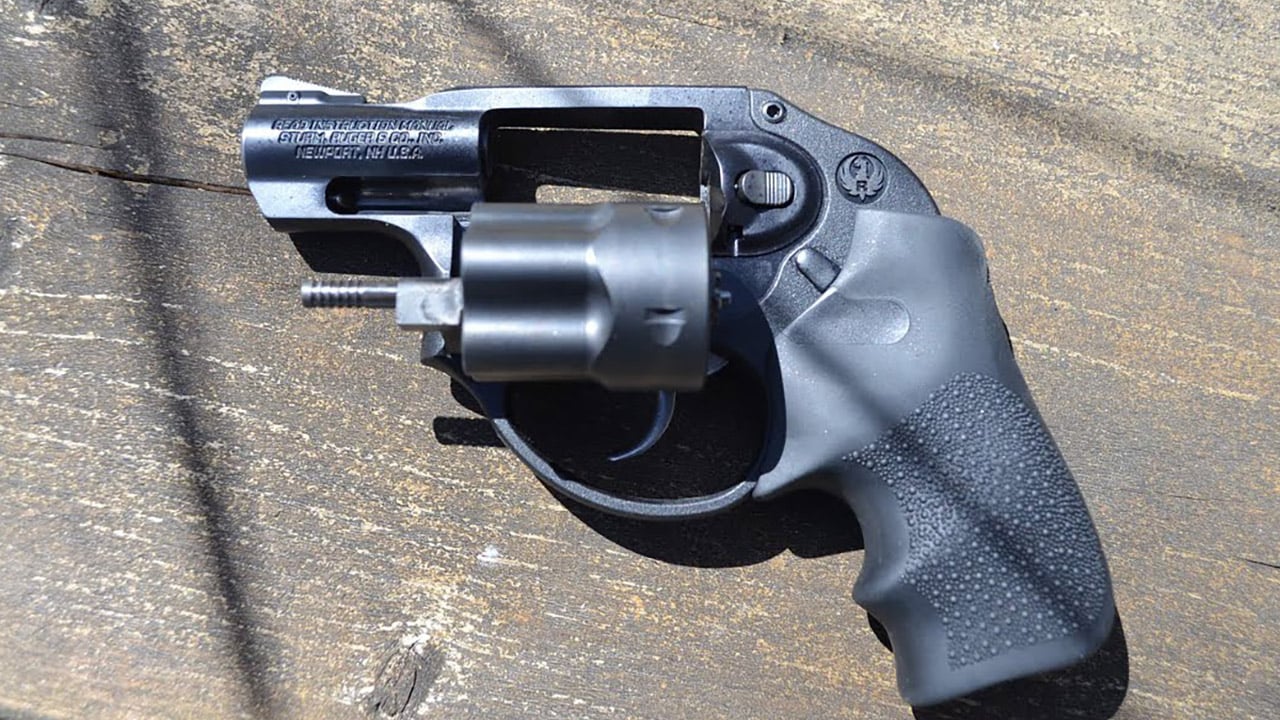
The Ruger LCR is what a lot of folks end up with after they’ve tried tiny autos and got tired of them being fussy. It’s light, it’s snag-resistant, and it’s a revolver—so the manual of arms stays simple. The tradeoff is recoil, especially with .357 versions. That one hurts.
Still, owners rebuild LCRs because there isn’t much to “upgrade” by replacing them. A good set of grips, fresh front sight (depending on model), and routine checks keep it going. For a deep concealment or “walking the back field” gun, the LCR’s reliability and carry comfort keep it in rotation long after the new-gun excitement fades.
8. Smith & Wesson J-Frame Model 642/442
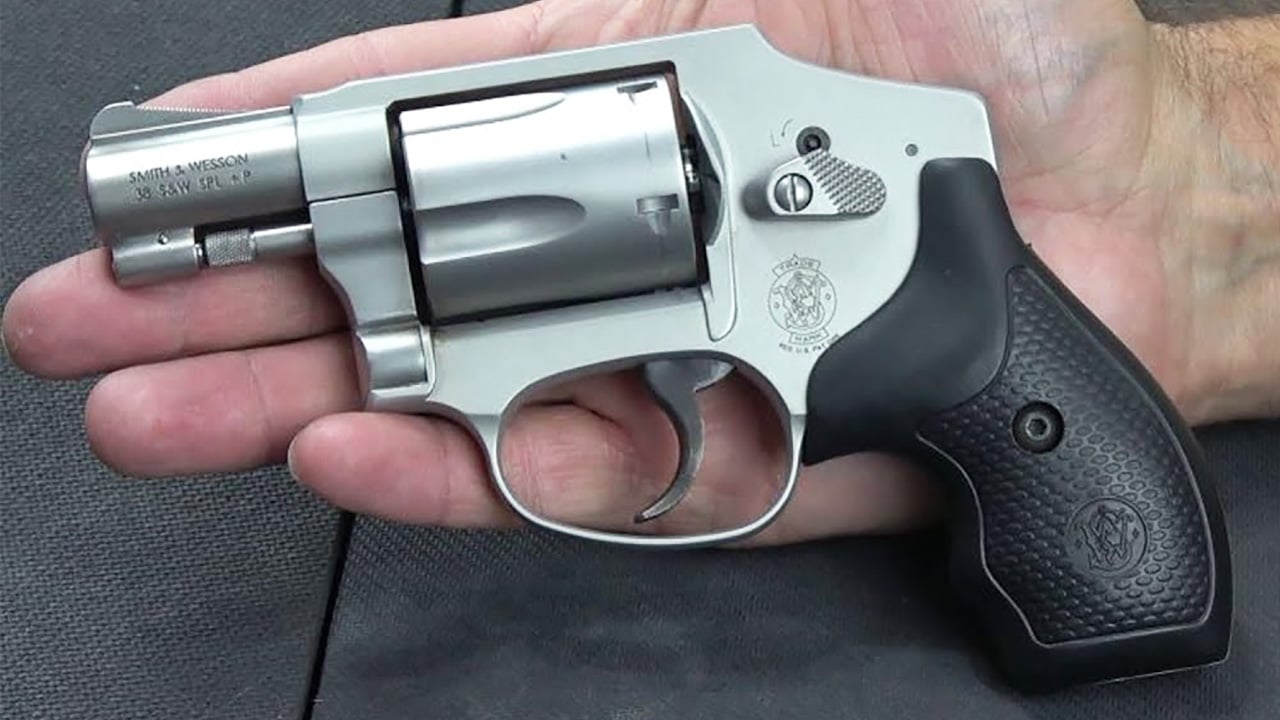
A J-frame is a commitment. It’s not a range toy, and it’s not forgiving of sloppy trigger work. But the 642/442 style guns carry when nothing else really does—front pocket, coat pocket, tucked away in a simple holster. They get linty, they get sweaty, and they still go bang.
When owners rebuild them, it’s usually springs, grips, and sometimes a detail clean that makes the trigger feel like it should again. The reason they don’t replace them is simple: there’s nothing quite like a lightweight J-frame that you’ll actually carry. Plenty of handguns are “better.” Fewer are there when you need them.
9. Smith & Wesson Model 36 (Chief’s Special)
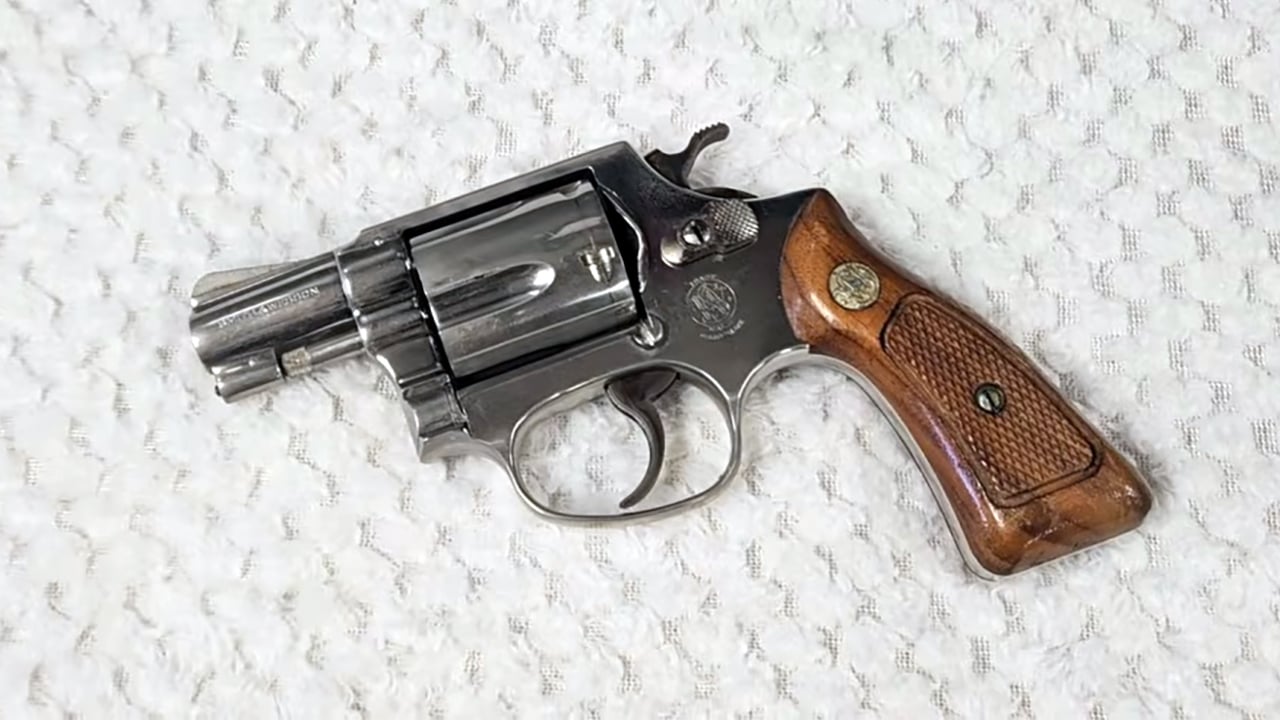
The Model 36 has that old-school steel feel that makes practice sessions more pleasant than the featherweight snubs. It’s heavier in the pocket, yes, but it shoots like a real gun. Older ones also tend to have triggers that feel like somebody cared during assembly.
Owners rebuild these because they’re worth keeping alive. Timing checks, replacing tired springs, and fixing little issues is cheaper than trying to find another clean one that hasn’t been “improved” by somebody with a file. A good Model 36 is a lifetime carry revolver, and a lot of them have already proven it for a couple generations.
10. Colt Detective Special
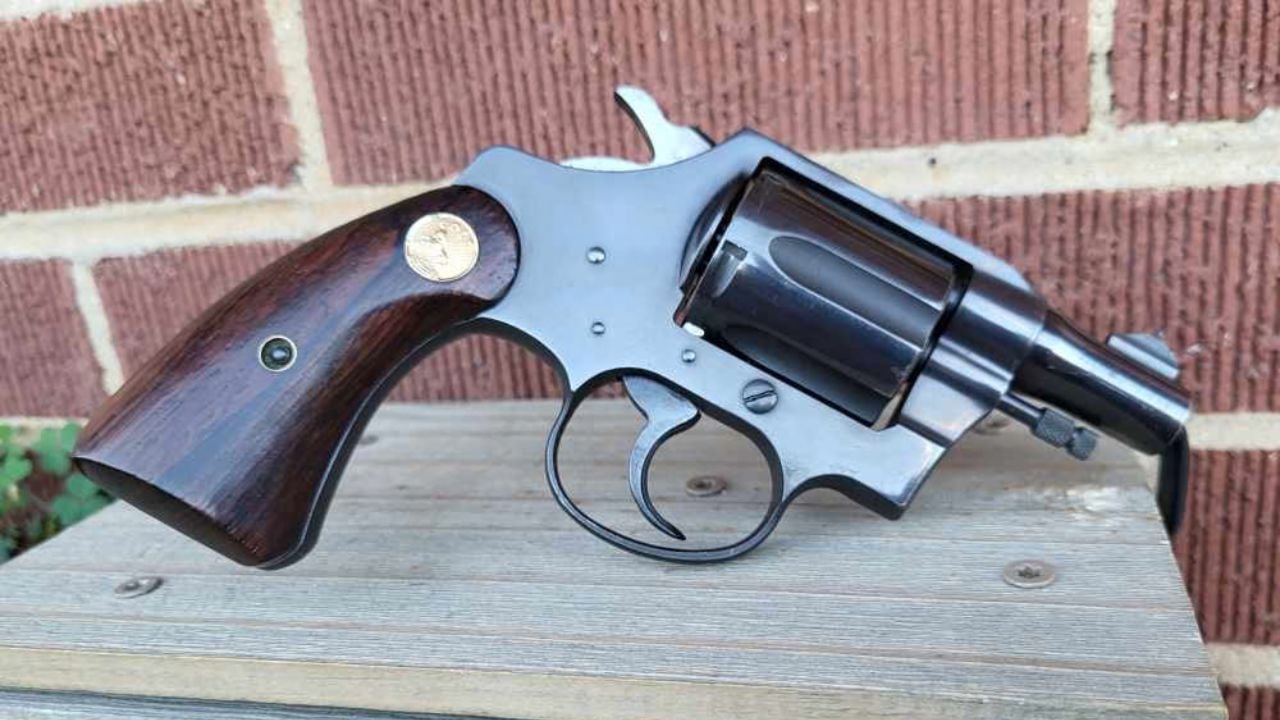
The Detective Special is one of those revolvers that makes you appreciate what “smooth” really means. They’re not as common as they used to be, and they’re not cheap to replace with something equivalent. When one gets worn, owners tend to seek out a competent revolver smith rather than sell it off.
Part of it is the way they carry: compact enough to conceal, but with enough weight and sight radius to shoot well. Another part is that they’ve become family guns. A rebuild might be as simple as a thorough inspection and spring work, but the goal is always the same—keep that classic snub running without turning it into something it isn’t.
11. Beretta 92FS / M9
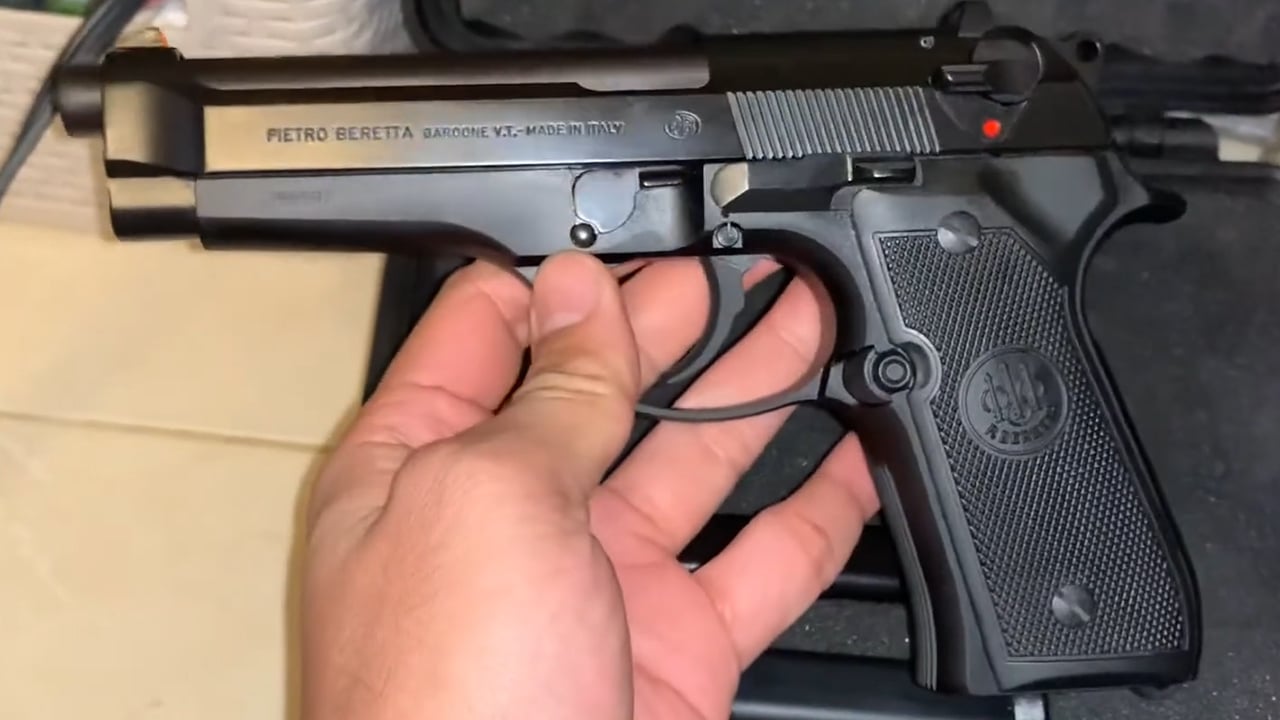
The Beretta 92 isn’t the lightest carry choice, and nobody is pretending it is. But it’s one of the easiest pistols to shoot well, especially for folks who like a smooth single-action follow-up shot. The open-top slide design and overall reliability have earned a lot of loyalty.
What keeps owners rebuilding them is that they age gracefully. Locking blocks and recoil springs are known wear items, and replacing them brings the gun right back. Magazines are plentiful. Holsters are plentiful. If you already know how to run a 92, replacing it with a smaller gun can feel like trading shootability for convenience you might not actually need.
12. CZ 75 Compact / PCR
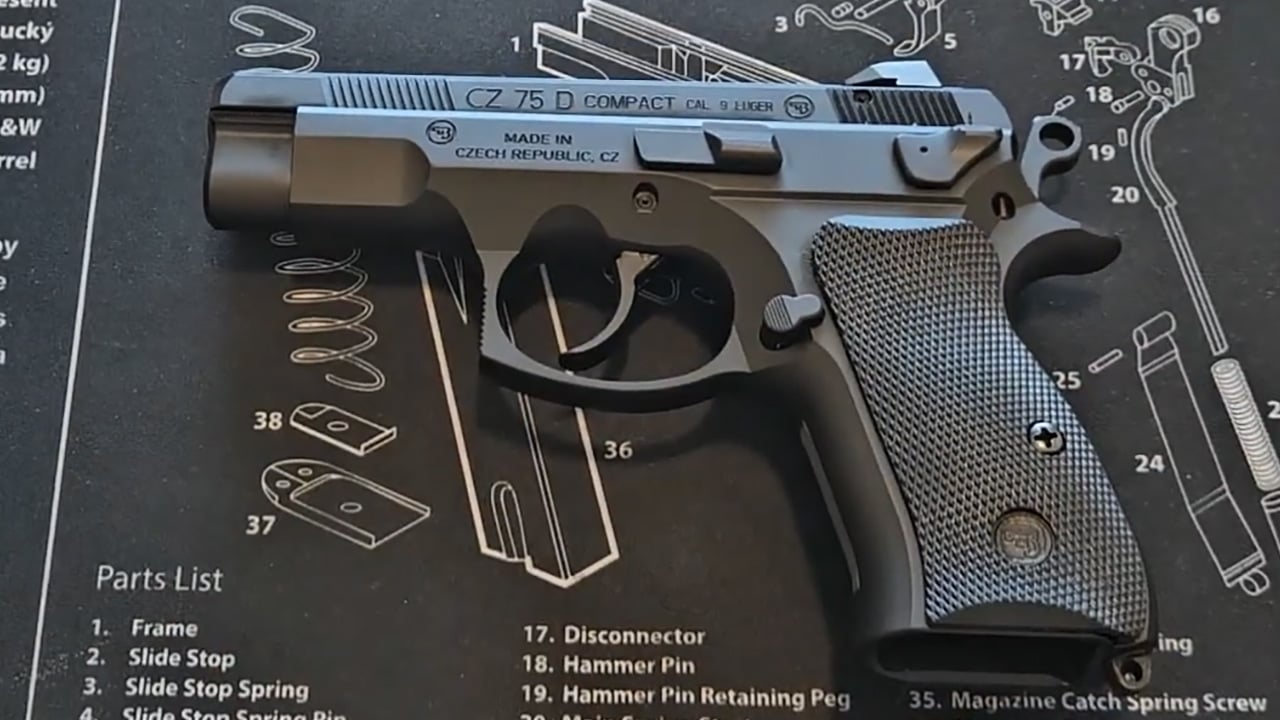
The CZ 75 Compact and PCR are the kind of pistols that make you wonder why more people don’t carry them. They sit low in the hand, they point naturally, and they shoot flatter than a lot of polymer guns in the same size. The downside is weight, and the reality that good holsters matter.
Instead of replacing them, owners tend to rebuild with springs, sights, and magazine maintenance. The guns are tanks, and the ergonomics make them hard to quit once you’re used to them. If you’ve carried one through a couple seasons and you trust it, the thought of switching to something snappier and less accurate loses its appeal fast.
13. CZ P-01
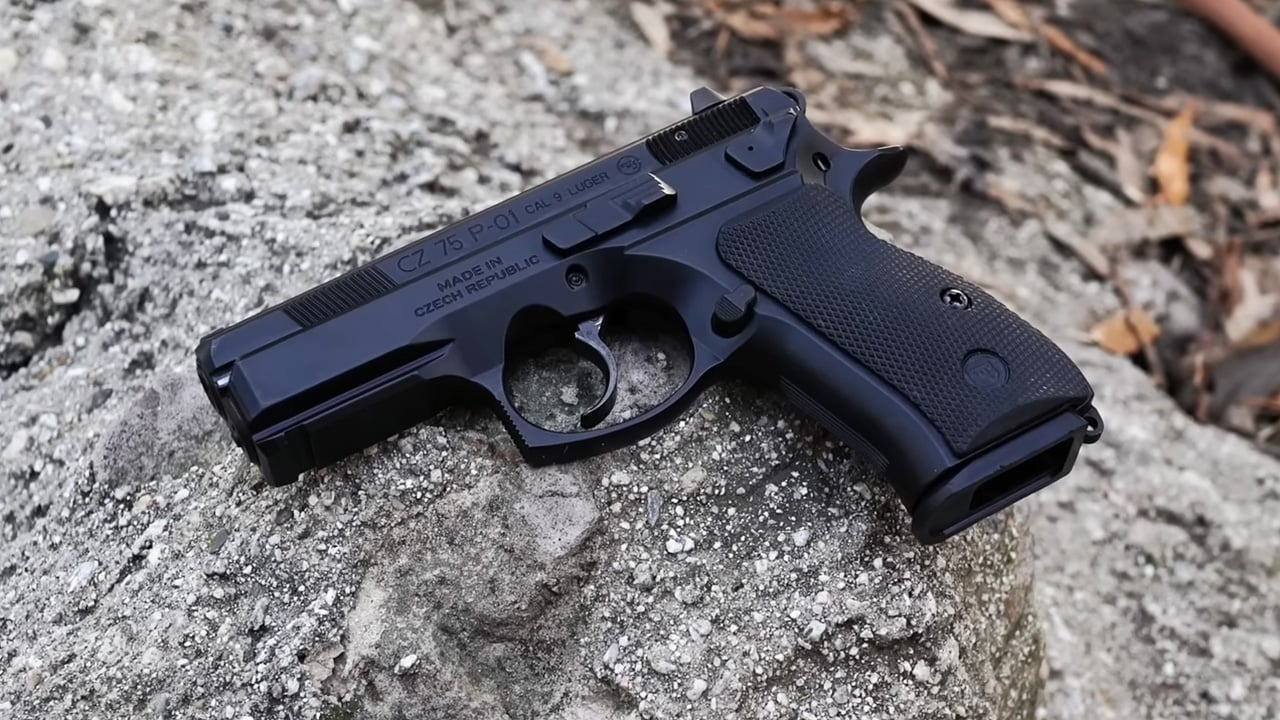
The P-01 hits a sweet spot for outdoors carry: compact, tough, and proven. It’s the kind of gun that doesn’t mind dust, sweat, and getting bumped climbing in and out of a truck. It also balances well, so it doesn’t feel like a brick on your belt.
Rebuilding a P-01 is usually about keeping it consistent—fresh springs, solid magazines, and maybe night sights if the originals are tired. A lot of owners bond with the double-action first shot and the way the gun returns to target. If your P-01 has become “the one,” you’re not replacing it because a new model has a slightly better trigger on paper.
14. HK USP Compact
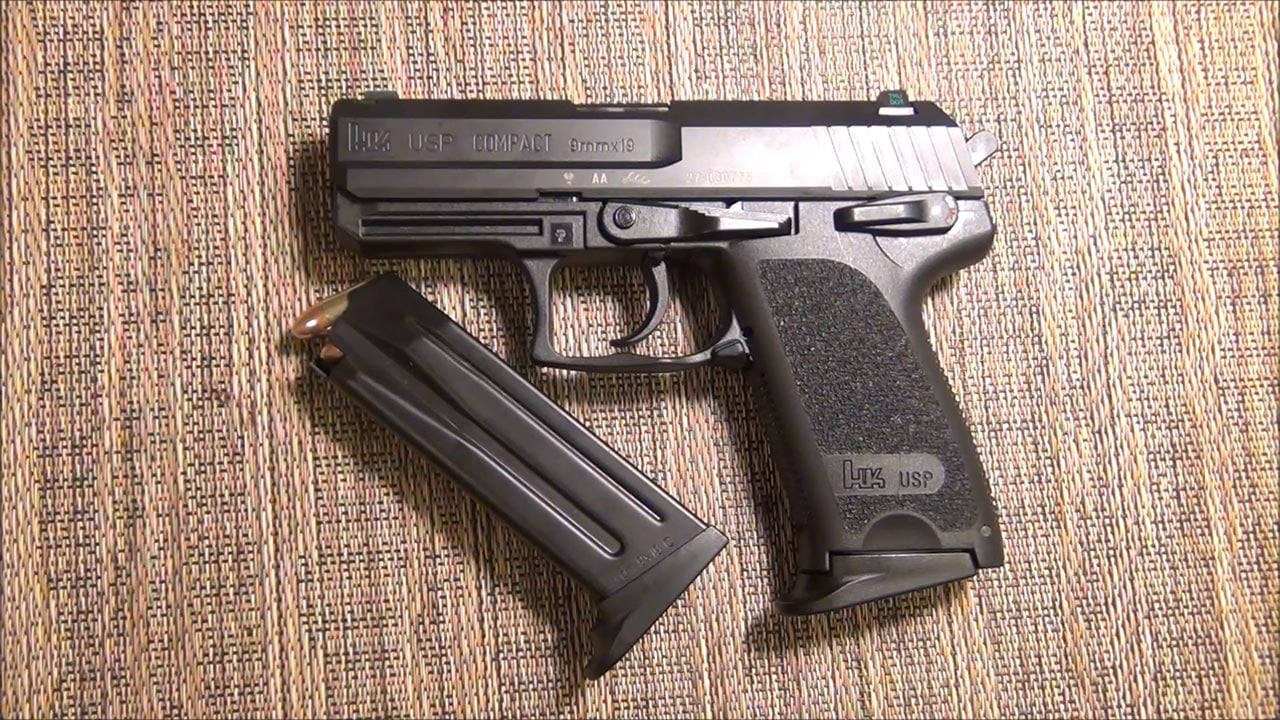
The USP Compact is not trendy, and that’s part of the charm. It’s overbuilt, a little chunky, and it tends to just keep going. The controls are different enough that you either like it or you don’t, but the folks who like it often stick with it for decades.
Owners rebuild these because replacing one can be a wallet shock, and because the gun has already proven itself. A spring refresh and magazine upkeep go a long way. The USP Compact is also one of those pistols that can handle hot loads without feeling like it’s getting battered. If you’ve carried it long enough to wear the finish, you’re already past the point of chasing fads.
15. Walther PPS M2
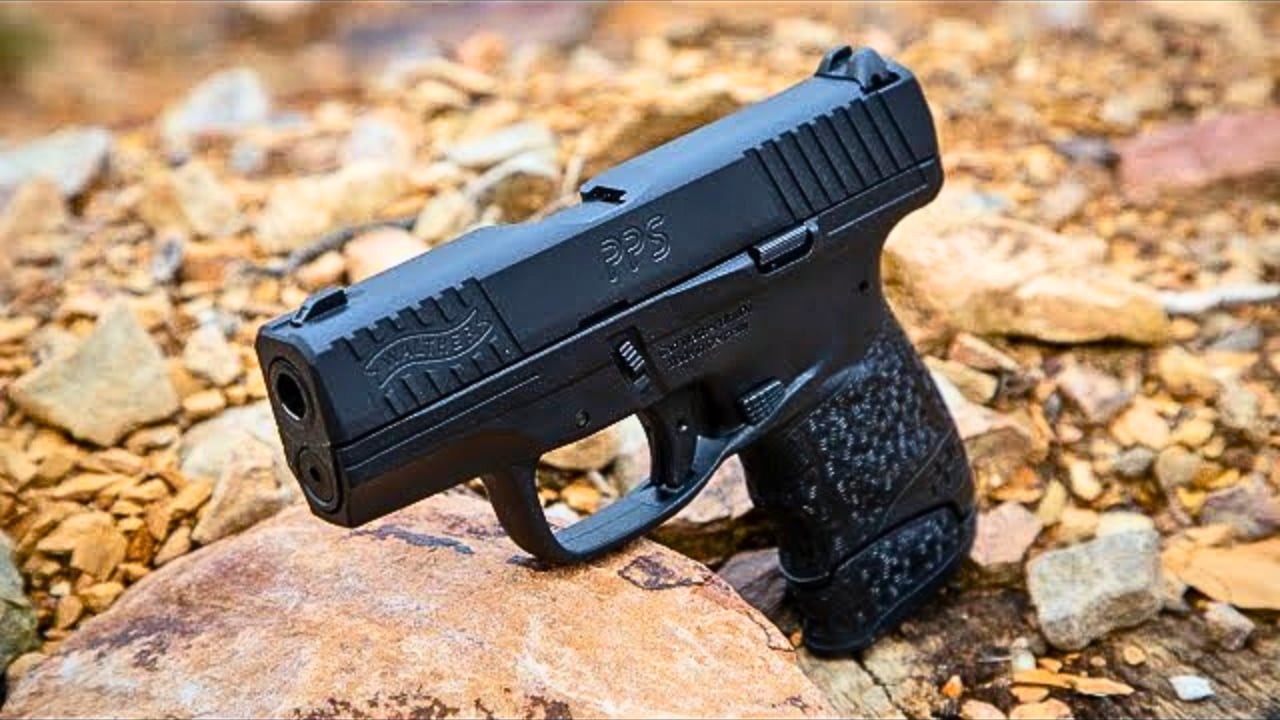
The PPS M2 never got the same hype as some other slim 9mms, but it quietly earned trust. It’s thin, comfortable against the body, and it shoots better than many “single-stack” style carry guns. The ergonomics are classic Walther—natural point, good trigger for the category.
Rebuilds tend to be simple: fresh mags, recoil spring maintenance, and sights if they’ve been knocked around. A lot of owners keep one because it’s easy to live with day after day. Plenty of guns win the spec-sheet war. The PPS M2 wins the “I actually carried it all summer” war.
16. Kahr PM9
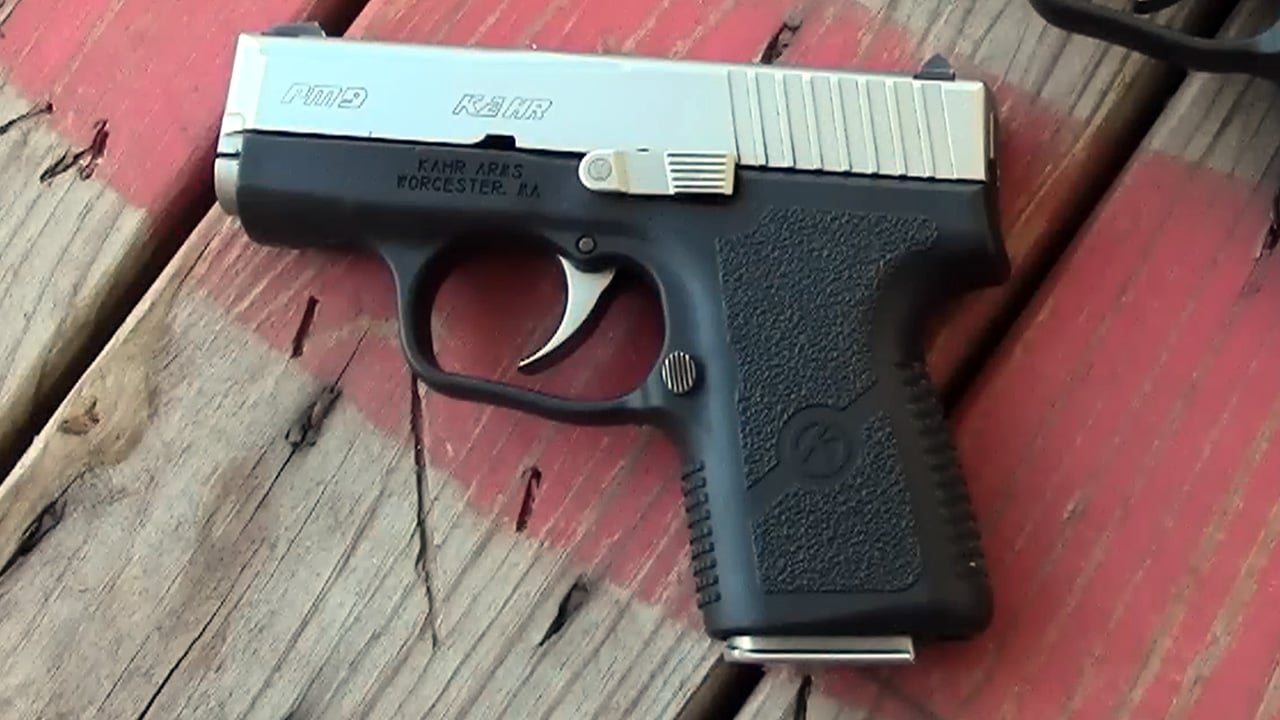
The Kahr PM9 is one of those pistols that serious concealed carriers gravitated to before the micro-9 boom. It’s small, genuinely pocketable for some folks, and has a long, smooth trigger that feels more like a revolver pull than a striker snap. That trigger isn’t for everyone, but it’s consistent.
Owners who know the gun tend to keep it running rather than move on. Replacing springs on schedule and keeping magazines in shape matters with little pistols, and the PM9 rewards that attention. It’s also a gun that disappears in a holster where thicker micros start to print. If you found a PM9 that’s proven reliable, it’s hard to justify starting over.
17. Springfield Armory XD-S (9mm/.45)

The XD-S had its moment, especially for folks who wanted a thin gun that still felt substantial in the hand. It carries flat and tends to be easy to shoot for its size. The grip safety is a love-it-or-hate-it feature, but for some carriers it’s a non-issue once they’ve built the habit.
Owners rebuild them because they’re already set up the way they like: sights, holster fit, and familiar controls. These guns often serve as steady “get it done” carry pieces, not safe queens. Keeping magazines refreshed and staying on top of recoil springs goes a long way. If yours has been dependable, it’s tough to replace it with a newer gun that still needs to earn trust.
18. Colt 1911 Government Model (Series 70/80 pattern)
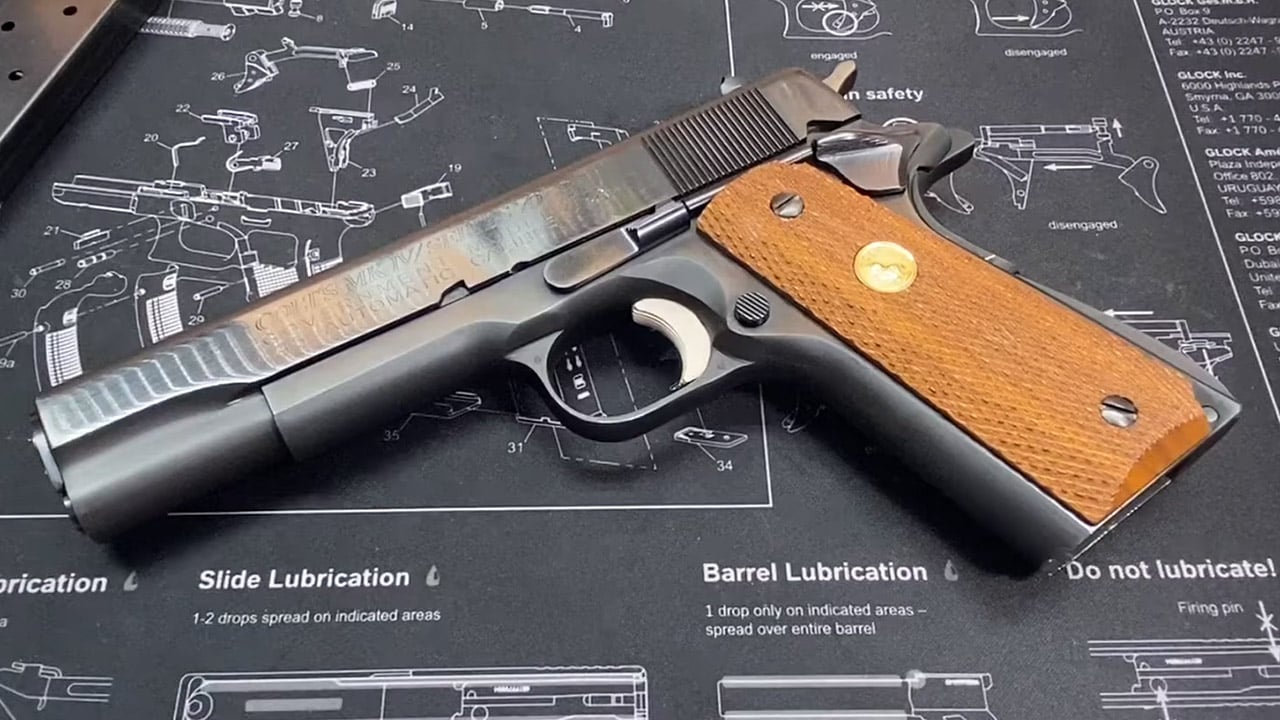
There are lighter, higher-capacity choices than a full-size 1911, and everyone knows it. Yet plenty of experienced shooters still carry one because they shoot it well. The trigger is hard to beat, the gun points naturally, and a good holster makes the weight manageable. The downside is maintenance and the fact that cheap magazines can ruin your day.
Owners rebuild 1911s because they’re meant to be rebuilt. Springs, extractors, quality mags, and occasional small-part replacement keep them honest. A 1911 that’s been sorted by a good smith can be boringly reliable, and it’ll often outshoot the person holding it. If you’ve got a 1911 you trust, you don’t toss it aside—you keep it tuned.
19. Ruger SP101

The SP101 is a working revolver. It’s heavier than the ultra-light snubs, but that extra weight makes .357 Magnum and hot .38 loads a lot more controllable. It’s a great “woods walking” gun for folks who want simple operation and don’t want to worry about magazine issues in the dirt.
Rebuilding an SP101 is usually just keeping it tight and smooth: springs if needed, grips that fit your hand, and making sure the gun stays clean under the extractor star. They last a long time, and when they do get worn, they’re worth fixing. There’s nothing fancy about it, and that is kind of the point.
20. Smith & Wesson Model 686 (2.5–3 inch)
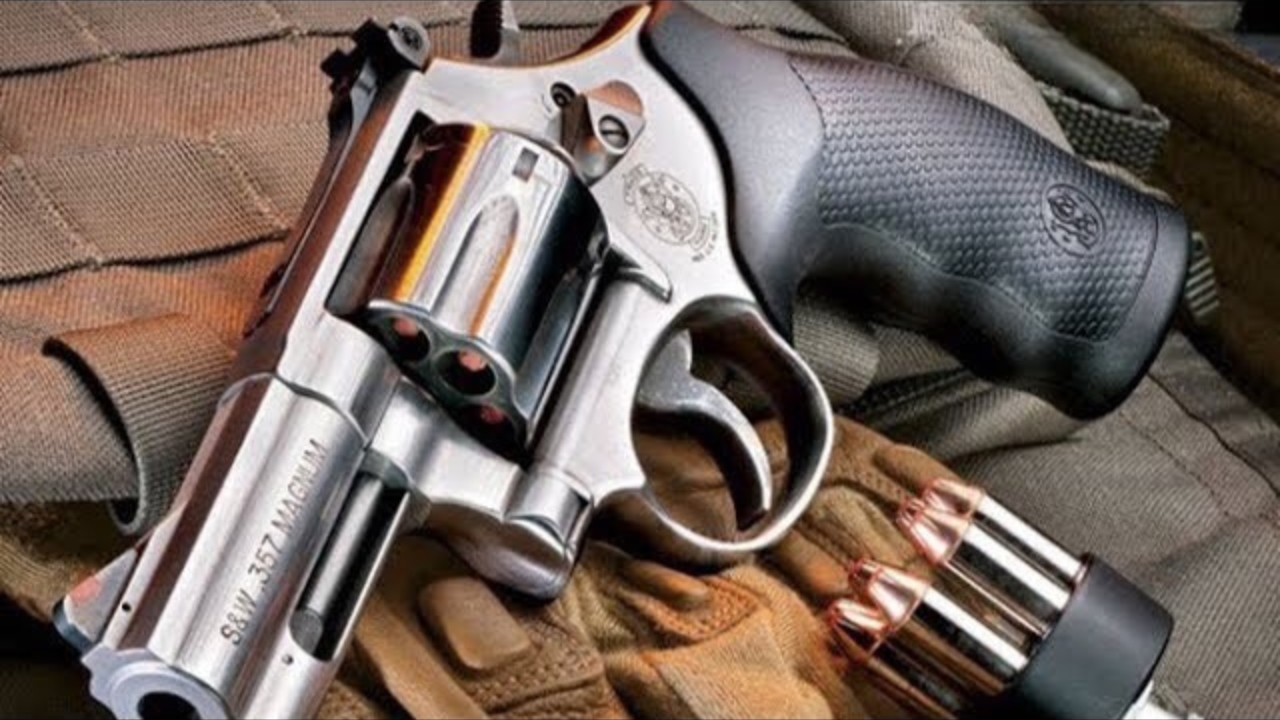
A short-barreled 686 is not a “lightweight carry gun,” and anybody who says it is probably doesn’t wear it all day. But it carries surprisingly well with the right belt, and it shoots like a dream compared to the flyweight revolvers. For folks who want a serious revolver for defensive use and still want .357 capability, it’s hard to beat.
Owners rebuild these because the frame will outlast most of us. A good 686 gets action time, holster wear, and thousands of rounds—then it gets serviced and keeps going. The gun is accurate, durable, and confidence-inspiring. If you’ve ever tried to replace a well-sorted 686 with something “new,” you learn fast that new doesn’t automatically mean better.
New handguns come out every year, and some of them are genuinely good. But a carry gun is more like a pair of boots than a phone. Once it’s molded to your life—holster broken in, sights you trust, trigger feel you know—replacing it starts to feel like work. Keeping it running with sensible maintenance is usually the smarter play, especially if it’s already proven itself in the rain, the dust, and the daily grind.
Like The Avid Outdoorsman’s content? Subscribe to our newsletter so you never miss an article.
Here’s more from us: