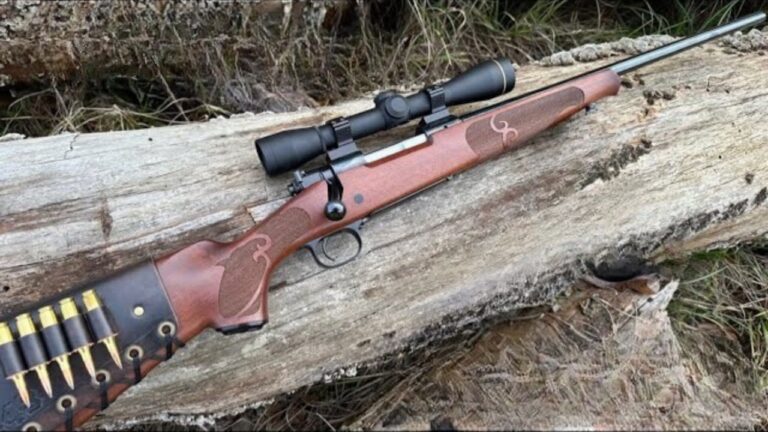
Photo credit: LeverBoy/YouTube
Every shotgun company swears they build guns “for hunters.” Then you watch the ads, and it’s either a duck marsh scene with perfect lighting or a guy in a plate carrier running a timer. Meanwhile, the folks who actually walk fence lines, bounce around in a UTV, slip into a hedgerow for rabbits, or keep a scattergun behind the truck seat never get talked to like they exist.
What I’m talking about are the shotguns that quietly did the job—sometimes better than the popular ones—but got marketed sideways. Wrong crowd, wrong decade, or the message got lost under shiny new models. Here are a few that deserved a different kind of attention from the people who would’ve appreciated them most.
1. Remington 11-87 (especially the plain 26-inch field guns)
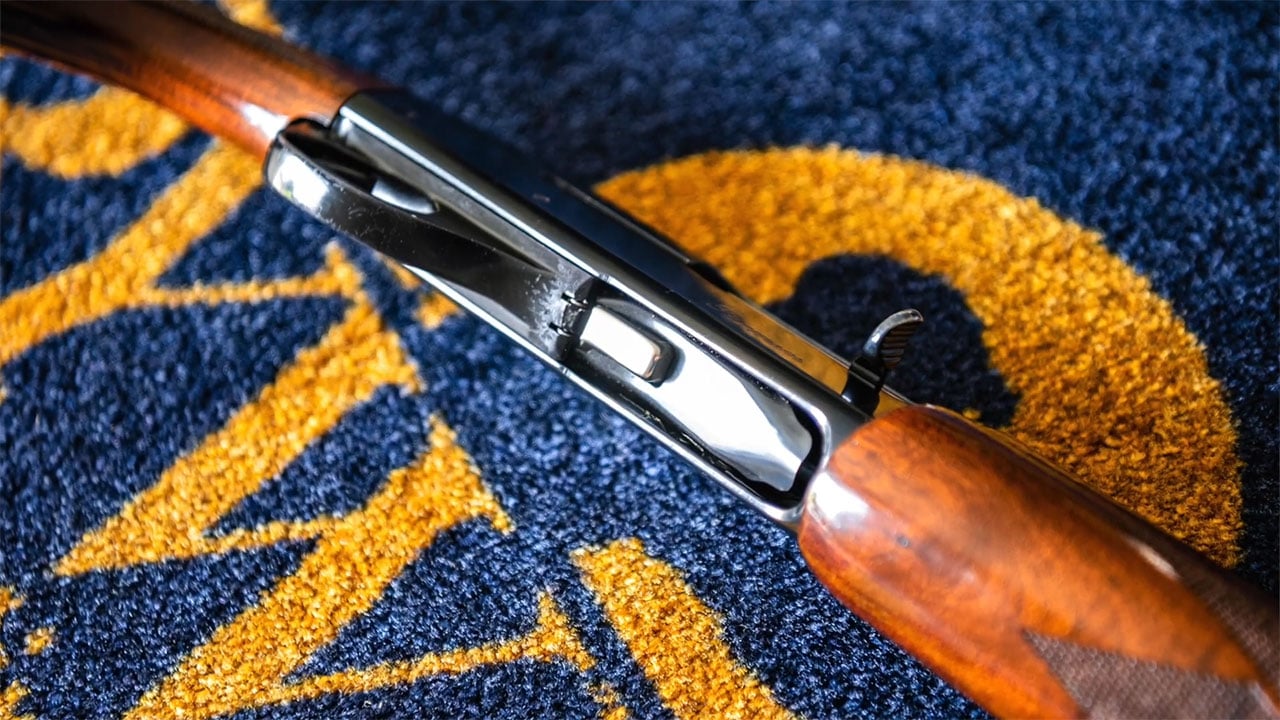
The 11-87 caught a weird reputation over the years, mostly because the loudest conversations were about high-dollar waterfowl rigs and finicky “super mag” setups. The basic 2 3/4 and 3-inch field version, though, is a different story when it’s kept reasonably clean and fed what it likes. It points naturally, carries flatter than a lot of chunky gas guns, and it doesn’t beat you up on a long afternoon of dove or clays.
The crowd that would’ve loved it most are the guys who shoot a lot but don’t want to think about it. The 11-87 is not trendy, and it’s not a “run it dry in a sandstorm” tactical fantasy either. It’s a work shotgun for normal seasons. The sad part is how many got traded off when the internet started acting like anything short of the latest inertia gun was obsolete.
2. Browning BPS (the bottom-eject, lefty-friendly pump)
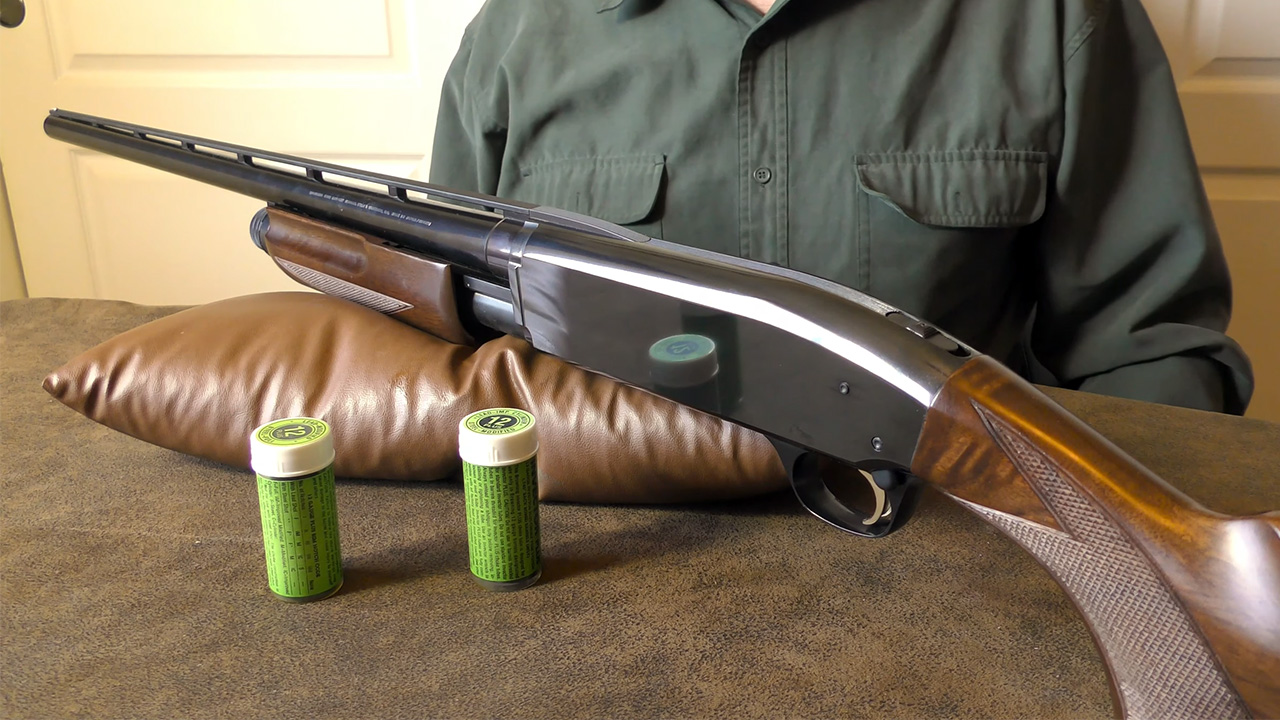
If you’ve ever watched a left-handed kid try to run a right-eject pump in a blind, you know why the BPS matters. Bottom eject and top tang safety are not gimmicks. They’re the difference between a shotgun feeling natural and a shotgun feeling like it’s fighting you. Browning built a pump that truly works for both sides, and then somehow it still ended up being treated like a niche oddity.
The BPS is heavier than some competitors, and it’s not the slickest action out of the box. But it balances well, and it’s steady on crossing shots. For deer drives, grouse woods, or a wet day in a canoe, that extra weight doesn’t bother me much because the gun behaves. The people who would’ve appreciated it most are the ones who actually hunt with gloves on and shoot from awkward angles, not the folks posing with a lightened-up “tactical” pump.
3. Winchester Model 1400/1500 (the unfashionable semi-auto that kept working)

The old Winchester gas autos like the 1400 and 1500 don’t get much love at the gun counter. They’re not collector-cool like a Model 12, and they’re not modern-cool like the newest Italian guns. But I’ve seen these things live hard lives and still show up opening morning with a little honest wear and a lot of confidence behind them.
They were the kind of shotgun a working family bought once and used for everything: rabbits, pheasants, the occasional duck hunt, maybe a buck with buckshot back when that was more common. The advertisement angle never really matched that reality. These were for regular outdoorsmen who wanted a semi-auto without paying “fancy” money. Parts and support aren’t what they used to be, so a clean one now is worth treating right, but the bones of the gun are better than the lack of hype would make you think.
4. Ithaca 37 (the slick carry gun that should’ve been every grouse hunter’s poster child)
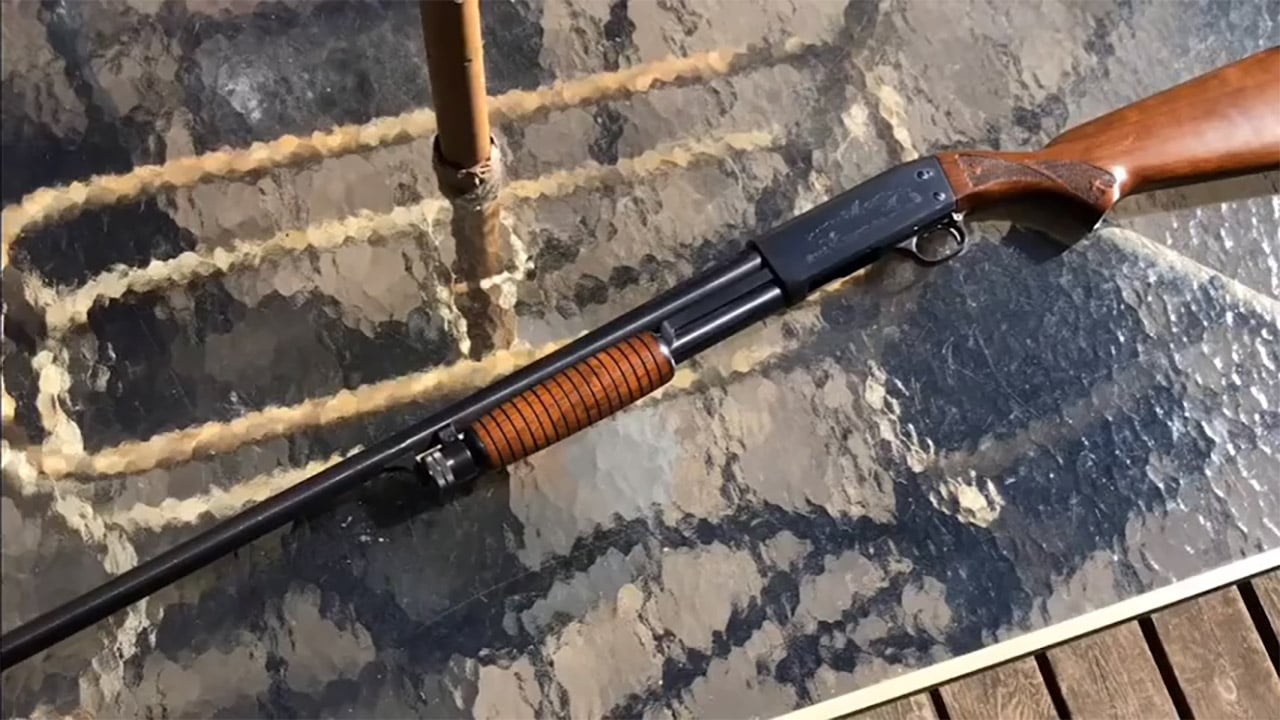
The Ithaca 37 is one of those guns that makes you wonder why more companies didn’t copy the feel instead of just the features. It carries like a wand in the uplands. The action can be buttery, the receiver is trim, and the bottom-eject setup keeps hulls from smacking you or your hunting partner. In thick cover where shots are quick and awkward, that matters.
What’s always felt off is that the 37 never got pushed hard to the exact hunters who would’ve been loyal for life: grouse and woodcock guys, rabbit hunters, and anyone who walks more than they sit. The modern market talks a lot about “lightweight,” but most of those conversations are about saving ounces for the catalog, not building a gun that actually handles right when you’re stepping over blowdowns with your safety on and your heart rate up.
5. Mossberg 835 Ulti-Mag (the 3.5-inch gun that’s better as a tough 3-inch workhorse)
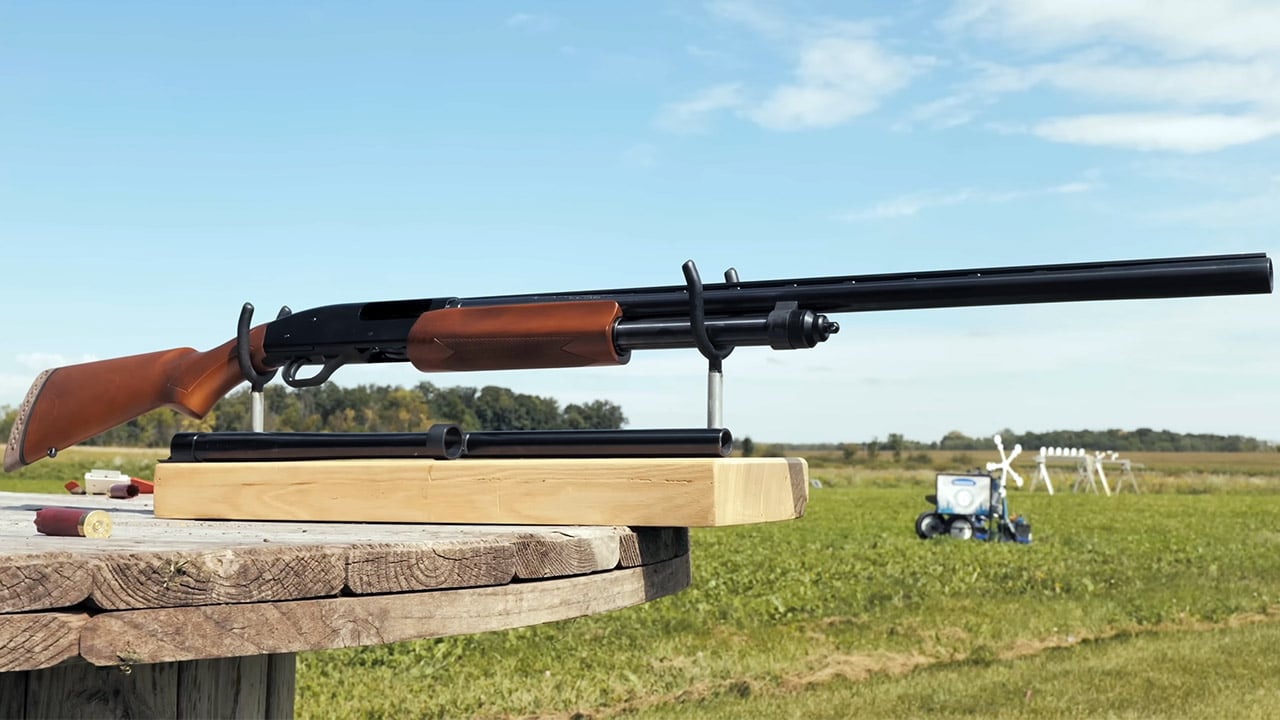
The 835 got labeled as a big, loud, shoulder-bruising goose cannon, and sure, it can be. But where it really shines is as a durable pump that you don’t baby. Run 3-inch loads in it, and it becomes a very practical “one shotgun” option for a guy who might shoot turkey in the spring, ducks in the fall, and still keep the same gun for predators or camp defense.
The marketing was always about magnums, and that scared off plenty of hunters who would’ve benefited from a boring, dependable pump with a little extra barrel overbore and good pattern potential. It’s not a dainty upland gun. It’s not supposed to be. It’s for the person who hunts in mud, snow, and cattails and wants a shotgun that shrugs it off. That crowd exists in every state, and they’re rarely who the glossy ads are aimed at.
6. Benelli Nova (the ugly duckling that never needed to be pretty)
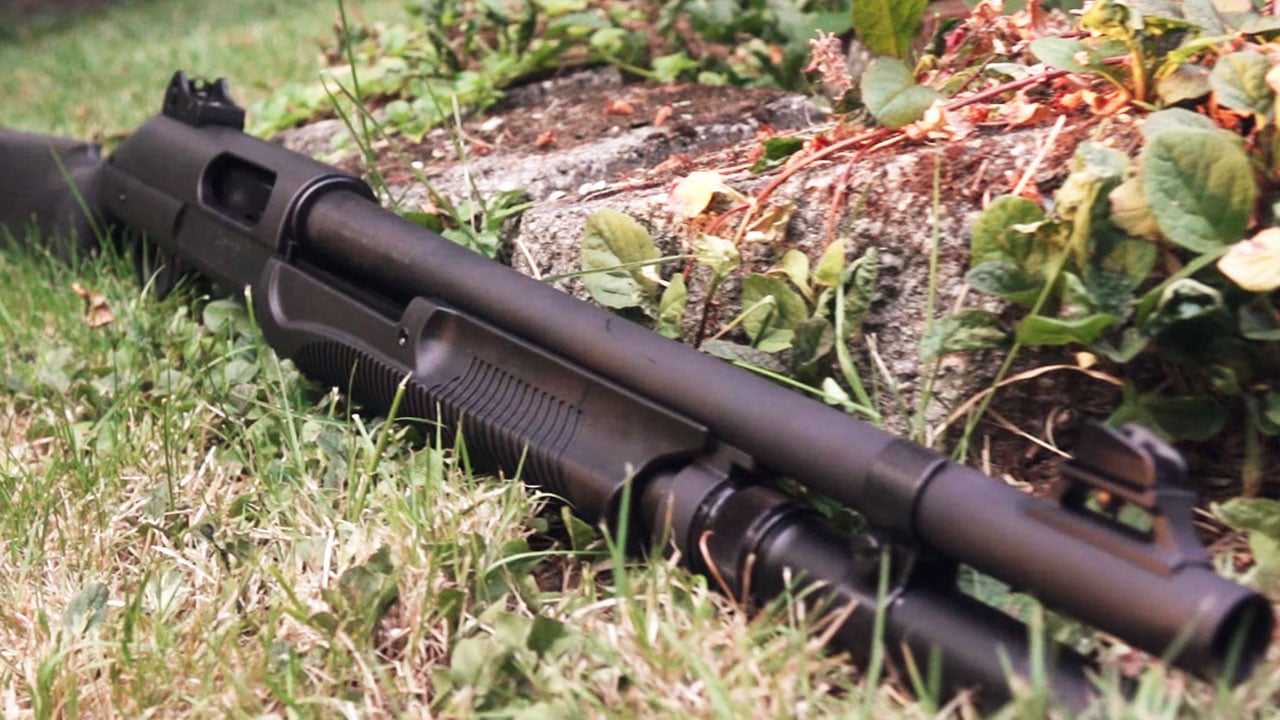
I get why the Nova got overlooked. It’s big in the hands, the styling is polarizing, and it doesn’t give you that warm walnut-and-blue feeling. But as a hunting tool, it’s tough to argue with. It handles abuse, it laughs at bad weather, and it’s simple enough that you don’t feel like you’re carrying a museum piece through a swamp.
The advertising energy around Benelli usually goes toward the high-end inertia semi-autos, which are excellent guns. The Nova, though, is for the guy who wants Benelli reliability without babying a nicer finish. It’s a great “loaner gun” that also turns into the gun you keep grabbing because you trust it. There is nothing fancy about it, and that is kind of the point. A lot of hunters would’ve appreciated that honesty if it had been framed that way.
7. Ruger Red Label (the over-under that should’ve been pitched as a field companion, not a country-club piece)
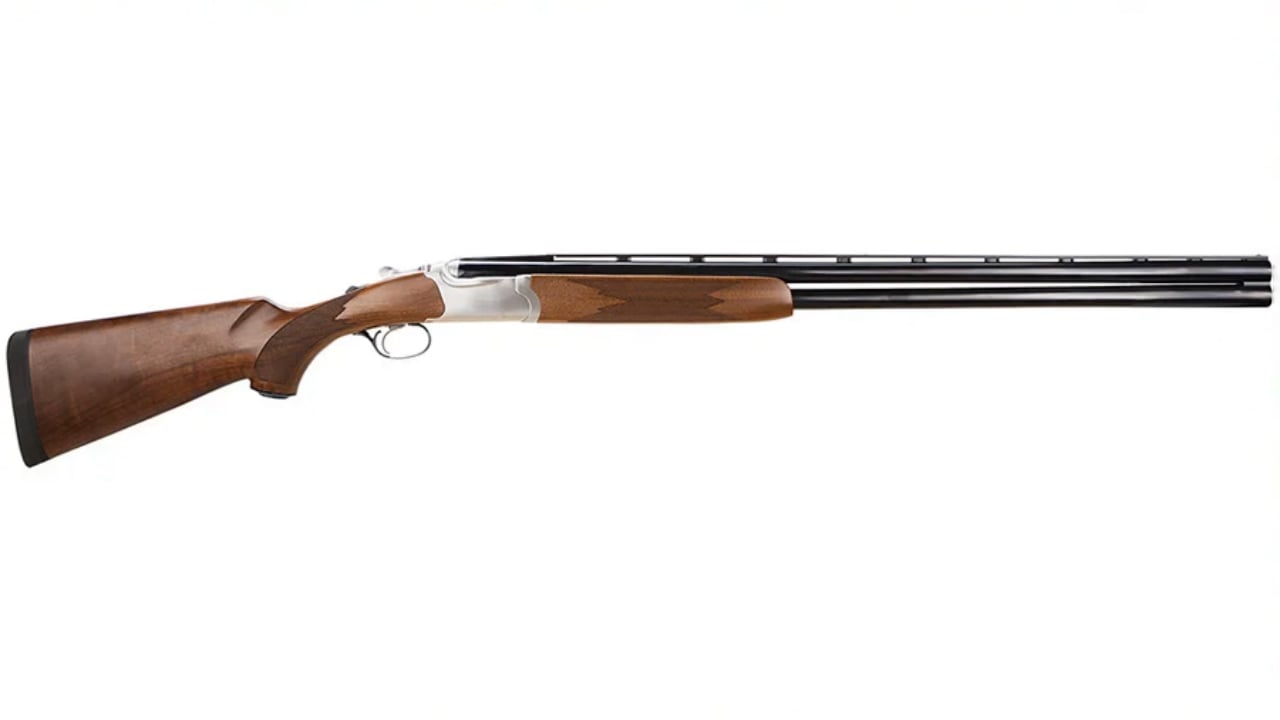
The Red Label ended up with a foot in two worlds and never fully owned either one. Over-unders get shoved into a “sporting clays and khakis” box in a hurry, and Ruger’s O/U got judged like it was trying to be a high-polish European showpiece. That’s not really what it was best at. The Red Label, especially in plainer configurations, is a solid field gun with American practicality baked in.
It’s not the lightest upland gun, and it’s not a delicate princess either. The hunters who would’ve appreciated it most are the ones who like simple, clean handling and don’t want a semi-auto raining hulls into the grass when they’re trying to keep things tidy. Ruger should’ve leaned harder into “take it hunting, don’t apologize,” because that’s where the Red Label makes sense. Instead, it spent years being judged by the wrong measuring stick.
8. Weatherby PA-08 (the sleeper pump that got drowned out by louder names)
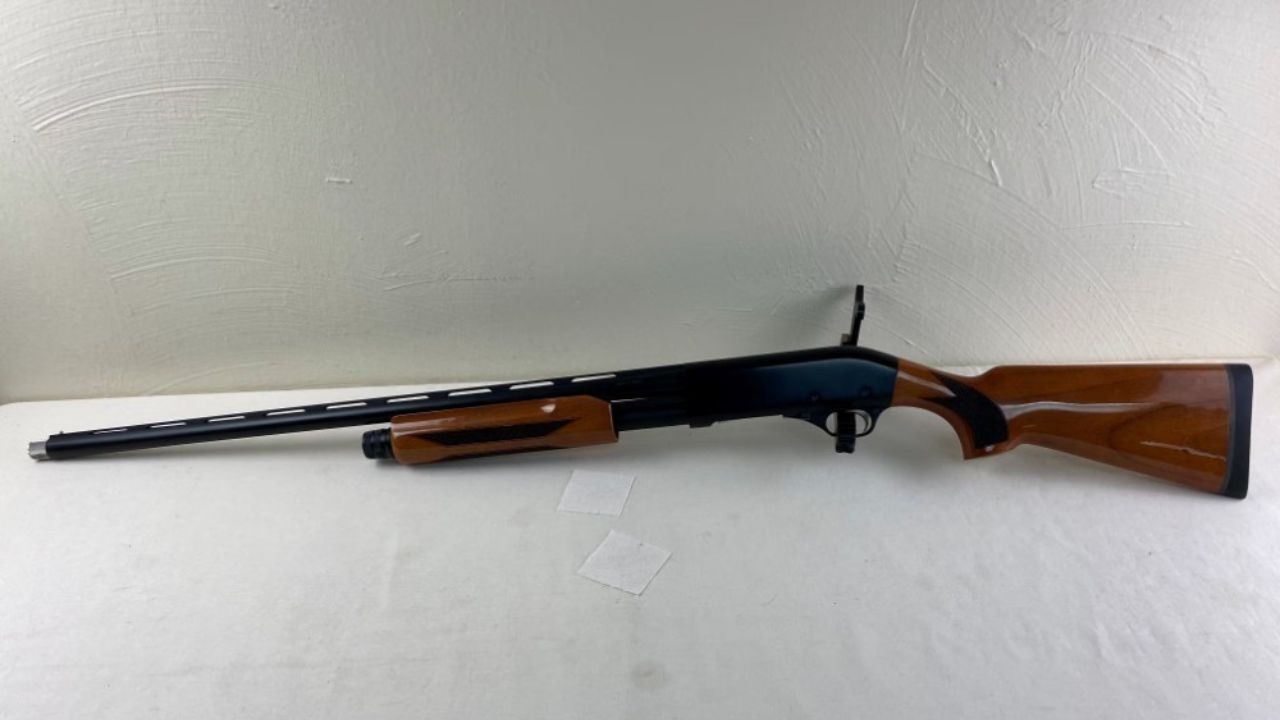
The PA-08 is one of those guns that shows up in a rack and gets ignored because it isn’t a 500 or an 870. That’s not a knock on the classics; it’s just how gun counters work. The PA-08, especially in the basic synthetic models, is a useful pump that points well and doesn’t feel like a toy. For the money, it often feels more “together” than a lot of bargain pumps that get bought in a hurry the week before season.
Where it should’ve found a home is with the new hunter who wants one shotgun to learn on, beat up, and not feel sick about. It’s also a good choice for the guy who already owns nicer guns but needs a wet-weather backup. The issue wasn’t performance as much as marketing gravity. If it doesn’t get talked about at deer camp, it doesn’t exist. That one hurts, because these are the exact guns that keep folks hunting when budgets are tight.
9. Savage/Stevens 320 (the budget pump that deserved a “working man’s shotgun” pitch)
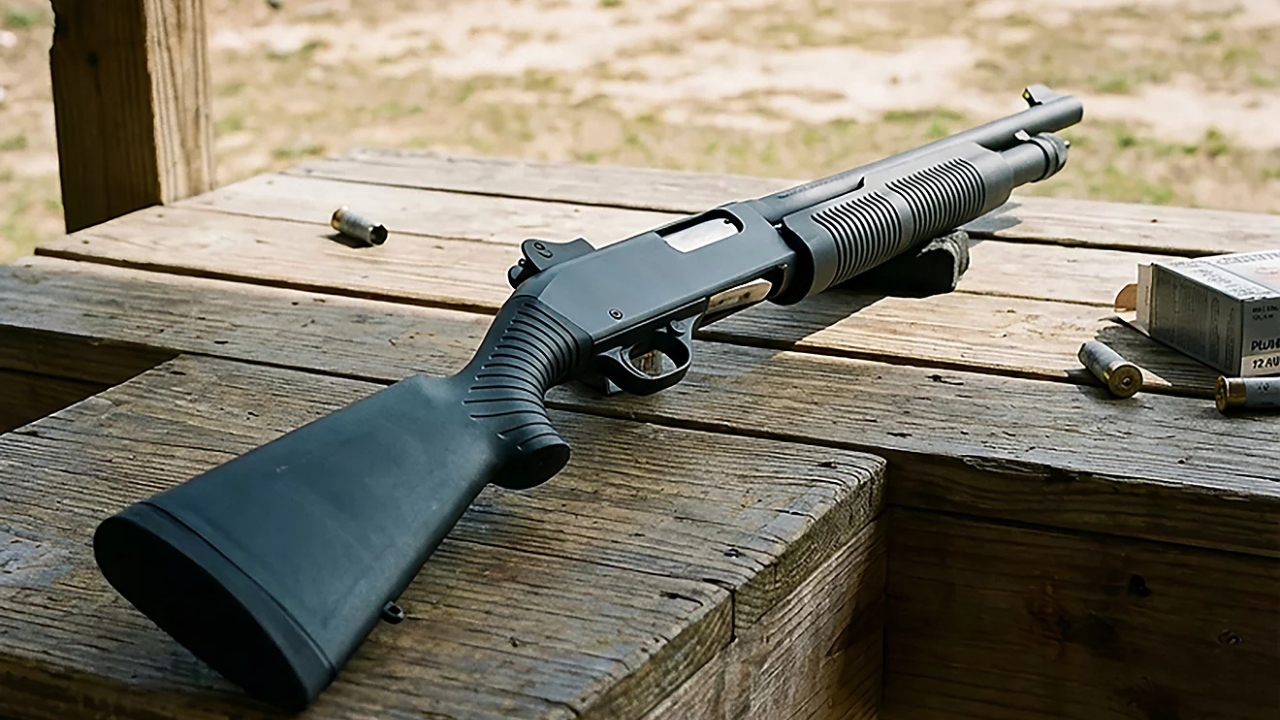
The Stevens 320 got stuck under the “cheap shotgun” umbrella, and once a gun is labeled that way, many shooters stop listening. Here’s the reality: it’s a perfectly serviceable pump for basic jobs, and it tends to run better than a lot of no-name imports that look good online. It isn’t refined, and nobody is confusing it with a premium pump, but it can put meat in the freezer if you do your part.
This is the kind of shotgun that should’ve been aimed straight at the kid buying his first gun, the landowner who wants something in the barn, or the truck gun crowd that doesn’t want to risk a family heirloom. Instead, it floated around as a “also available” option. If you’ve ever watched a new hunter show up with a questionable used gun that barely functions, you know why a simple, affordable pump with decent support actually matters.
10. H&R/NEF Pardner Pump (the no-frills beater that kept showing up when it counted)
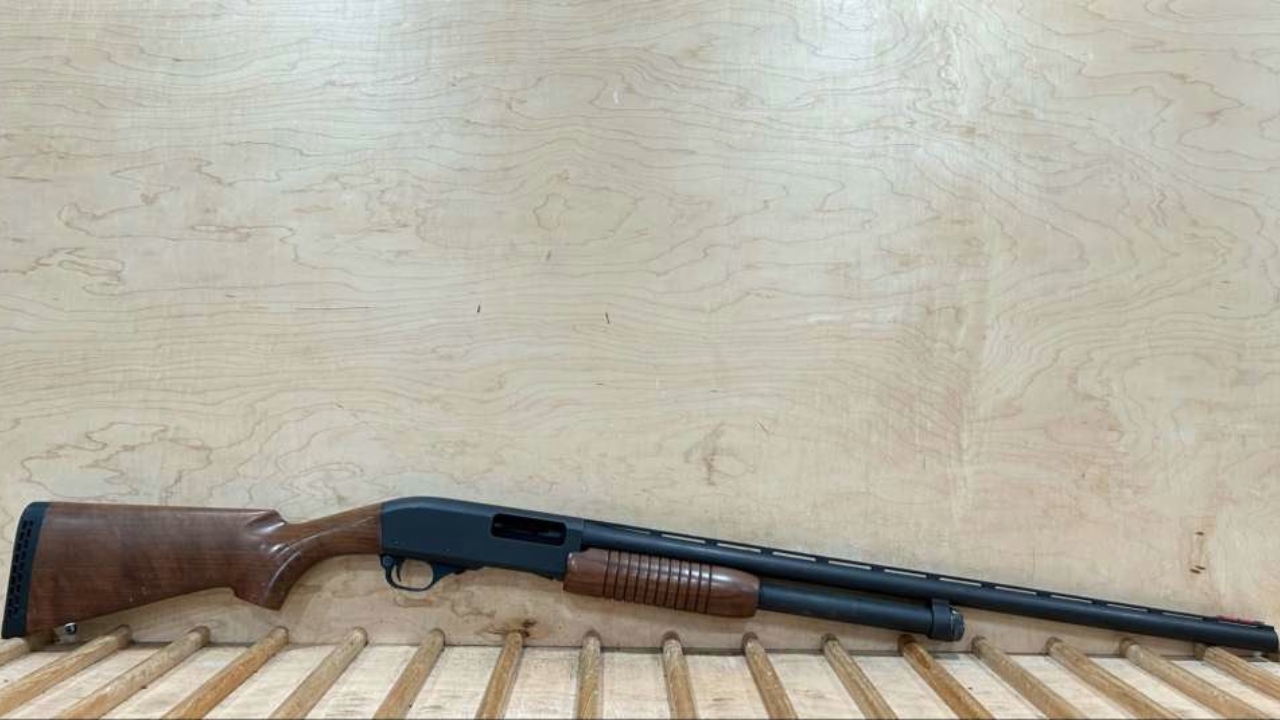
The Pardner Pump never got much romance in the marketing world because there isn’t much romance to sell. It’s a straightforward pump that feels a little blocky, wears utilitarian finishes, and generally shows up in the hands of somebody who’s more worried about getting chores done than getting likes. And that is exactly the buyer it should’ve been celebrated for.
These guns ended up in duck boats, behind truck seats, and leaning in corners of mud rooms across the country. They’re not perfect, and fit and finish can be plain. But they’re often more dependable than their price tag suggests, and they take the kind of neglect that happens in real life. The people who would’ve appreciated them most are the same ones who don’t read gun magazines anymore. They’re too busy cutting firewood, checking trail cameras, and trying to get a kid on a rabbit hunt before basketball season starts.
Good shotguns don’t always get the spotlight, and they don’t always get explained to the right crowd. If you’ve got one of these that runs, don’t be in a hurry to kick it out of the safe just because it isn’t trendy. The older I get, the more I trust the guns that feel a little boring in the hand but never give me a reason to think about them when the birds flush or the dog locks up. That’s the kind of “advertising” that actually counts.
Like The Avid Outdoorsman’s content? Subscribe to our newsletter so you never miss an article.
Here’s more from us: