Photo credit: Reloading Weatherby/YouTube
Long-range gets treated like a rich man’s game. Custom actions, carbon barrels, handloads, and a dope card that looks like a spreadsheet from NASA. The truth is, you can shoot far with a plain factory rifle if you pick a cartridge that’s forgiving and easy to feed. That means good factory ammo, bullets that buck wind, and enough velocity to stay stable without beating your shoulder or cooking your barrel in one season.
The other piece is practicality. A cartridge that “shines” in the real world is one you can actually find on shelves, get consistent velocity from lot to lot, and run in common factory rifles without weird magazine issues. These are the long-range cartridges that don’t require a custom build to perform. You still need good fundamentals and a decent optic, but you don’t need a gunsmith to start ringing steel.
6.5 Creedmoor

6.5 Creedmoor became popular for a reason: it’s easy to shoot well, and it stays stable at distance without demanding a heavy rifle. Factory rifles chambered in it tend to shoot, and factory ammo is widely available with bullets that carry good ballistic coefficients.
Where it shines is wind and recoil balance. You can spot your impacts more often, stay on the gun, and run longer range sessions without getting beat up. It also works in short actions, feeds clean, and doesn’t require a long magazine to run the bullets that make it perform. If you want an honest long-range cartridge that will shoot well in a standard off-the-rack rifle with quality factory ammo, this is the safest bet on the list. It’s not flashy. It’s predictable, and that’s what makes it effective.
.308 Winchester
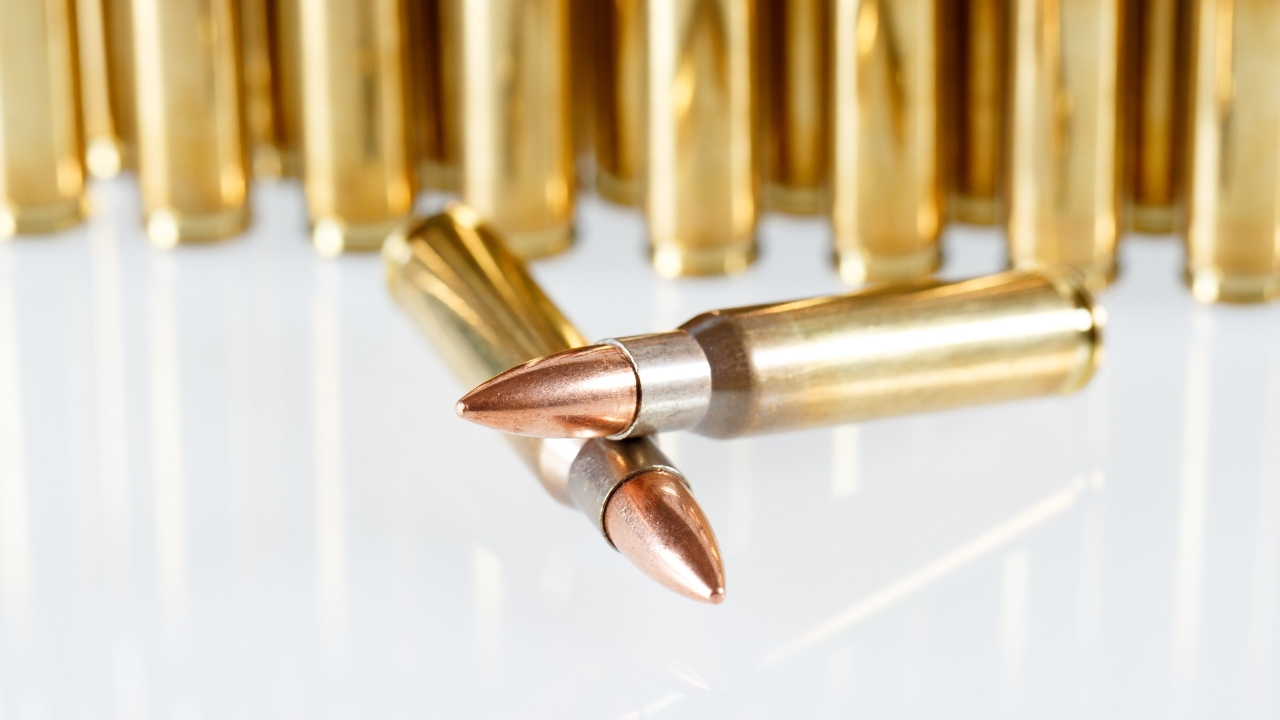
.308 doesn’t get trendy love anymore, but it still belongs here because it’s the baseline long-range teacher. You can buy a factory .308 that shoots, find ammo anywhere, and learn wind the hard way. That last part is a gift if you actually want to get better.
It won’t cheat the wind like sleeker modern rounds, and it won’t stay supersonic as far as some newer options, but it delivers consistency and barrel life that make practice affordable. It also runs in every short-action rifle made, feeds reliably, and has match-grade factory ammo that’s been refined for decades. If you want a cartridge that doesn’t need custom anything to shoot accurately to practical distances—and teach you real skills along the way—.308 is still a solid choice.
6mm Creedmoor
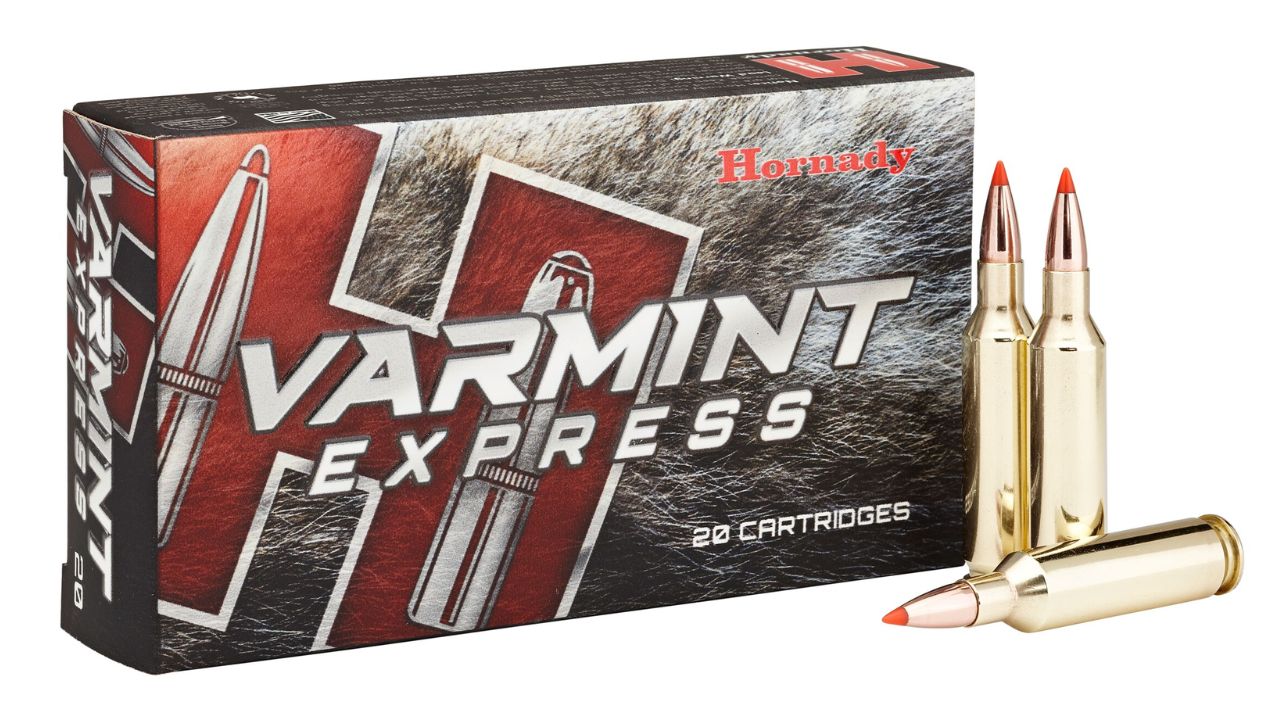
6mm Creedmoor is what you pick when you want to make wind less of a bully without stepping into magnum recoil. It launches sleek 6mm bullets that drift less than many larger calibers, and it does it in factory rifles that are now widely available.
The catch is heat and barrel wear, which is real if you shoot high volume. But for most shooters, it’s still a practical long-range option because it’s easy to shoot accurately and it stays flat enough to reduce correction errors. The recoil is light, which helps you spot hits and misses, and factory match ammo is common. You don’t need a custom build to benefit from what 6mm bullets do at distance. You need a good rifle, a steady position, and ammo that’s built for the job.
.223 Remington

People underestimate .223 as a long-range cartridge because they think “small” means “short range.” With the right twist rate and heavier bullets, .223 can reach surprisingly far, especially on steel. The recoil is minimal, ammo is cheap, and you can practice more, which is what actually makes you good.
Factory rifles in .223 are everywhere, and plenty of them come in fast twists that stabilize heavier match bullets. The wind will move it more than larger calibers, but that’s not always a downside. It forces you to learn reading conditions without punishing you. It’s also a cartridge that’s easy on barrels and easy on wallets. If your goal is to build real long-range skill without needing custom parts or expensive ammo, .223 is one of the smartest ways to do it—assuming you choose the right rifle twist and match ammo.
6.5 PRC

6.5 PRC is what you choose when you want more velocity than Creedmoor without going full magnum in recoil and rifle weight. It’s a factory-friendly cartridge now, with plenty of off-the-shelf rifles and strong factory ammo support. It carries energy and stays supersonic farther, which makes long-range work feel less “on the edge.”
The PRC also handles heavier, high-BC bullets well, and that helps in wind. You do get more recoil and more muzzle blast than Creedmoor, but it’s still manageable in a well-built factory rifle with a brake or suppressor. For shooters who want a cartridge that can stretch distance and still be a legitimate hunting option, 6.5 PRC is a good bridge. You don’t need custom chambers or exotic components. You need a solid factory rifle that feeds it reliably and ammo you trust.
7mm-08 Remington

7mm-08 doesn’t get marketed as a long-range star, but it can shoot far better than people expect. It pushes 7mm bullets that are naturally efficient, and it does it in short-action rifles with manageable recoil. That makes it easier to stay consistent through long practice sessions.
Factory ammo isn’t as match-heavy as Creedmoor options, but there are still quality loads and bullets that carry well at distance. The bigger advantage is that 7mm-08 tends to shoot accurately in regular hunting rifles without requiring a heavy target setup. It’s also a cartridge you can hunt with confidently, which matters if you want one rifle for both steel and the field. You won’t see the same extreme competition presence, but for real shooters who want practical long-range performance in a factory gun, it’s a quiet winner.
.270 Winchester
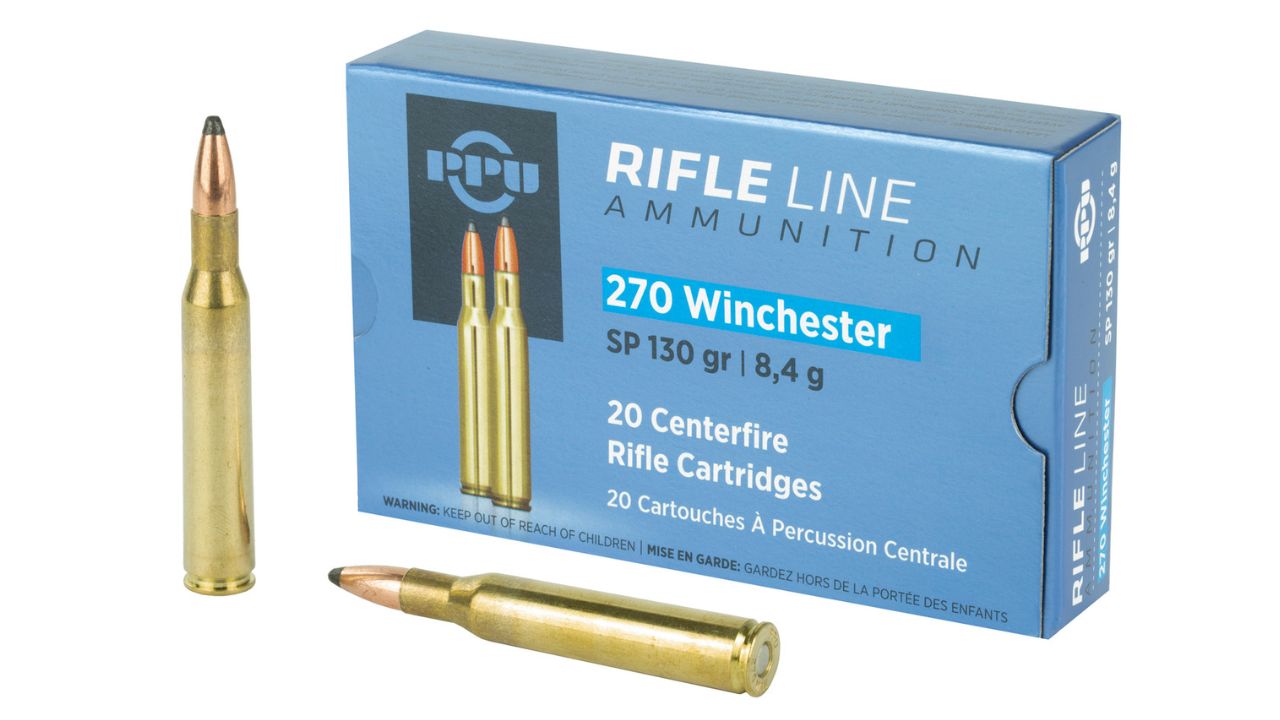
.270 Winchester is old-school, but it’s always been a flat shooter. With modern bullets and good factory rifles, it can do solid long-range work without needing custom anything. The cartridge carries velocity well, and it’s been around long enough that manufacturers have the recipe down.
The limiting factor is that .270 hasn’t always been loaded with the same long, high-BC bullets that newer cartridges are built around. That’s changing, and you can now find loads that take better advantage of the caliber’s potential. Recoil is moderate, and the cartridge is common enough that you can find ammo in many places. If you want long-range capability paired with a classic hunting cartridge that shoots flat and performs well in factory rifles, .270 still makes sense. It’s not fashionable. It’s effective when you choose the right load.
.280 Ackley Improved

.280 AI used to feel like a handloader’s trick, but it’s become far more mainstream. You can buy factory rifles chambered for it and find quality factory ammo that takes advantage of what it does well—efficient 7mm bullets with strong velocity and good wind performance.
It shines because it gives you magnum-like trajectory without the full magnum recoil and barrel punishment. You can run heavy, sleek 7mm bullets that hold up in wind, which is what most long-range shooters chase. The cartridge also fits in standard long-action rifles without exotic modifications. It’s still not as common as Creedmoor at every small-town shop, but it’s no longer a weird niche. If you want a cartridge that feels serious at distance and still works in a factory hunting rifle, .280 AI is a strong option.
7mm Remington Magnum

7mm Rem Mag has been stretching distance since before “long-range” became a social media category. It shoots flat, carries energy, and handles wind well with the right bullets. The best part is you can buy a factory rifle in it almost anywhere, and there’s a long track record of accuracy in off-the-shelf guns.
Recoil is noticeable, but manageable with good form and a rifle that fits you. Factory ammo ranges from basic hunting loads to more modern long-range offerings, and you can find components and support without chasing obscure gear. It’s also forgiving in the field, which is why it remains popular with western hunters who shoot far. If you want a cartridge that can truly reach out without requiring a custom rifle build, 7mm Rem Mag is still one of the most practical answers.
.300 Winchester Magnum

.300 Win Mag is a long-range workhorse that doesn’t need an introduction. It’s widely chambered, widely supported, and capable of pushing heavy bullets that hold up in wind and stay stable at distance. You can walk into a gun shop and find factory rifles and factory ammo that will do real work.
The downside is recoil and the cost of shooting, which can limit how much you practice. But if you’re the kind of shooter who wants a cartridge that can handle long-range steel and also carry serious authority for hunting, .300 Win Mag delivers. It’s not delicate, and it doesn’t need custom tuning to perform. You do want a rifle with decent weight and a good brake or suppressor if you plan to shoot volume. But as a factory-available long-range cartridge that hits hard and shoots far, it’s still near the top.
.300 PRC

.300 PRC was designed with modern long-range bullets in mind, and that’s why it performs so well without needing a custom chamber. It’s built to handle long, heavy projectiles without forcing you into weird seating depths. In the real world, that means factory rifles can take advantage of the cartridge’s design, and factory ammo is loaded around that intent.
It offers strong wind performance and stability at distance, with the kind of bullet options that make long-range shooting feel less fragile. Recoil is real, but it’s a magnum, so that’s the deal. The difference is efficiency and consistency. If you want a factory-friendly magnum that was built for modern long-range shooting instead of adapted to it later, .300 PRC is one of the best choices available. It’s not as common as .300 Win Mag yet, but it’s moving that direction.
.338 Lapua Magnum

.338 Lapua doesn’t require a custom rifle to shine, but it does require realistic expectations. It’s expensive, it’s heavy, and it’s not the cartridge you choose for casual range days. That said, there are factory rifles built around it that are extremely capable right out of the box, and the cartridge has proven performance at serious distances.
Where it shines is stability and wind performance with heavy bullets. When you step into that realm, you’re often shooting larger steel, longer distances, and tougher conditions. The Lapua gives you a bigger margin in wind and energy. The tradeoff is cost and recoil, which limits practice for many shooters. But if your goal is true long-range capability without going down the custom rabbit hole, a good factory .338 Lapua setup can absolutely deliver. It’s a purpose-built tool that performs like one.
6.5×55 Swedish

The 6.5×55 isn’t marketed as a long-range modern darling, but it’s been punching far for over a century. It shoots efficient 6.5 bullets with mild recoil, and many factory rifles chambered in it are accurate and easy to shoot well. That matters more than trend status.
Factory ammo varies by region, but the cartridge has strong bullet options and a reputation for consistency. It won’t match the raw velocity of PRC rounds, but it doesn’t need to for practical long-range shooting. You can build a solid dope chart, learn wind, and keep your hits consistent without getting punished. It’s also a cartridge with excellent barrel life compared to hotter rounds. If you want a classic caliber that still performs at distance and doesn’t require custom work, the Swede is a sleeper. It’s steady, accurate, and easier to run than most people expect.
.243 Winchester

.243 Winchester is often treated like a deer rifle round only, but it’s also a capable long-range trainer when paired with the right factory rifle and ammo. The recoil is low, the trajectory is flat, and you can shoot it for long sessions without fatigue messing with your fundamentals.
Wind drift isn’t as forgiving as 6mm Creedmoor with the sleekest bullets, but modern .243 bullets can still carry well and stay stable at distance. The bigger advantage is accessibility—factory rifles and ammo are common, and the cartridge is easy to tune in terms of shooting technique. It’s also a good bridge for shooters who want something flatter than .308 without stepping into higher recoil. If you care more about learning and consistency than chasing extreme distances, .243 can absolutely shine in a factory setup. It’s a practical cartridge that rewards good shooting.
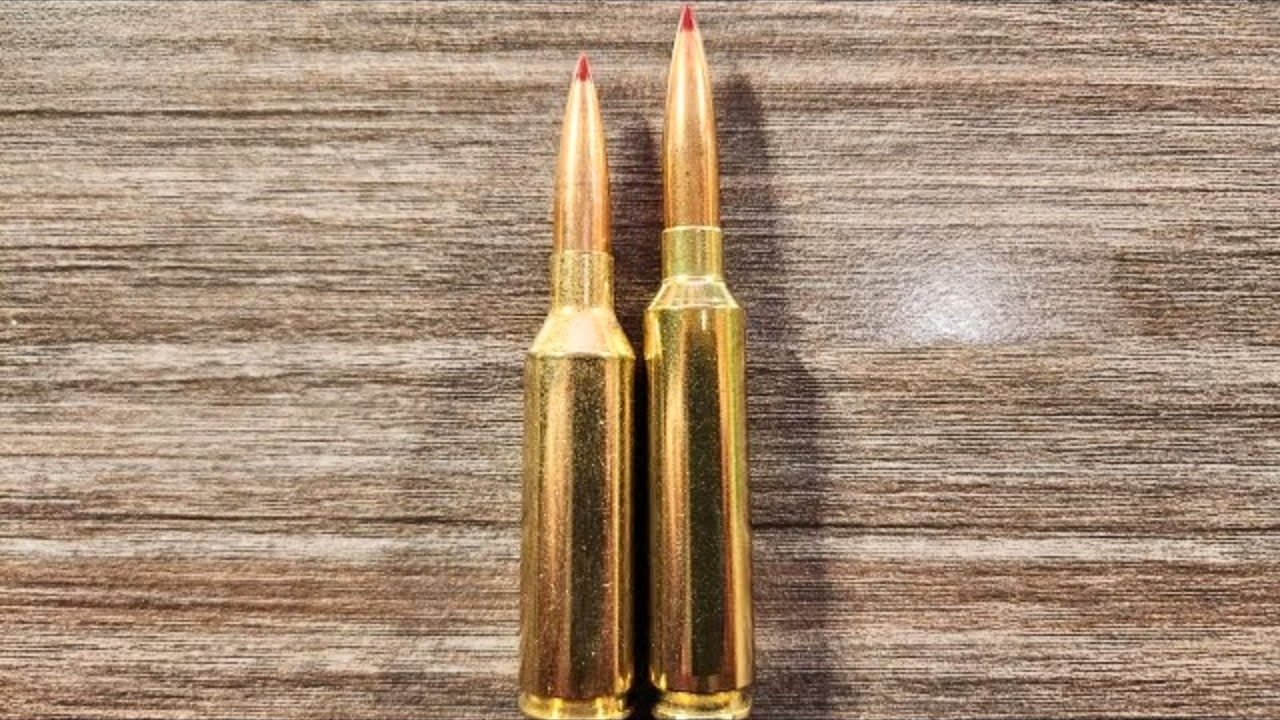
6.5-284 Norma

6.5-284 Norma has long been known as a serious distance cartridge, and you can still find factory rifles and ammo that make it work without custom work. It pushes 6.5 bullets fast enough to give you excellent wind and trajectory performance, and it has a reputation for accuracy.
The tradeoff is barrel life. It’s a hotter round than Creedmoor, and if you shoot high volume, you’ll pay for it in throat wear. But for shooters who want a cartridge that reaches with authority and still fits within the factory world, it’s a legitimate option. It doesn’t require custom chambers to get good performance, but it does reward careful shooting habits—don’t overheat it, and be realistic about practice pace. When you run it responsibly, 6.5-284 can produce impressive long-range results without the custom rifle price tag.
7mm PRC

7mm PRC is built to do what a lot of shooters have been trying to force other cartridges to do for years: run long, high-BC 7mm bullets efficiently in a factory-friendly format. You can now buy factory rifles chambered for it, and factory ammo is designed around the cartridge’s strengths instead of working around limitations.
Where it shines is wind. Good 7mm bullets hold up extremely well, and the PRC has the case capacity to push them at useful speeds without being as punishing as some older magnums. Recoil is still there, but it’s manageable with modern rifle setups. If you want a cartridge that feels modern, shoots flat, drifts less, and doesn’t require a custom build to take advantage of those bullets, 7mm PRC is a strong answer. It’s one of the clearest examples of “factory long-range done right.”
Like The Avid Outdoorsman’s content? Subscribe to our newsletter so you never miss an article.
Here’s more from us: