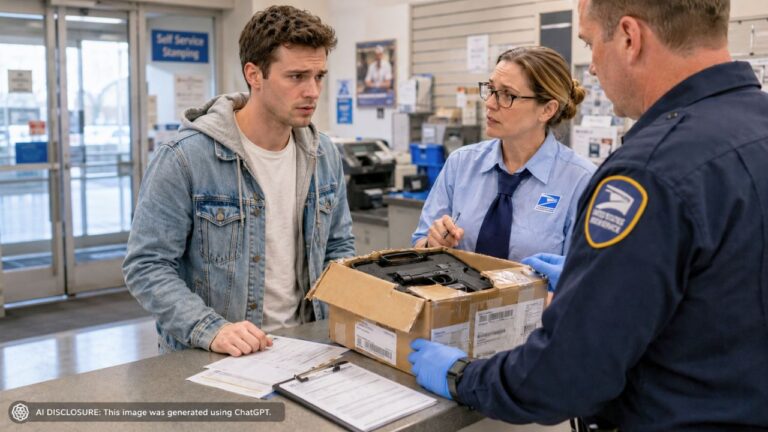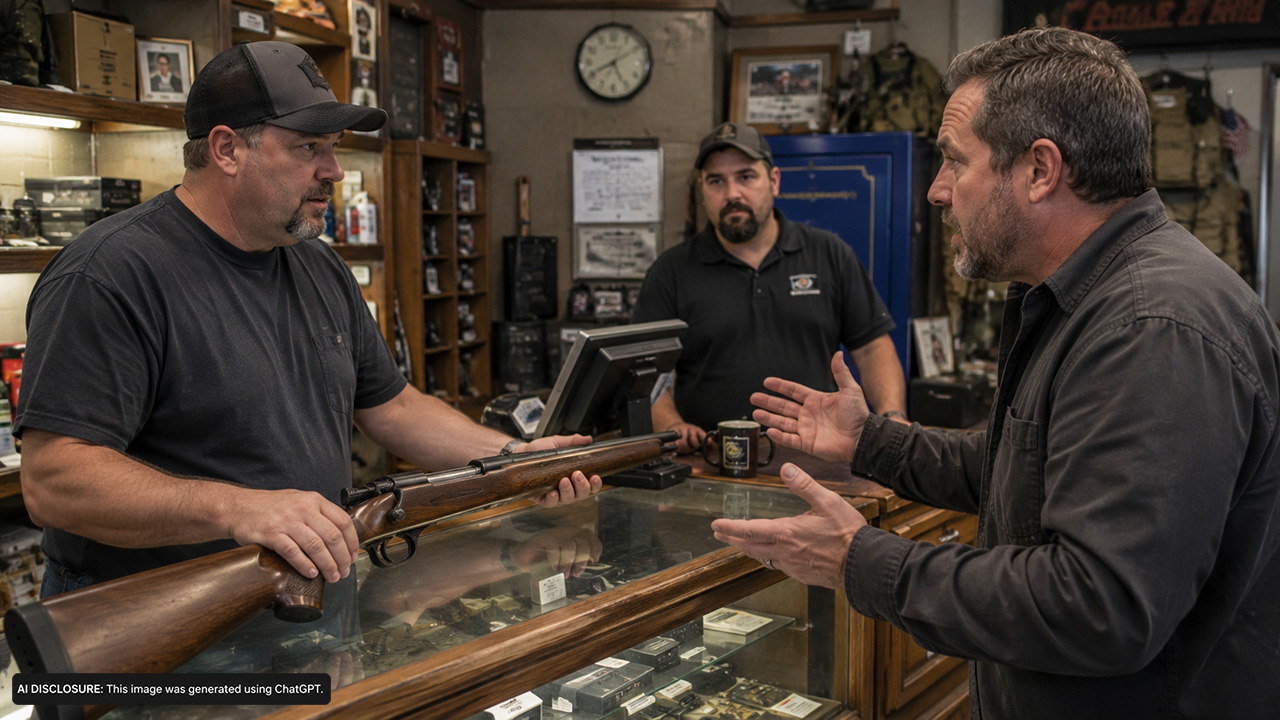
Photo credit: AI-generated image created using ChatGPT. Illustrative only
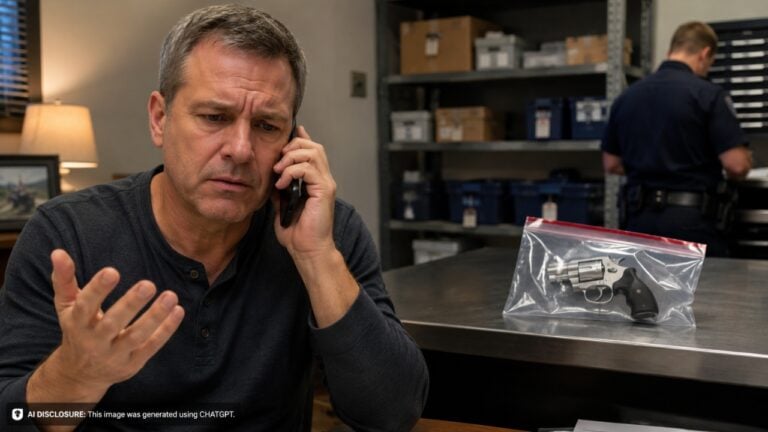
You think you scored the deal of the month, maybe even the year. You walk into a pawn shop, spot something that’s priced way under what it’s worth, swipe your debit card, and walk out with paperwork in hand. Then you list it online—and the phone rings with a message you didn’t expect: the original owner says it was stolen and wants it back.
That’s the tight spot one California buyer described after purchasing a high-value, uncommon item from a pawn shop with the plan to flip it for profit. The piece wasn’t something an average person would recognize as valuable, which is part of why it was sitting there underpriced in the first place. But within a day of listing it for resale, someone reached out claiming it had been stolen from his car six months earlier. You can read the buyer’s full write-up in the original post.
A pawn shop receipt doesn’t erase the past
The buyer did what a lot of folks do: bought the item fair and square, kept the paperwork, and assumed the transaction made him the rightful owner. From a common-sense perspective, it’s easy to see why. If a store can sell it, the thinking goes, it must be theirs to sell.
But pawn shops don’t operate like regular retail. They’re often the first place stolen gear ends up—guns, optics, tools, instruments, you name it—because thieves want quick cash and low friction. Even when a shop logs items and follows rules, a stolen item can still slip through, especially if it’s niche and not something every employee can identify on sight.
The original owner came with receipts of his own
The person contacting the buyer didn’t just send a vague “that’s mine.” He provided proof of ownership in the form of an insurance policy that listed the item’s serial number. That detail matters. Serial numbers are the difference between “he said, she said” and “this is that exact item.”
The buyer also noted the item was extremely uncommon. When he posted it for sale, it was the only used one of its kind on major resale sites. Once you add in location, it’s not hard to see how the original owner could’ve tracked it down quickly and felt confident it was his.
The insurance angle complicated the buyer’s logic
The buyer’s first instinct was practical: if the item was insured and the owner got paid, wasn’t the owner made whole? In that case, why should the buyer be the one to take the loss?
That’s a real-world question outdoorsmen run into with stolen rifles, stolen boat electronics, stolen trail cameras—anything with a serial number and a paper trail. But insurance is its own animal. A payout may change who has a financial interest in the item, and it can pull an insurance company into the mix. The buyer specifically wondered if there was any way to verify whether a claim had been paid.
And here’s where regular folks get jammed up: you can do everything “right” as a buyer and still end up holding something that carries baggage you didn’t ask for.
The buyer mentioned the concept of being a “bonafide purchaser,” basically buying an item in good faith without knowing it was stolen. On the ground, that’s how most pawn shop buyers think about it. You didn’t steal it, you didn’t know it was stolen, and you paid money at a licensed business.
But practical reality doesn’t always line up with what feels fair. When stolen property is involved, the “right thing,” the “legal thing,” and the “least-headache thing” can be three different roads. And once an original owner shows up with a serial number match, most people can feel the situation turning from a simple flip into a problem that can swallow time and money.
The buyer seemed to understand there might be “questionable stuff” on the shop side—how the item got there, what was reported, what was logged, and how those records are handled. He also guessed that part might end up being between the pawn shop, the agencies that oversee pawn reporting, and insurers.
The buyer didn’t want to get pulled into a legal grind
One of the most relatable parts of the story is that the buyer didn’t want “legal nonsense” consuming his life. Anyone who has ever tried to get a stolen ATV sorted out, or watched a buddy fight through paperwork after a break-in, knows the feeling. Even when you’re in the right, the process can be slow and frustrating.
The original owner reportedly wanted to deal directly with the buyer because the system is “slow” and because his other stolen gear was already stuck in limbo with another pawn shop. That’s believable. Once property gets tangled up in reports and holds, it can sit for a long time while everyone waits for the next step.
From a safety and common-sense standpoint, “deal directly” is also where folks need to keep their head. Meeting strangers over disputed property—whether it’s a rifle, an optic, or something else valuable—is not the place to improvise. When emotions and money are involved, you keep it calm, keep it public if you meet at all, and avoid turning it into a parking-lot confrontation.
Where the buyer landed: make it right and come out whole
After reading mixed feedback, the buyer said he leaned toward doing what felt right and aiming for “good karma.” He decided the best path was to be made whole by the original owner and walk away with a good story instead of a long-running headache.
That’s not a small detail. The buyer wasn’t just trying to cash in—he’s also a musician and understood the relationship someone can form with a tool they’ve put hundreds of hours into. Outdoorsmen get that without explanation. It’s the same reason a well-worn rifle, an old bow, or a specific call you’ve used for seasons can feel irreplaceable, even if insurance cuts a check.
He also said he didn’t have much reason to suspect a scam. The original owner’s background was “impressive and verifiable,” and the interaction so far had been gracious and appreciative. On top of that, the owner offered private lessons and help sourcing the type of instrument the buyer hoped to fund by flipping the purchase.
That’s the rare ending where both parties try to leave the situation better than they found it. No chest-thumping. No threats. Just two people recognizing the mess and looking for the cleanest exit.
For anyone who buys used gear—especially from pawn shops—the takeaway is simple: keep your paperwork, pay in a traceable way when you can, and understand that a deal that looks too good might have a story attached. If an original owner shows up with real proof, the goal isn’t to “win” the argument. It’s to protect yourself, avoid a volatile meetup, and get made whole in a way you can live with.
Like The Avid Outdoorsman’s content? Subscribe to our newsletter so you never miss an article.
Here’s more from us: