Photo credit: The Avid Outdoorsman
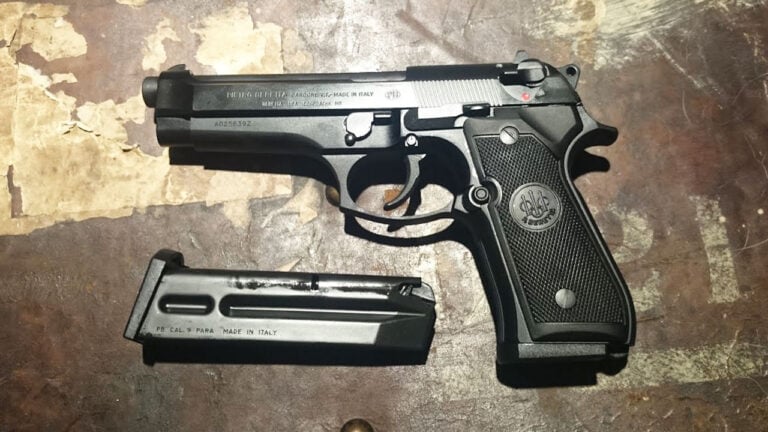
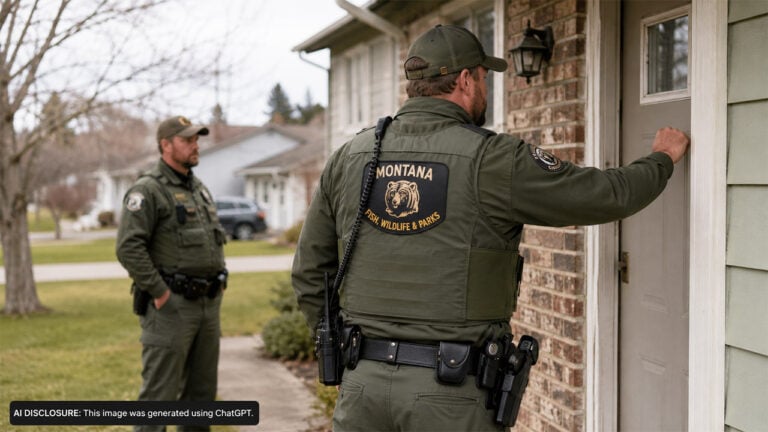
The man said the firearm was his, but it was not in his possession anymore. According to the Reddit post, his friend had been arrested while carrying his gun, and now the owner was trying to figure out how to get the firearm back.
The original Reddit post can be found here: https://www.reddit.com/r/legaladvice/comments/1lhm5io/attempting_to_get_my_firearm_back_from_police/
That is one of those situations where a gun owner may feel like the problem should be easy to solve. If the firearm legally belongs to him, and he was not the one arrested, then it may seem like he should be able to show proof of ownership and pick it up.
But once a firearm is taken during an arrest, it usually becomes evidence first and personal property second.
That does not mean the owner did anything wrong. It just means the gun may be tied to whatever case led to the arrest. Police may need to document it, hold it, check whether it was used in a crime, confirm ownership, verify the serial number, or wait for the prosecutor or court to decide whether it can be released.
The owner’s bigger issue was probably how the friend ended up with the gun in the first place. If he loaned it to the friend, that could raise transfer and possession questions depending on the state, the friend’s legal status, and the circumstances. If the friend took it without permission, that is a different problem. If the owner allowed the friend to carry it without knowing whether the friend could legally possess it, that could become uncomfortable fast.
That is why getting the firearm back was only one part of the situation. The owner also needed to make sure he was not accidentally admitting to something that could create trouble for him. A casual explanation like “I let him borrow it” might sound harmless, but firearm laws can be strict depending on where it happened and who the friend was.
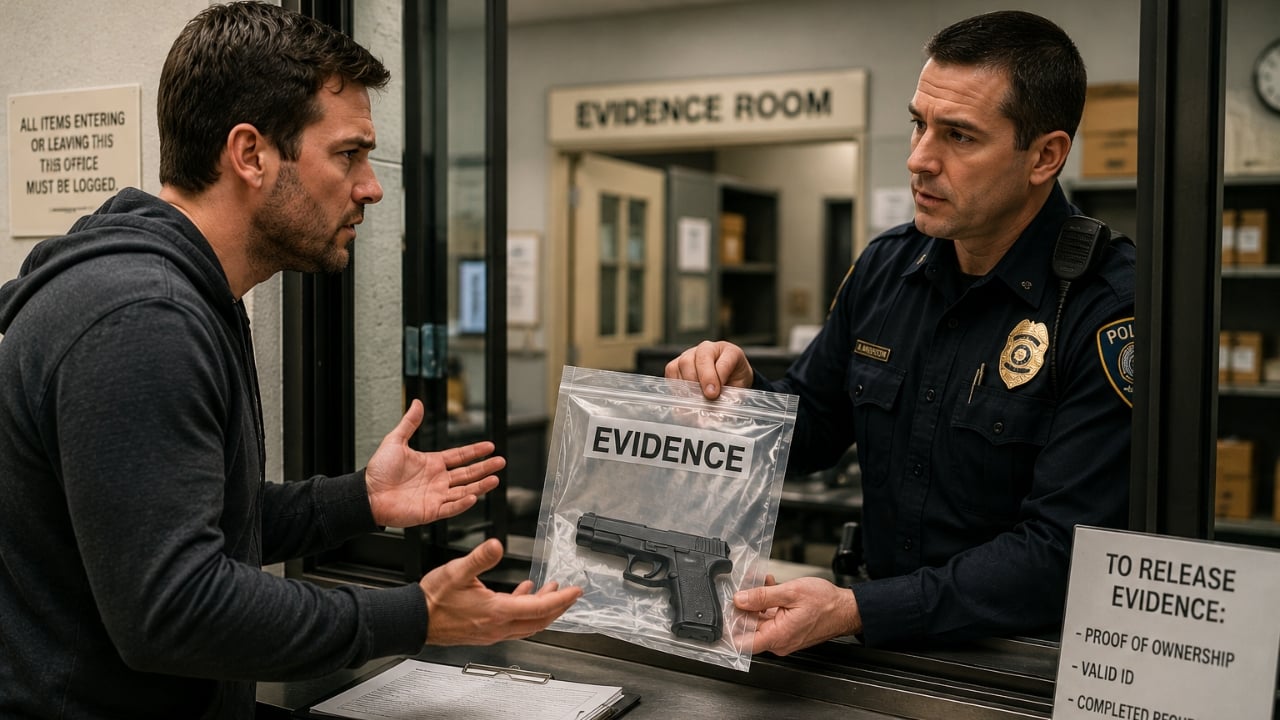
The safest approach would be to deal with the evidence process carefully. That usually means contacting the evidence unit, the officer or detective assigned to the case, or the prosecutor’s office. The owner would need proof that the gun belongs to him, such as a receipt, transfer paperwork, serial number records, photos, or registration records if the state uses them.
Even then, the firearm may not be released immediately. If the criminal case is still open, the agency may hold it until the case ends. If the friend is accused of illegally possessing it, the gun could remain tied up as evidence for months.
Commenters told the owner that he may not be able to get the firearm back until the case involving his friend is resolved. Several said evidence property is not released just because someone asks for it, even if that person is the rightful owner.
Others said he should gather proof of ownership before contacting anyone. The more clearly he could show the gun was his, the easier it would be to request its return once the agency was allowed to release it.
Some commenters warned him to be careful about what he said regarding how the friend got the firearm. If the friend was not legally allowed to possess it, or if the transfer violated state law, the owner needed to avoid making casual statements that could create legal exposure.
A few people recommended speaking with an attorney, especially if there was any chance the friend’s possession of the gun could be tied back to him. The issue was no longer just property recovery. It involved a firearm, an arrest, and a criminal case.
The post ended with the owner learning that getting a gun back from evidence is not like retrieving a lost wallet. Once a firearm is part of an arrest, the agency has to treat it as evidence until the legal side is clear. Proof of ownership matters, but patience and careful wording matter too.
Like The Avid Outdoorsman’s content? Subscribe to our newsletter so you never miss an article.
Here’s more from us: