Photo credit: The Avid Outdoorsman
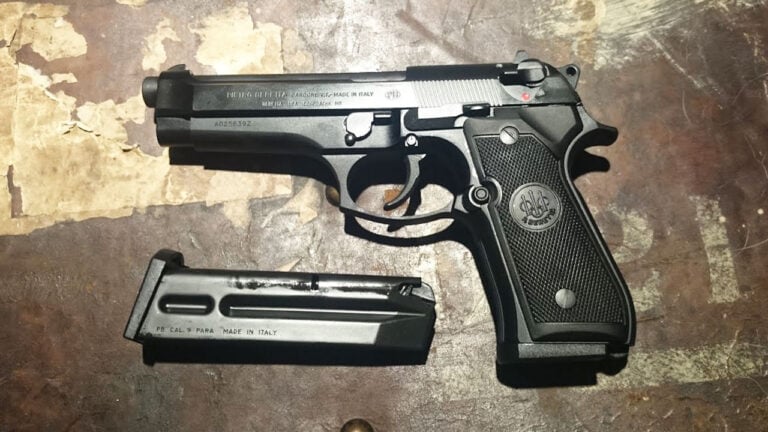
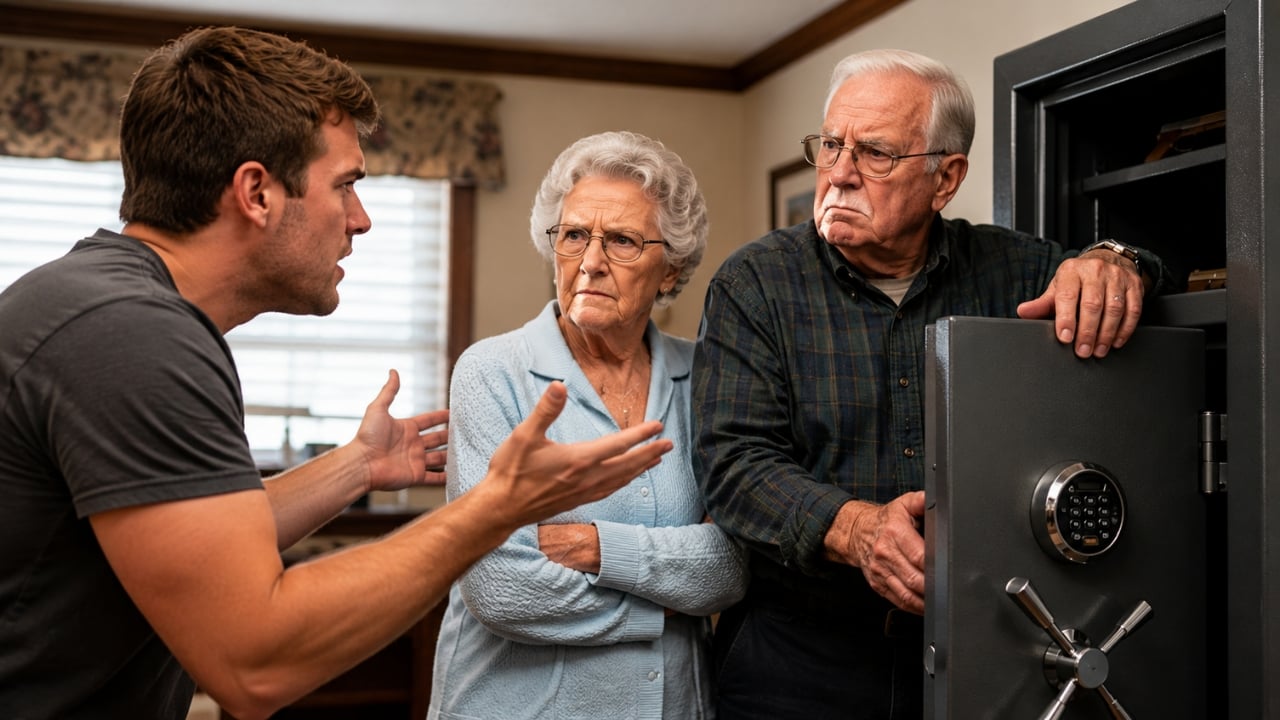
The man said the firearm was legally his, but he no longer had control of it. According to the Reddit post, his grandparents had taken his gun and locked it away in their safe, leaving him trying to figure out whether family could simply hold onto someone else’s firearm because they did not want him to have it.
The original Reddit post can be found here: https://www.reddit.com/r/legaladvice/comments/kykl2l/my_grandparents_have_stolen_my_firearm/
Family disputes over guns get complicated fast because they often involve more than property. One side may see the firearm as personal property that belongs to the owner. The other side may think they are preventing a problem, protecting the household, or making a point. But good intentions do not automatically give someone the right to take and keep a legally owned firearm.
From the owner’s perspective, the issue was straightforward. If the gun belonged to him and he could legally possess it, then someone else locking it in a safe without permission looked like theft or wrongful possession. The fact that the people involved were grandparents did not erase the ownership question.
The difficult part was how to handle it without blowing up the family. Calling police on relatives is a serious step, especially when the missing item is a firearm. But letting the situation sit can create problems too. If the gun is later moved, sold, damaged, used, or reported in some other way, the owner needs a clear record of where it went and who had it.
There is also the transfer and possession side. Depending on the state, a firearm moving from one person to another may trigger legal requirements. Even if nobody intended to make a formal transfer, the grandparents physically taking and controlling the gun could create questions about who possessed it and whether they were legally allowed to do so.
The safest path in a situation like this usually starts with documentation. The owner would need to prove the gun belonged to him through receipts, transfer paperwork, serial numbers, photos, or registration records if applicable. Then he would need to decide whether to demand it back in writing, involve a lawyer, or contact law enforcement.
What made the story stand out was the family dynamic. If a stranger had taken the firearm and locked it up, most people would immediately call it theft. When relatives do the same thing, people hesitate. But the legal issue does not vanish just because the person holding the gun is family.
Commenters generally told him that if the firearm legally belonged to him, his grandparents could not simply keep it because they wanted to. Several said he should gather proof of ownership before taking any next step.
Others suggested trying one clear written demand first, especially if he wanted to avoid escalating the family conflict. A written message asking for the firearm back could create a record and give the grandparents a chance to return it without involving anyone else.
Some commenters warned that if the grandparents refused, the next step might be a police report or civil action. A stolen firearm is not something to treat casually, and the owner may need official documentation if the gun stays missing.
A few people also raised the question of safe possession. If anyone in the household was prohibited from possessing firearms, or if the gun was being stored somewhere unsafe, that could make the situation more serious.
The post ended with the owner facing an awkward but important choice. He could keep trying to settle it as a family disagreement, or he could treat the missing firearm like what it appeared to be: someone else’s property taken and locked away without permission.
Like The Avid Outdoorsman’s content? Subscribe to our newsletter so you never miss an article.
Here’s more from us: