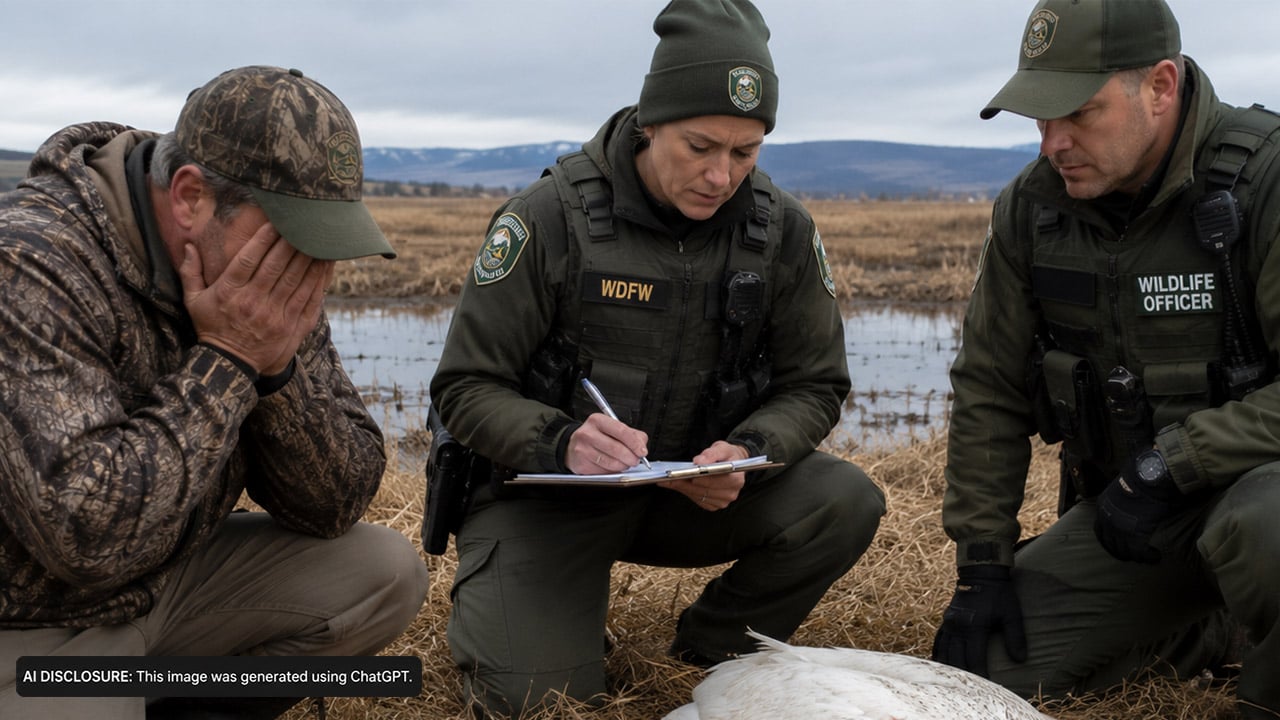
Photo credit: AI-generated image created using ChatGPT. Illustrative only
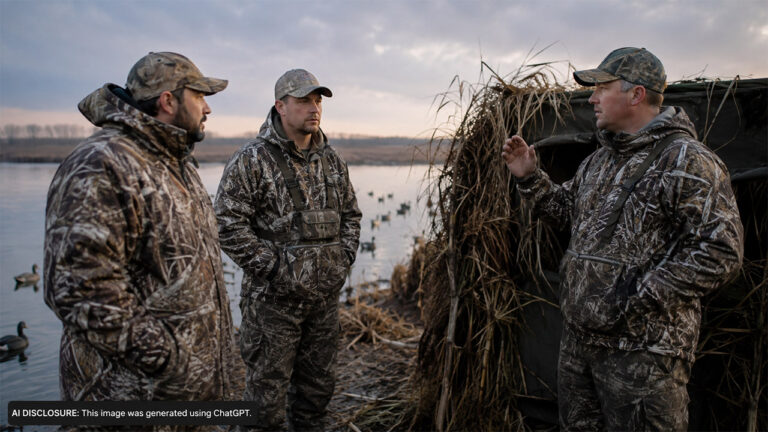
A waterfowl hunt can go sideways fast when the bird in your sights isn’t what you thought it was. That’s the hard lesson behind the original post, where a hunter said he accidentally shot at a trumpeter swan and ended up facing a 4th class misdemeanor.
The hunter’s first question wasn’t about optics, decoys, or what call he used. It was about how serious a misdemeanor charge really is when you didn’t mean to take a protected bird—and what that kind of case can follow you into the rest of your life.
A protected bird turns a “mistake” into a criminal case
In the post, the hunter described the incident as accidental, but he was still looking at a criminal charge tied to shooting at a trumpeter swan. That alone should get every hunter’s attention, because “I didn’t mean to” doesn’t automatically make the legal side disappear.
One experienced waterfowl hunter who chimed in put it plainly: laws protecting migratory birds aren’t just local rules dreamed up by a county board. They’re wrapped up in larger migratory bird protections negotiated between national governments, and wildlife agencies tend to treat them like a big deal—because they are.
Why swan cases don’t get treated like routine game violations
The most useful point from the responses was that swan violations can get complicated quickly. Protected species aren’t handled the same way as a minor paperwork issue or a small limit mistake on common game.
Even though the charge mentioned was “4th class misdemeanor,” a commenter stressed that if you’ve been charged, the game department may push hard for a conviction. In other words, it may not be one of those situations where you show up, explain yourself, and walk out with a friendly warning.
“Don’t plead guilty” was the loudest advice
The hunter asked a question a lot of folks quietly wonder: what happens if I just go in and plead guilty and get it over with? The response he got was the kind of thing that stops you cold—pleading guilty means pleading guilty to a crime, and that can mean a criminal record that shows up on background checks.
That’s where this stops being about hunting and starts being about employment, housing, and future opportunities. One commenter told the hunter bluntly that a conviction can close doors instantly when a background check comes back.
Real-world penalties: fines, license loss, and a long memory
Commenters didn’t claim to know exactly what would happen in this specific case, but one did share what he’d seen anecdotally: people convicted of harvesting swans getting hit with around $2,500 in penalties and losing a hunting license for a year on a first offense.
He also pointed out something hunters understand the longer they’ve been at it—your relationship with the game department matters. The commenter argued that getting on the wrong side of wildlife enforcement can mean less leniency later, even on mistakes that sometimes get handled with a warning, like misidentifying a hen in a limit or miscounting a legal point restriction.
The hunter’s panic was about the future, not the money
The hunter’s replies sounded like someone who knew he messed up and was trying to figure out how to limit the damage. He said he didn’t care much about paying huge fines. What he cared about was keeping it off his record, because he didn’t want to explain it in job interviews “for the rest of my life.”
He even said he was ready to give up hunting forever after the incident, and wondered if that was something he should mention in court. That’s a human reaction, but it also shows how fast a single shot can turn into something that changes how you see the whole outdoors.
What hunters should take from this in the field
This is the part nobody likes to hear after the fact: bird ID is the whole ballgame. Swans are big, bright, and seem like they’d be hard to confuse, but real hunting conditions don’t happen in perfect light over a calm pond with birds posed like a field guide. Low light, weather, distance, odd angles, and adrenaline all change what your eyes think they’re seeing.
If you waterfowl hunt anywhere swans can show up, it’s worth doing the unglamorous prep: know what’s in the area, know what’s protected, and make “positive ID” mean you’re willing to eat a missed chance rather than force a shot. Passing on a bird never shows up on a background check. A conviction can.
The other takeaway is procedural: once you’re facing a charge, treat it like it matters. The most experienced voice in the thread kept coming back to the same point—get legal counsel from someone familiar with game and migratory bird law, because these cases aren’t always straightforward and pleading guilty without advice can lock in consequences you can’t undo.
Most hunters don’t set out to break the law, and plenty of good people have made one bad call in rough conditions. But this story is a reminder that with protected species, the margin for error is thin, and the aftermath can be bigger than a fine. The best time to slow down is before the shot—and the second-best time is the moment a mistake turns into paperwork and court dates.
Like The Avid Outdoorsman’s content? Be sure to follow us.
Here’s more from us: