Photo credit: AI-generated image created using ChatGPT. Illustrative only
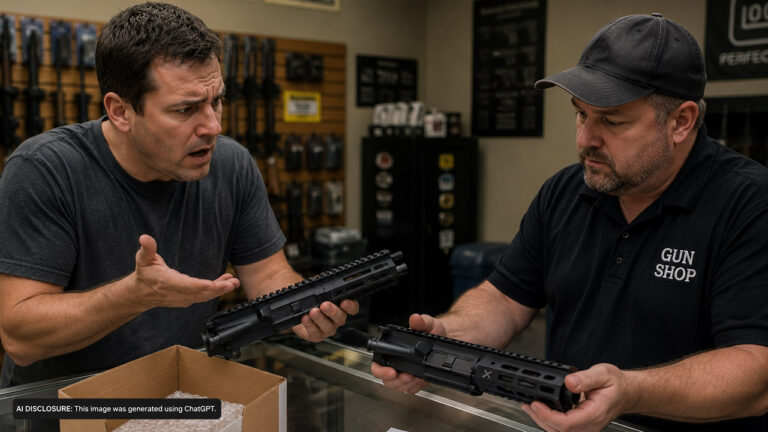
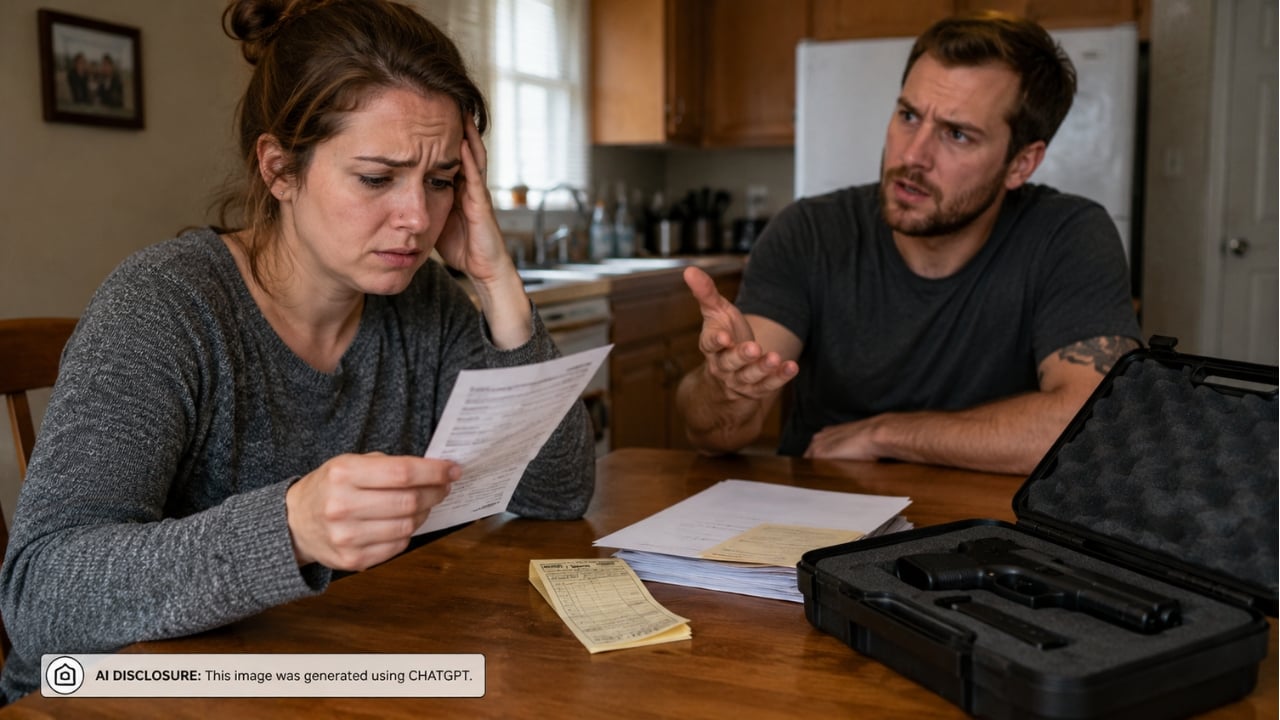
Most gun owners can picture the moment: you finally buy the firearm you picked out, you do the paperwork, you bring it home, and it’s supposed to stay yours—period. But one Oregon woman found herself in a spot that’s equal parts personal betrayal and legal headache after she says her then-boyfriend pawned the gun she purchased, then later bought it back and started claiming it belonged to him.
In the original post, she kept it simple: she bought a gun in Oregon, her boyfriend pawned it without her permission, then bought it back. Her question is the one a lot of folks would ask in that situation—does that pawn-and-buyback move actually transfer ownership to him?
A pawn shop receipt doesn’t erase how the gun was originally obtained
On the common-sense side of the fence, most outdoorsmen see this the same way they’d see a stolen chainsaw or a borrowed rifle that never came back: if you didn’t authorize it, it wasn’t his to pawn. The act of pawning something doesn’t magically make the pawner the rightful owner—it just creates a paper trail showing the pawn shop took in an item and later released it to someone who paid.
That paper trail matters, but it’s not the whole story. If she bought the gun in the first place, there may be purchase records, serial number documentation, and other proof that she’s the rightful owner even if he later ended up with a pawn ticket and a “bill of sale” from a shop.
The big issue isn’t “ownership,” it’s possession and the trail of paperwork
Firearms aren’t like a cooler or a tackle box. They carry a different level of scrutiny because they’re regulated, and Oregon has its own rules around transfers and background checks. When a gun moves hands, the “who has it now” question can quickly turn into “who is allowed to have it” and “how did it change hands.”
Even without getting deep into legal weeds, the practical problem for the original buyer is simple: if he has the gun in his possession and is claiming it as his, she’s now fighting uphill to get it back unless she can document the chain—when she bought it, how it went missing, and what happened after.
When relationships go sideways, guns turn into leverage
Anyone who’s spent time around rural communities has seen a version of this play out with trucks, ATVs, dogs, and hunting gear. When a relationship ends badly, property becomes a pressure point. A firearm is an especially serious version of that because it’s valuable, portable, and easy for someone to tuck away.
That’s why this kind of situation needs to be treated like more than a couples’ dispute. If someone is willing to pawn a gun they don’t own—then buy it back and claim it—there’s a trust problem and a safety problem. The last thing you want is an emotional standoff or a “just show up and take it” plan that gets somebody hurt or lands somebody in trouble.
What most gun folks would do next: document, don’t confront
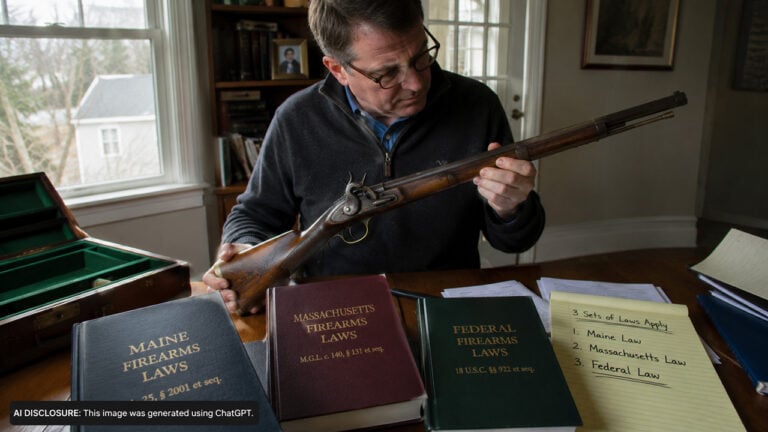
If you’re in her boots, the smart move usually isn’t a heated face-to-face argument. It’s boring paperwork and calm steps. Gather anything that ties the firearm to you: purchase receipt, any record from the dealer, photos you took when you got it, the make/model/serial if you have it written down, and any messages that show he took it or admitted to pawning it.
Then it’s about choosing the right lane. Depending on the details, that might mean contacting the pawn shop to ask what documentation exists, or contacting an attorney, or speaking with local law enforcement about a gun being taken and pawned without permission. The key is to keep it factual: dates, records, and what you can prove—because whoever has the cleanest documentation often has the strongest footing.
The lesson for the rest of us: treat firearms like other high-value tools
Plenty of us have a gun safe because we’re thinking about theft or kids getting into things. But there’s another angle: access. If another adult in the home can freely grab a firearm, a pawn shop is just a short drive away. This is one of those hard reminders that “I trust them” isn’t a storage plan.
If you own guns, especially if you’re the one who bought them and you’re the one on the records, lock them up. Keep your serial numbers recorded somewhere secure. And if you ever need to loan a firearm (which is its own legal topic depending on where you live), do it with clear boundaries and a clear understanding of the law.
At the end of the day, this Oregon woman’s question is one a lot of gun owners should think through before they ever need to ask it. A pawn-and-buyback might create paperwork for the boyfriend, but it doesn’t automatically make a wrong thing right. When guns and broken trust mix, the best path is the calm one—document everything, avoid confrontation, and handle it through proper channels before it turns into something worse.
Like The Avid Outdoorsman’s content? Be sure to follow us.
Here’s more from us: