Photo credit: Reloader Joe/Youtube
Some calibers get ignored because they don’t sound impressive enough. Others get dismissed because they’re old, uncommon, misunderstood, or stuck behind a more popular cartridge that stole all the attention. The gun world loves simple labels, and once a caliber gets called weak, obsolete, niche, or boring, it can take years for people to look at it honestly again.
But performance is not always about popularity. A good caliber in the right rifle or handgun, with the right bullet and realistic expectations, can keep proving people wrong long after the internet has moved on. These underrated calibers may not be perfect, but they still have a reason to be respected.
.257 Roberts
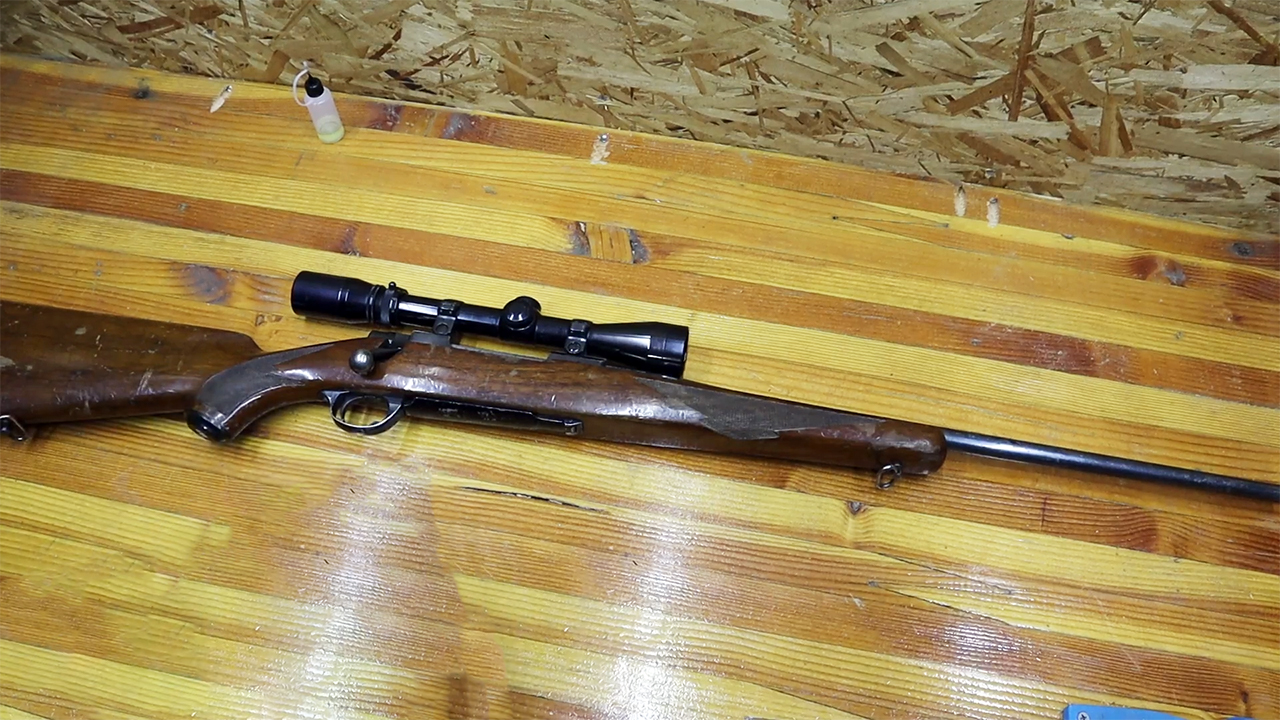
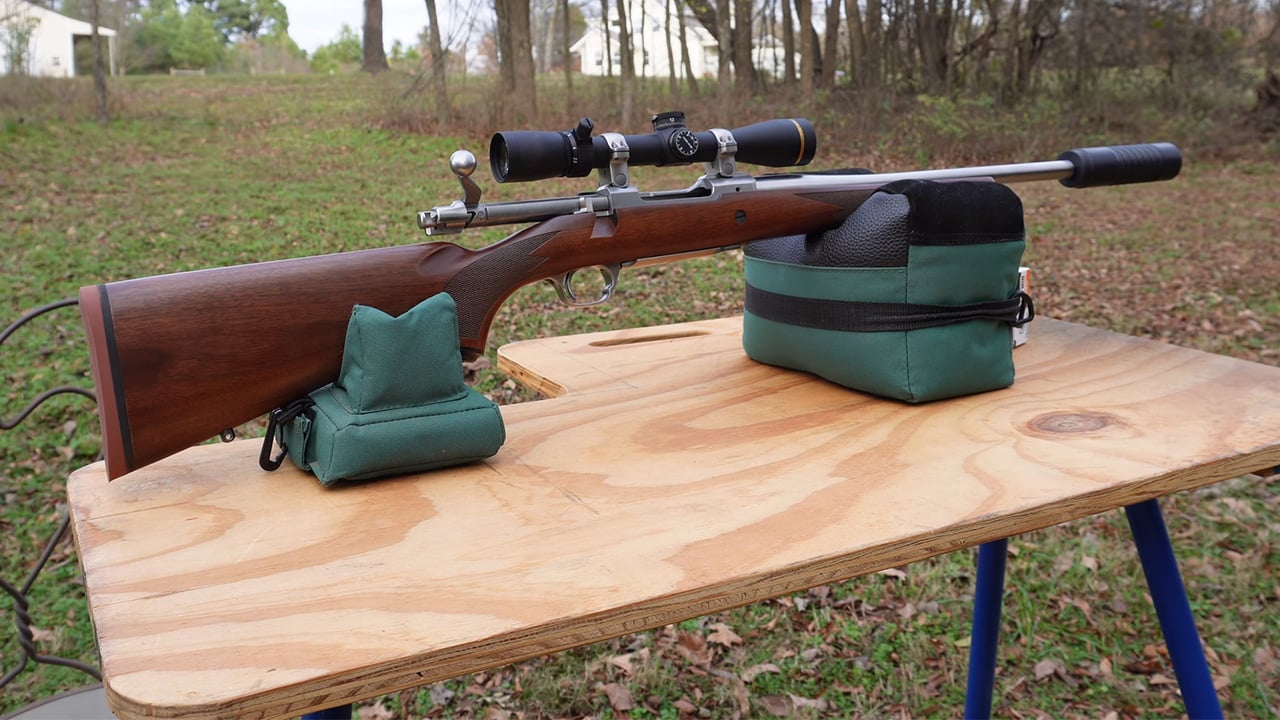
The .257 Roberts has been underrated for so long that some hunters barely know what they’re missing. It doesn’t have the modern hype of newer 6.5mm cartridges, and it doesn’t have the loud reputation of classic deer rounds like .270 Winchester or .30-06 Springfield. To a lot of people, it sounds like an old cartridge from another generation.
That old reputation hides how useful it still is. The .257 Roberts offers mild recoil, good velocity, and excellent field performance on deer-sized game with the right bullets. It’s especially appealing for hunters who want a cartridge that is easy to shoot well without feeling underpowered in the woods. It may not dominate store shelves, and ammo availability can be a drawback, but the cartridge itself has never stopped working.
7mm-08 Remington
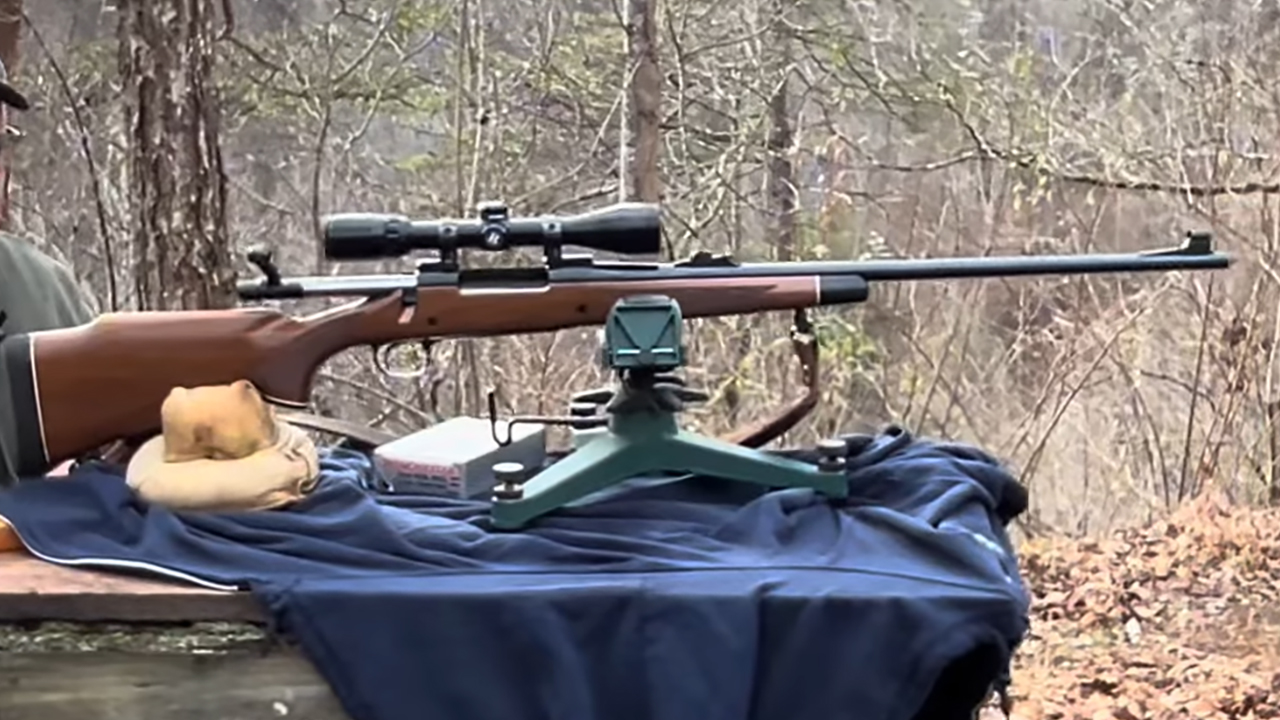
The 7mm-08 Remington keeps proving people wrong because it does almost everything a practical hunting cartridge needs to do without acting dramatic. It doesn’t kick hard, doesn’t require a magnum-length action, and doesn’t need a giant rifle to perform well. That quiet competence makes some shooters overlook it.
In the field, the 7mm-08 is one of the best balanced deer and general big-game cartridges around. It offers excellent bullet selection, manageable recoil, and enough authority for deer, hogs, black bear, and even elk with the right load and careful shot placement. It works especially well in compact rifles, which makes it great for hunters who don’t want unnecessary weight or recoil. It isn’t flashy. It’s just good.
.327 Federal Magnum

The .327 Federal Magnum is underrated because revolver shooters are usually loyal to what they already know. .38 Special, .357 Magnum, and .44 Magnum have the history, so the .327 often gets treated like an oddball. Ammunition availability doesn’t help its case either.
Still, the cartridge keeps proving people wrong because it offers a lot in small revolvers. It shoots flatter than many expect, hits harder than its size suggests, and can allow six rounds in compact revolvers that might only hold five in .357 Magnum. Many .327 revolvers can also shoot milder .32-caliber cartridges, adding flexibility for practice. It’s not common, but it’s a very smart cartridge for people who care about recoil, capacity, and real performance.
.35 Remington

The .35 Remington gets underrated because it isn’t fast, trendy, or built for long-range hunting. It’s an old woods cartridge, and modern rifle conversations are often obsessed with distance, ballistic coefficients, and flat trajectories. That makes the .35 Remington look outdated to people who don’t hunt where it shines.
Inside practical woods distances, it keeps proving them wrong. The .35 Remington hits with authority on deer, hogs, and black bear at the ranges where lever-action hunters usually work. It has a reputation for thump, and that reputation was earned honestly. Ammo availability can be a real issue now, and that matters. But as a cartridge, it remains much more capable than its fading popularity suggests.
.32 H&R Magnum
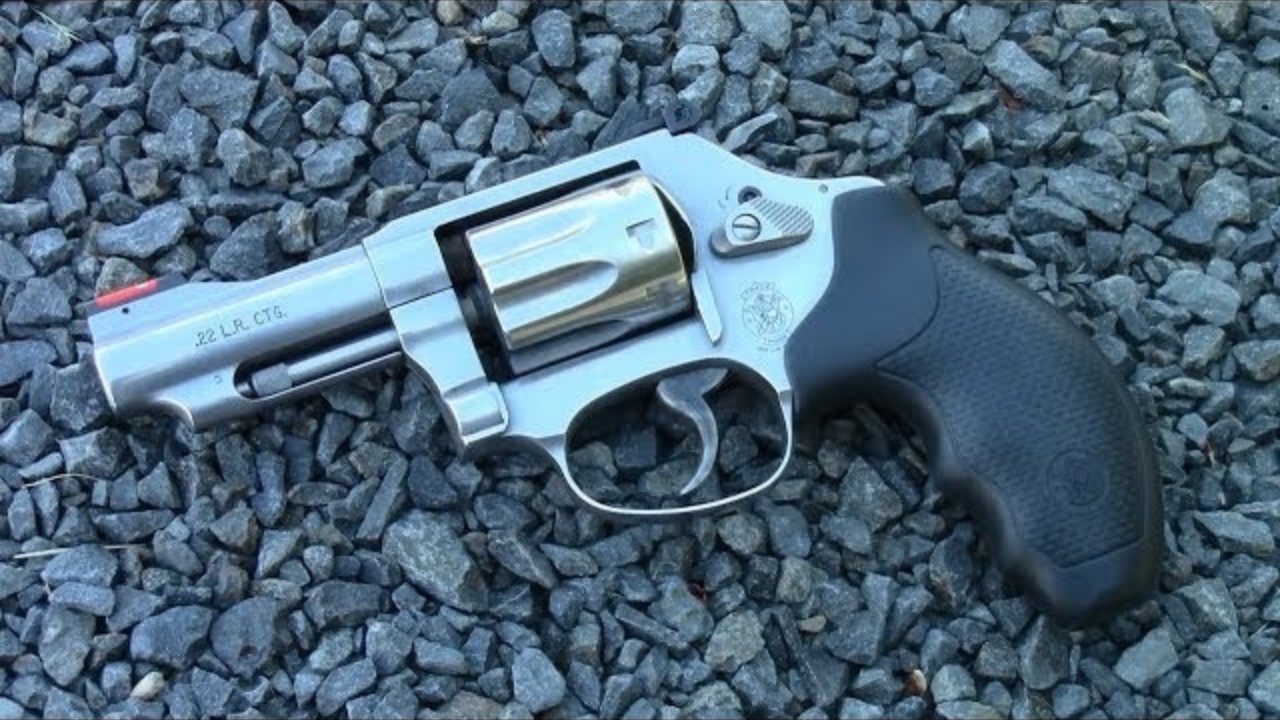
The .32 H&R Magnum is easy to underestimate because the word “magnum” makes people expect something louder and more dramatic. Compared with .357 Magnum or .327 Federal Magnum, it sounds mild. That mildness is exactly why it has value.
In small revolvers, .32 H&R Magnum gives shooters low recoil, good accuracy, and practical performance without the sharp snap that can make small .38s unpleasant. It can also allow an extra round in some compact revolvers. For recoil-sensitive shooters, older hands, or anyone who values control over ego, it makes a lot of sense. It may not be a powerhouse, but it keeps proving that shootability is its own kind of strength.
.280 Remington

The .280 Remington has spent most of its life being overshadowed by the .270 Winchester and 7mm Remington Magnum. That’s a tough place to live. It isn’t as iconic as the .270, and it doesn’t have the magnum label that gets people excited. So it quietly gets ignored.
That’s unfortunate, because the .280 Remington is excellent. It gives hunters strong 7mm bullet selection, useful velocity, and plenty of field performance for deer, antelope, elk, and similar game with proper bullets. It does a lot of what hunters want without the recoil and blast of bigger magnums. The cartridge never needed hype to be good. It just needed more people to notice.
.41 Magnum
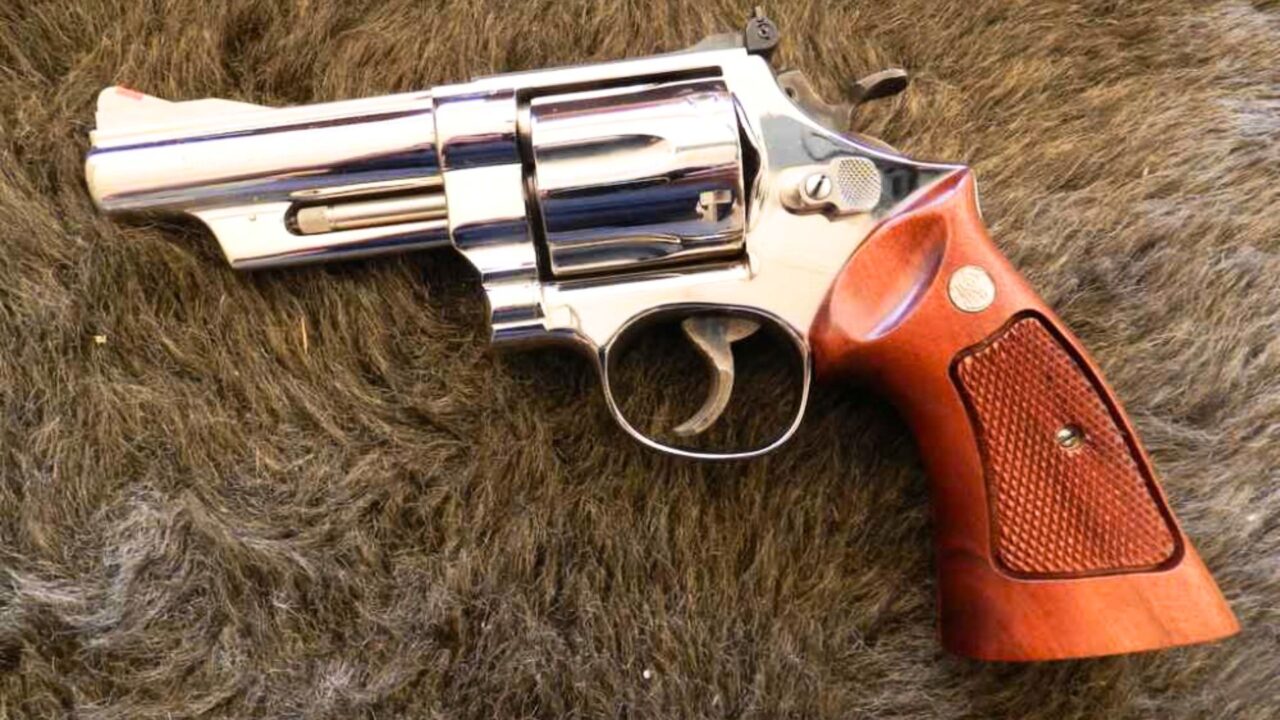
The .41 Magnum keeps proving people wrong because it lives in the shadow of two giants. The .357 Magnum is more common and easier to shoot. The .44 Magnum is more famous and more powerful. That leaves the .41 in a middle ground that too many shooters ignore.
But that middle ground is exactly what makes it useful. The .41 Magnum offers serious field performance, strong penetration with proper bullets, and a flatter-shooting feel than many expect. It can be excellent for handgun hunting and outdoors carry in the right revolver. Ammunition and gun choices are more limited, which keeps it from being mainstream. But capability has never been the problem. The people who use it tend to know exactly why they like it.
6.5 Grendel
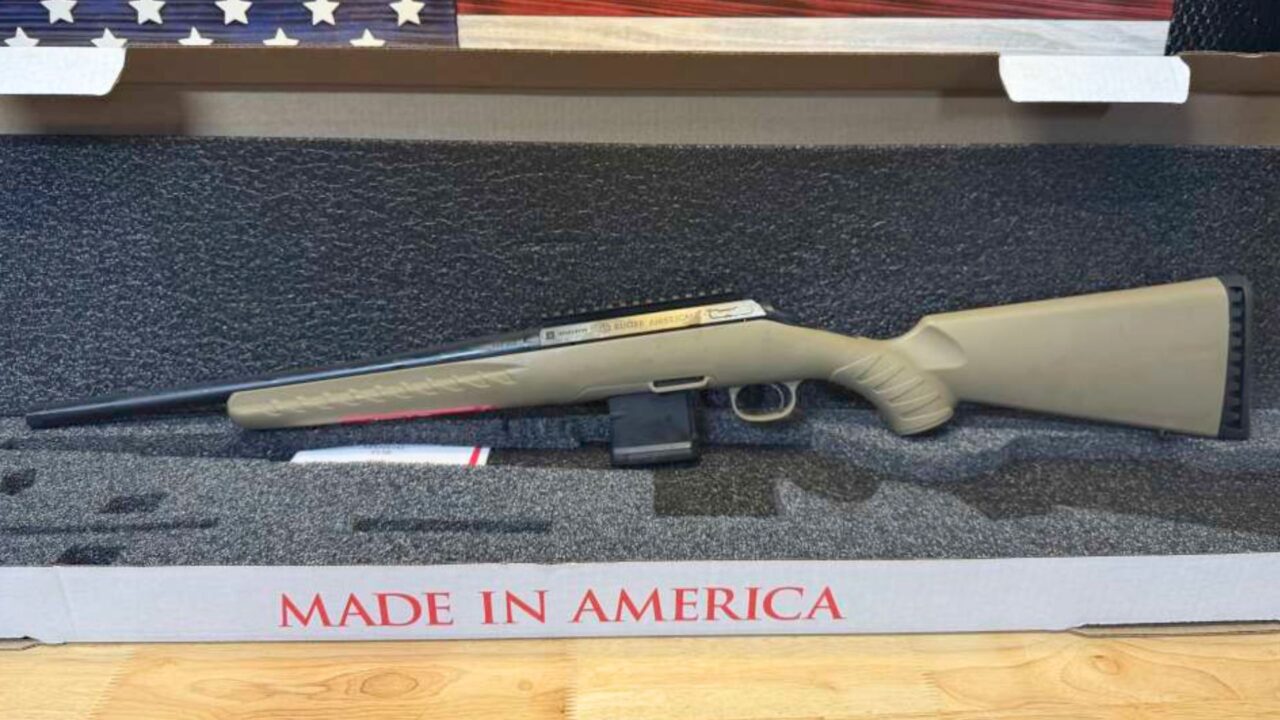
The 6.5 Grendel is underrated by people who judge it only by its size or its AR-15 origins. It doesn’t look like a hard-hitting rifle cartridge next to traditional deer rounds, and it certainly isn’t a magnum. That causes some hunters to dismiss it too quickly.
Within its limits, the Grendel performs very well. It carries energy better than many expect, shoots with mild recoil, and works nicely in compact rifles and AR-15 platforms. For deer, hogs, predators, and similar game where legal and appropriate, it can be very effective with the right bullet and realistic distances. The cartridge keeps proving people wrong because it does more than its small case suggests.
.44 Special
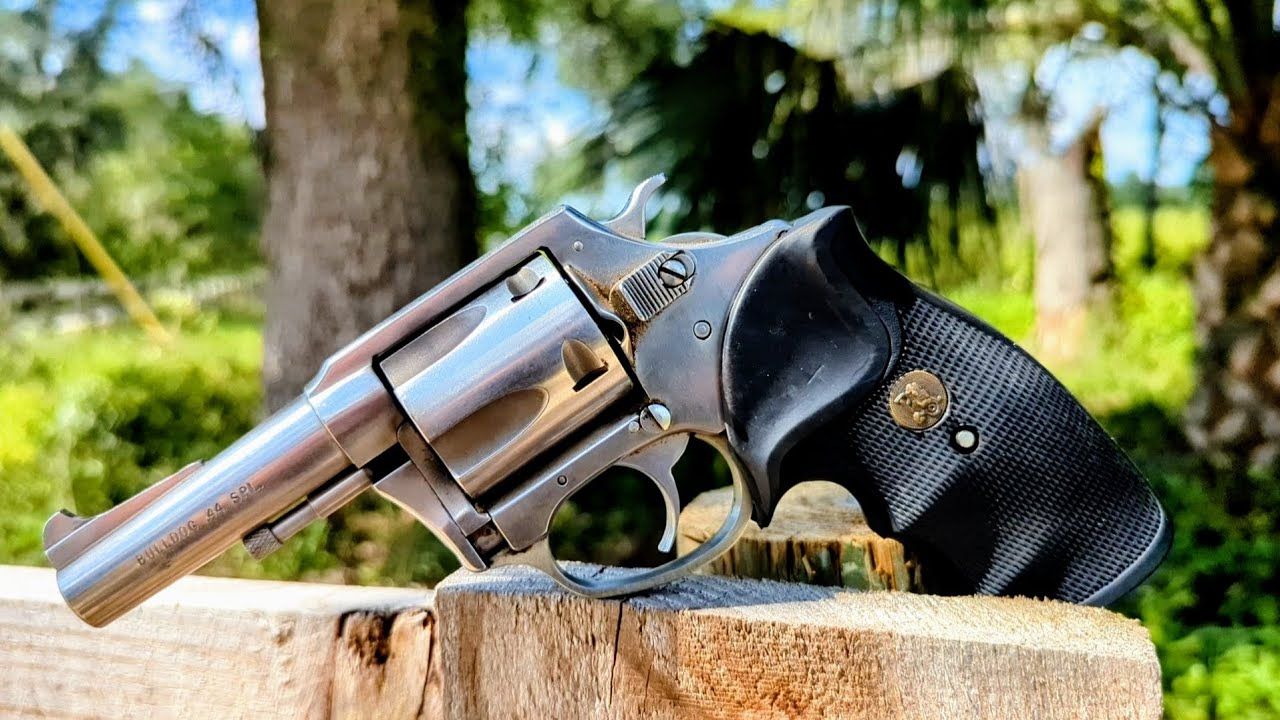
The .44 Special is underrated because it’s always compared with .44 Magnum. That comparison is unfair if the goal is controllable big-bore performance. The Special isn’t trying to be a hand cannon. It’s trying to be accurate, pleasant, and useful.
In a good revolver, .44 Special can be wonderfully shootable while still throwing a large-diameter bullet. It has a loyal following among handloaders, field carriers, and revolver shooters who care more about control than blast. It works well in defensive revolvers, trail guns, and range guns where a full-power magnum would be unnecessary. It keeps proving people wrong because it reminds shooters that mild does not mean pointless.
.358 Winchester

The .358 Winchester is underrated because it never became common enough for most hunters to understand it. It sounds odd to people used to .308 Winchester, .30-06 Springfield, and .270 Winchester. Since rifles and ammo are harder to find, it gets ignored before it even gets a fair hearing.
That’s a shame, because the .358 Winchester brings serious punch in a short-action package. It throws heavier bullets with authority and works very well on deer, hogs, black bear, and larger game at practical hunting distances. It is not built for long-range bragging, but it hits hard where many hunts actually happen. The cartridge keeps proving people wrong whenever someone sees what it does in the woods.
9x18mm Makarov
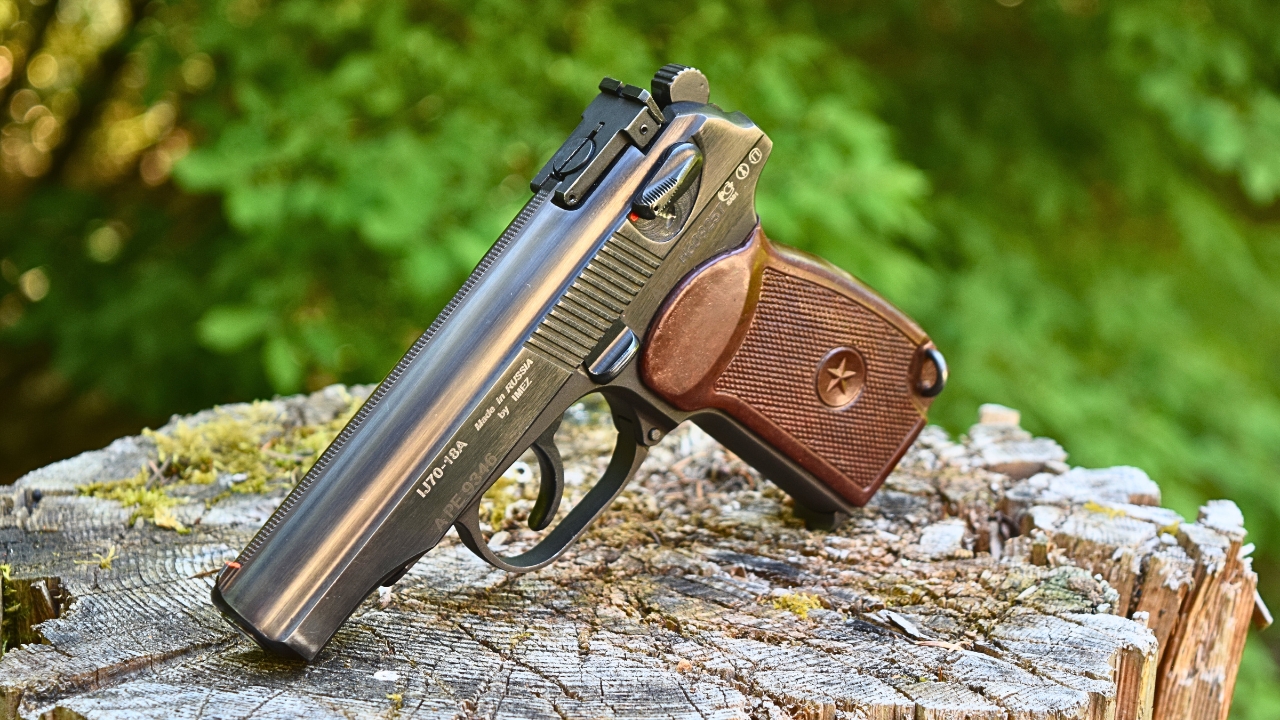
The 9x18mm Makarov is underrated because it constantly gets compared to 9mm Luger. It loses that comparison in power, popularity, and ammunition availability, so many shooters dismiss it as a lesser round. That’s understandable, but it misses the cartridge’s real context.
In pistols designed for it, like the Makarov PM and CZ 82, the 9x18mm Makarov can be reliable, accurate, and easy to shoot. It has more authority than many .380 ACP loads while staying manageable in compact blowback pistols. It is not the best modern defensive choice for most people because support and ammo are not as convenient. But it keeps proving that “not as powerful as 9mm Luger” does not mean useless.
.338 Federal
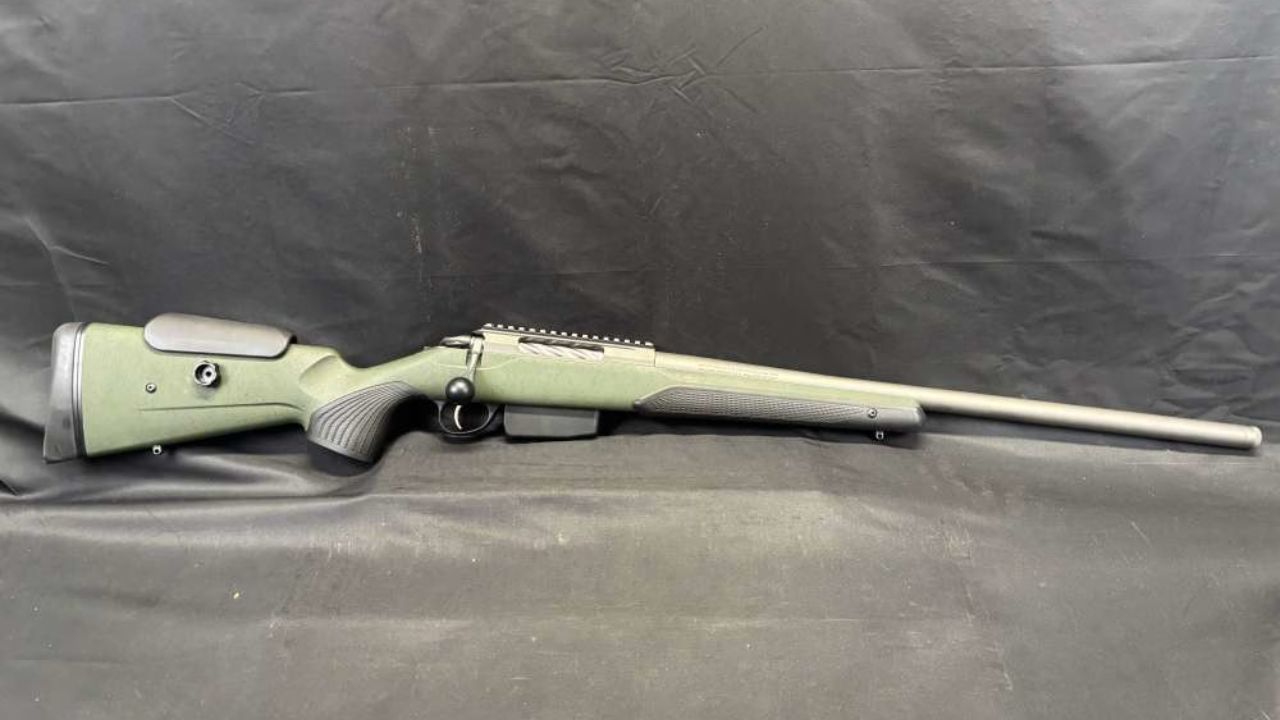
The .338 Federal is underrated because it landed in a market that didn’t quite know what to do with it. Many hunters already had .308 Winchester rifles, while others who wanted more power jumped straight to magnums. That left the .338 Federal in a quiet middle lane.
That middle lane is actually useful. It offers heavier bullet performance from a short-action rifle without the recoil, blast, and rifle length of larger magnums. For deer, hogs, black bear, and similar game, it brings real impact at normal hunting distances. It isn’t a long-range darling, and ammo availability can be limiting. But in the field, the cartridge hits with more authority than its popularity suggests.
.45 Colt
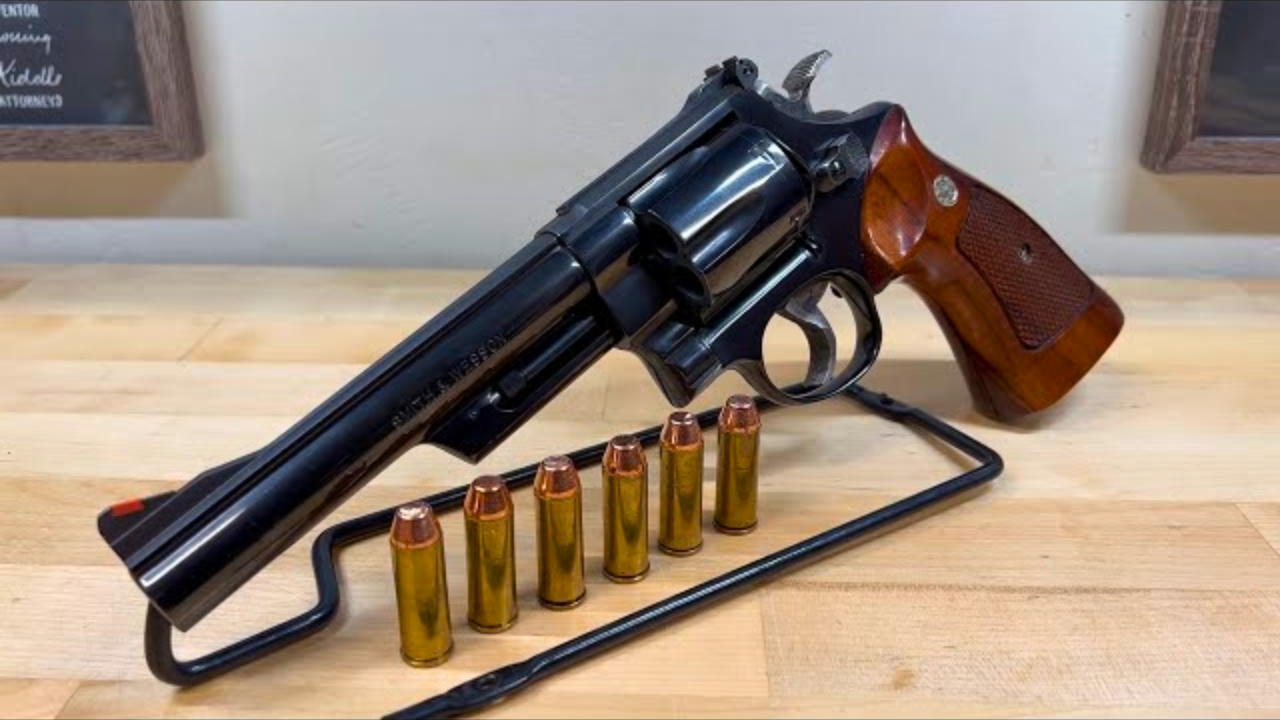
The .45 Colt keeps proving people wrong because it is constantly misunderstood. Some shooters think of it only as mild cowboy-action ammunition. Others only talk about heavy loads in strong modern revolvers. The cartridge is capable of both, depending entirely on the firearm.
That flexibility is why it deserves respect. Standard-pressure .45 Colt is accurate, pleasant, and excellent in traditional single-action revolvers. In strong revolvers built for heavier loads, it can become a serious hunting and field cartridge. The danger is assuming all .45 Colt loads fit all .45 Colt guns, because they absolutely do not. Used correctly, it is one of the most interesting big-bore handgun cartridges ever made.
.300 Savage

The .300 Savage is underrated because most people think of it as the cartridge that led toward the .308 Winchester. That historical connection makes it sound like a stepping-stone rather than a legitimate hunting round in its own right. But deer don’t care about cartridge family trees.
The .300 Savage has taken a lot of game over the years, especially in rifles like the Savage 99. It offers plenty of performance for normal deer woods and moderate hunting distances. It won’t match the .308 in modern support or versatility, and ammo availability can be a concern. But as a field cartridge, it still hits harder than many younger shooters expect. It keeps proving people wrong because old does not mean ineffective.
.45-70 Government
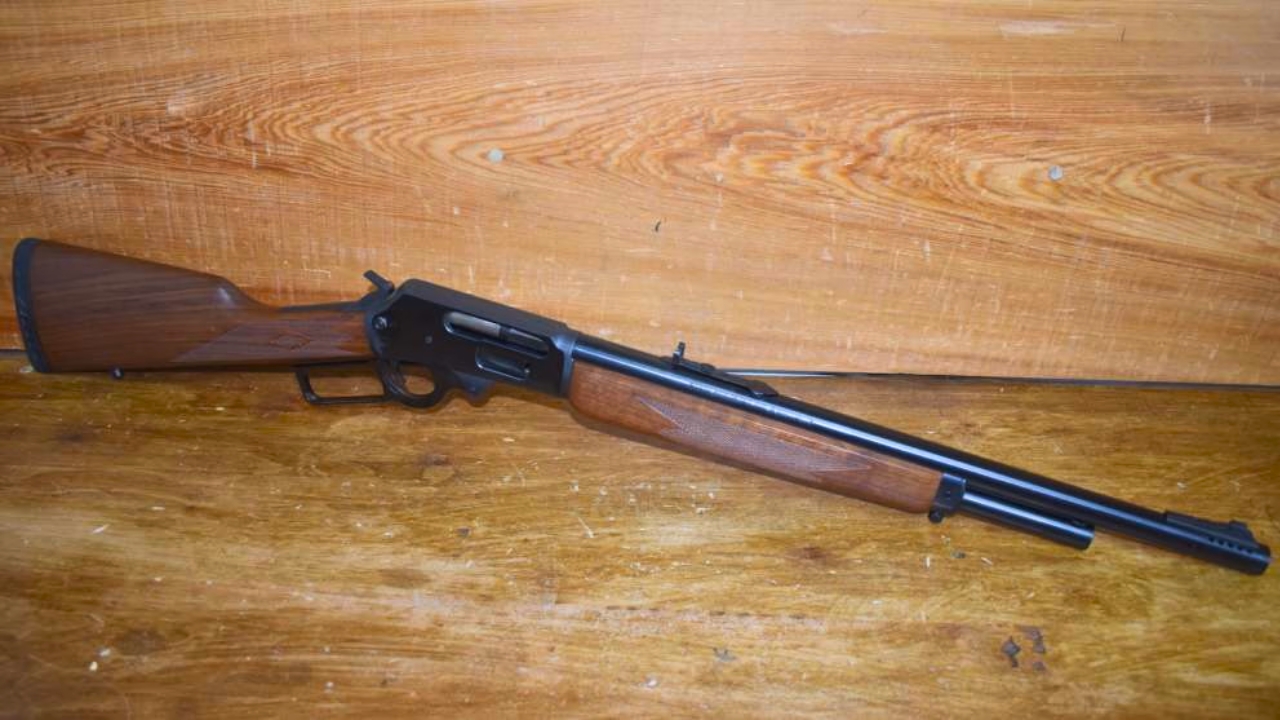
The .45-70 Government is famous, but it is still underrated by people who misunderstand its role. Some see it as an ancient black-powder relic. Others treat it like a novelty thumper with more nostalgia than usefulness. Neither view gives it enough credit.
In modern rifles with appropriate loads, the .45-70 brings serious close- to medium-range authority. It works well for thick cover, larger game, hogs, black bear, and situations where heavy bullets and deep penetration matter. Recoil can be substantial, and loads must be matched carefully to the firearm. But when used correctly, the cartridge keeps proving that a 150-year-old idea can still hit very hard.
Like The Avid Outdoorsman’s content? Be sure to follow us.
Here’s more from us: