Photo credit: AI-generated image created using ChatGPT. Illustrative only
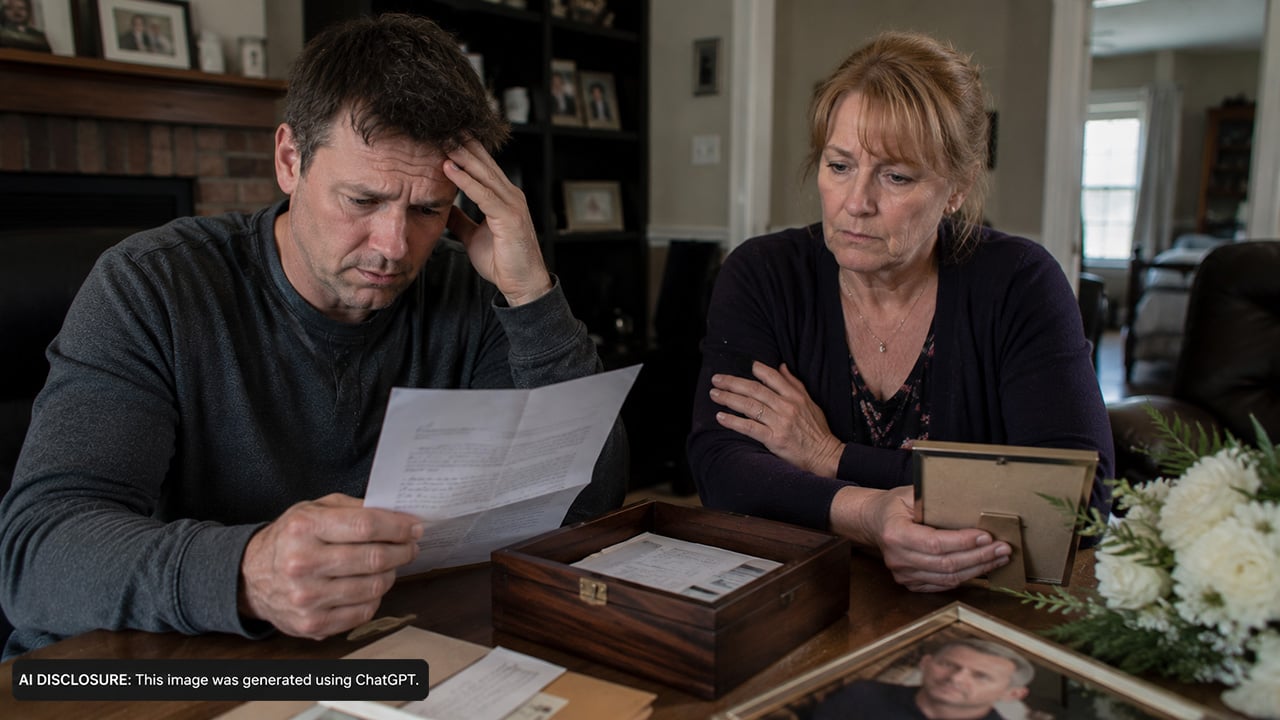
A man in South Carolina got a call nobody wants: his father had died by suicide in Georgia, and there was no will. He hadn’t seen his dad since he was 14, and the relationship was complicated by his father’s ex-girlfriend—someone he says had been openly hostile toward him for years. Now, with an estate to sort out across state lines, he walked into a situation that felt less like a straightforward property pickup and more like a controlled scene where things were already disappearing.
The details were laid out in the original post, and they’ll sound familiar to anyone who’s ever helped a family member clean out a cabin, a shop, or a house after a death: the firearms that were “always there” suddenly aren’t, and the person with the keys is acting like you’re lucky to be allowed inside.
The first red flag: “There were a lot of guns in the house”
After driving to Georgia, the son met with the detective who handled the suicide case. The detective provided the report and property found on his father’s body, and he also passed along something important: the responding officer had reportedly said there were “a lot of guns in the house.” For outdoorsmen, that phrase usually means more than one deer rifle and an old 12 gauge—often it’s a safe, cases, maybe handguns, and sometimes the kind of collection you build over decades.
That matters because it sets a baseline. If a responding officer observed multiple firearms, and then later the next of kin arrives to find none, that’s not a misunderstanding about a single heirloom shotgun. That’s a big change in inventory, and it’s the kind of change that can become “civil” fast if you can’t prove what was there.
When access is controlled, property has a way of walking off
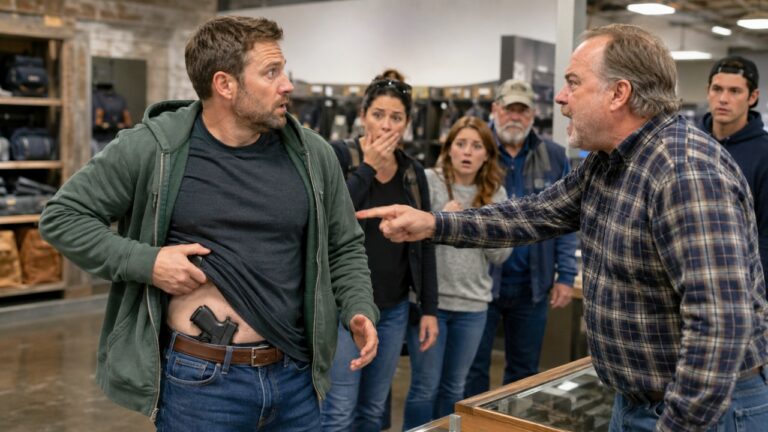
According to the son, when they finally arranged access to the house, the ex-girlfriend was confrontational and dismissive, telling him he was only there “as a courtesy.” She had already arranged to have his father’s safe cut open, and she floated the idea that there was “probably a will leaving everything to her.” But there was no will.
The son also described the ex-girlfriend bringing along friends—“large military guys”—who made nasty comments within earshot. That kind of pressure campaign doesn’t have to turn physical to do its job. In the real world, it’s a way of telling somebody, “Don’t push this.” For a grieving family member trying to keep a level head, it also changes the safest play: get what you can, document what you can, and leave without a confrontation.
The missing guns and guitars didn’t add up
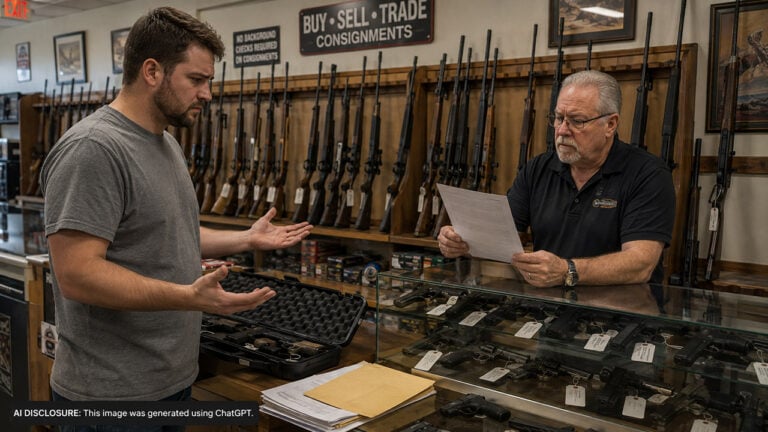
Once inside, the son noticed what wasn’t there. No guns were out. No guitars or amps either, even though he knew his father played. When he asked about missing items, he says the ex-girlfriend’s go-to answer was that his dad had sold things on eBay.
Here’s the problem: the son had papers from his father and learned the eBay account information, and he said his father hadn’t sold the items he was being told were “gone.” In estate disputes, vague explanations are common, but verifiable ones are rare. If you can check an account history and it doesn’t match the story, that’s not a small discrepancy—it’s a sign someone may be trying to launder a removal as a normal sale.
“They removed them so they wouldn’t get stolen”—and why police may not call it theft
The most telling detail came secondhand. The former boss of the father and the ex-girlfriend reportedly asked about the guns, and was told by people at the house that they had removed the firearms “so they wouldn’t get stolen.” The son says nobody told him that at the time, and the detective and others seemed “pretty certain she and her friends took them.”
To a gun owner, the “we moved them for safekeeping” line can sound half-reasonable until you remember the basics: you don’t get to “safekeep” somebody else’s property without permission just because you’re the closest person to the house. But this is where things get sticky in the real world. If the ex-girlfriend owned the home and your dad was living there, and if the guns were in that home at the time of death, law enforcement may view the situation as a civil property dispute unless there’s clear proof of intent to steal, clear proof of ownership, and clear proof of who took what.
The son tried to follow up the right way: he called the detective, who directed him to speak with the responding officer. At that point, he hadn’t been able to reach the officer and was waiting through a few days off. Meanwhile, the ex-girlfriend “closed off the house” to him after he managed to retrieve a motorcycle he’d briefly considered leaving because he wasn’t sure how to move it.
The practical moves outdoorsmen talk about in situations like this
When guns are involved, folks tend to focus on two tracks: safety and paper. The safety angle is obvious—if firearms were moved, you want to know where they went, who has them, and whether they’re stored responsibly. The paper angle is what keeps a bad situation from turning into a permanent loss.
In plain terms, the best leverage usually comes from documentation: make and model lists (if you have them), serial numbers from purchase paperwork, photos showing the firearms existed, insurance schedules, old texts or emails, even range buddies who can verify what your dad owned. Without that, it can be hard for law enforcement to separate “missing” from “claimed.” It also helps to get legally appointed authority over the estate as quickly as possible—because until you’re the administrator/executor recognized by the court, your ability to demand property back can be limited, even if you’re next of kin.
There’s also a common-sense point that doesn’t get said enough: don’t try to out-muscle someone who’s already showing up with backup. If the other side is bringing “friends” to the house, you bring paperwork and deputies—not buddies. Escalation around guns is how people get hurt and how the real issue gets buried under a bigger one.
Why this hits home for gun owners and families
Most hunters and shooters know what a collection represents. It’s not just dollars. It’s tags punched, seasons remembered, the rifle you learned on, the shotgun that rode behind the seat, and sometimes firearms that were meant to be passed down. When those disappear in the gap between death and probate, it’s a gut punch—and it can create a second wave of grief that feels like betrayal.
This situation also shows why a simple will and a basic inventory matter. A handwritten list with serial numbers, stored securely, can keep a family from getting steamrolled. And if you’re living in someone else’s home—especially with a shaky relationship—secure storage and clear ownership records aren’t optional. They’re how you keep your guns from becoming somebody else’s “safekeeping” story.
For the son in this case, the hardest part wasn’t just what was missing. It was the sense that the firearms were likely removed before the estate process even had a chance to start—and that the initial response he was getting sounded more like a shrug than an investigation. That’s a tough spot, and it’s exactly why gun owners should plan ahead, keep records, and make sure the right person can lawfully step in when the unexpected happens.
Like The Avid Outdoorsman’s content? Subscribe to our newsletter so you never miss an article.
Here’s more from us: