Photo credit: The Jimmini Show/Youtube
Some guns look ordinary right up until the market proves otherwise. They sit on used racks for years, get treated like common working guns, or seem too plain to be worth much attention. Then prices start creeping up, clean examples disappear, and suddenly everyone acts surprised that the “boring” gun was worth keeping.
That’s the funny thing about useful firearms. The ones people ignore are often the ones they miss later. They may not have seemed rare, fancy, or exciting at the time, but demand catches up when shooters realize nothing new feels quite the same. These firearms seemed ordinary until prices told a very different story.
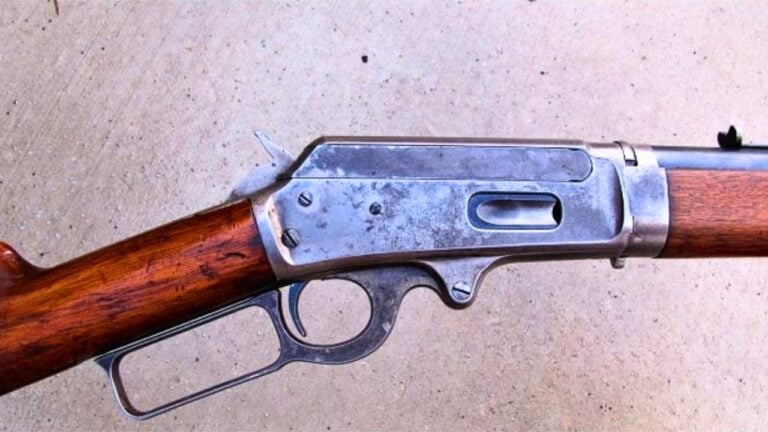
Marlin 336 JM-stamped rifles
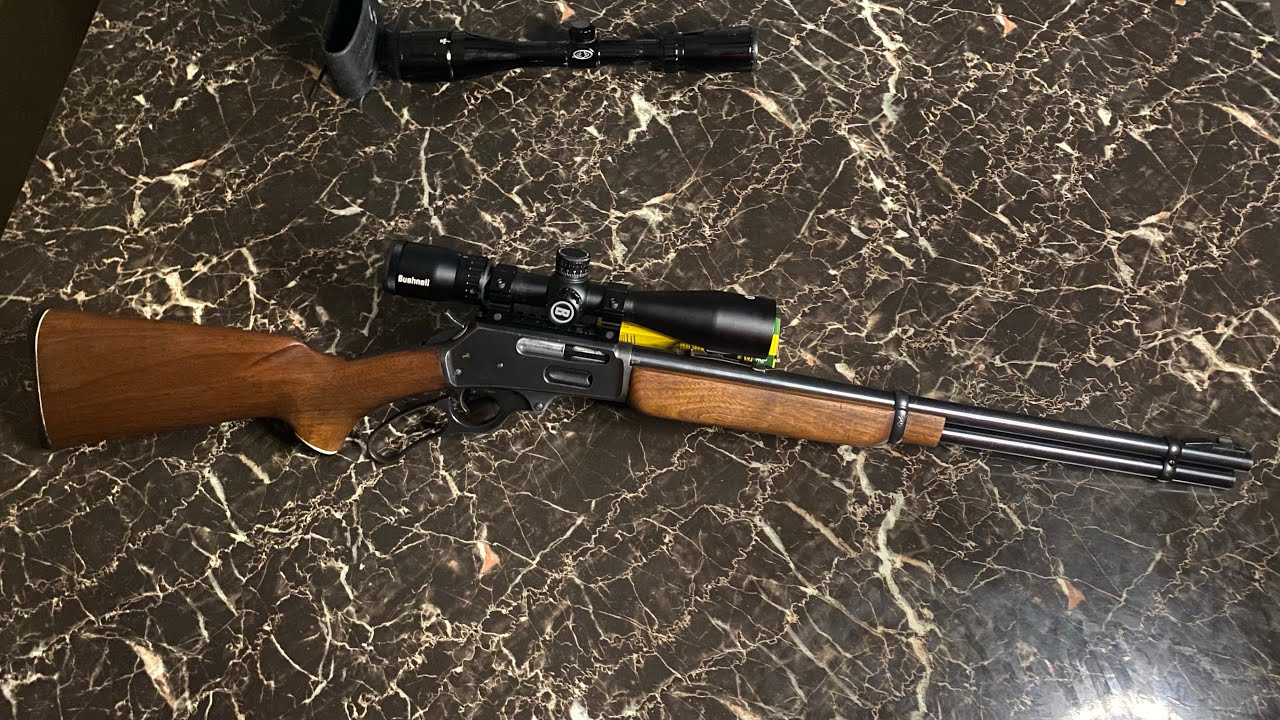
For years, the Marlin 336 was about as ordinary as a deer rifle could get. It was the lever-action you saw in closets, camps, pawn shops, and truck racks. A .30-30 Marlin didn’t feel rare because it was everywhere. That made a lot of people take them for granted.
Prices started telling a different story once older JM-stamped rifles became more desirable. Hunters and collectors began looking harder at fit, finish, and reputation from earlier production eras. A good 336 still carries well, shoulders fast, and works beautifully in real deer woods. It is not a long-range rifle, and that has never hurt its purpose. The market caught up because practical lever guns with old Marlin character are not as easy to replace as people assumed.
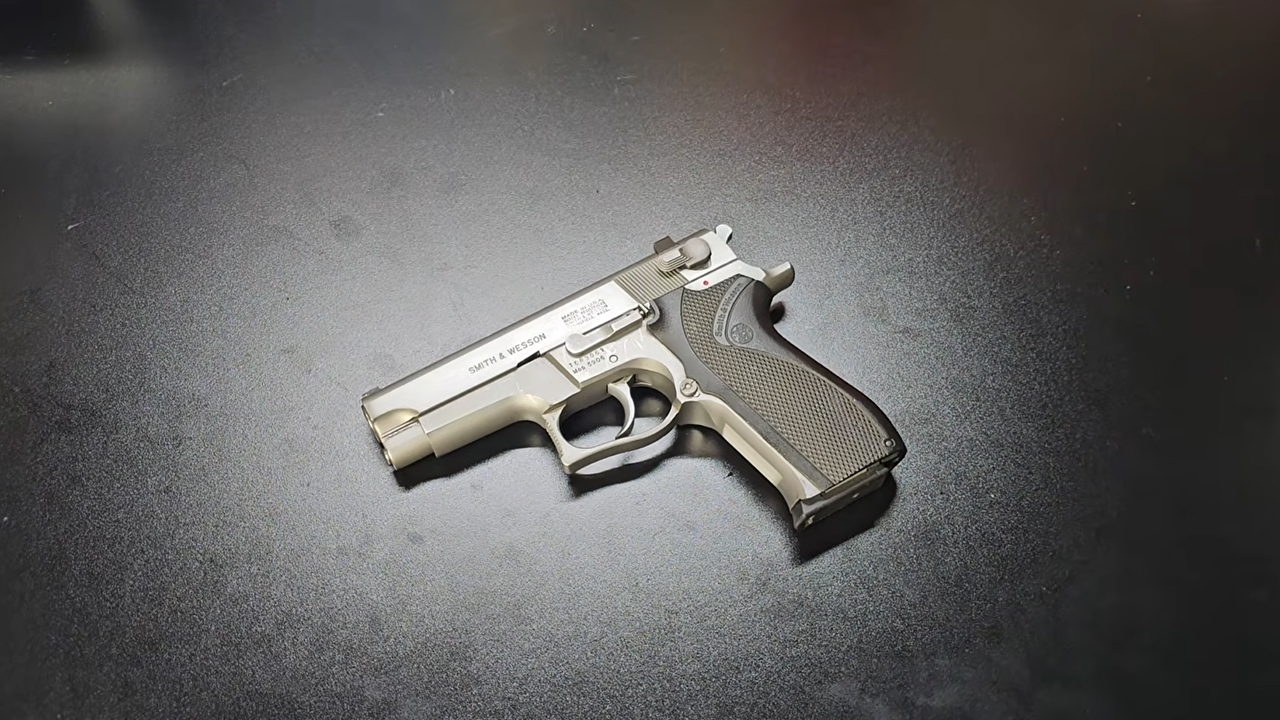
Smith & Wesson Model 5906
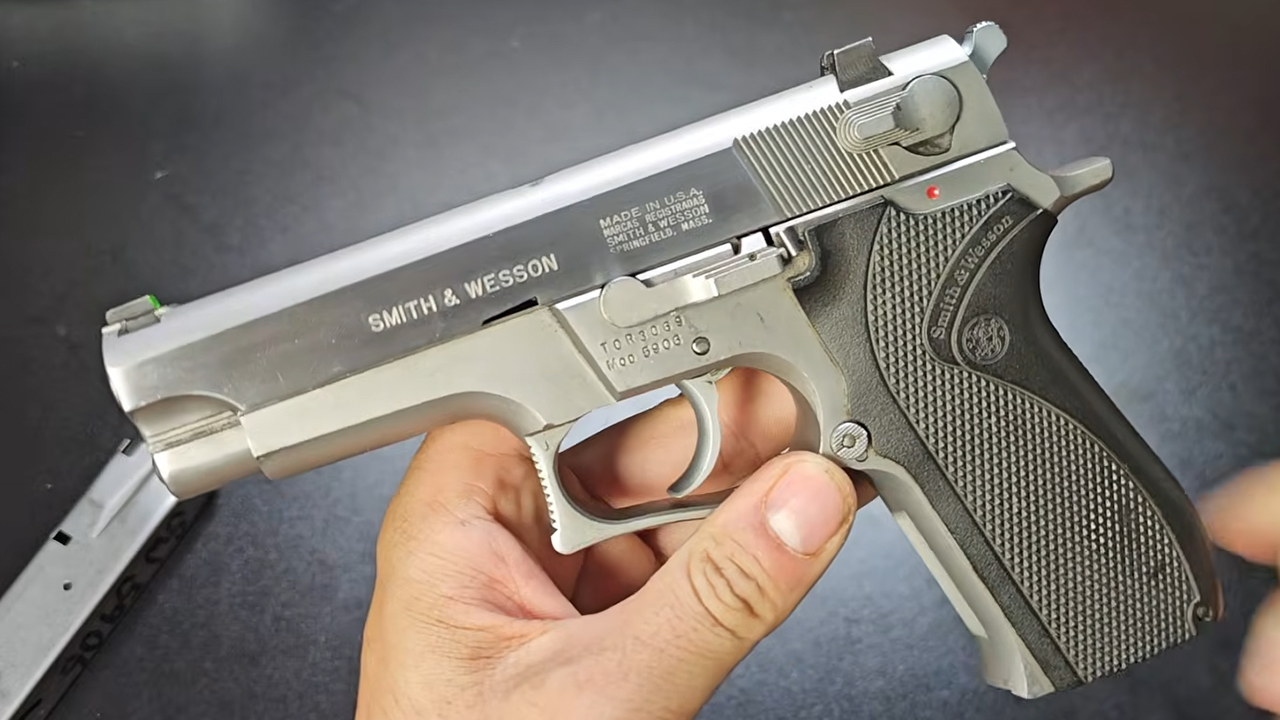
The Smith & Wesson Model 5906 looked ordinary when police trade-ins and used third-generation Smiths were easier to find. It was a heavy stainless DA/SA 9mm from a service-pistol era that polymer guns had already pushed aside. For a while, that made it seem more outdated than desirable.
Then people started appreciating what those pistols offered. The 5906 is durable, soft-shooting, and built with a kind of all-metal confidence that many newer budget pistols don’t have. It is too heavy for many modern carry needs, but that weight makes it pleasant at the range. Clean examples with good magazines have become more interesting because shooters realized “old duty gun” can also mean “built like it meant something.” The price followed the respect.
Winchester Model 9422
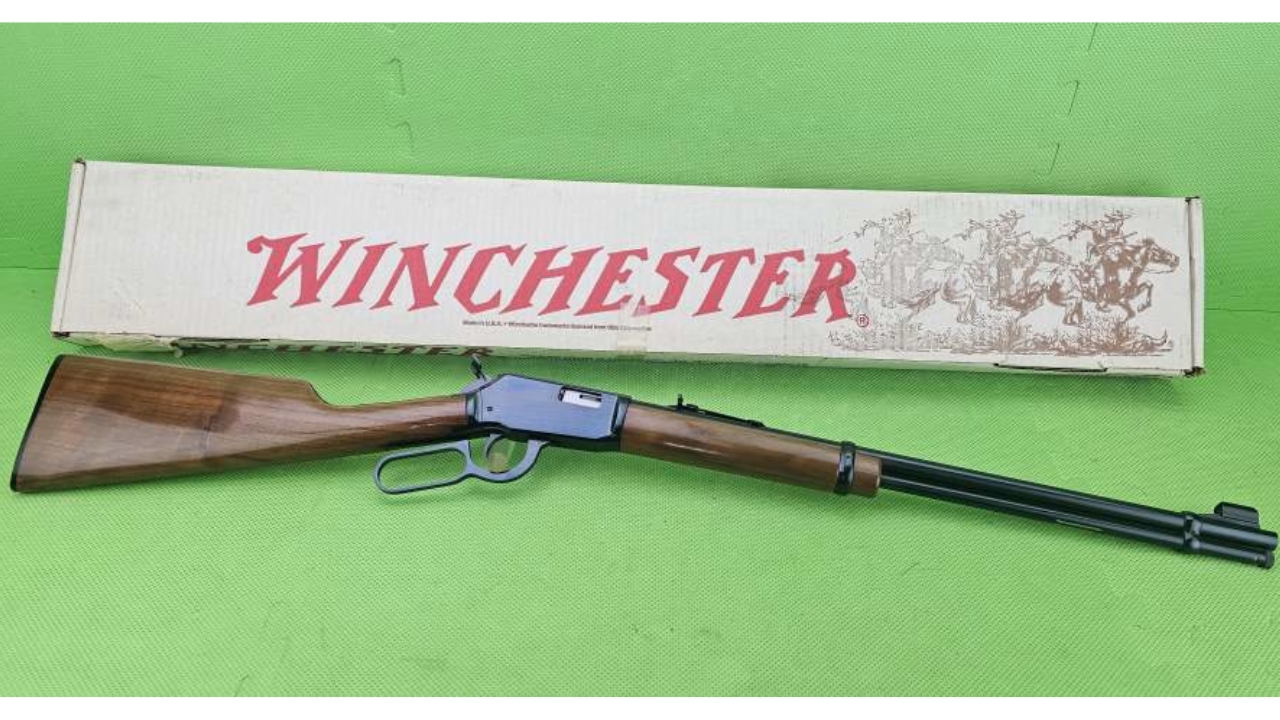
The Winchester Model 9422 was once seen as a nice lever-action .22, but still a .22. That “just a rimfire” attitude made plenty of owners underestimate what they had. It was fun, smooth, and useful, but not everyone treated it like something they would struggle to replace later.
Now clean examples bring the kind of prices that make former owners wince. The 9422 feels like a real rifle, with quality and handling that stand far above many casual rimfires. It works for small game, plinking, and teaching new shooters, but it also has enough charm for seasoned shooters to love it. Prices climbed because people realized a well-built rimfire can be one of the most important guns in the safe.
Ruger Security-Six
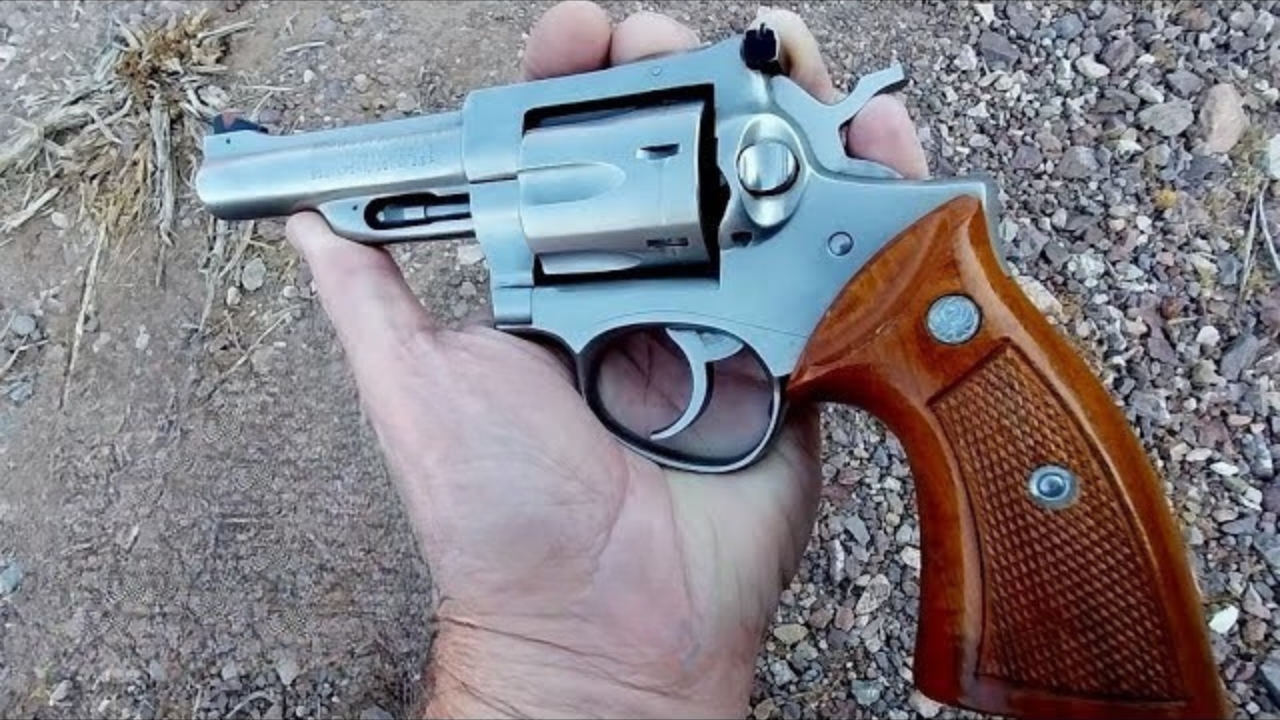
The Ruger Security-Six used to sit in that practical, no-nonsense revolver category. It wasn’t as polished as a Smith & Wesson and didn’t have Colt collector prestige. It was a sturdy .357 Magnum wheelgun that regular shooters could afford and use. That made it easy to overlook.
The market eventually noticed what owners already knew. The Security-Six is lighter and handier than the GP100 that replaced it, while still feeling strong enough for real .357 use. It carries well, shoots .38 Special comfortably, and handles magnum loads with more confidence than many smaller revolvers. Prices started rising because Ruger no longer makes that exact balance. Ordinary stopped looking ordinary once shooters wanted it back.
Colt Detective Special

The Colt Detective Special was a working snubnose before it became a prize for collectors and revolver fans. For years, small revolvers were judged against newer carry pistols and ultralight options, which made old steel snubs seem less practical to some buyers. That kept plenty of people from appreciating them fully.
Now the Detective Special looks a lot smarter. Six rounds in a compact steel frame, classic Colt lines, and better shootability than many featherweight snubs give it real appeal. Good examples are not something to buy casually, because timing, lockup, and condition matter. But when one checks out, it has a feel newer small guns rarely match. Prices reflect that realization. The little Colt was never as ordinary as people treated it.
CZ 527 Carbine

The CZ 527 Carbine looked like a niche little bolt-action when it was still on the shelf. It had a mini-Mauser-style action, detachable magazine, and compact size that didn’t fit neatly into the usual deer-rifle or AR categories. Some shooters loved it, but plenty walked right past it.
Discontinuation changed the conversation. Suddenly, that handy size and odd charm became harder to find. In chamberings like .223 Remington and 7.62×39, the 527 Carbine made sense for predators, range use, ranch work, and small-to-medium game where legal and appropriate. It carried well and had more personality than most compact rifles. Prices rose because shooters realized the little CZ filled a lane that newer rifles don’t quite cover the same way.
Browning Auto-5

The Browning Auto-5 was common enough for long enough that many shooters forgot how special it was. It sat in closets, duck camps, and family gun cabinets as an old semi-auto shotgun with a funny humpback receiver. Newer gas and inertia guns made it seem heavy and old-fashioned.
Then clean Auto-5s started looking better by the year. The long-recoil action has character, the receiver profile points naturally for many shooters, and the shotgun carries a history few modern guns can touch. It does require proper friction ring setup and basic understanding, so it is not as simple as some newer semi-autos. But good examples have soul and function. Prices climbed because buyers realized old-fashioned can still be desirable when the gun was built right.
Remington 700 BDL
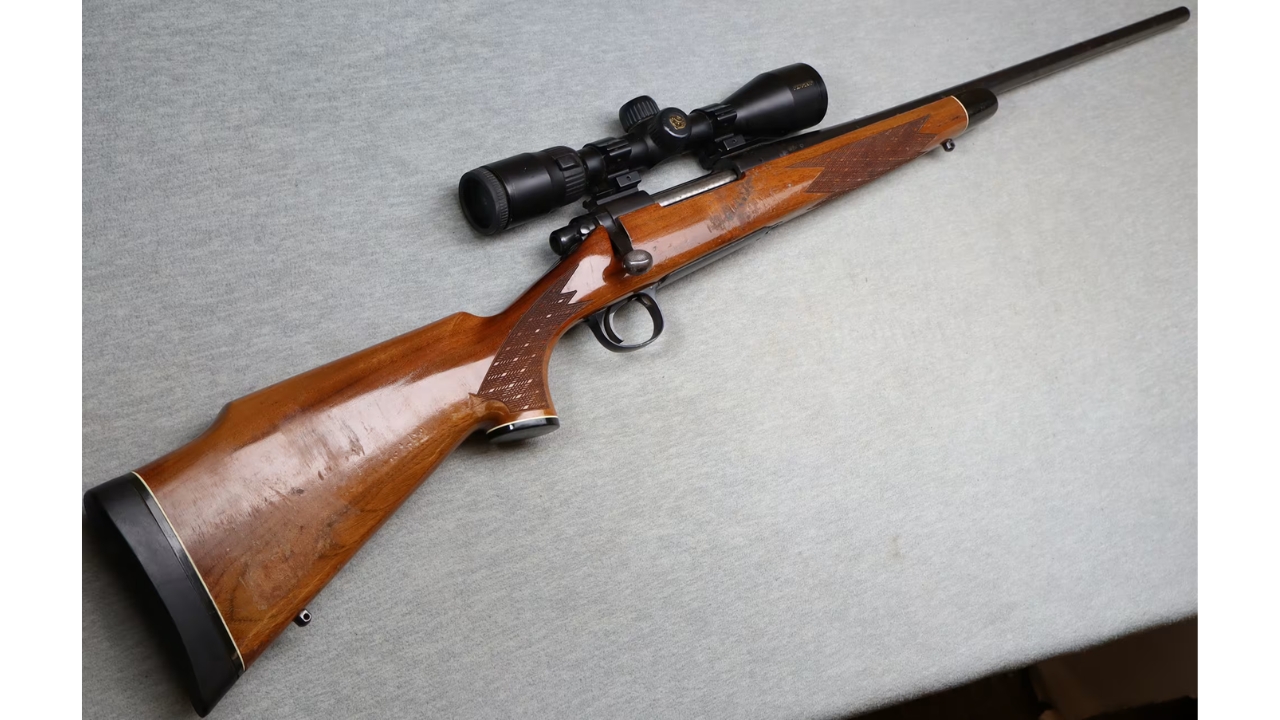
The Remington 700 BDL used to be a normal nice hunting rifle. Walnut, blued steel, a hinged floorplate, and classic Remington lines were not unusual when plenty of hunting rifles still looked that way. As synthetic stocks and budget rifles took over, the BDL started standing apart more than people expected.
Clean older BDLs became more desirable because they feel like real sporting rifles. The 700 action has massive aftermarket support, but the BDL’s appeal is not only about customization. It is about balance, tradition, and a rifle that feels worth keeping. Production era and condition matter, especially with used rifles, but good examples still draw attention. Prices told the story once hunters started missing rifles that felt less disposable.
Smith & Wesson Model 3913
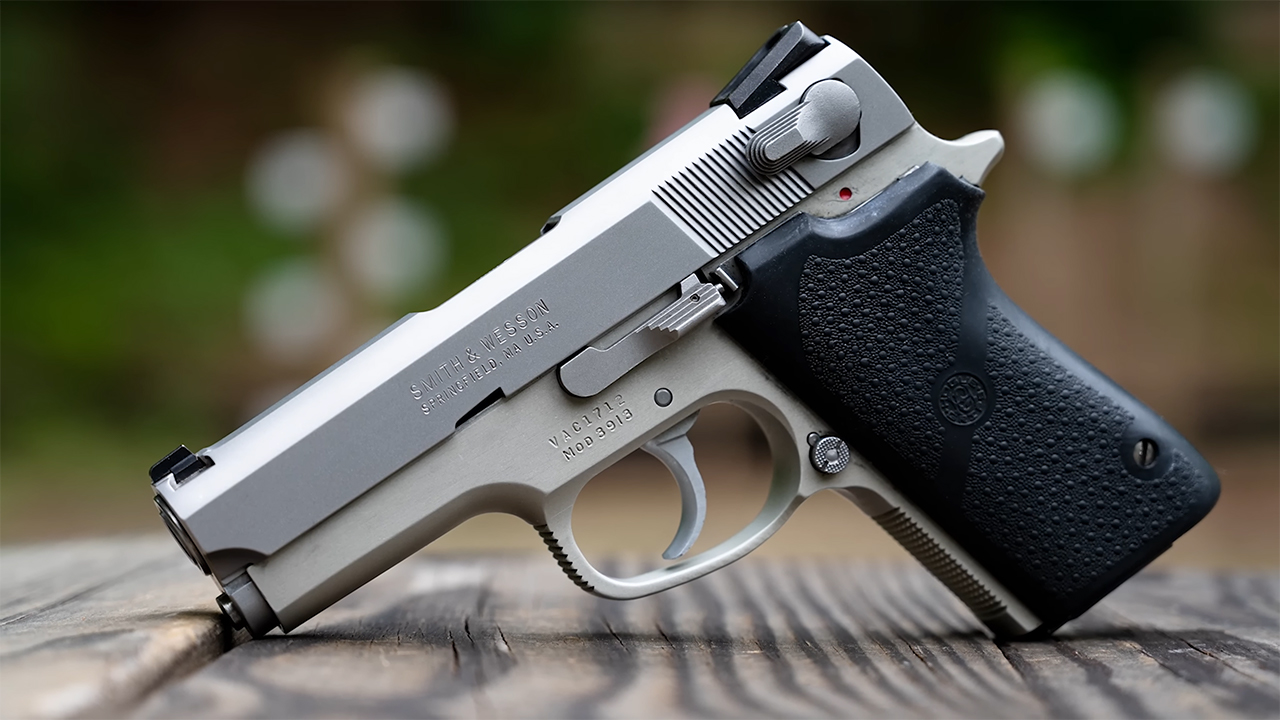
The Smith & Wesson Model 3913 seemed ordinary when single-stack carry pistols were everywhere and polymer guns were taking over. It was slim, practical, and well-made, but not flashy. Once higher-capacity micro-compacts arrived, the 3913 looked even easier to dismiss on specs.
Then people began noticing how well it carried and shot. The alloy frame keeps it comfortable, the single-stack grip is slim, and the pistol has a refined feel that many tiny modern guns don’t match. It doesn’t win a capacity contest, and magazines or parts can take more effort now. That scarcity only adds to the appeal. Prices rose because shooters realized older metal-frame carry pistols had qualities newer designs often gave up.
Savage Model 99

The Savage Model 99 spent years as an old deer rifle before many buyers fully appreciated how clever it was. It offered lever-action handling with cartridge capability that traditional tube-fed rifles couldn’t match. Still, plenty of people treated used examples like ordinary hunting guns.
That changed as clean rifles became harder to find and the design’s uniqueness stood out more. The rotary magazine on many versions allowed pointed bullets, while chamberings like .300 Savage, .308 Winchester, and .250-3000 Savage kept the rifle practical. Condition matters because the action is more complex than simpler lever guns. But a good 99 has a feel and history that current rifles rarely match. Prices started reflecting the fact that nothing truly replaced it.
Beretta 390
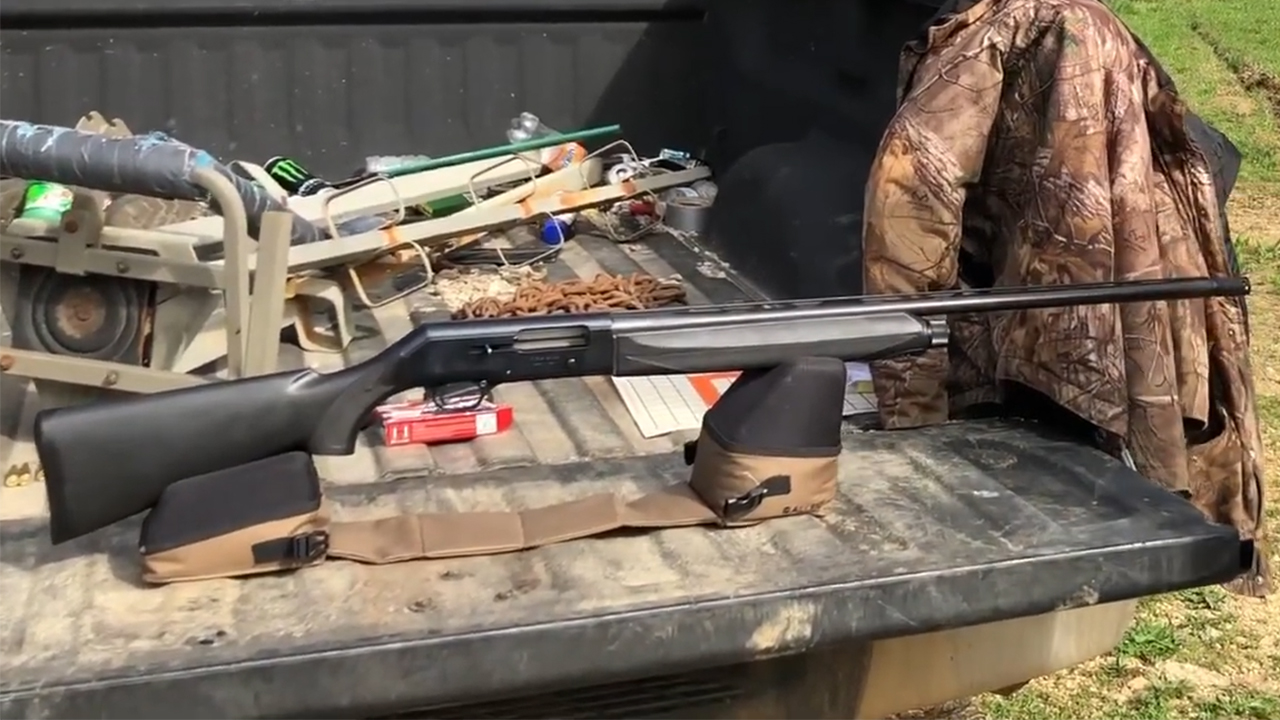
The Beretta 390 once looked like a solid but ordinary gas semi-auto shotgun. Newer Beretta models arrived with updated styling, different features, and more modern controls. That made the 390 seem like yesterday’s shotgun to buyers who were only looking forward.
Shooters who kept them knew better. The 390 is soft-shooting, well-balanced, and reliable when maintained properly. It works for clays, dove fields, upland hunting, and general shotgun use without needing much explanation. Used semi-autos always need inspection, especially the gas system and wear parts, but a cared-for 390 still feels excellent. Prices rose because people realized a shotgun that fits and shoots naturally is not outdated just because a newer model exists.
Ruger No. 1
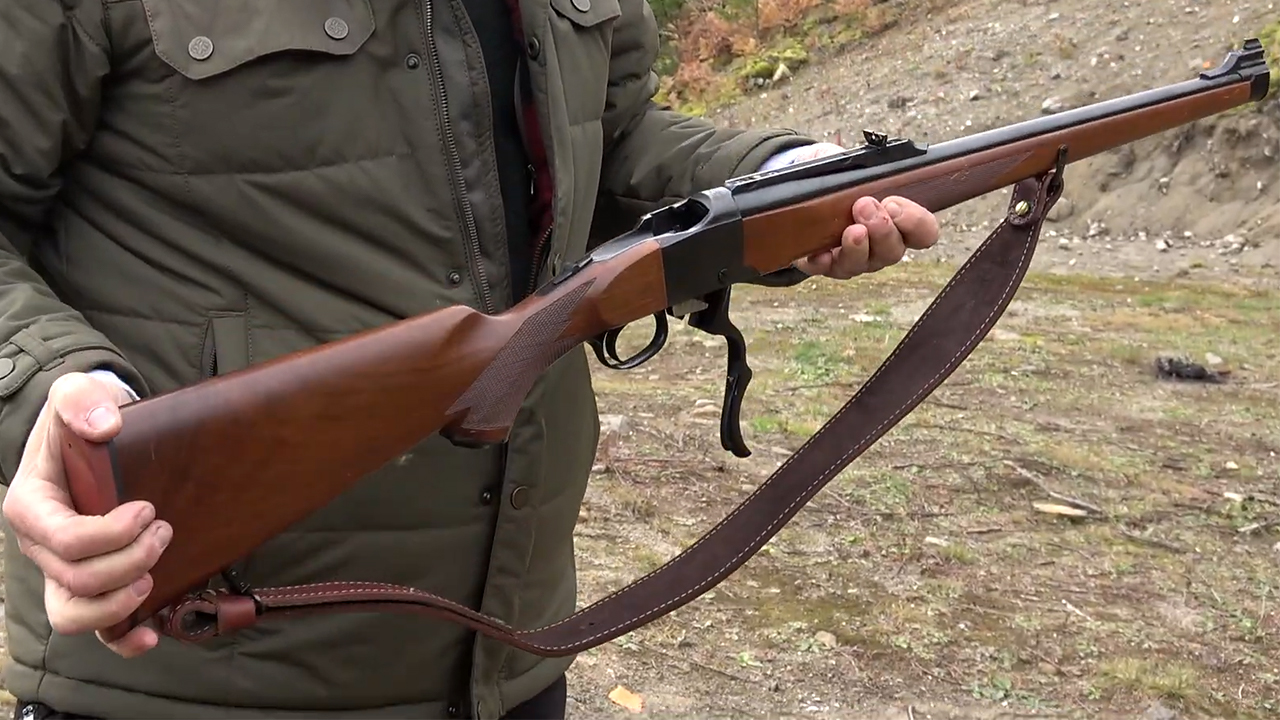
The Ruger No. 1 has always been different, but for years that difference didn’t always translate into the prices some versions bring now. A single-shot falling-block rifle is not the practical choice for everyone. Many hunters passed on them because repeaters seemed easier to justify.
Over time, the No. 1’s uniqueness became the point. It is strong, handsome, compact for its barrel length, and chambered over the years in a wide range of cartridges. Some configurations and chamberings have become especially desirable because they are harder to find. It rewards deliberate shooting and appeals to hunters who like rifles with character. Prices told a different story once shooters realized practical repeaters are common, but rifles like this are not.
Colt Woodsman
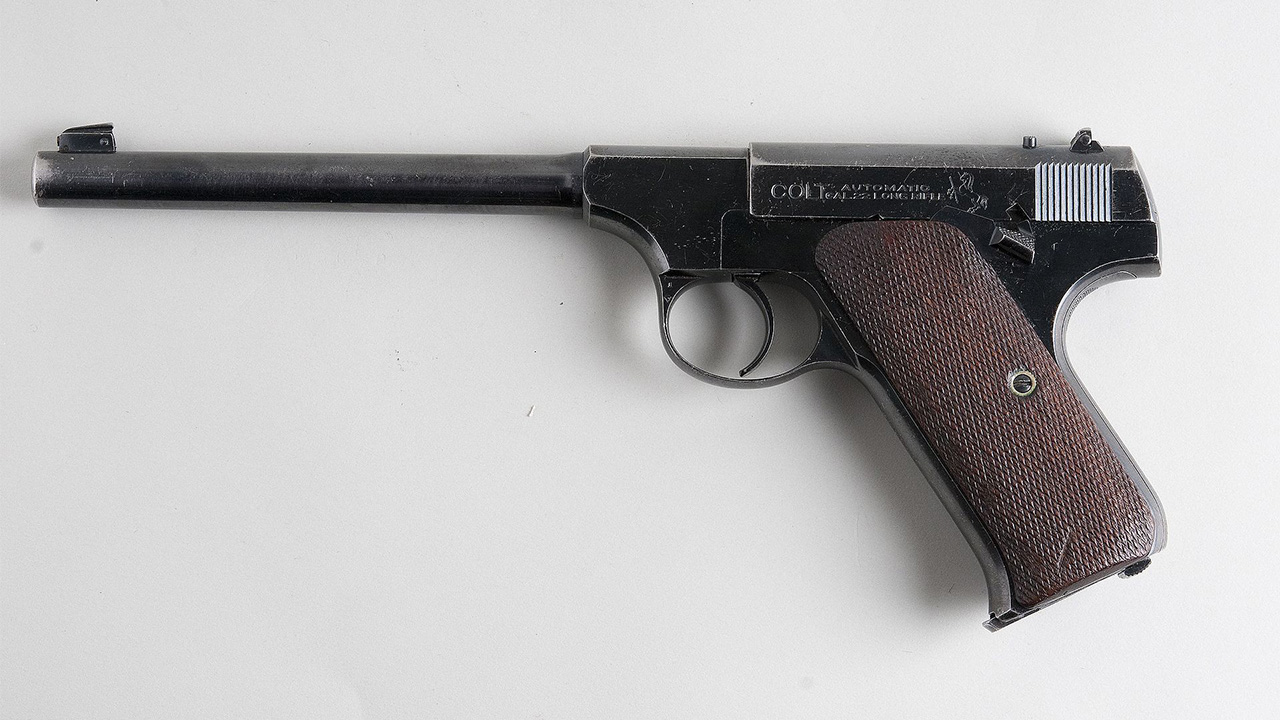
The Colt Woodsman is a rimfire pistol that people should have never treated as ordinary, but a lot of shooters once did. Because it was a .22, some saw it mainly as a plinker rather than a serious lifetime handgun. That mindset looks pretty rough now.
A good Woodsman has classic Colt quality, excellent balance, and a level of refinement that makes many modern rimfire pistols feel plain. Condition affects value heavily, and buyers need to pay attention to magazines, finish, and mechanical function. But clean examples have become highly desirable because they offer more than cheap practice. They offer history, quality, and a shooting experience that still holds up. Prices climbed because shooters finally gave great rimfires their due.
Browning BLR

The Browning BLR seemed like an odd lever-action to some hunters. It wasn’t a traditional .30-30, and it wasn’t a simple bolt-action either. The rotating bolt and detachable magazine allowed modern pointed-bullet cartridges, but that also made it feel different from the lever guns many people knew best.
That difference became its value. The BLR offers quick handling with chamberings like .308 Winchester, .243 Winchester, and 7mm-08 Remington, depending on the rifle. It works in mixed terrain where close shots and longer opportunities can both happen. Used condition matters because the action is more complex than classic lever designs. But a good BLR is hard to replace, and prices show that hunters are starting to understand the appeal.
Winchester Model 88

The Winchester Model 88 is another rifle that seemed ordinary only to people who didn’t understand what they were looking at. It had lever-action handling, a rotating bolt, and a detachable magazine, which made it unusual from the start. Still, for years, many were simply treated as used deer rifles.
Now the Model 88 has a stronger pull because it offers something current rifles rarely do. It gives hunters a fast-handling rifle in chamberings like .308 Winchester, .243 Winchester, and .284 Winchester, depending on the example. The action has quirks, and buyers need to inspect carefully for condition and function. But a good one feels different in the best way. Prices rose because rifles with that blend of speed, style, and capability are not easy to find anymore.
Like The Avid Outdoorsman’s content? Be sure to follow us.
Here’s more from us: