Photo credit: Theavidoutdoorsman.com
A lot of us have bought a used rifle the same way: a buddy-of-a-buddy, a handshake in a gas station parking lot, and a promise that “it’s clean.” Most of the time it is. But every now and then, a private-sale gun turns into a problem you didn’t know you were buying.
In this case, a hunter picked up a bolt-action rifle through a private sale and did what many folks consider the safest route—he took it to a local gun shop to have it transferred through an FFL. Paperwork was filled out, the serial number was recorded, and the buyer went home thinking he’d done it by the book.
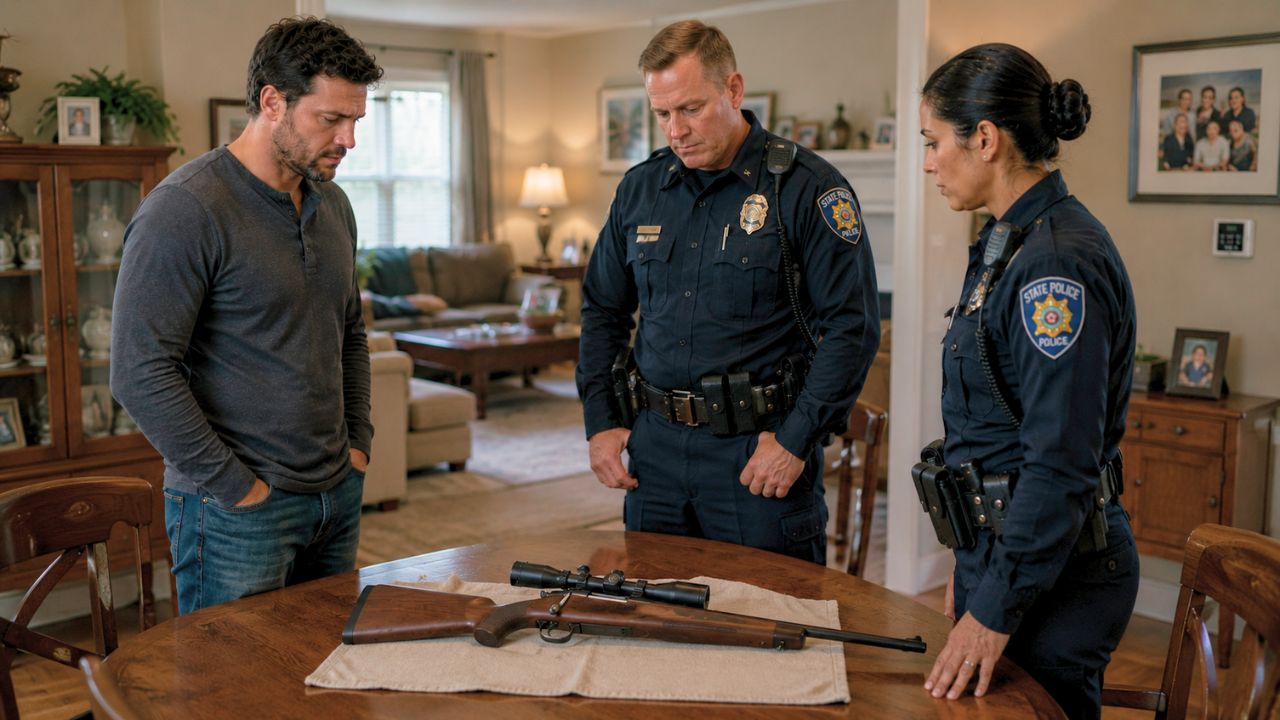
Then the phone rang. State police were calling to say the seller had reported the rifle stolen.
The handoff looked normal until the paperwork made it traceable
The deal itself wasn’t flashy. The rifle was a common hunting setup—think a scoped .30-caliber bolt gun with a sling and a few boxes of mixed ammo. The seller had a decent story: thinning the safe, funding a new build, didn’t hunt as much anymore. Nothing that would set off alarms for most outdoorsmen.
What made this one different is the buyer didn’t just toss it in the truck and call it good. He wanted a clean chain of custody, especially because he planned to travel with the rifle for deer season and didn’t want any surprises if he got pulled over with it.
So he met the seller, agreed on a price, and arranged to complete the exchange at an FFL. The shop logged the gun, ran the buyer through the standard background check, and transferred it. From the buyer’s perspective, that’s about as responsible as it gets.
The call from police changed everything in about ten seconds
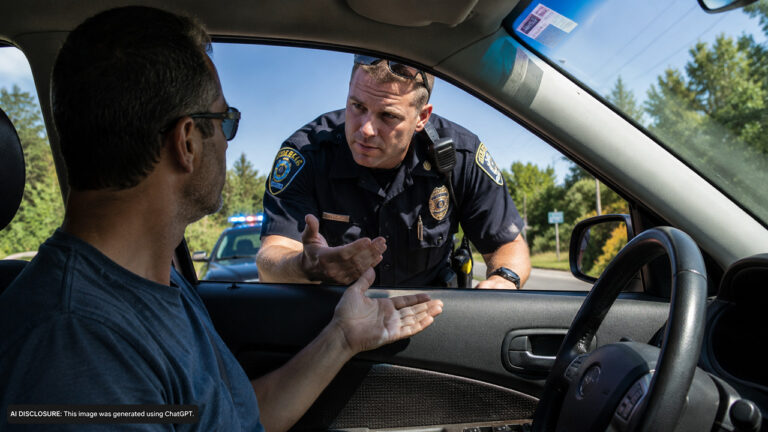
When state police reached out, it wasn’t a casual “just checking.” It was the kind of contact that makes your stomach drop, even if you know you didn’t do anything wrong. The message was simple: the rifle’s previous owner said it was stolen, and the serial number was now tied to a recent transfer.
This is where a lot of folks misunderstand how it works. An FFL transfer creates a neat paper trail. That’s good when you want proof you bought it legally, but it also makes it easy for law enforcement to locate the firearm if it gets flagged in a stolen-gun report.
In practical terms, the buyer went from “guy who tried to do it right” to “guy holding a rifle listed as stolen,” at least until everything got sorted out.
How a rifle can end up “stolen” after it’s sold
There are a few ways a situation like this can happen, and none of them are fun. The cleanest version is a genuine mix-up: the seller sold the rifle, later realized it wasn’t the one he meant to sell, then panicked and reported it stolen to cover his mistake. That doesn’t make it right, but it does happen.
The uglier version is straight fraud. A seller takes the cash, then reports the rifle stolen to try to get it back or to create problems for the buyer. Another angle is a messy domestic situation—guns being claimed as stolen during a breakup or family dispute, even though the “seller” didn’t actually have clear rights to sell it.
And then there’s the one that gets overlooked: the rifle could have been stolen long before the seller ever had it. People inherit guns, buy them at informal trades, or pick them up at flea-market style sales. A guy can be holding a stolen rifle for years and not know it until the serial number hits a database in a way that gets noticed.
The buyer’s immediate choices weren’t about pride—they were about protecting himself
At that point, the buyer’s priorities got simple: don’t make it worse, and don’t try to talk your way out of it in the moment. The smartest move is to cooperate without getting chatty. Provide the basics—where the transfer happened, when it happened, how contact was made—and let the documentation do the heavy lifting.
In cases like this, law enforcement may want the rifle secured while they investigate. That can mean surrendering it temporarily or arranging for it to be held by an FFL. It’s painful—nobody likes handing over a firearm they paid good money for—but it’s better than having it seized during a traffic stop later because a plate reader flagged you and an officer decides to “play it safe.”
The buyer also has to think about money. Even if you bought the rifle in good faith, you can still end up without the gun and without the cash if the seller disappears or if the firearm is ultimately returned to the rightful owner. That’s the part that stings the worst for the average working guy who just wanted a dependable deer rifle.
What other gun owners focused on: receipts, serial numbers, and meeting at the shop
Whenever this sort of story makes the rounds at the range or in hunting circles, the same themes come up. First is documentation. Guys who’ve been around the block will tell you to write a simple bill of sale—date, names, contact info, make/model/serial, and a statement that the seller affirms it’s theirs to sell. It’s not fancy, but it’s something you can hand to an officer without digging through old texts.
Second is verifying identity. A quick look at a driver’s license and matching the name to a bill of sale doesn’t guarantee the gun isn’t stolen, but it does help show you weren’t doing back-alley business with a ghost. Folks also talk about saving the messages used to set up the sale. Those screenshots can matter when the “seller” suddenly claims he never met you.
Third is the meet-up location. A lot of outdoorsmen have shifted to doing private sales only at an FFL during business hours, with cameras and staff around. Some sellers don’t like that because it feels like extra hassle. But hassle is cheap compared to a stolen-firearm headache.
The hard lesson: an FFL transfer helps, but it isn’t a magic shield
It’s easy to assume that if a gun passes through a gun shop, it’s automatically “cleared.” In reality, the transfer records the transaction and, depending on the shop and state, may or may not include a stolen-gun check at the counter the way people imagine it. The buyer getting approved doesn’t certify the firearm’s history.
That said, transferring through an FFL still puts the buyer in a better position than a pure parking-lot deal. It timestamps the transaction, ties it to a specific firearm, and shows you weren’t trying to hide the purchase. If you ever need to prove good faith, that matters.
The biggest takeaway is a simple one: treat private sales like you’re buying a used truck. Ask questions. Get it in writing. Meet somewhere that leaves a trail. And if law enforcement calls, don’t get stubborn—get organized. A deer rifle is a tool. It’s not worth risking your freedom, your rights, or your season over a shady seller and a story that doesn’t hold water.
Like The Avid Outdoorsman’s content? Be sure to follow us.
Here’s more from us: