Photo credit: The Avid Outdoorsman
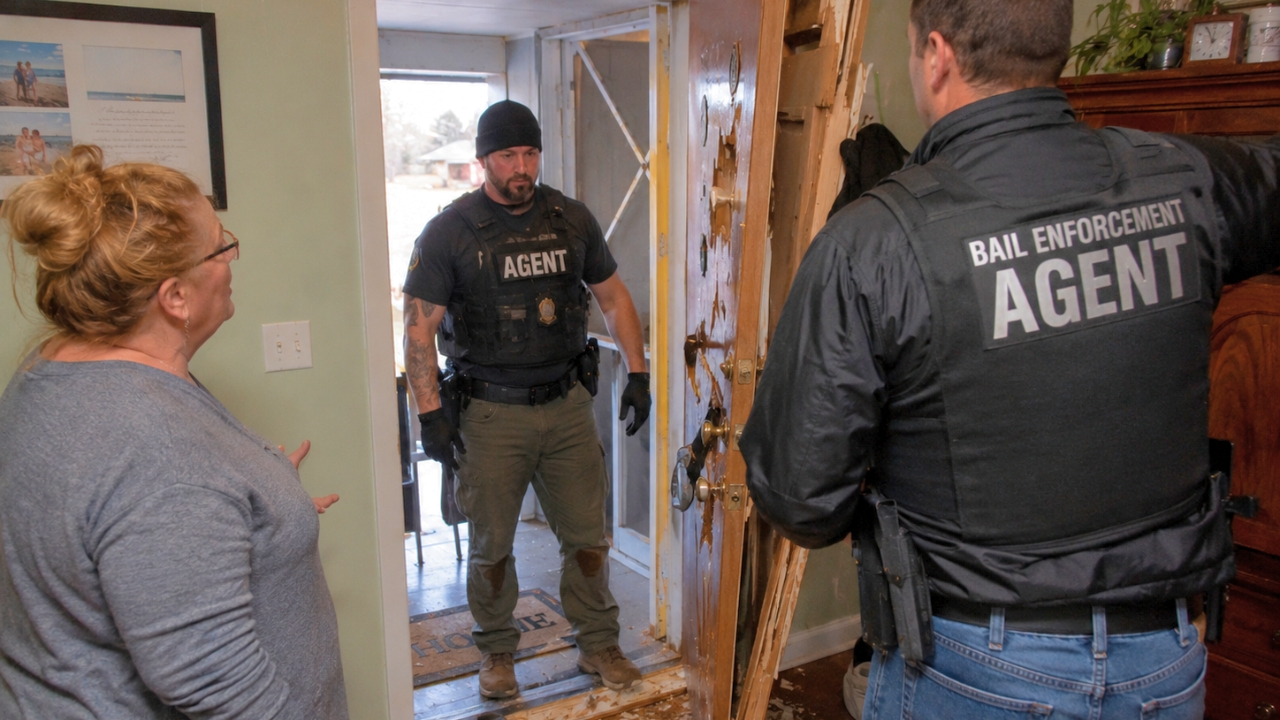
A Michigan resident said a bounty hunter broke down the door while looking for a fugitive, but the person being searched for allegedly was not inside.
According to the Reddit post, the bounty hunter claimed he saw the fugitive through a window before forcing entry. The poster, however, said that was not true.
That left the resident with a damaged door, a frightening wrong-home encounter, and a bigger question: what can someone do when a bounty hunter claims authority, breaks into the wrong place, and then says he had a reason?
The resident explained the situation in a Reddit thread and asked for help after the door was broken down: https://www.reddit.com/r/legaladvice/comments/1gkhswh/help_michigan_bounty_hunter_broke_my_door_down/
The door had allegedly been broken before
One detail made the story feel even more frustrating.
The poster suggested this was not the first time the door had been damaged in connection with this search. That changes the tone of the situation.
A one-time mistake is bad enough. A repeated forced entry, especially when the person being hunted allegedly is not there, makes the resident feel like their home has become a target because of someone else’s case.
That is the kind of thing that can make a person feel unsafe in their own house.
The resident was not asking a theoretical question. They were dealing with physical damage and the fear that it could happen again.
The bounty hunter claimed he saw the fugitive
The key dispute was what the bounty hunter said he saw.
According to the poster, the bounty hunter claimed he looked through a window and saw the fugitive inside. The poster denied that.
That claim matters because it may be how the bounty hunter tried to justify forcing entry. If he could argue he had reason to believe the fugitive was inside, he may try to defend his actions.
But if he was wrong, or if the claim was not credible, the resident may have a stronger argument that the entry was unlawful and reckless.
That is why evidence became so important.
Commenters said to document the damage immediately
The most basic advice was to photograph everything.
The broken door, frame, lock, hinges, splintered wood, footprints, damage inside the home, and anything else affected should be documented before repairs.
The resident should also keep receipts for emergency repairs, locksmith bills, replacement doors, and any temporary security measures.
That paper trail matters because the resident may need to prove not just that the bounty hunter entered, but what the forced entry cost.
A damaged door is not just cosmetic. It affects whether the home can be secured.
Police needed to be involved
Commenters generally pushed the resident toward making a police report.
Even if the bounty hunter claimed authority, the homeowner or tenant needed an official record that the wrong door was forced open and that the fugitive was allegedly not present.
Police may not immediately know how to treat a bounty hunter dispute, but the report still matters. It creates a case number, records the resident’s version, and may help if the situation repeats.
If the bounty hunter had no lawful basis to enter, that becomes a much bigger problem. If he did have some authority connected to a bond agreement, the facts still matter.
Either way, the resident needed the incident documented.
The bond company may be responsible
A bounty hunter usually does not appear out of nowhere.
They are typically working for a bail bonds company or recovery operation. That company may be the place to start when demanding payment for damage.
Commenters suggested identifying the bounty hunter, his company, the bond company, and anyone who sent him to the property.
That information could help the resident file complaints, demand reimbursement, or take the matter to small claims court if necessary.
If the company sent agents to the wrong home or relied on bad information, it may not be able to shrug off the damage as someone else’s problem.
The resident needed proof the fugitive was not there
The bounty hunter’s defense seemed to depend on the idea that he saw the fugitive inside.
The resident’s response needed to be more than “no he didn’t.”
If possible, they could gather proof of who was actually home, whether the fugitive lived there, whether the fugitive had moved, and whether the bounty hunter had been warned before.
If the home had cameras, footage could be especially important. Video from a doorbell camera, indoor camera, driveway camera, or neighbor’s camera could show who was present, what the bounty hunter did, and whether anyone matching the fugitive was visible.
That evidence could make or break the dispute.
A complaint to regulators may be possible
Depending on Michigan rules and who licensed or regulated the people involved, the resident may have complaint options beyond police.
Commenters in these threads often suggest looking into state regulation of bail bondsmen or fugitive recovery agents. If a licensed person breaks into the wrong home, damages property, or makes false claims, there may be an agency that should hear about it.
That does not replace a police report or a demand for repair costs.
But it may add pressure. A company may respond differently when a complaint could affect its license or reputation.
The resident should not keep dealing with it casually
When forced entry happens more than once, the situation has moved past informal complaints.
The resident needed written records, not just phone calls. Every conversation with the bounty hunter, bond company, landlord, police, or repair company should be saved or summarized in writing.
If someone promises to pay for the door, get it in writing. If someone says they will not come back, get that in writing too. If police say they cannot do anything, ask for the report number and the officer’s name.
The goal is to prevent the same people from breaking another door and then acting like nobody warned them.
A landlord may need to be looped in
If the resident rented the home, the landlord needed to know about the damage.
A broken exterior door affects the property itself, and the landlord may have to repair it. But the tenant should still make clear that the damage was caused by a forced entry connected to a bounty hunter, not by tenant neglect.
That distinction matters if there is a deposit, repair bill, or insurance issue later.
The tenant should provide the police report number and photos so the landlord understands what happened.
If the fugitive used to live there, the landlord may also have useful records showing when that person moved out.
The risk was not only the broken door
A forced entry by bounty hunters can become dangerous fast.
A person inside may think criminals are breaking in. The bounty hunter may think a fugitive is hiding. Both sides may be scared, and either side may be armed.
That is how a wrong-door entry can turn into something much worse than property damage.
The resident’s concern was not overreaction. If someone breaks down your door looking for a person who is not there, the immediate fear is real, and the next question is whether it will happen again.
The practical path was evidence and accountability
The Reddit advice was not to chase the bounty hunter down or argue in the yard.
It was to create a record and make the responsible people pay attention.
Call police. Get a report. Photograph the door. Save receipts. Identify the bounty hunter and bond company. Ask for reimbursement in writing. Check whether a regulatory complaint is available. Consider small claims court or a local attorney if they refuse.
Because if a bounty hunter breaks into the wrong home and then says he saw someone through a window, the resident needs more than anger. They need proof, paperwork, and a trail that makes it much harder for the same thing to happen again.
Check out more from The Avid Outdoorsman here.