Photo credit: WHO_TEE_WHO/YouTube
New cartridges arrive with big promises. They shoot flatter, fit shorter actions, handle heavier bullets, improve suppressed performance, or supposedly replace something older and less efficient. Some eventually earn permanent places in the market. Others look great for a few years and then fade once rifle support, ammunition availability, and real-world use fail to match the launch hype.
That does not mean the cartridges on this list are bad. Several are genuinely impressive, and some may still become long-term standards. The issue is that they have not been around long enough, sold broadly enough, or accumulated enough field history to prove they will still matter 20 years from now. Ballistic performance is only part of the equation. A cartridge also has to survive changing trends, maintain factory support, and give shooters enough reason to keep choosing it once the newness wears off.
7mm PRC

The 7mm PRC has one of the strongest cases among newer hunting cartridges because it was designed around long, high-BC bullets and modern long-range rifle geometry. It offers excellent external ballistics without pushing into the recoil and powder consumption of the biggest magnums.
That said, it is still young compared with cartridges such as 7mm Remington Magnum, .30-06, and .308 Winchester. Those older rounds have decades of rifles, ammunition, reloading data, and field use behind them. The 7mm PRC looks excellent right now, but strong launch support does not automatically guarantee permanence. It still has to survive the point where manufacturers move on to the next major introduction. If rifle and ammunition support stay broad, it could absolutely become a standard. It just has not had enough time to prove that yet.
6.5 PRC

The 6.5 PRC filled a useful space above 6.5 Creedmoor by giving hunters significantly more velocity while retaining the high-BC bullet options that made 6.5mm cartridges so popular. For open-country deer, antelope, and mountain hunting, the concept is easy to understand.
The question is how much of the market actually needs that extra speed. The Creedmoor already handles most deer hunting well, while larger cartridges cover elk and heavier game. That leaves the PRC in a somewhat specialized middle ground. It has excellent factory support now, but long-term survival depends on enough hunters deciding that the extra velocity is worth more recoil, more powder, and higher ammunition cost. The cartridge is promising, but it has not yet proven that it will outlast the current long-range hunting trend.
.300 PRC

The .300 PRC was designed to handle long, heavy .30-caliber bullets more efficiently than older magnums, and it succeeds mechanically. It is a serious long-range cartridge with excellent potential for elk, moose, and extended-range shooting.
The challenge is that .300 Win Mag already has enormous market momentum, while .300 Weatherby, .300 RUM, and several other magnums continue to exist. The PRC needs to do more than outperform them on paper. It has to persuade hunters to buy new rifles, new ammunition, and new loading components instead of sticking with cartridges they already trust. The military and precision communities may help keep it alive, but widespread civilian staying power is not guaranteed. It is strong technically, but still young commercially.
6mm ARC

The 6mm ARC has an excellent technical argument because it gives the AR-15 platform much better long-range performance than 5.56 while retaining relatively mild recoil. It also handles high-BC 6mm bullets well and has become popular with hunters and precision shooters.
The uncertainty is whether it becomes a permanent AR standard or remains one of several competing intermediate cartridges. 6.5 Grendel already occupies similar territory, while 5.56 remains vastly cheaper and more common. The ARC offers real advantages, but they matter most to shooters who actually need better downrange performance from an AR-15-sized action. If that niche stays large, the cartridge has a future. If the market shifts again, it could become another technically excellent round with limited support.
6.8 Western
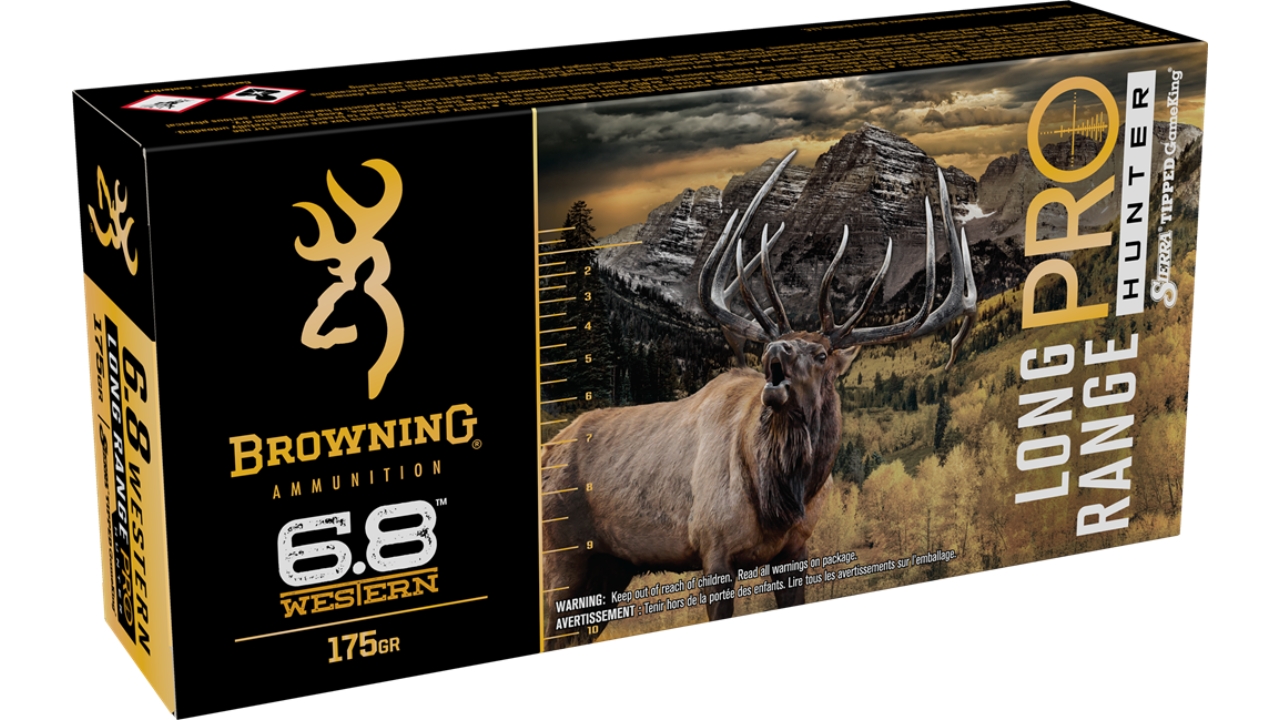
The 6.8 Western was designed around heavy .277-caliber bullets and intended to give hunters better long-range performance than older .270 cartridges. It offers excellent sectional density, strong retained energy, and a modern case design.
The problem is market competition. The .270 Winchester remains deeply entrenched, .270 WSM already exists, and 7mm PRC has captured much of the same modern hunting audience. The 6.8 Western needs sustained rifle and ammunition support to avoid becoming another cartridge that looked impressive but never built enough momentum. It performs well, but performance alone has never guaranteed survival. The next several years will determine whether it becomes a lasting hunting option or another round that owners eventually struggle to feed.
.277 Fury
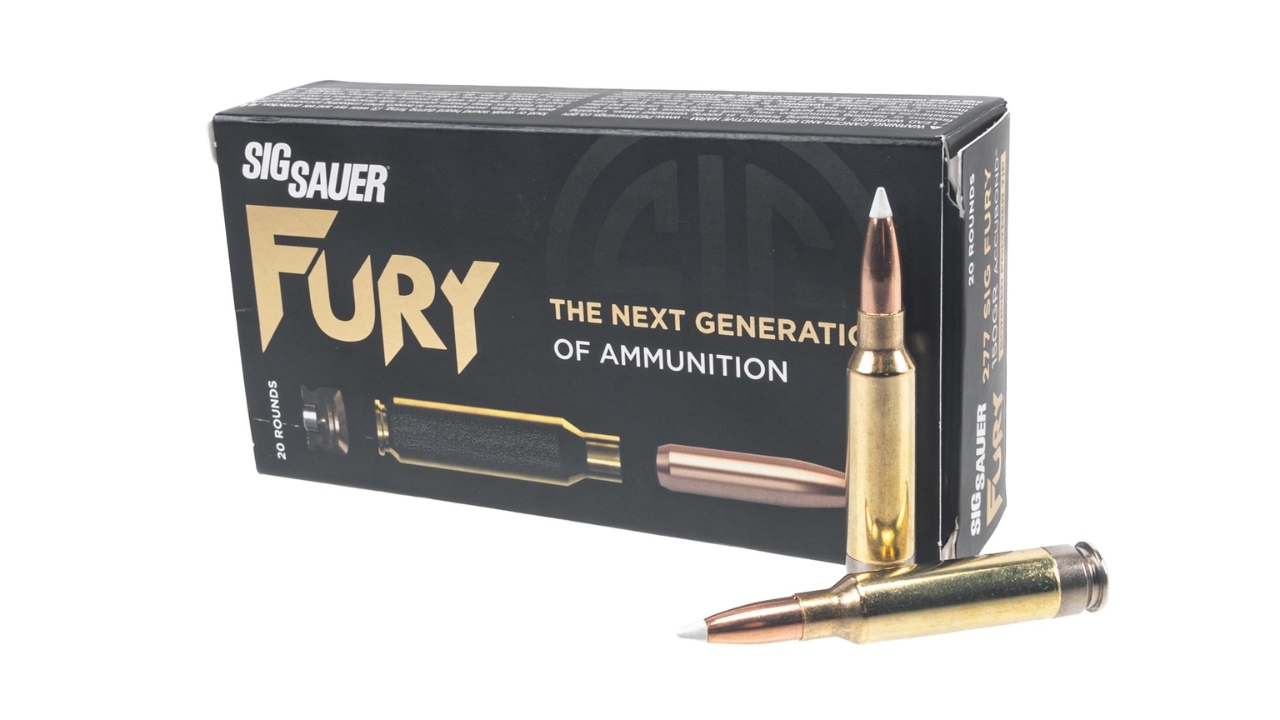
The .277 Fury is one of the most technologically interesting modern cartridges because it was designed around very high operating pressure and hybrid-case construction. It promises significant velocity from relatively short barrels and has obvious military relevance.
Civilian success is less certain. Specialized ammunition construction raises cost, and the cartridge does not fit neatly into the usual hunting categories. Shooters can already choose .308, 6.5 Creedmoor, .270 Winchester, and several magnums depending on what they want to accomplish. The Fury’s future may depend heavily on how broadly the military ecosystem translates into civilian rifles and affordable ammunition. It could become important. It could also remain a technically fascinating cartridge that most hunters never need.
.22 ARC
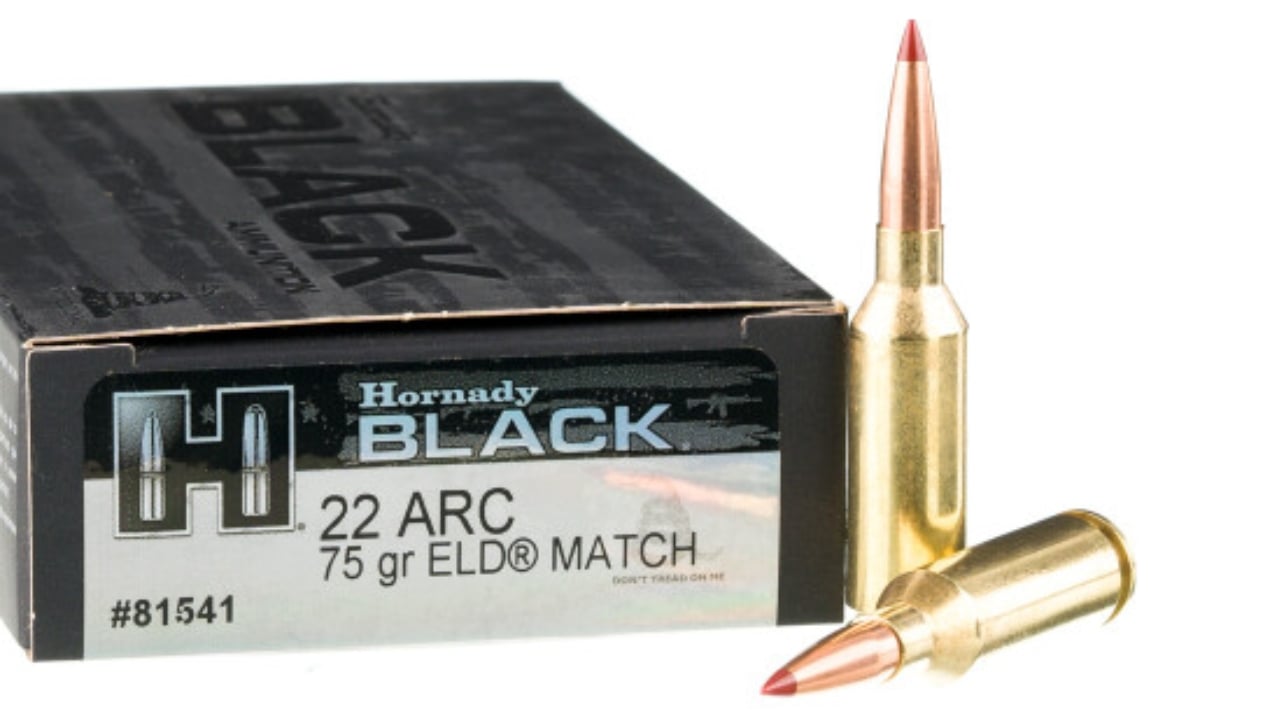
The .22 ARC takes the high-efficiency AR cartridge idea and pushes it into small-bore territory. It gives shooters access to fast, high-BC .22-caliber bullets from an AR-15-sized platform and offers serious varmint and long-range potential.
The issue is that .223 Remington and 5.56 already dominate the market, while .22-250 remains deeply established for varmint use. The ARC has to convince shooters that better downrange performance is worth leaving behind the cheapest and most available centerfire ammunition in America. That is a tough argument for anyone who does not regularly shoot at extended distances. The cartridge has real capability, but long-term survival depends on enough shooters deciding the improvement matters enough to support a separate ecosystem.
.400 Legend
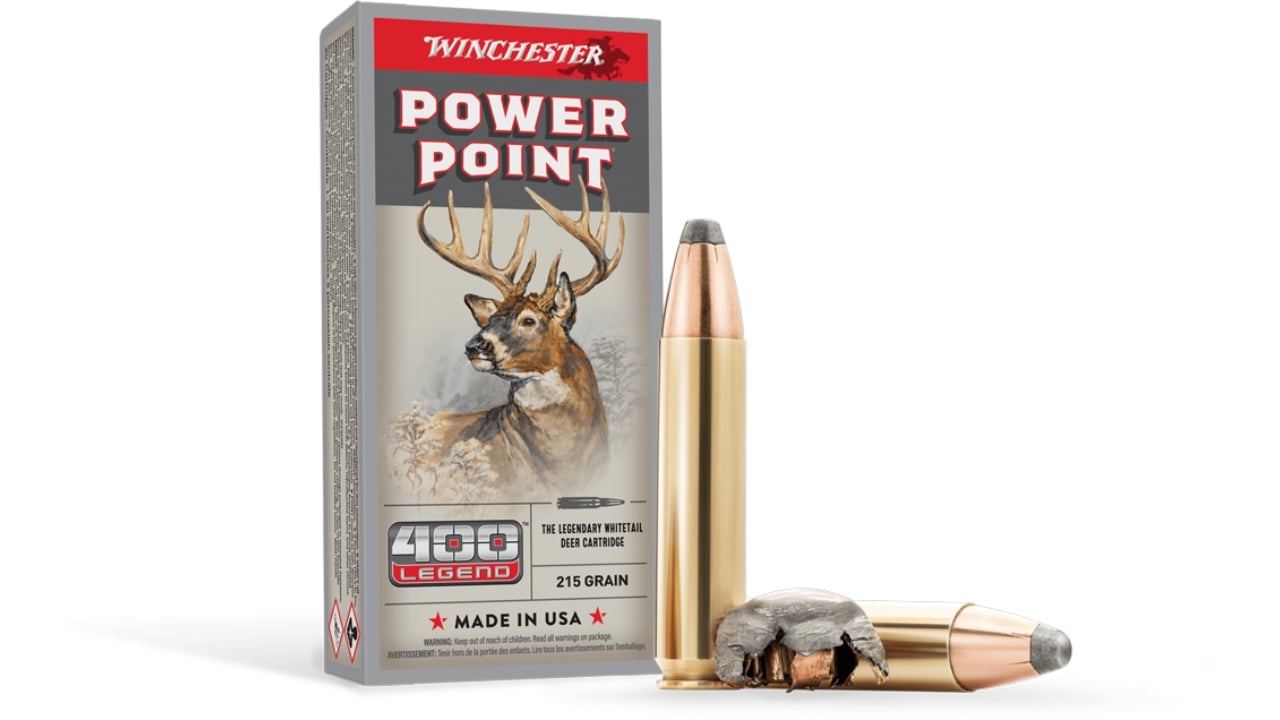
The .400 Legend was introduced to give straight-wall hunters more power than .350 Legend without the recoil of some larger options. It fits the regulatory-driven niche that created a lot of interest in straight-wall cartridges.
That niche is also its biggest risk. If hunting regulations change or if hunters settle around .350 Legend and .450 Bushmaster, the .400 may struggle to maintain enough demand. It currently offers a logical middle ground, but the market does not always reward logical middle grounds. Rifle support and ammunition variety will be key. If several manufacturers stay committed, it could become a useful regional standard. If support narrows, it could turn into one of those cartridges people remember as a good idea that arrived in an overcrowded category.
Free for gun owners: If something happened to you tomorrow, would your family know where the guns are, who has the safe combination, or what to do first? Our free Gun Owner’s Family Checklist walks them through it. It takes about 15 minutes to fill out. Get your free copy here.
.360 Buckhammer
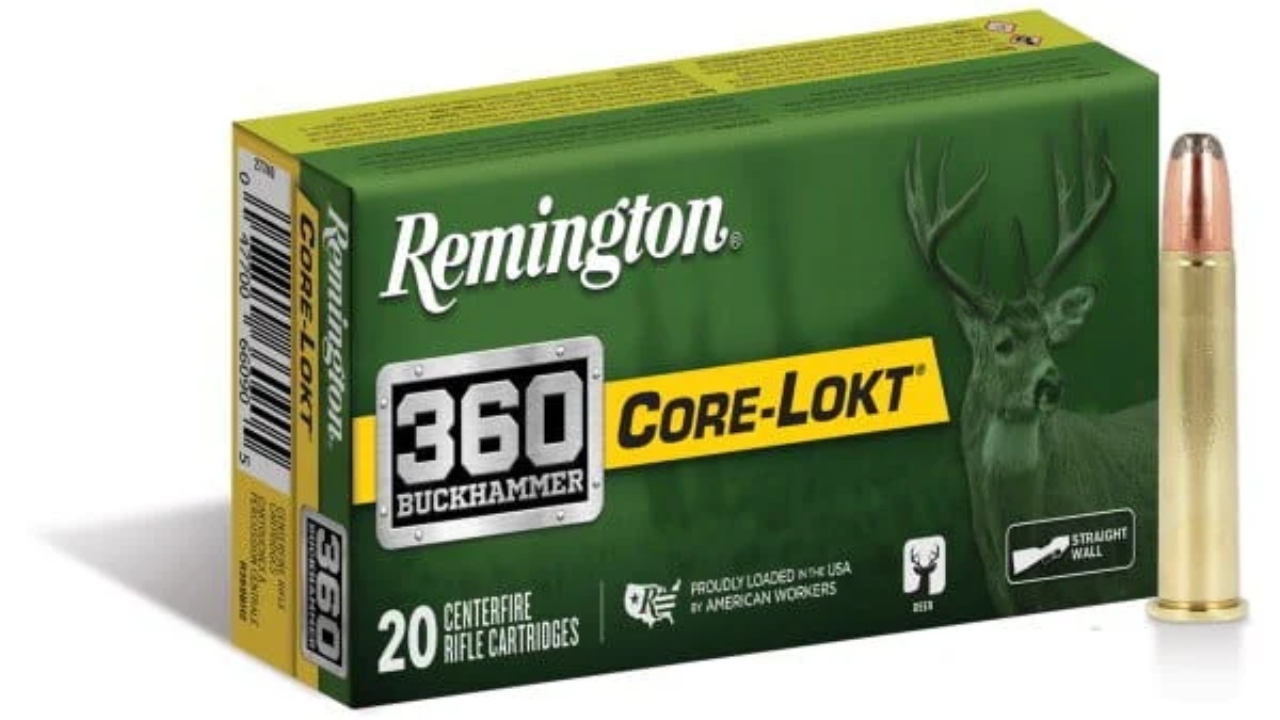
The .360 Buckhammer gives lever and single-shot hunters a straight-wall cartridge with more traditional rifle-like performance than some competing options. It has enough power for deer and black bear while keeping recoil reasonable.
Its future depends heavily on regional hunting laws and manufacturer support. The cartridge makes sense in states where straight-wall restrictions matter, but outside those areas it competes with cartridges that are already more common and easier to find. That makes the total market smaller than the ballistic performance might suggest. It has a clear purpose, which helps, but purpose alone is not enough. It still needs enough rifles and ammunition on shelves five or ten years from now to prove it has real staying power.
8.6 Blackout
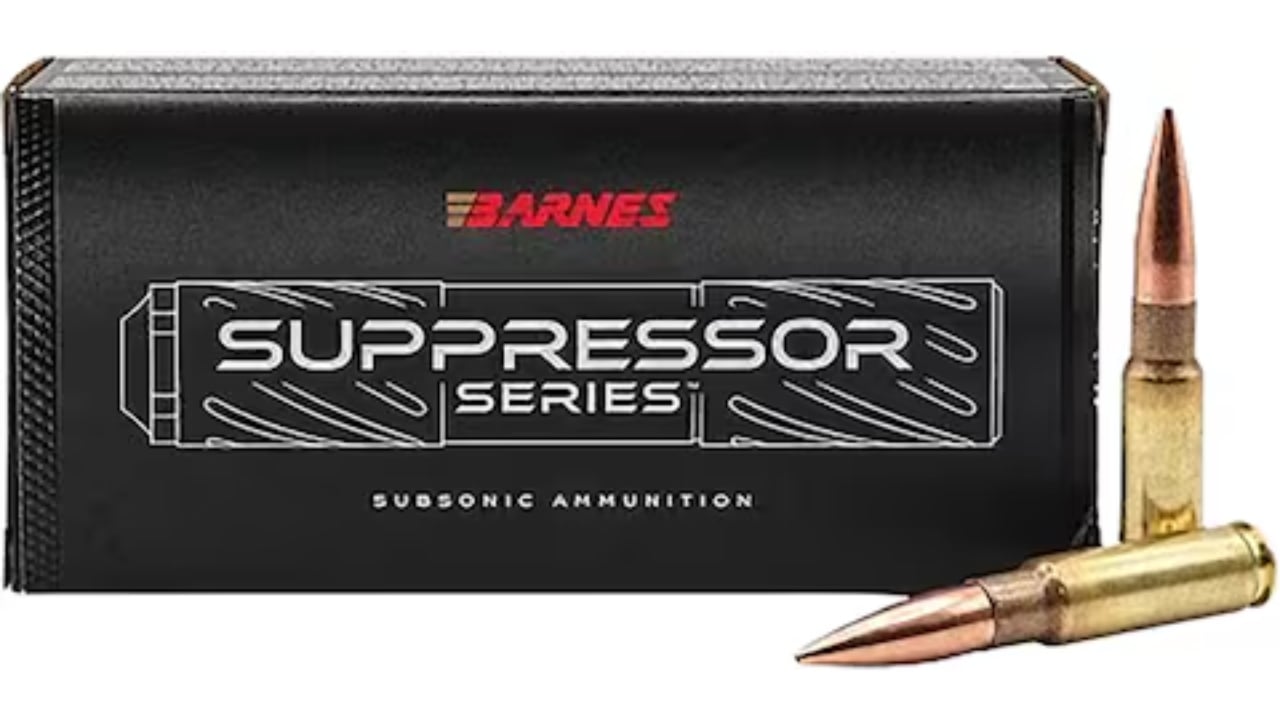
The 8.6 Blackout is one of the most interesting recent cartridges because it was designed around heavy bullets, short barrels, and suppressor use. It offers substantial energy in a compact package and has gained attention among shooters who want something far heavier than .300 Blackout.
It is also highly specialized. Heavy bullets, suppressors, fast twist rates, and short-barrel performance are central to the concept, which limits its appeal to a relatively narrow audience. Ammunition is expensive and rifle support is still developing. The cartridge may become a permanent suppressed hunting option, but it could also remain a boutique round for enthusiasts. It has not been around long enough to know whether the novelty will turn into sustained demand.
.300 HAM’R
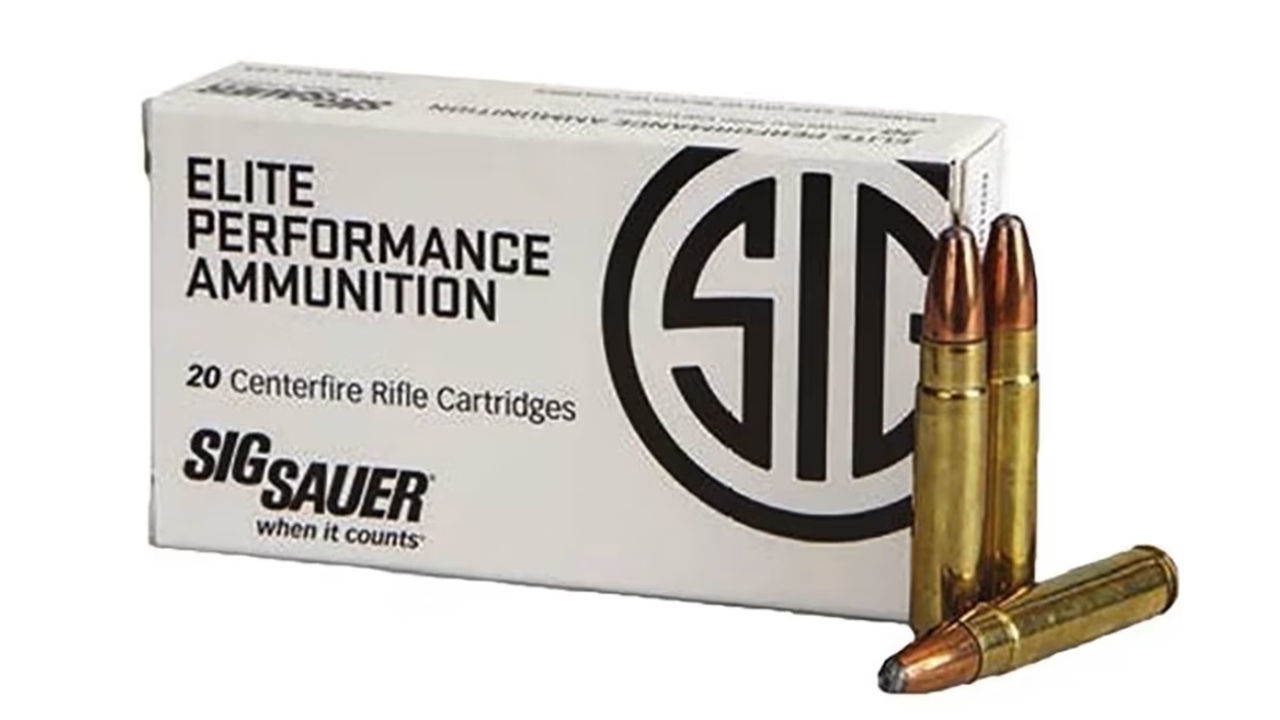
The .300 HAM’R was designed to maximize .30-caliber performance from the AR-15 platform while maintaining standard-size receivers and magazines. It offers better supersonic performance than .300 Blackout in many hunting applications.
The problem is that .300 Blackout already owns enormous market share, especially among suppressor users, while 6.5 Grendel and 6mm ARC cover longer-range roles. That leaves the HAM’R in a very specific hunting niche. It works well, but the question is whether enough shooters need exactly that combination of bullet diameter and AR compatibility to keep factory support strong. Right now, it remains more specialized than mainstream, which makes its long-term future difficult to predict.
6.5 Weatherby RPM
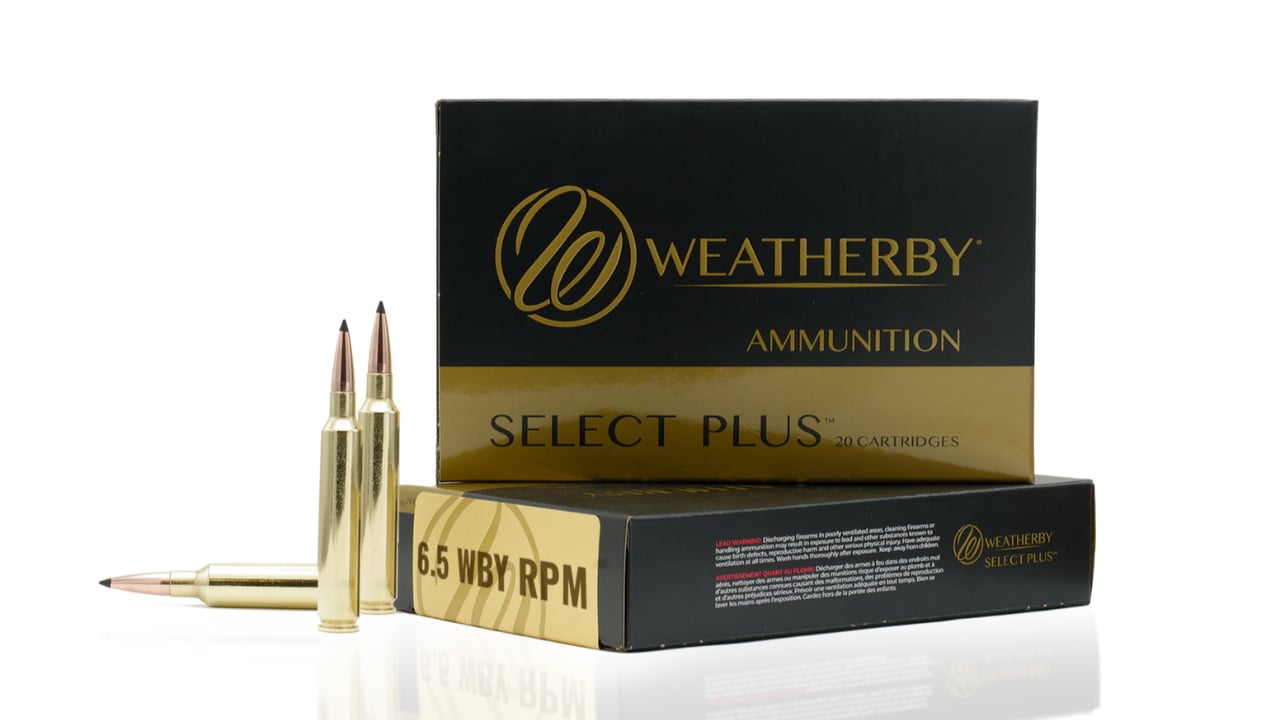
The 6.5 Weatherby RPM was designed to deliver strong magnum performance from a lightweight rifle platform while avoiding the traditional belted case. It fits Weatherby’s modern mountain-rifle philosophy very well.
The concern is ecosystem size. Weatherby cartridges have always depended heavily on the company maintaining rifle and ammunition support, and the 6.5 RPM is competing in an already crowded field. 6.5 Creedmoor and 6.5 PRC cover much of the same market with broader industry backing. The RPM offers excellent performance, but it needs enough non-Weatherby momentum to prove it can survive beyond a specific product line. Until then, it remains a good cartridge whose future depends heavily on one manufacturer’s commitment.
.338 Weatherby RPM
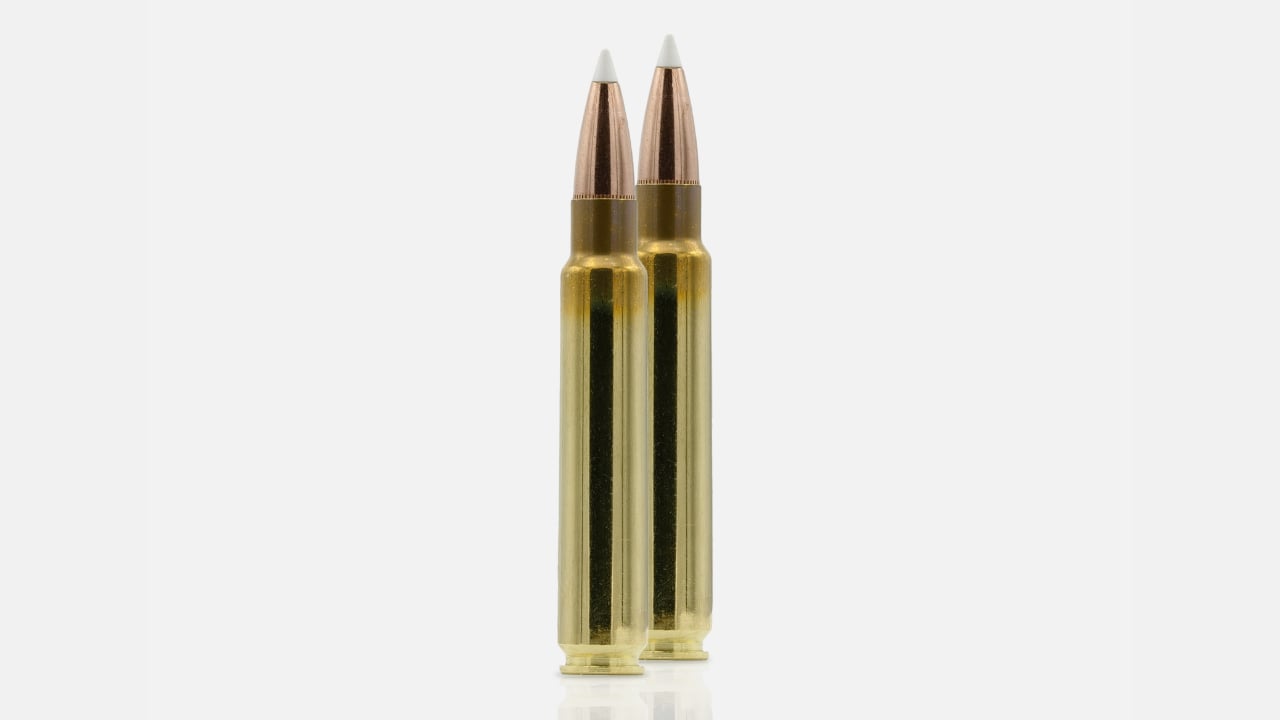
The .338 Weatherby RPM takes the same modern Weatherby case concept and moves it into heavier big-game territory. It offers strong performance without requiring the enormous case capacity of older Weatherby magnums.
That gives it technical appeal, but the market is narrow. Shooters wanting .338 power already have .338 Win Mag, .338 PRC, and .338 Lapua depending on the mission. The RPM has to convince hunters to choose a newer proprietary option over cartridges with broader ammunition and rifle support. That is a difficult task, especially in a category where ammunition is already expensive. The cartridge may find a loyal mountain-hunting audience, but it has not yet demonstrated that demand will be large enough to sustain it for decades.
7mm Backcountry
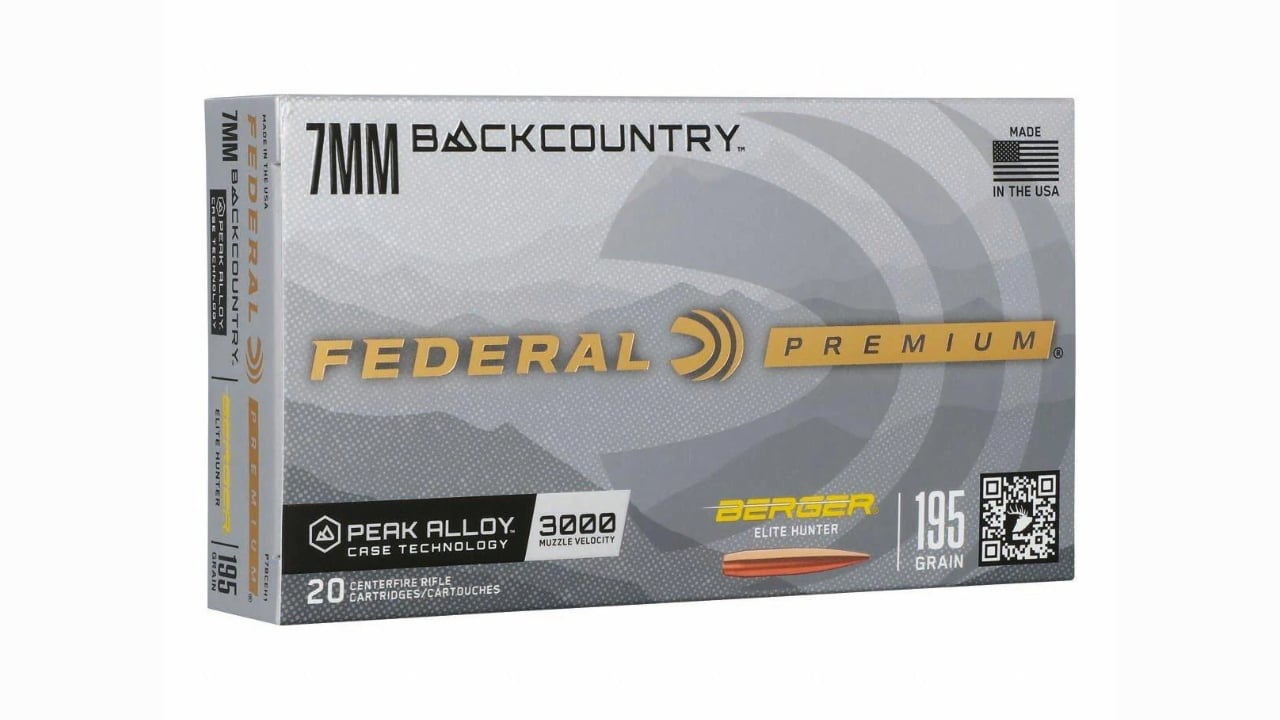
The 7mm Backcountry is one of the newer attempts to push magnum-class performance from shorter barrels and modern case technology. The concept is attractive for hunters who want high velocity without carrying a long, heavy rifle.
The question is whether the market really wants another high-performance 7mm when 7mm PRC, 7mm Rem Mag, and .280 Ackley Improved already cover so much ground. New cartridge technology is interesting, but ammunition cost and rifle support will matter more over time. If hunters see a clear practical advantage in shorter barrels, it may establish itself. If not, the cartridge could become another technically advanced round that never escapes a relatively small group of early adopters.
Free for gun owners: If something happened to you tomorrow, would your family know where the guns are, who has the safe combination, or what to do first? Our free Gun Owner’s Family Checklist walks them through it. It takes about 15 minutes to fill out. Get your free copy here.
6mm GT
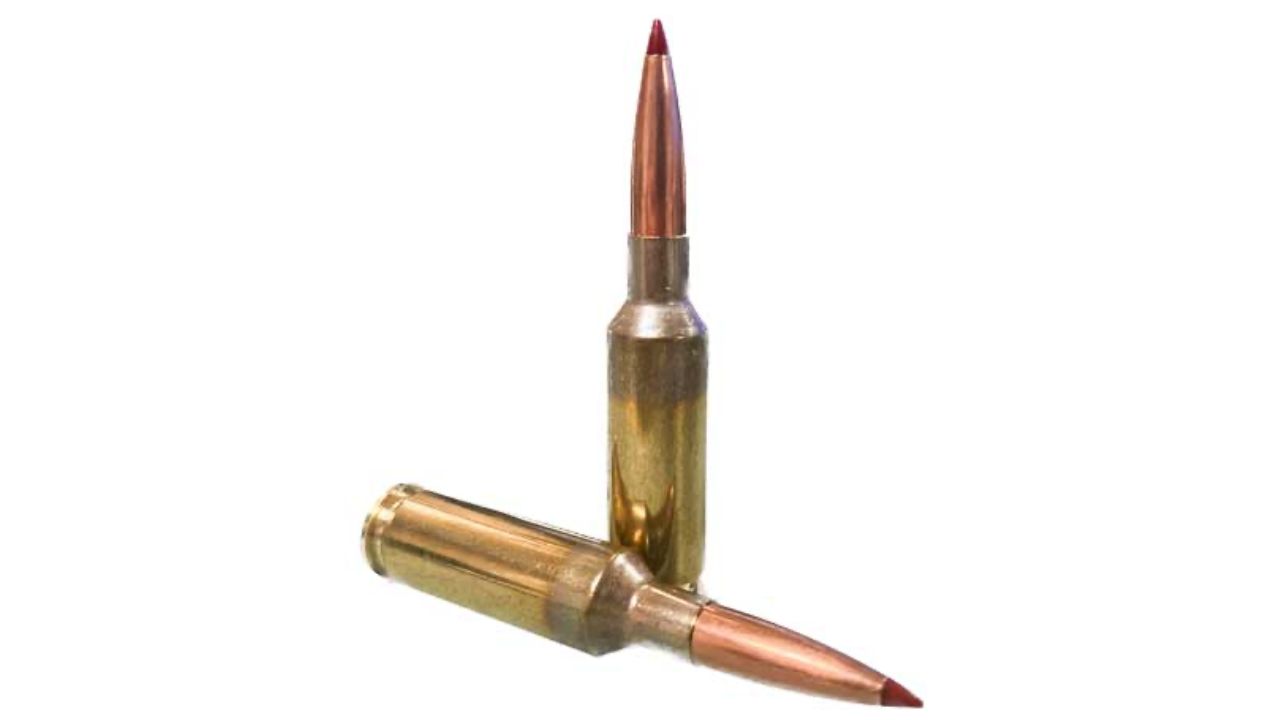
The 6mm GT gained attention in the precision-rifle world because it offers excellent accuracy, efficient case design, and very manageable recoil. It sits between several established 6mm competition cartridges and was built with practical match use in mind.
Competition popularity can be fickle, though. Precision shooters move quickly when a new cartridge offers even a small advantage, and today’s favorite can become yesterday’s experiment. The GT has performed well enough to deserve respect, but it still depends heavily on a specialized community. It has not developed broad hunting or general-purpose rifle support. That means its long-term survival may depend almost entirely on whether competitive shooters continue choosing it after the next wave of new cartridges arrives.
6mm Creedmoor

The 6mm Creedmoor has been around longer than some cartridges here, but it still has not reached the kind of broad market stability enjoyed by 6.5 Creedmoor. It offers excellent long-range ballistics, low recoil, and strong performance for competition and varmint work.
Its biggest challenge is barrel life and specialization. Shooters who fire high volumes may burn barrels faster than with larger-bore cartridges, while hunters often prefer .243 Winchester because ammunition is easier to find. The 6mm Creedmoor has enough support to survive, but whether it becomes a permanent mainstream cartridge is still uncertain. It is popular in specific circles without yet becoming something every rifle manufacturer feels obligated to chamber.
22 Creedmoor
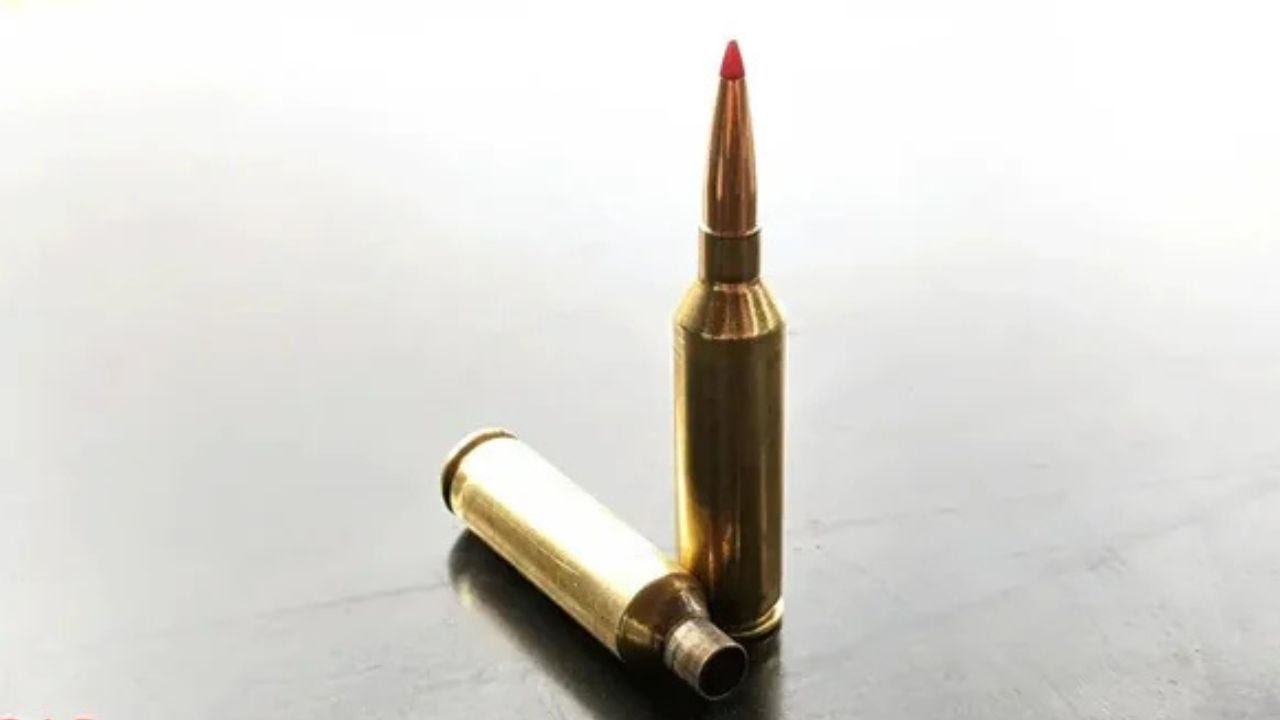
The 22 Creedmoor has attracted hunters and long-range shooters who want heavy .22-caliber bullets at very high velocity. The performance can be impressive, especially for predators and varmints at extended distance.
The downside is that it pushes hard enough to raise legitimate barrel-life concerns, and it competes with well-established cartridges such as .22-250 and newer options such as .22 ARC. Factory support is still limited compared with mainstream rounds, and much of the cartridge’s momentum comes from specialized shooters and handloaders. It could grow into a serious varmint standard, but it has not had enough broad commercial adoption to prove that yet.
6.5-300 Weatherby Magnum

The 6.5-300 Weatherby Magnum is an extreme cartridge built around maximum velocity. It can push 6.5mm bullets at speeds few other commercial cartridges approach and offers an exceptionally flat trajectory.
The question is whether enough hunters actually need that level of performance. High velocity means heavy powder consumption, substantial muzzle blast, and accelerated barrel wear. More moderate cartridges such as 6.5 PRC offer excellent field performance with fewer penalties. The Weatherby remains impressive, but it occupies a narrow niche where maximum speed is the primary goal. That niche can survive, but it is not yet clear whether the cartridge will become a lasting Weatherby standard or remain an enthusiast’s choice.
28 Nosler

The 28 Nosler exploded in popularity among long-range hunters because it combines high velocity with efficient 7mm bullets and serious downrange energy. For a while, it looked like one of the dominant modern magnums.
The arrival of 7mm PRC complicated that picture. The PRC offers a more moderate approach with modern chamber design, strong factory support, and excellent heavy-bullet compatibility. That does not make the 28 Nosler obsolete, but it does force buyers to ask whether the additional velocity is worth more recoil, powder consumption, and barrel wear. The 28 Nosler has already proven it can perform. What it has not fully proven is whether it will remain a major factory cartridge once the market settles around newer alternatives.
Like The Avid Outdoorsman’s content? Subscribe to our newsletter so you never miss an article.
Here’s more from us: