Photo credit: Tima Miroshnichenko/Pexels.com
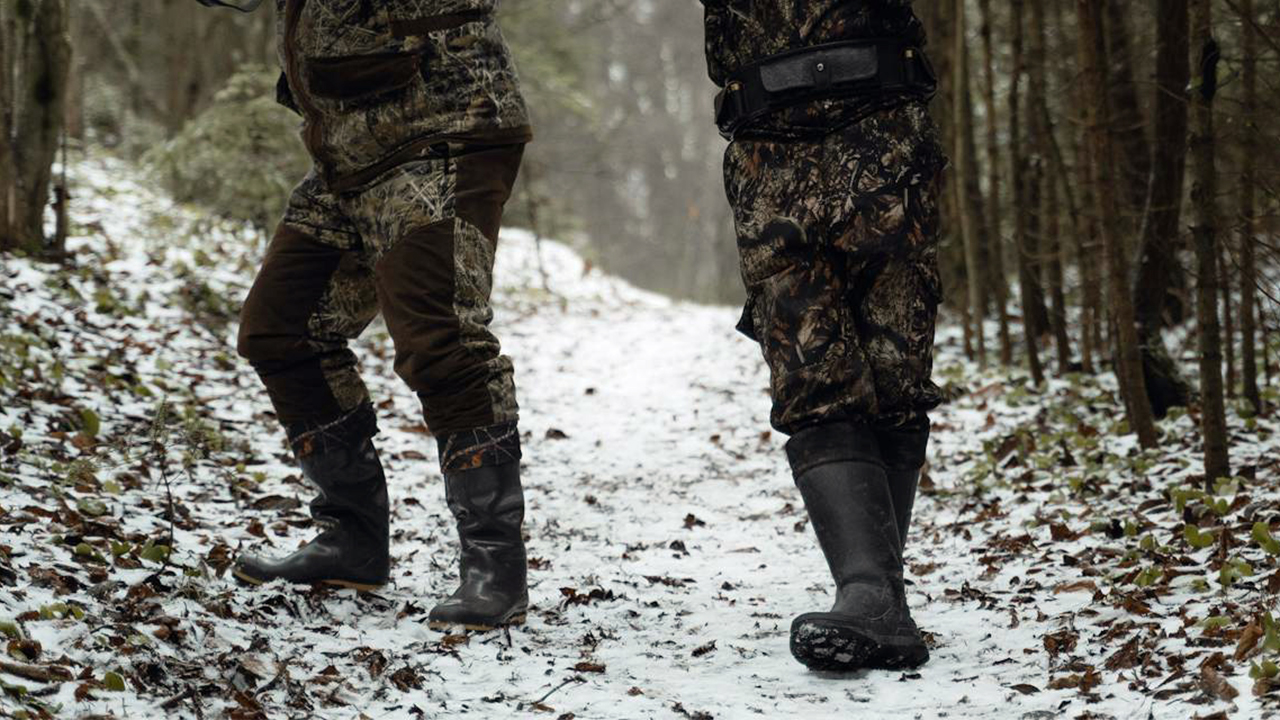
A hunter checking his trail camera expected to see deer, turkeys, or maybe the usual blurry nighttime wildlife shots. Instead, he found two men walking private land where they were not supposed to be, and then a few close-up photos that made the whole thing feel even more personal.
The hunter shared the discovery in a post on r/Hunting titled “My $15 trail cam lock paid for itself this week”. The title pointed to the small piece of gear that may have kept the camera from disappearing: a lock on the trail cam.
In the comments, the poster explained that he went to check the camera that afternoon and found photos of two guys trespassing on private property. After that, the camera captured several blurry pictures of them checking it out up close. That detail gave the whole thing a different edge. This wasn’t simply two people crossing through the wrong stretch of timber and never noticing anything. They found the camera and apparently got close enough to inspect it.
That mattered because the poster had already dealt with theft before. He said he had another trail camera stolen during turkey season that same spring at a different spot. So when this camera survived the encounter, the $15 lock suddenly looked like money well spent.
The property itself was not his, but he had permission to hunt it. He later said he sent the photos to his landlord, since it was the landlord’s land, and planned to see what they wanted to do next. He also explained that the property bordered state land, which meant they got trespassers every now and then.
That detail made the situation more believable and more frustrating. When private ground backs up to public land, the boundary can become a problem fast. Some people drift across by accident. Others know exactly where they are and hope nobody catches them. A trail camera can be the first proof of which one you are dealing with.
The title of the post said almost everything: the $15 lock paid for itself.
Trail cameras are easy targets. They are usually left unattended for days or weeks at a time, often in places where nobody is watching. Even a cheaper camera still hurts to lose, and a more expensive one can feel like leaving a pile of cash strapped to a tree.
The poster later clarified that the camera itself was a $50 Primos Truthcam, not a $15 camera. The $15 part was the lock. After having another camera stolen earlier that year, he said he was not interested in buying expensive cameras anymore. His take was simple: it is a shame that people cannot be trusted.
That sentiment landed with a lot of hunters. Trail cameras are supposed to be tools for scouting. They let hunters see movement patterns, check access routes, and figure out what animals are using a property. But when trespassers or thieves are part of the equation, the camera also becomes bait for dishonest people.
A cheap lock will not stop everyone. A determined thief with tools can still cut, pry, or break things. But it can stop the casual thief — the person who sees a camera, tugs on it, realizes it will take work, and decides to move on.
That appeared to be what happened here. The camera caught the trespassers, they looked it over, and the camera was still there when the hunter came back. For $15, that is about as clean a win as trail-camera security gets.
One of the first reactions was direct: did he give the photos to the game warden?
That advice made sense. If someone is trespassing on private land during hunting season, especially near public land, a game warden or conservation officer is often the right person to call. They understand hunting access issues, land boundaries, and the difference between a one-time mistake and a pattern.
The poster said he had sent the photos to the landlord because it was the landlord’s property. That was a reasonable first step. The landowner is the one who can decide how hard to push, whether to post more signs, whether to contact the warden, or whether to warn the people if they are identified.
Still, commenters clearly thought the photos had value beyond venting online. A camera image can give a landowner something concrete. It is not “I think someone has been in here.” It is two people on private ground, with timestamps and a location tied to the camera.
That proof can matter if the same people return. It can also matter if stands, blinds, feeders, or cameras start disappearing. One set of pictures may not solve the problem, but it gives the landowner a starting point.
That is especially important where private land borders state land. Public access nearby can bring more traffic, and not everyone pays close attention to where the line sits. If the land is not clearly marked, a landowner may need signs. If it is clearly marked and people still cross, that is a different conversation.
Not everyone immediately assumed the two men were knowingly trespassing.
One commenter asked whether the land was posted and explained that in some areas, the legal side of trespassing can depend on whether a person knew they were entering private property. If land is not posted, a first mistake may be treated differently than walking past signs or returning after being warned.
That comment did not excuse the men. It just raised the question every landowner near public ground has to answer: is the boundary obvious enough that a stranger should know better?
In some places, the answer is yes. Fences, gates, posted signs, paint markings, and field edges make it clear. In other places, timber can blur everything. Public land and private land may run together in a way that looks seamless unless someone is using a map, GPS, or local knowledge.
That is why several hunters who deal with these problems focus so much on posting land properly. Clear signs remove the “I didn’t know” excuse. They also help honest people stay on the right side of the line.
But the close-up camera shots still bothered people. Even if the men crossed by mistake, checking out the trail camera up close is not exactly a great look. A person who realizes they may be on private land should probably turn around and leave, not start inspecting someone else’s gear.
That part made the lock look even smarter.
The thread quickly turned into a discussion about trail-camera theft and how to prevent it.
One commenter said they had a camera stolen years earlier and started using locking cases after that. They also said they had found tool marks near locks and hinges, even on private land. That detail says a lot. Some people are not simply stumbling onto cameras. They are trying to take them.
Another commenter said they put cameras on trees surrounded by poison ivy so anyone determined enough to mess with them would have to pay for it later. It was partly a joke, but the frustration behind it was real. Hunters get tired of spending money on gear only to have someone else walk off with it.
The price of cameras also came up. Some commenters said they do not understand buying expensive trail cameras when theft is always a risk. The poster agreed, saying he would not buy an expensive camera again after losing one earlier that spring.
That is a pretty common lesson. Hunters may want high-end cameras with great night photos, fast triggers, and cellular service, but if the property gets trespassers, a cheaper camera with a lock may make more sense. It stings less if it disappears, and the security may be enough to stop someone who was only looking for an easy grab.
In this case, the low-cost setup did exactly what it needed to do. It took photos, survived the encounter, and gave the hunter proof.
Commenters had a mix of reactions, but most agreed the lock had already earned its keep.
Some focused on the trespassers and said the poster should send the pictures to the game warden. They saw the images as evidence, especially since the men were on private property and appeared to notice the camera. Others said the landlord should decide what to do, since it was the landlord’s land.
A few questioned whether the property was posted clearly. Their point was that land bordering public ground can create honest mistakes, and the legal response may depend on signs, boundaries, and whether the person knowingly entered private property. That did not make the trespassing okay, but it did affect how some commenters viewed the next step.
Several hunters talked about camera theft and said locks or lock boxes are worth using, even on private land. Some had already found tool marks around their cameras. Others said they avoid expensive trail cams because they do not want a $150 or $200 camera sitting in the woods where anyone can find it.
The poster’s takeaway was pretty clear. He had already lost a camera once that spring. This time, the lock kept the camera from walking off, and the camera caught the people who got too close. For anyone hunting private land that borders public access, that $15 piece of security suddenly looked a lot less optional.