Out in the country, a loose dog isn’t just a nuisance. It’s a problem that can turn into dead stock, wrecked fences, and hard feelings in a hurry—especially when the owner is more “yell from the porch” than “put hands on the situation.” One farmer laid out that exact scenario in the original post, describing months of escalating trouble with a neighbor’s dog running livestock.
The way it reads, the dog has been getting bolder with each pass. What started as harassment has turned into full-on chasing, and the landowner is now staring down the kind of decision nobody wants to make: how do you stop a roaming dog when there’s no animal control, the neighbor won’t control it, and the next incident could be much worse?
The dog wasn’t just wandering—it was working livestock
In the past six months, the farmer said the neighbor’s dog has been “harassing the livestock” more and more. One week it was “taunting bulls,” including a rented bull—which adds a whole new layer of stress because you’re responsible for someone else’s animal and their value.
Then it escalated again. The dog got into the hog paddocks and started chasing young hogs that had just been turned out to pasture. If you’ve been around pigs, you know chasing them isn’t a harmless game. Hogs can pile up, hit fencing, overheat, and get injured fast when they panic.
When the owner won’t (or can’t) respond, the clock starts ticking
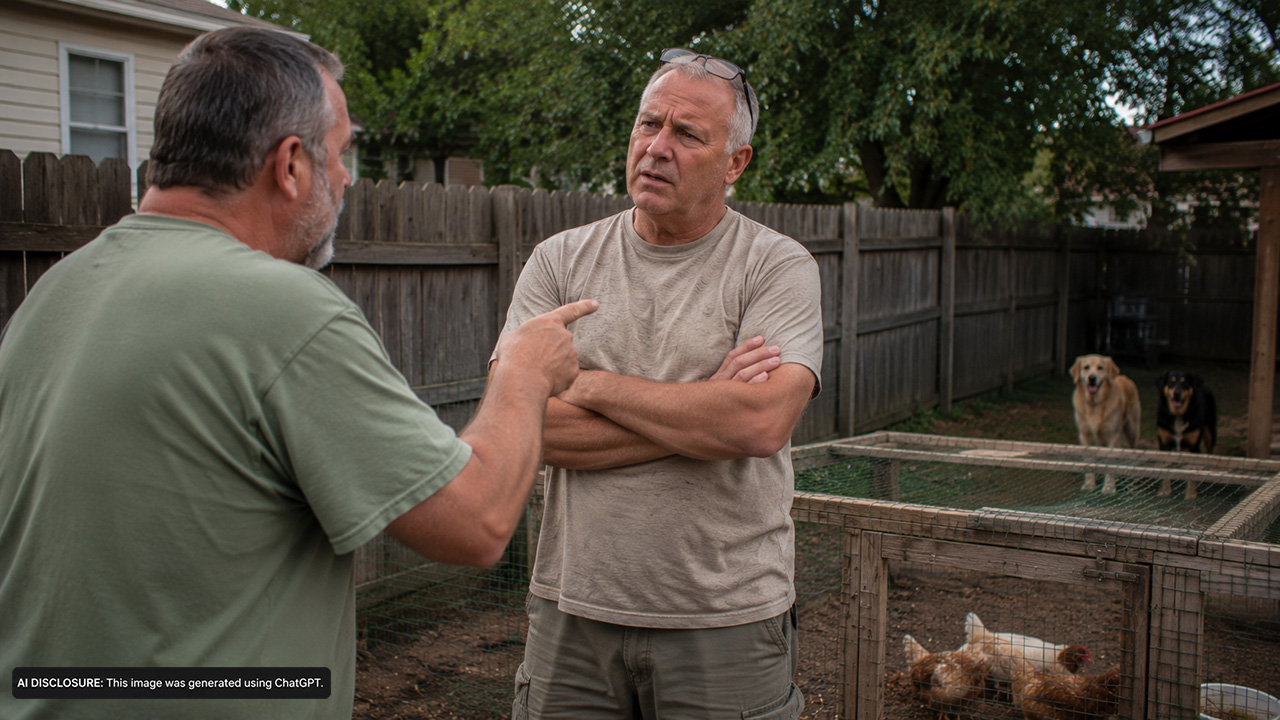
The landowner said they’ve addressed the issue with the neighbor “over 10 times now,” and the response is basically the same: the neighbor stands on the porch and yells for the dog “from acres away.” The neighbor also isn’t “super mobile,” which makes it harder for them to physically come get the dog and keep it home.
That’s the part folks in rural areas recognize immediately. A lot of bad situations aren’t driven by malice—they’re driven by inability and denial. The dog owner doesn’t want to believe their dog is doing damage, and they may not be capable of fixing it quickly. But the livestock still have to be protected, and the pressure stays on the landowner, not the dog owner.
Livestock guardians can solve problems—but they can also create new ones
The farmer said they have a few livestock guardian dogs (LGDs), but they’re hesitant to turn them loose on the neighbor’s dog. The neighbor’s dog is a pit bull, and while the landowner believes the LGDs would likely kill it, they’re worried about the cost—meaning injuries to their own dogs.
That’s a real, practical concern. A good LGD is an investment in time, money, and training, and even a “win” can come with vet bills, infections, and long-term damage. On top of that, once dogs fight, you can’t unring that bell with the neighbor. It’s a permanent escalation, even if the roaming dog started it.
No animal control means country problems get country solutions
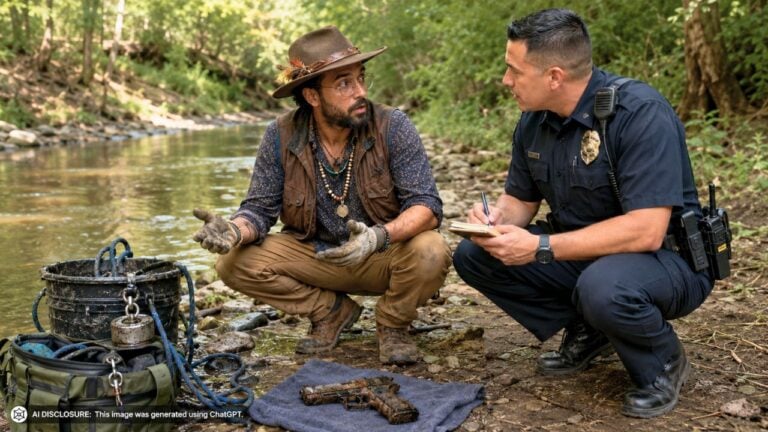
One of the biggest issues here is simple: “There is no animal control in our area.” That sentence explains why so many rural folks end up handling these situations themselves. In town, you call someone. Out here, sometimes there is no someone.
The farmer mentioned advice from experienced mentors: a “don’t ask don’t tell” approach where domestic animals harassing livestock get shot. They also said they don’t want to resort to that, but it’s starting to feel like the only option.
That’s the part that needs a steady hand and clear thinking. No one should be eager to shoot a neighbor’s dog, and it’s not something to talk about casually. But in many rural places, landowners are still legally and practically responsible for preventing ongoing livestock losses and protecting people and animals on the property. When there’s no formal system to intervene, the situation can slide into “handle it or it keeps happening.”
The bigger fear: the dog may get killed anyway
Here’s a detail a lot of folks overlook until they’ve seen it: livestock can be deadly when they’re stressed. The farmer said if they don’t act, “one of the bulls or hog sires will likely kill the dog themselves.” That’s not bluster. A bull doesn’t need long to wreck a dog that gets too close, and a big boar can do ugly work even faster.
And if it happens that way, it’s still going to be a mess. The neighbor will be upset. The landowner will be stuck explaining what happened. And the end result is the same: the dog is dead, and the relationship is worse than ever. The only difference is whether the landowner had any control over how it went down.
What practical-minded folks tend to focus on in situations like this
Even without a long back-and-forth included in the source material, the themes are familiar to anybody who’s worked land: documentation, deterrence, and clear boundaries. When you’ve already talked to the neighbor 10-plus times, you’re past the “friendly reminder” stage.
In real life, the next steps usually look like some combination of: tightening gates and weak spots where a dog slips in; putting up clear “no trespassing/dog at large” notices; documenting incidents with date/time notes and photos; and putting the neighbor on written notice so there’s no confusion later about what was reported and when. None of that magically stops a determined dog, but it changes the math when the owner later claims it “would never do that.”
There’s also the non-glamorous middle ground people forget: physically returning the dog and insisting, face-to-face, on a workable plan. That can mean the dog gets penned, chained responsibly, fenced, or otherwise contained. It’s not fun, and it’s not always possible with a mobility-limited neighbor, but “screaming from the porch” isn’t a plan.
At the same time, a landowner has to think about safety. Running into a paddock to chase out a strange dog—especially one that’s already amped up around livestock—is a good way to get bit or hurt. And once you add bulls and hogs into the mix, you’re not just dealing with a dog problem anymore. You’re dealing with a people problem, too.
Out in the sticks, the best outcome is boring: the dog gets contained, the livestock settle back down, and everyone can get back to work. But when a roaming dog keeps pushing boundaries and the owner won’t take control, the landowner’s options narrow fast. Nobody wants the worst-case ending—yet the longer it drags on, the more likely it becomes.
Like The Avid Outdoorsman’s content? Subscribe to our newsletter so you never miss an article.
Here’s more from us: