Photo credit: AI-generated image created using ChatGPT. Illustrative only
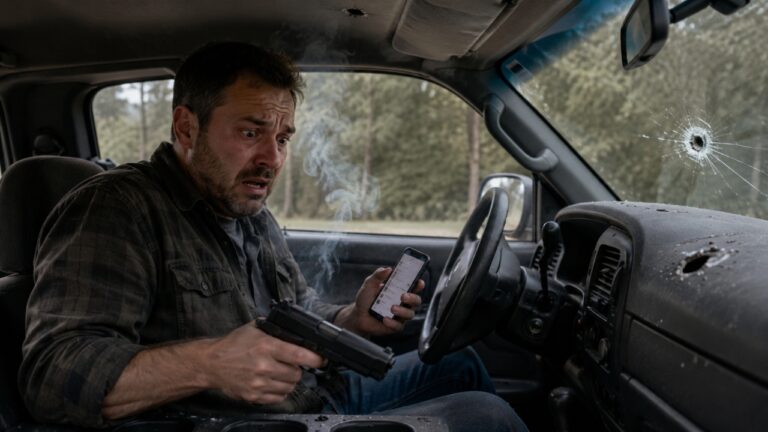
Most wildlife cases don’t start with a dramatic raid or a courtroom packed with cameras. They start with a neighbor seeing something that doesn’t sit right—like shots from a road and a deer hauled off like it’s no big deal. That’s what officials say happened in Pawhuska, Oklahoma, when a complaint landed on Game Warden Larry Green’s desk in 2024.
From there, the investigation snowballed fast. Wardens dug into licensing history, checked harvest records, and even looked through social media, and what they ultimately turned up led to a plea deal with serious consequences. The details were outlined in the source post, and the numbers alone tell you this wasn’t a one-off mistake.
A road-hunting complaint kicked the whole thing off
Officials say the original complaint involved road hunting and illegally taking deer. That’s the kind of report that gets attention for two reasons: it’s a wildlife crime, and it can be a public-safety problem. Shooting from or near a roadway is how people get hurt, property gets damaged, and hunting access gets shut down for everyone.
It also tends to be the kind of behavior locals notice. You can hide a lot of bad decisions in the timber, but roads are public, and folks remember trucks, timing, and patterns. A single call doesn’t prove anything by itself, but it’s often enough to get wardens looking for a trail of evidence.
Wardens built a case the way hunters should expect them to
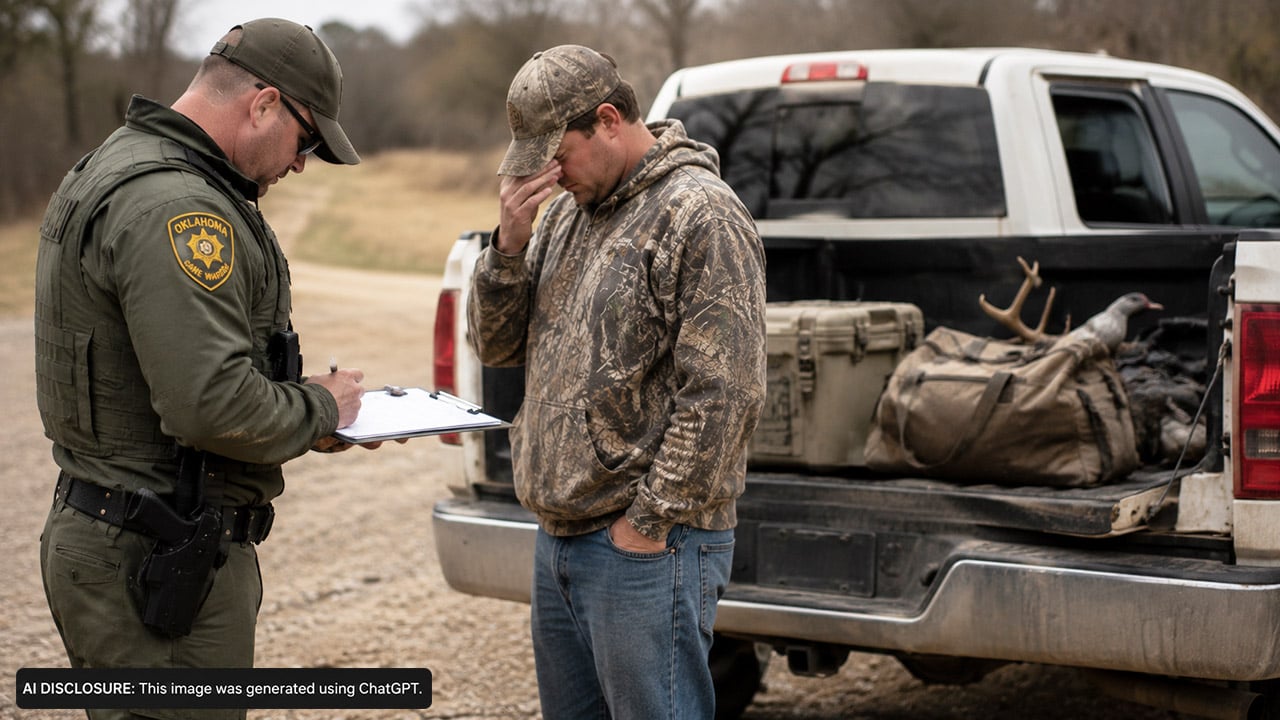
According to officials, game wardens didn’t just react to the complaint and stop there. They launched an investigation and started working through the usual tools: licensing history and harvest records. That’s the nuts-and-bolts stuff that can show whether someone’s activity lines up with what they’re legally allowed to do.
They also checked social media. Some folks still act surprised when that’s mentioned, but it’s been standard for years. If a person posts trophies, dead animals, or “look what I did” content, it can either back up their story—or bury it. In the outdoors world, where people like to share photos, that’s a real factor.
The search reportedly turned up far more than just a deer issue
During a search of the suspect’s property, officials say wardens located multiple illegal deer, hawks, eagles, turkeys, and furbearers. That list matters. It’s not just “one buck over the limit” territory; it suggests a pattern of taking wildlife outside the rules and keeping the evidence close to home.
They also say the evidence included rotting and wasted venison along with various trophies. Wasting game is one of those things that turns a lot of lawful hunters’ stomachs, even before you get to the legal side of it. Most folks who value wild meat have put in too many cold mornings, too many hours behind a knife, and too many dollars in tags and fuel to tolerate an animal being treated like trash.
140 violations is the kind of number that changes your life
Officials say game wardens presented 140 separate violations to the Osage County District Attorney’s Office. Whatever the individual counts were tied to, that total alone tells you investigators believed they could document a lot of separate incidents, not just one bad call in the field.
For hunters reading this, it’s a reminder of how quickly “I’ll just do it this once” can turn into a stack of problems if it’s repeated—and recorded. Licensing and harvest systems are designed to track legal take. Add in social media posts, trophies, and physical evidence, and the picture can get very clear in a hurry.
It’s also worth saying out loud: when a case has that many alleged violations attached to it, the outcome is almost never a slap on the wrist. Even if it ends in a plea agreement, the penalties can hit you from multiple angles—money, time, gear, and future opportunity.
The plea deal brought restitution, jail weekends, and years without licenses
Officials say the case ended with a plea agreement requiring the suspect to pay $30,000 in restitution to the State of Oklahoma. On top of that, he agreed to pay $2,806 in court costs and fines. For most working people, that’s not “learned my lesson” money—that’s “rearrange your whole life” money.
The deal also included 20 weekends in jail. That’s a penalty that follows you home over and over again. It doesn’t just affect the person serving it; it affects family schedules, work flexibility, and everything you’d normally be doing on weekends—including, in this case, being in the woods.
Officials also say the suspect forfeited all long-guns and had hunting and fishing licenses revoked for six years. That’s a big one for outdoorsmen because it’s not just punishment; it’s a hard stop on the lifestyle. Six years is long enough to miss multiple seasons, multiple youth hunts with kids or grandkids, and a lot of time you don’t get back.
What hunters and landowners should take from this
This case is a sharp reminder that game wardens work investigations the way other law enforcement does: they collect records, look for patterns, and document what they can prove. If someone thinks wildlife crimes are impossible to track, they’re living in the past. Between harvest reporting, licensing databases, and the stuff people post online, a sloppy operation leaves fingerprints everywhere.
For landowners and rural folks, the original complaint matters too. You don’t have to be a detective to make a difference; you just have to pay attention and report what you see. Road hunting and illegal take don’t just harm the resource—they put people at risk and create the kind of conflict that gives all hunters a black eye.
At the end of the day, this is what enforcement looks like when officials believe there’s a long-running pattern: a big case file, a long list of alleged violations, and penalties that don’t fade after a single court date. The cheapest, easiest route is still the one most ethical hunters already take—buy the license, know the rules, tag your deer, use the meat, and keep it clean.
Like The Avid Outdoorsman’s content? Subscribe to our newsletter so you never miss an article.
Here’s more from us: