Photo credit: Radowitz/Shutterstock.com
A backyard can attract a lot more than songbirds and squirrels. Food scraps, pet bowls, chickens, gardens, compost piles, standing water, and easy shelter can bring in animals that are perfectly happy living close to people.
Most wildlife wants nothing to do with you, but some animals become a problem fast when they start treating your property like part of their territory. Others can injure pets, destroy a garden, raid a chicken coop, or put you in a dangerous situation if they feel cornered. These are the animals you would rather spot on a trail camera somewhere else than standing ten feet from your back door.
Black Bear
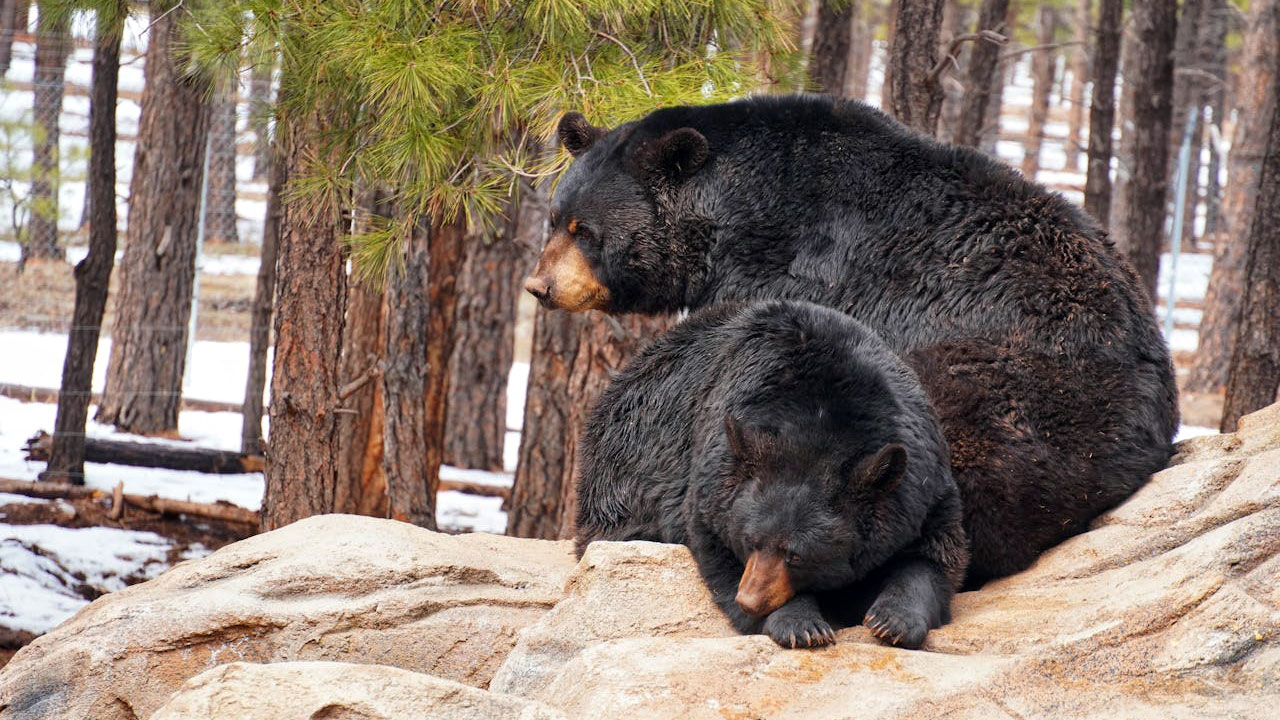
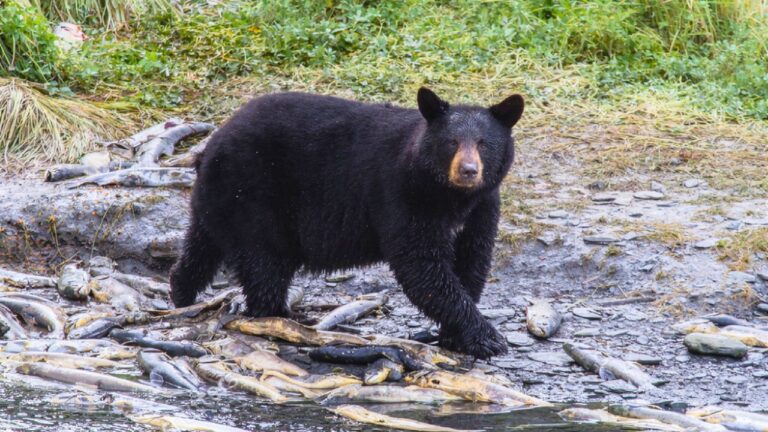
A black bear wandering through once is one thing. A bear that learns your yard has easy food is a much bigger problem.
Garbage, bird feeders, pet food, grills, and livestock feed can bring them back repeatedly. Once a bear starts associating homes with food, it may become much harder to scare away. They can tear apart trash cans, damage sheds, break into coops, and become especially dangerous if surprised at close range.
Mountain Lion

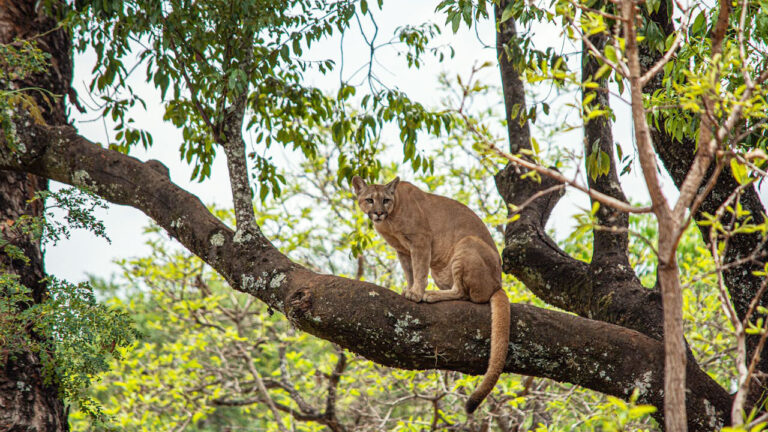
A mountain lion in the backyard is not something to shrug off, especially if you have small pets or livestock.
These cats usually avoid people, but they are powerful ambush predators capable of taking deer-sized prey. A lion lingering around homes may be following deer, pets, or other animals into the area. Seeing one cross the property is already enough to pay attention. Seeing one repeatedly is a very different situation.
Coyote
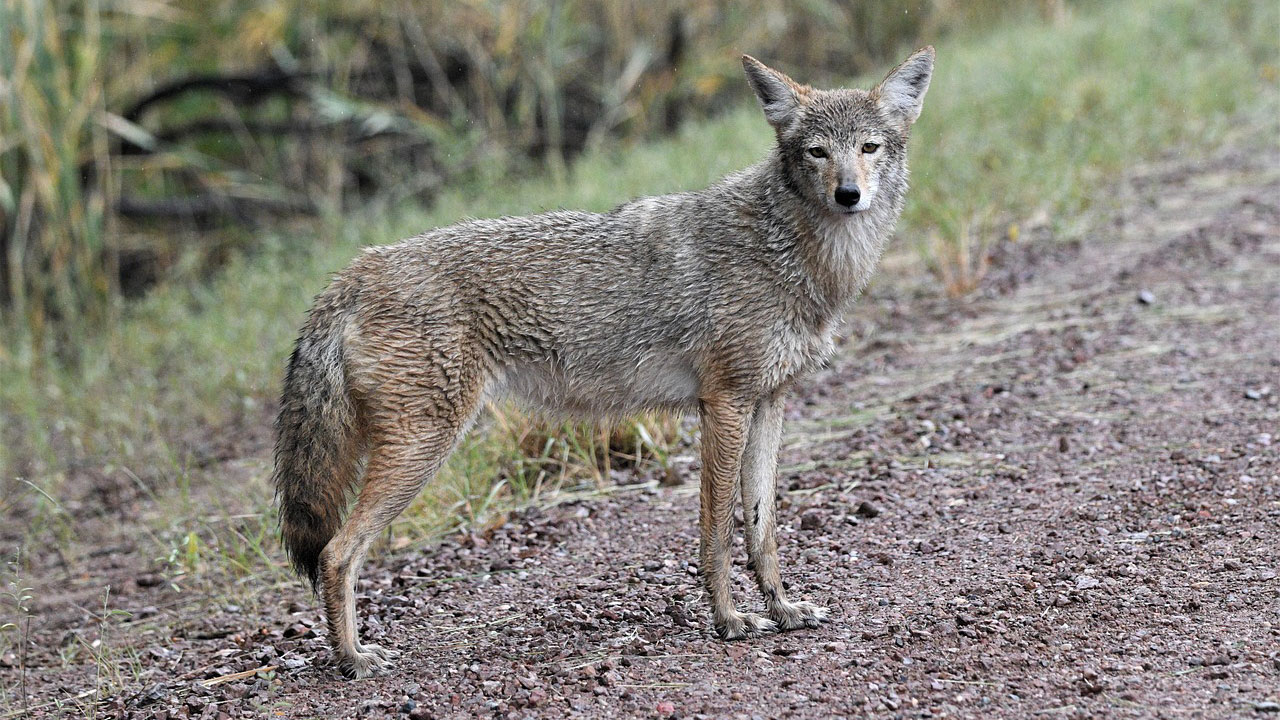
Coyotes have become extremely good at living around neighborhoods.
The real concern starts when one stops acting nervous around people. Coyotes can take cats, small dogs, poultry, and young livestock, and they quickly learn which yards provide easy opportunities. A coyote that repeatedly walks through during daylight or refuses to leave when confronted deserves more attention than one briefly moving through at night.
Feral Hog
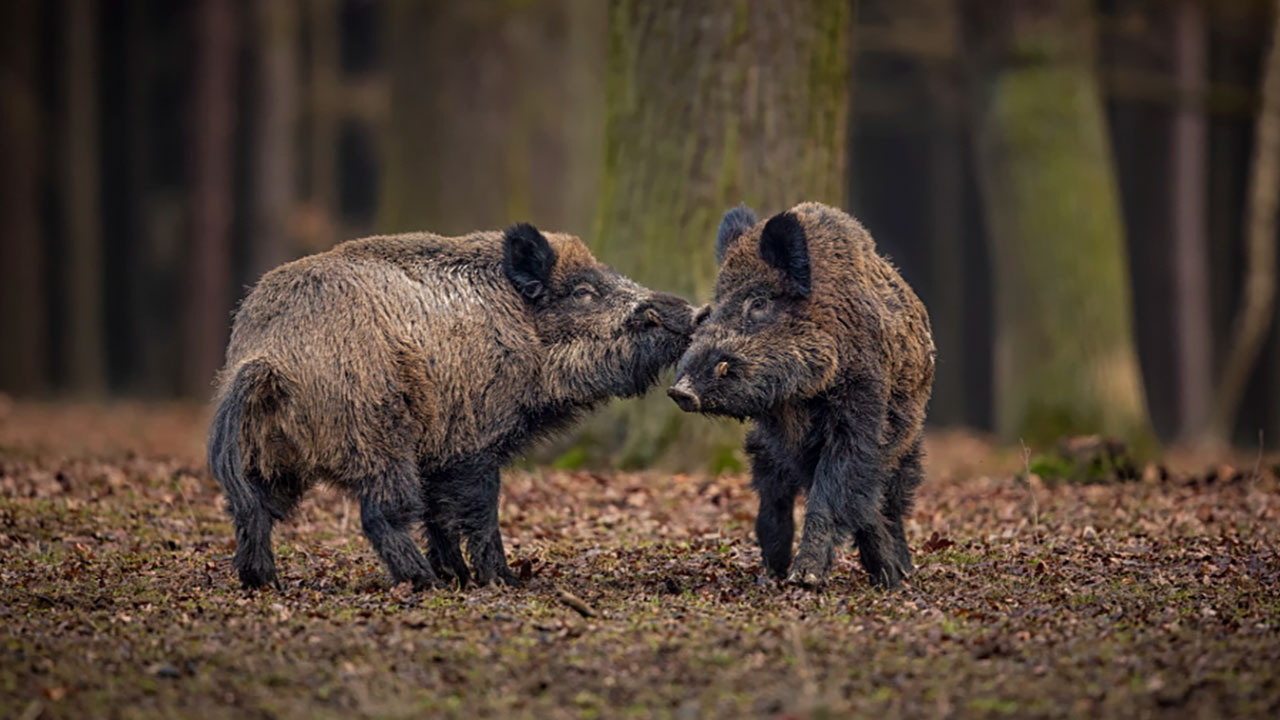
A feral hog can turn a good yard into a plowed field in a single night.
They root aggressively for food, tear up lawns and gardens, damage fences, and can become dangerous when cornered. A large boar is also far stronger and faster than its bulky appearance suggests. If one hog finds reliable food, there is always the possibility that more are nearby.
Raccoon

Raccoons look harmless until they decide your property belongs to them.
They raid garbage, steal poultry feed, kill chickens, tear into attics, and can become surprisingly aggressive when trapped. Their dexterous paws also make many basic latches nearly useless. A raccoon that figures out your coop door once may come back every night until you physically prevent access.
Bobcat

Bobcats are usually secretive, which makes one hanging around the house more noticeable.
They primarily hunt rabbits and rodents, but small pets and poultry can also attract them. Their ability to climb and jump means an ordinary backyard fence may not offer much protection. A quick nighttime sighting is one thing. A bobcat repeatedly checking a chicken run is another.
Skunk
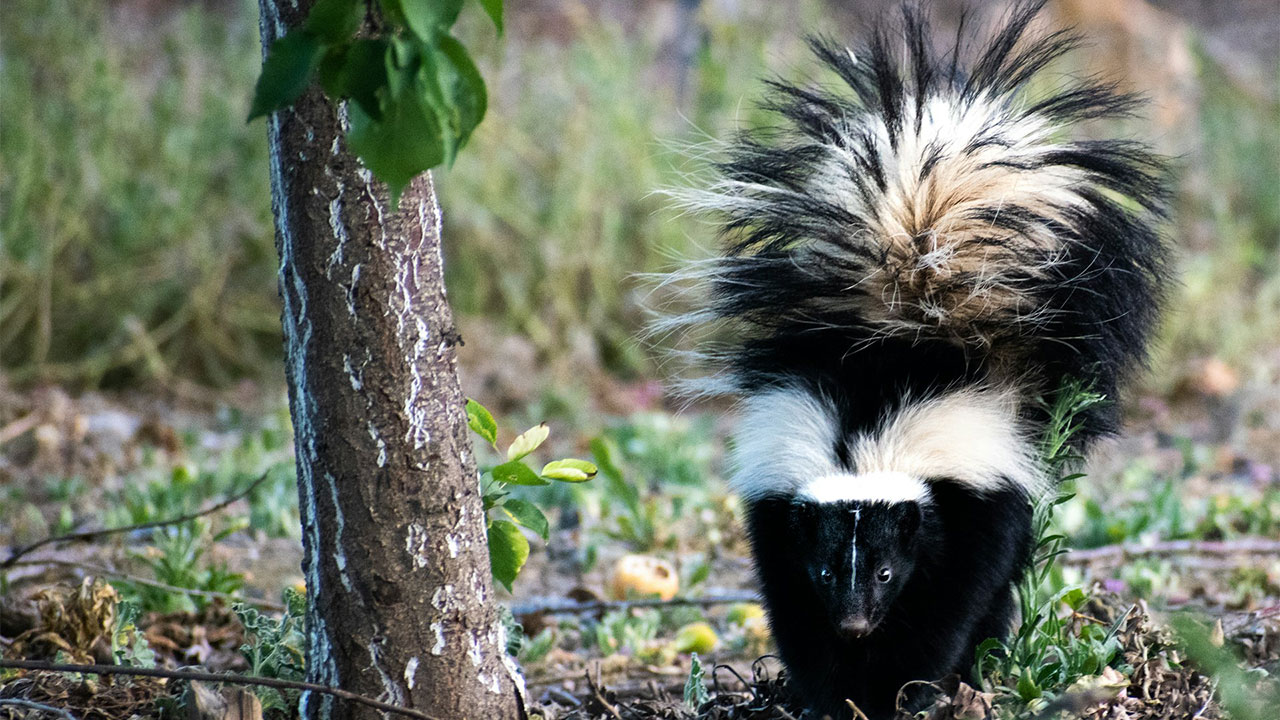
You do not need a skunk to attack anything for it to ruin your evening.
A frightened skunk can spray pets, porches, vehicles, or anyone unlucky enough to get too close. They also dig for grubs, get underneath decks and sheds, and sometimes establish dens uncomfortably close to houses. Once one takes up residence under a structure, removing the attraction becomes much more complicated.
Copperhead
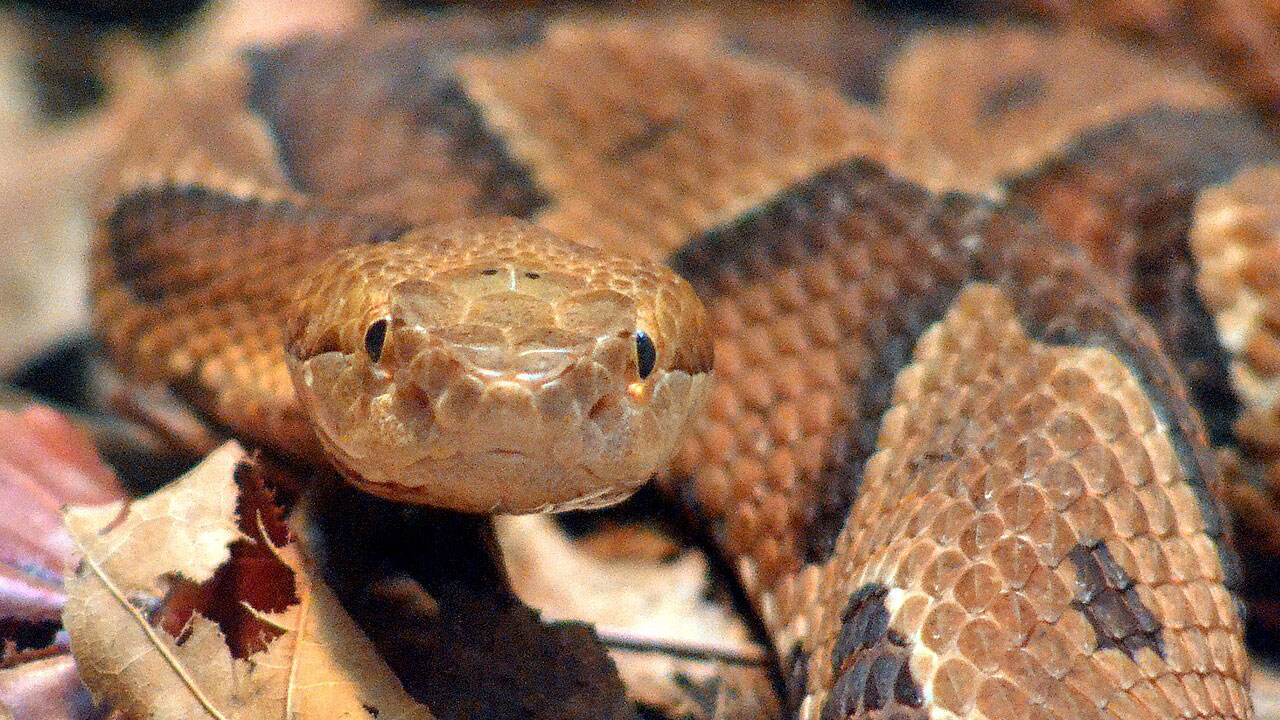
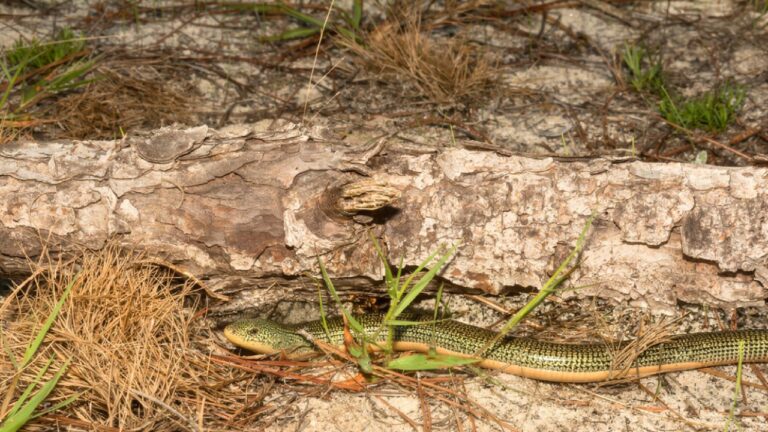
Copperheads are particularly easy to miss because their camouflage works incredibly well in leaves, mulch, and woodpiles.
That makes them concerning around patios, children’s play areas, and anywhere pets spend time. They generally are not looking for trouble, but an accidental step or curious dog can create a bad encounter instantly. A messy woodpile or heavy ground cover can give them exactly the hiding places they want.
Cottonmouth

If you live near ponds, creeks, marshy ground, or drainage areas, a cottonmouth can occasionally turn up surprisingly close to the house.
They are heavy-bodied venomous snakes and can be difficult to spot in vegetation. Dogs investigating the edge of a pond are particularly vulnerable to close encounters. They are not roaming neighborhoods looking for people, but you definitely do not want one tucked underneath landscaping beside the back door.
Rattlesnake
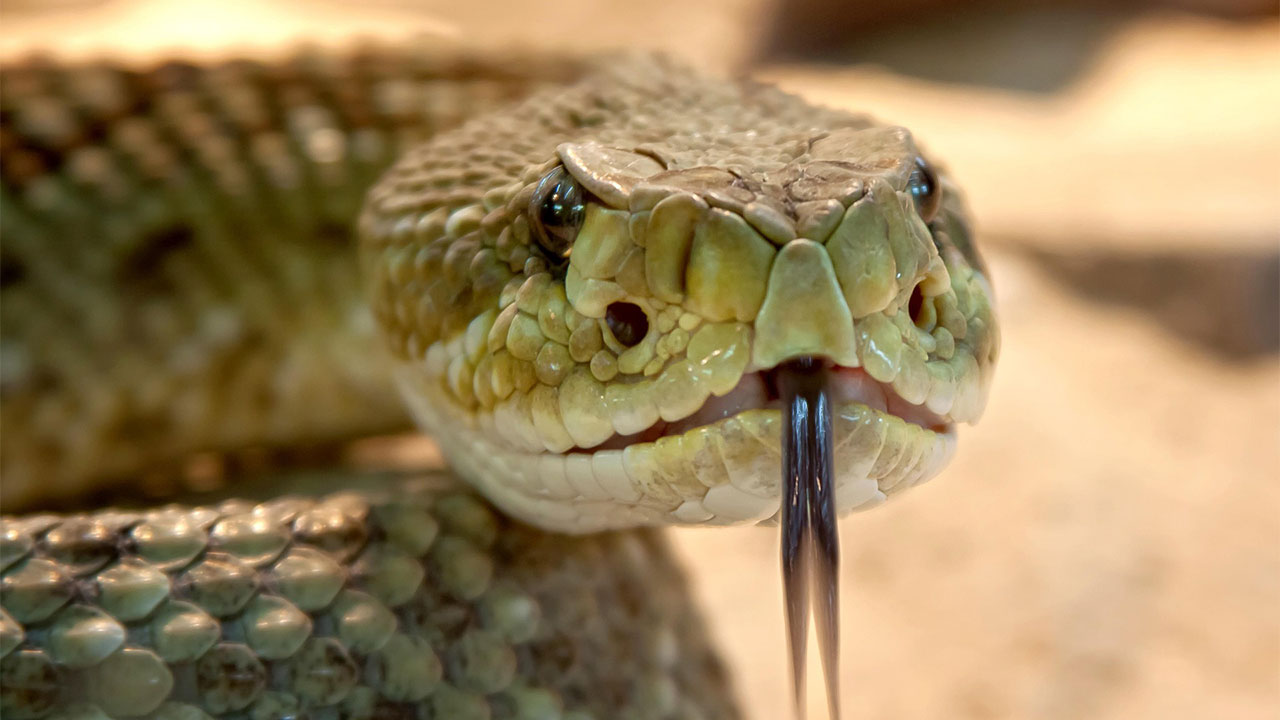
Few backyard visitors get your attention faster than a rattlesnake.
They may appear around brush piles, sheds, rock walls, rodent activity, or warm surfaces. Their defensive rattle gives them a famous warning system, but you cannot count on hearing it before every encounter. Pets and children are the biggest concern because they may get close before recognizing the danger.
Alligator
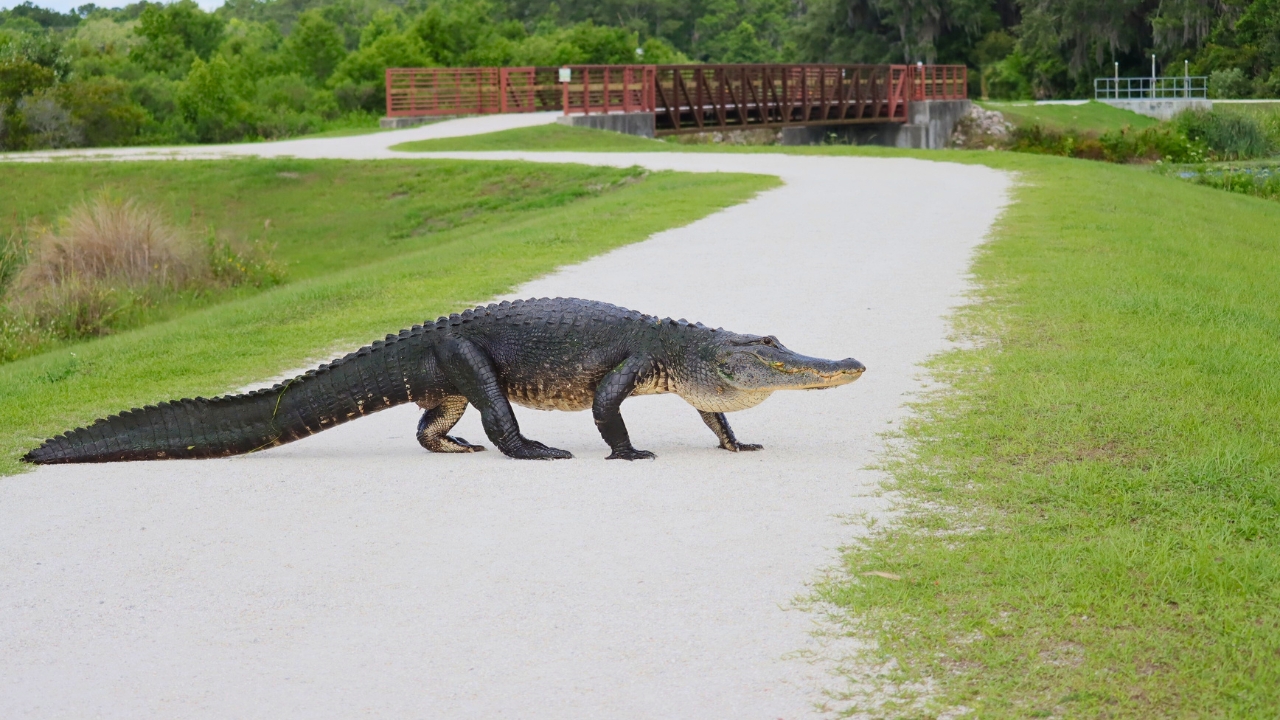
In parts of the South, an alligator in a neighborhood pond may not be unusual.
An alligator walking through the yard is another story. They can become accustomed to people if they are fed, and pets near the water can resemble natural prey. Even a moderate-sized alligator is far more powerful than most homeowners realize. Once one starts regularly approaching yards, docks, or people, it needs to be taken seriously.
Porcupine

A porcupine usually is not dangerous to a person who leaves it alone.
Dogs are another matter. Curious dogs frequently approach too closely and end up with a face or mouth full of quills. Removing deeply embedded quills can become a veterinary emergency. If you have dogs that roam the property at night, a porcupine wandering into the yard can create a very expensive lesson.
Badger

Badgers are built for digging and defending themselves.
They have powerful claws, strong jaws, and a temperament that can become extremely defensive when cornered. They can excavate lawns looking for rodents and create holes large enough to cause additional problems around livestock or equipment. One moving through is unusual enough. One deciding your yard has a reliable food source is not something you want.
Wolverine

Most Americans will never see a wolverine anywhere near their home, but in the limited areas where they occur, this is not an animal you want hanging around the backyard.
They are incredibly strong for their size, highly mobile, and capable scavengers. A wolverine near a home may be attracted by food, carcasses, or other animals. They generally avoid people, but the combination of strength and attitude makes close encounters something best avoided.
Wild Turkey Gobbler
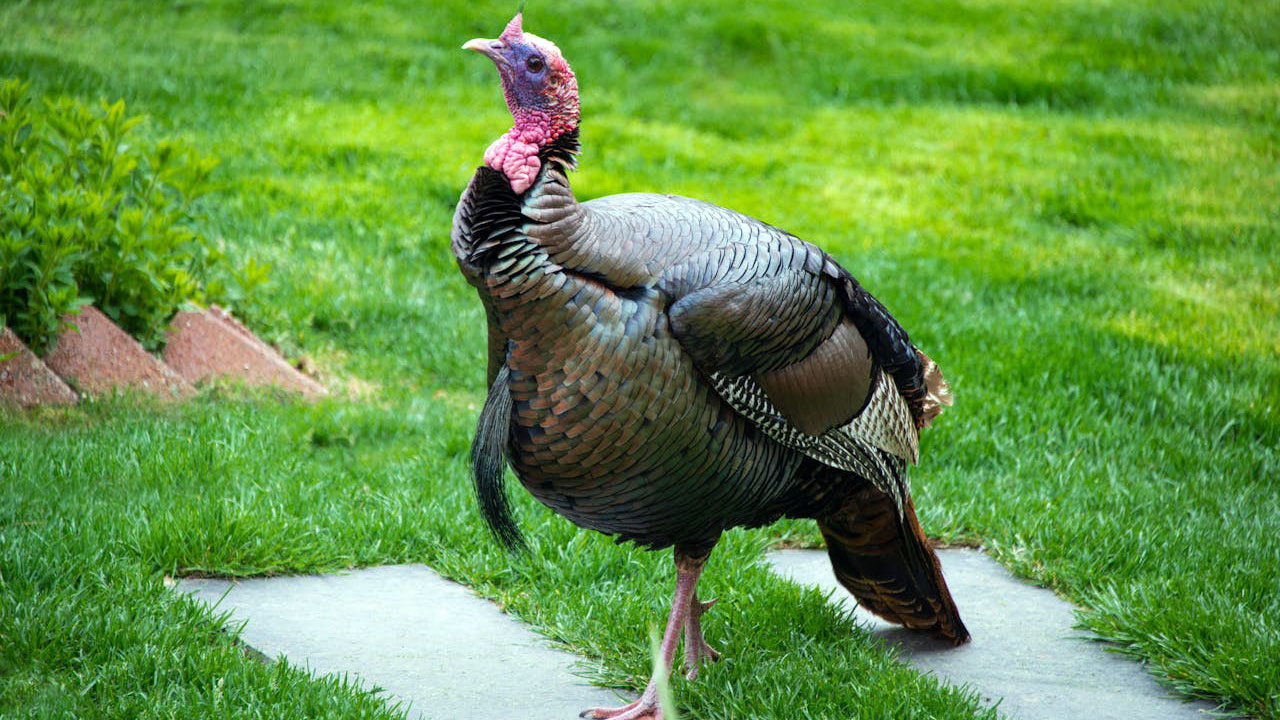
A turkey does not sound particularly threatening until a large territorial gobbler decides it owns your yard.
During breeding season, aggressive males can chase people, attack reflections in vehicles, peck at doors, and go after anyone they perceive as competition. Habituated suburban turkeys can become particularly bold because they lose their fear of people. A 20-pound bird with spurs becomes much less funny when it starts charging every time you walk outside.
Barred Owl
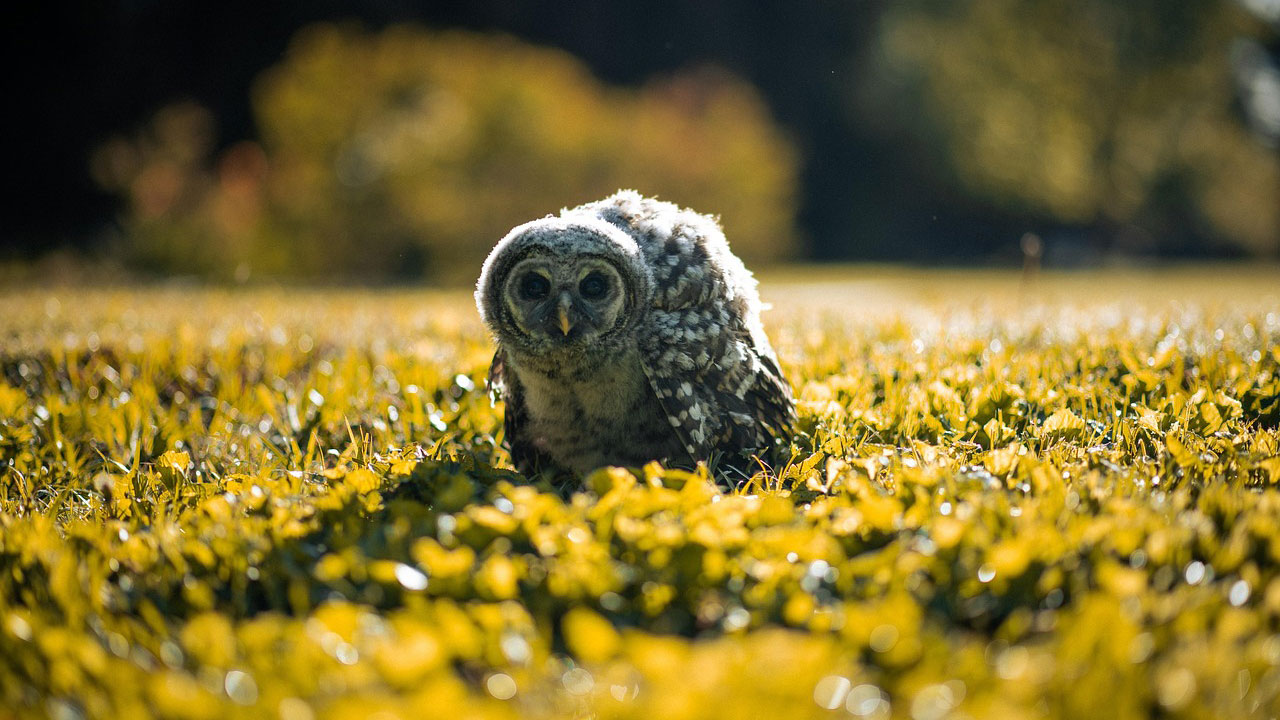
An owl is usually a welcome sight, but a large owl repeatedly hunting around a backyard can concern owners of very small animals.
Barred owls are powerful predators that take rodents, rabbits, birds, and other manageable prey. Small poultry can be vulnerable, especially around dawn and dusk. The owl itself is not the problem so much as what brought it there. If your yard consistently offers easy prey, it may become part of the bird’s regular hunting circuit.
Great Horned Owl
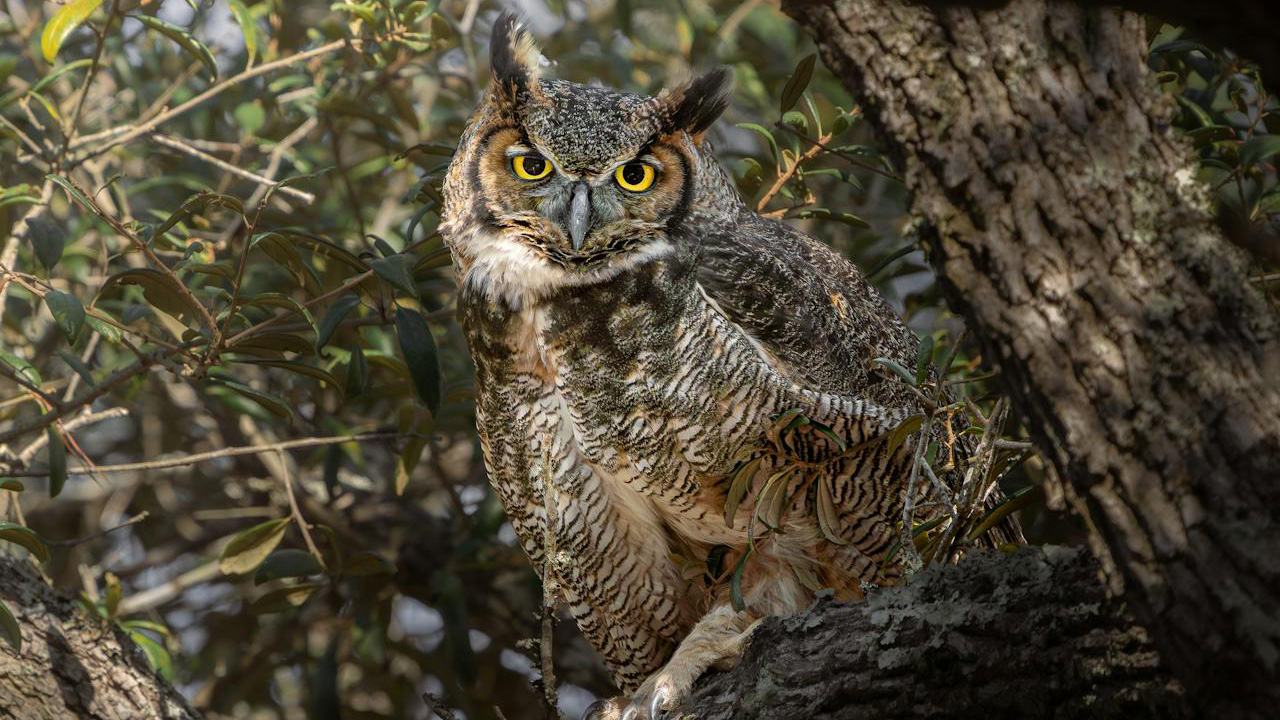
The great horned owl is an even more serious aerial predator.
Its powerful talons allow it to take surprisingly large prey, including rabbits, skunks, and domestic birds. Backyard chickens and very small pets can potentially attract attention. These owls are impressive animals, but if one starts routinely perching above your chicken run at sunset, admiration quickly turns into concern.
Fisher

Fishers are members of the weasel family and have a reputation that often sounds worse than reality, but they are still capable predators.
They hunt squirrels, rabbits, rodents, and other small animals and are powerful enough to defend themselves aggressively. Poultry owners have good reason to pay attention if one begins visiting regularly. Like many predators, the real problem starts when your property becomes an easy and repeatable food source.
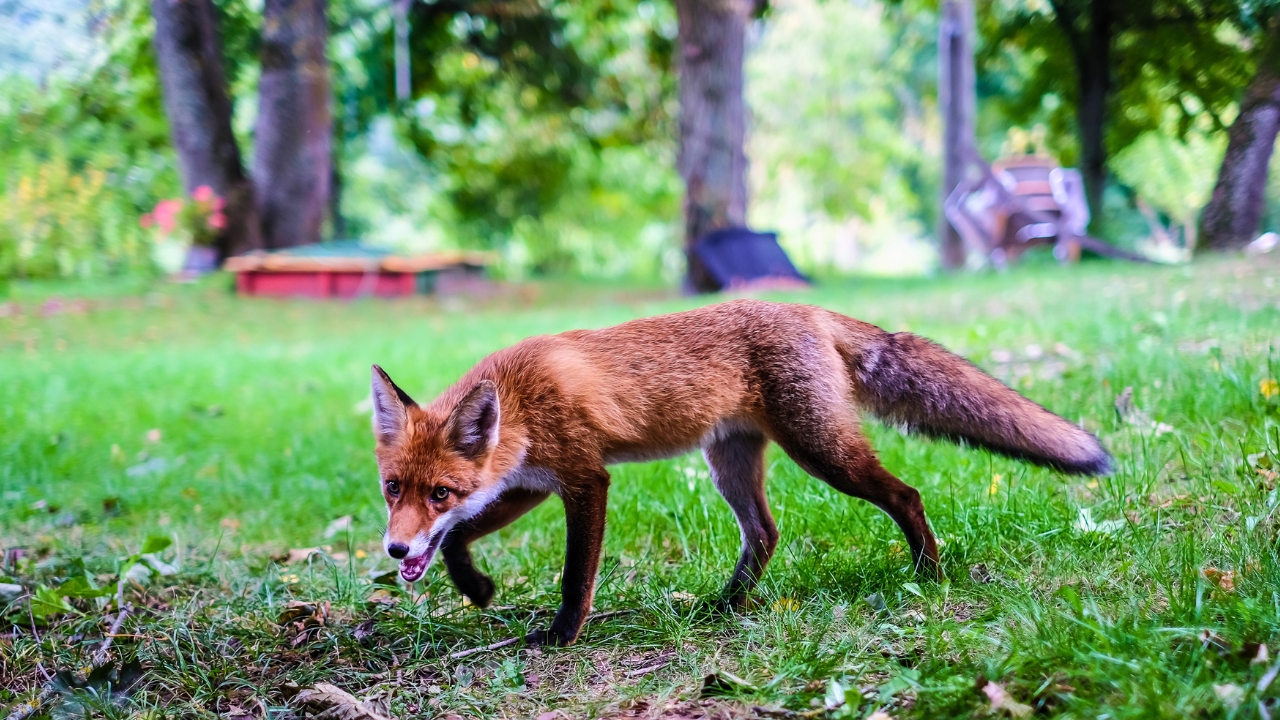
Fox
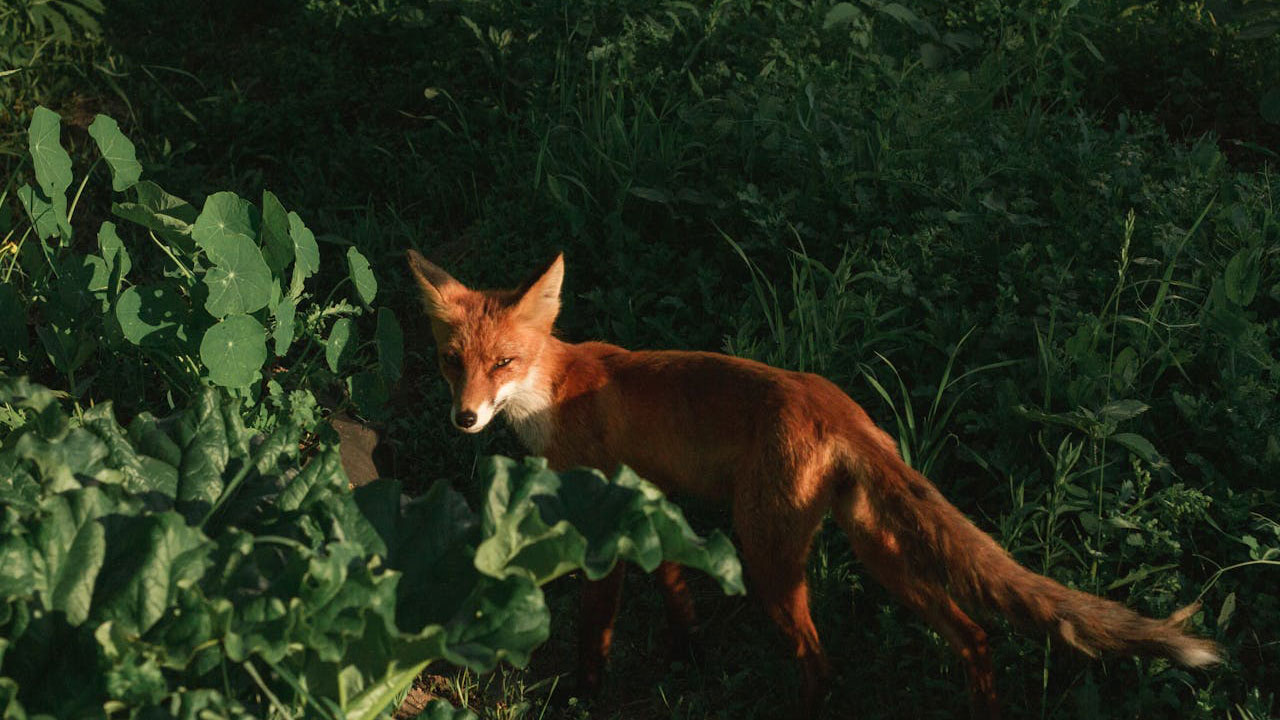
A fox moving through at night is normally not a major concern, but repeated visits around poultry or small pets can quickly become a problem.
Foxes are excellent hunters and can fit through surprisingly small gaps. A chicken coop that seems secure against dogs may be much less secure against a determined fox. Once one learns where your birds sleep, it may keep testing the enclosure until it finds a weakness.
Moose
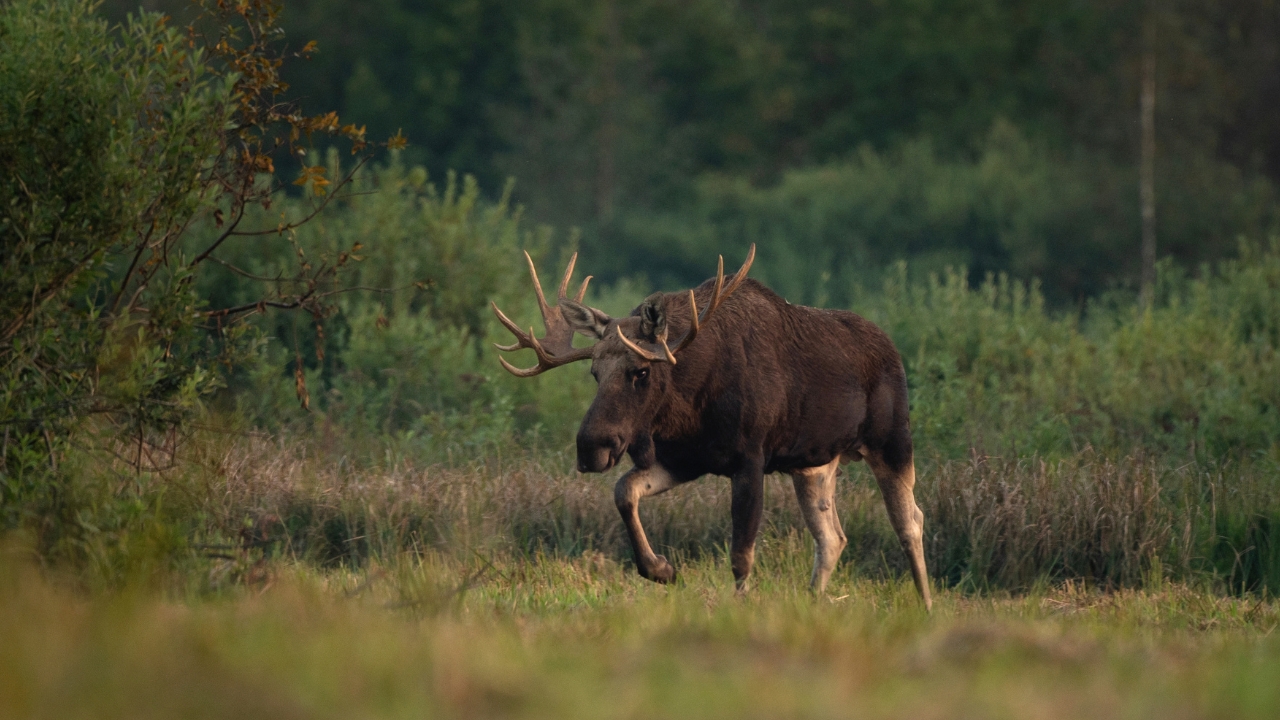
A moose may look almost harmless because it is not a predator.
That would be a serious mistake. Moose are enormous, fast, and capable of badly injuring people or dogs when they feel threatened. Cows with calves are particularly defensive, and dogs can provoke aggressive behavior. In areas where moose wander into residential neighborhoods, giving one plenty of room is far more important than trying to get a close photo.
Like The Avid Outdoorsman’s content? Subscribe to our newsletter so you never miss an article.
Here’s more from us: