Photo credit: RDNE Stock project /Pexels.com
The hunter had already paid the entry fee in sweat.
Two miles in.
That is not a casual stroll from the truck to a ladder stand behind the barn. That is the kind of walk where every piece of gear starts feeling heavier, every uphill stretch feels personal, and every step makes you more committed to the morning. By the time you get where you are going, you want to believe the hard part is behind you.
Then he realized he had forgotten his quiver and arrows.
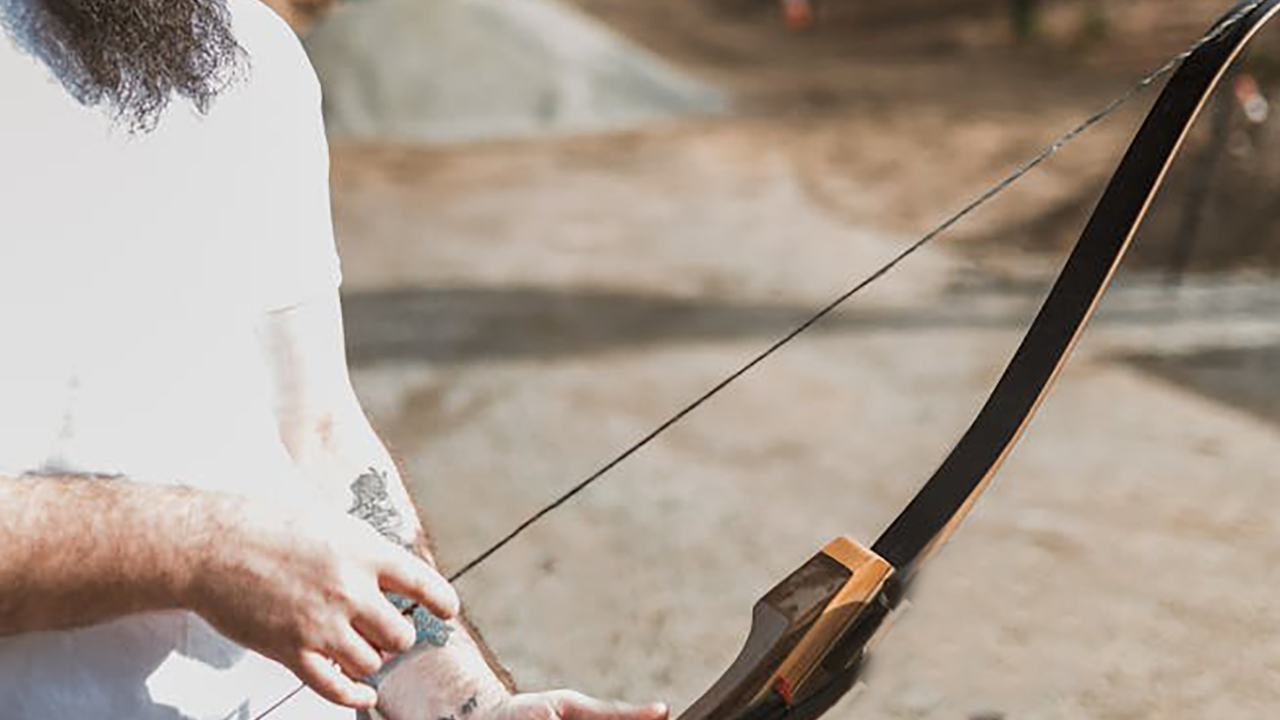
In a Reddit thread, hunters were sharing funny mistakes from the field, and one story involved a hunter who made it deep into the woods before realizing the bow was with him, but the arrows were not. That turns a hunt into something else entirely.
At that point, he was not bowhunting.
He was hiking with an expensive stick.
That is the brutal thing about forgotten bow gear. A rifle hunter who forgets ammo is done. A bowhunter who forgets arrows is just as done, but somehow it feels even dumber because the missing piece is so visible in hindsight. The bow is in your hand. The whole point of the bow is to send an arrow. And the arrows are back where they do absolutely no good.
Probably in the truck. Maybe at camp. Maybe leaning against something right where he set them down while getting ready.
The woods has a way of exposing the one item you skipped.
A two-mile walk makes it worse because the mistake is not easy to fix. If you realize it at the truck, you laugh, swear, grab the quiver, and move on. If you realize it after a few hundred yards, you can still turn around without feeling like the entire morning has been wasted.
Two miles in, the math gets ugly.
Do you walk two miles back, grab the arrows, then walk two miles in again and hope you can still salvage the sit? Do you accept that the morning is over and call it scouting? Do you sit anyway because you are already there, even though you could not take a shot if a buck walked up and signed a permission slip?
That is where “tactical nature walk” comes in.
It is the phrase hunters use when the hunt has lost the part that makes it a hunt, but you are trying to save a little dignity. You are not unprepared. You are scouting. You are observing patterns. You are learning terrain. You are getting exercise with purpose.
Sure.
The deer do not care what you call it.
The hunter probably had one of those quiet, defeated moments where he looked at the bow, looked at the empty place where the quiver should have been, and replayed the morning. He probably remembered exactly where the arrows were the second he no longer had them. That is usually how it works. The brain suddenly produces a perfect image of the forgotten gear sitting somewhere obvious.
That image does not help.
It just makes the walk back feel longer.
This kind of mistake is funny because it is harmless, but it is also a reminder that hunting routines need to be physical, not mental. You cannot rely on “I’m sure I grabbed everything” at 4:30 in the morning. Your brain is tired, the coffee has not fully landed, and you are thinking about wind, access, thermals, deer movement, and not making noise.
That is exactly when the obvious item gets missed.
For bowhunters, the final check needs to be painfully simple. Bow. Release. Quiver. Arrows. Rangefinder. License. Tags. Knife. Light. Phone. Touch each one. Not glance at the pack. Not assume because it was there yesterday. Touch it.
If the quiver detaches from the bow, it deserves its own check. If arrows ride in a separate tube or case, they deserve their own check. If the release is clipped somewhere other than your wrist, check that too. The small stuff ends hunts faster than people want to admit.
The hunter’s two-mile mistake probably became funny later, but not right away. Not while standing there with no arrows. Not while deciding if he had the humility to turn around. Not while imagining the buck of a lifetime walking by during the one morning he could only watch.
That is the nightmare version.
Because you know that is what every hunter thinks when gear is missing. It will happen today. The deer will show up today. The one morning I cannot shoot will be the one morning everything walks through.
Maybe nothing showed. Maybe he just got a long walk and a story. But the possibility is enough to make a man double-check his quiver forever.
He walked in like a bowhunter.
He walked out with a new checklist.
Commenters treated it like a classic hunting mistake because nearly everyone has forgotten something that mattered.
Several hunters said the deeper you walk before realizing it, the worse the mistake feels. Forgetting arrows at the truck is annoying. Forgetting them after a two-mile hike turns the whole morning into a punishment loop.
Others joked that at least he got scouting and exercise out of it. That is the kind of joke people make because they know there is no better way to soften the embarrassment.
A lot of practical advice came back to final gear checks. Bowhunters need to touch the bow, release, quiver, arrows, tags, and rangefinder before leaving the truck. If one item can end the hunt, it should never be trusted to memory alone.
Some commenters also said detached quivers are easy to forget because hunters set them down while packing, driving, or getting dressed. Keeping the quiver attached to the bow until the last possible moment can prevent that.
The main lesson was simple: a long walk does not count as hunting if the arrows stayed behind.