Photo credit: Hang In There Cat (HangInThereCat)/Youtube
Spend enough Saturdays walking the aisles at a local gun auction and you start to notice patterns. Folks crowd the tables with the “new hotness,” polymer this and tactical that, and they’ll step right over a plain-looking rifle with honest wear and good bones. Later, those same guys will complain they can’t find a decent deer rifle that feeds right, carries right, and doesn’t make them baby it like a safe queen.
Here are 20 rifles I’ve watched get passed over because the bidder didn’t know what he was looking at yet. Some are sleeper hunting rifles, some are working-man collectibles, and a few are just the kind of “boring” gun you end up trusting when the weather turns ugly.
1. Winchester Model 70 (pre-64)
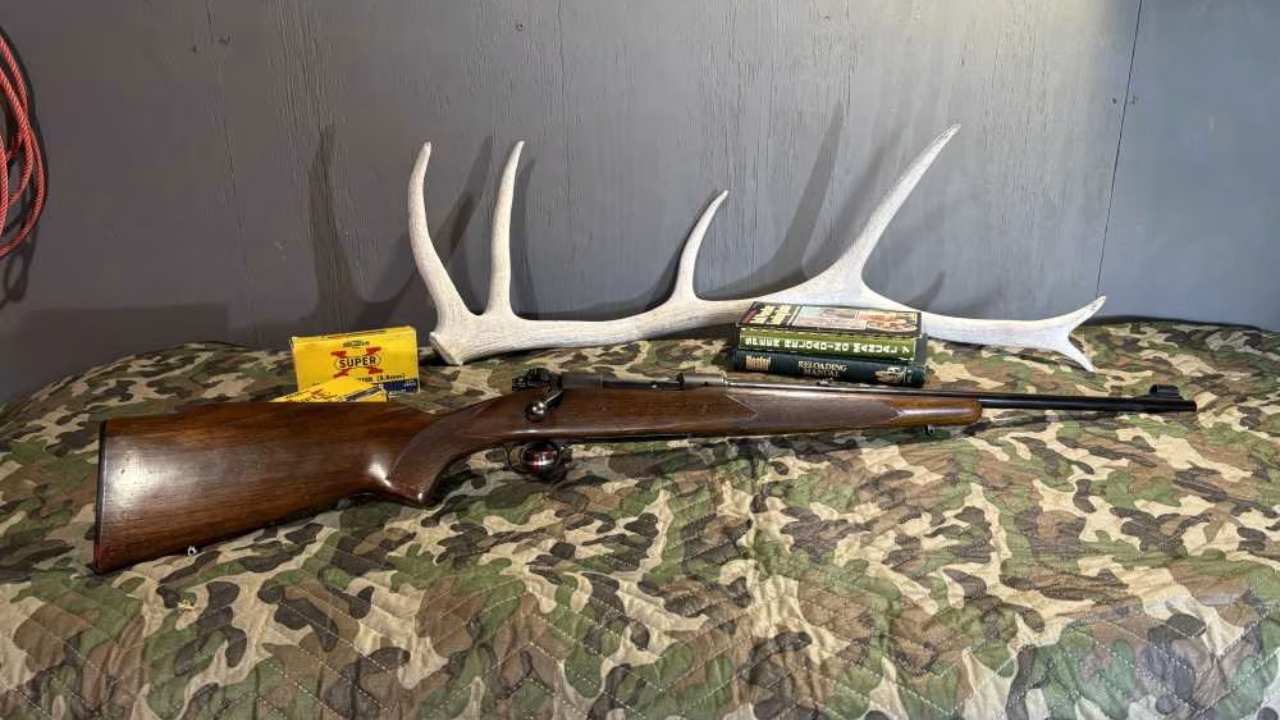
You’ll see a pre-64 Model 70 sitting there with worn blueing and a stock that’s been carried more than it’s been admired, and bidders act like it’s just another old bolt gun. The controlled-round feed is the whole story. When you’re cold, wet, and trying to top off the magazine without fumbling, that slick, positive feed matters. There’s a reason old-timers called it the “Rifleman’s Rifle.”
It’s not perfect. Some of them have been drilled, tapped, or “customized” in ways that hurt collector value. Still, as a hunting tool, a decent pre-64 is hard to replace with anything new that feels the same. The bolt lift, the way it chambers, the confidence you get cycling it fast—ask anyone who’s run one in bad weather.
2. Remington Model 700 BDL (older, wood-stock guns)
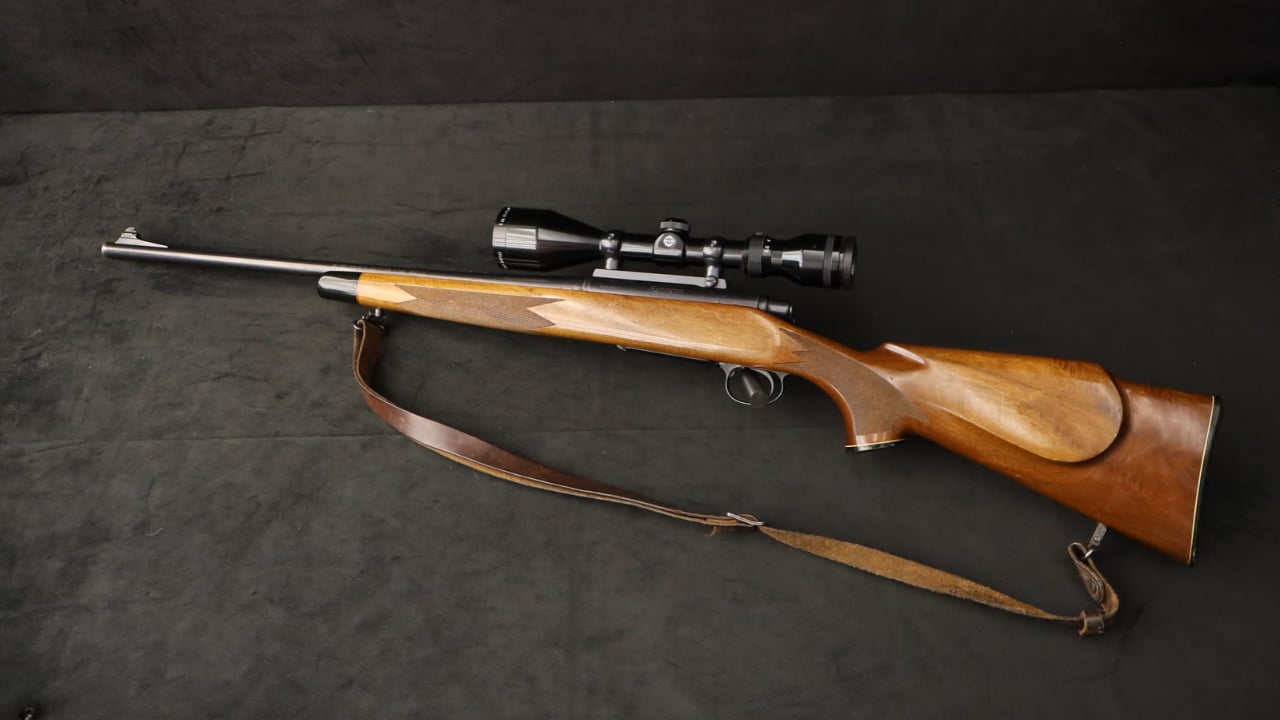
The older BDLs get ignored because they’re not flashy, and because everybody on the internet has an opinion about the 700 platform. In the real world, a clean, older BDL is often a dead-reliable hunting rifle with a trigger that can be excellent and a stock that actually carries well in the hand. They balance better than a lot of today’s heavy barreled “do everything” rifles.
What trips buyers up is condition and caliber. The smart play is to look for an unmolested rifle with a decent bore and a bolt that runs smooth. If it’s been “garage-smithed” with mystery parts, walk away. But if it’s a straightforward .270, .30-06, or 7mm Mag that hasn’t been abused, you’re looking at a rifle that can do 95% of North American hunting without drama.
3. Ruger M77 Mark II (controlled-round feed)
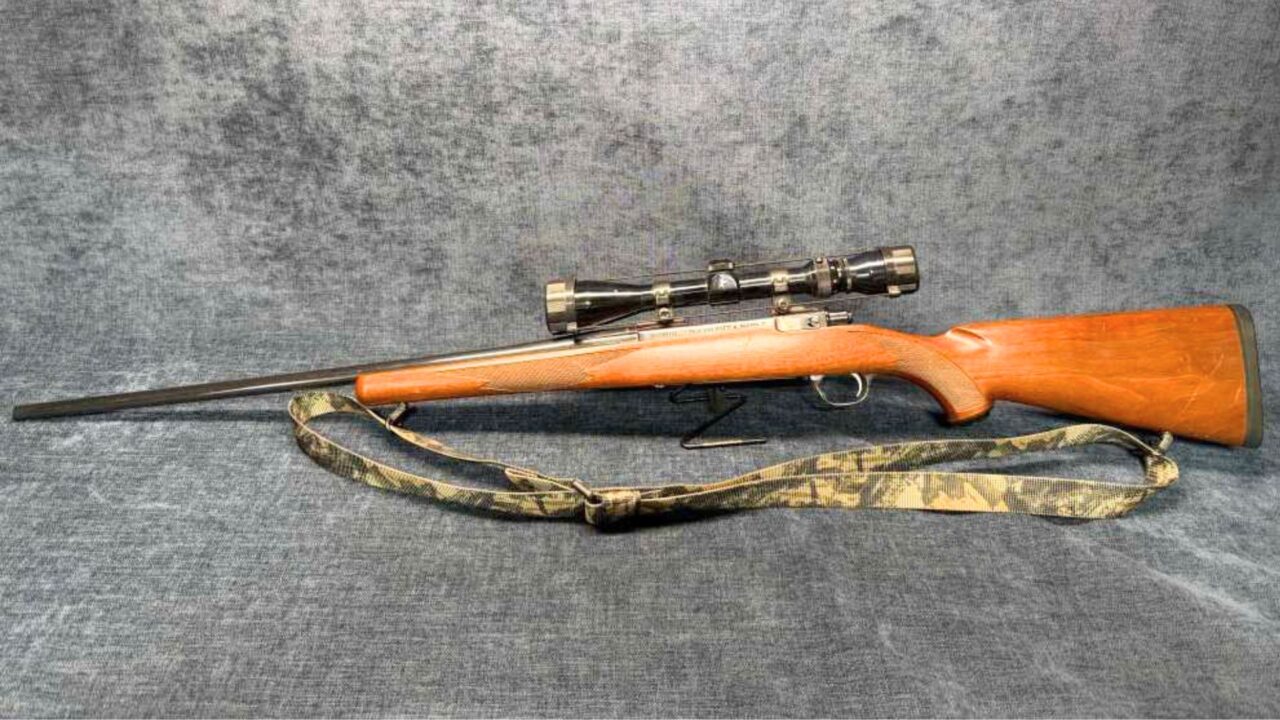
The M77 Mark II doesn’t get enough love at auctions because it doesn’t have the cult following of certain classics, and it’s not the cheapest entry on the rack either. But the Mark II action is tough, simple, and built for hunters who actually hunt. It feeds with authority, it extracts like it means it, and the three-position safety is one of those features you appreciate when you’re climbing into a stand in the dark.
They’re not all laser beams, and some factory barrels are just “good enough.” That’s fine for a whitetail rifle. The bigger point is durability and confidence. If you find one with decent rings, a clean crown, and a stock that isn’t cracked at the tang, you’re buying a rifle that’ll still be running when the trendy stuff is sitting in the back of the safe waiting on parts.
4. Savage 99 (lever-action)

A Savage 99 is one of the easiest rifles at an auction to walk past if you don’t know lever guns. It doesn’t look like a cowboy rifle, and it doesn’t look like a modern scoped deer rifle either. But the 99 is a slick, accurate lever gun with a strong action and, in many versions, a rotary magazine that lets you run pointed bullets. That’s a big deal.
They show up in .300 Savage, .250-3000, .308, and a few other chamberings, and the right one is a joy to carry in the woods. The downside is parts and certain repairs aren’t as simple as a basic bolt gun. Still, when you shoulder a good 99, it points fast. It’s the kind of rifle you end up grabbing for still-hunting and thick cover where a long bolt gun feels clumsy.
5. Marlin Model 336 (JM-stamped)
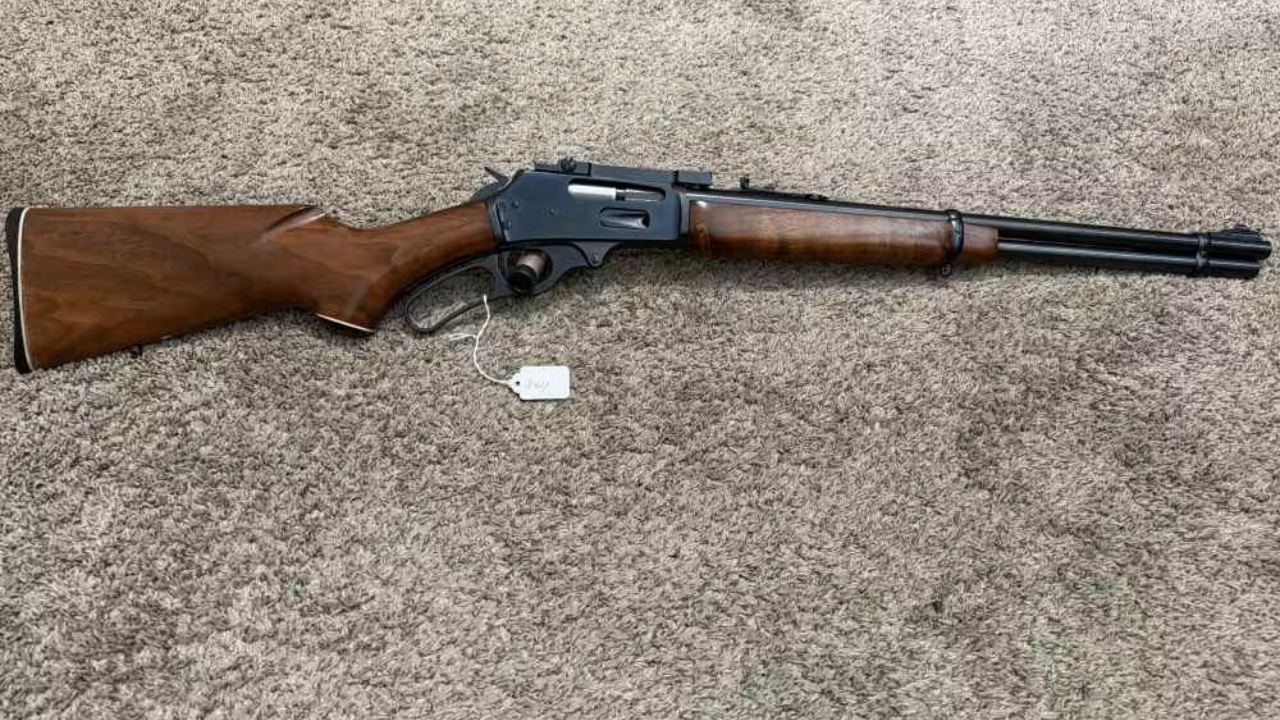
JM-stamped Marlin 336 rifles get passed because they’re “just a .30-30,” and because bidders assume they can always buy another one later. Not the same kind, they can’t. A good 336 has a smooth action, a solid feel, and it carries like it was made to slip through brush. In a saddle scabbard, in a truck, or over your shoulder walking a logging road, it just works.
What makes the older ones stand out is fit and finish and consistency. Check the loading gate, cycle the lever, and look down the bore with a light. A clean, straight-shooting 336 is a lifetime woods rifle. It’s also one of the best “loaner” rifles a family can own because it’s simple and forgiving, and ammo is still around even when shelves look bare.
6. Browning BLR (older steel-receiver models)

The BLR confuses people. It’s a lever gun, but it isn’t a traditional lever gun. Magazines, rotating bolt, and it’s often chambered in “real” rifle cartridges. That’s why it belongs on this list. When you find an older BLR that hasn’t been beaten up, you’re getting a fast-handling rifle that hits like a bolt gun, with the ability to run pointed bullets from a box magazine.
The tradeoff is they’re more complex than a 336, and some folks don’t like the trigger feel compared to a bolt gun. But in the deer woods, especially in mixed cover where you might need a follow-up shot quick, a BLR makes a lot of sense. At auctions, they’ll sit there while guys chase something tacticool, and I don’t get it.
7. Ruger No. 1 (single-shot)

A Ruger No. 1 often gets dismissed as a “collector rifle” or a “novelty.” Then you actually carry one. It’s short for its barrel length, balances beautifully, and it makes you slow down in a good way. For the hunter who takes one solid shot and values a rifle that feels like a rifle, it’s hard to beat.
Single-shots aren’t for everyone, and I get why a guy with kids or a camp full of first-time hunters might want a repeater. Still, the No. 1 is one of those rifles that ends up staying in the family if it’s treated right. When you find one with good wood and a clean chamber, it’s not just “pretty.” It’s functional art that will still kill deer clean long after the latest magazine-fed trend cools off.
8. CZ 527 (bolt-action mini Mauser)

The CZ 527 is the kind of rifle bidders overlook because it looks small and “old school,” and sometimes it’s chambered in cartridges folks don’t understand. But the mini-Mauser action is slick, controlled-round feed is a plus, and the set trigger on many of them is a real treat if you’re the kind of shooter who appreciates a crisp break from field positions.
Most of them were bought by careful owners, which means you’ll find examples with clean bores and stocks that haven’t been dragged behind a four-wheeler. They’re not built for dumping magazines, and they’re not trying to be. As a walking varmint rifle or a light deer rifle in the right chambering, it’s the kind of gun you bond with. And since they’ve been discontinued, replacing one later can turn into a long search.
9. Tikka T3 (early blued models)
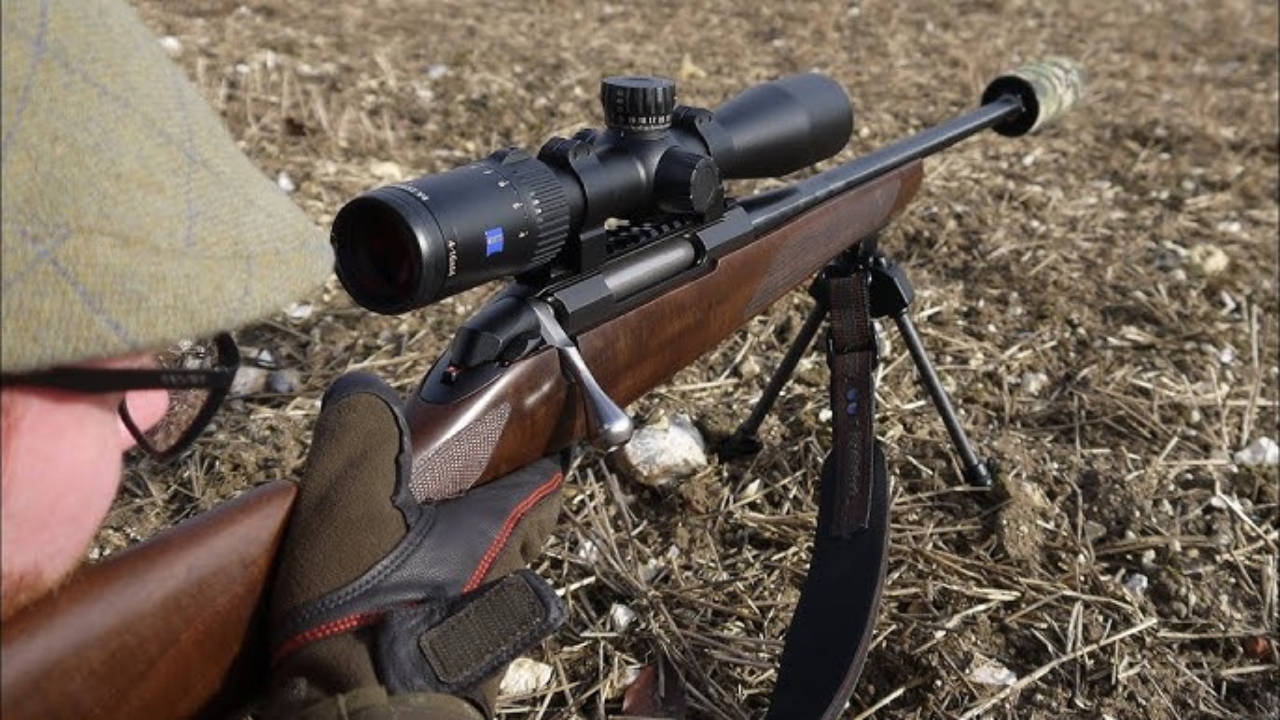
Auctions can be funny about Tikkas. If the crowd is stuck in “only American” mode, a T3 can go cheap. That’s a mistake if you’re buying a rifle to shoot, not to talk about. The T3 action is smooth in a way that makes a lot of other production rifles feel gritty. They tend to shoot straight with factory ammo, and they’re light enough to actually carry all day.
Yes, there’s polymer in places where old-school guys want steel. Get over it if the goal is punching tags. What you want to check is magazine condition, bolt operation, and whether the previous owner boogered up the scope mounts. A clean T3 is a “buy once, cry once” rifle that sometimes slips through auctions because it doesn’t have walnut and nostalgia attached.
10. Sako Forester L579

Sako rifles often sit on the rack while bidders chase name recognition. The Forester L579 is a prime example. The machining, the smoothness, the way the bolt glides—this is what “quality” feels like when you cycle it. They’re not always light, but they’re honest rifles that tend to be very accurate with sensible loads and good optics.
The catch is condition and modifications. A lot of these got reblued, restocked, or drilled in ways that make collectors frown. If you’re not buying it as a museum piece, that can be fine. Just make sure the work was done right and the rifle isn’t hiding rust under a pad or sling stud. A solid Sako is the kind of rifle you hand to a good hunter and they immediately stop talking about gear.
11. Springfield Armory M1 Garand (CMP-era rifles included)
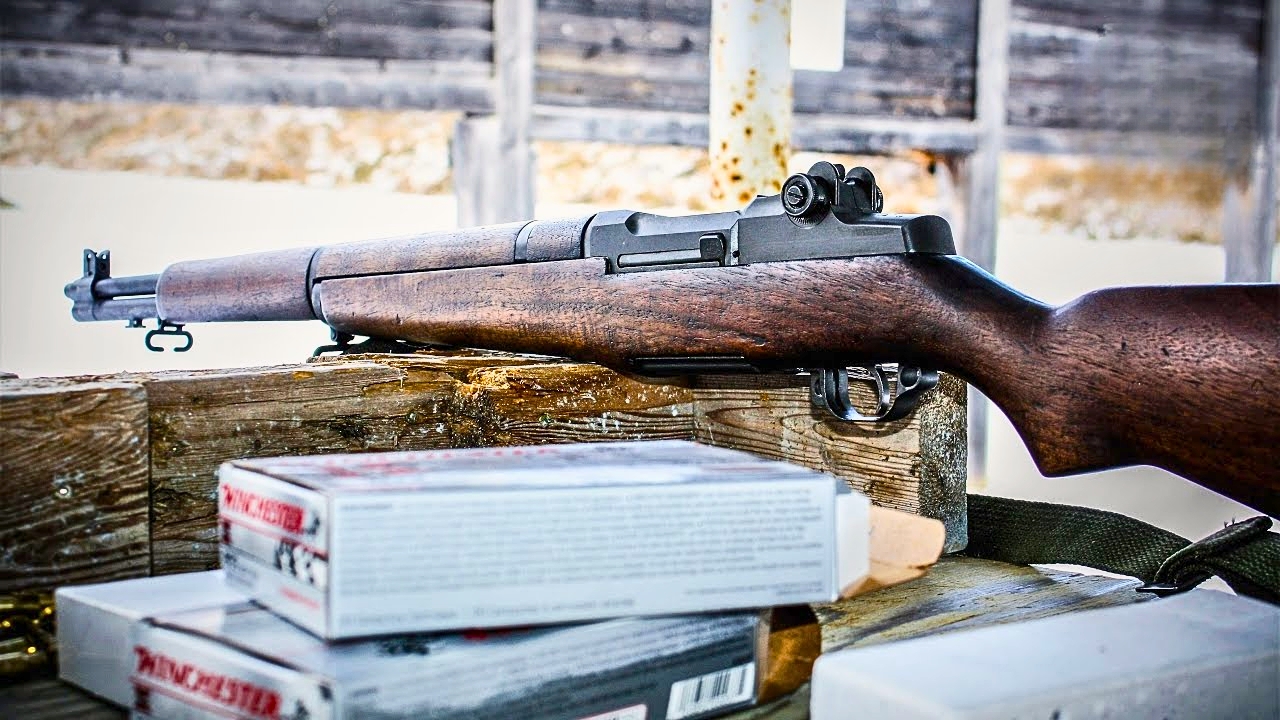
The Garand gets passed because it’s heavy and because folks think it’s “just history.” Then they finally shoot one and realize it’s a real rifle, not a wall hanger. The sights are excellent. The recoil is friendly for .30-06. The action has a rhythm to it that feels alive. For a range rifle, a collector piece, or even a practical rifle where legal, it’s hard not to respect it.
At auctions, guys get spooked by clip availability, ammo concerns, and the idea that it’s complicated. It isn’t, if you keep it clean and run appropriate ammo. The bigger issue is buying one that hasn’t been messed with. Look for correct parts where possible, but don’t let “not perfect” scare you off. A good Garand is one of those rifles you regret passing on because they don’t get more common.
12. Swiss K31 (Schmidt-Rubin)

A K31 will sit on an auction table while people pick up rougher surplus rifles with bigger reputations. That’s backwards. The K31 is often shockingly accurate for what it is, with a straight-pull action that’s fast once you learn it. Most of them have excellent bores because the Swiss took care of their stuff. It’s the rare surplus rifle that feels like it was built by people who actually cared about machining.
The downside is ammo and accessories aren’t as convenient as .308 or .30-06, and the length of pull can feel short to some shooters. But for a range rifle that’s different, or for the guy who appreciates old-world quality, the K31 is a gem. If you see one with a clean stock, matching numbers, and a bright bore, don’t stand there debating too long. They’re not making any more of them.
13. Swedish Mauser M96 (Carl Gustaf and Husqvarna examples)
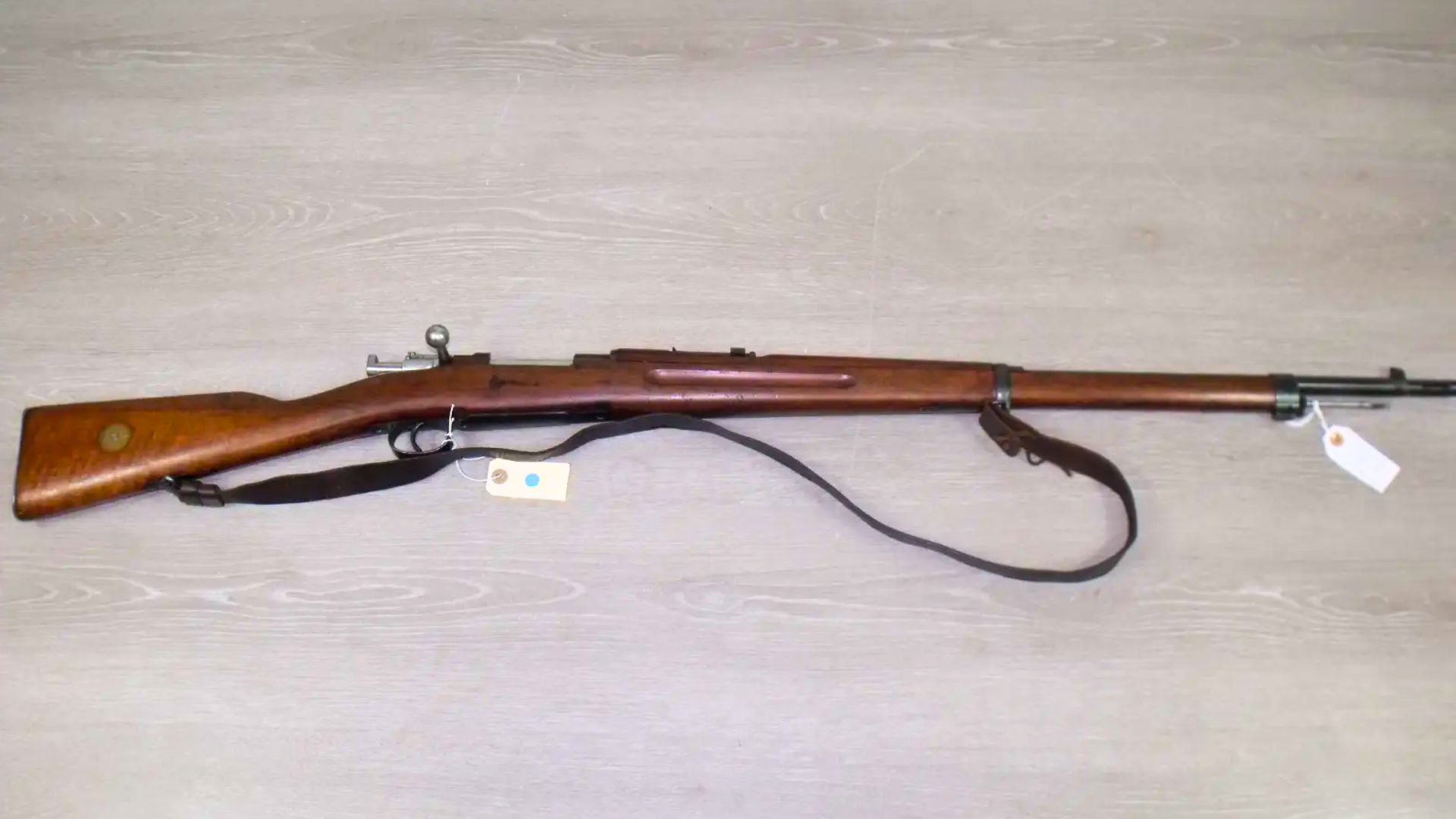
The Swede Mausers get treated like “just another Mauser,” and that’s a shame. The 6.5×55 is easy to shoot well, penetrates better than a lot of people expect, and doesn’t beat you up. The rifles themselves tend to have excellent barrels and smooth actions, especially when they haven’t been sporterized to death. A good M96 is a pleasant rifle to own and shoot.
Where bidders hesitate is “old rifle” fear: headspace, ammo, and whether it’s safe. You still need to inspect any used gun carefully, of course, but these rifles have a strong track record when they’re in spec. As a training rifle, a hunting rifle in the right hands, or just a piece of practical history, the M96 is one of the smartest buys that gets ignored because it isn’t trendy.
14. Lee-Enfield No. 4 Mk I
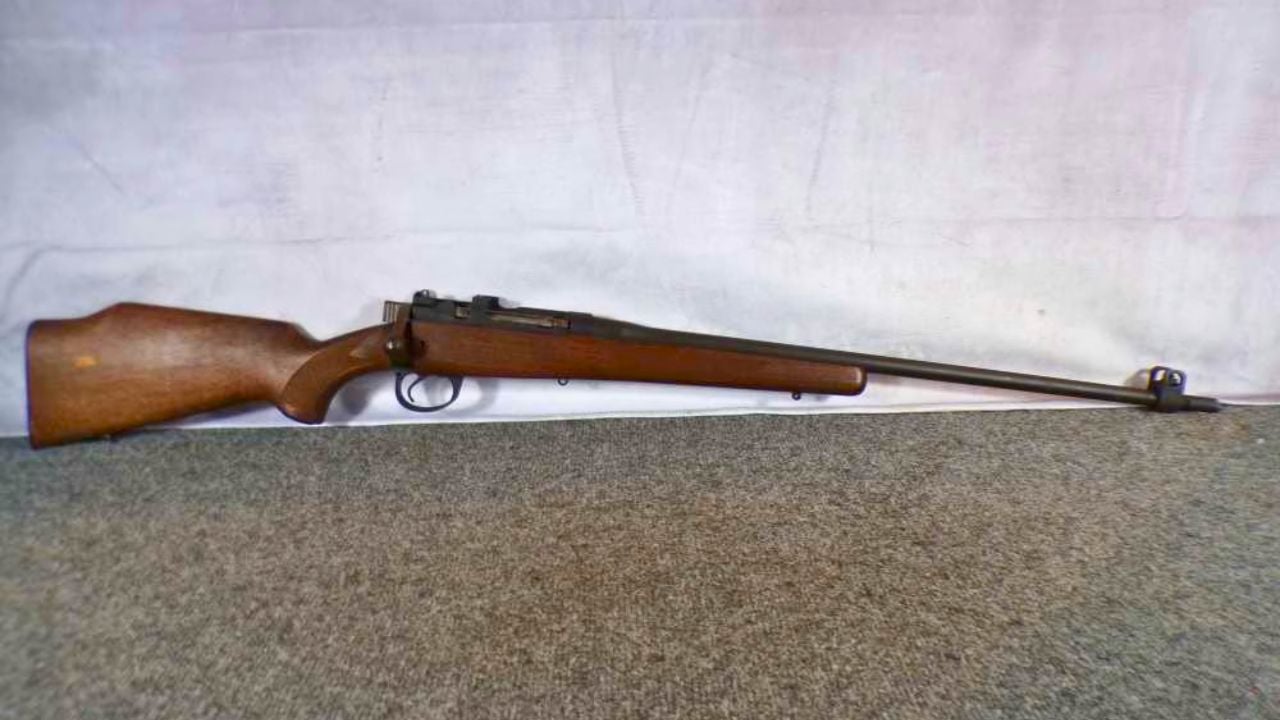
Everybody has heard of the Enfield, but not everybody understands why it matters. The No. 4 isn’t a benchrest rifle. It’s a “keep shooting in bad conditions” rifle with a fast, smooth bolt and a magazine system that works. For a surplus rifle, the ergonomics are good, the sights are usable, and cycling the action feels quick without feeling flimsy.
What scares auction buyers is .303 British availability and the fact that condition varies wildly. Fair point. You need to check the bore, the stock fit, and whether it’s been messed with. But a solid No. 4 will surprise you with how practical it feels. If you want a rifle that can live behind a truck seat on a farm (stored safely and legally, of course) and still run when it’s dusty and cold, this one deserves a second look.
15. Ruger Mini-14 (older Ranch Rifle)
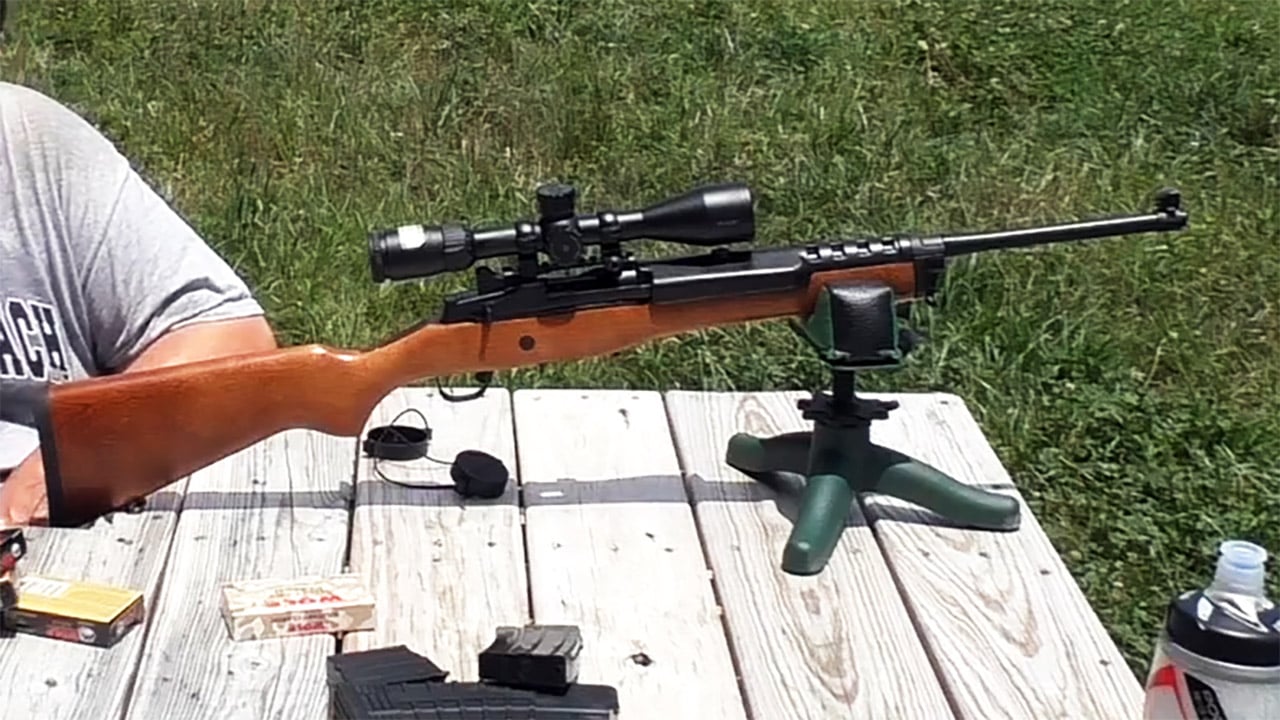
The Mini-14 gets made fun of online, and I’ve never understood the pile-on. Are some older ones less accurate than a good AR? Sure. Do most folks actually need sub-MOA for a ranch rifle? No. What the Mini does well is carry easy, point fast, and run with minimal fuss. It’s also politically “boring” in a way that matters to some landowners, depending on where you live and who’s driving down your lane.
At auction, they get passed because they aren’t the cheapest .223 option and they don’t scratch the customization itch. But magazines are out there, reliability is generally solid with good mags, and it’s a handy rifle for coyotes, pests, and general property work. If you find one that hasn’t been bubba’d, with a decent gas system and a clean crown, it’s a practical tool that earns its keep.
16. Colt AR-15 SP1
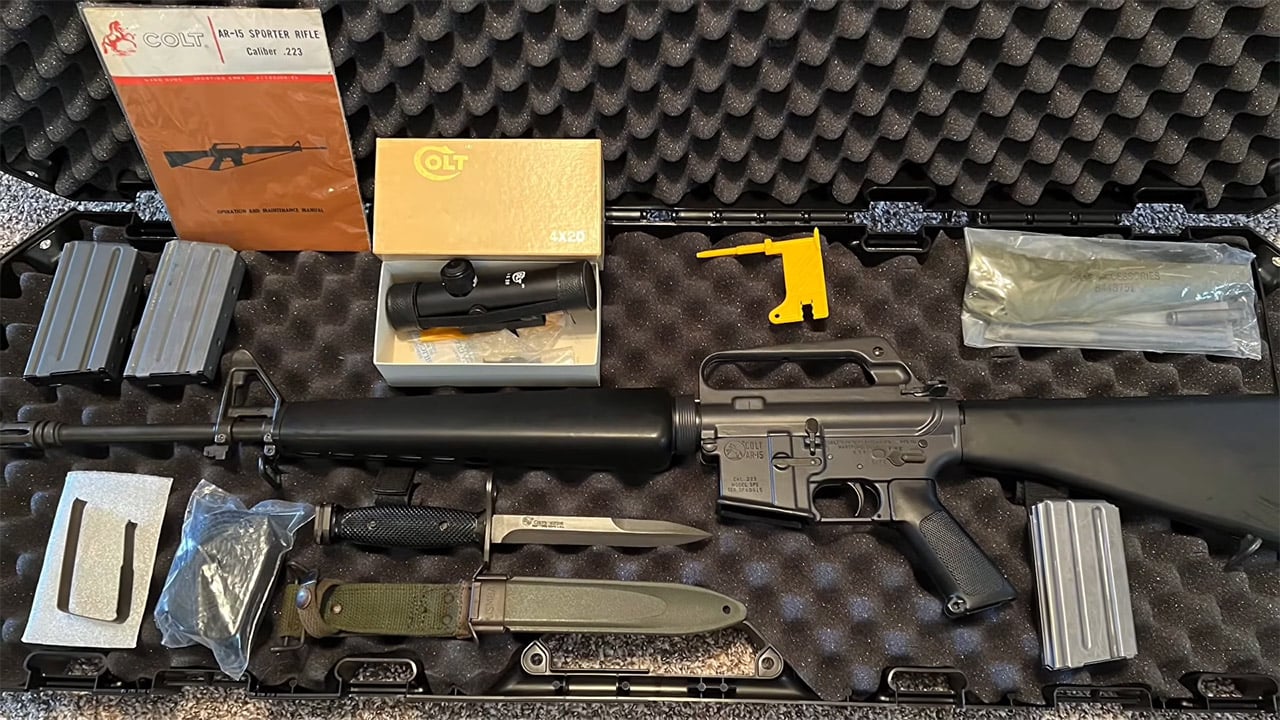
Early Colt SP1 rifles get skipped because they look “dated” next to modern ARs with rails everywhere. That’s exactly why they’re worth attention. The SP1 is light, simple, and has that classic profile that carries easy. For collectors, it matters. For shooters, it’s also just a pleasant rifle to handle compared to some of the front-heavy builds people assemble today.
Auctions are full of ARs, so bidders get numb and assume they’re all the same. They’re not. With an SP1, originality and condition are everything. Check that it hasn’t been hacked up, that the pins and parts make sense for the era, and that the bore is clean. It’s one of those rifles that somebody will eventually pay real money for, and it’s easy to miss if you’re only thinking in terms of “another black rifle.”
17. Remington Model 760 Gamemaster
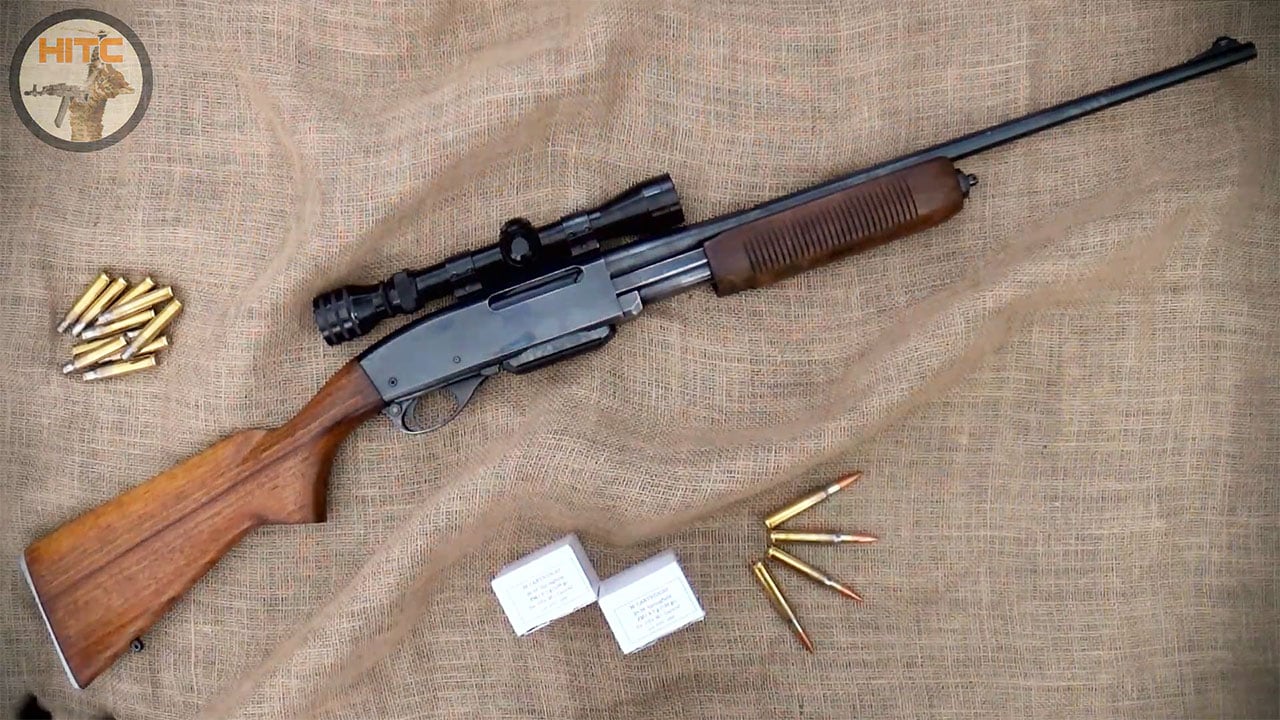
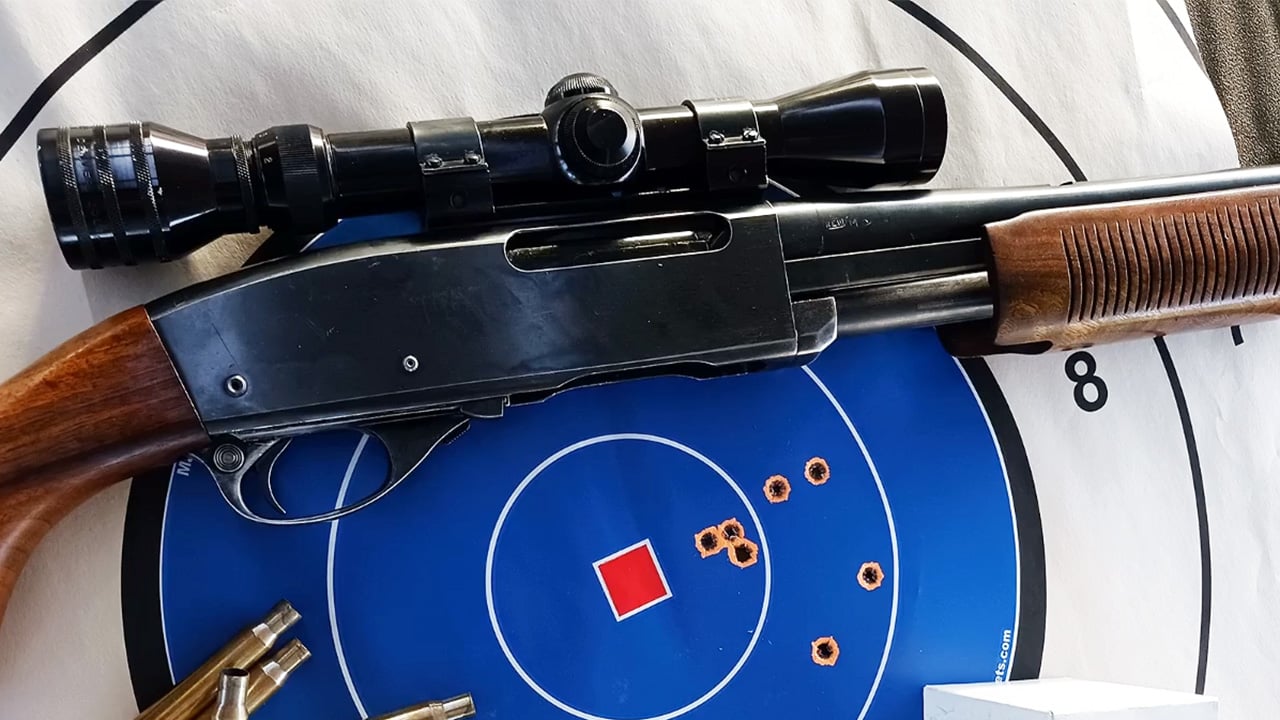
The 760 pump rifle is a deer-camp classic that newer hunters sometimes don’t even recognize. They’ll pass it because it’s not a bolt gun and not a semi-auto, like it’s stuck in the middle. That’s the beauty of it. A good 760 points quick, runs fast for follow-up shots, and still gives you rifle cartridge performance. In thick woods, it’s a serious tool.
Where you need to be careful is wear. Some of these have lived hard lives in camps and trucks, and sloppy actions or beat-up magazines can cause headaches. But when you find one that’s tight and feeds right, it’s hard not to smile. If you grew up around hunters who liked to still-hunt and shoot offhand, you already know why the 760 has a loyal following. It’s not glamorous. It’s effective.
18. Winchester Model 94 (pre-64)
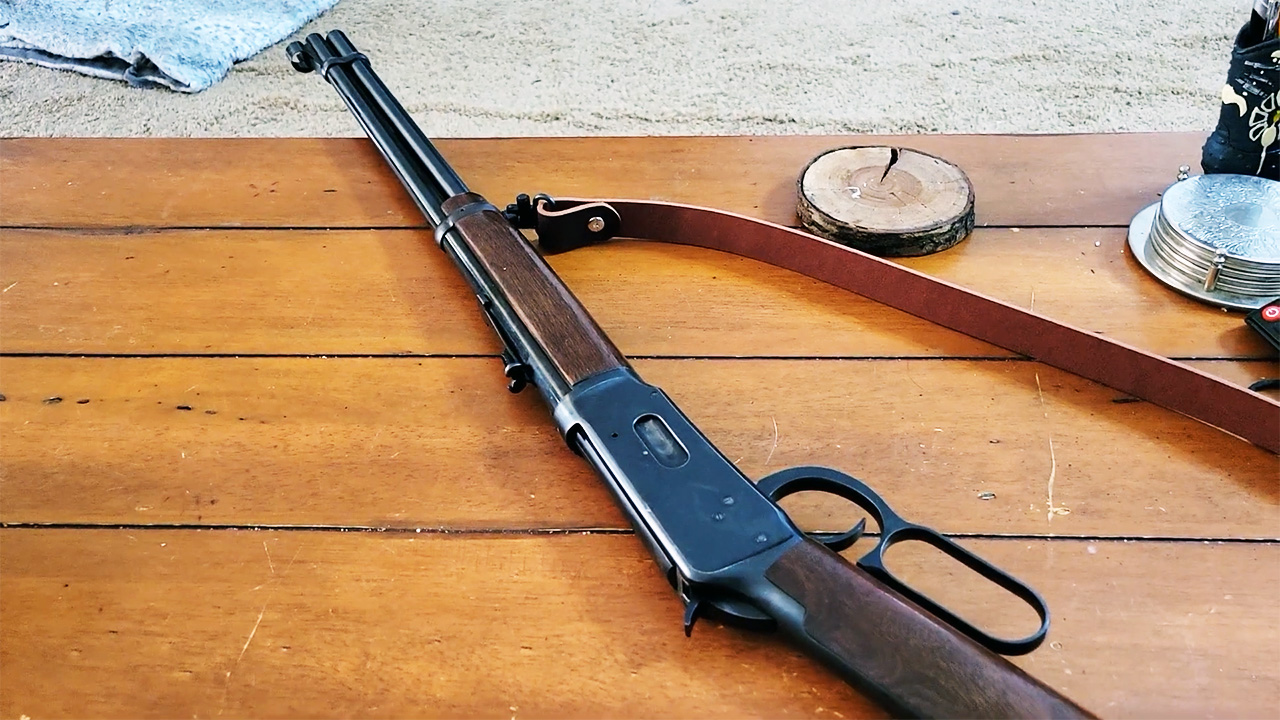
A pre-64 Model 94 often gets treated like it’s only worth something if it’s perfect. Meanwhile, a “used but honest” one is exactly what a lot of hunters want. It’s light, quick, and it carries like a walking stick. In .30-30, it has put more venison in freezers than most modern cartridges ever will, and it does it without punishing recoil or complicated setups.
Buyers hesitate because they see wear and assume it’s worn out. Cosmetic wear is not the same as mechanical wear. Check the bore, check lockup, and make sure the action isn’t loose and abused. If it’s solid, you’re looking at a rifle that can be handed to a grandkid without a learning curve. A lot of folks spend years trying to find “the perfect woods rifle,” then realize it was a beat-up pre-64 94 all along.
19. Browning A-Bolt (Hunter models)
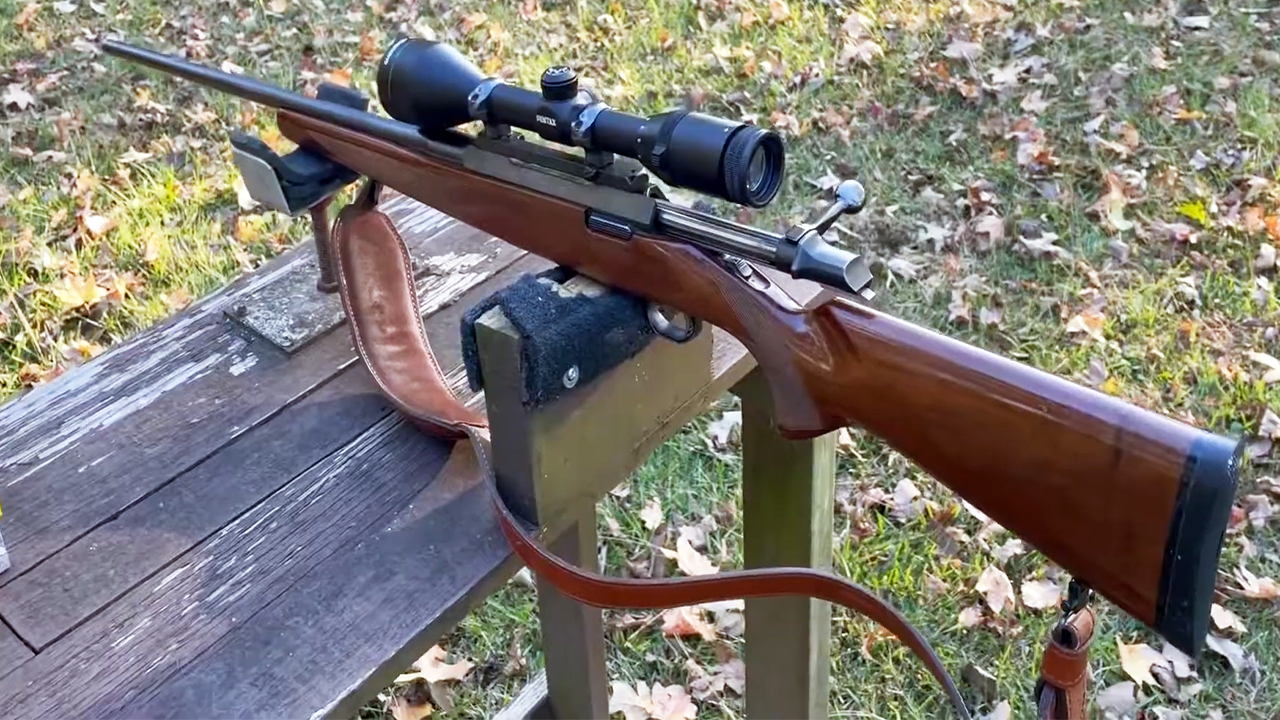
The A-Bolt isn’t the loudest rifle in the room, which is why it gets overlooked. It’s also why it works. The action is smooth, the rifles tend to be accurate enough for real hunting, and they carry well. They’re not tank-like in the way some rugged actions are, but they aren’t fragile either. In a sensible chambering, an A-Bolt Hunter is the kind of rifle you can sight in and then not worry about.
At auctions, guys will nitpick them because the magazines are detachable and not as common as some others, or because they want a “more traditional” setup. Fair, but if the rifle comes with the magazine and it locks up right, you’re fine. Check the bedding area for cracks, inspect the bolt face, and make sure the safety and trigger feel right. They’re sleepers, and the folks who own good ones tend to keep quiet about it.
20. Mossberg MVP Patrol
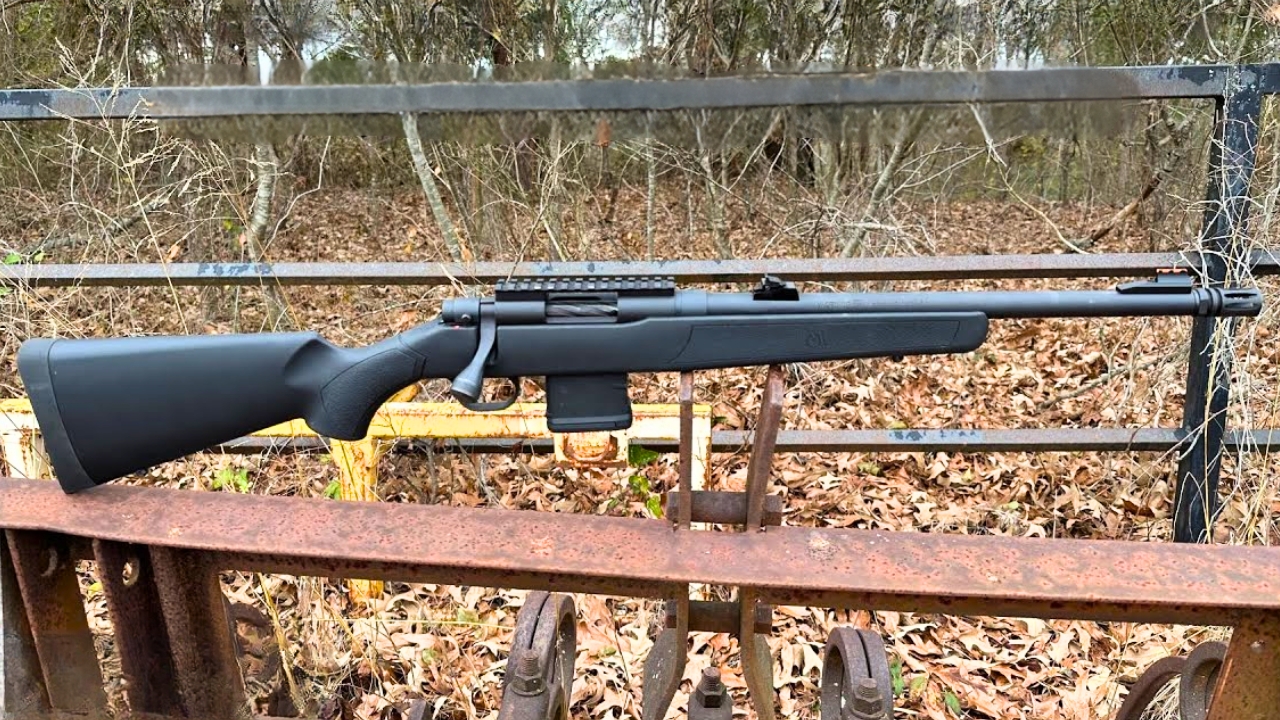
The MVP Patrol gets ignored because it sits in an odd space: bolt-action .223/5.56 with AR magazine compatibility. At a glance, it looks like a compromise rifle. In practice, it can be a very useful property gun if you get a good one. Being able to run common magazines matters when you’re actually using a rifle, not just admiring it, and the short, handy format is nice around gates, trucks, and fence lines.
It’s not a precision rifle, and some examples have triggers that feel like they were designed by committee. Still, the concept is solid, and for coyotes, pests, and general “walk and look” chores, it’s handy. Look for clean feeding, consistent ejection, and a bolt that doesn’t feel rough. When you find an MVP that runs right, you’ll wonder why you ever thought you needed something heavier and fussier for basic ranch work.
The funny part about auctions is the crowd isn’t always wrong—they’re just often chasing the wrong thing. If you’re trying to buy a rifle you’ll still trust in five seasons, pay attention to the ones that look a little plain but feel right in the hands. Smooth actions, good bores, intact stocks, and common-sense chamberings beat hype every single time. And if you do spot one of these sleepers, don’t stand there waiting for permission. That’s how regret starts.
Like The Avid Outdoorsman’s content? Subscribe to our newsletter so you never miss an article.
Here’s more from us: