Photo credit: wirestock/Freepik.com
Most dogs don’t need a mansion, but some absolutely need more room than the average family picture seems to suggest. The trouble starts when folks buy a breed because it looks tough, looks cute, or reminds them of a dog they had as a kid—then they try to fit that dog into a small yard, a short leash walk, and a couple of squeaky-toy sessions. A high-drive dog will take that deal… and then it will remodel your house with its teeth, dig up your fence line, or turn into a problem barker.
Space isn’t just square footage. It’s the ability to run, work, roam safely, and shut their brain off after. If you hunt, fish, or spend weekends on property, these breeds can be the best partners you’ll ever have. But they need more room than many first-time owners expect.
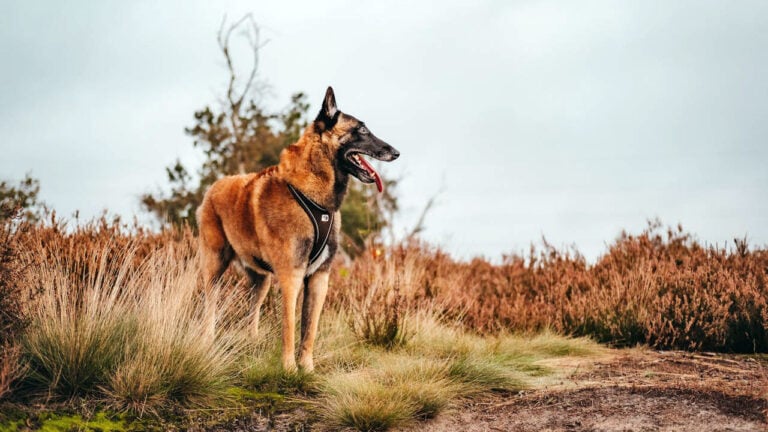
1. Belgian Malinois

This is the breed that makes a lot of “I run three miles a day” folks realize three miles isn’t the same as having a job. Malinois are wired for work, and if you don’t give them room to move and something to do, they’ll invent their own tasks. That usually means chewing door trim, pacing fence lines, or turning every sound outside into an alarm.
A small backyard with a six-foot privacy fence won’t automatically solve it. They need space to train, sprint, and decompress, not just a rectangle to stare at you through the window. If you’ve got acreage and you’re the kind of person who likes drills, structure, and daily routines, they can be unbelievable dogs. In a cramped setup with inconsistent exercise, they’re a headache with teeth.
2. German Shorthaired Pointer
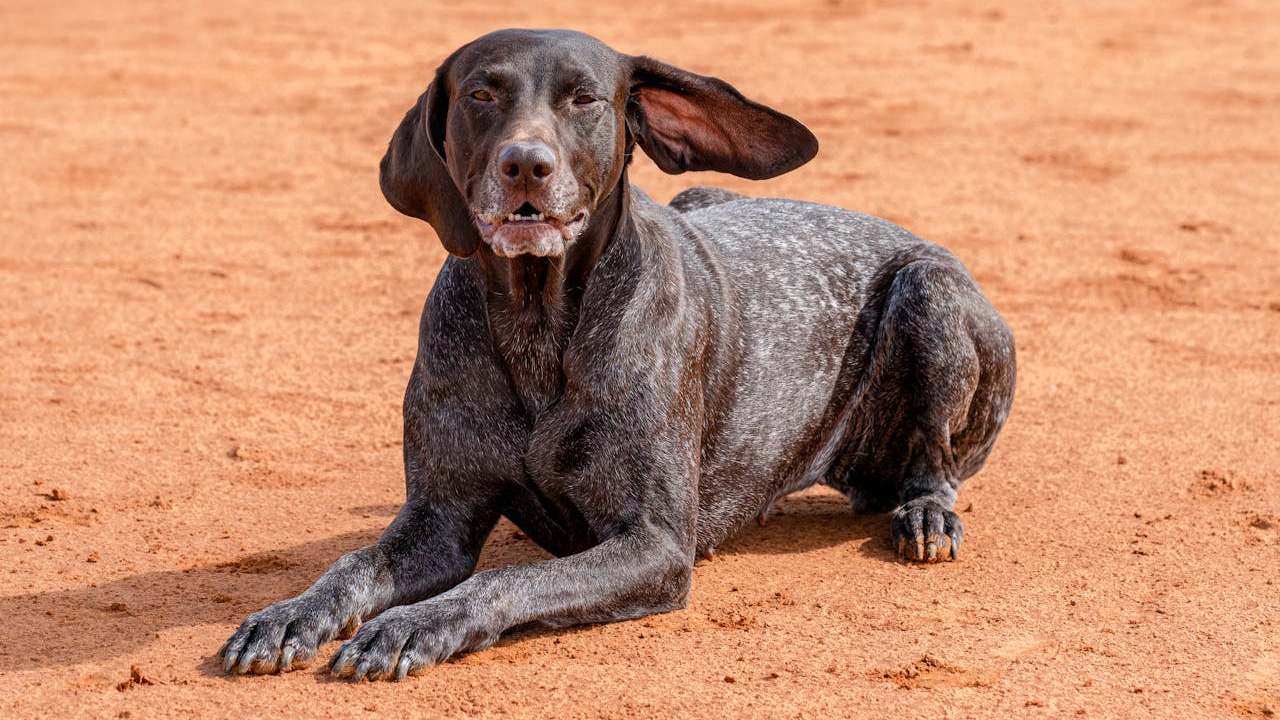
GSPs are hunting machines that happen to live in your house. They’re built to cover ground all day, and they do not come with an “off” switch just because you’re busy. I’ve seen GSPs turn a normal living room into a NASCAR track after two days of bad weather and short walks.
They need room to run at speed. Not a polite trot, but full-out run-and-stretch. A decent-sized yard helps, but what really matters is access to fields, trails, or big open areas where they can safely range out and come back. If you bird hunt, they’re hard to beat. If you don’t, you still need a plan that looks a lot like bird-hunter exercise anyway.
3. Weimaraner
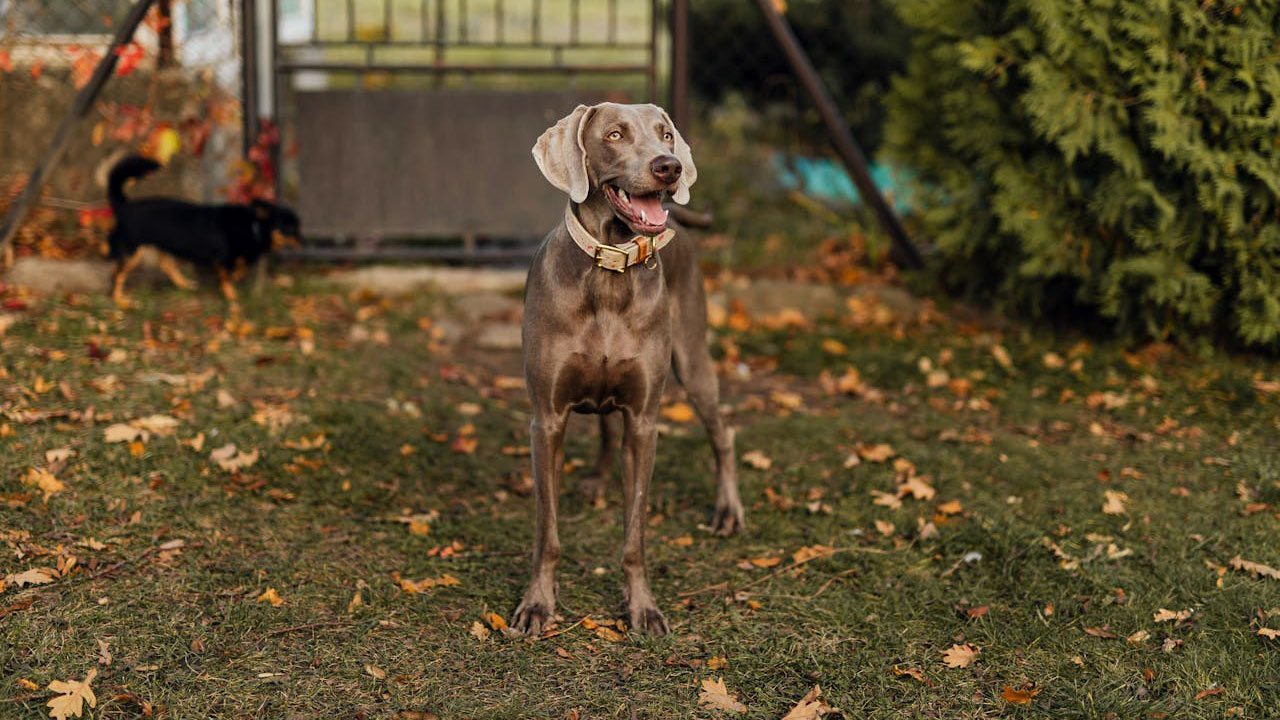
Weimaraners are athletic, smart, and often clingy in a way that surprises people. They’re not satisfied with a small yard and a “go potty” routine. If they don’t get enough space and daily burn, they can turn anxious, vocal, and destructive, especially when left alone.
They do best when they have room to stretch out and a human who enjoys moving. Think long hikes, trail runs, or big property walks where they can sniff, track, and use their head. They’re also tall and counter-surfing is real with these dogs—give them a bored afternoon and they’ll take inventory of everything you forgot to push back from the edge.
4. Vizsla

Vizslas are often sold as “great family dogs,” and that can be true, but it’s not the whole story. They’re sensitive and high-energy. In tight quarters with limited outdoor time, they’ll stick to you like Velcro and then melt down when you’re gone, because their tank never got drained.
A Vizsla needs room to run and consistent training. They’re the kind of dog that thrives with off-leash time in safe areas, structured retrieving, and long days outside. If you’re an outdoors family that’s actually outdoors a lot, they fit. If you’re mostly indoors and want a dog that will be calm because it’s “nice,” this breed will teach you a lesson.
5. Australian Shepherd
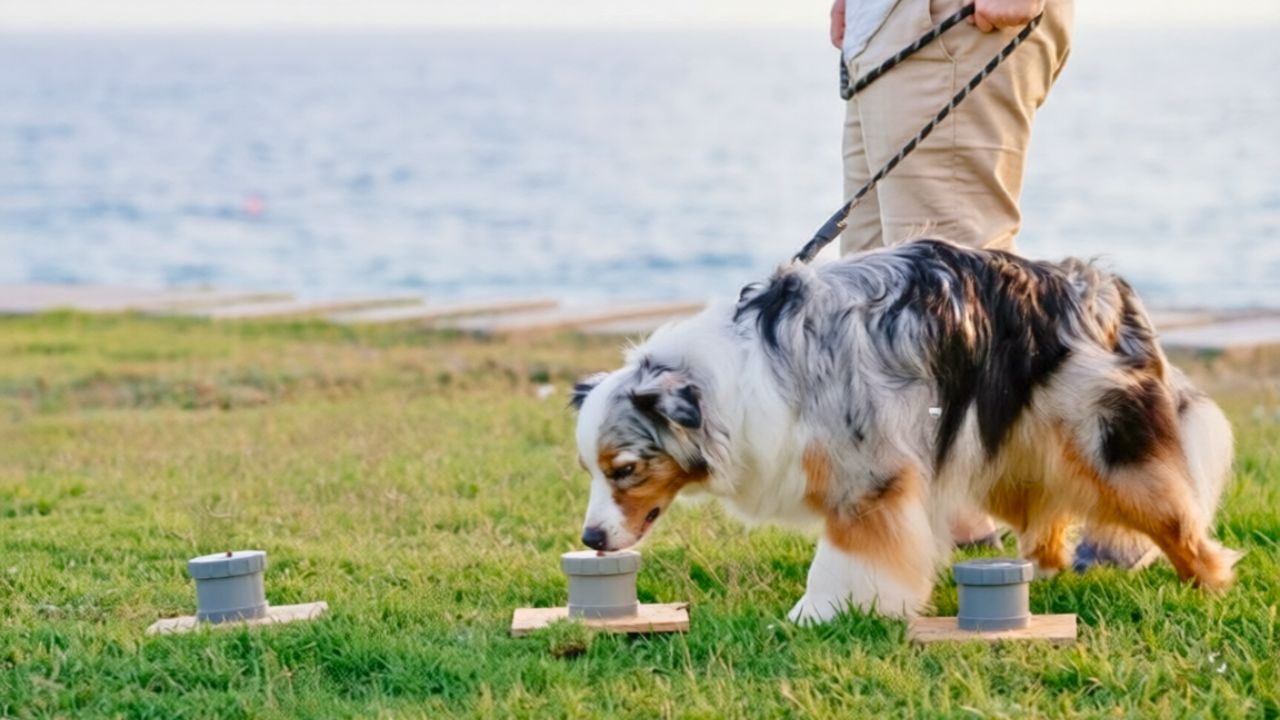
“Aussies are medium-sized, so they’re fine in a smaller place.” I’ve heard that one plenty. The problem is their body size has nothing to do with their engine. They’re herding dogs, and herding dogs need room and purpose. Without it, they’ll herd your kids, herd your guests, and herd your other pets—sometimes by nipping.
They also tend to patrol. If your yard is small and you’ve got neighbors close by, that can turn into nonstop fence running and barking. A bigger property gives them a job naturally: check the perimeter, follow you to the shop, keep tabs on what’s moving. Even then, they need training so they don’t decide every passing truck is a crisis.
6. Border Collie
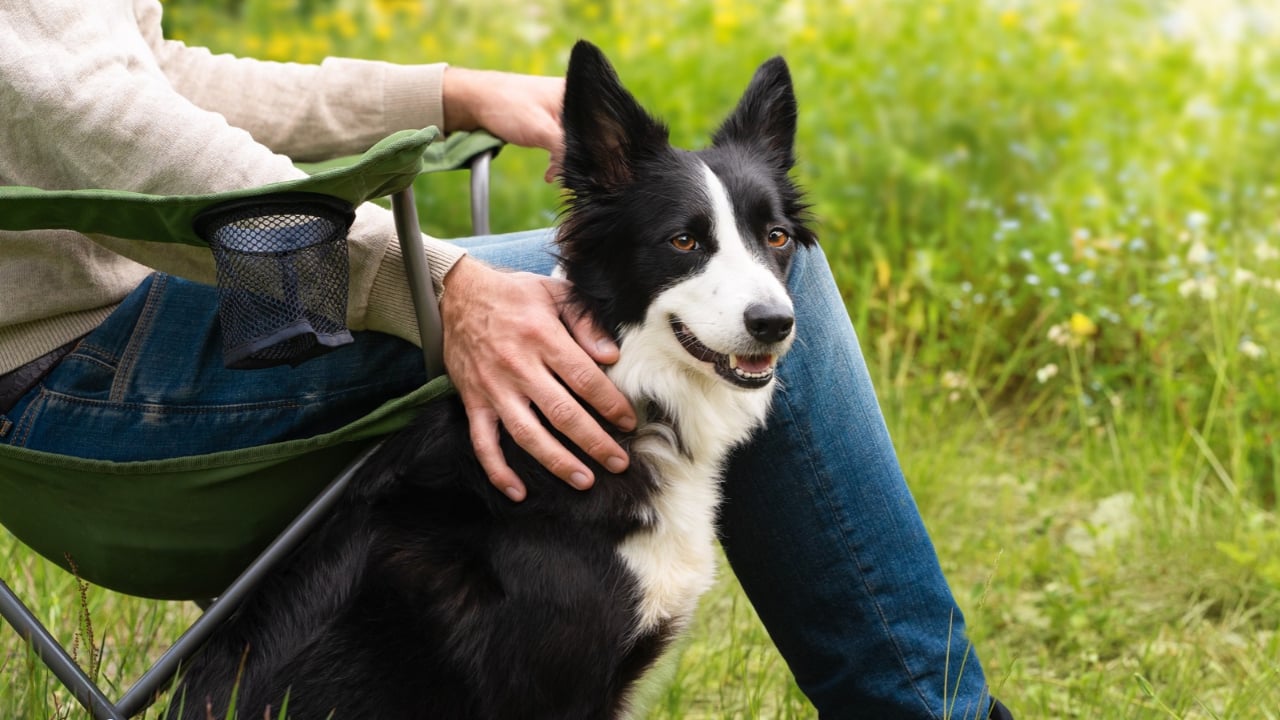
Border Collies are probably the smartest dog on this list, and that’s not always a blessing. They’ll read you like a book, learn bad habits fast, and get obsessive when they’re under-stimulated. Tight living plus a bored Border Collie can turn into spinning, shadow chasing, or constant herding behavior inside the house.
They need space to run and a job that makes their brain work. Agility, stock work, long retrieves, and serious training sessions—those are the kinds of things that actually settle them. A small yard with a tennis ball helps for five minutes. If you’ve got land, they’ll thrive as a do-it-all farm and property dog, but they still need direction or they’ll create their own rules.
7. Siberian Husky
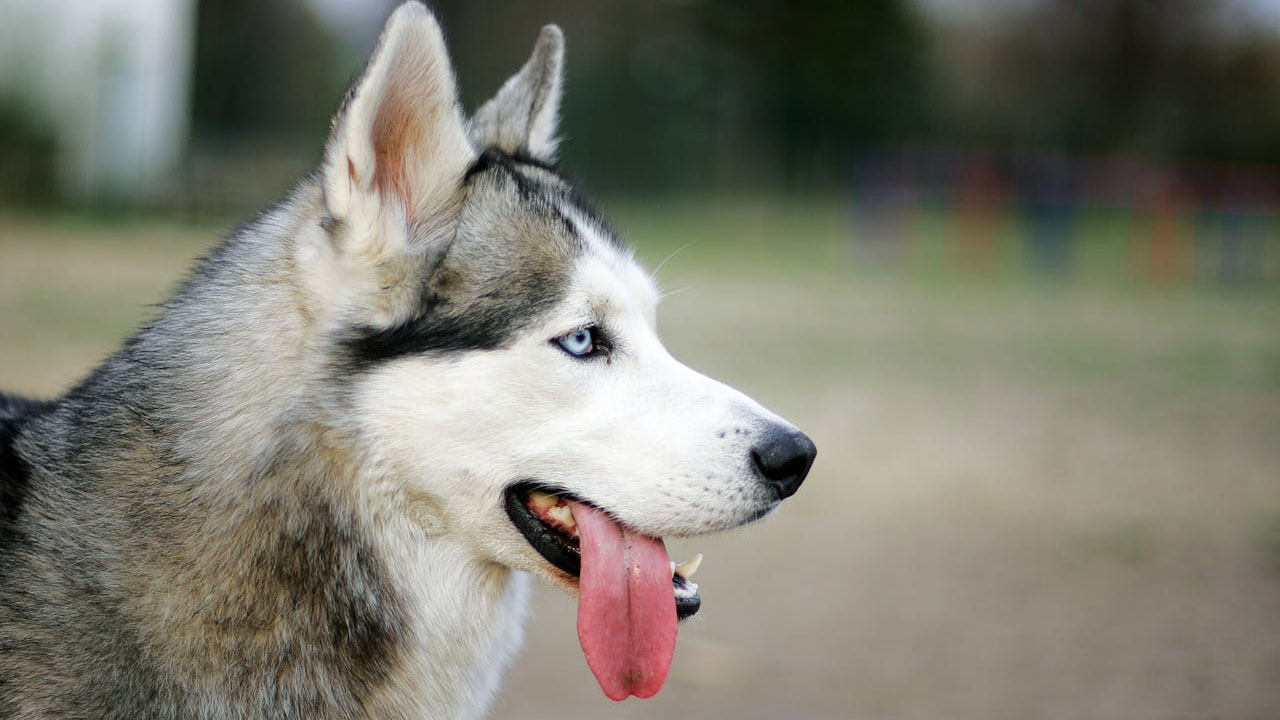
Huskies are famous for two things: running and escaping. A small yard is basically a puzzle to them. If you don’t have room, strong fencing, and a plan for exercise, you’ll spend your time looking for your dog. And if you do keep them cooped up, they’ll sing you the song of their people at full volume.
They’re built to travel, not to sit. They do best with space and owners who understand that a casual walk doesn’t touch their energy level. If you’re in the country and can do long runs, skijoring, or serious daily movement, a Husky can be a fun partner. In suburbia with close neighbors, their boredom becomes everybody’s problem.
8. Alaskan Malamute
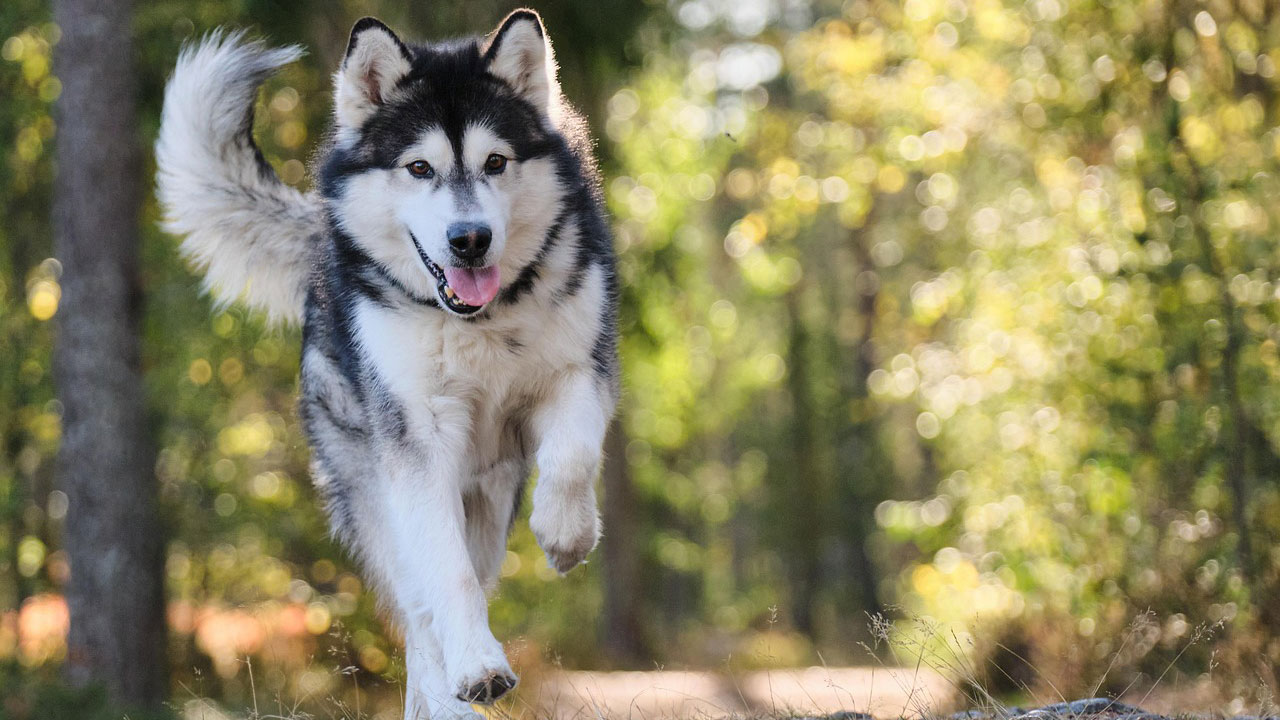
Malamutes are bigger, heavier, and often stronger-willed than people expect. They’re not just “big fluffy dogs.” They need room to move and they can be tough to manage if you don’t have space to work them. A cramped environment can turn into frustration, guarding behaviors, and a lot of pulling on leash.
They also don’t handle heat well, so if your version of “exercise” is a short summer walk on hot pavement, you’re going to struggle. A cooler climate, a large shaded yard, and owners who can provide real activity makes a huge difference. With enough room and routine, they’re steady and loyal. Without it, you’re wrestling a fur-covered tractor.
9. Labrador Retriever (working lines)

Everybody knows Labs, which is exactly why this one catches people off guard. A field-bred Lab is not the same thing as a mellow couch potato. Working lines can have serious drive, and if they don’t get space and reps, they’ll bounce off the walls. They’re also mouthy when young, and that can turn into shredded gear in a hurry.
If you waterfowl hunt or train for retrieving, these dogs shine when they have room for drills and free runs. A small yard is workable if you’re disciplined about training and exercise, but many folks aren’t. Give them a place to swim, run, and retrieve and they’ll settle down indoors. Keep them penned up and they’ll start making their own fun.
10. Golden Retriever (high-drive lines)
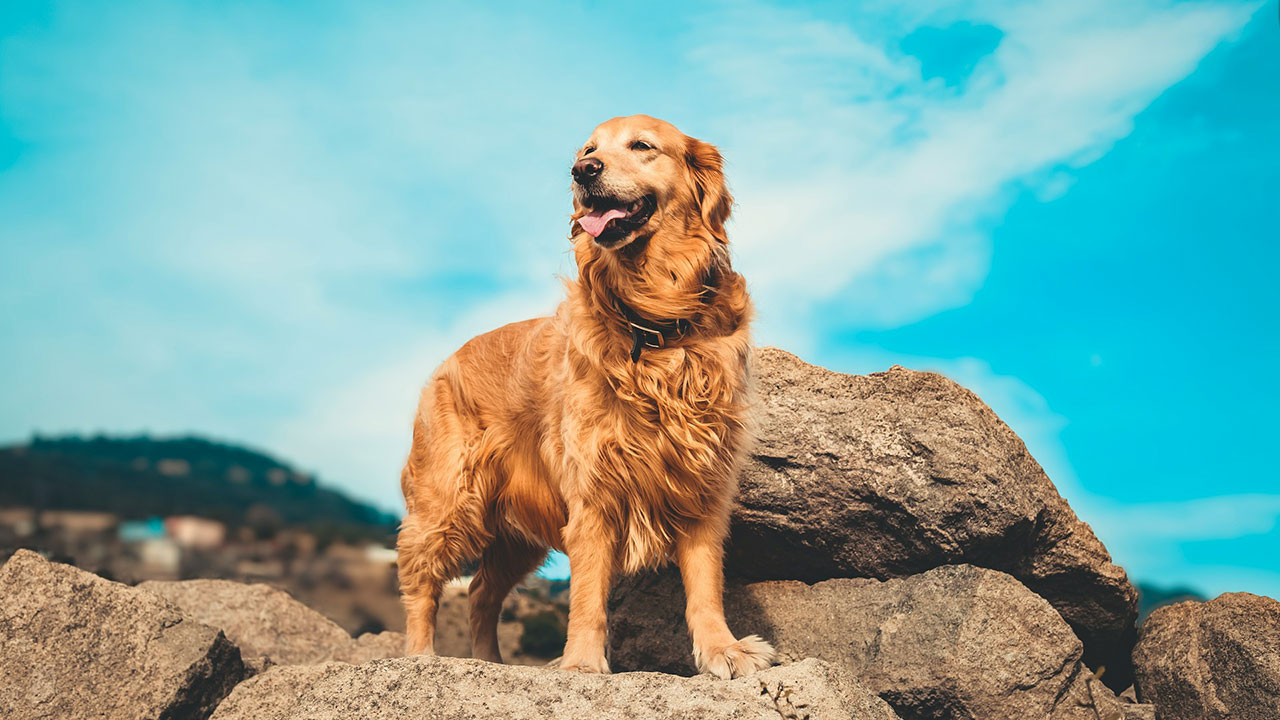
Goldens have a reputation as easy family dogs, and many are, but the higher-drive lines can surprise new owners. They still need room to move, and they can get restless when they’re under-exercised. A bored Golden can become a chronic chewer, a counter surfer, and a constant “drop it” situation.
They do best when they have a big yard, access to water, and a routine that includes retrieving and training. They want to carry something, go somewhere, and be involved. They’re also social, so a cramped setup where they’re left alone a lot isn’t ideal. Give them room and a job and they’re great. Treat them like a decoration and you’ll pay for it in ruined shoes and muddy walls.
11. German Shepherd Dog

German Shepherds are versatile, but they’re not low-maintenance. They’re territorial by nature, and when they don’t have enough space and structure, they can become reactive. A small yard where they can watch every neighbor movement up close is a recipe for fence fighting and constant alert barking.
They need room to move and they need leadership that doesn’t change day to day. On a larger property, they often settle into a natural patrol routine and relax when nothing’s going on. In tight quarters, they’re always “on duty.” If you’re going to own one, think about where you’ll work them—obedience, tracking, protection sports, or just long hikes. Without that outlet, you’ll have a powerful dog with too much opinion.
12. Doberman Pinscher
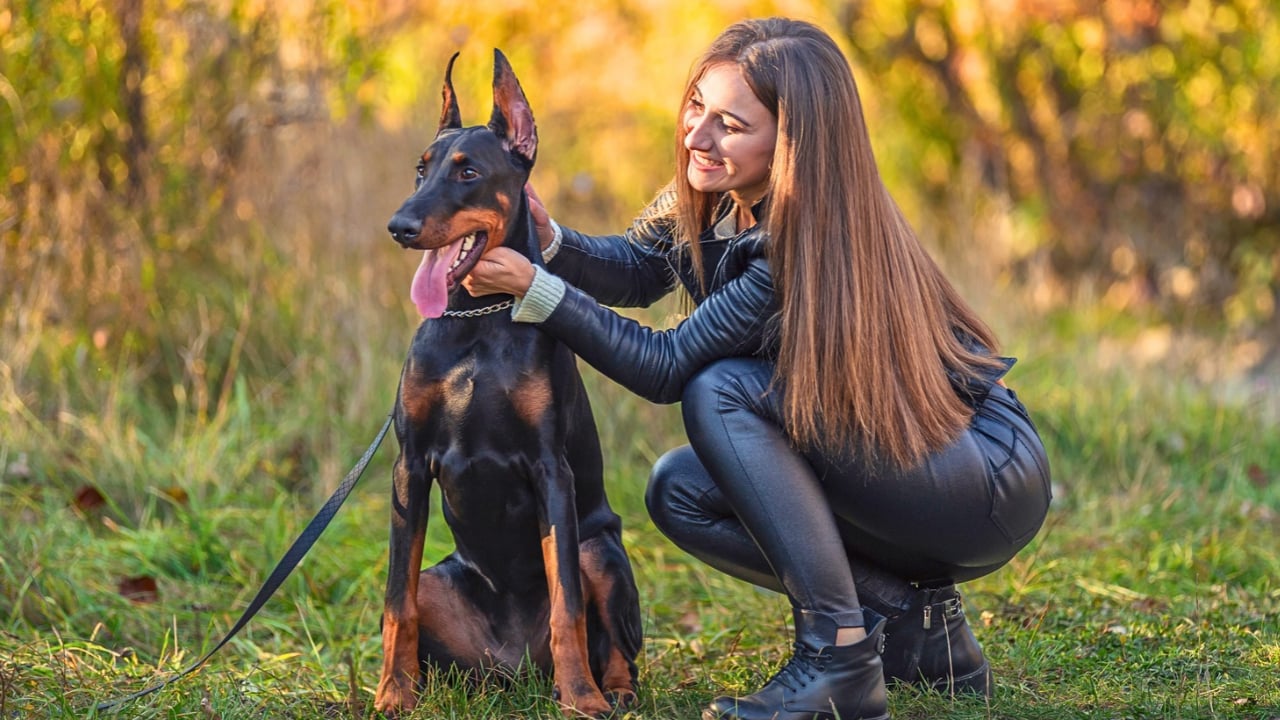
Dobermans are athletic, fast, and more energetic than their “sleek guard dog” image suggests. They bond hard to their people, and if they’re stuck in a small space with limited exercise, they can develop nervous habits and pacing. They’re also surprisingly capable jumpers when they’re motivated.
They do better with room to sprint and consistent training. They’re not a “throw them in the backyard and they’ll be fine” breed. If you’ve got land and you’re active, they can be one of the best personal companion dogs going. But if your outdoor space is limited and you’re relying on short leash walks, you’re going to fight pent-up energy and frustration.
13. Boxer

Boxers look like goofballs, and they are, but they’re also high-energy muscle. In a small home with limited yard time, Boxers can turn into wrecking balls. They jump, they play hard, and they don’t always have the self-control to downshift on their own.
They need room to run and wrestle, plus structure so their excitement doesn’t become bad manners. They also don’t love extreme heat, so you need shaded space and smart exercise timing. A bigger yard and regular play sessions make them much easier to live with. If you try to keep them calm without giving them real movement, you’ll get the “zoomies” at the worst possible time.
14. Dalmatian
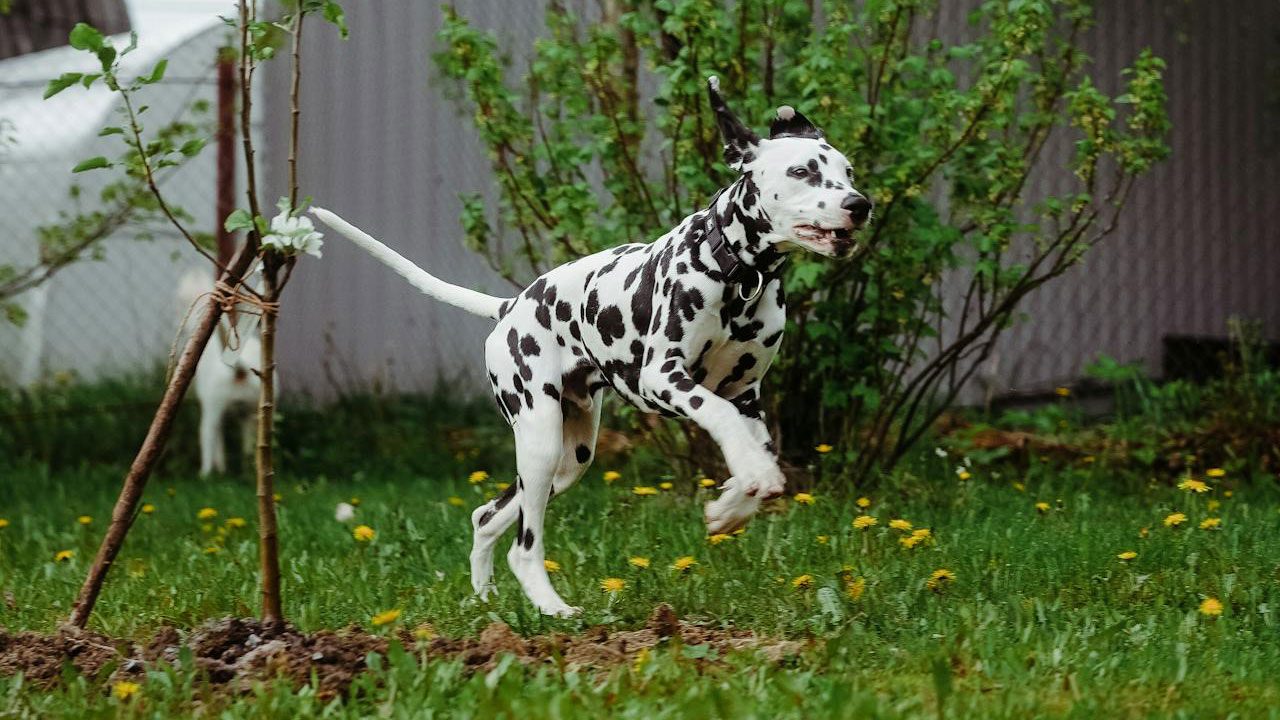
Dalmatians aren’t just spotted statues. They were bred to run with carriages, and that endurance shows up in modern life as “why is this dog still ready to go?” In a tight living arrangement, they can become restless and destructive, and they’re not always forgiving of inconsistent training.
They do best with space and a routine that includes real exercise—runs, long hikes, and structured work. They’re also the kind of dog that benefits from room to roam safely because they like to move while they think. On the health side, they can have urinary issues, which means you’ll be outside more often anyway. If you don’t have the space and time, a Dalmatian can become a problem fast.
15. Airedale Terrier

Airedales get called the “King of Terriers” for a reason. They’re tough, independent, and they’ve got a motor. In a small yard, an Airedale will find every weak spot in your fence and every interesting smell on the other side. They can also get bored and decide your landscaping is optional.
They need room and they need something that feels like work—hunting-style games, tracking, retrieving, or just long property walks where they can use their nose. They’re not a mindless fetch dog, either. If they don’t respect you, they’ll do what they want. With space and consistent boundaries, they’re excellent outdoors companions. Without it, they’ll test you daily.
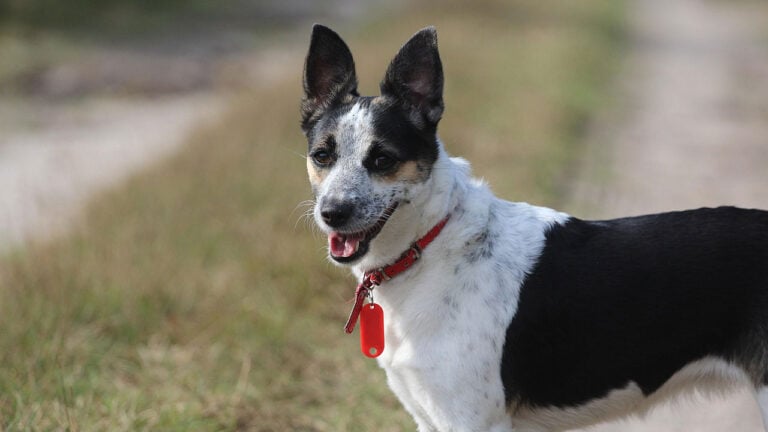
16. Jack Russell Terrier

Small dog, big surprise. Jack Russells don’t need space because they’re large—they need space because they’re intense. They’re built to chase, dig, and hunt vermin, and they don’t tire out like most little dogs. In a small home and small yard, they can become barky and destructive in a hurry.
A bored Jack Russell will dig craters, scale fences, and pick fights with animals bigger than it has any business messing with. They do great on land where they can explore under supervision and burn that drive in a safe way. They also need training, because “small” doesn’t mean “easy.” If you want a calm lap dog, look elsewhere. Ask me how I know.
17. Great Pyrenees
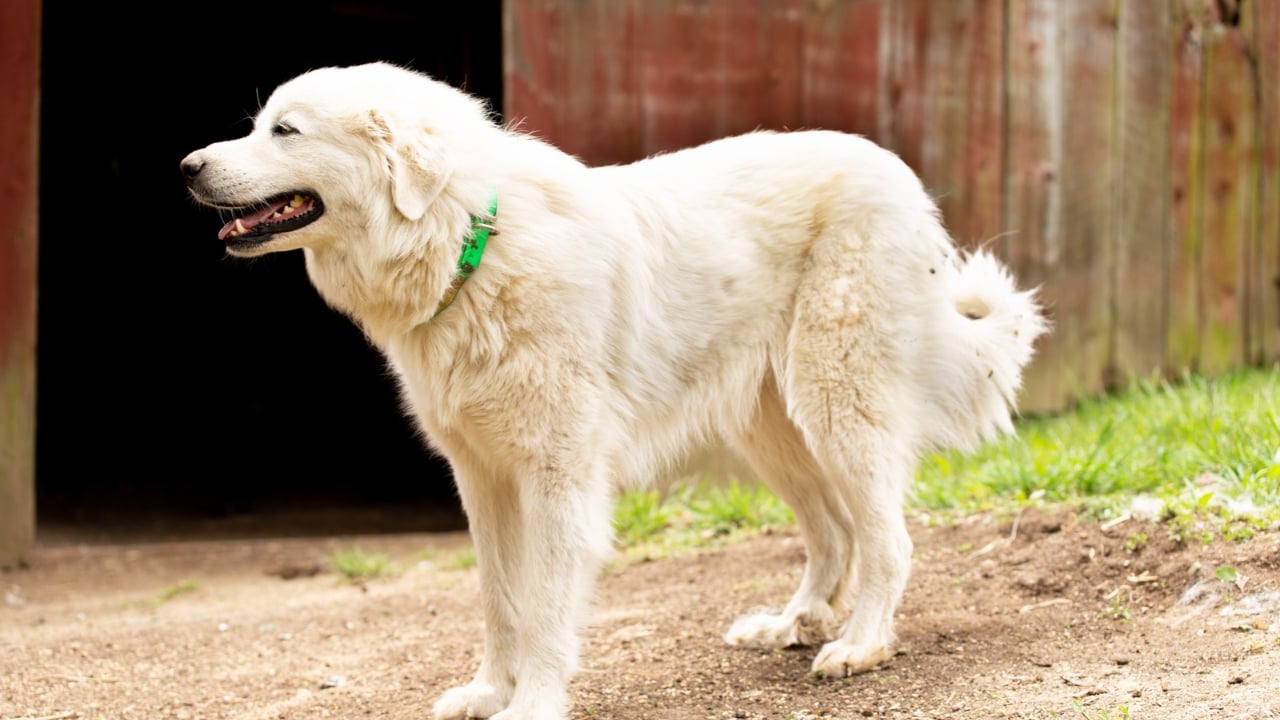
Great Pyrenees are calm until they aren’t. They’re livestock guardians, and their whole deal is patrolling territory and making decisions. In a small suburban yard, that translates into nighttime barking at anything they hear, and they hear plenty. Neighbors love that, obviously.
They also need room because they like to move the perimeter and check things. A bigger property with a real job—guarding animals, watching a barn, or simply having enough space to feel like they can “own” their area—fits them better. They’re also stubborn, not in a mean way, but in a “I’ll decide” way. Tight quarters and close property lines can turn that guarding instinct into constant stress for everyone.
18. Anatolian Shepherd

Anatolians are serious dogs. They’re not just big; they’re independent guardians that were bred to protect stock without waiting for human permission. In a small space, they can become overly territorial and reactive because their world is crowded and they can’t create distance from what bothers them.
They do best with acreage, solid fencing, and owners who understand they’re managing instincts, not just teaching tricks. If you’ve got goats, sheep, or chickens and you need real protection from predators, an Anatolian can be a lifesaver. If you’ve got a small yard and frequent foot traffic, you’re setting yourself up for headaches. They need room to patrol and a job that makes sense to them.
19. Catahoula Leopard Dog
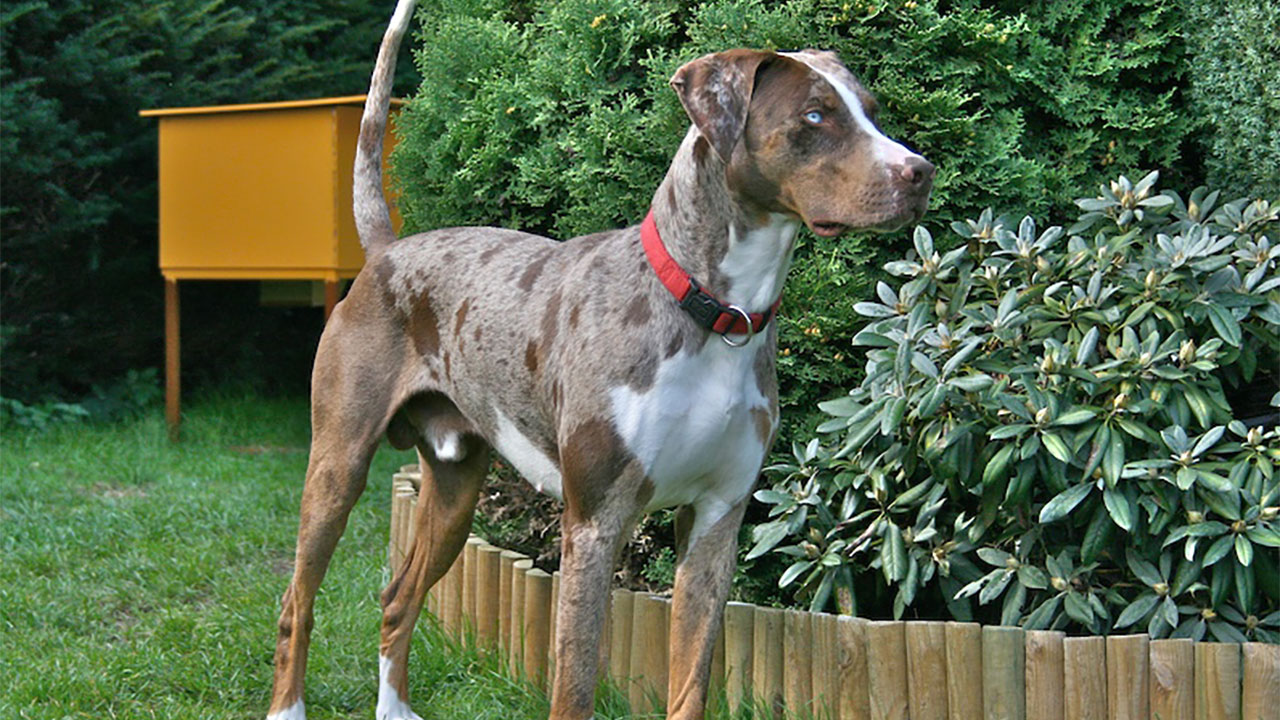
Catahoulas are gritty, athletic, and often intense with a strong prey drive. They’re used for hog hunting and working stock, and that background shows up as a dog that wants to range out, test boundaries, and stay busy. A small yard is usually not enough to keep them satisfied.
They need space and a steady hand, because they can be pushy if they think you’re not in charge. They’re also not always “dog park friendly,” especially with strange dogs. If you’ve got land, they can be great property dogs, trail partners, and working companions. If you’re in a tight neighborhood, the combination of energy, drive, and protectiveness can get old fast.
20. Bluetick Coonhound
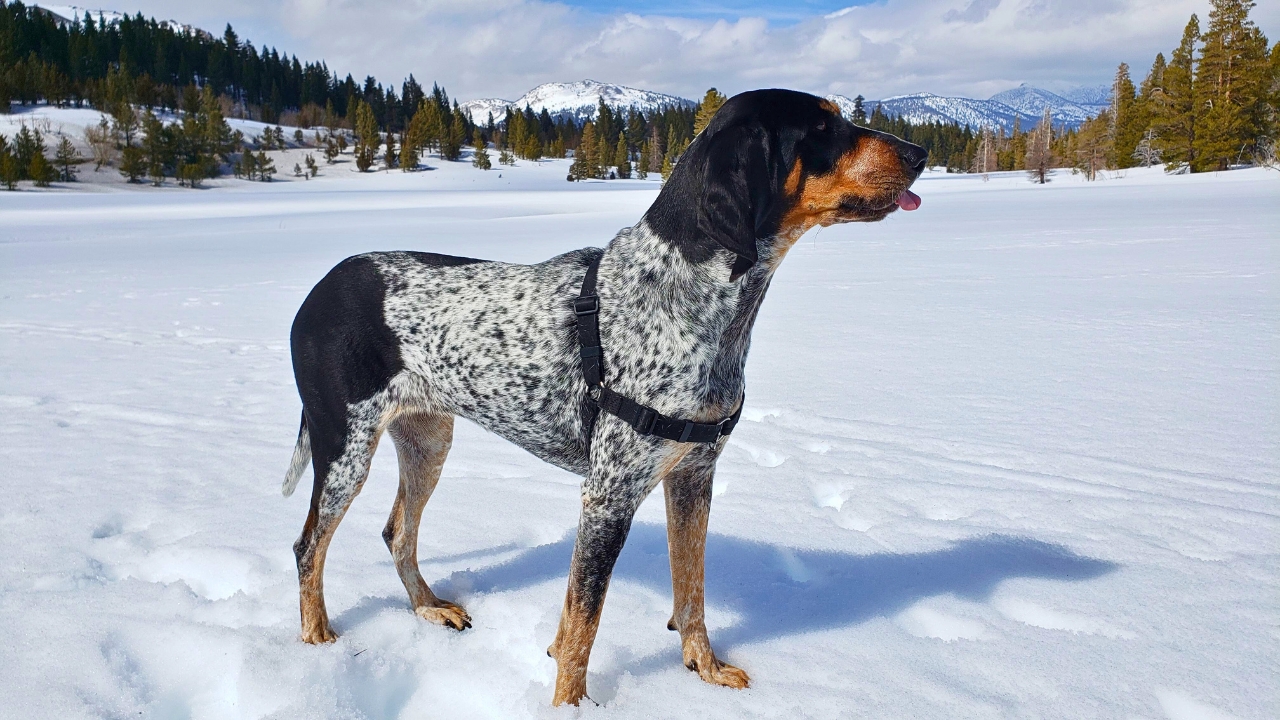
Coonhounds are built to go until the job is done. Their nose drives the whole show, and once they get on scent, they’ll cover ground and they won’t apologize for it. In a small yard, they can become frustrated and loud, and that deep hound voice carries farther than you think.
They need room to roam safely and owners who respect what a nose-first dog is. A fenced property helps, but what really helps is giving them legal outlets—long walks in the woods, tracking games, and time in places where sniffing isn’t treated like misbehavior. They’re also known for wandering if they get out, so space must come with secure fencing and attention. If you want a quiet, tidy dog for close neighbors, this isn’t the easy button.
If there’s a common thread here, it’s that “exercise” isn’t always the same as “space.” A couple leash walks might keep a mellow dog happy, but these breeds were made to move, think, and work. If you’ve got room—actual room—and you enjoy being outside, they can be some of the best partners you’ll ever own. If you don’t, be honest about it. That honesty saves dogs from being rehomed and saves owners from a long, loud, chewed-up lesson.
Like The Avid Outdoorsman’s content? Subscribe to our newsletter so you never miss an article.
Here’s more from us: