Photo credit: Steve_MP5/YouTube
Owning a pistol can make someone feel prepared long before they are actually capable of using it well. A high magazine capacity, powerful cartridge, red-dot sight, compensator, or trusted brand name may create confidence that has not been earned through practice. The gun feels like the solution even when the owner has not tested the magazines, verified the ammunition, or learned to shoot it under pressure.
The pistol itself is not always the real problem. Many of the guns below are mechanically capable and perfectly useful in the right hands. The danger comes from what owners assume the firearm will do for them. A handgun cannot compensate for poor accuracy, weak handling skills, unrealistic expectations, or equipment that has never been tested beyond a few slow rounds at an indoor range.
SIG Sauer P365 XMacro Comp
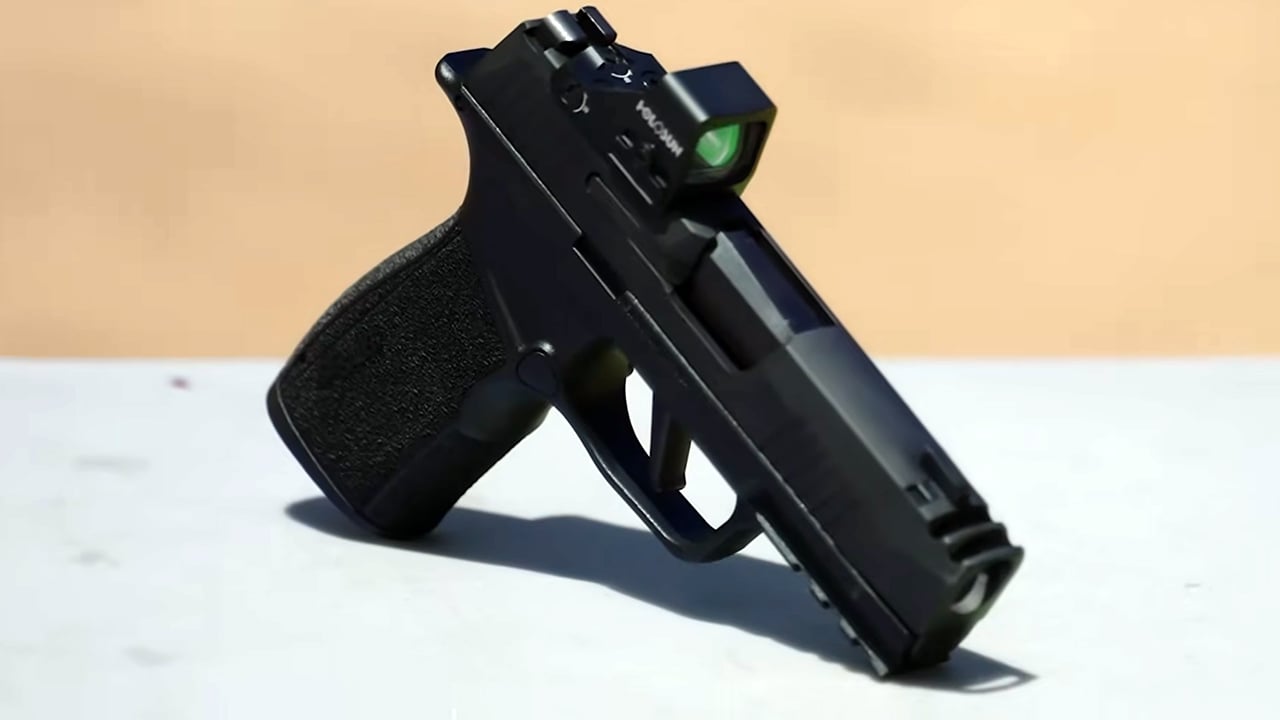
The P365 XMacro Comp gives owners 17-round capacity, an optics-ready slide, a long grip, and an integrated compensating system in a pistol that remains relatively thin. It looks like a compact handgun with the performance of a full-size duty gun.
That appearance can create more confidence than the shooter’s skill justifies. The narrow frame still moves more than a heavier compact, and the short barrel does not become magically easy to shoot because ports are cut into the slide. The compensating system also increases blast, especially indoors. Owners who assume capacity and factory upgrades eliminate the need for serious practice may be disappointed when rapid groups begin spreading.
Springfield Armory Hellcat RDP

The Hellcat RDP arrives looking ready for professional defensive use. It combines a micro red dot, compensator, extended magazine, and compact frame in one factory package. The equipment list makes it easy to believe the pistol will be fast and accurate immediately.
The gun remains built around the original Hellcat’s narrow grip and low weight. The compensator reduces some muzzle rise, but it cannot provide the stability of a larger pistol. The optic also requires practice to locate consistently during the draw. A shooter who has not developed a reliable grip and presentation may actually perform worse than with a plain pistol and iron sights.
FN 509 CC Edge
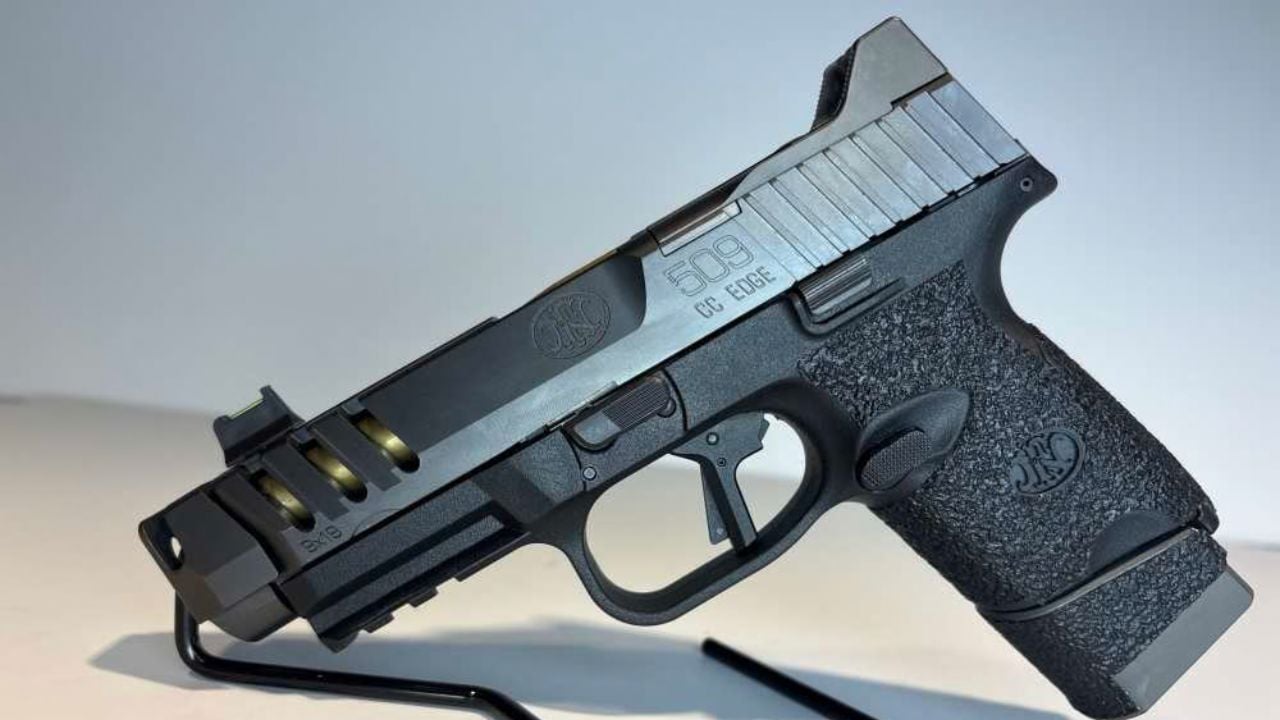
The 509 CC Edge has nearly every visual feature associated with a custom defensive pistol. It includes a compensator, slide cuts, optics capability, upgraded sights, and extended controls. Its price and appearance suggest that the owner is buying a major performance advantage.
The practical improvement may be smaller than expected. The trigger can feel ordinary for such an expensive package, while the compensator adds blast and overall length. The gun still requires the owner to master recoil control, optic tracking, and malfunction clearing. Paying for a factory-custom appearance does not produce factory-installed competence.
Canik TTI Combat
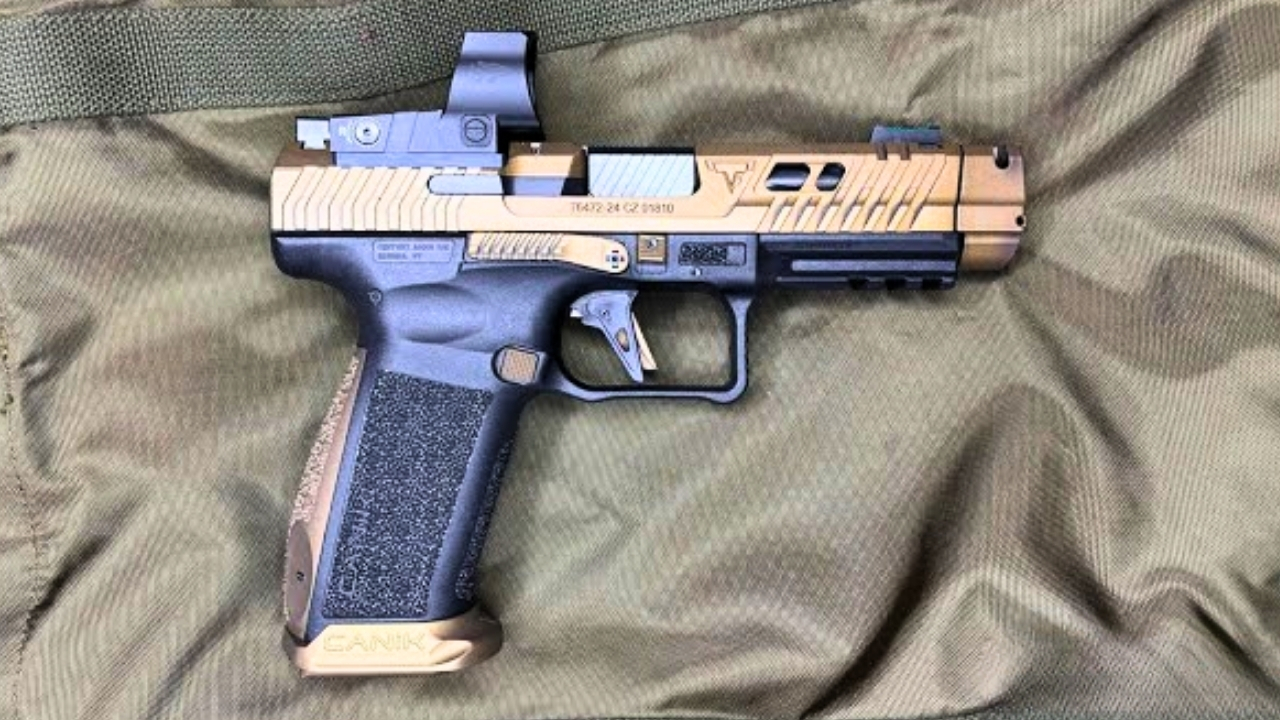
The TTI Combat looks like a pistol designed for elite competition or tactical use. Its bronze barrel, compensator, aggressive slide machining, enlarged magazine well, and Taran Tactical branding make it one of the most visually convincing pistols in its price class.
That styling can encourage owners to overestimate what the pistol will do for them. It is large, front-heavy, and capable of being fired faster than many shooters can maintain acceptable accuracy. The excellent trigger can also expose poor trigger discipline rather than hide it. A less experienced owner may believe the gun’s features guarantee speed while simply sending misses faster.
Staccato C
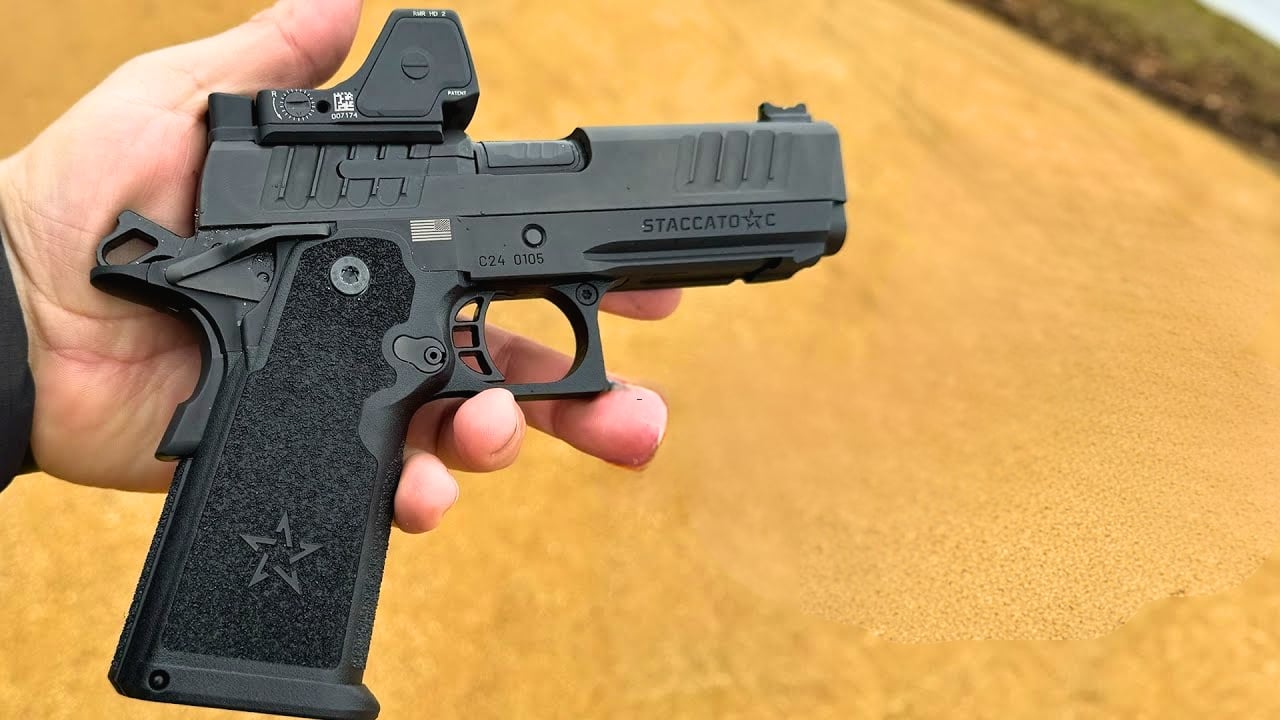
The Staccato C combines a premium single-action trigger, double-stack capacity, metal construction, and modern optics capability. Its reputation and price can make owners believe they have purchased a level of dependability and shootability unavailable from ordinary pistols.
The gun still requires maintenance, lubrication, magazine inspection, and familiarity with a manual safety. A light single-action trigger demands disciplined handling, particularly during holstering and movement. Owners who buy the name but do not train around the operating system may be less prepared than someone carrying a basic striker-fired pistol they understand completely.
Kimber KDS9c

The KDS9c looks like a refined carry pistol for shooters who want high capacity without moving to an ordinary polymer frame. Its metal construction, single-action trigger, compact dimensions, and premium styling suggest a highly capable defensive package.
Its controls and trigger demand more attention than many casual carriers realize. The shooter must manage the safety consistently and maintain enough grip pressure to control a relatively light metal pistol. Premium finishing also does not prove that every magazine and defensive load will run perfectly. The owner can easily trust the price tag before proving the actual gun.
Wilson Combat EDC X9

The EDC X9 is beautifully made, comfortable in the hand, and easier to shoot accurately than many compact pistols. Its trigger, sights, and grip design can make even moderate shooters look better during slow range sessions.
That ease can become deceptive. The pistol still uses a single-action operating system and requires careful safety manipulation. Its excellent trigger may hide poor fundamentals until the shooter is moving, shooting one-handed, or working from concealment. A premium handgun can make practice more enjoyable, but it cannot replace defensive training.
Glock 43X MOS

The Glock 43X MOS looks like an ideal compromise between deep concealment and full-size handling. Its grip is long enough for a complete hold, the slide is thin, and the MOS cut allows a compact optic. Aftermarket magazines may also promise far greater capacity than the factory ten-round design.
That combination can encourage owners to treat it like a duty pistol. It is still a slim, lightweight handgun with a relatively short slide and quick recoil impulse. Reliability can also change when owners replace factory magazines and magazine catches to chase higher capacity. The pistol is dependable in a proven configuration, but it does not become a Glock 19 simply because the grip feels similar.
Smith & Wesson M&P9 Shield Plus Carry Comp
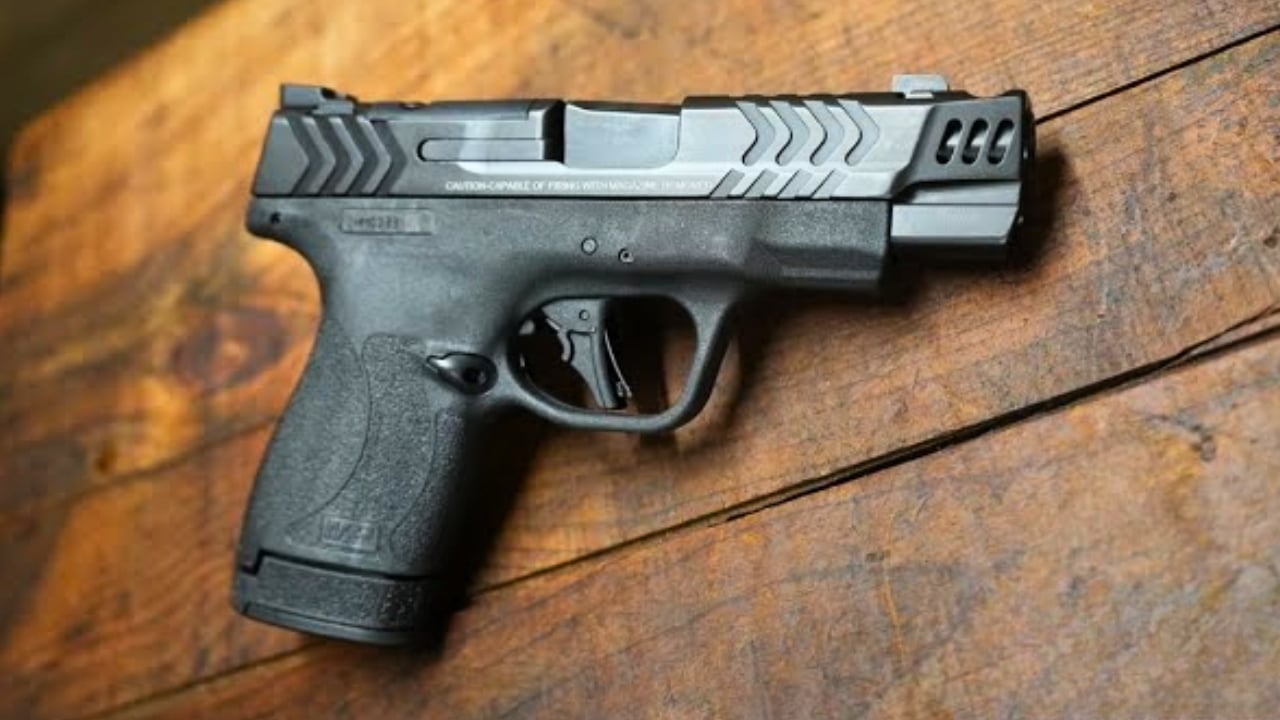
The Shield Plus Carry Comp adds a longer compensated slide, optics compatibility, and improved sights to one of the most established slim carry pistols. It appears to solve the recoil and sight-radius limitations associated with smaller concealed-carry guns.
The gun remains narrow, and the reduced muzzle rise does not eliminate movement in the shooter’s hands. The longer slide also adds blast and length without providing the weight of a traditional compact. Owners may assume the Performance Center treatment makes the pistol easy to shoot at speed, only to discover that grip strength and technique still determine the results.
Taurus GX4 Carry

The GX4 Carry offers a longer grip, increased capacity, and optics-ready options at a price far below several major competitors. It can make a first-time buyer feel well equipped without spending heavily.
Low price and strong specifications do not automatically create a proven defensive system. The shooter still needs to verify every magazine, test the intended ammunition, and learn to control the narrow frame. The gun’s value can encourage someone to spend the savings elsewhere while skipping the ammunition and practice needed to establish real trust.
Ruger Max-9
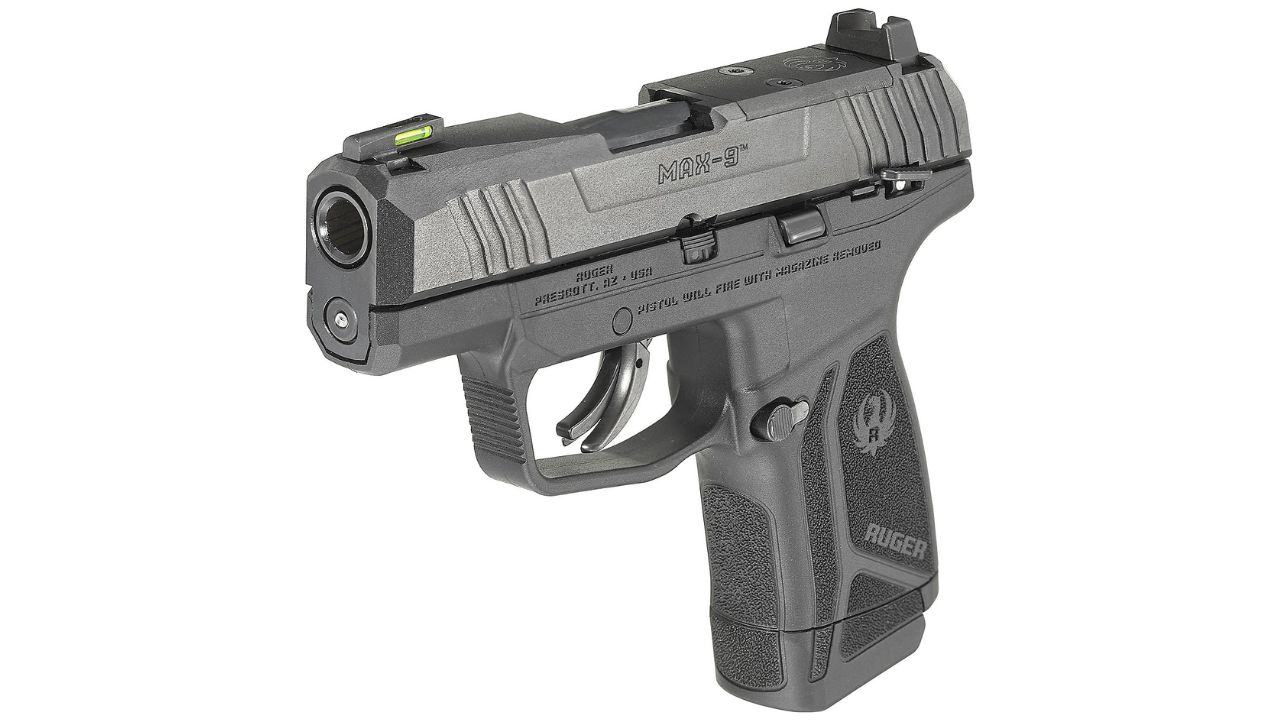
The Max-9 provides a compact frame, useful factory sights, optics capability, and respectable capacity at an affordable price. It looks like a complete concealed-carry solution that needs little additional investment.
The compact dimensions make it less forgiving than the feature list suggests. The grip is narrow, the trigger can feel uneven, and fast follow-up shots require more concentration than they do with a larger pistol. An owner may feel secure because the gun is always nearby while lacking the confidence to make accurate hits beyond very short distances.
Smith & Wesson Bodyguard 2.0
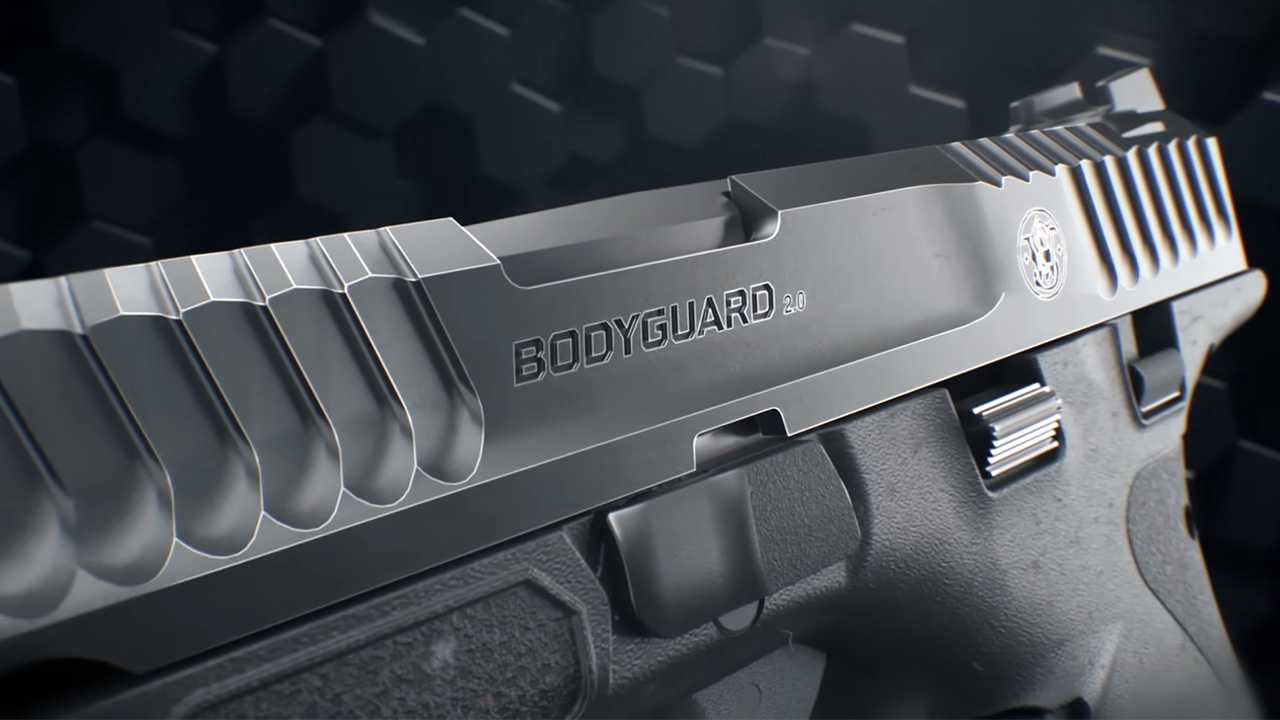
The Bodyguard 2.0 is exceptionally easy to conceal and far easier to shoot than many older pocket pistols. Its improved trigger, better sights, and increased capacity make it look like a tiny pistol without traditional pocket-gun compromises.
It is still a very small .380 ACP. The short grip and low weight leave little room for poor technique, while the cartridge provides less margin through heavy clothing and intermediate barriers than larger service calibers. Owners can mistake constant carry for complete preparedness even when they rarely practice with the difficult little gun.
Beretta 30X Tomcat
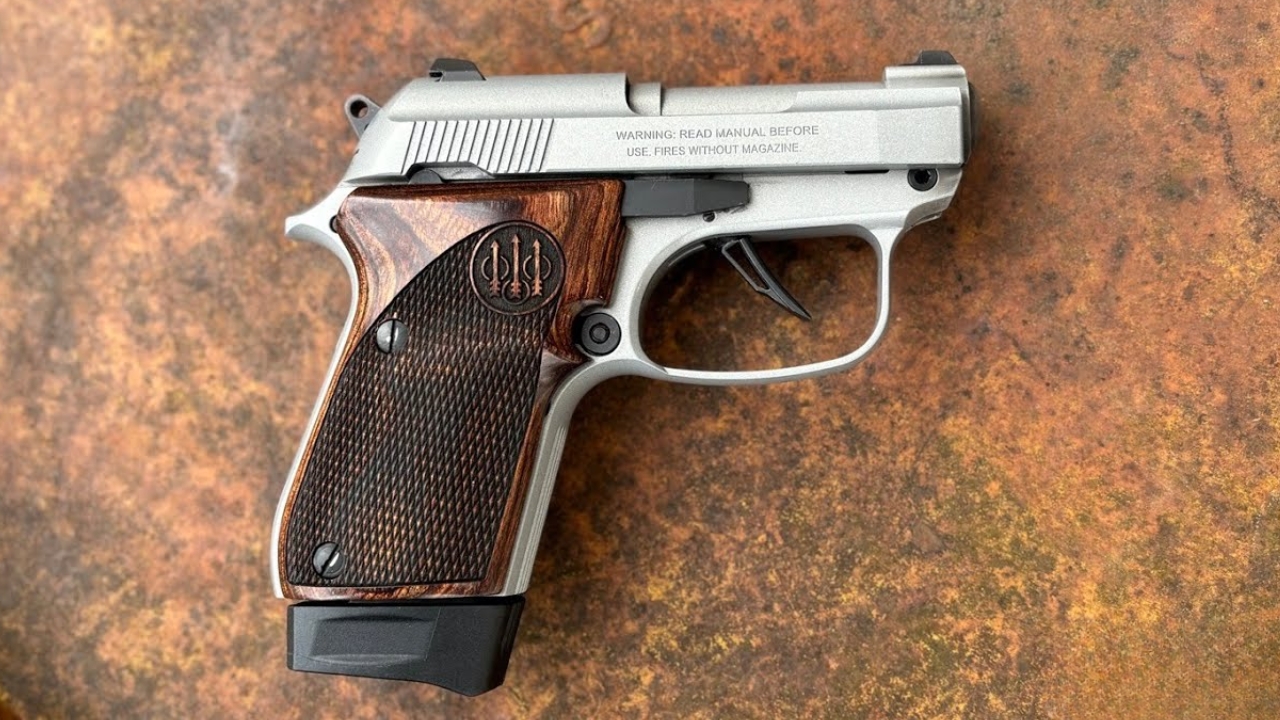
The 30X Tomcat offers an attractive metal frame, exposed hammer, tip-up barrel, and classic Beretta styling. The tip-up system is especially appealing to owners who have difficulty retracting a conventional slide.
The design can make the pistol feel safer and easier than it really is. Its small sights, compact grip, and double-action first pull still require practice. The tip-up barrel also does not eliminate the need to understand loading, unloading, and malfunction procedures. Mechanical convenience can create confidence without building actual handling competence.
Walther PDP Pro SD Compact
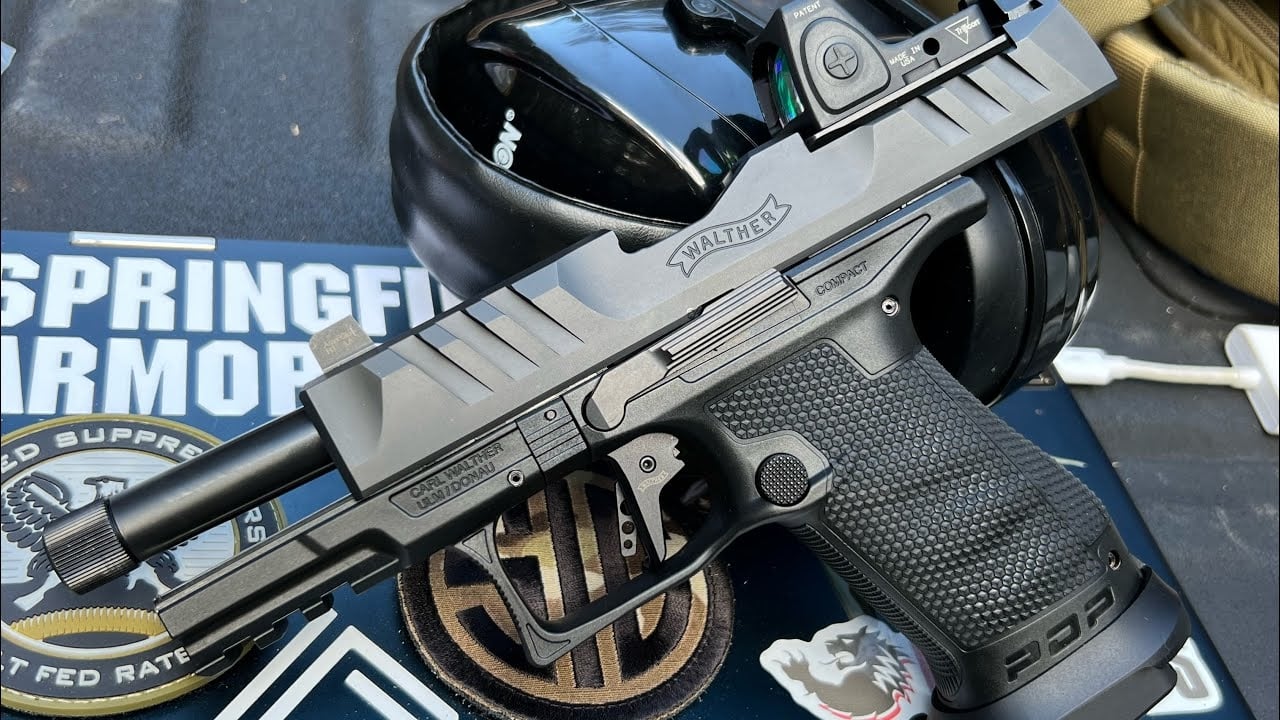
The PDP Pro SD Compact combines Walther’s excellent trigger with a threaded barrel, enlarged magazine well, extended magazines, and optics-ready slide. It looks like a refined defensive pistol that can also handle competition or suppressed shooting.
The light, clean trigger allows the gun to fire faster than many owners can control responsibly. The enlarged magazine well and extended components also add bulk for concealed carry. A shooter who mistakes a fast trigger for improved skill may produce impressive split times and poor hits. The pistol rewards good fundamentals but can amplify bad judgment.
HK VP9 Match
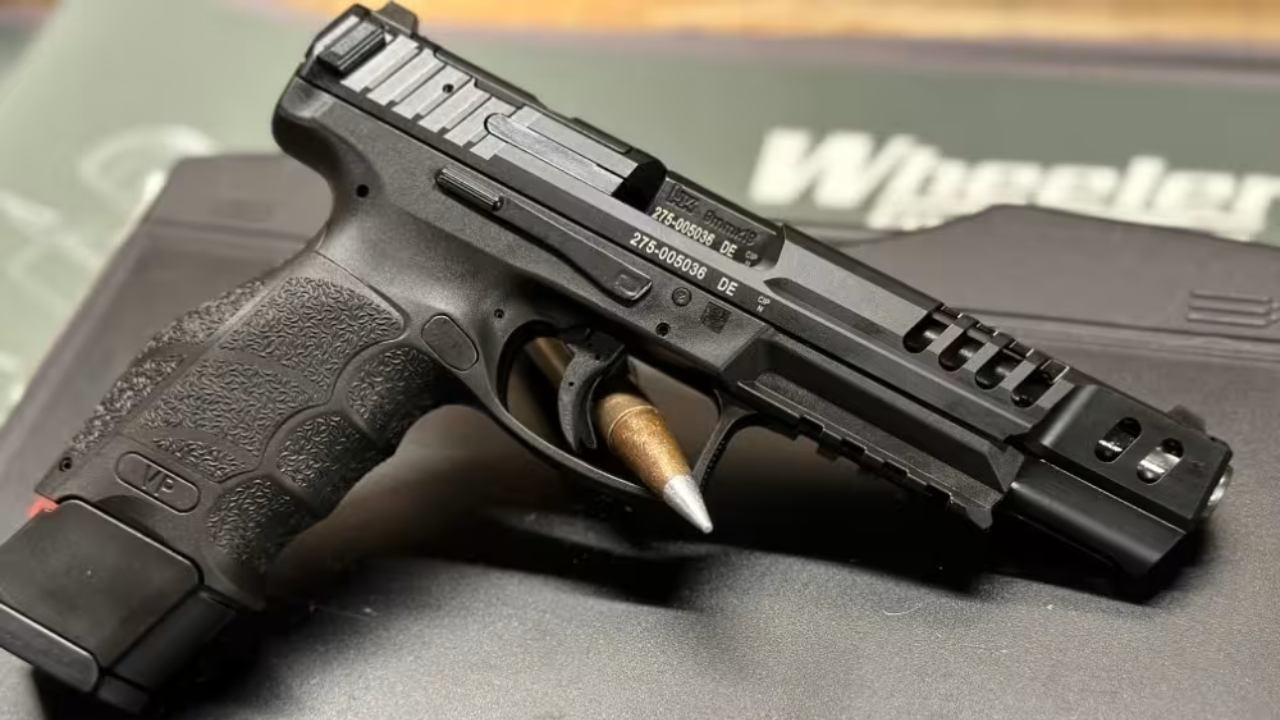
The VP9 Match provides a long slide, excellent ergonomics, high-capacity magazines, and the reputation associated with Heckler & Koch. Its size and appearance suggest a pistol capable of dominating almost any defensive or competition situation.
The long slide and extended magazines make it cumbersome for actual carry. Its match-oriented configuration also does little for someone who has not mastered presentation, movement, and target transitions. Owners may trust the HK name and the gun’s impressive profile while ignoring that a smaller, simpler pistol would be easier to keep accessible.
SIG Sauer P320 XFive Legion
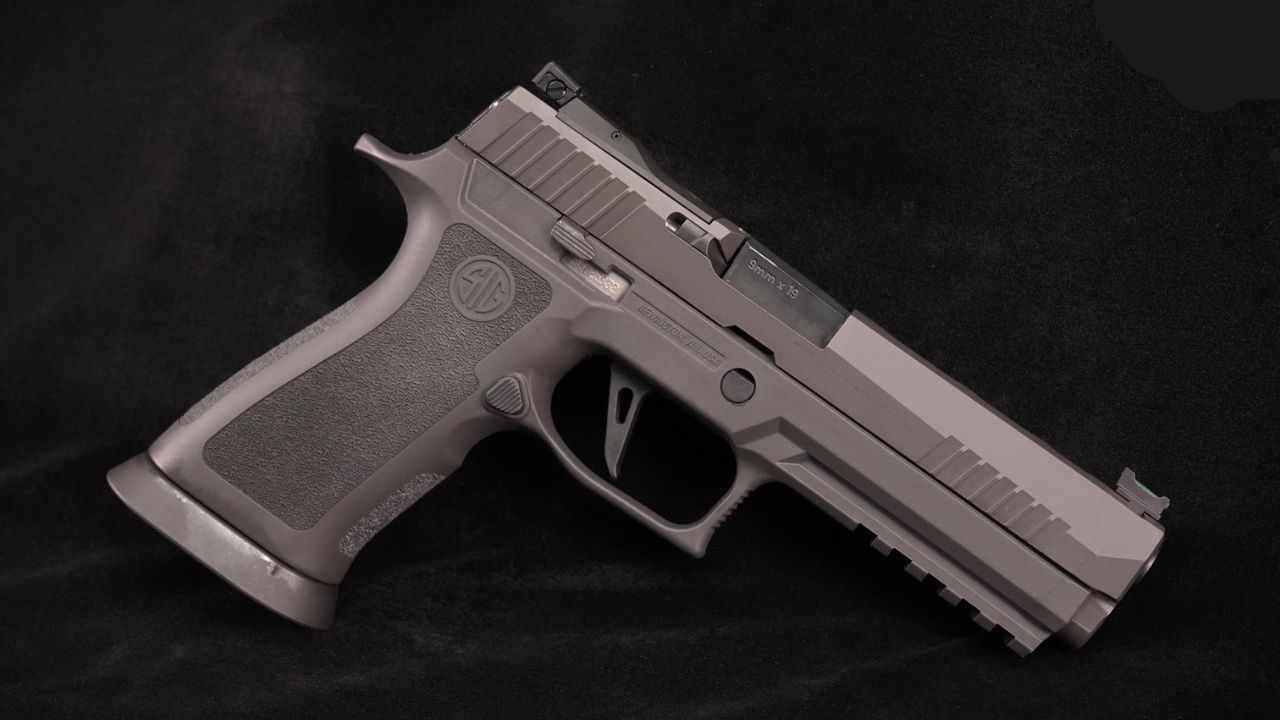
The P320 XFive Legion uses a heavy tungsten-infused grip module, long slide, excellent sights, and competition-oriented controls. It shoots softly and allows rapid, accurate fire in trained hands.
Its size, weight, and light trigger make it a specialized pistol rather than an automatic defensive advantage. The gun can feel so stable on a square range that the owner begins overestimating personal ability. Carrying, drawing, and manipulating such a large pistol under stress is very different from firing it from a prepared stance.
CZ Shadow 2 Compact

The Shadow 2 Compact delivers much of the full-size Shadow’s trigger quality and metal-frame stability in a smaller package. It looks like a near-perfect combination of competition performance and defensive portability.
The pistol’s excellent trigger and manual controls require more discipline than an ordinary service pistol. It is also heavy for its size and may be carried by owners with little experience managing a double-action first pull or safety-equipped handgun. Its mechanical accuracy can create confidence that disappears when the shooter leaves the controlled range environment.
Springfield Armory Prodigy Compact

The compact Prodigy gives buyers double-stack 1911 capacity, a single-action trigger, optics capability, and a familiar premium-pistol appearance at a lower price than many competing models.
That affordability can encourage buyers to enter a more demanding platform before they understand it. Double-stack 1911 magazines, extractor tension, lubrication, recoil springs, and manual-safety use all deserve attention. An owner who treats it like a maintenance-free striker pistol may trust the gun far more than the preparation behind it justifies.
PSA Dagger Compact

The Dagger Compact gives buyers Glock-pattern magazines, broad parts compatibility, optics-ready configurations, and aggressive slide options at an extremely low price. It can appear to provide everything a more expensive compact offers.
The low cost often encourages immediate modification. Owners replace triggers, barrels, slides, springs, and internal components before establishing whether the original pistol was reliable. The finished project may look impressive while combining parts that were never tested together. A stock budget gun can become a questionable defensive system disguised by expensive accessories.
KelTec PMR-30

The PMR-30 gives owners 30 rounds of .22 Magnum in a pistol that weighs very little. That capacity and the cartridge’s reputation for velocity can create the impression of overwhelming defensive firepower.
The cartridge still launches very light bullets, and the pistol can be sensitive to ammunition and magazine-loading technique. Rimfire ignition is also less dependable than centerfire ammunition. Thirty rounds provide little comfort if the shooter assumes capacity makes up for questionable penetration, inconsistent feeding, or a lack of accuracy.
Ruger-57
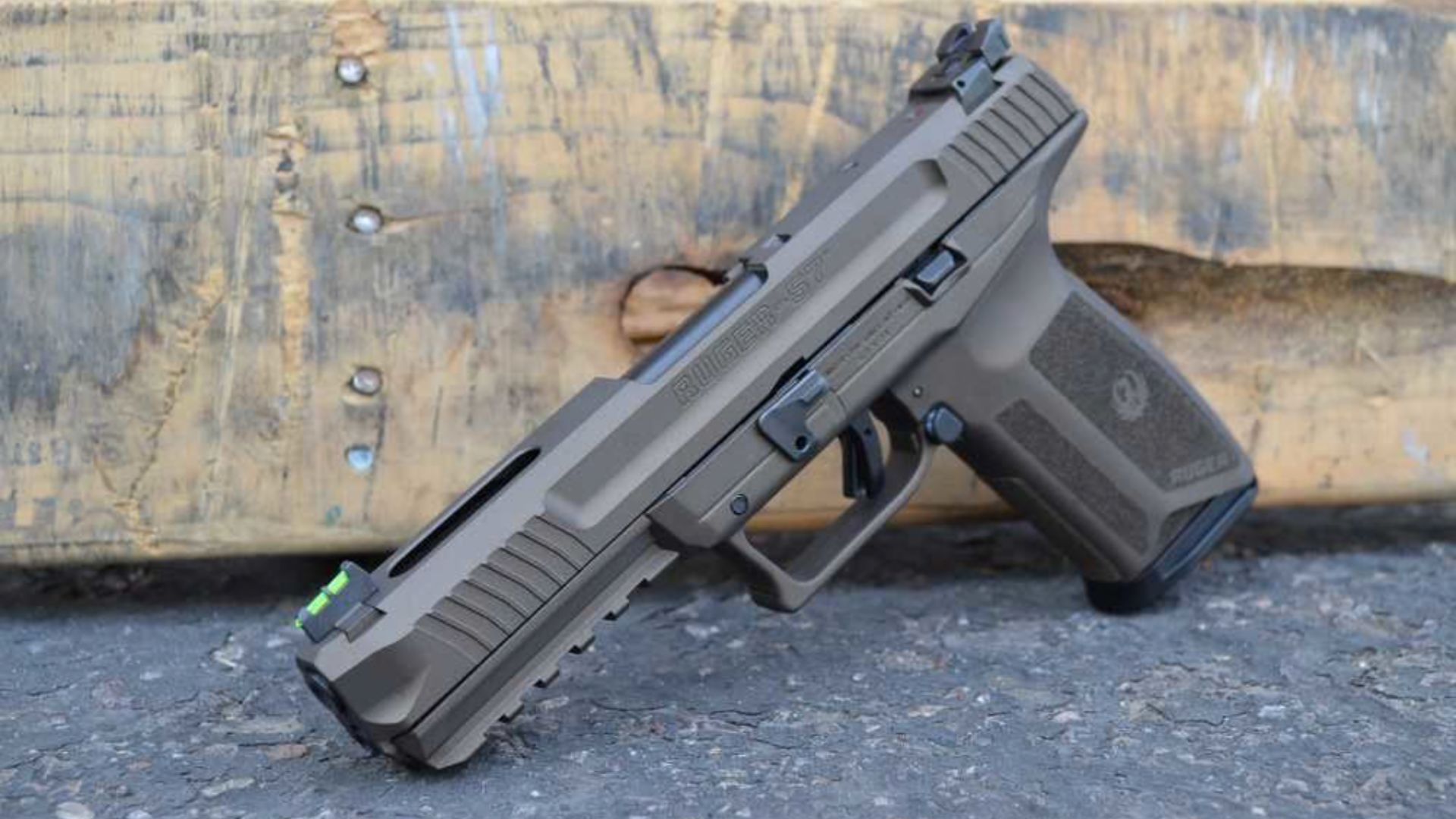
The Ruger-57 combines a 20-round magazine, mild recoil, flat shooting, and an affordable path into the 5.7x28mm cartridge. Its large frame and high capacity make it feel more powerful and capable than an ordinary service pistol.
The cartridge’s speed can distract owners from its light projectile weight and load-dependent terminal performance. It is also a large handgun to carry for the level of performance provided by many commercially available loads. High velocity and capacity sound reassuring, but neither guarantees immediate stopping ability or effective shot placement.
FN Five-seveN MRD

The Five-seveN MRD carries the prestige of FN, a 20-round magazine, optics capability, low recoil, and military associations. Those qualities can make it feel like a superior defensive handgun before the owner has studied the ammunition or tested practical performance.
Its large grip and light trigger do not fit every shooter, while the 5.7mm cartridge performs very differently depending on the specific projectile. Owners may assume any ammunition in the caliber delivers the same results associated with specialized loads. The pistol is accurate and easy to control, but its reputation can become more reassuring than the commercial ammunition actually carried.
Smith & Wesson M&P 5.7
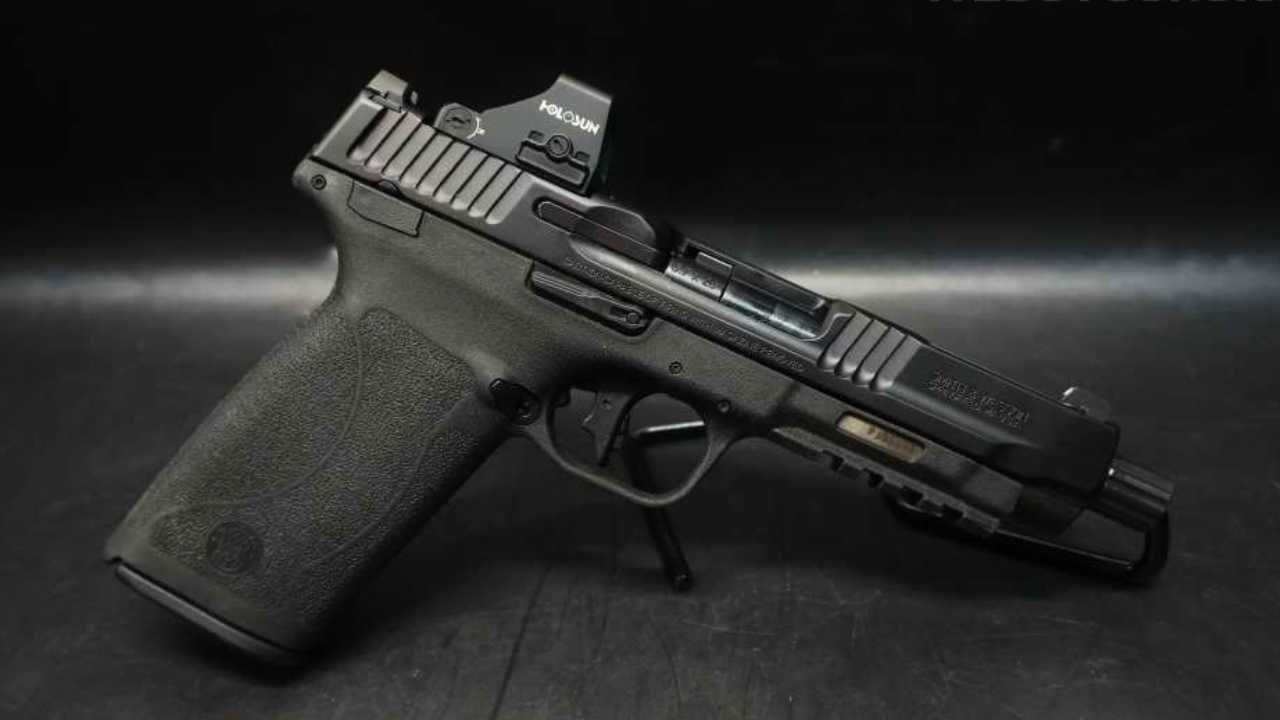
The M&P 5.7 offers 22-round capacity, a slim grip, optics-ready slide, and an unusual gas-operated barrel system. It looks technologically advanced and carries more ammunition than most full-size 9mm pistols.
The high capacity may encourage owners to undervalue shot placement and ammunition selection. The pistol is physically large, and the light bullets do not provide the same performance as heavier conventional handgun projectiles in every situation. Its low recoil is helpful, but low recoil should not be confused with greater defensive authority.
Taurus Judge Home Defender
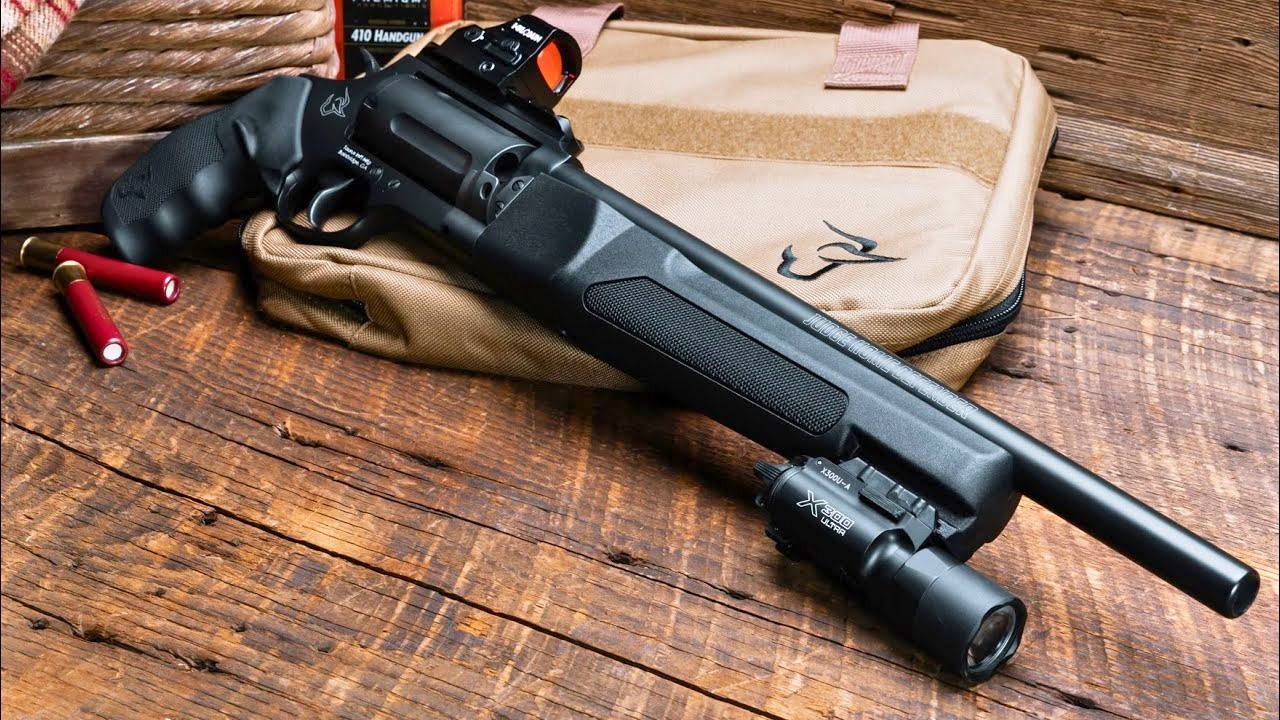
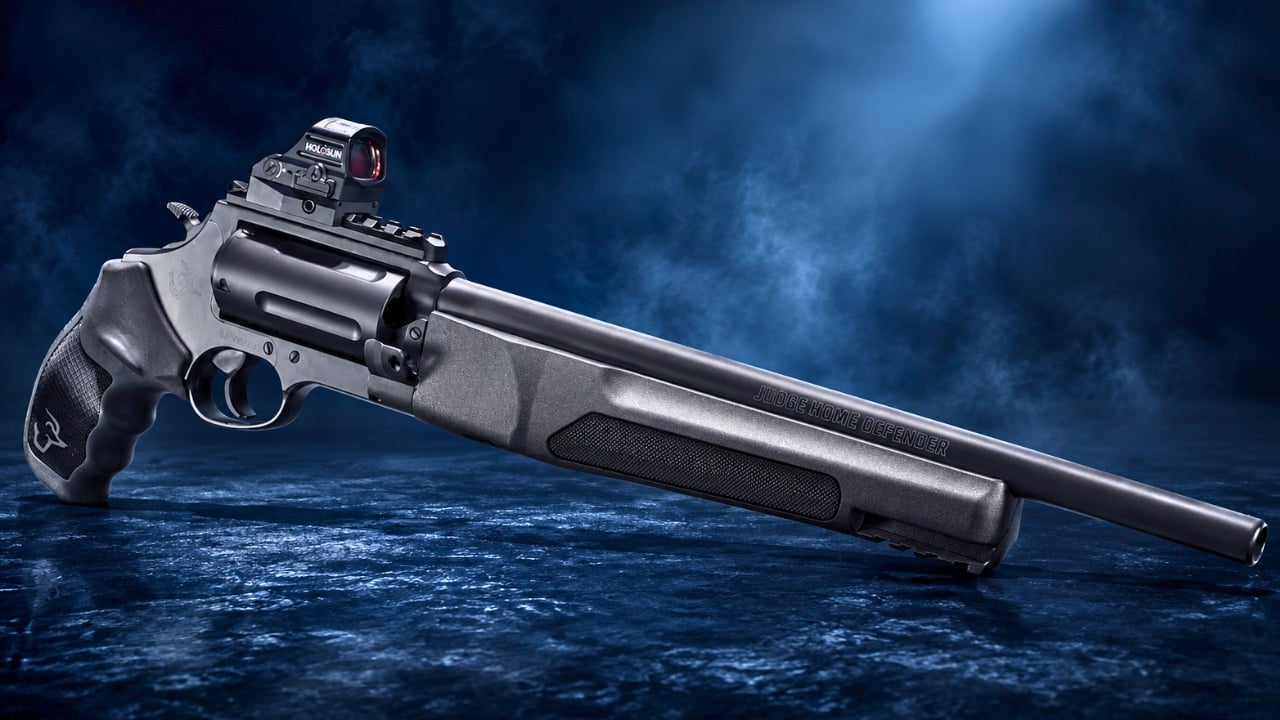
The Judge Home Defender combines an extended barrel, long accessory rail, and the ability to fire .410 shotshells or .45 Colt ammunition. Its appearance suggests a compact shotgun-like weapon capable of dominating close-range encounters.
A rifled revolver barrel does not produce the same patterns or velocity as a shotgun. Shot spreads can be inconsistent, while the long cylinder compromises conventional handgun-bullet performance. Owners may feel protected by the size of the bore and the visual effect of a shotshell without understanding the limited penetration or irregular patterns produced by certain loads.
Smith & Wesson Governor
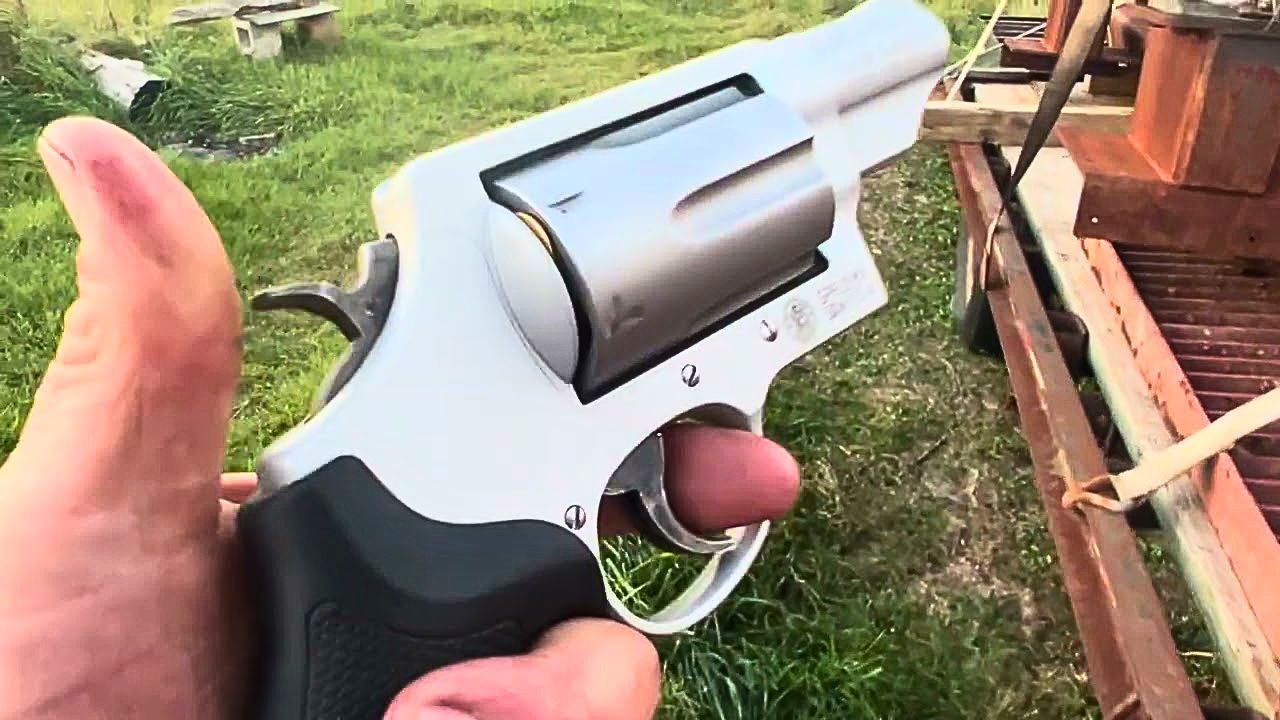
The Governor gives owners the ability to fire .410 shotshells, .45 Colt, and .45 ACP. That flexibility appears to create one handgun suitable for nearly every defensive problem.
In practice, each ammunition type asks the gun to perform a different job, and the revolver is not optimized for any one of them. The large frame is difficult to conceal, capacity is limited, and shotshell performance depends heavily on distance and load. Versatility can feel reassuring while preventing the owner from developing a clear, tested defensive setup.
Magnum Research Desert Eagle .50 AE

The Desert Eagle creates confidence through sheer size and power. Its enormous cartridge, heavy construction, and cultural reputation make it seem capable of ending any threat immediately.
Its weight, recoil, blast, grip size, and ammunition requirements make it difficult to use effectively under pressure. The pistol can also malfunction when fired with a weak grip. Power only matters when the shooter can present the gun quickly, control it, and place repeat shots accurately. The Desert Eagle often provides intimidation more reliably than practical defensive performance.
Glock 20 Gen5 MOS
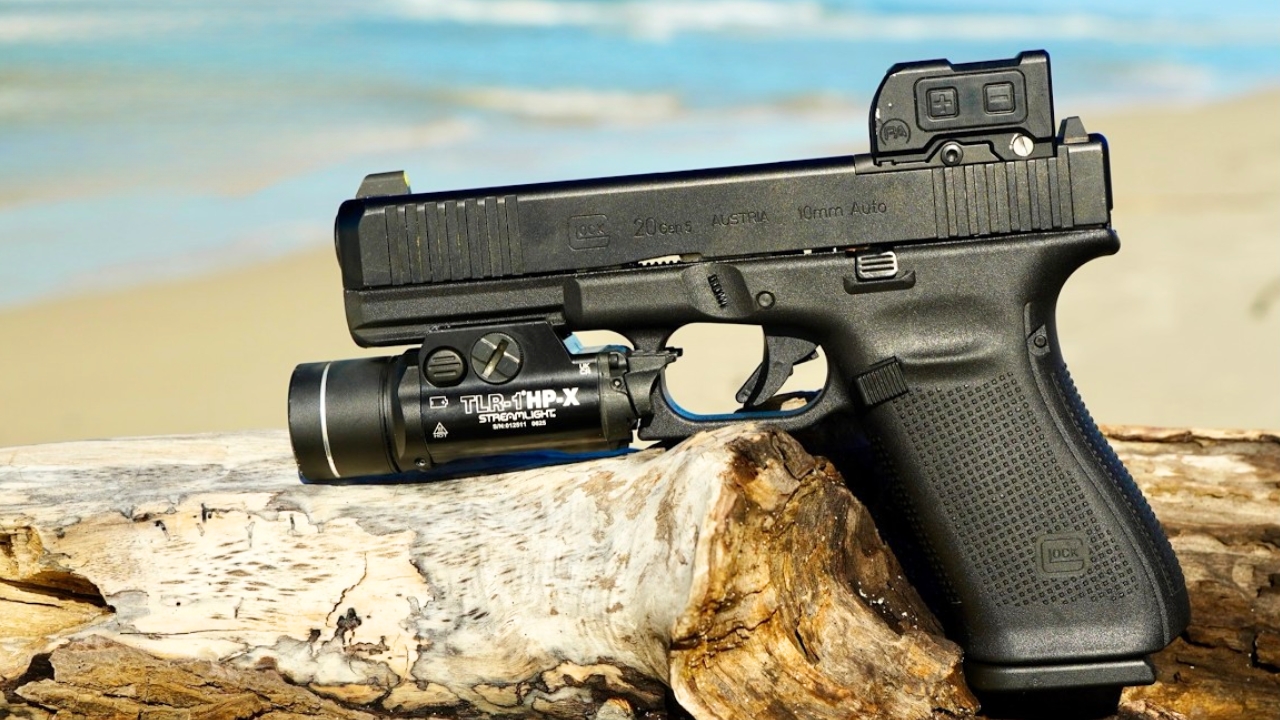
The Glock 20 Gen5 MOS is a legitimate and powerful field pistol, but it can still give inexperienced owners a false sense of security. Fifteen rounds of 10mm Auto and Glock’s reputation create the impression that the pistol automatically solves every wilderness-defense problem.
Full-power 10mm recoil is significant, and many common loads are weaker than buyers assume. Large-animal encounters also happen quickly and from poor positions, making accuracy and access more important than advertised muzzle energy. The G20 is highly capable, but purchasing one does not make the owner prepared for a charging animal.
Smith & Wesson Model 500

The Model 500 may create the strongest false sense of security of any handgun. Its enormous cartridge and intimidating frame make owners feel as though no animal or attacker could remain a threat after one shot.
Making that shot is the problem. The revolver is heavy, slow to draw, punishing to fire, and difficult to recover with after recoil. Many owners practice with it very little because ammunition is expensive and uncomfortable. A moderately powerful handgun that is carried consistently and fired accurately offers more real security than a giant revolver the owner barely knows how to use.
Like The Avid Outdoorsman’s content? Be sure to follow us.
Here’s more from us: