Photo credit: Mr. Madness/YouTube
A gun can perform perfectly at a clean range and still be a poor choice for the woods. Field carry adds rain, mud, sweat, steep ground, thick brush, awkward shooting positions, and long hours with the firearm hanging from a sling or riding in a holster. Weight and handling begin to matter just as much as power.
The wrong gun may be too heavy, too loud, too fragile, difficult to operate with gloves, or poorly suited to the animals and distances likely to be encountered. Some of the firearms below are excellent in other roles. I simply would not choose them when I needed one dependable gun for hunting, property work, or emergency protection away from the truck.
Smith & Wesson Model 500 8.38-Inch
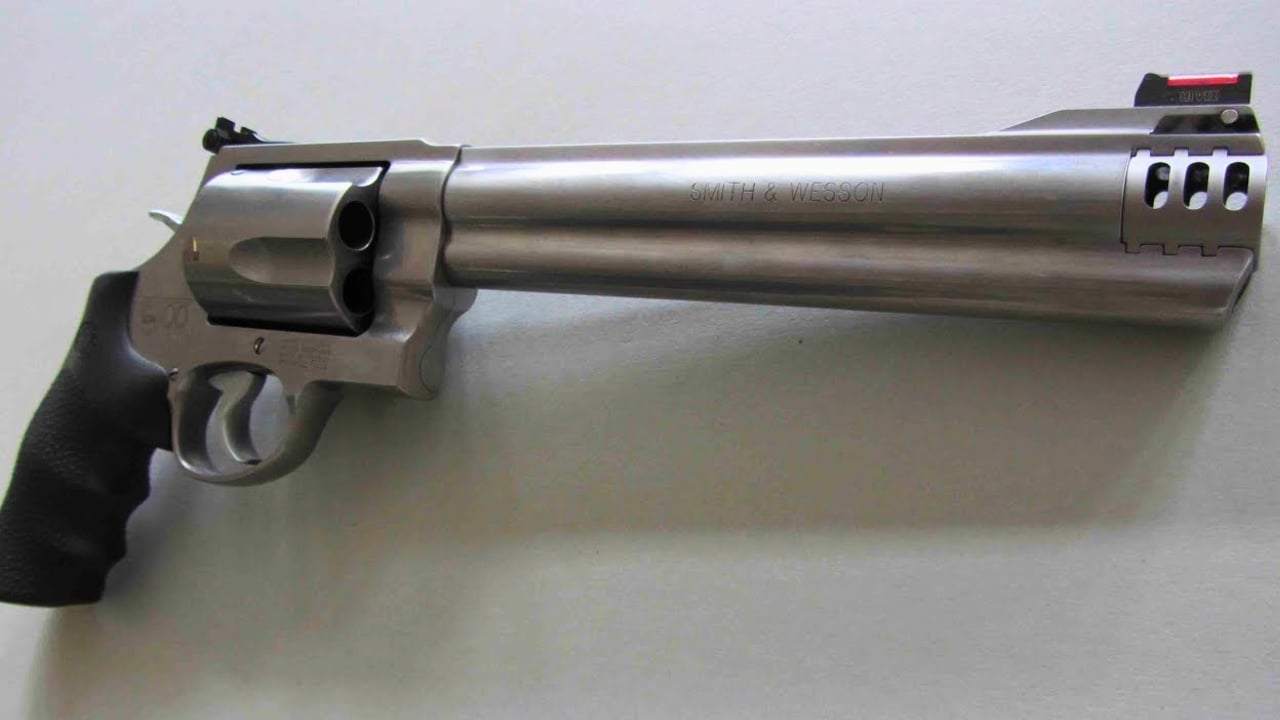
The long-barreled Model 500 delivers tremendous power, but it is one of the last handguns I would want hanging from my belt all day. The revolver is massive, the cylinder is wide, and the long barrel makes it awkward in brush or while climbing over obstacles.
Its recoil and muzzle blast also reduce the value of that power. Accurate follow-up shots are slow, and even experienced shooters can develop poor habits when every trigger pull is punishing. A lighter .44 Magnum, 10mm pistol, or compact rifle provides a much better balance of power and portability for most woods carry.
Magnum Research Desert Eagle .50 AE

The Desert Eagle is visually impressive and mechanically interesting, but it makes little sense as a practical field handgun. It is extremely heavy, requires a firm grip, and uses a gas-operated system that is less forgiving of debris and inconsistent ammunition than a basic service pistol or revolver.
The grip is too large for many shooters, and the pistol is cumbersome in an ordinary field holster. The .50 AE cartridge produces enormous blast while offering fewer practical ammunition options than common revolver cartridges. It may be enjoyable for range use, but I would not rely on it after hours of rain, dust, and rough handling.
Taurus Judge Public Defender
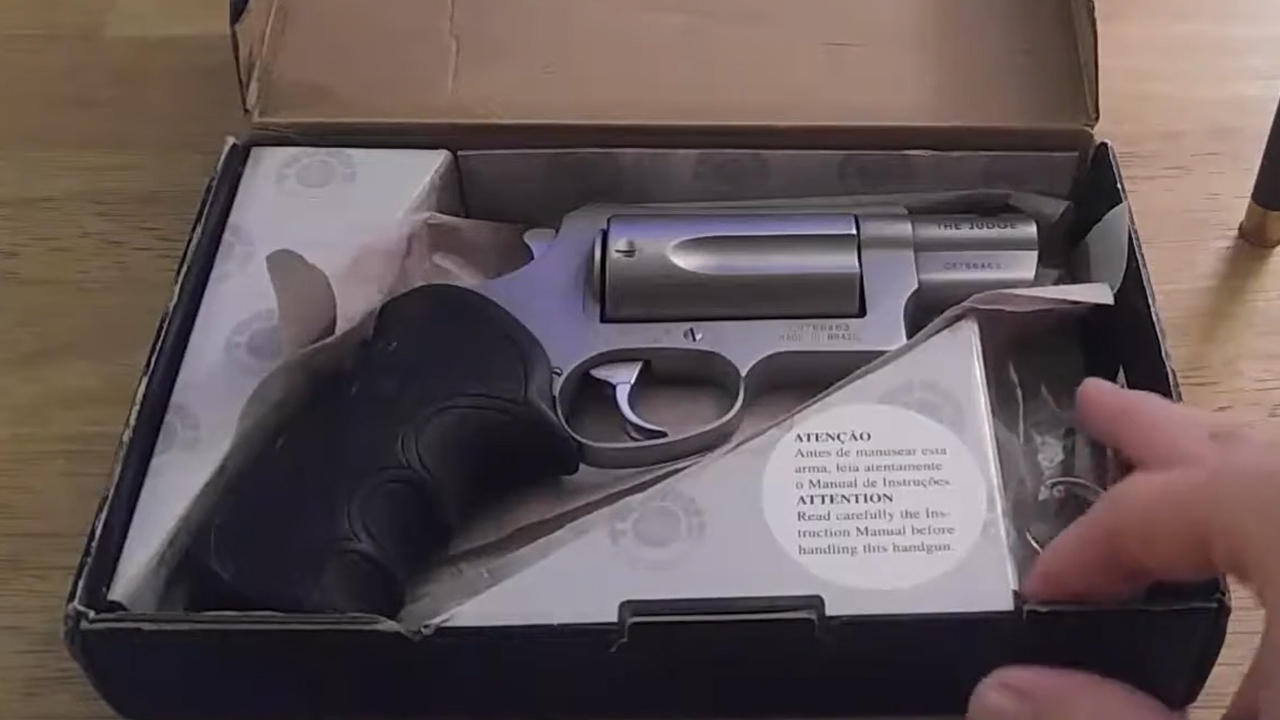
The Judge Public Defender seems useful because it can fire both .410 shotshells and .45 Colt ammunition. In theory, that gives the owner one handgun for snakes, pests, and larger threats.
The short barrel limits the performance of both ammunition types. Shot patterns spread quickly, while .45 Colt accuracy may suffer from the long chamber. The revolver is also bulky for its capacity. In the woods, I would rather carry a conventional .357 Magnum or .44 Magnum revolver and use ammunition designed specifically for the task.
Bond Arms Cyclops .45-70
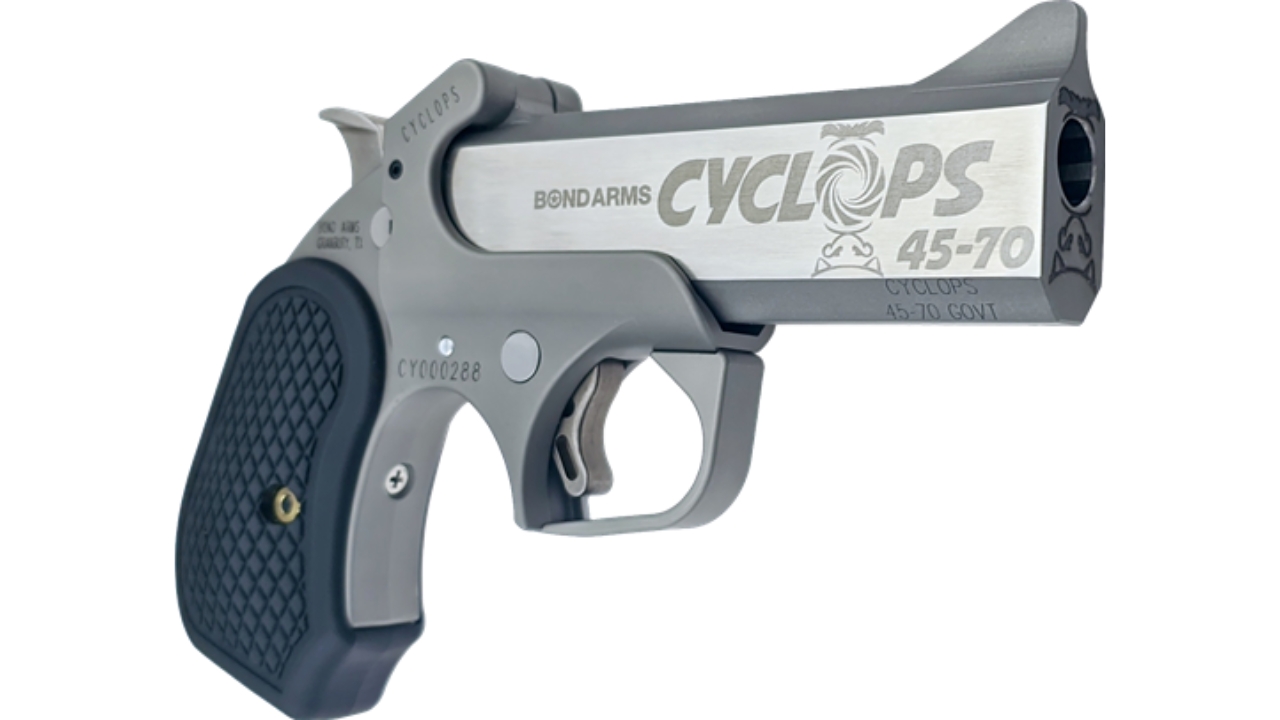
The Cyclops looks like a compact way to carry extreme power, but its single-shot design and brutal recoil make it a questionable woods gun. The short barrel gives the shooter all the blast and recoil of the .45-70 without the stability or velocity of a rifle.
There is also no immediate second shot. Reloading a single-shot handgun while moving, injured, or under pressure is far from ideal. The Cyclops is a conversation piece and a test of recoil tolerance, not the field handgun I would choose when reliability and rapid follow-up shots matter.
SIG Sauer P365-380
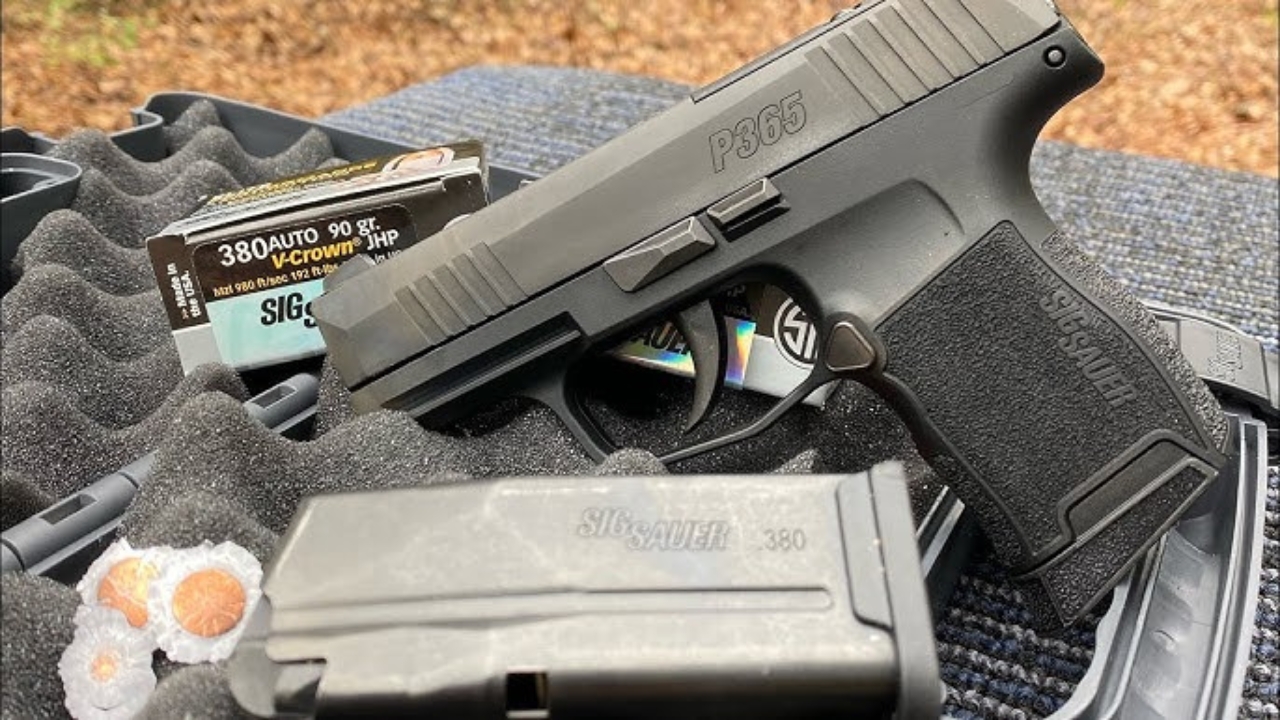
The P365-380 is easy to conceal and pleasant compared with many tiny pocket pistols. That does not make it a strong general-purpose woods gun. Its short barrel, light slide, and .380 ACP chambering provide limited performance on anything larger than a close-range human threat.
The small grip can also be difficult to control with cold or wet hands. The gun makes sense for deep concealed carry in town, but the woods often justify a larger handgun with better sights, stronger ammunition, and enough grip surface to operate with gloves.
Smith & Wesson Bodyguard 2.0

The Bodyguard 2.0 is one of the better modern pocket pistols, but it remains a very small .380. Its greatest advantages are low weight and concealability, neither of which is usually the top priority once I am carrying openly or under outdoor clothing.
The short sight radius and tiny grip make precise shooting more difficult at extended distances. Limited bullet weight and penetration also reduce its usefulness against tougher animals. It is a good backup pistol, but I would not want it to be my only firearm deep in the woods.
KelTec PMR-30
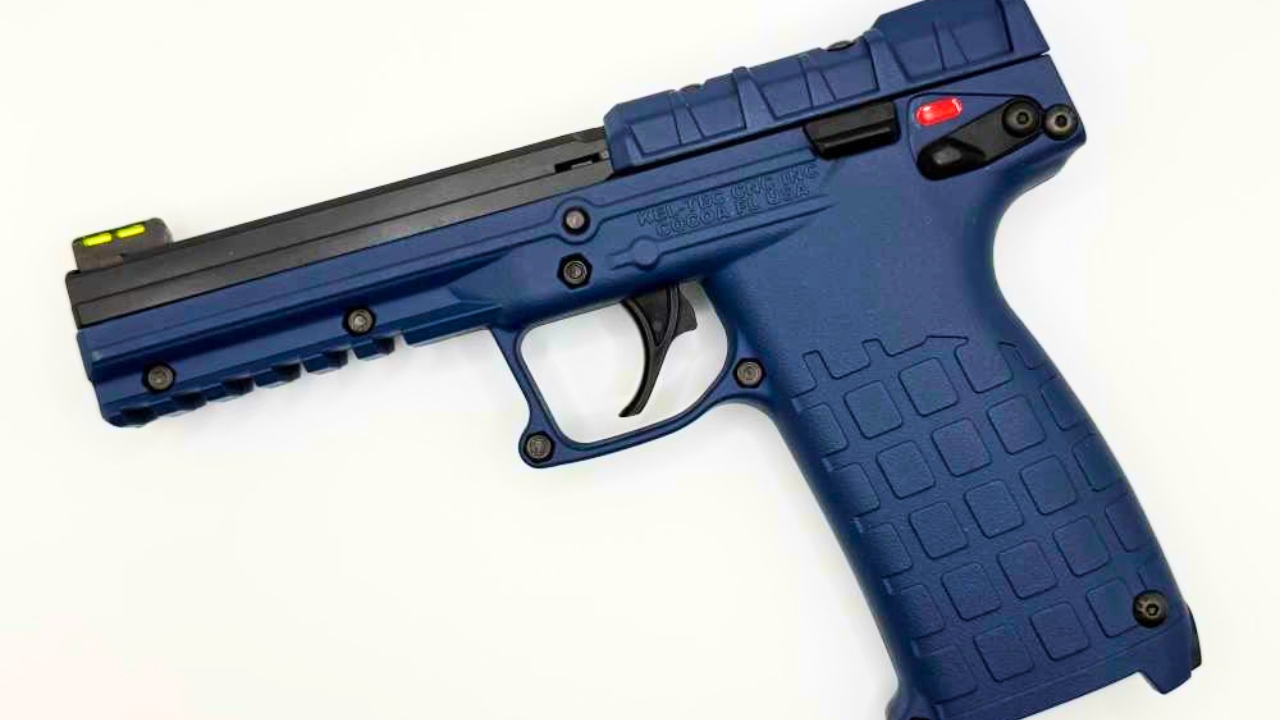
The PMR-30 offers high capacity, low recoil, and a lightweight frame. Those qualities make it enjoyable for target shooting and small-game use, but the pistol has several weaknesses as a serious field gun.
The .22 Magnum cartridge is more powerful than .22 LR, yet it still lacks the penetration and bullet weight of centerfire handgun rounds. The pistol can also be sensitive to ammunition and loading technique. A field handgun should work with little attention to magazine loading details, especially when hands are cold or dirty.
FN Five-seveN
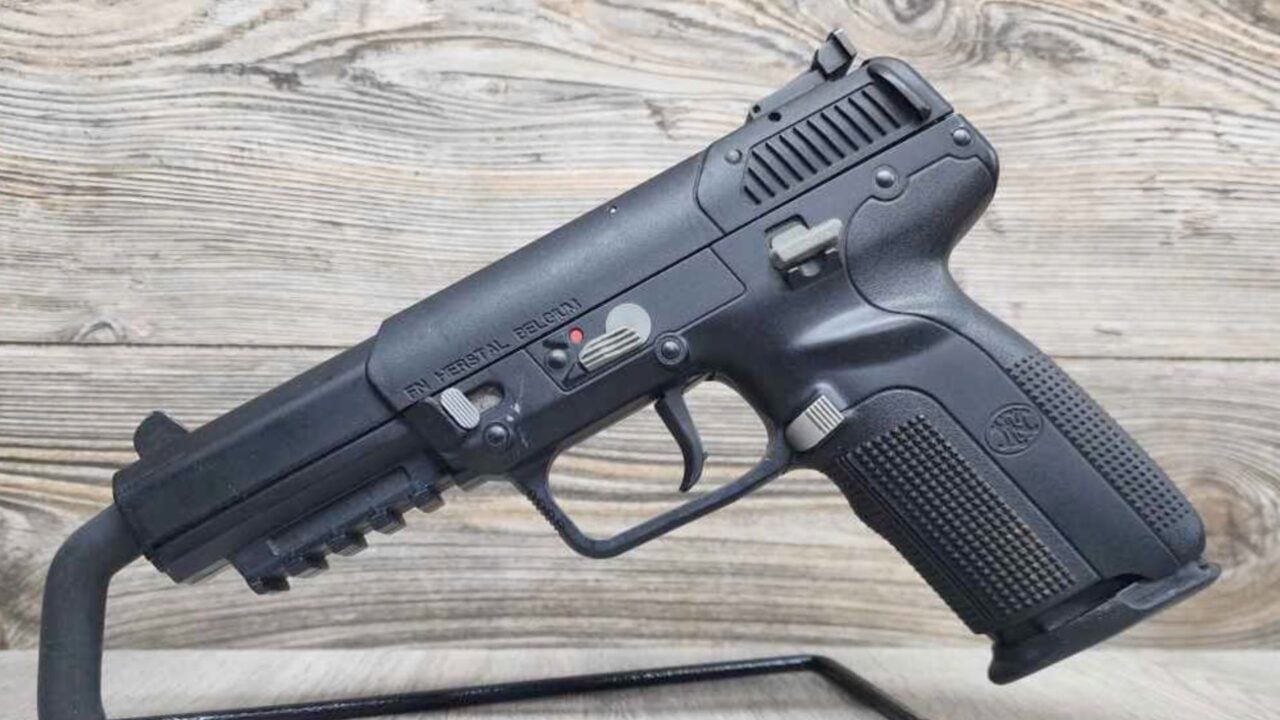
The Five-seveN is light, accurate, and capable of carrying a large amount of ammunition. Its 5.7x28mm cartridge produces mild recoil and a flat trajectory compared with conventional handgun rounds.
The cartridge is not my preferred choice for large-animal defense or general woods use. Bullet weight is low, ammunition can be expensive, and terminal performance depends heavily on the specific load. The pistol also costs enough that exposing it to mud, rain, and hard knocks makes less sense than carrying a simpler 10mm or magnum revolver.
Ruger-57

The Ruger-57 gives shooters access to the 5.7x28mm cartridge at a lower price than the FN. It is easy to shoot and carries plenty of ammunition, but it has the same basic field limitation.
The round is optimized around speed and low recoil rather than heavy penetration. That may be useful for varmints and target shooting, but it is less reassuring around hogs, bears, or other strong animals. The pistol is also physically large for a cartridge that does not deliver heavy-bullet performance.
Canik Rival-S
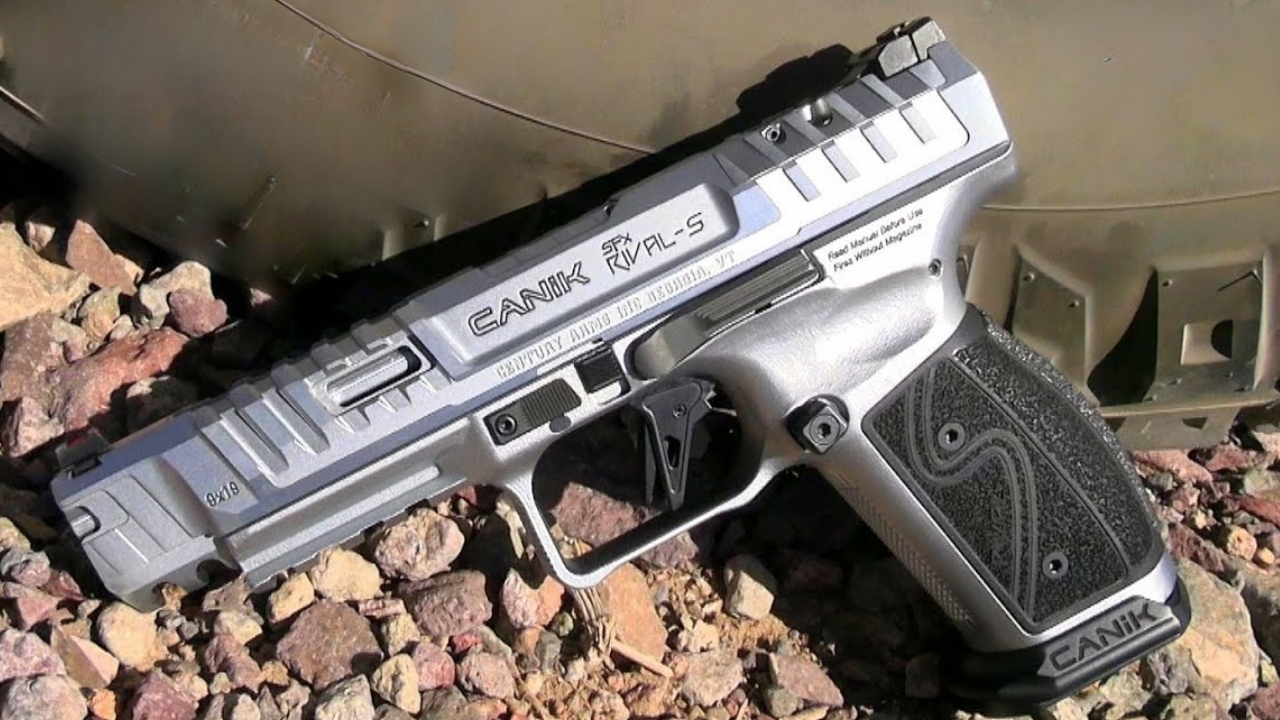
The Rival-S is an excellent competition pistol, but competition features do not automatically improve a woods gun. Its steel frame is heavy, the extended controls can catch on equipment, and the large magazine well adds bulk without helping ordinary field carry.
The light trigger is another concern when moving through brush, climbing, or wearing gloves. A woods pistol should have a trigger and controls that remain safe under rough handling. The Rival-S is built for speed on a controlled range, not for being dragged through mud and carried beside packs, straps, and heavy clothing.
Walther Q5 Match Steel Frame

The Q5 Match Steel Frame is accurate, smooth, and easy to shoot quickly. It is also heavy enough to become tiring during long field carry. The extended slide, steel frame, and competition-oriented trigger make it much better suited to matches than wilderness use.
Its sights and controls are optimized for clean range conditions. A simpler compact duty pistol would weigh less, resist damage better, and provide a more appropriate trigger for rough movement. The Q5 is a refined shooting machine, but refinement is not what I prioritize in the woods.
CZ Shadow 2 Orange
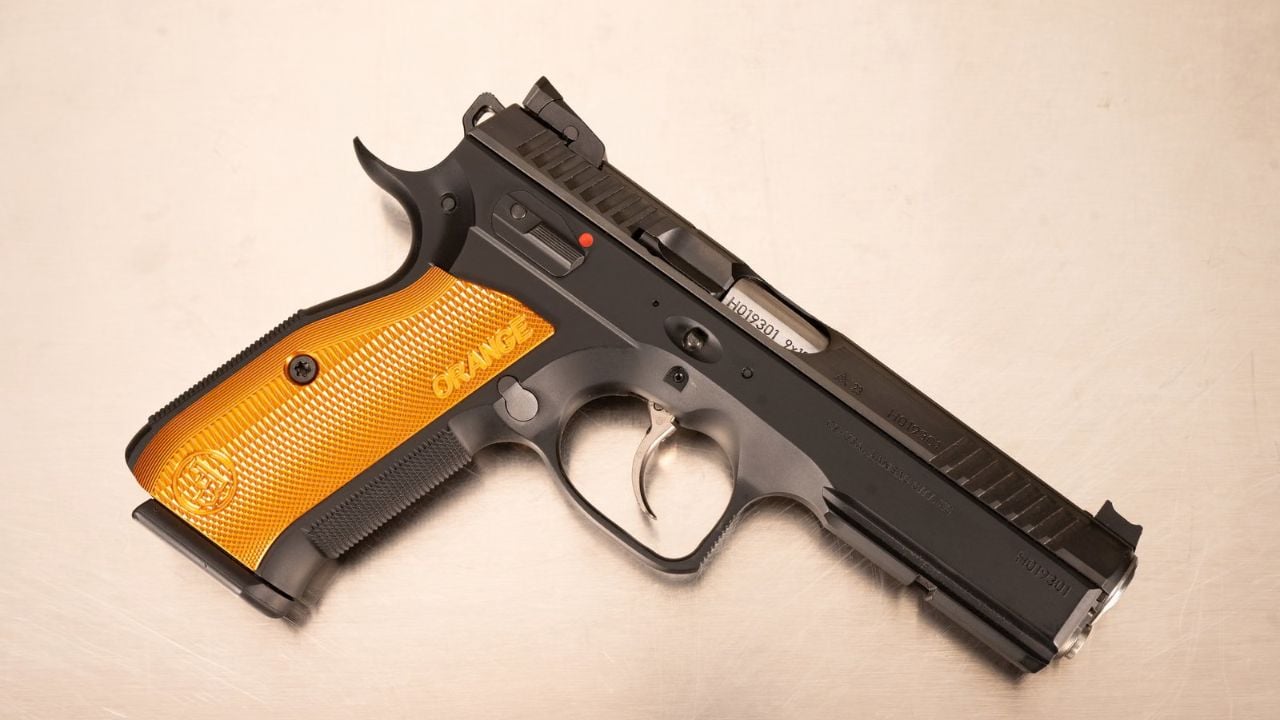
The Shadow 2 Orange is one of the finest production competition pistols available. It has a superb trigger, heavy steel frame, extended controls, and exceptional accuracy.
Those same features make it a poor choice for field carry. The pistol is heavy, the trigger is light, and the oversized controls can be activated by gear or vegetation. It also lacks the simple ruggedness of a service pistol. I would rather carry a basic CZ P-10 F or P-09 than risk damaging an expensive competition gun in harsh conditions.
Staccato XL
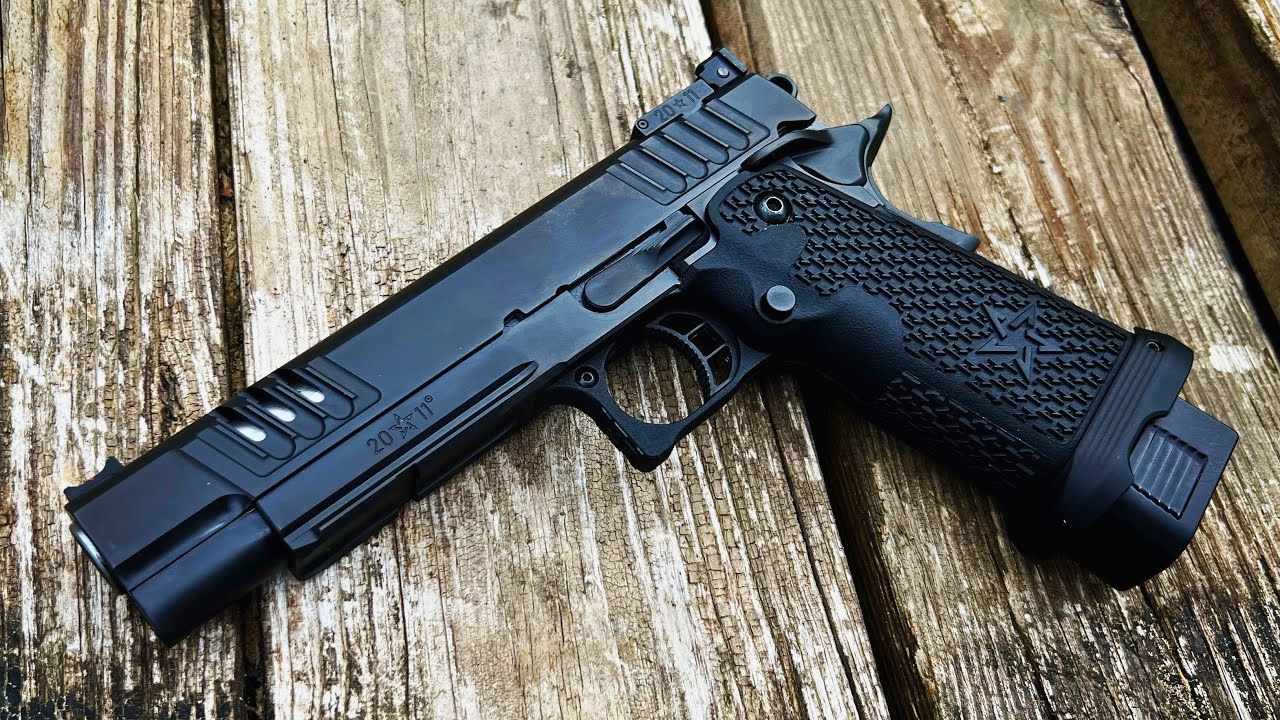
The Staccato XL provides excellent accuracy, a large magazine capacity, and one of the best triggers available in a production semiautomatic pistol. It is also long, heavy, and expensive.
The single-action trigger and manual safety require careful handling around gloves, packs, and brush. The pistol’s tight fit and premium finish deserve more maintenance attention than a basic polymer service gun. It is an outstanding competition and range pistol, but I would not choose it for several days of wet, dirty field carry.
Henry Golden Boy .22 LR
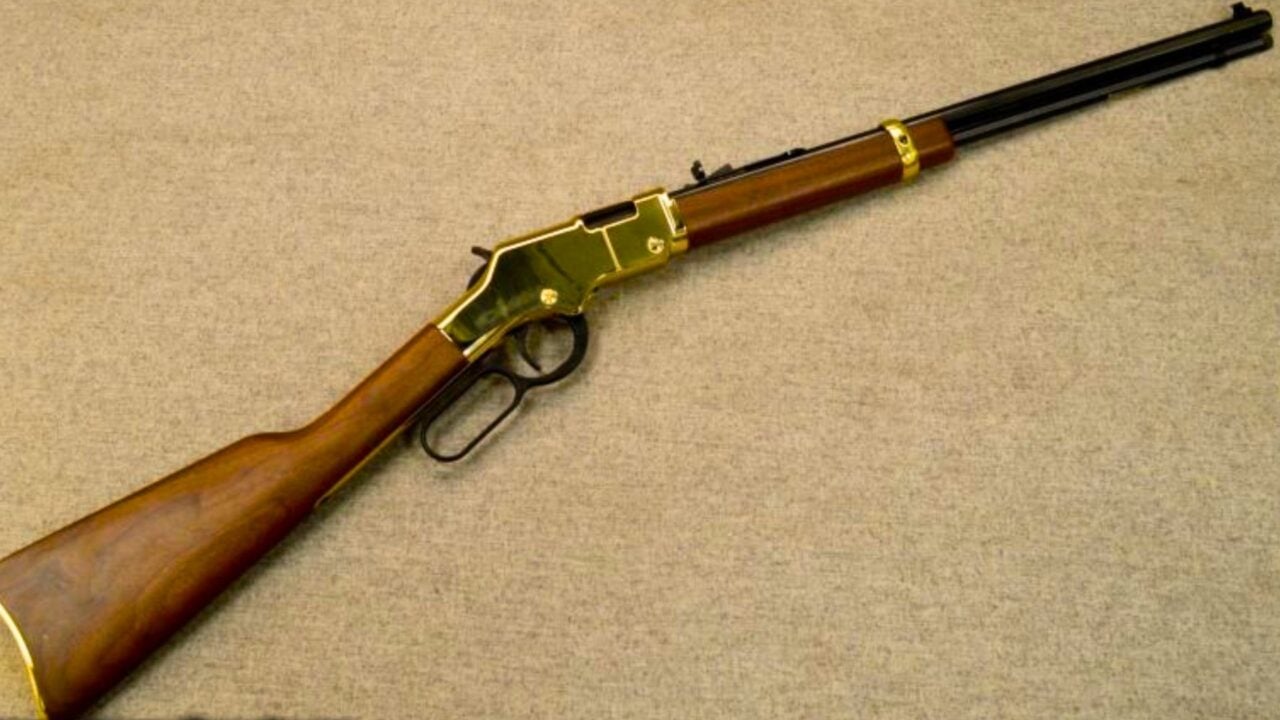
The Golden Boy is attractive, smooth, and enjoyable to shoot. Its brass-colored receiver, octagonal barrel, and walnut stock make it one of the best-looking rimfire lever actions.
It is also heavier than many centerfire carbines and less weather-resistant than a basic synthetic-stocked .22. The polished receiver and wood encourage the owner to worry about scratches and moisture. For serious woods use, I would take a lighter stainless or synthetic rimfire and leave the Golden Boy for fair-weather range trips.
Uberti 1873 Sporting Rifle
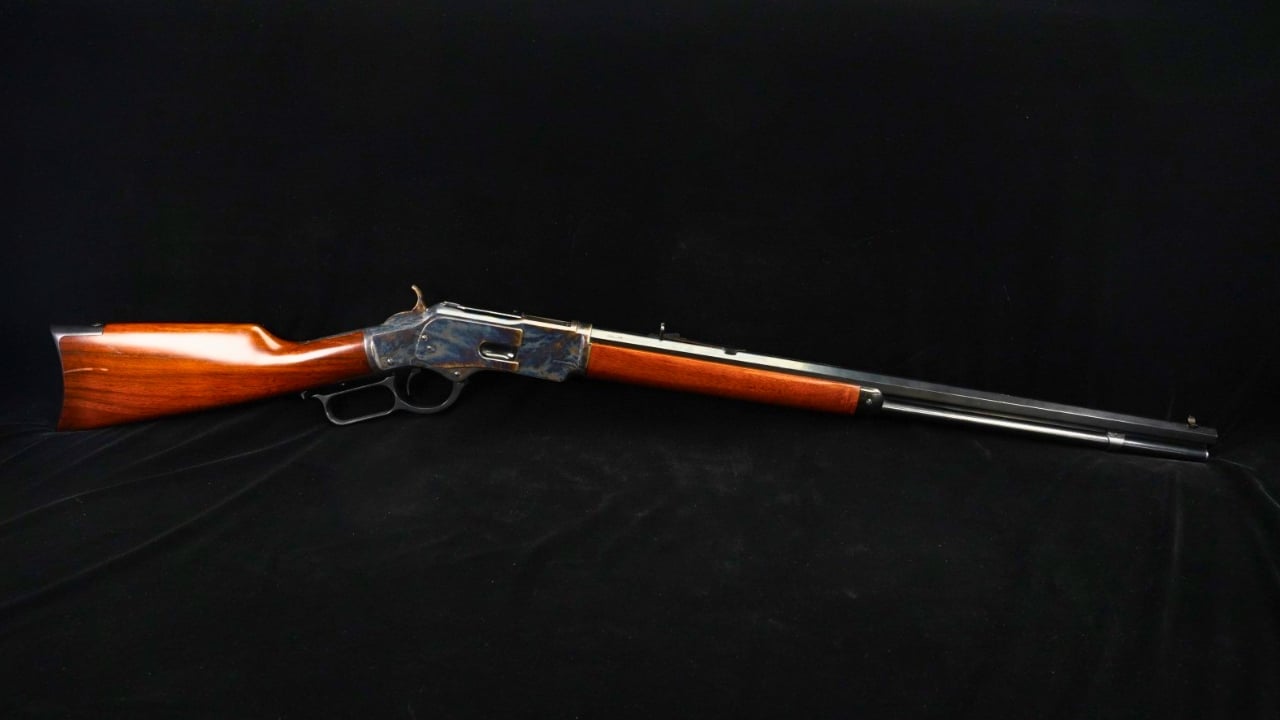
The Uberti 1873 Sporting Rifle provides a wonderfully smooth action and authentic Old West appearance. Its toggle-link design is ideal for mild pistol-caliber loads and cowboy-action shooting.
It is not the lever action I would choose for rough woods use. The rifle is long, heavy, and less suitable for high-pressure hunting ammunition than stronger modern actions. The polished finish and traditional sights also make it more vulnerable to weather and harder to use quickly in poor light.
Christensen Arms Ridgeline FFT

The Ridgeline FFT is extremely light and built with premium carbon-fiber components. That makes it attractive for mountain hunting, but ultralight rifles come with tradeoffs that are easy to underestimate.
The low weight increases recoil and makes the rifle harder to steady from unsupported positions. Thin, lightweight barrels can also heat quickly during repeated shooting. For ordinary woods hunting where a few extra pounds are manageable, I would prefer a slightly heavier rifle that settles better and is less punishing to shoot.
Springfield Armory M1A Loaded
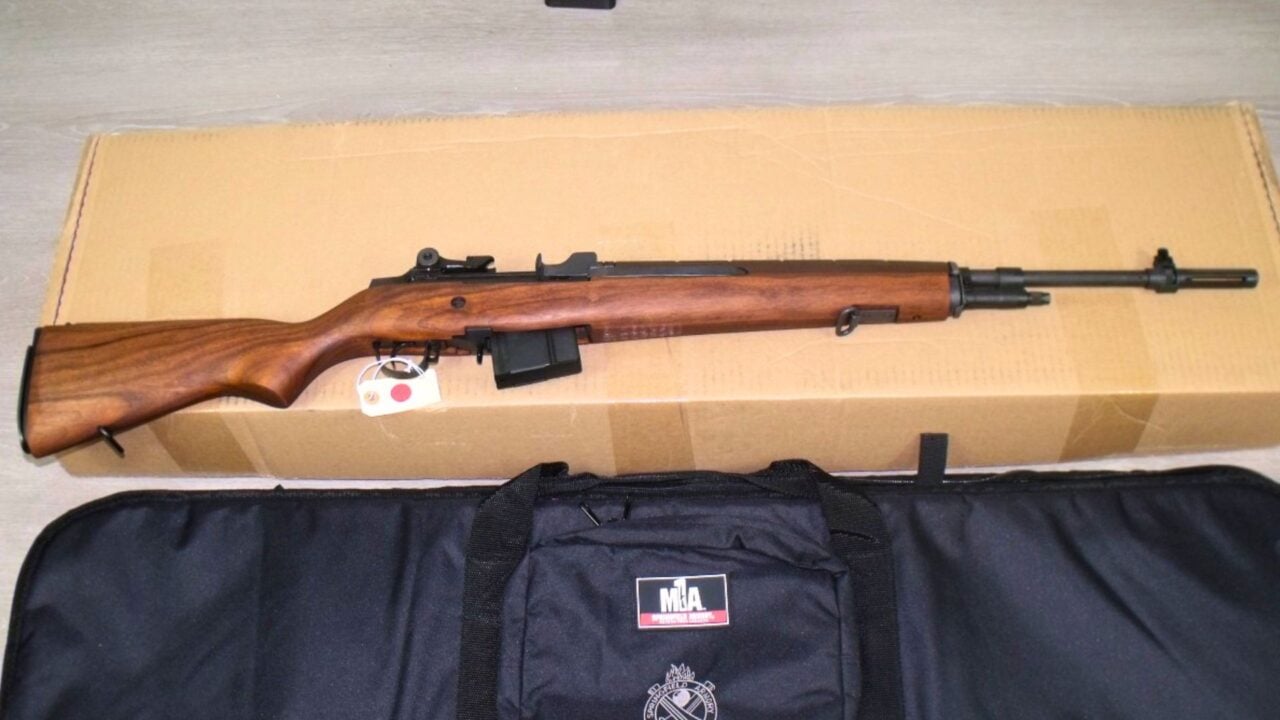
The M1A Loaded is accurate, historically appealing, and powerful. It is also long, heavy, and awkward in thick cover. Carrying one through dense timber for hours quickly makes a lightweight bolt action or compact semiautomatic seem more sensible.
The exposed operating system and traditional stock require more protection from dirt and moisture than a modern sealed rifle. Mounting optics also adds weight and complexity. The M1A is enjoyable on a range or from a fixed position, but it is not the rifle I want while climbing, tracking, or moving through brush.
Barrett M82A1
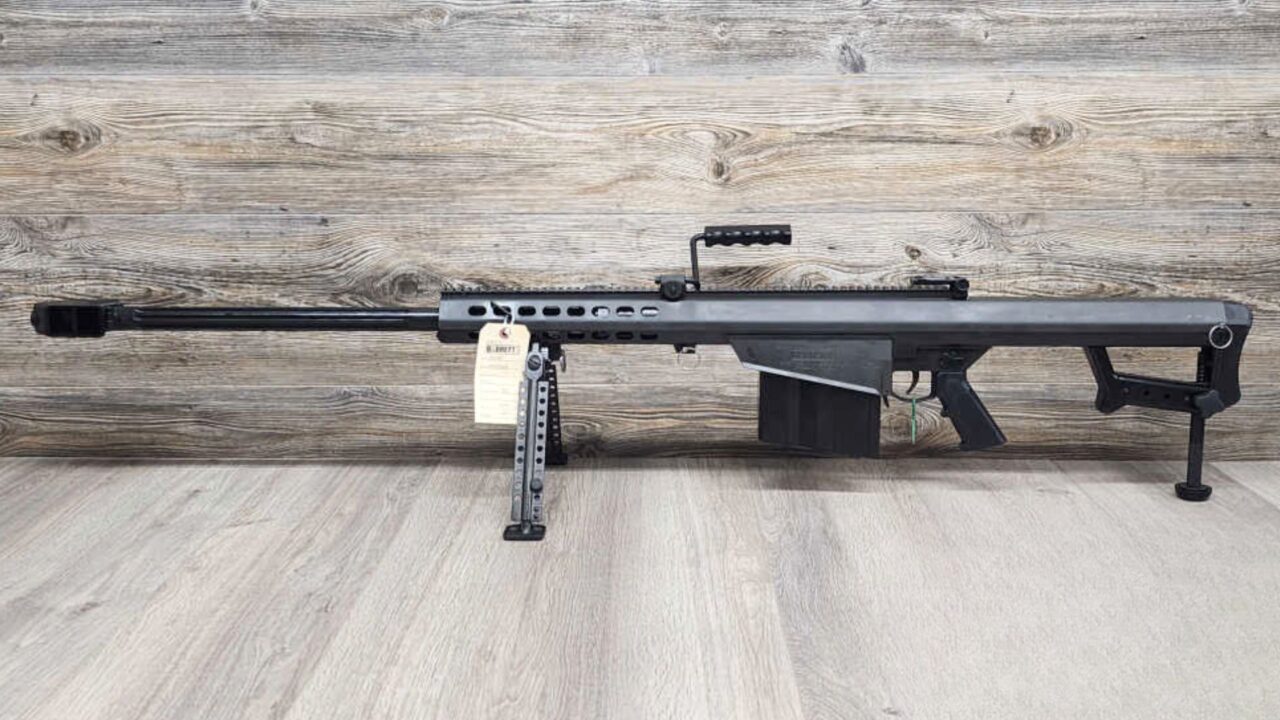
The Barrett M82A1 delivers unmatched visual presence and .50 BMG power. None of that makes it a practical woods rifle. It is extremely heavy, exceptionally loud, and nearly impossible to carry comfortably without a team or vehicle.
The cartridge is also excessive for nearly every animal and task encountered in ordinary woodland. Ammunition is heavy, expensive, and difficult to carry in quantity. The Barrett has legitimate military and long-range roles, but carrying one into the woods would create far more problems than it solves.
IWI Tavor TS12
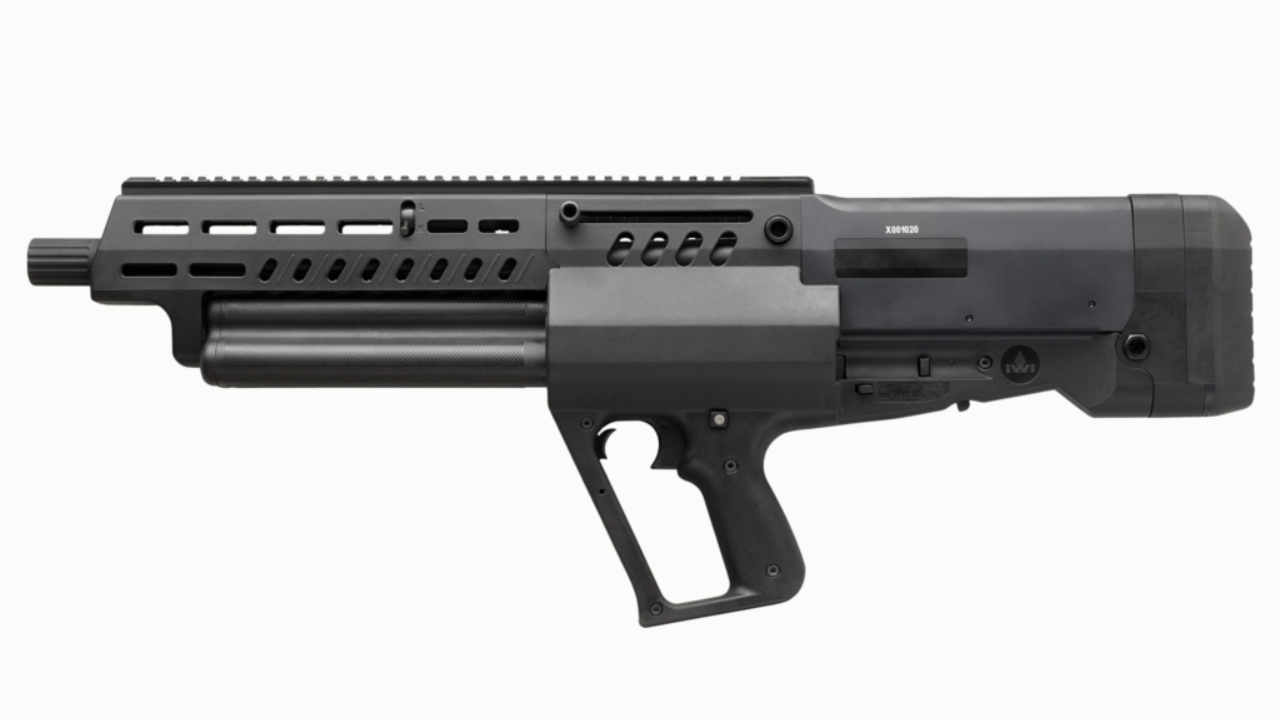
The Tavor TS12 offers enormous shotgun capacity in a compact bullpup package. Its rotating magazine tubes and futuristic appearance make it seem like a strong defensive choice.
The system is complicated for field use. The shooter must keep track of three magazine tubes, rotate the assembly, and manage a heavy rear-biased firearm. Loading loose shotgun shells into multiple tubes is slow and awkward. A conventional pump or semiautomatic shotgun would be easier to operate, maintain, and understand under stress.
Standard Manufacturing DP-12
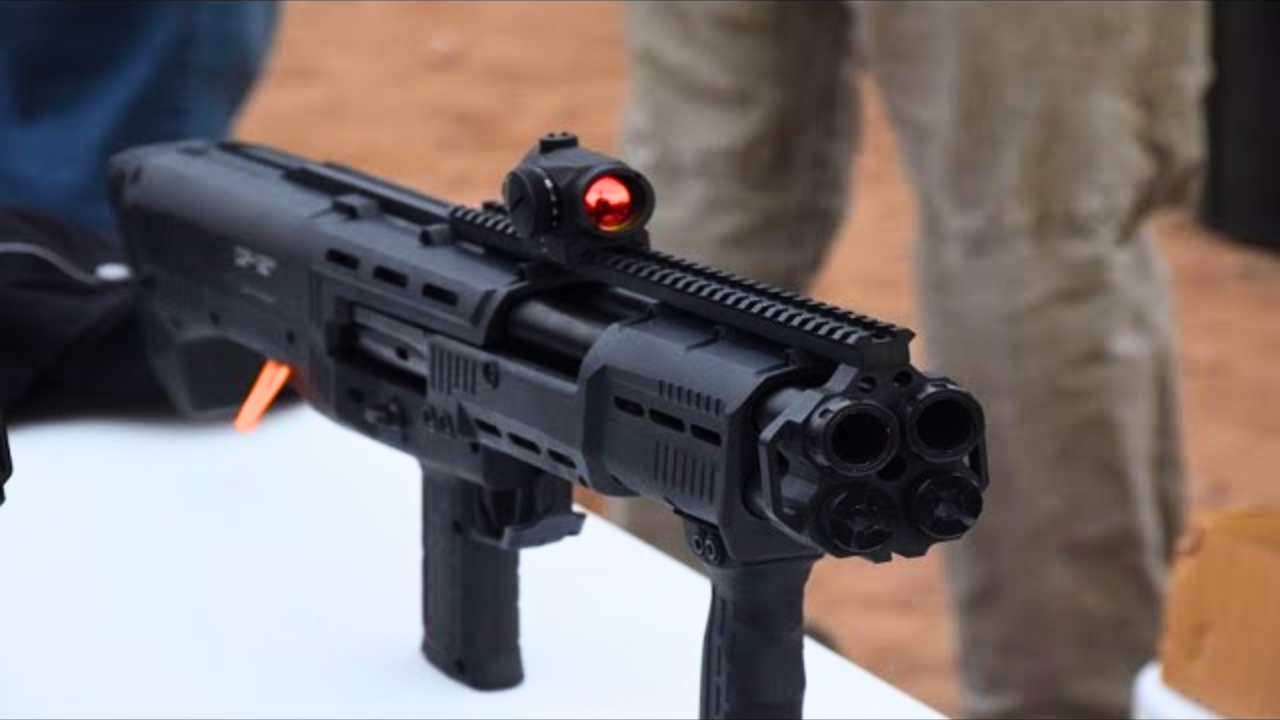
The DP-12 allows two shots before the action must be cycled, giving it an unusual amount of immediate shotgun firepower. It also carries a large amount of ammunition.
The shotgun is extremely heavy and wide. Its operating sequence is unlike a conventional pump, requiring the user to remember two trigger pulls before cycling. In the woods, where footing, movement, and sudden encounters complicate everything, I would not want an unusual manual of arms. A lighter and simpler shotgun would be faster to carry and easier to operate correctly.
KelTec KSG

The KSG is compact and holds a large number of shells in two magazine tubes. Those features make it attractive for storage and home defense.
For woods use, the KSG is heavy for its length, awkward to reload, and easy to short-stroke without aggressive operation. The support hand also sits close to the muzzle, especially when moving quickly or using gloves. Its compact size does not compensate for the complicated loading system and uncomfortable recoil during extended field use.
Like The Avid Outdoorsman’s content? Be sure to follow us.
Here’s more from us: