Photo credit: Theavidoutdoorsman.com
A lot of hunters have a “one rifle” that just works. It’s the gun that rides behind the truck seat during season, the one that’s been zeroed a dozen times in the same gravel pit, the one you trust when the light is bad and the shot window is small. Losing that rifle doesn’t just hurt your wallet—it scrambles your whole fall.
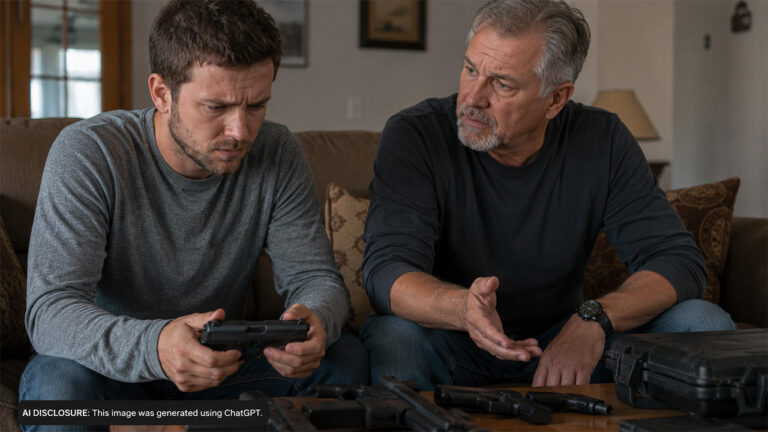
That’s where one gun owner found himself after a break-in. He did what most folks are told to do: he filed a theft report, wrote down the serial number, and started calling around to pawn shops in the area. Weeks later, he got the call that should’ve been the end of the story—his rifle had been located.
How the rifle surfaced and why it didn’t go straight home
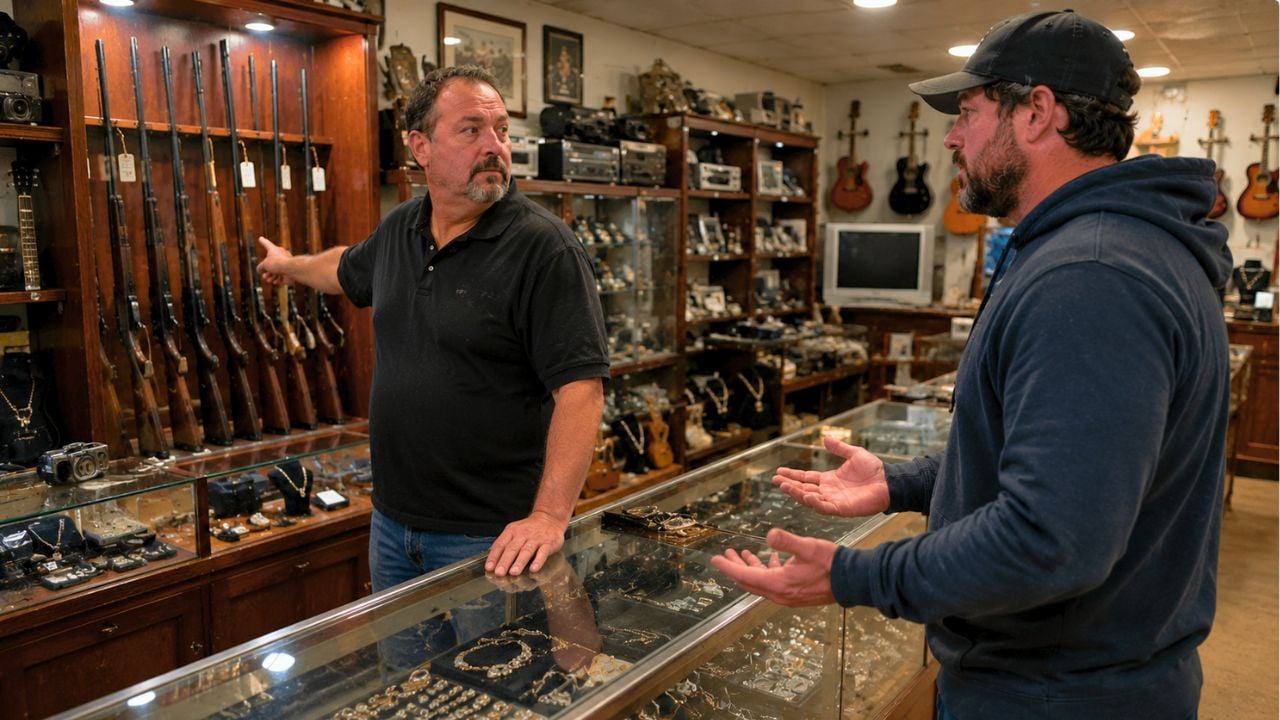
The rifle turned up at a local pawn shop after someone brought it in to sell or pawn for quick cash. The shop ran the required checks and, depending on the state, either entered it into a system or flagged it once law enforcement contacted them. That’s usually when the “hold” starts.
Pawn shops don’t get to just hand a gun back because a guy walks in and says it’s his. Once there’s a theft report involved, the shop is trying to avoid being on the wrong side of a receiving-stolen-property mess, and police are trying to maintain chain-of-custody. So the rifle went into a back-room safe, tagged, and put on a mandatory hold—90 days in this case.
From the outside, that sounds like a clean process. But on the owner’s side, that 90-day period can turn into a long, quiet stretch where nobody is sure who is supposed to push the next piece of paperwork.
The paperwork trap: proof, releases, and small delays that turn big
When the owner showed up with his case number and purchase information, he expected a simple verification and pickup. Instead, he ran into the kind of bureaucratic shuffle that’s common when a pawned firearm is tied to a theft report.
The pawn shop wanted a formal release or written authorization showing the rifle could be returned. Law enforcement wanted the shop to keep holding it until a property release could be generated. In some jurisdictions, the owner is told to petition for return of property, get a detective’s signature, or wait on a property clerk to process it.
None of those steps are hard on paper. In the real world, they’re slow. A detective rotates off a caseload. A property tech is out for training. A file sits because it’s not an emergency. Meanwhile, the owner is checking in, hearing “it should be soon,” and watching the calendar roll.
The problem is the hold period isn’t a gentle suggestion. It’s a deadline with consequences if somebody treats it like a “we’ll get to it when we get to it” task.
Ninety days came and went, and the worst option happened
Once the 90-day hold expired, the rifle was still sitting in limbo. The owner was waiting on the last piece of paperwork to clear, expecting that once the release landed, the shop would hand it over and everyone would move on.
Instead, the shop treated the unclaimed firearm like inventory they couldn’t legally sell and didn’t want to store. Some shops have policies for abandoned or unclaimed property after a statutory period, especially if the “owner” of record on the pawn ticket never comes back and the shop believes they’re stuck holding a problematic item.
That’s when it went from frustrating to permanent: the rifle was destroyed. Not sold, not transferred, not returned—scrapped. For the guy who reported it stolen and tracked it down, that feels like a second theft carried out under fluorescent lights and paperwork.
And from a practical outdoorsman angle, it’s hard not to see the waste. A deer rifle with a good barrel and a known zero doesn’t deserve to get cut up because two offices couldn’t line up on a form before a timer ran out.
What gun owners were hung up on: “How can they destroy your property?”
When this kind of situation gets talked about around the gun counter, the same points come up fast. First, folks want to know how a firearm tied to a theft report can end up treated like abandoned property. Second, they want to know why the owner isn’t automatically prioritized once ownership is established.
The hard truth is that “ownership” and “possession” aren’t the same thing in the eyes of process. A pawn shop is protecting its license. Law enforcement is protecting its procedures. The owner is the only person in the chain who’s emotionally and financially invested in that gun coming home, so he’s often the one doing all the follow-up.
Others focus on documentation: keep original receipts, take photos of serial numbers, and store that info somewhere you can access after a burglary. That part matters, but this case shows it isn’t always enough. You can do everything right and still get stuck between policies.
And, predictably, plenty of folks say they’d never let it reach day 90. That sounds good—until you’ve spent a few months leaving voicemails and being told “it’s pending.”
Lessons for hunters and gun owners who don’t want to lose a rifle twice
If there’s one practical takeaway, it’s that time limits on holds are real, and you have to treat them like a season opener. Mark the date. Count the days. Start pushing well before the deadline, not during the last week when everyone is “waiting on one signature.”
Second, get everything in writing. A phone call is helpful, but a dated email that says “we are holding this firearm for case number X and will release it upon receipt of Y” is what you can forward to the next person when the first person disappears from the chain. If an agency has a property unit, ask for that contact directly. If a pawn shop has a compliance manager, get that name.
Third, don’t assume the pawn shop and law enforcement are coordinating the way you think they are. Make yourself the relay. Confirm what the shop requires to release it. Confirm what the agency requires to issue that release. Then line those two requirements up, even if it means politely asking someone to correct a mismatch.
Finally, this is a good reminder to document your firearms like you document your land. Serial numbers, photos, appraisals for higher-end rifles, optics model numbers, and a safe place to store it all. Because when something goes sideways, you don’t get extra points for “everybody knows that’s my rifle.” You need proof that moves paperwork.
Most of us accept that stolen guns are hard to recover. The part that stings here is that the rifle was already found. It survived the theft, survived the pawn counter, survived the hold—and still didn’t make it home. That’s a rough lesson, and it’s one worth learning before the next break-in turns into another empty spot in the gun safe.